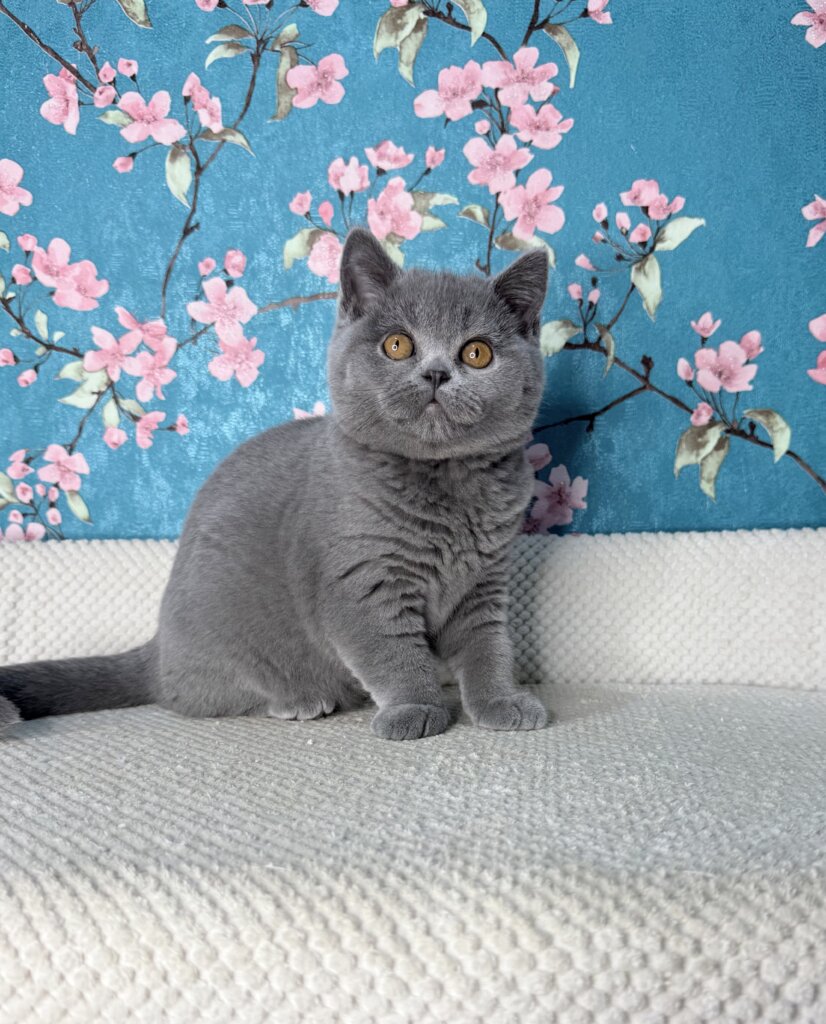

Maine Coon characteristics include a large, long-bodied build, a shaggy coat and a bushy tail, often paired with a sociable, curious temperament. These qualities make the breed distinctive, but no single physical trait or behavior proves a cat’s ancestry.
What are Maine Coon characteristics and qualities?
Maine Coons are large, substantial cats with long bodies, uneven coats and plumed tails; many also enjoy spending time near their people. Their combination of size and shaggy appearance is more distinguishing than any one feature.
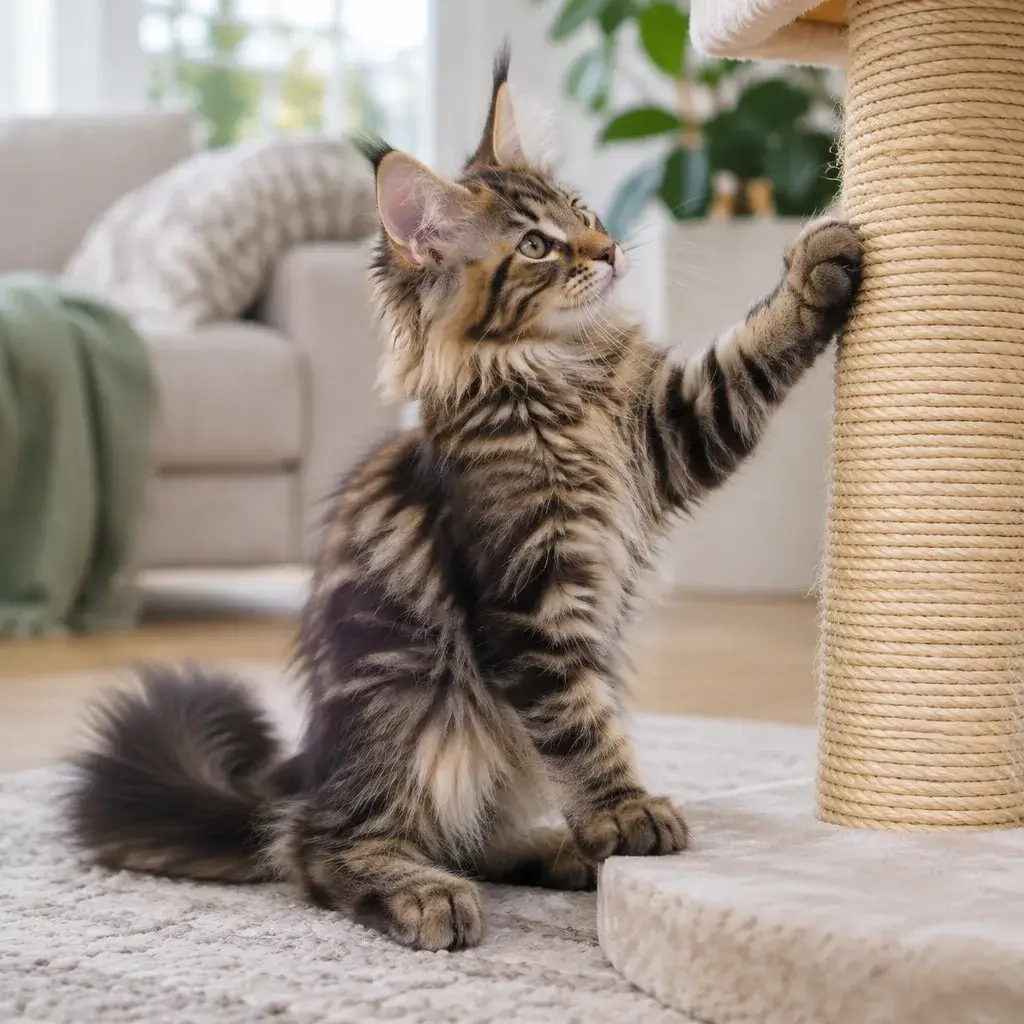
Adults typically weigh about 13–18 pounds for males and 8–12 pounds for females, although individuals can be smaller or larger. They mature slowly and may continue filling out until around 3–5 years of age. A large frame is not an excuse for excess weight: your veterinarian can help assess body condition as your kitten grows.
Common Maine Coon qualities include curiosity, playfulness and an interest in family activities. These are tendencies, not promises. If you are considering a Maine Coon for sale, ask about the individual kitten’s behavior as well as its pedigree.
For more background, explore these facts about Maine Coon cats, including the breed’s history.
What makes their appearance distinctive?
The most distinctive look is a long, sturdy body with a shaggy, uneven coat and a full, bushy tail. Large ears may have tufts, paws can have fur between the toes, and some Maine Coons are polydactyl, meaning they have extra toes.
Coats come in many colors and patterns, including brown tabby, silver tabby, black, white and various combinations with white; the number of recognized combinations depends on the registry and how patterns are classified. Ear size, facial shape and coat fullness vary between individual cats. See more about Maine Coon facial characteristics.
What are Maine Coon kitten characteristics?
Maine Coon kittens are often playful and curious, with developing ear furnishings, a growing tail and a coat that may become fuller as they mature. A kitten may look lanky before its adult body fills out, and growth varies from one kitten to another.
Appearance and behavior cannot confirm Maine Coon ancestry, because domestic longhair cats can share the same traits. A documented pedigree from a recognized registry, such as TICA or CFA, supports breed identity; a commercial DNA ancestry result alone is not a substitute for pedigree records. Read more about Maine Coon kitten features and Maine Coon cat size.

What is life with a Maine Coon like?
Life with a Maine Coon often means sharing space with a curious cat that enjoys play and companionship, although every cat has its own preferences. Some follow family members around, some favor one person, and others divide their attention or prefer to sit nearby rather than on a lap.
Many learn routines and can be taught simple behaviors with rewards, but intelligence does not guarantee that a cat will respond on command. Short play sessions with a wand toy, a food puzzle or a gently tossed toy give a curious cat a useful outlet. Some Maine Coons investigate water or dip a paw into a bowl; others show little interest, so don’t assume yours will enjoy a bath.
For children and other pets, introduce the kitten gradually. Give the kitten a quiet room at first, supervise interactions and let it approach at its own pace. Teach children to support the kitten’s body and leave it alone when it retreats; separate food, water and resting places help resident pets adjust.
A busy household is not automatically a good match, and a quiet one is not automatically a poor one. Ask how a particular kitten reacts to handling, unfamiliar sounds and other animals, then consider whether your home can provide the routine and attention it needs. For more breed background, see these interesting facts about Maine Coon cats.
Are Maine Coons good indoor cats and high maintenance?
Yes, Maine Coons can thrive indoors with daily interaction, play and room to climb, but their long coats and large adult size require some extra planning. They are not necessarily difficult to care for, though regular grooming and sturdy equipment matter.
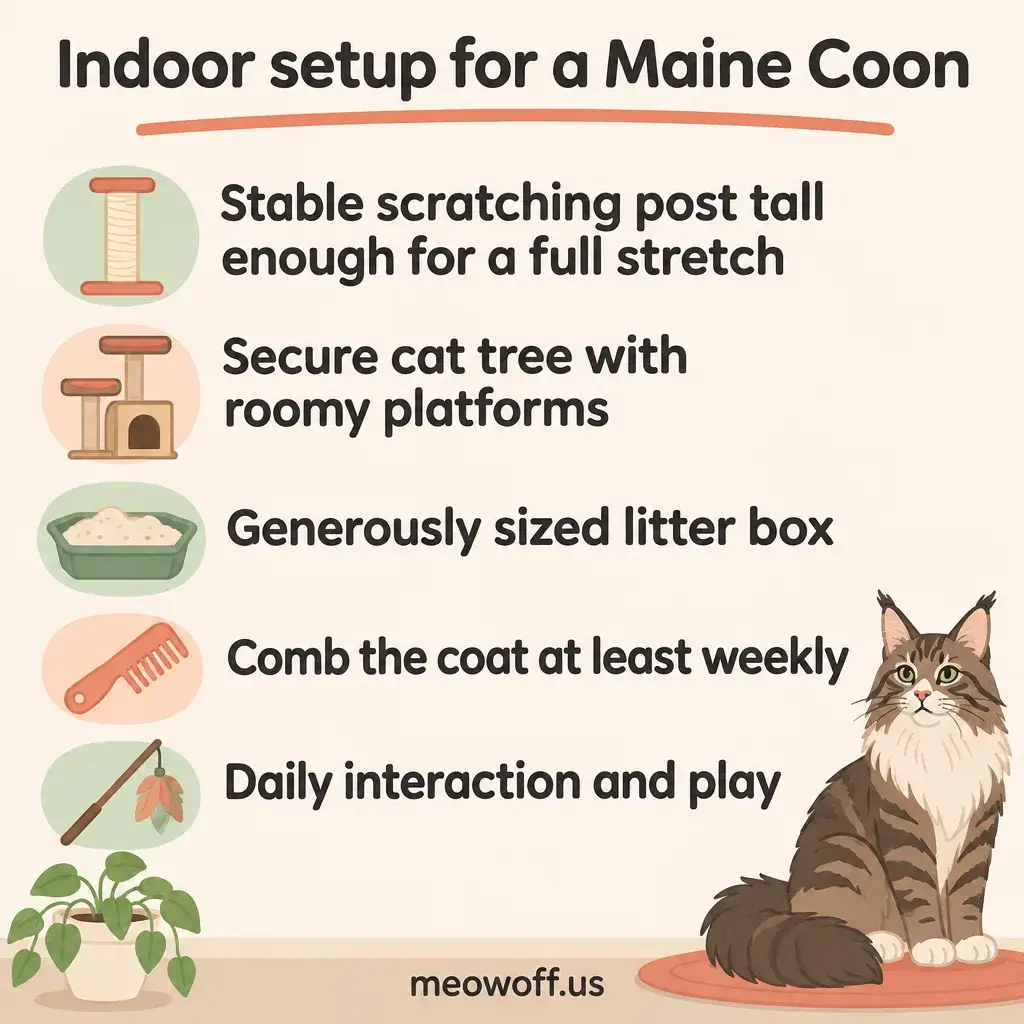
Choose a stable scratching post tall enough for a full stretch, a secure cat tree with roomy platforms, and a carrier large enough for an adult to stand and turn comfortably. A generously sized, uncovered litter box can make turning and digging easier. Keep windows and screens secure, and offer perches and rotating toys to make indoor life interesting.
Comb the coat at least weekly, checking behind the ears, under the front legs and around the hindquarters; some cats need more frequent sessions. Start with brief, gentle sessions and rewards. Do not cut tight mats with scissors, because skin can be caught easily; ask a groomer or veterinarian for help.
Call your veterinarian if you notice persistent skin redness, painful mats or a sudden change in grooming. Trouble breathing, collapse or inability to stand is an emergency, not a grooming problem. Trim nail tips as needed, introduce toothbrushing gradually with cat-safe toothpaste, and ask your veterinarian about a dental-care plan.
Feed a complete and balanced food appropriate for your cat’s life stage; look for an AAFCO nutritional adequacy statement on the label. Follow the feeding guide as a starting point, adjust with your veterinarian based on growth and body condition, and keep fresh water available. Large breed size alone does not mean a kitten should be fed without monitoring its weight.

What health concerns should owners know?
Maine Coons can develop hypertrophic cardiomyopathy, hip dysplasia and spinal muscular atrophy, so ask about the parents’ screening and keep up with veterinary examinations. A healthy-looking kitten can still have an inherited risk, and screening reduces uncertainty rather than guaranteeing a particular outcome.
- Hypertrophic cardiomyopathy (HCM): This heart disease involves thickening of the heart muscle. Some cats show no obvious signs; others may breathe faster, tire easily or eat less. Ask for parental heart ultrasound results and their dates, as well as relevant DNA test results. A negative DNA result for a known HCM variant does not rule out all HCM or other heart disease.
- Hip dysplasia: Abnormal development of the hip joint can contribute to discomfort and arthritis. Reluctance to jump, stiffness or limping deserves a prompt veterinary appointment. Ask whether the parents have had hip evaluations and request the results; your vet can advise on keeping your cat at a healthy weight.
- Spinal muscular atrophy (SMA): This inherited condition affects nerves controlling muscles and can cause weakness or an unusual gait. Ask whether the parents were DNA tested for SMA and how the results affect the kitten’s risk. Call your veterinarian promptly if a kitten seems weak, wobbly or has difficulty jumping.
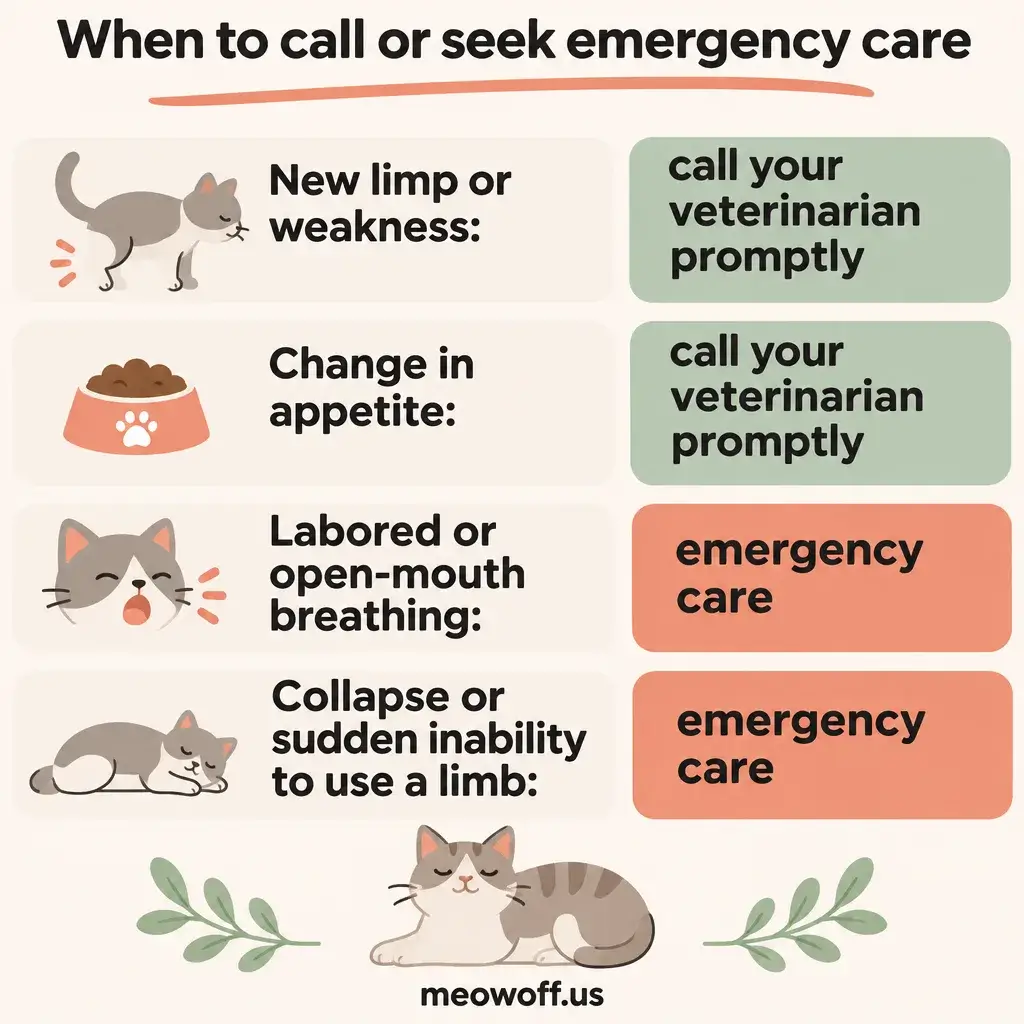
Emergency: Labored or open-mouth breathing, collapse, or sudden inability to use a limb needs immediate emergency veterinary care. Keep the cat calm, minimize handling and call the emergency clinic while you arrange transport.
For a new limp, weakness, unusual tiredness or a change in appetite, call your veterinarian promptly rather than assuming it is part of growing. These signs have many possible causes and need an examination; they do not identify a particular disease by themselves. Your veterinarian can also advise when a cat’s individual history calls for further heart or orthopedic testing.
Maine Coons commonly live around 12–15 years, with individual lifespans varying. Routine preventive care, appropriate nutrition and attention to changes in behavior help owners address problems, but no screening program can promise a particular lifespan.
How do you choose a healthy, well-matched kitten?
Choose a kitten whose behavior fits your household, and review its health records and parental screening rather than relying on looks or a title. Look for comfortable movement, clear eyes and an engaged response to its surroundings, while allowing for a kitten that is sleepy or cautious in a new situation.
Ask to see the kitten’s veterinary records and find out what examinations, vaccines and parasite care have been provided. Ask for the parents’ screening reports, including the type and date of any heart ultrasound, hip evaluation and relevant genetic tests. Your own veterinarian can help you interpret a report and discuss what further care may be appropriate.
Champion titles describe success in cat shows, not proof of genetic health or a guarantee of temperament. Pedigree documents can show ancestry and titles, but they do not replace individual health records or a conversation about how the kitten has been socialized.
- Watch the kitten walk and play, and ask how it responds to gentle handling.
- Discuss your household, including children, other pets and the time you can give to play and grooming.
- Request copies of vaccination and veterinary records, pedigree information and available parental screening results.
- Ask what food and litter the kitten uses and how to make the first days at home predictable.
Call a veterinarian promptly if a kitten has discharge from its eyes, a limp, weakness or a change in appetite. Labored or open-mouth breathing, collapse or sudden inability to stand requires emergency care. A single visit cannot reveal every future health issue, so arrange your own veterinary appointment after the kitten comes home.
At MeoWoff, kittens go home at 12–16 weeks, after socialization and age-appropriate vaccines; they are microchipped, and their veterinary records are shared with the family. We prioritize health, genetics and temperament over appearance, and we provide guidance for the first 48 hours and the first weeks at home. Our kitten first week guide can help you prepare a quiet space and a steady routine.
How much does a Maine Coon kitten cost?
A Maine Coon kitten’s price varies with pedigree, quality and the individual kitten; ask for its current price rather than treating a general range as a quote. MeoWoff’s typical kitten prices across breeds are $2,100–$5,800, depending on breed, pedigree and quality, including pet, show or breeding quality.
| Expense | What to budget |
|---|---|
| Kitten price | Typical MeoWoff range across breeds: $2,100–$5,800 |
| Reservation deposit | $500, included in the kitten’s price |
| Delivery, if chosen | Ground delivery from $600; flight nanny from $1,000 |
| Optional tests | Heart ultrasound $200; genetic test $200 |
| Ongoing and unexpected care | Budget separately for food, litter, grooming supplies, veterinary visits and emergencies |
For example, a kitten priced at $3,000 would have $2,500 of its price remaining after the $500 deposit; delivery and optional tests would be additional. Ask what an optional test covers and discuss its results with your veterinarian. Set aside an emergency fund or compare pet insurance terms before an illness occurs, since veterinary costs vary by location and treatment.
Families can arrange pickup by appointment at our Wood Dale, Illinois showroom, and delivery is available to all 50 states. If you are looking for Maine Coon kittens in Delaware, ask us about the kitten and delivery options that fit your plans.
Questions about Maine Coon characteristics? Talk to MeoWoff
We can help you discuss an individual Maine Coon kitten’s temperament, available records and the preparations for its first weeks at home. Showroom visits at 126 E Irving Park Rd, Wood Dale, IL 60191, are by appointment.
Call (773) 917-0073 or send us a message to talk with our team.