
Exploring the Costs: How Kitten Prices Vary Across Different Breeds
Kitten price variation by breed affects buyers’ budgets and long-term planning, and understanding those differences helps prospective owners make informed choices. This article explains how and why kitten prices differ across purebred cats, blending market averages, breed-specific drivers, and practical cost estimates for first-year ownership. Readers will learn the primary factors that set prices—rarity, lineage, breeder practices, health testing, age and purpose, and location—plus average market ranges for popular breeds such as Maine Coon, British Shorthair, Scottish Fold, Ragdoll, and Devon Rex. The guide also breaks down full ownership costs beyond the purchase price, compares why some breeds are more expensive, and offers verification steps buyers can use when comparing breeders. Where helpful, MeoWoff Kittens’ transparent offerings and protections are noted to illustrate how responsible breeders package value for buyers. By the end, you’ll have clear price benchmarks, a first-year cost estimate, and a checklist to verify breeder value and avoid common pitfalls when evaluating kitten price ranges by breed.
What Are the Key Factors Influencing Kitten Prices Across Breeds?
Kitten prices vary because multiple interacting factors determine supply, demand, and the cost of responsible breeding practices. Each factor—rarity, breeder reputation, lineage, health testing, intended purpose, and location—affects price through concrete costs or market premiums. Understanding these drivers helps buyers evaluate whether a higher price reflects added value (health testing, guarantees) or merely market hype. Below is a concise table mapping common factors to why they matter and how they typically influence price.
| Factor | Why it matters | Typical impact on price |
|---|---|---|
| Rarity / Popularity | Limited supply or sudden demand increases market value | Raises price by 10–50% depending on demand spikes |
| Breeder reputation | Responsible breeders invest in testing and socialization | Adds fixed costs reflected in higher base price |
| Lineage / champion bloodlines | Verified pedigrees add breeding/show value | Can double or triple price for show-quality kittens |
| Health testing & guarantees | Reduces buyer risk and future vet costs | Upfront testing costs increase price; guarantees add value |
| Purpose (pet/show/breeder) | Rights and quality differ by intended use | Breeding/show rights carry premiums |
| Location & transport | Travel and regional demand change availability | Adds shipping/travel fees and regional price variance |
This table clarifies how each attribute functions as a price driver. The following subsections unpack these factors with concrete examples and buyer takeaways to help you weigh price versus value.
How Does Breed Rarity and Popularity Affect Kitten Prices?
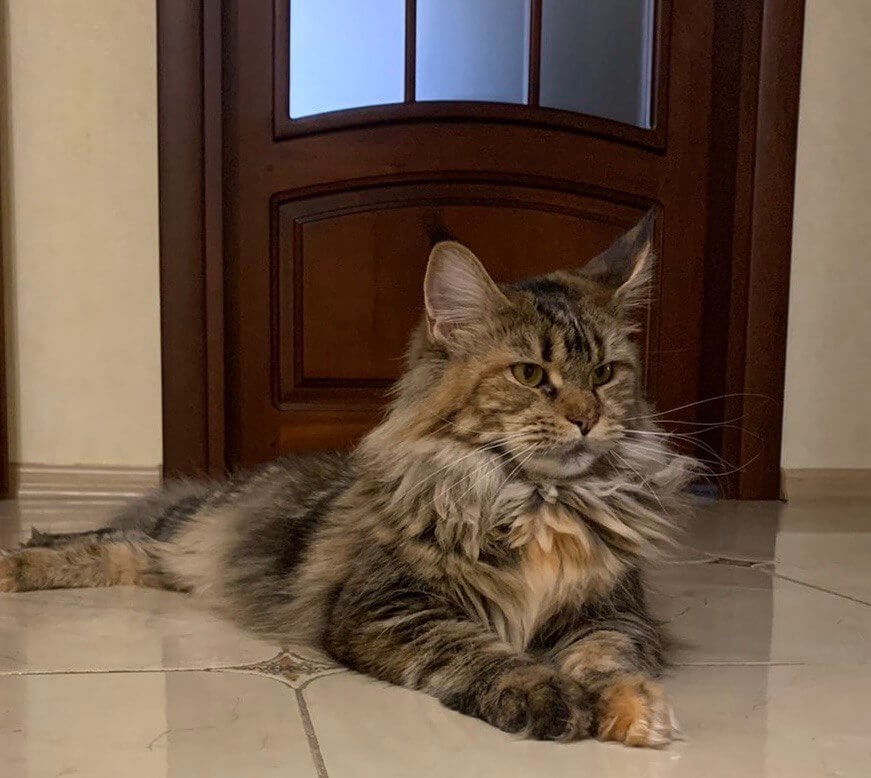
Breed rarity and popularity set the basic supply-and-demand equation that buyers face. Rare breeds or colors command premiums because breeders produce fewer litters and demand outstrips supply, pushing market-average prices upward. Popular or trend-driven breeds can also spike in price temporarily when media or influencer coverage increases demand, creating short-term premiums that may not reflect long-term value. Buyers should distinguish between sustainable rarity (small gene pool or limited responsible breeders) and fad-driven popularity when assessing whether a higher price is justified.
Why Do Breeder Reputation and Ethical Practices Influence Cost?
A reputable breeder absorbs real costs—genetic screening, veterinary care, early socialization, and documentation—that smaller or less ethical operations often skip. Those investments translate into higher upfront prices but lower long-term risk for the buyer because the kitten is more likely to be healthy and behaviorally prepared. Key verification points include documented health tests, transparent sales contracts, and accessible references; these items are inexpensive signals of ethical practice relative to potential future vet bills. Prioritizing reputation helps you avoid low-cost but high-risk purchases.
How Do Lineage and Champion Bloodlines Impact Kitten Pricing?
Lineage involves pedigrees and show records that confer breeding or show potential; champion bloodlines are verified through registries and competition outcomes. These pedigrees create scarcity for specific genetic lines and add a premium because buyers may pay for breeding rights or the potential for show success. Practically, pet-quality kittens without breeding rights are priced lower, while show or breeding-quality kittens with documented lineage can carry substantial multipliers—sometimes 2x–4x the pet price—depending on the bloodline’s prestige. Verify lineage documentation to confirm any claimed premium.
What Role Does Health Testing and Genetic Guarantees Play in Price?
Health testing targets breed-specific conditions (for example, cardiomyopathy screening in some breeds) and helps breeders identify genetic risks before breeding. These tests cost money and increase the kitten’s price, but they reduce the probability of expensive later treatment and add buyer confidence. Genetic guarantees—time-limited warranties against inherited issues—further shift risk away from buyers and justify higher prices because they reflect the breeder’s commitment to long-term outcomes. Ask for copies of test results and the exact terms of any guarantee to quantify value.
How Do Age and Purpose Change Kitten Costs?
Age and intended purpose create common pricing tiers. Pet-only kittens, typically sold with limited or no breeding rights, are the most affordable option. Kittens sold with breeding rights or show potential cost more due to selective pairing and documentation. Additionally, older kittens who have undergone more training, socialization, or medical procedures can carry a higher price than weaned, standard-age kittens. Buyers should confirm what rights are included with purchase and whether training or additional vet work is part of the price.
How Does Location Affect Kitten Price Variations?
Geography affects both supply and distribution costs: urban centers with high demand can push prices up, while regions with more breeders may offer lower base prices. Transport, shipping, and in-transit veterinary checks add to the final cost when kittens cross regions or borders. Local veterinary expenses and compliance with regional regulations also influence what breeders must invest before sale. Factor in travel or shipping costs when comparing advertised prices from different areas to get the true total.
What Are the Average Price Ranges for Popular Purebred Kitten Breeds?
Market averages provide a starting point for comparing breeds, but differences in color, lineage, and breeder practices create wide ranges. The table below presents typical market averages for five commonly sought purebreds and includes a MeoWoff Kittens offering column that shows company-listed ranges and included protections for the same breeds. Use this comparison to see how market norms relate to what a responsible seller may provide.
| Breed | Market Average Price Range (USD) | MeoWoff Offering (range & protections) |
|---|---|---|
| Maine Coon | $800–$2,500 | $1,200–$2,200 — WCF-registered, 1-year genetic guarantee |
| British Shorthair | $800–$2,000 | $900–$1,800 — WCF-registered, vaccinations & microchip |
| Scottish Fold | $1,200–$3,000 | $1,400–$2,800 — health testing emphasized, guarantee |
| Ragdoll | $800–$2,500 | $1,000–$2,000 — champion bloodline options, guarantee |
| Devon Rex | $700–$1,800 | $800–$1,600 — unique coat care guidance, health paperwork |
This breed comparison shows typical market ranges and how MeoWoff Kittens packages protections and registration status for each listed breed. When comparing prices, note included items—microchipping, vaccinations, guarantees—that reduce post-purchase expense.
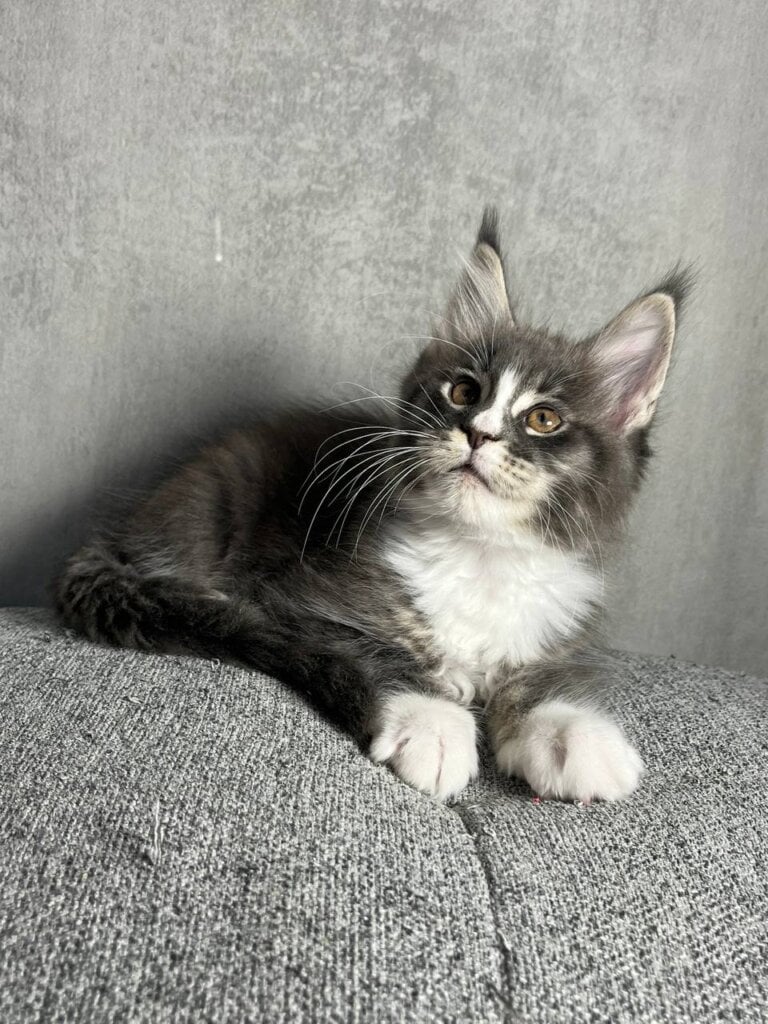
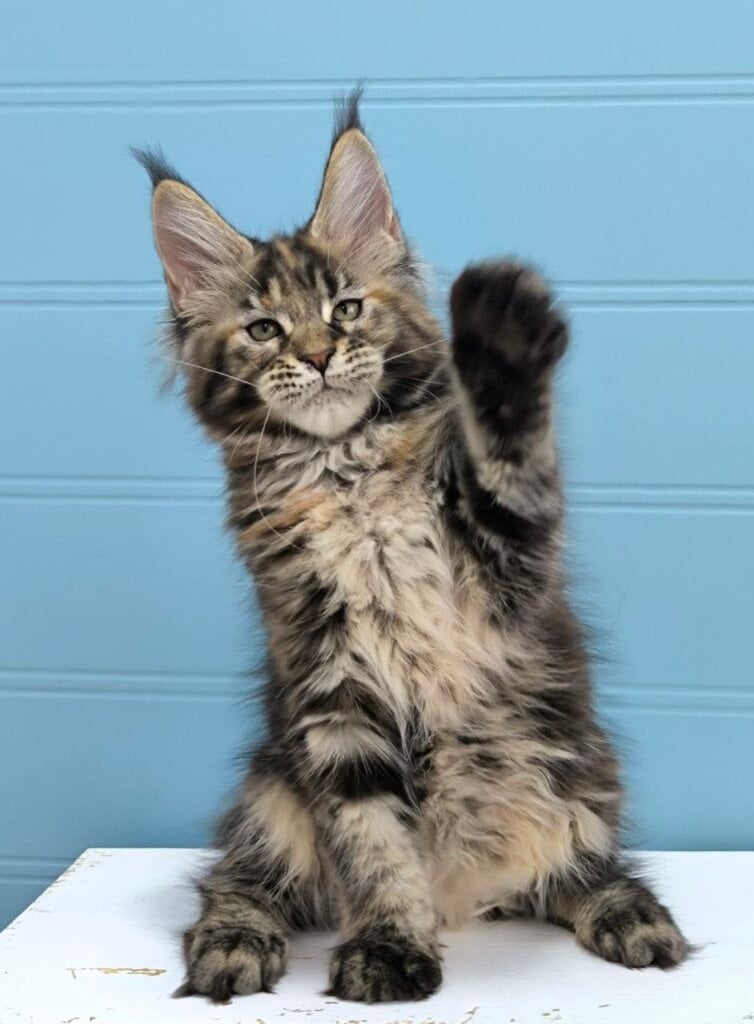
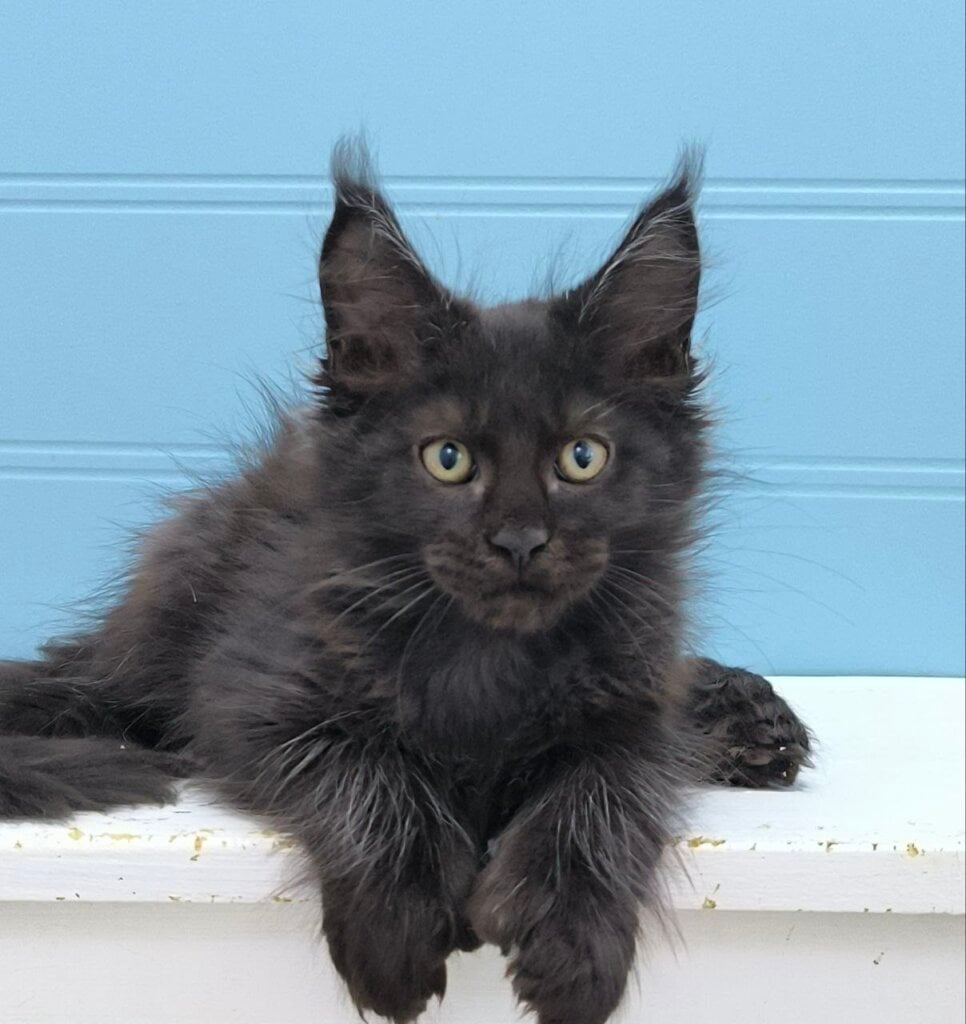
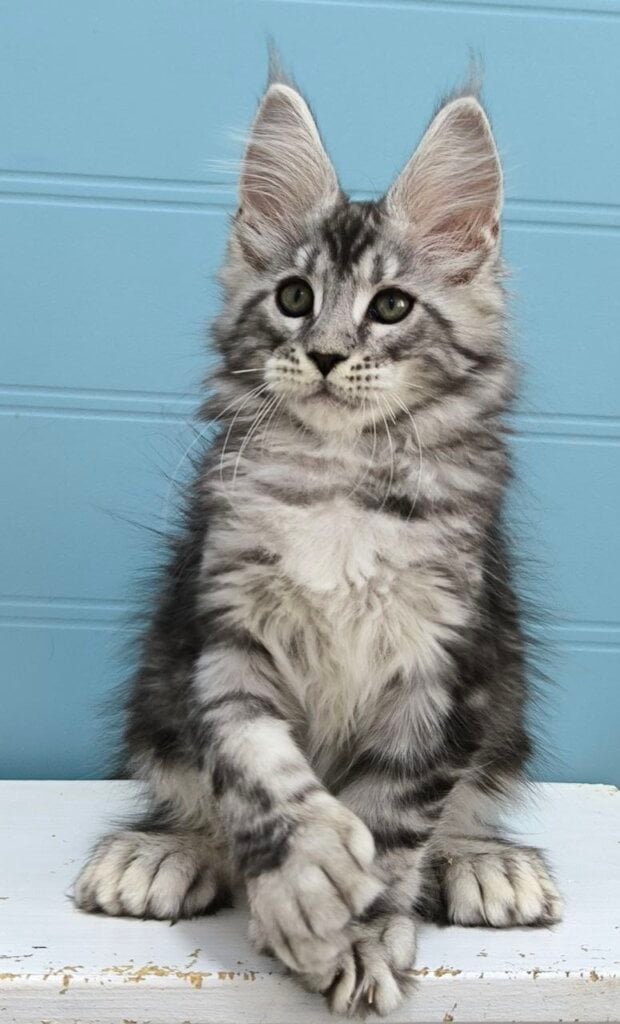
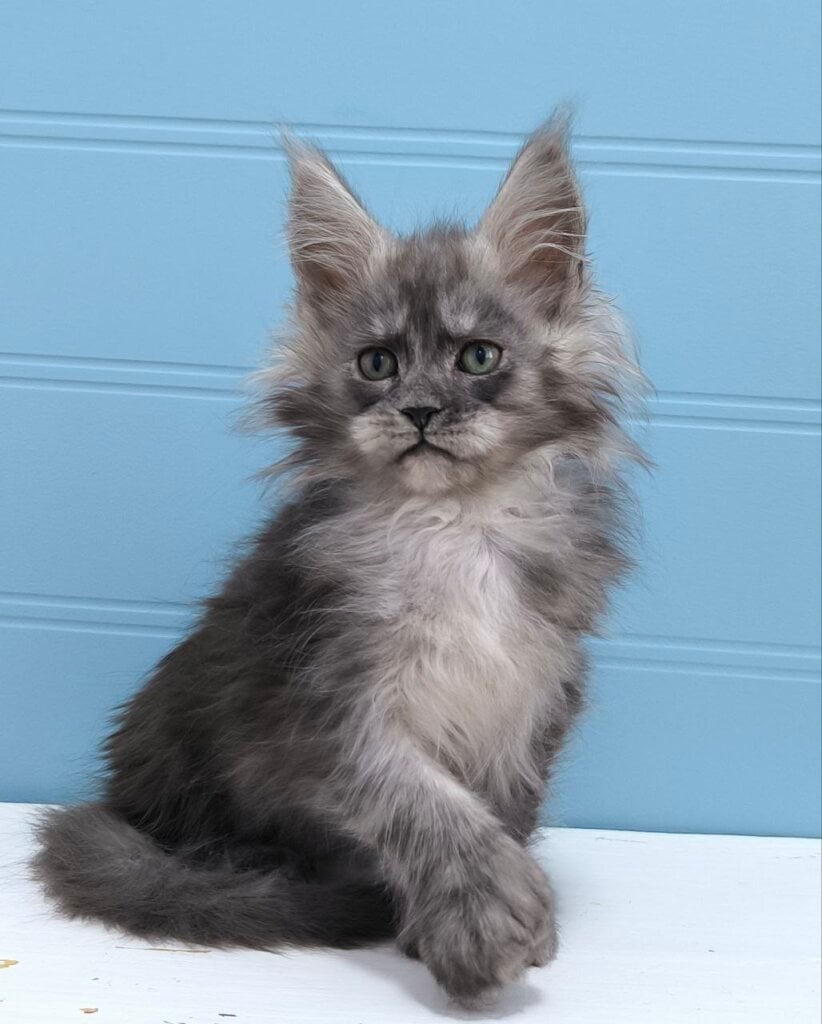
How Much Does a Maine Coon Kitten Typically Cost?
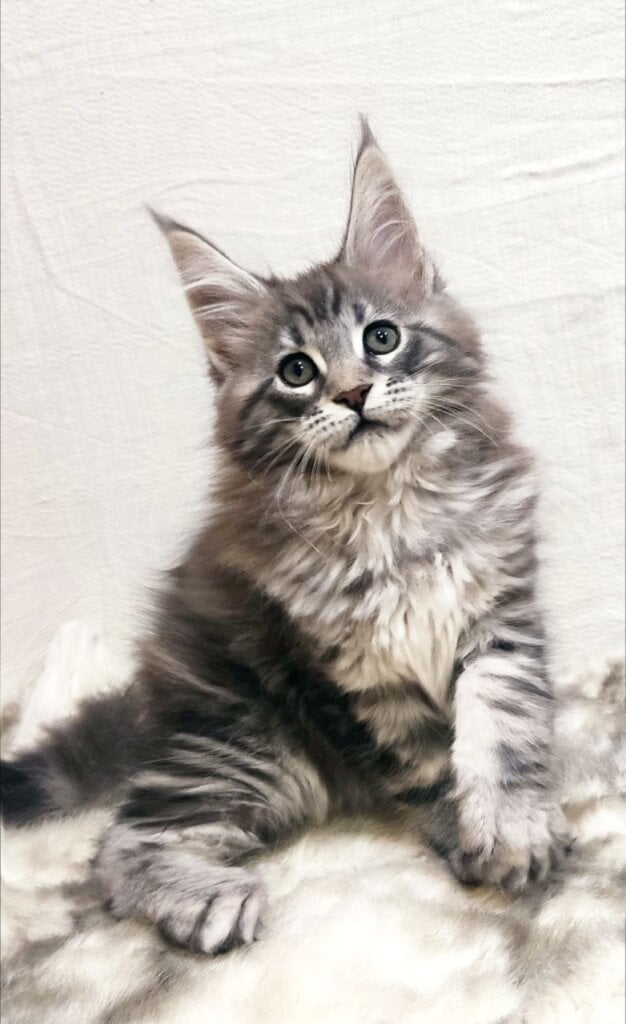
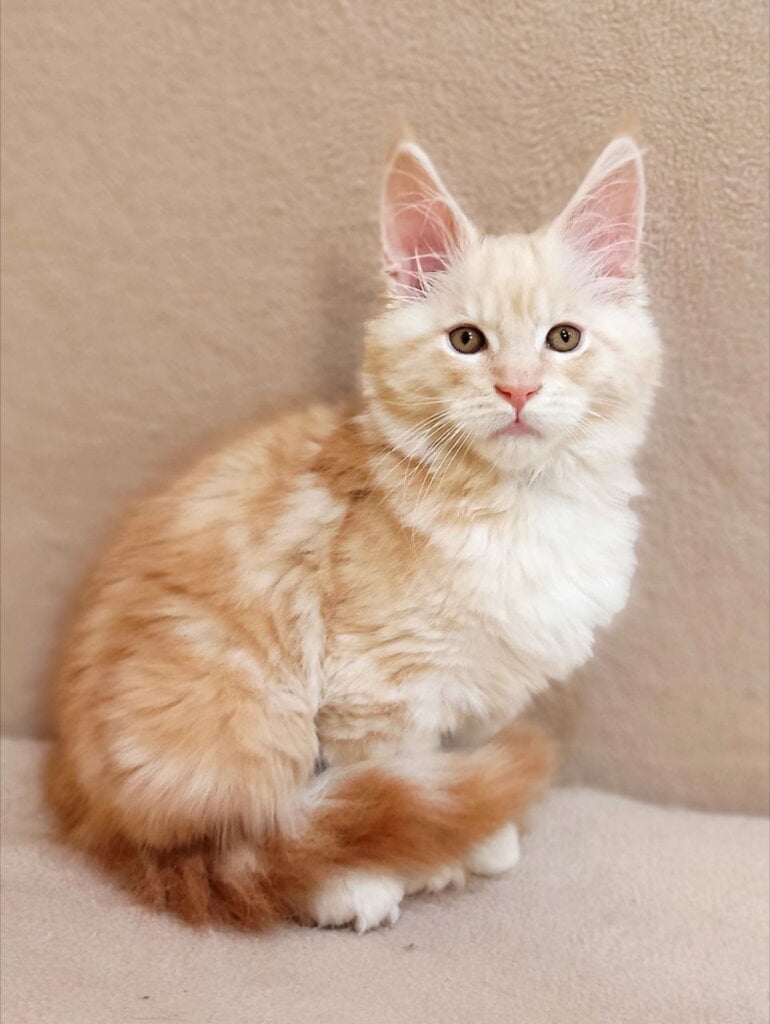
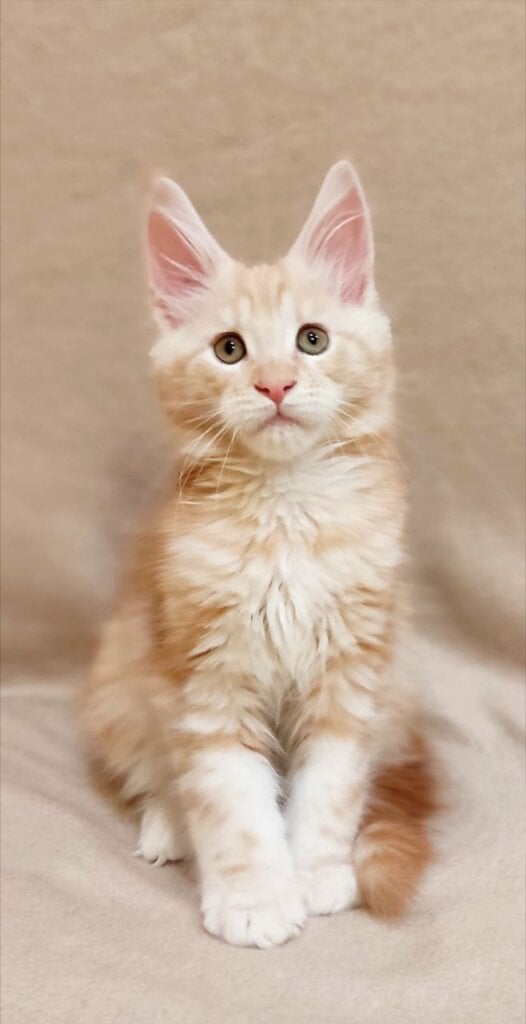
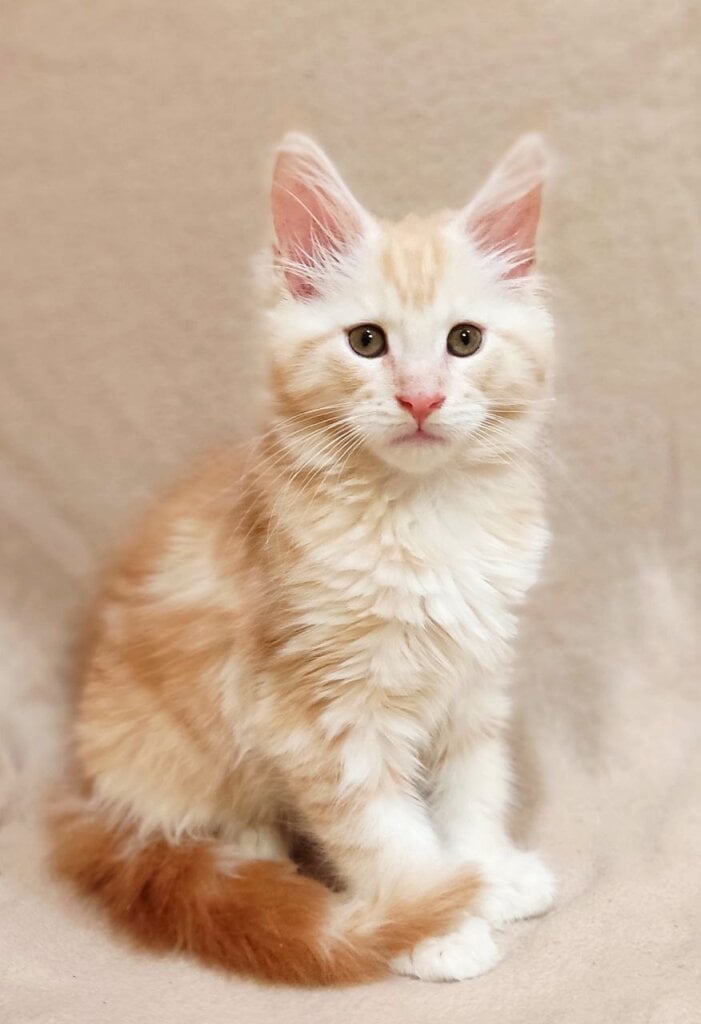
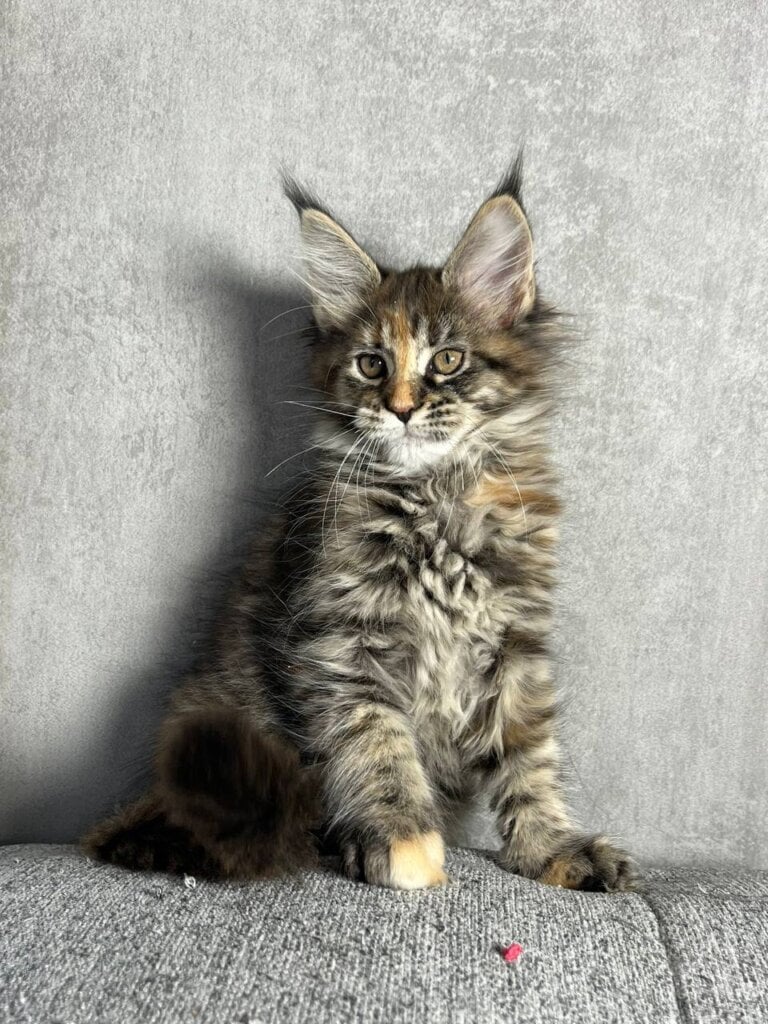
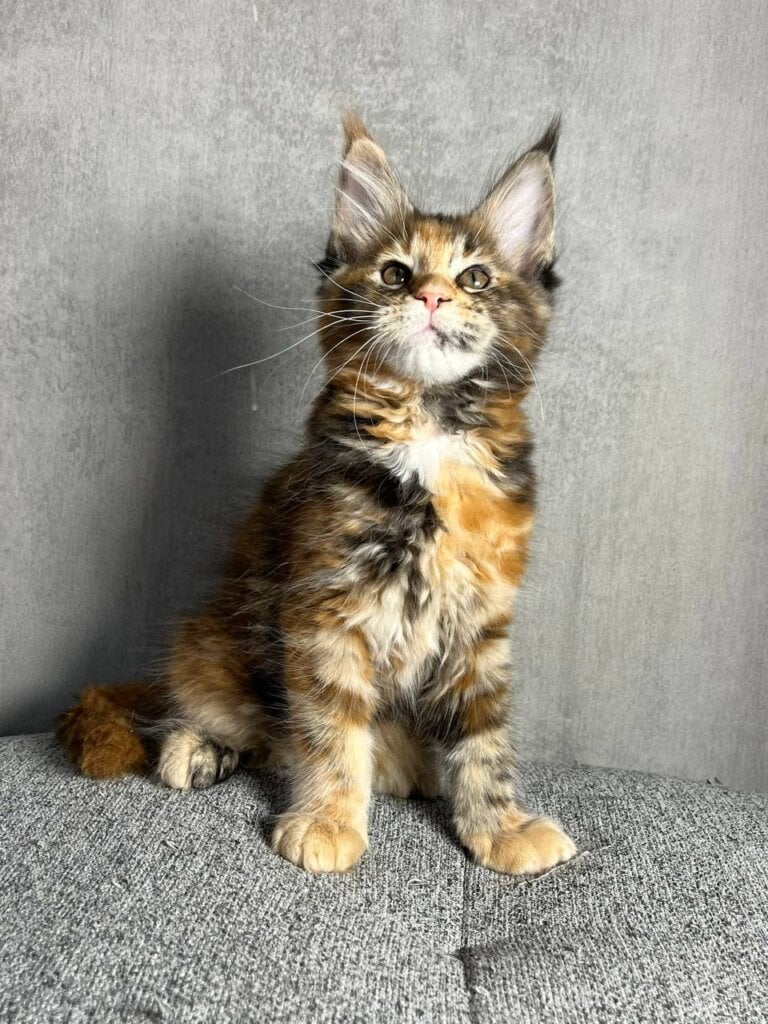
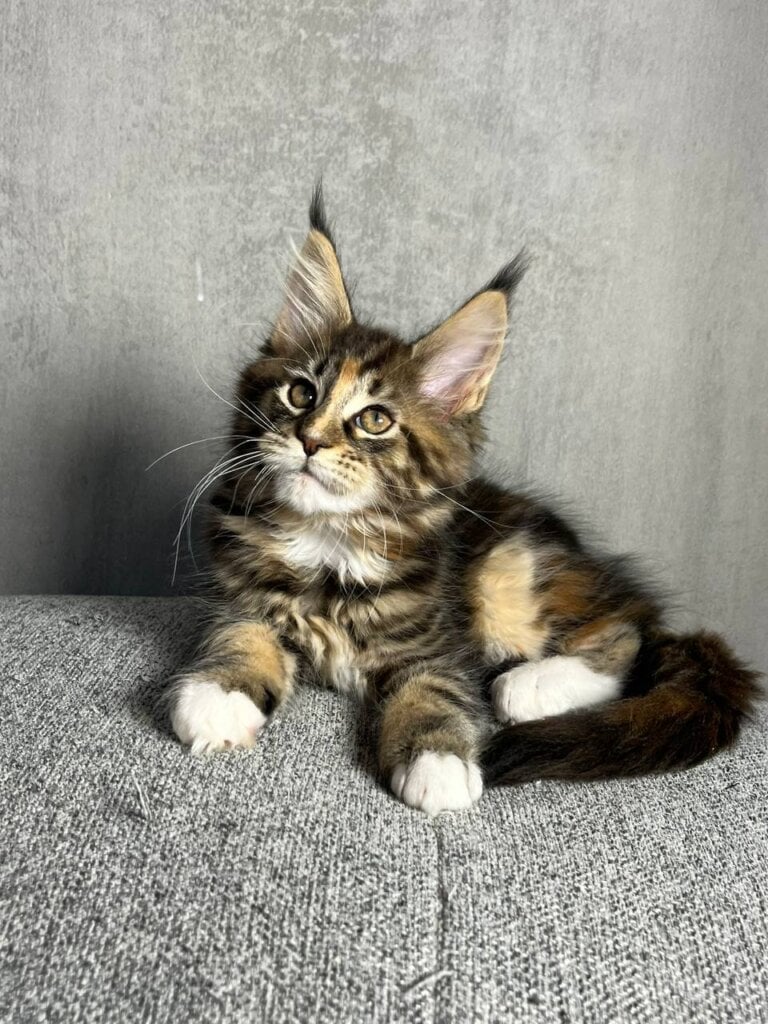
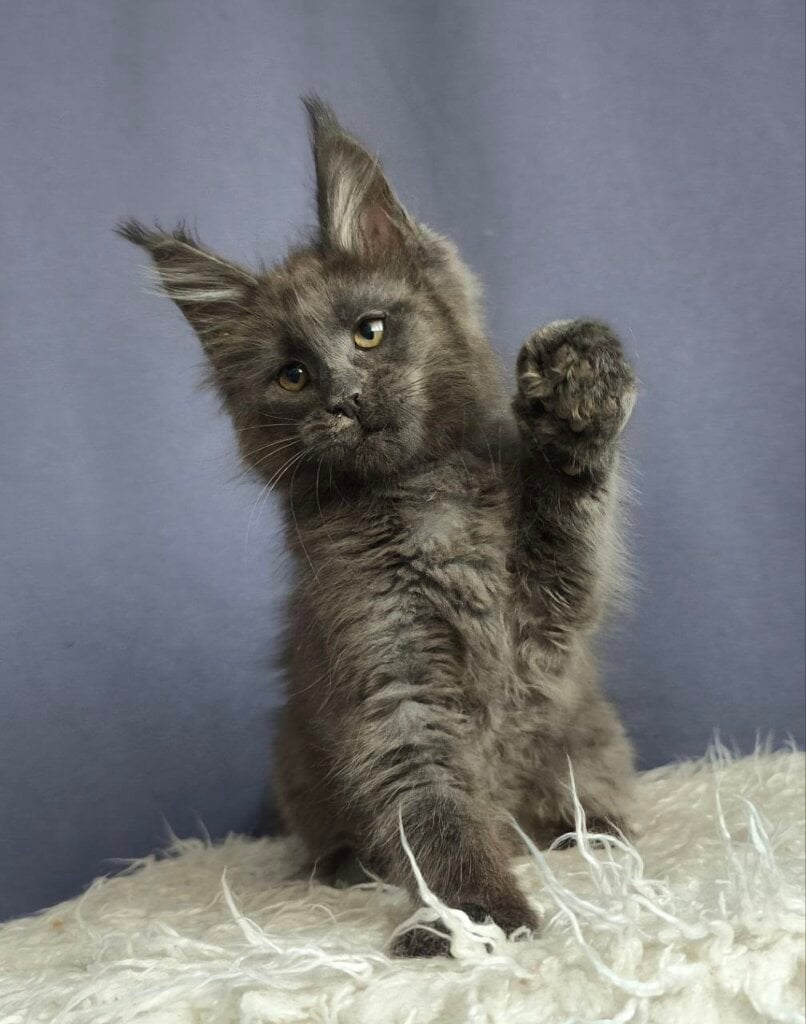
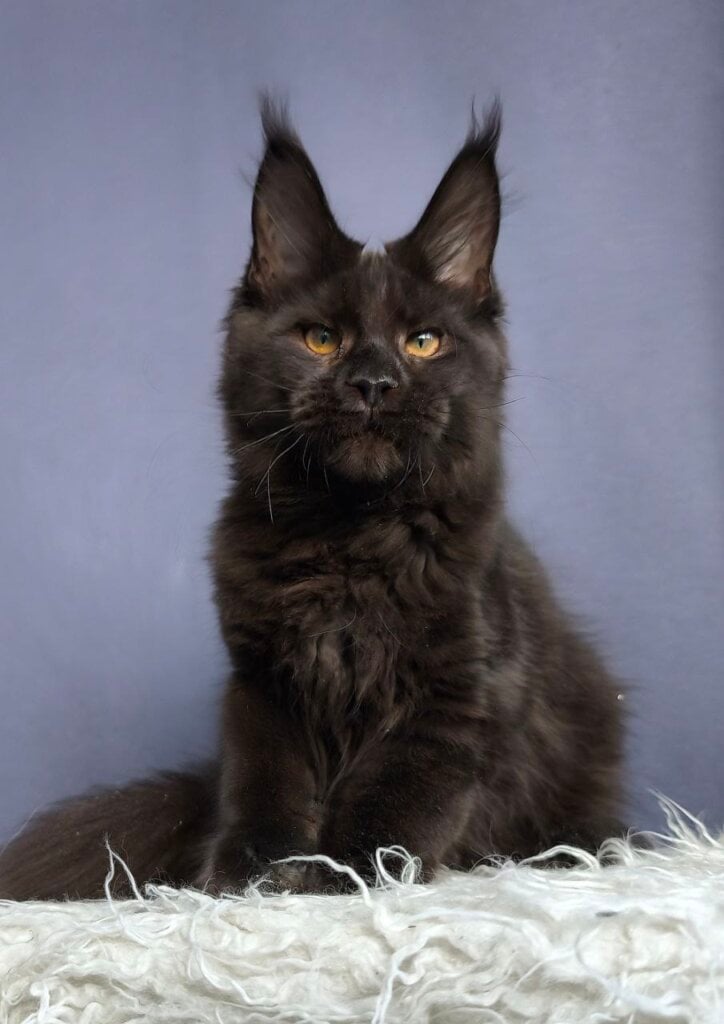
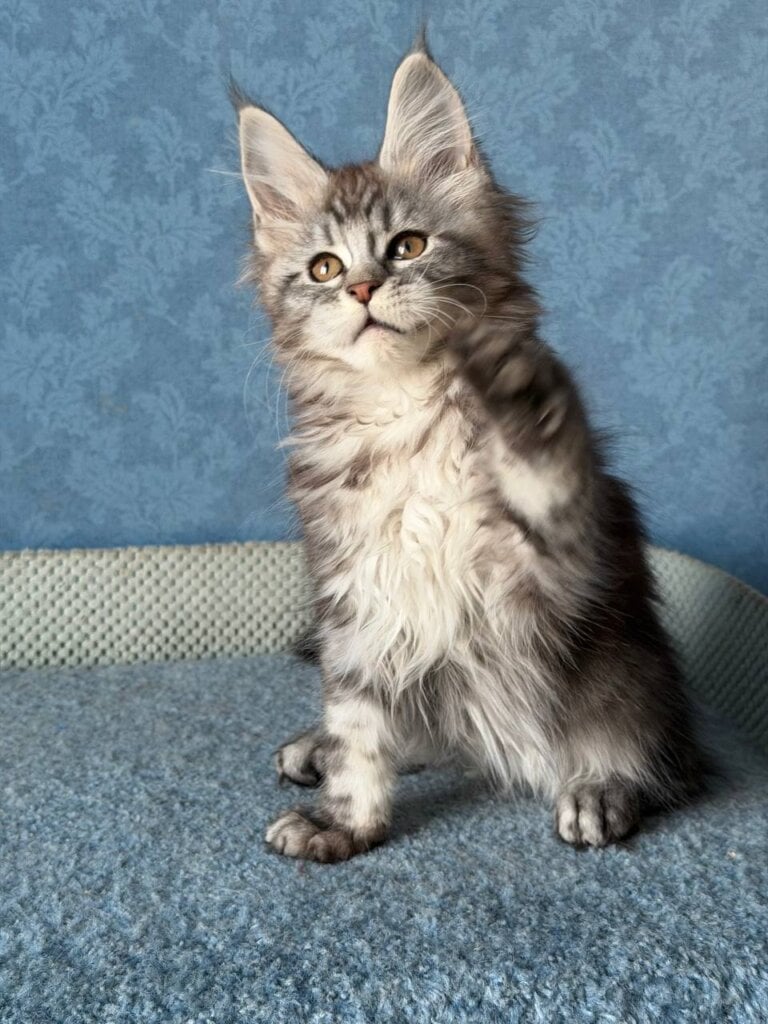
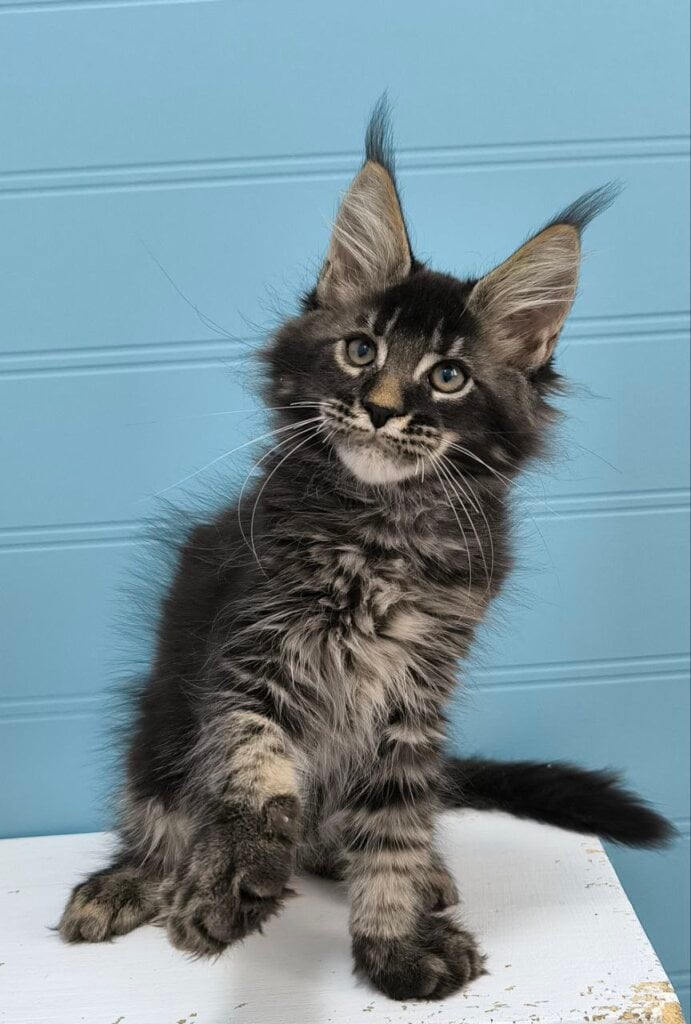
Maine Coon kittens often sit at the higher end of mainstream purebred pricing due to their size, desirability, and selective breeding for health and temperament. Market averages commonly range from under a thousand to mid-two-thousand dollars, with price modifiers for exceptional size, rare colors, or champion lineage. Responsible breeders invest in cardiac screening (HCM checks) and temperament socialization, costs that justify higher asking prices. Buyers should compare health documentation and included services to decide whether a specific price reflects real value.
What Is the Price Range for British Shorthair Kittens?
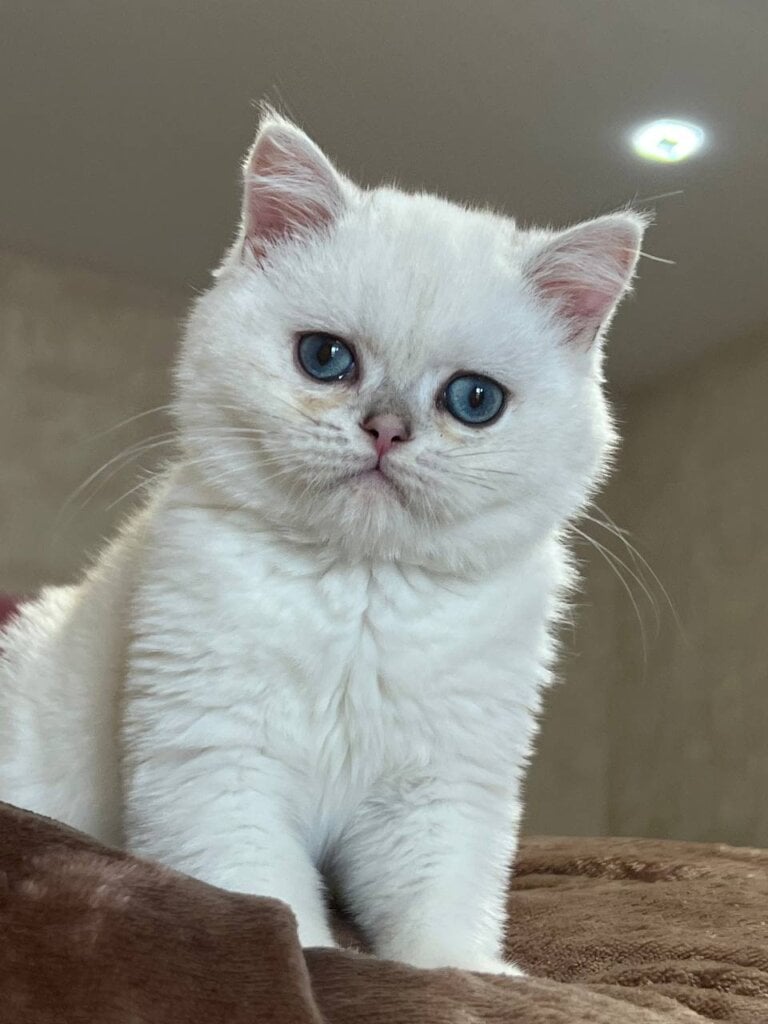
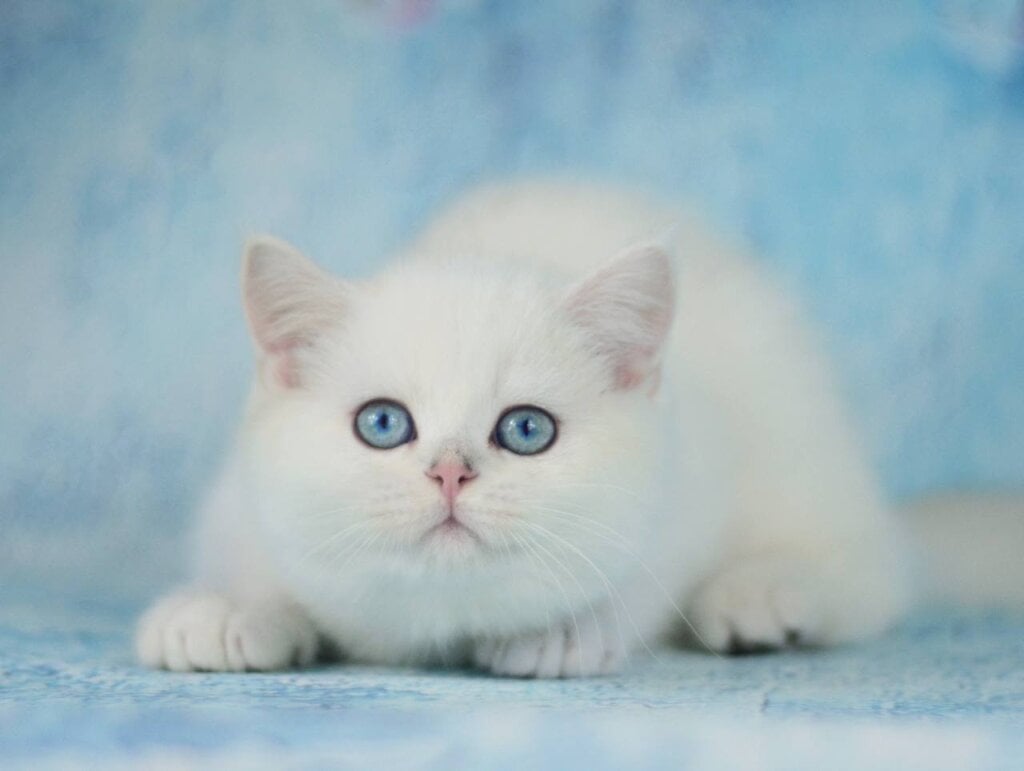
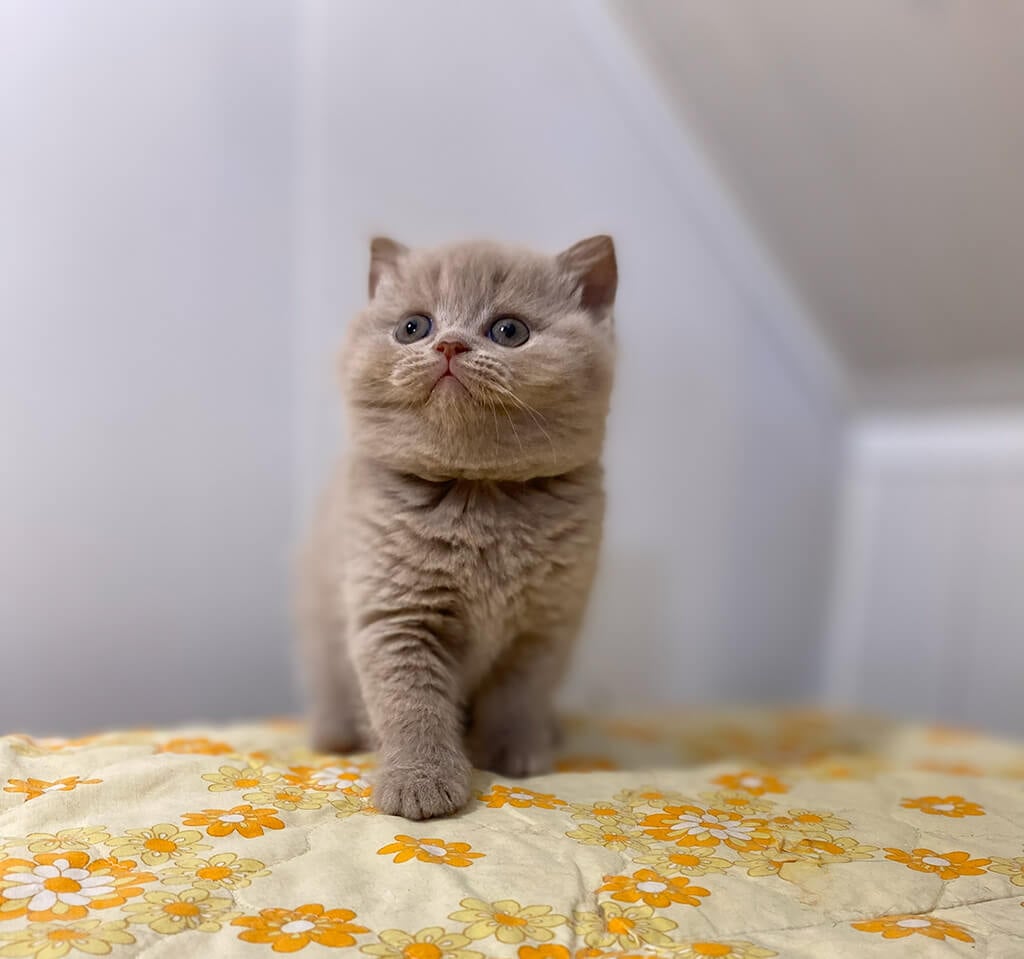
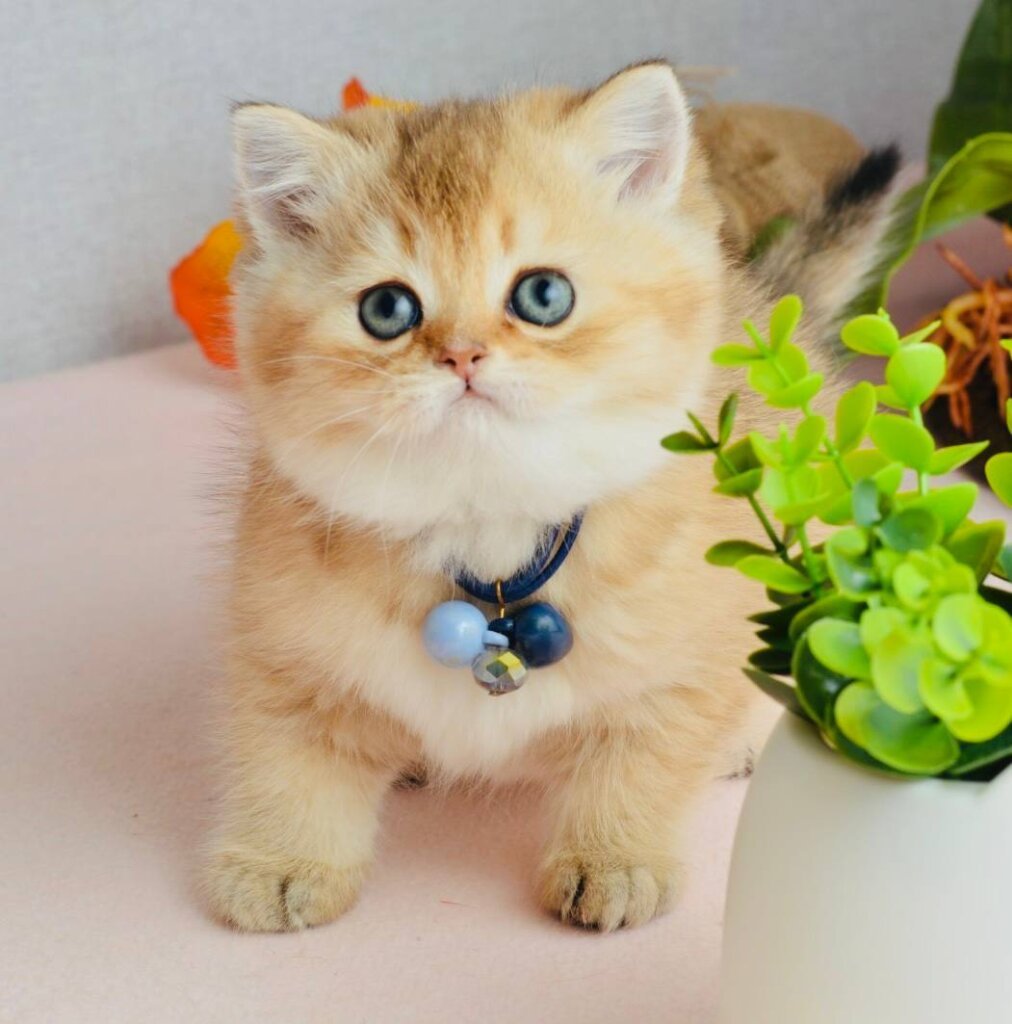
British Shorthair pricing depends on color and coat type, with popular colors and show prospects driving prices upward. Market ranges typically start in the high hundreds and extend into the low thousands for rare colorations or documented lineage. Routine genetic testing and careful breeding for temperament are common practices that increase responsible breeders’ costs and thus the kitten price. Buyers should ask whether the price includes vaccinations, microchipping, and any health guarantees.
How Do Scottish Fold Kitten Prices Compare?
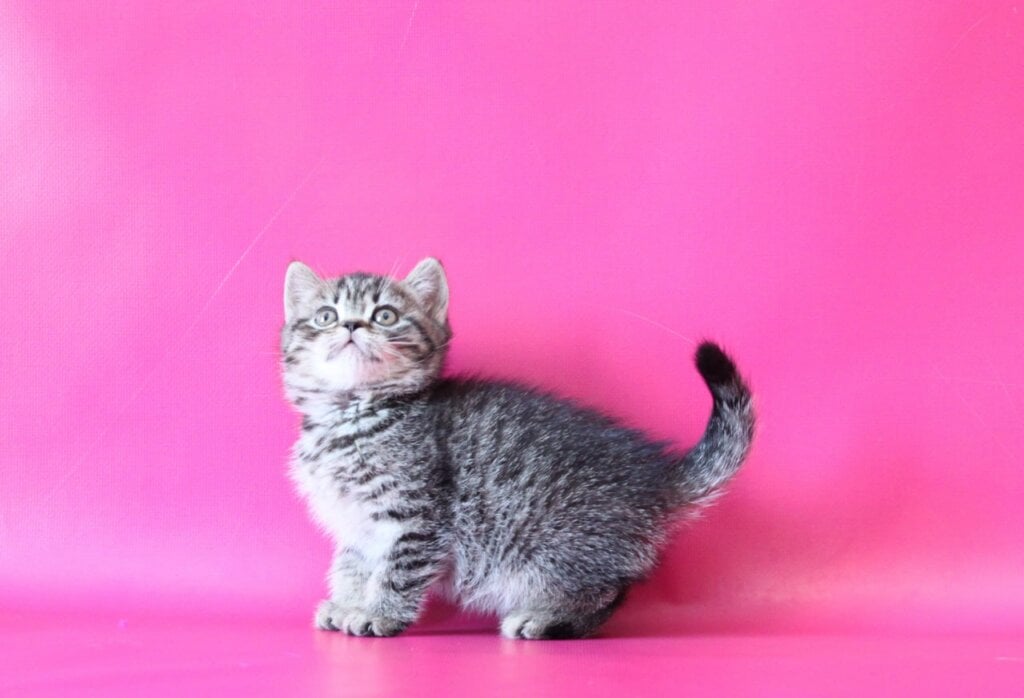
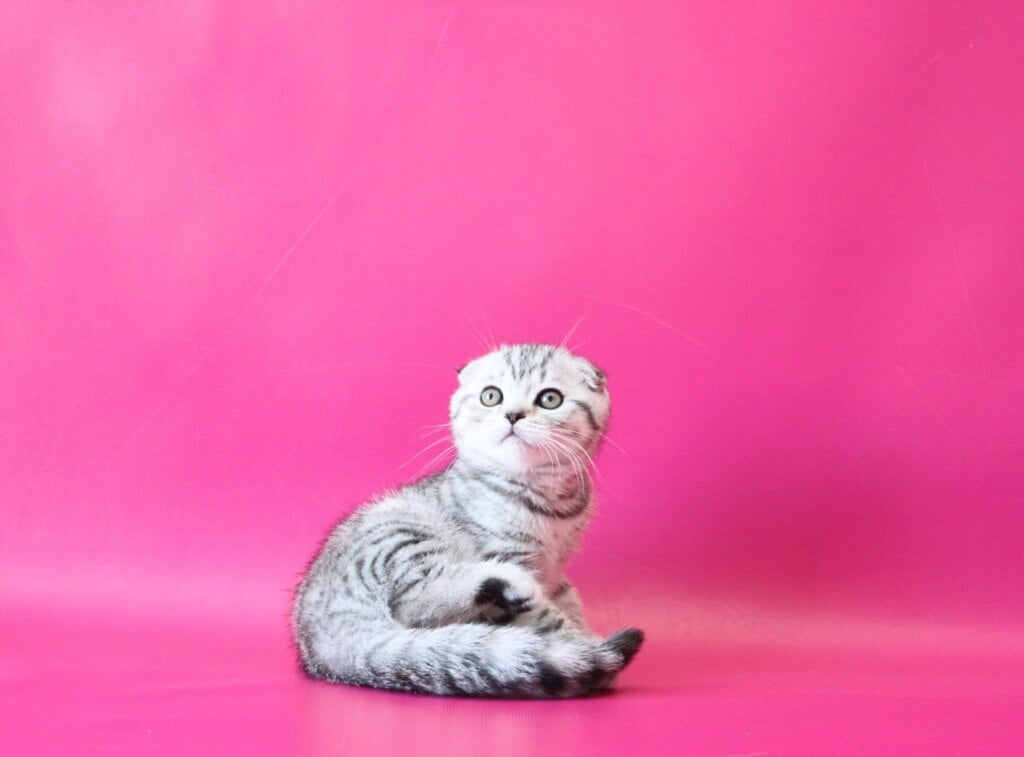
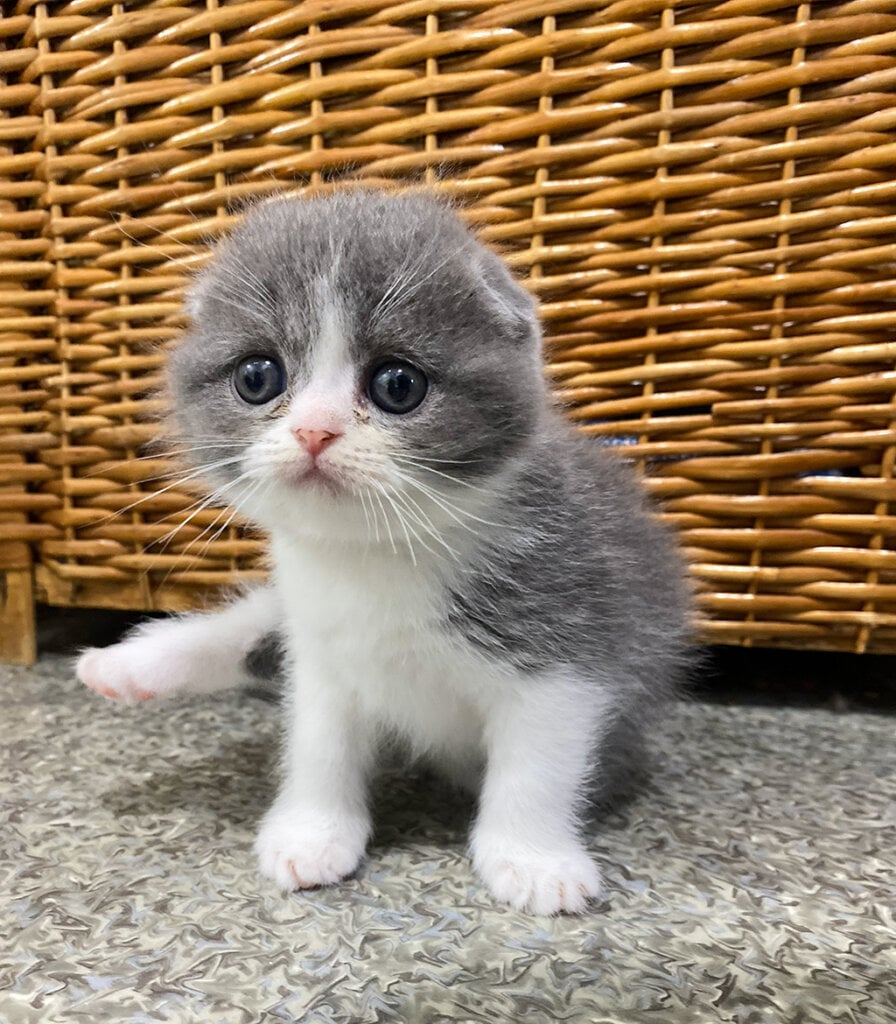
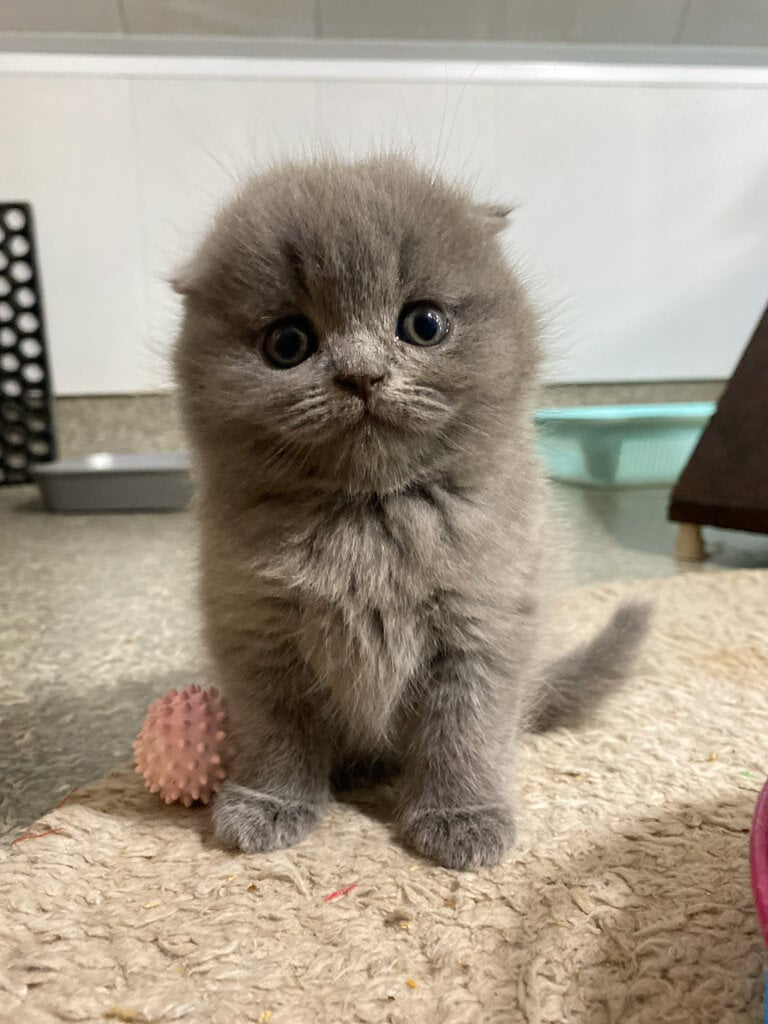
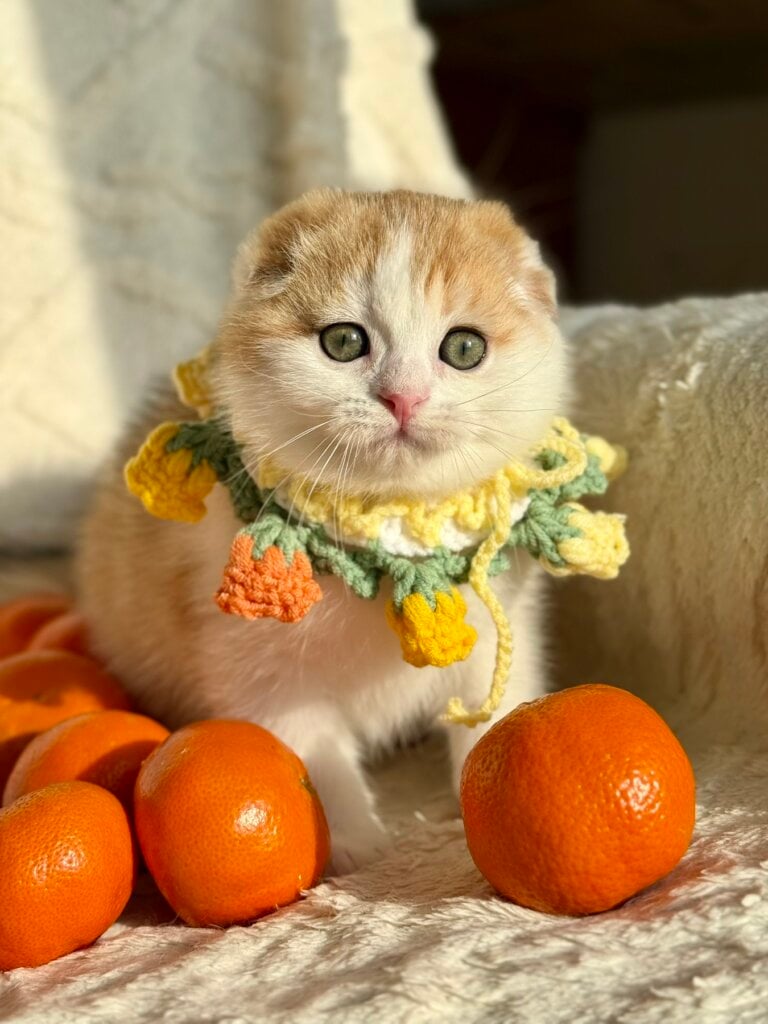
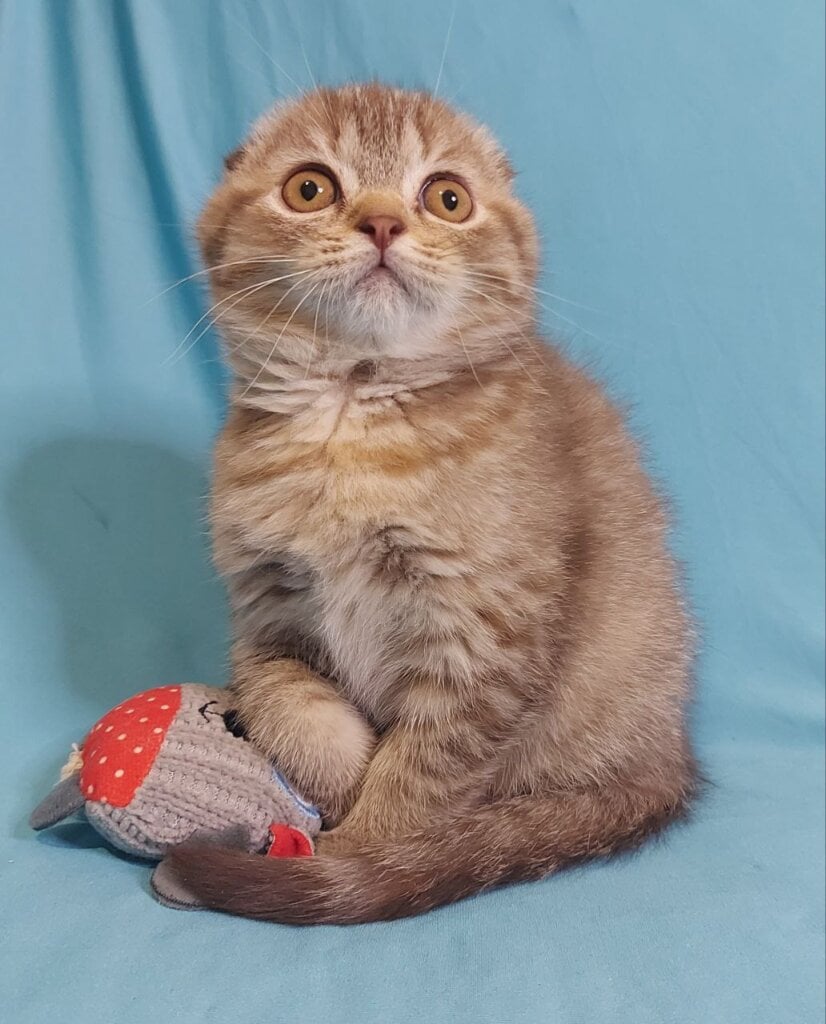
Scottish Fold pricing often reflects added health considerations linked to the fold gene, which requires careful breeding and screening to avoid cartilage issues. That attention raises breeder costs and therefore prices, placing many Scottish Fold kittens above average purebred ranges. Ethical breeders prioritize genetic testing and selective pairing, and these precautions typically appear in the price and sale documentation. Verify what health screens were performed and whether any genetic guarantees are provided.
What Are the Typical Costs for Ragdoll Kittens?
Ragdoll kittens are popular for their temperament and coloring; price ranges reflect demand for specific patterns and breeder reputation. Market prices commonly span several hundred to a couple thousand dollars, with higher prices for champion-lineage kittens or rare colorpoint combinations. Health testing (e.g., HCM screening) and careful socialization are common costs factored into responsible breeders’ prices. Buyers seeking a Ragdoll should compare lineage documentation and included health protections.
How Much Do Devon Rex Kittens Usually Cost?
Devon Rex kittens often command middle-tier prices among purebreds due to their unique coat and smaller breeding populations. Market ranges typically start in the mid-hundreds and can approach two thousand for rare lines or show potential. The breed’s distinct grooming and care needs are reflected in breeder guidance and may affect perceived value. Prospective owners should account for any specialized care training or supplies the breeder includes when comparing offers.
Where Can You Find Detailed Breed Price Comparisons?
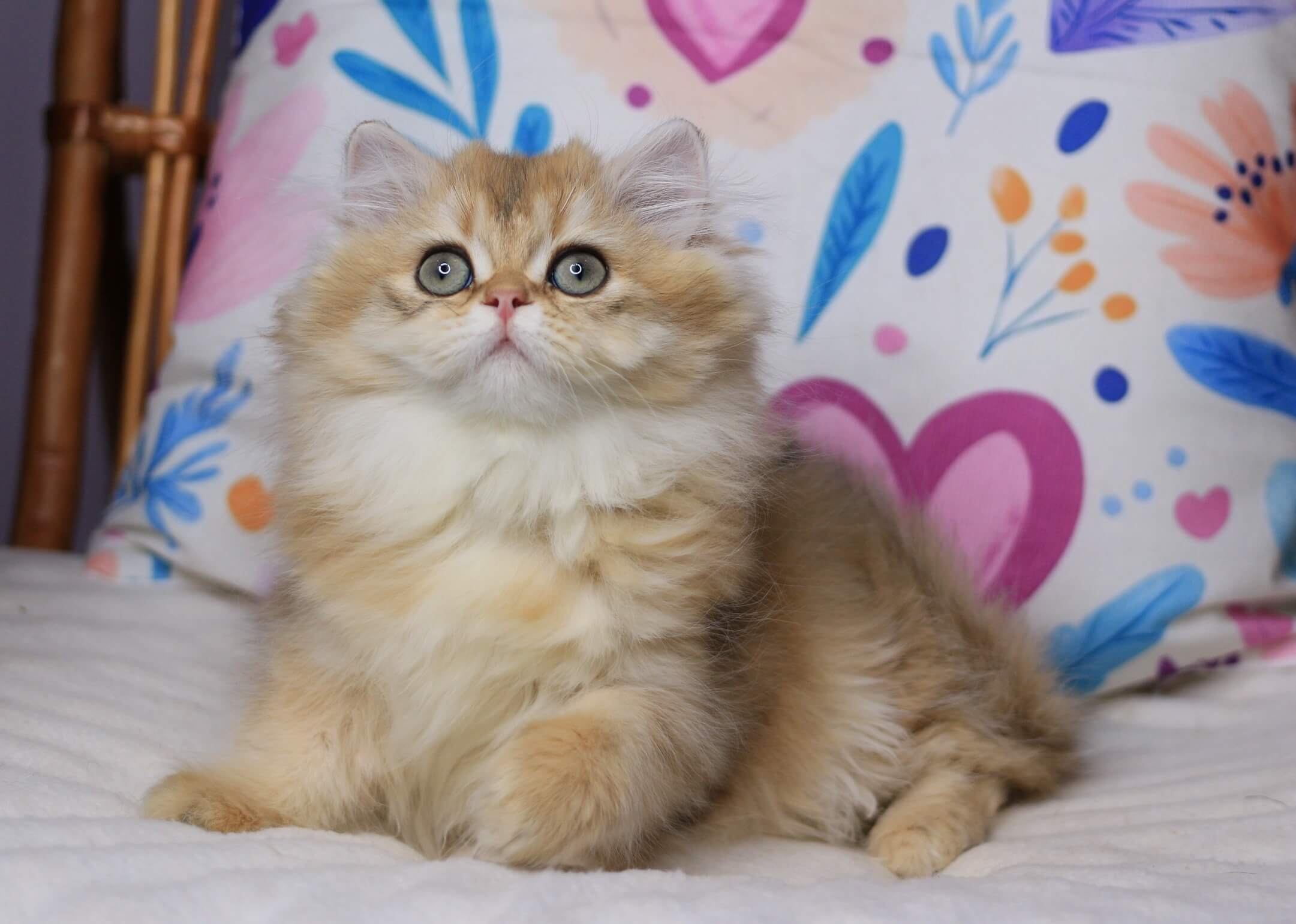
When comparing breed prices, combine internal breeder pages with authoritative registry data and buyer-verified listings to form a balanced view. Start with breeder-provided documentation, then cross-check registry status and independent market listings to validate ranges. Create a verification checklist: compare health records, ask for references, confirm registration, and request exact inclusions in the sale price. This layered approach reduces the risk of paying premiums that aren’t backed by verifiable value.
Why Are Some Cat Breeds Considered the Most Expensive?
Certain breeds command high prices because they combine rarity, breeding difficulty, and high demand with costs for specialized care and compliance. Hybrid or newly developed breeds, champion lines, and those with complex genetic management often require more investment from breeders, thus raising prices. The following list summarizes three central reasons breeds reach top price tiers and how they translate into costs for buyers.
- Limited genetic pools: Restricted breeding populations require careful outcrossing and testing, increasing breeder costs.
- Complex breeding protocols: Hybrids or breeds with health sensitivities need veterinary oversight and specialized care.
- High market demand for prestige: Breeds associated with show success or celebrity owners can carry prestige premiums.
These drivers explain why perceived prestige can differ from objective cost drivers; buyers should evaluate both the breeder’s practices and market signals when interpreting high prices.
Which Breeds Are Among the Highest Priced and Why?
Top-priced breeds typically include hybrids, rare mutations, or those with breeding complexity, each raising production and vet costs. Breeds requiring specialized genetic screening or licensing—plus those with small responsible-breeding communities—tend to demand higher prices. Additionally, documented champion lines add a premium because they represent accumulated breeding investments and show history. For buyers, high price often signals higher breeder cost and potentially lower long-term risk when backed by thorough testing and guarantees.
How Do Hybrid and Rare Breeds Affect Price Levels?
Hybrid and rare breeds raise price through additional regulatory, veterinary, and management overhead. Hybrids may need legal considerations, special permits, and experienced breeders to manage temperament and health, all of which increase costs. The novelty or rarity also drives speculative demand from collectors or enthusiasts, adding a market premium on top of production costs. Buyers should weigh ethical and legal aspects, not only price, when considering hybrids and rare breeds.
What Makes Champion Bloodlines Increase Kitten Value?
Champion bloodlines convey verified show performance and desirable genetics, which take years and investments to produce. Proof of lineage—registry documentation, show rankings, and breeding records—substantiates the premium and supports future breeding or show potential. These documented achievements allow breeders to price kittens at a significant premium because buyers are also buying the lineage and potential. Confirming documentation and understanding what rights are included is crucial when paying for champion-line kittens.
How Can You Understand the Full Cost of Kitten Ownership Beyond Purchase Price?
Purchase price is only the start; first-year expenses and ongoing annual costs materially affect total ownership outlay. Key categories include veterinary care, food and supplies, microchipping and vaccinations, grooming, and insurance or emergency funds. The table below breaks down cost categories, indicates whether they are one-time or recurring, and provides realistic estimated ranges to help buyers prepare financially for the first year and subsequent annual budgets.
| Cost Category | One-time / Annual | Estimated USD range (first year) |
|---|---|---|
| Initial vet checks & vaccinations | One-time/recurring | $150–$400 |
| Spay/neuter & microchipping | One-time | $150–$500 |
| Food & litter | Annual | $300–$800 |
| Supplies (bed, carrier, toys) | One-time | $100–$400 |
| Insurance / emergency fund | Annual | $200–$1,000+ |
This breakdown clarifies that first-year totals often add several hundred to a few thousand dollars on top of the purchase price, depending on breed-specific needs and regional vet costs. Planning for these categories avoids surprises.
What Are the Typical First-Year Expenses for a Kitten?
First-year costs include initial vaccinations, microchipping, spay/neuter where applicable, routine vet checks, and necessary supplies such as a carrier, bed, and litter setup. These are a mix of one-time expenses and recurring early-life care items; their combined total often ranges from several hundred to over a thousand dollars. Breed-specific health screenings or early treatments can raise the estimate, particularly for breeds with known predispositions. Budgeting early and obtaining clear documentation of included breeder services helps align expected first-year spending with reality.
How Do Annual Care Costs Vary by Breed?
Annual costs differ by grooming needs, dietary requirements, and breed-specific health monitoring. Long-haired or high-maintenance breeds require regular professional grooming and more specialized diets, pushing annual costs higher. Conversely, short-haired, low-maintenance breeds typically have lower grooming and feeding expenses. Veterinary check-ups and insurance premiums also vary with breed risk profiles; owners of breeds with genetic predispositions often pay more to manage or monitor those conditions.
Why Is Post-Purchase Support Important for Kitten Owners?
Post-purchase support from breeders—advice on feeding, behavior, or health follow-up—reduces owner uncertainty and can prevent early issues from escalating into costly veterinary interventions. Support channels such as breeder follow-ups, behavioral guidance, and access to health records are cost-saving because they promote early detection and consistent care. This support is particularly valuable in the first months when kittens adjust to new homes. When comparing prices, factor in post-purchase support as part of the overall value proposition.
How Do Insurance and Health Guarantees Affect Long-Term Costs?
Health insurance shifts the risk of unexpected medical bills to a policy but comes with premiums and potential exclusions; genetic guarantees shift specific inherited-condition risk back to the breeder for a defined period. Insurance can be cost-effective for owners seeking peace of mind against large emergencies, while guarantees reduce short-term inherited-risk exposure if they are specific and enforceable. Compare the expected out-of-pocket exposure with and without insurance or guarantees to determine which combination reduces long-term financial risk most effectively.
How Does MeoWoff Kittens Ensure Transparent Pricing and Value?
MeoWoff Kittens positions transparency as a buyer protection by combining documented lineage, registration with WCF-registered catteries, and explicit health protections. The company highlights WCF-registered purebred kittens including Maine Coon, British Shorthair, Scottish Fold, Ragdoll, and Devon Rex, and offers a 1-year genetic health guarantee. MeoWoff also emphasizes champion bloodlines, professional team support, post-purchase assistance, and flexible payment or installment options to help buyers manage upfront costs. The short bullets below summarize what buyers can expect when comparing MeoWoff’s packaged offerings to market averages.
- MeoWoff offers a 1-year genetic health guarantee on qualifying kittens.
- WCF-registered purebred kittens are provided with documentation and pedigree support.
- Professional pre- and post-purchase support reduces owner uncertainty and early health risk.
What Is Included in MeoWoff’s Kitten Price?
MeoWoff’s listed price commonly includes core protections that reduce immediate post-purchase costs, such as vaccinations, microchipping, and a 1-year genetic health guarantee. Documentation such as registration papers and proof of health testing is part of the offering for WCF-registered purebreds, while champion bloodline options may carry an additional premium. Including these items in the sale price shifts certain typical first-year expenses onto the breeder and provides quantifiable value relative to lower-priced offers lacking documentation.
How Does MeoWoff Support Customers After Purchase?
Post-purchase support includes ongoing advice on nutrition and behavior, coordination for warranty claims, and access to the breeder’s professional team for early-life troubleshooting. This support reduces the likelihood that small issues become major health expenses by enabling earlier interventions and consistent care. Buyers should ask about expected response timelines, what support is included at no extra cost, and how warranty claims are handled to fully assess the practical value of the included services.
What Flexible Payment Options Does MeoWoff Offer?
MeoWoff advertises flexible payment and installment options to help buyers manage larger upfront costs without sacrificing responsible breeder protections. While specific plan terms vary and should be confirmed directly, flexible payment structures allow buyers to spread payment while still receiving included health protections and documentation. When considering payment plans, evaluate total cost over time and ensure the contract preserves all guarantees and included services even when payments are scheduled.
How Does MeoWoff’s Partnership with WCF-Registered Catteries Affect Pricing?
Partnerships with WCF-registered catteries reflect adherence to recognized breeding standards, which often require additional testing, documentation, and compliance that increase breeder costs. These standards create traceability and higher-quality assurance, which can justify higher prices because they reduce long-term risk for buyers. In practice, buyers gain verifiable pedigrees and greater confidence in health practices when registration and testing are part of the pricing package.
What Are the Most Affordable Purebred Kitten Options Available?
Among purebreds, some breeds commonly fall into lower price ranges because of higher supply, simpler breeding protocols, or broader breeder networks. Affordable purebreds still require verification to ensure ethical practices, and buyers should weigh temperament and care needs when selecting a budget-conscious breed. The list below names common lower-cost options and the reasons they tend to be more affordable.
- Breeds with larger breeding populations, which increase supply and lower prices.
- Breeds without extensive genetic testing requirements, reducing breeder overhead.
- Breeds with broad temperament appeal, making them more widely available.
Which Purebred Breeds Are Known for Lower Price Ranges?
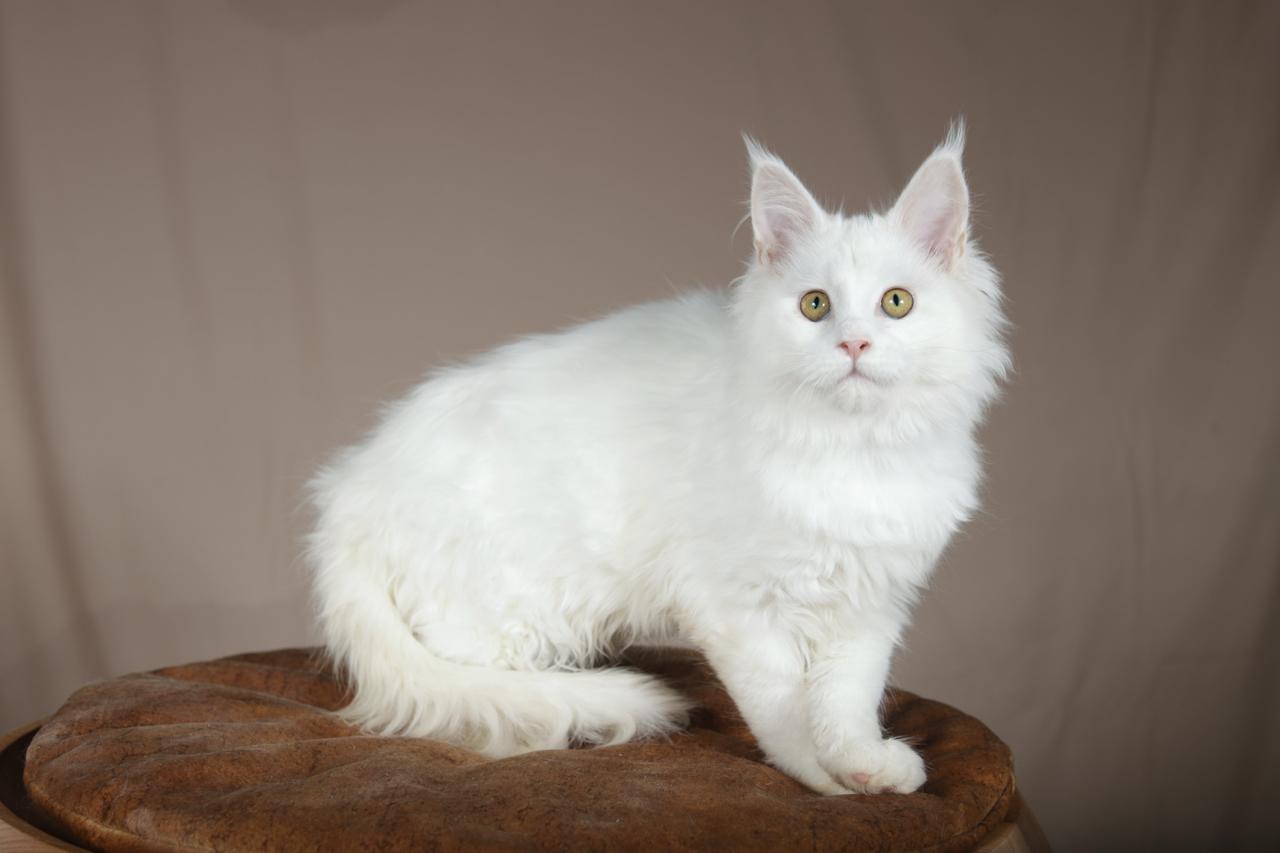
Breeds that are more widely bred or have straightforward breeding protocols often appear at lower price points within the purebred category. Their affordability stems from greater supply and lower per-litter overhead for testing or specialized care. When selecting a lower-cost purebred, prioritize breeders who still provide health records and references to avoid high long-term risks.
How Do Affordable Breeds Compare in Temperament and Care Needs?
Lower-cost breeds vary widely in temperament and maintenance requirements; some are low-maintenance and family-friendly, while others may require more attention despite lower purchase prices. Match breed characteristics—activity level, grooming needs, sociability—to your lifestyle to ensure the purchase price aligns with your practical capacity to provide care. Consider how grooming, exercise, and potential health monitoring will add to annual costs.
Where Can You Find Affordable Purebred Kittens from Reputable Breeders?
Search strategies for affordable reputable breeders include consulting breed clubs, registry listings, and local responsible-breeder networks; always verify health testing and ask for references. Avoid offers that look unusually cheap without documentation, and prioritize breeders who provide clear contracts and health records. Building a comparison checklist—price, tests, guarantees, references—helps you find value without sacrificing animal welfare.
What Frequently Asked Questions Do Buyers Have About Kitten Prices?
Buyers commonly seek concise answers to benchmark costs and understand what to prioritize when comparing offers. The FAQ list below addresses common queries with direct, actionable answers to help with purchasing decisions and PAA-style search results.
What Is the Average Cost of a Purebred Kitten?
The average cost of a purebred kitten typically ranges from several hundred to a few thousand dollars depending on breed, lineage, and breeder practices. Key variables that shift the range include health testing, registration, champion bloodlines, and included services—each of which can add hundreds to thousands to the base price. Always confirm what the price includes to make accurate comparisons across offers.
What Factors Should I Consider When Comparing Kitten Prices?
When comparing prices, focus on health testing, registration/pedigree, included veterinary care, microchipping, genetic guarantees, and post-purchase support. Use the checklist below to evaluate offers quickly.
- Health testing provided: Confirm specific tests and results.
- Registration and pedigree: Verify registry and documentation.
- Inclusions: Note vaccinations, microchip, and supplies included.
- Guarantees and support: Check warranty terms and post-purchase services.
- References and reputation: Request breeder references and reviews.
These factors highlight where higher prices pay for reduced future risk and better outcomes.
How Can I Verify a Breeder’s Reputation and Kitten Health?
Step-by-step verification includes checking registry status, requesting health test documentation, asking for veterinary records, and contacting references. Ask the breeder specific questions about testing protocols, socialization practices, and what the guarantee covers; request dates and copies of records. A transparent breeder will provide documentation willingly and put you in contact with past buyers.
Are Show Quality Kittens More Expensive Than Pet Quality?
Yes—show-quality kittens typically cost more because they come with breeding rights, documented pedigrees, and selection for conformation standards. Pet-quality kittens are less expensive because they lack breeding rights and may not meet show criteria. If price is a concern, pet-quality kittens offer most companion benefits without the higher costs associated with breeding or show potential.
How Does Location Influence Kitten Pricing?
Location influences price through regional demand, local veterinary costs, and transport or shipping fees. When comparing prices from different areas, include travel and shipping into the total cost to determine true value. Buyers should also consider local availability of breed-specific veterinary care when assessing long-term affordability.