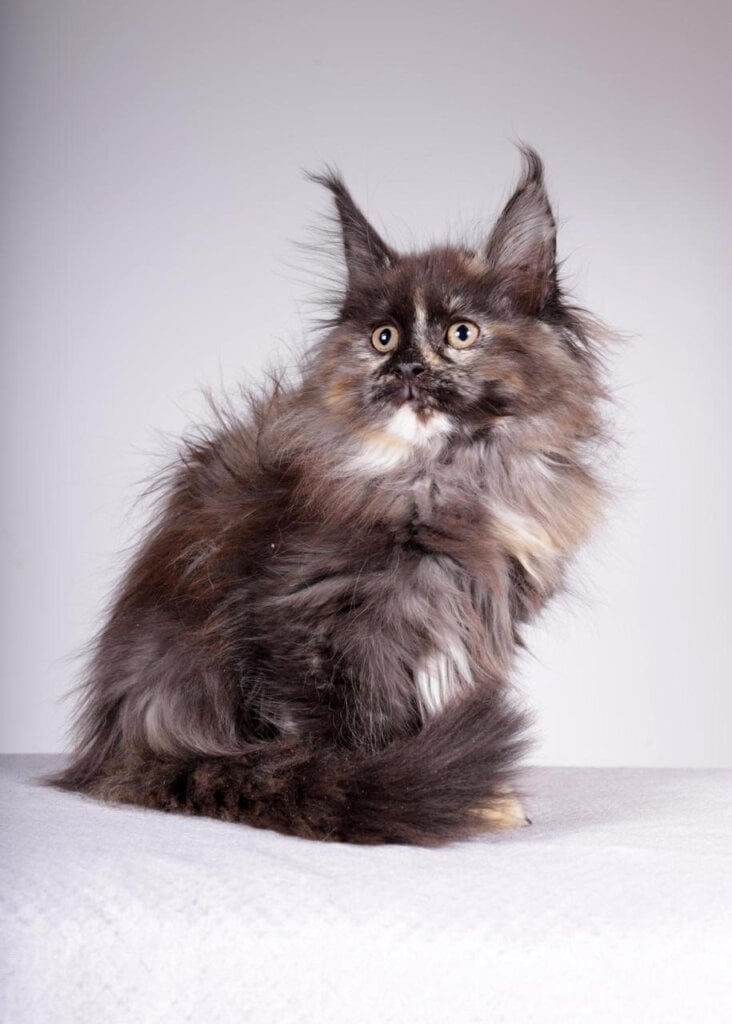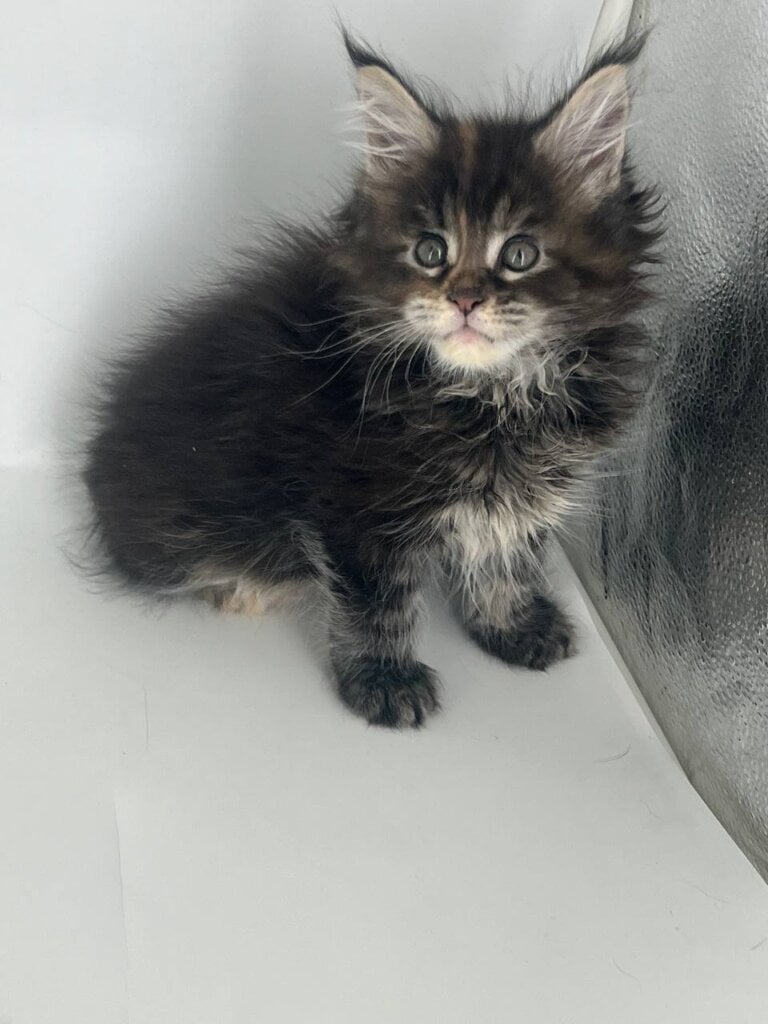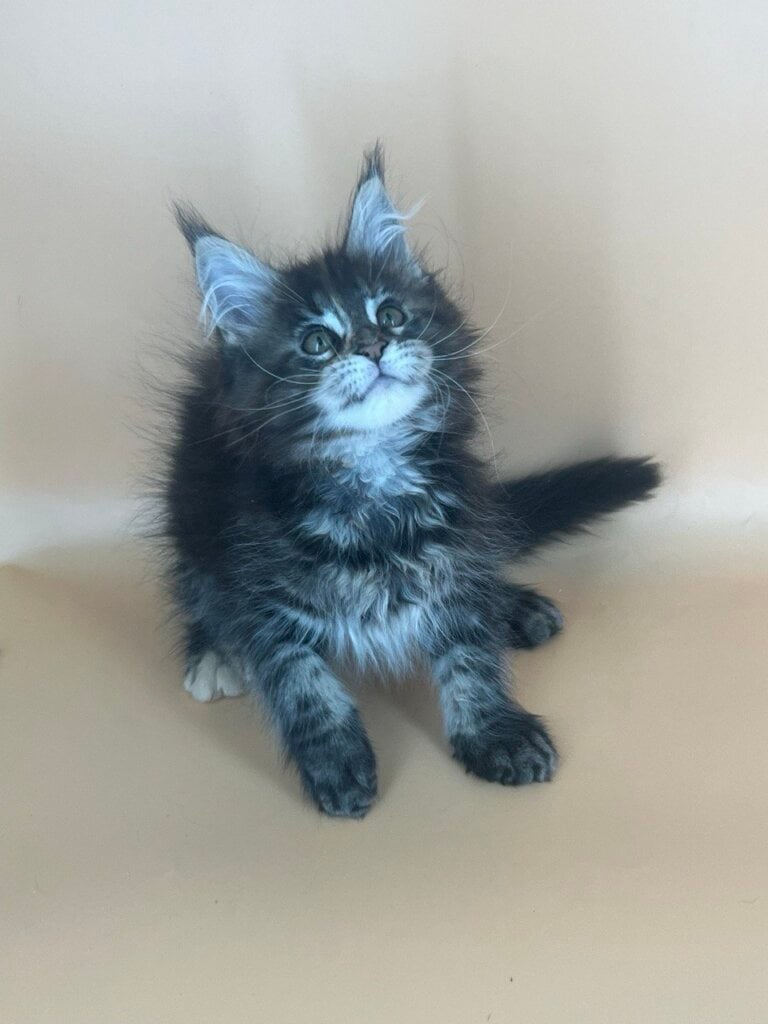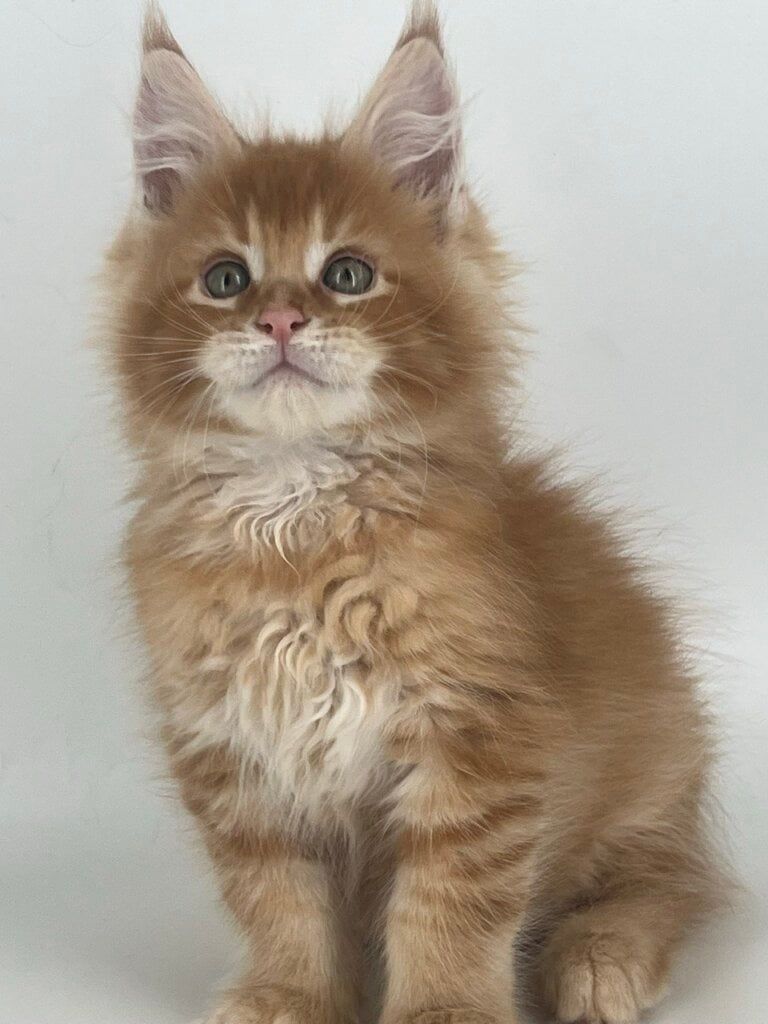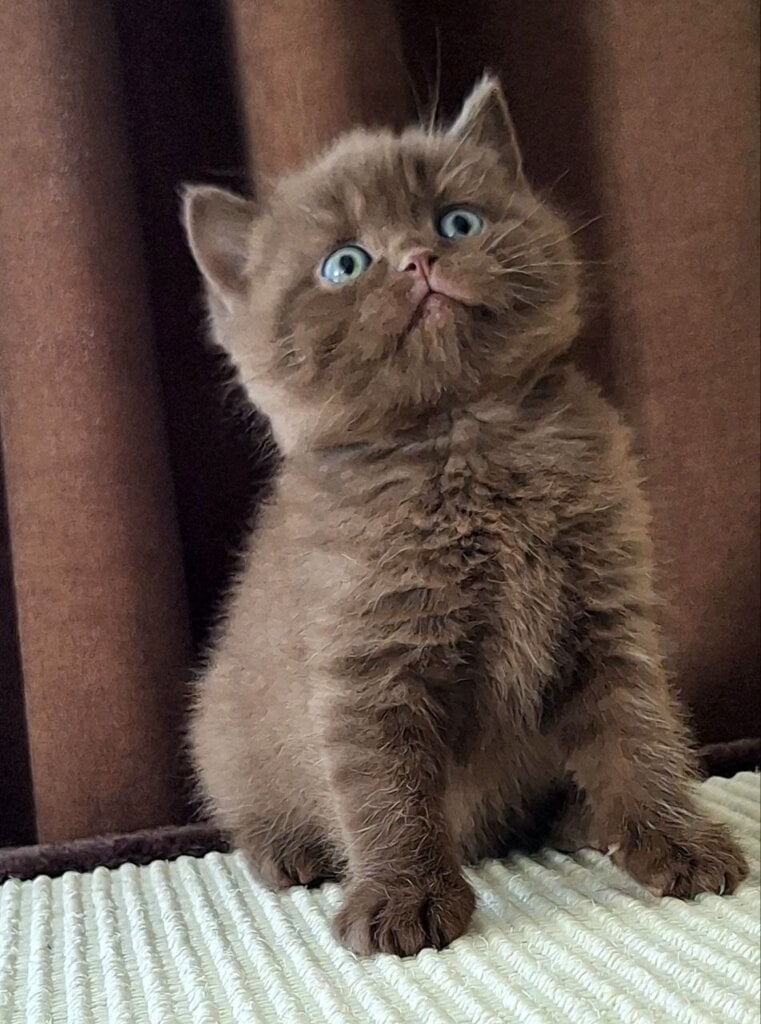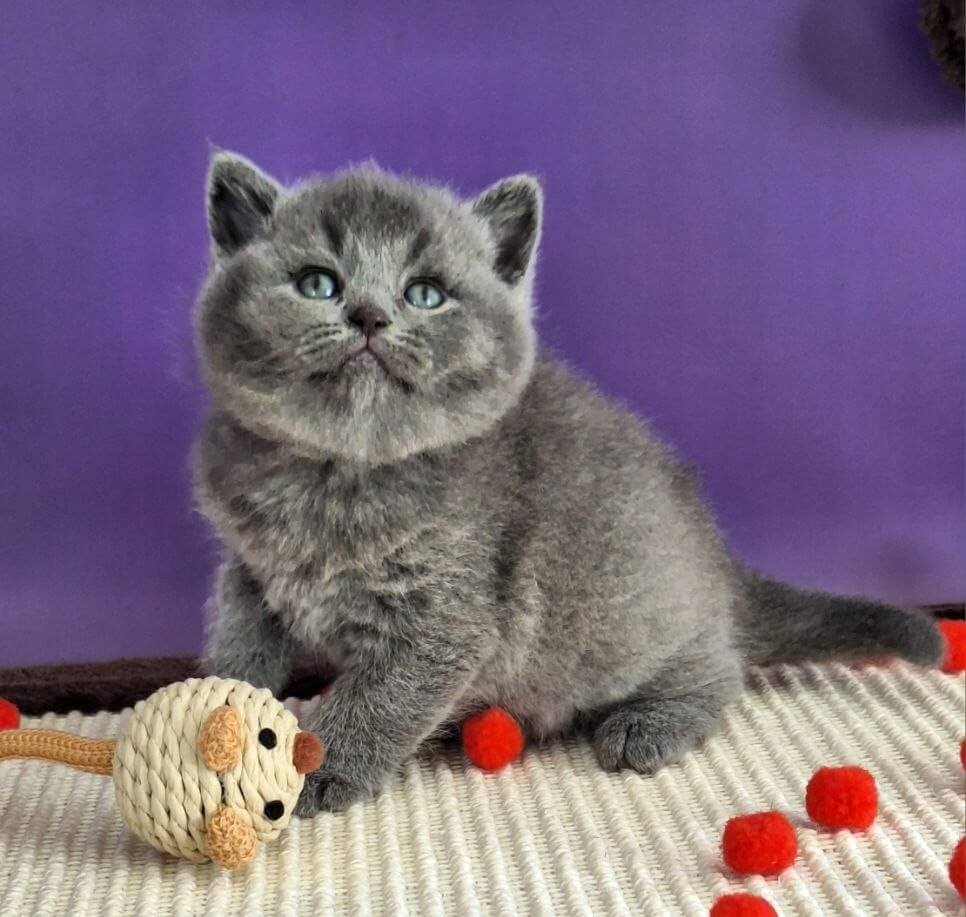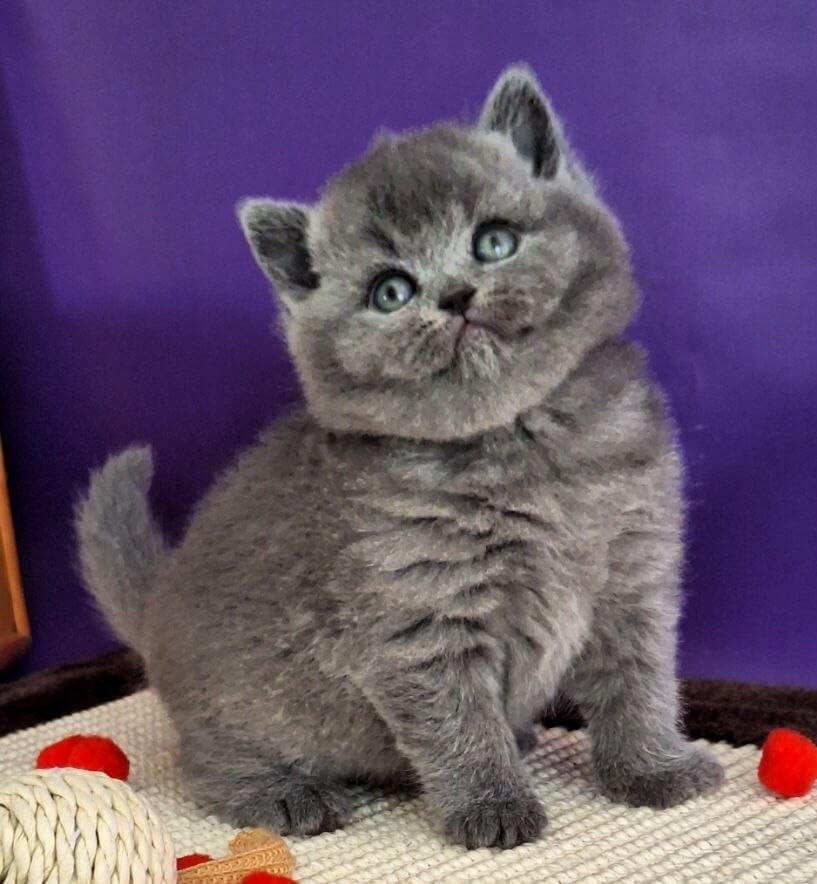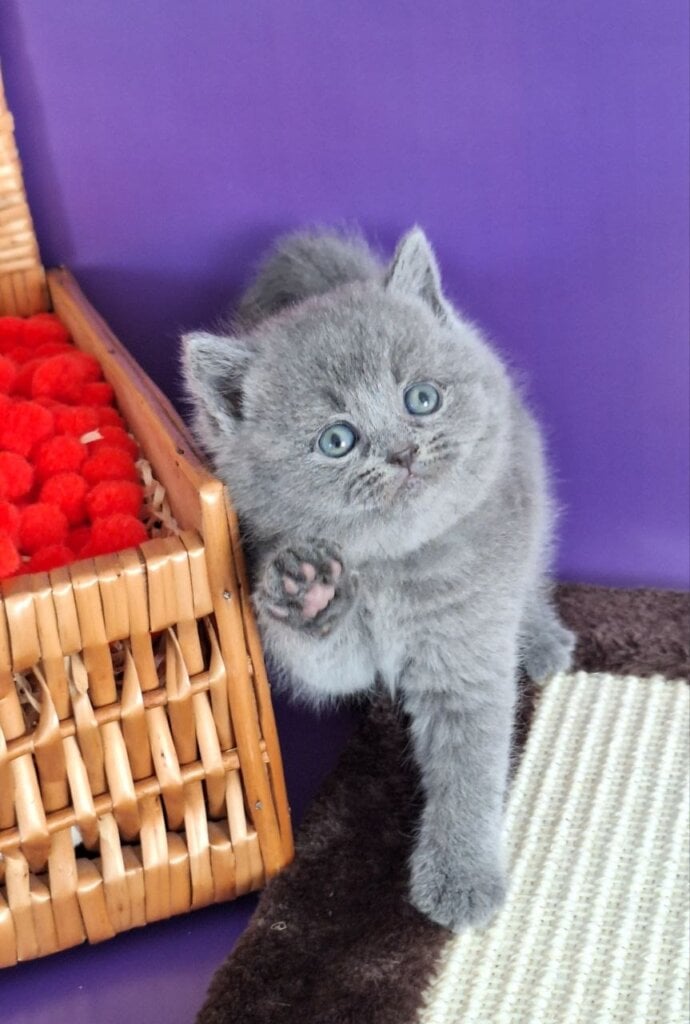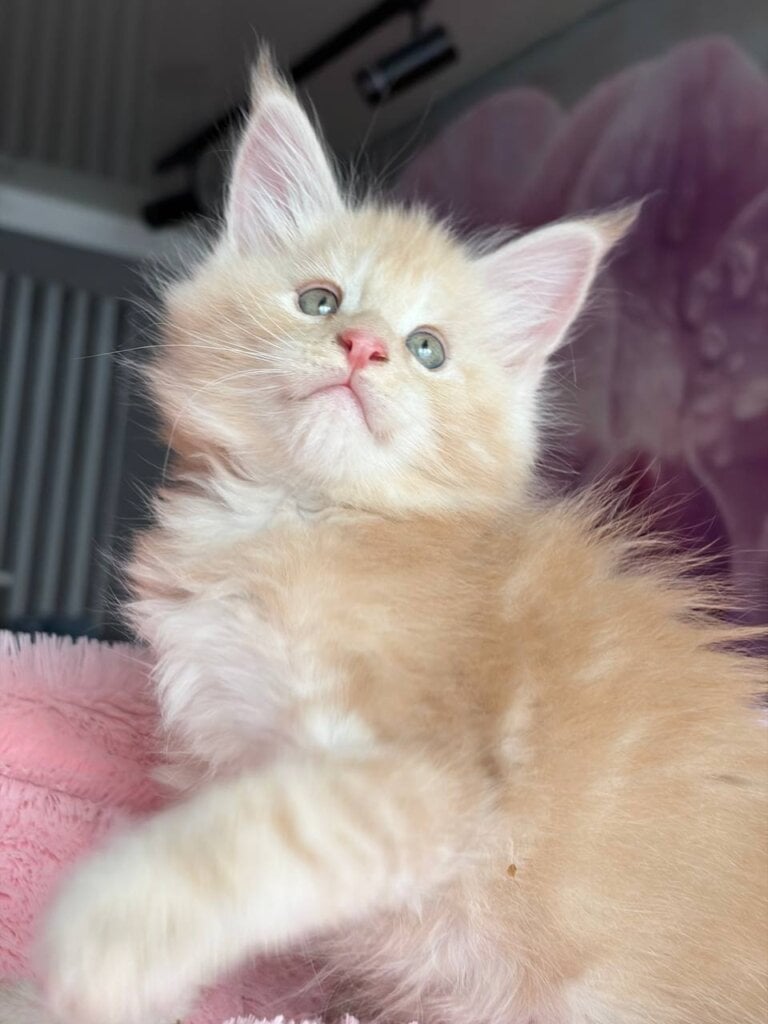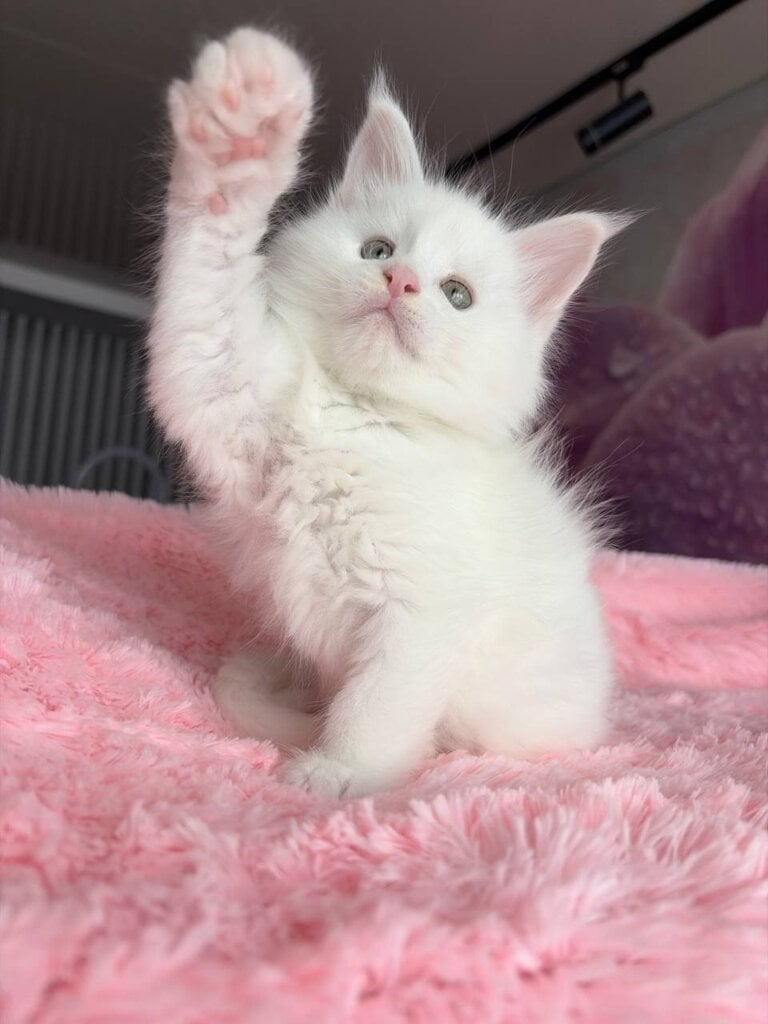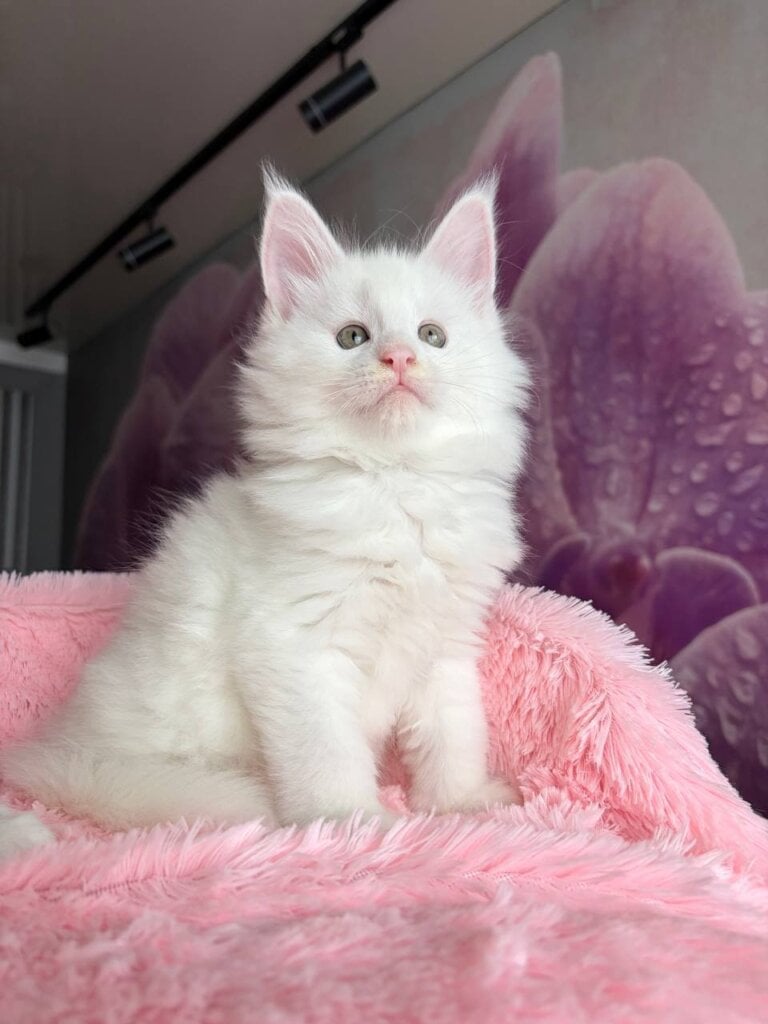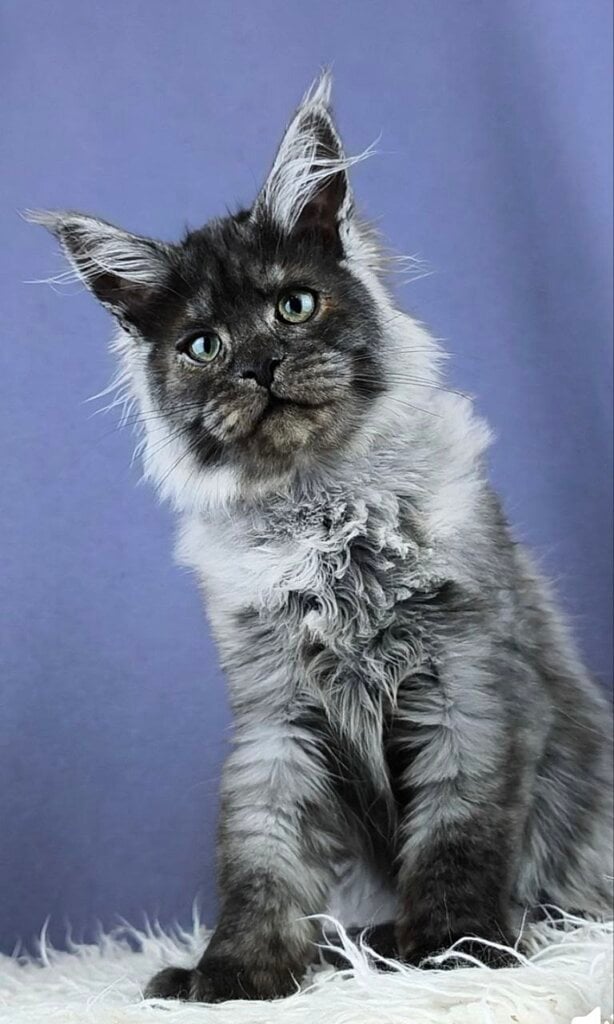

Factors Influencing Kitten Costs
Finding the right kitten requires more than picking a cute face — it requires understanding what “kitten cost” actually means. Kitten cost includes the upfront purchase price and the predictable first-year and lifetime expenses that follow, and knowing how those components interact helps you budget responsibly and choose ethically. This guide explains the main factors that determine purchase price, breaks down first-year and ongoing costs, and shows how ethical breeding practices change the economics of ownership. It also compares buying a purebred kitten from an ethical breeder to adoption, and explains how transparent inclusions — documentation, health checks, a starter kit and a one-year genetic health guarantee — add measurable value. Throughout the article you’ll find breed-specific price context, tables for quick comparison, budgeting lists, and practical planning steps so prospective owners in Chicago, Wood Dale, or nationwide can make informed choices about kitten acquisition and care.
What Are the Main Factors That Determine Kitten Prices?
Kitten prices reflect a mix of biological, procedural, and market drivers: breed demand and rarity, pedigree and champion bloodlines, the kitten’s age and intended purpose (pet, show, or breeding), breeder practices and ethical overhead, and geographic logistics. Each factor either raises the baseline breeder cost or adds optional premiums, with many interacting — for example, rare breed demand often comes with higher lineage testing costs. Understanding these drivers clarifies why two kittens that look similar may have very different price tags and long-term expense profiles. Below are the primary factors ranked by how directly they influence price and what they typically add to total cost.
- Breed and rarity: Determines baseline market value and expected care needs.
- Lineage and champion bloodlines: Adds pedigree premiums and breeding rights fees.
- Age and purpose: Pet-quality vs show/breeding kittens have different pricing tiers.
- Ethical breeder practices: Genetic testing, veterinary care, socialization, and documentation increase cost.
- Geography and delivery: Transport, paperwork and local demand change final buyer price.
These five drivers explain most of the variation in price tags. The next subsections unpack how each factor operates and why it matters for long-term ownership costs.
How Does Breed Influence the Cost of Kittens?
Breed influences price through demand, size and specialized care needs, and breed-specific health screening requirements. Popular or rare purebreds command higher initial prices because breeders invest more in genetic testing, selective pairings, and preventative healthcare to maintain breed standards. Larger breeds or those with longer growth periods may require additional nutrition or grooming resources that indirectly raise lifetime costs, which informed buyers factor into the purchase decision. Breed also correlates with certain inherited conditions, so ethical breeders often perform extra diagnostics for breeds with known risks, raising the seller’s costs and the buyer’s upfront price. Understanding breed-specific demand and care implications helps prospective owners weigh purchase price against expected lifetime expenses.
These breed-related considerations naturally lead into pedigree and lineage issues, which add distinct premiums when buyers value show prospects or future breeding potential.
What Role Does Lineage and Champion Bloodlines Play in Pricing?
Lineage and champion bloodlines create a pedigree premium because documented ancestry increases predictability of traits and eligibility for registration and shows. Breeders register pedigrees with recognized organizations, and maintaining lineage records involves registration fees, performance tracking, and selective breeding practices that raise operational costs. Show-quality or breeding-rights kittens typically carry higher prices than pet-quality kittens because they require stricter selection criteria and often additional genetic clearances. Buyers pay for that predictability and potential resale or breeding value, but those premiums come with both increased upside and increased responsibility — documented lineage may necessitate ongoing testing and ethical breeding commitments. For many buyers, the extra cost reflects a calculated investment in temperament predictability and future options.
Lineage premiums are also closely tied to the kitten’s age and intended purpose, which affects timing and price differentials.
How Does the Kitten's Age and Purpose Affect Its Price?
Age and purpose influence price because younger, weaned and well-socialized kittens ready for a home often command higher prices due to the time and care invested before rehoming. Kittens sold for show or breeding are priced higher than pet-only placements, and those prices often reflect additional genetic certificates or contractual restrictions like limited breeding rights. Conversely, older kittens or adults may be priced lower if they’re past peak demand or if prior owners assumed some initial training and socialization costs. Payment terms and return policies also differ by purpose — breeders offering breeding rights may require more formal agreements and deposits. Pricing by age and purpose helps buyers align cost with their expectations for breeding, showing, or companion outcomes.
This focus on careful rearing and documentation leads naturally into an explanation of why ethical breeding raises costs compared with lower-standard operations.
Why Does Ethical Breeding Increase Kitten Costs?
Ethical breeding increases costs because responsible breeders invest in genetic testing, multi-stage veterinary care, quality housing, early socialization, and transparent documentation rather than cutting corners. Genetic health screening and partnership with recognized registries add laboratory, specialist and administrative fees to each litter. Veterinary-certified health checks, vaccination schedules, microchipping, parasite control and follow-up care are regular expenses that protect long-term health but increase upfront prices. Time-intensive socialization and safe rehoming practices also consume breeder resources, raising the price per kitten but reducing downstream behavioral and medical problems for owners. In short, ethical breeding shifts costs earlier in the kitten’s life to reduce risk and expected lifetime veterinary expenses for buyers.
Understanding these ethical cost drivers clarifies why a transparent purchase price can represent a lower-risk, higher-value investment over time.
How Much Does It Cost to Buy a Purebred Kitten from an Ethical Breeder?
Buying a purebred kitten from an ethical breeder typically falls into breed- and purpose-specific price bands, with additional fees for registration, delivery, and breeding rights. Purebred price ranges vary widely by breed, lineage and whether the kitten is pet-quality, show-quality, or sold with breeding rights, and ethical breeders itemize inclusions so buyers can compare value rather than just sticker price. Below is a concise breed-by-purpose price comparison to show typical ranges and how purpose and lineage move a kitten within each band.
This table compares breeds and how purpose shifts typical price ranges.
| Breed & Purpose | Typical Price Range | Notes (lineage / purpose impact) |
|---|---|---|
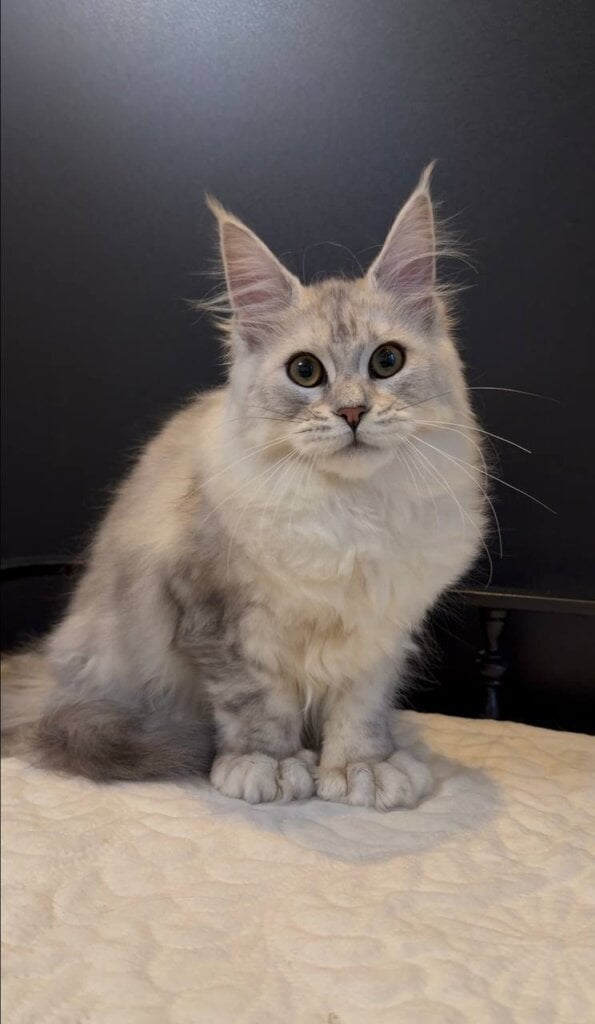
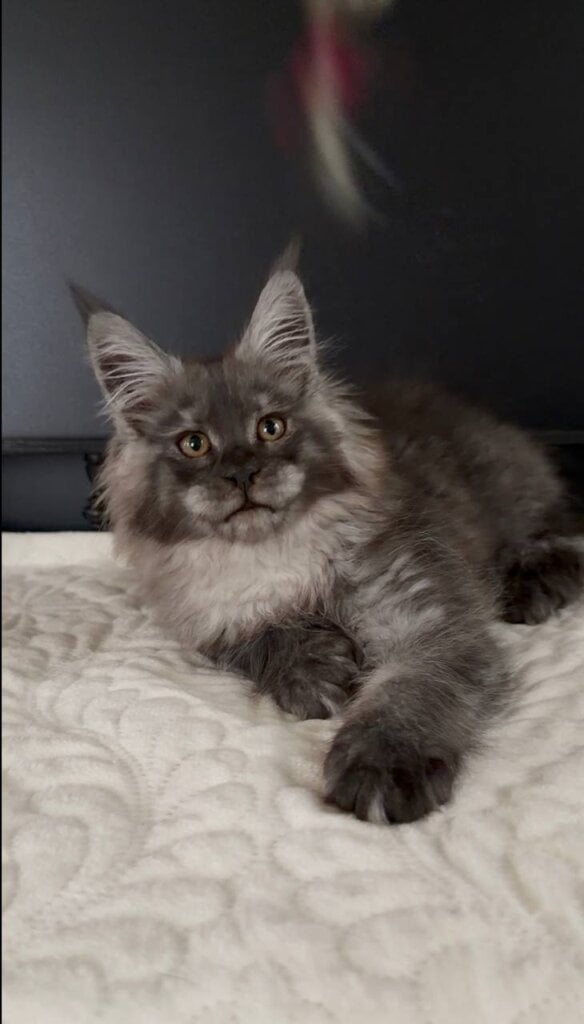
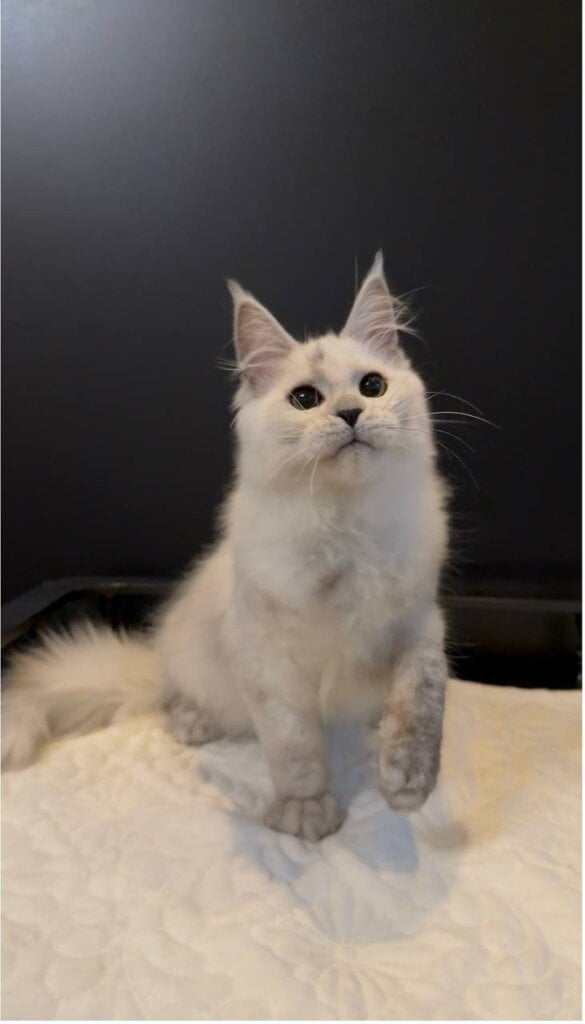
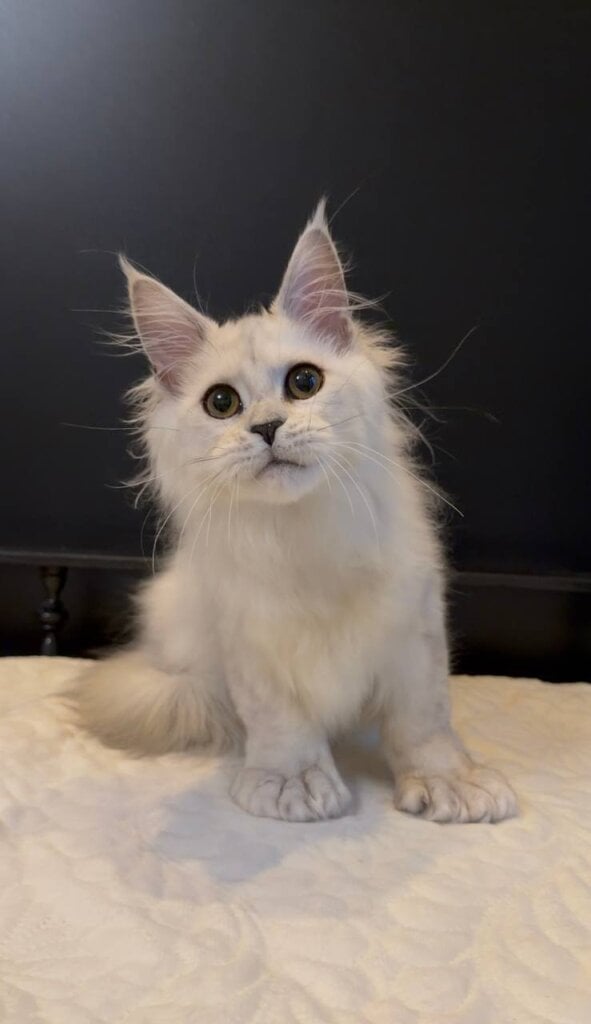
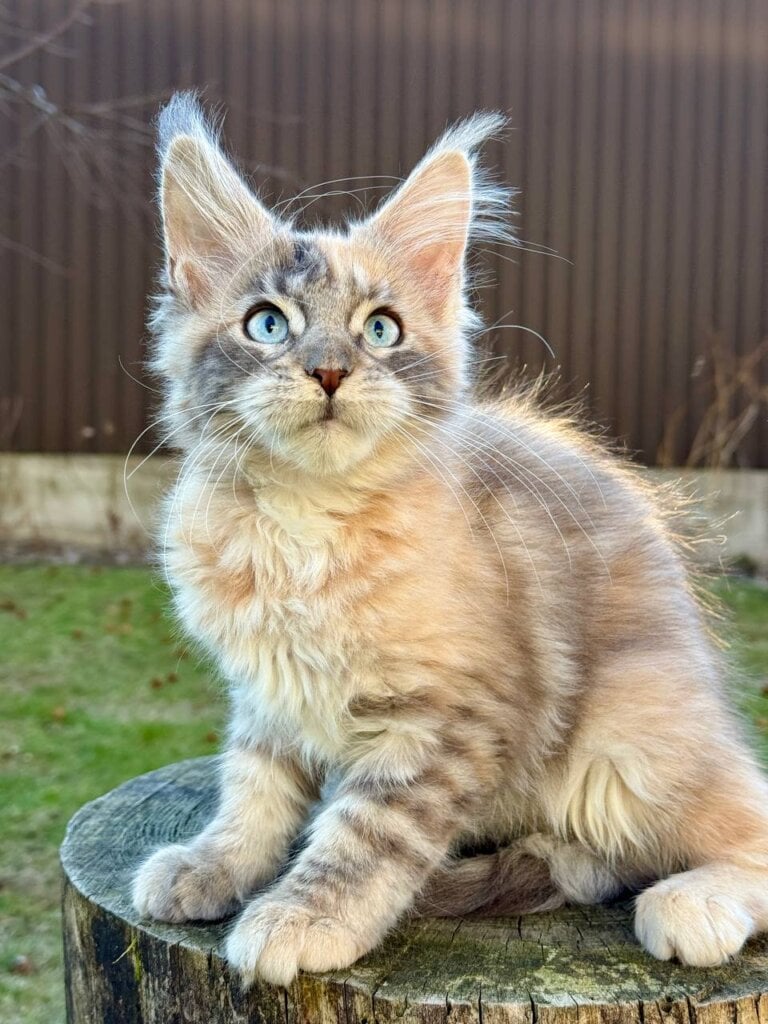
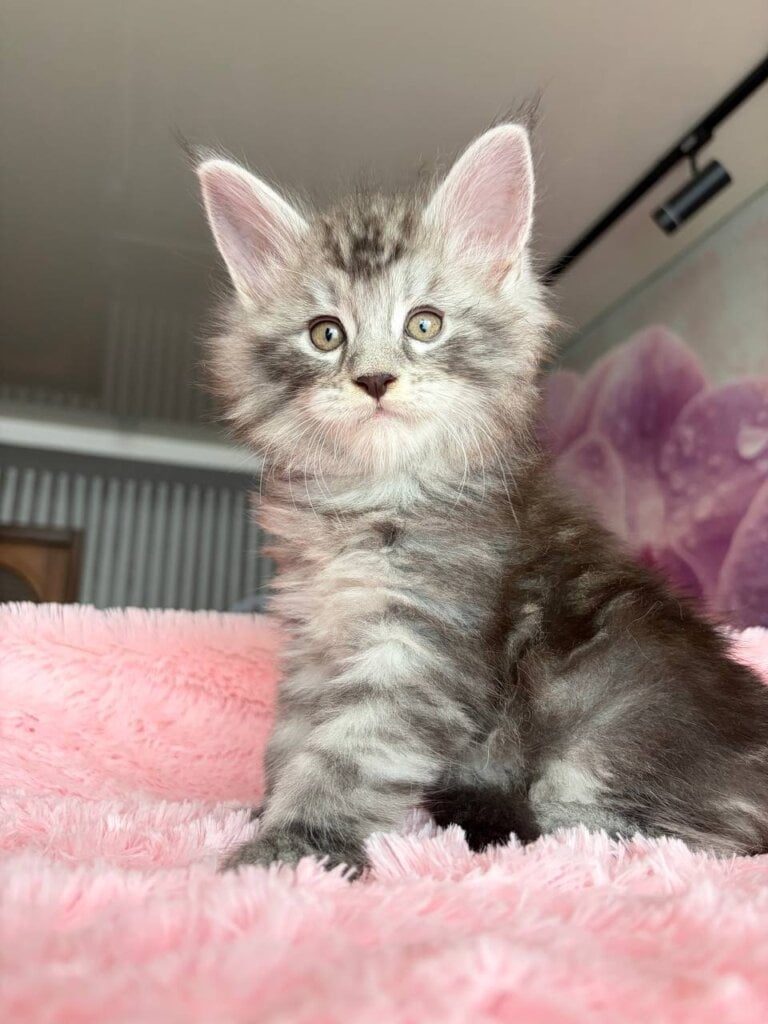
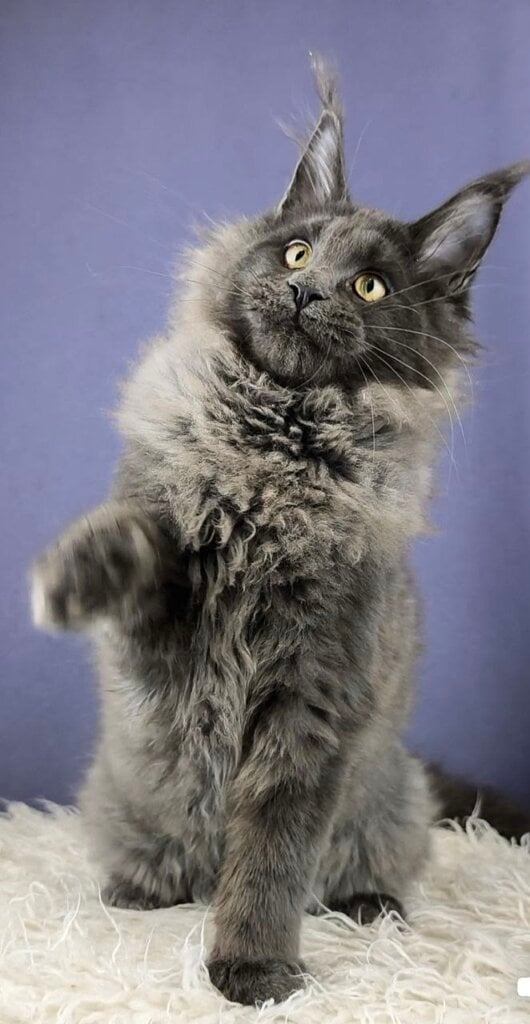
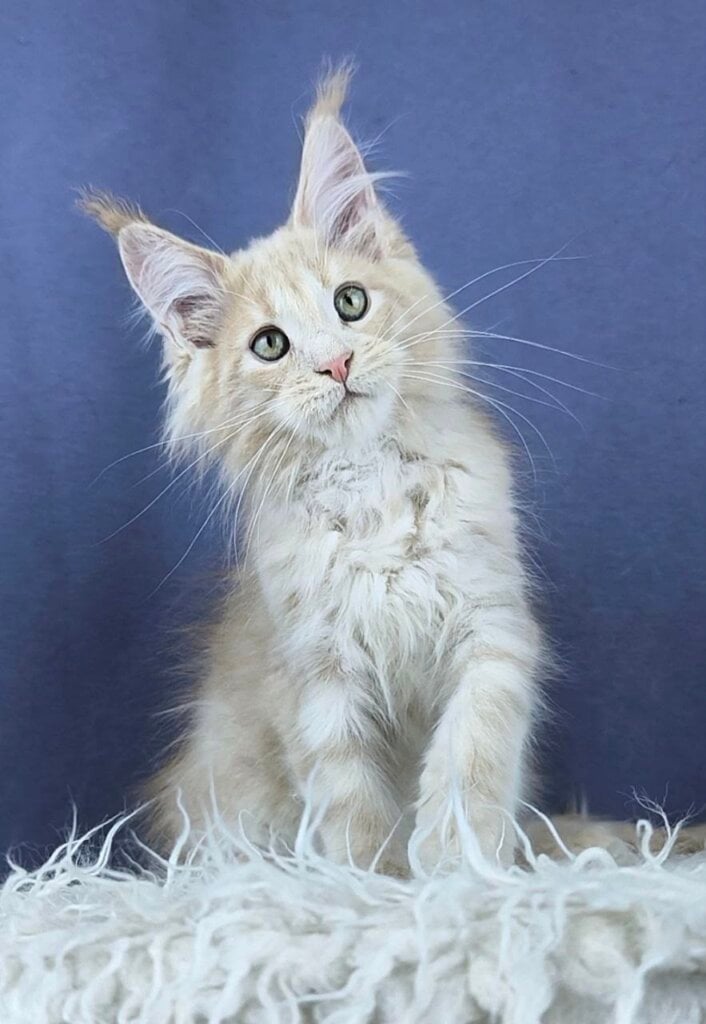
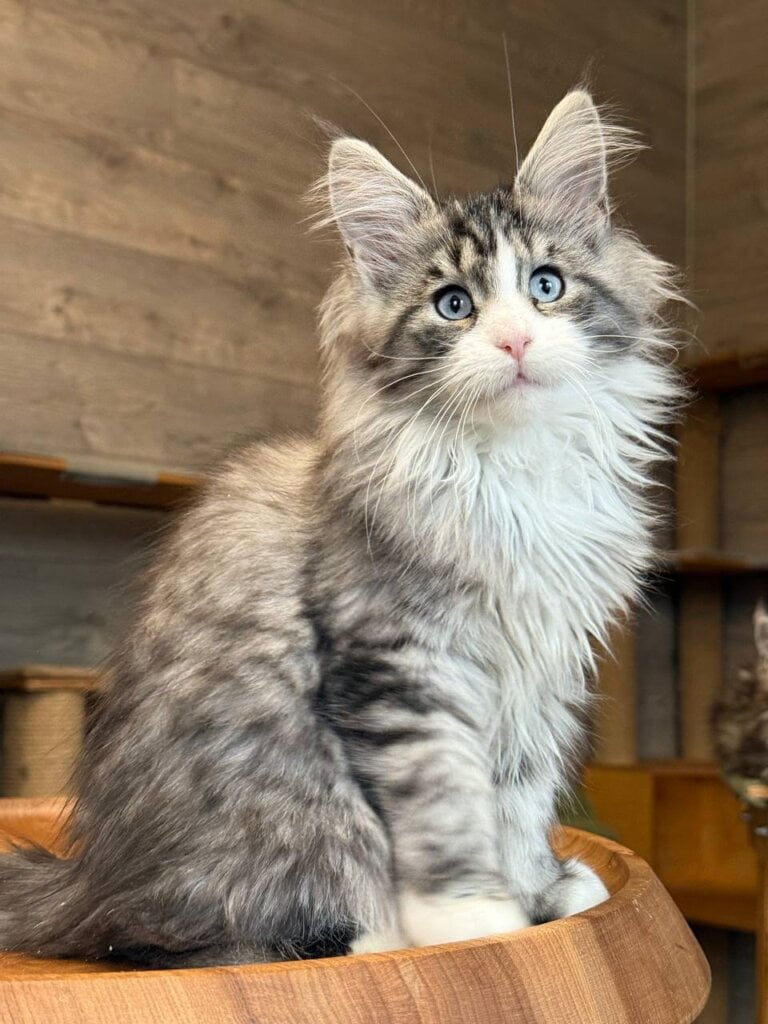
| Maine Coon (pet/show/breeding) | $1,200–$3,500 | Size, testing for hypertrophic cardiomyopathy and lineage raise cost |
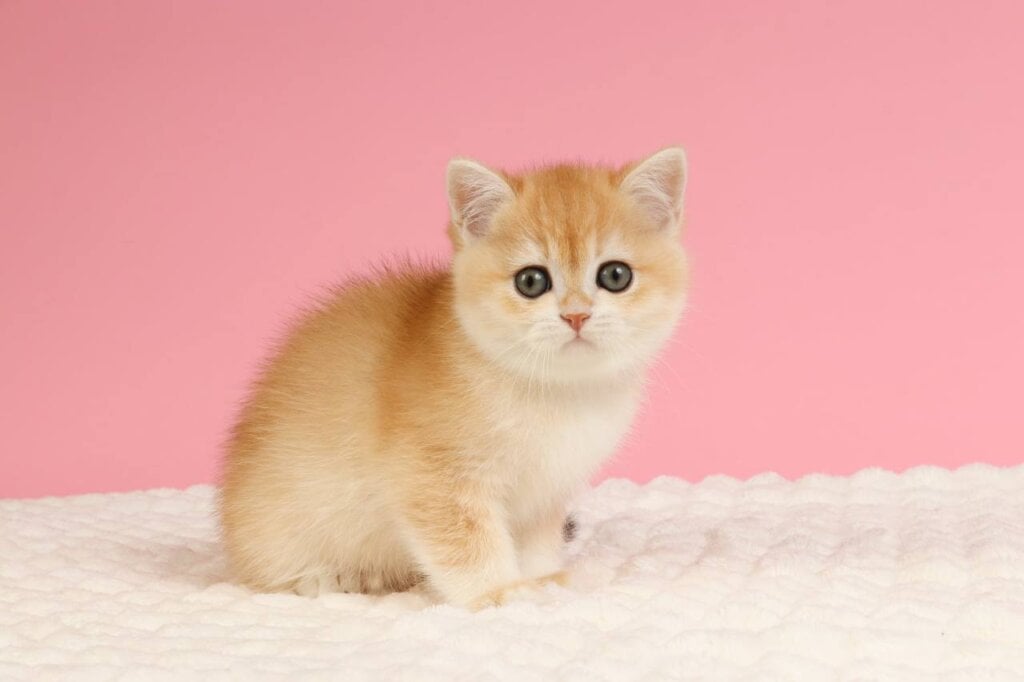
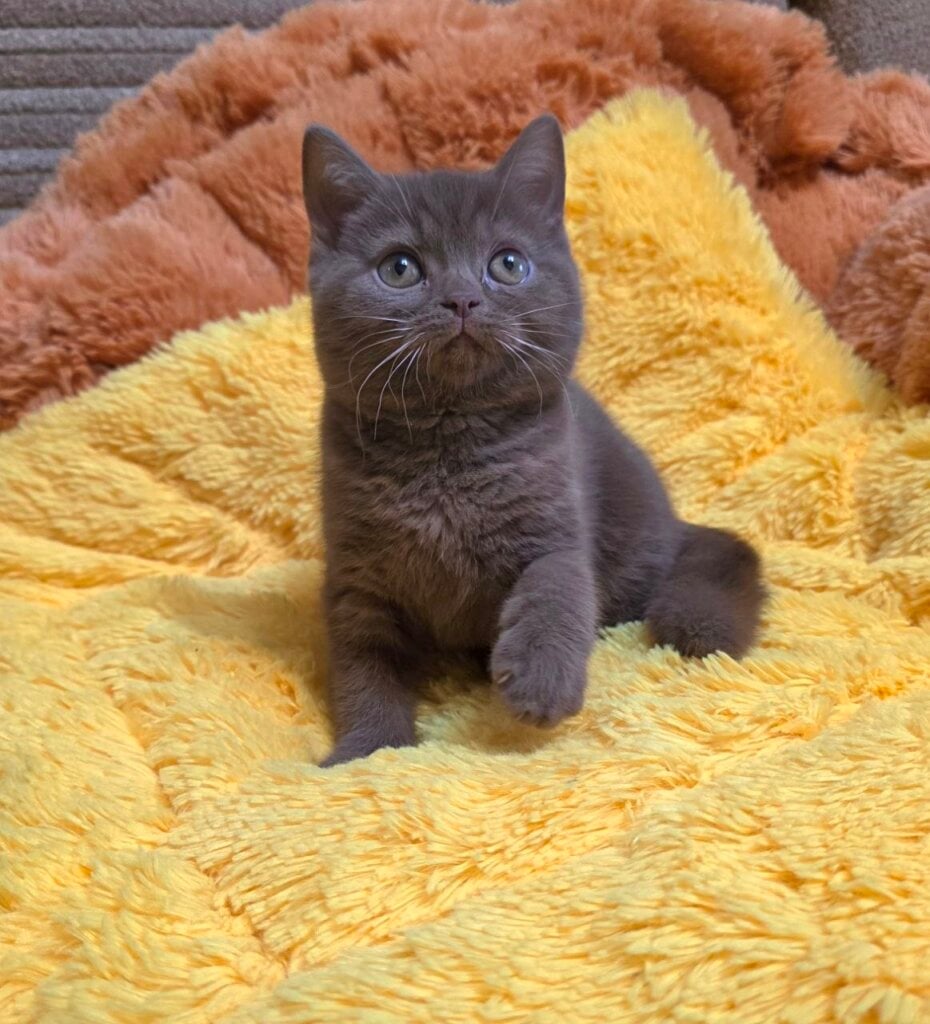
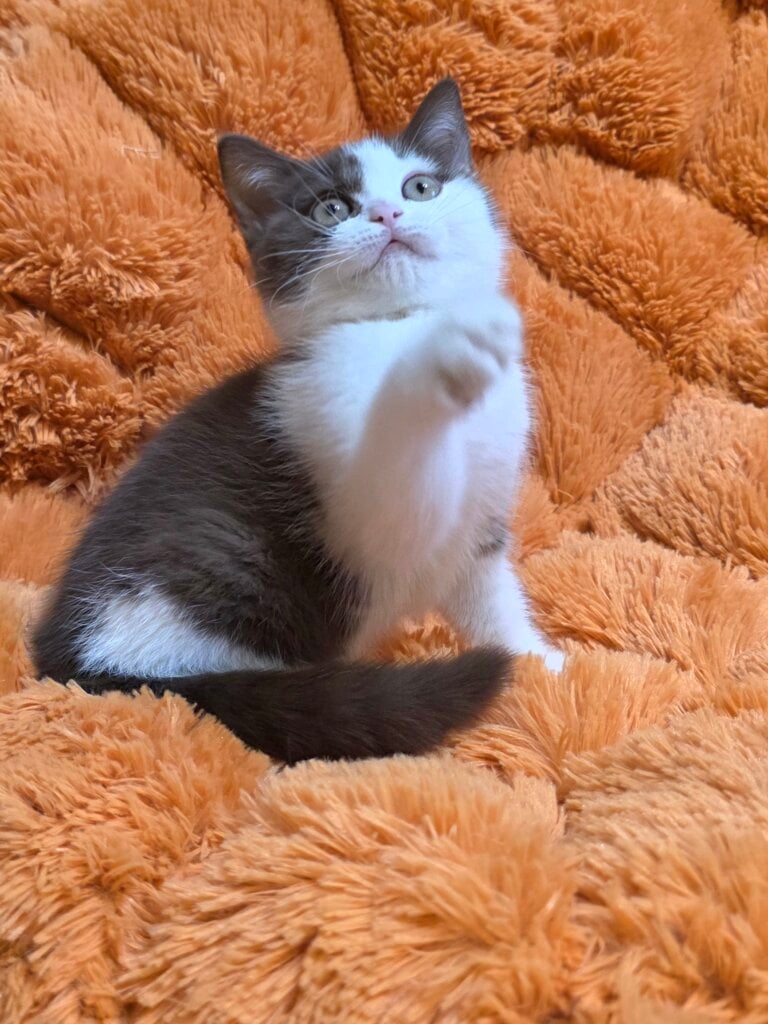
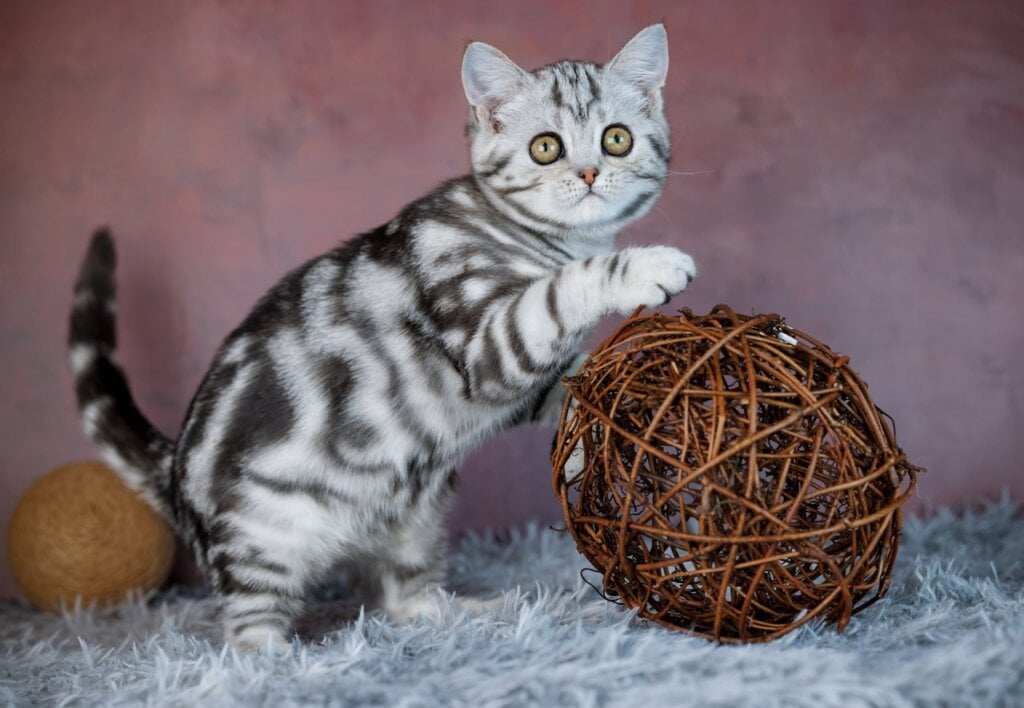
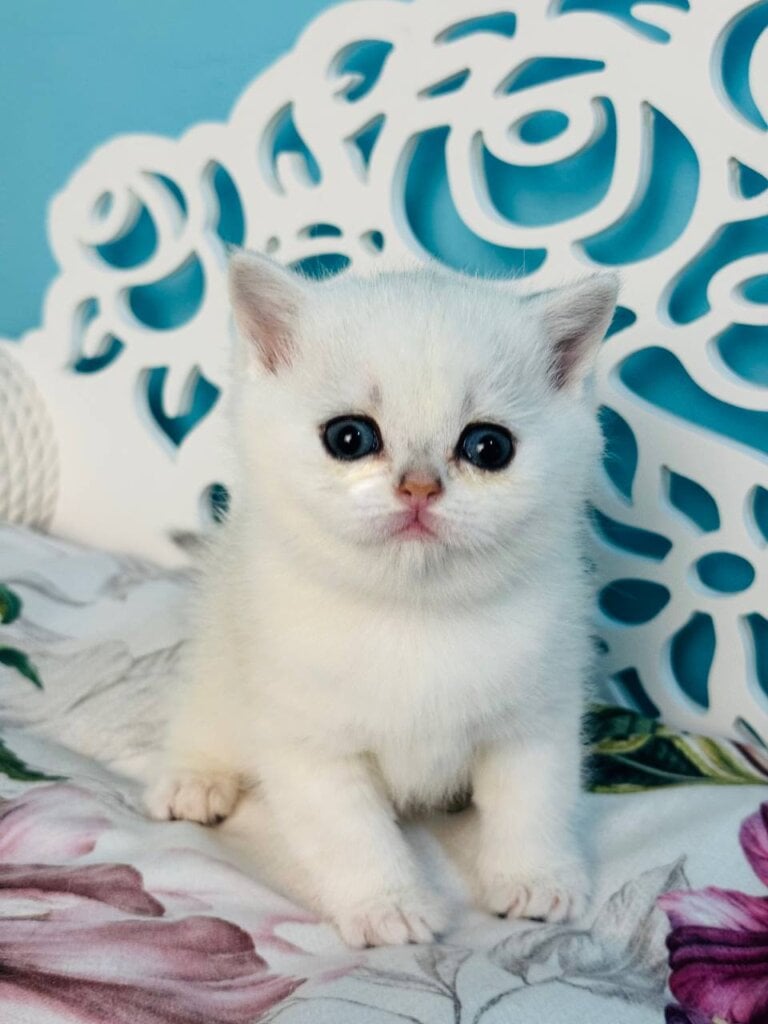
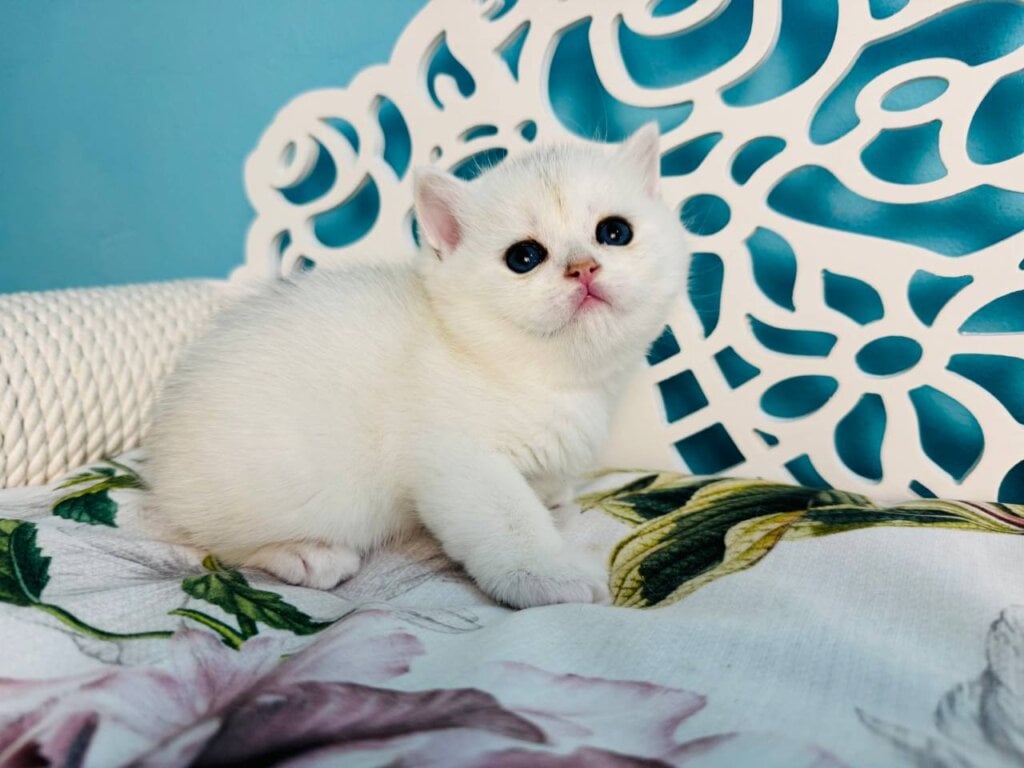
| British Shorthair (pet/show) | $900–$2,500 | Color and pedigree affect upper range |
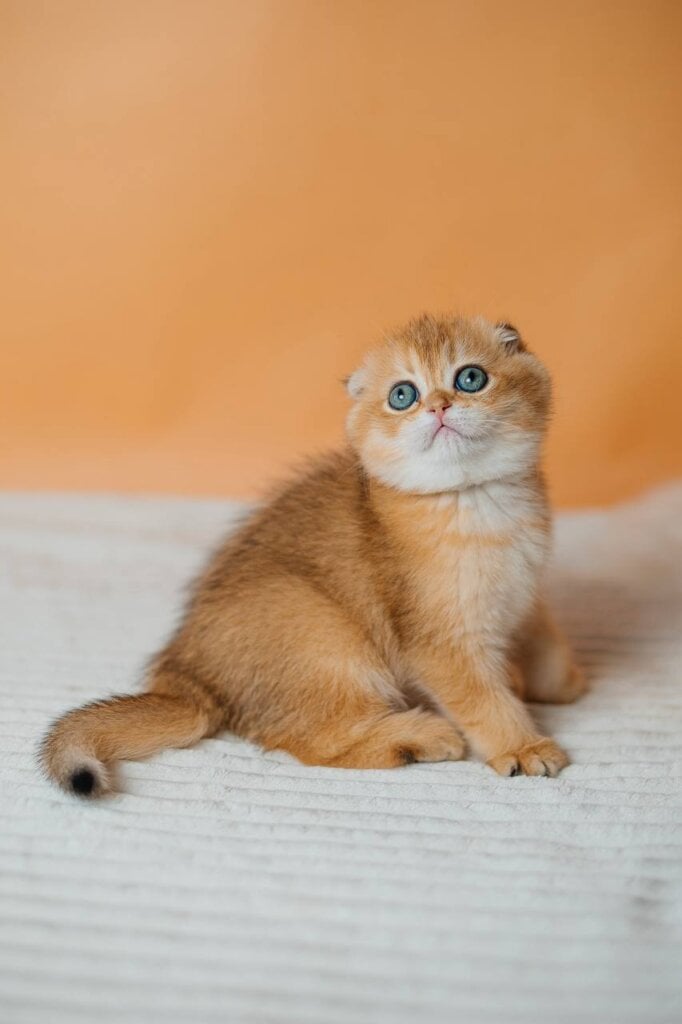
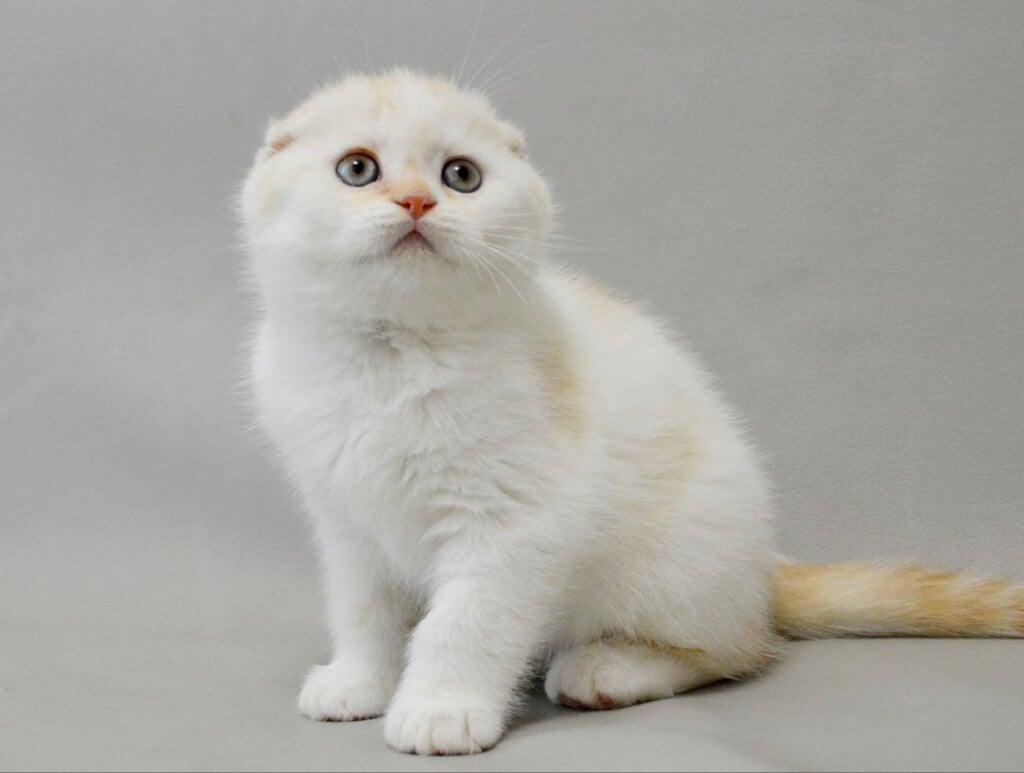
| Scottish Fold (pet/limited show) | $1,000–$3,000 | Ear mutation care and testing influence pricing |
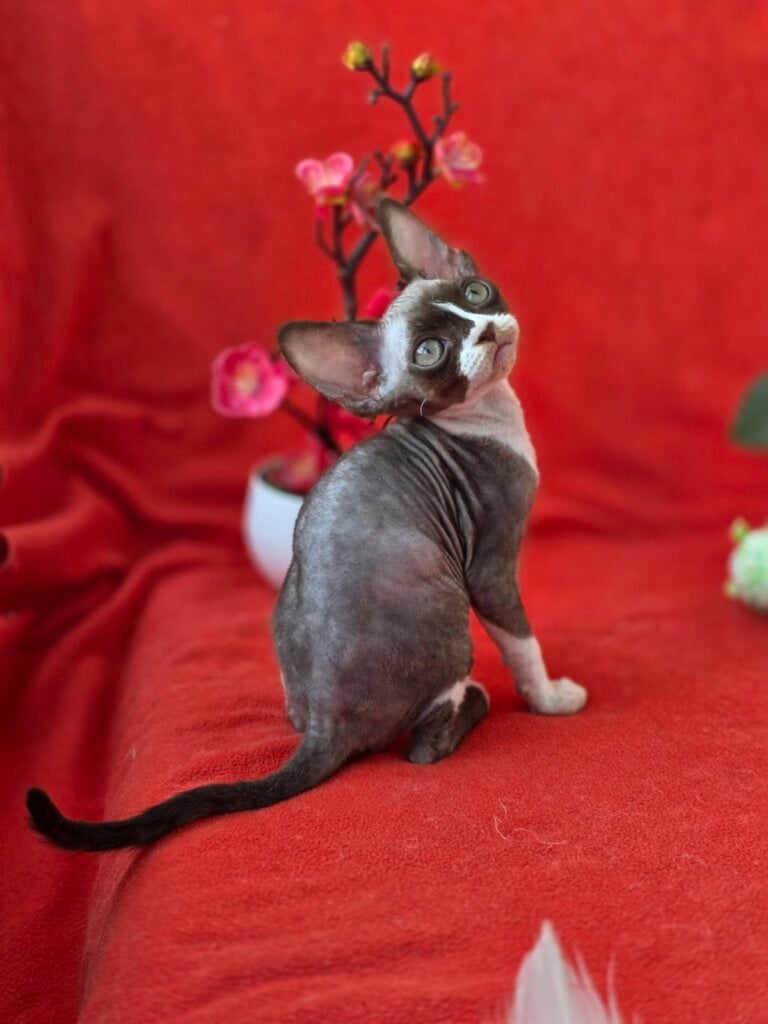
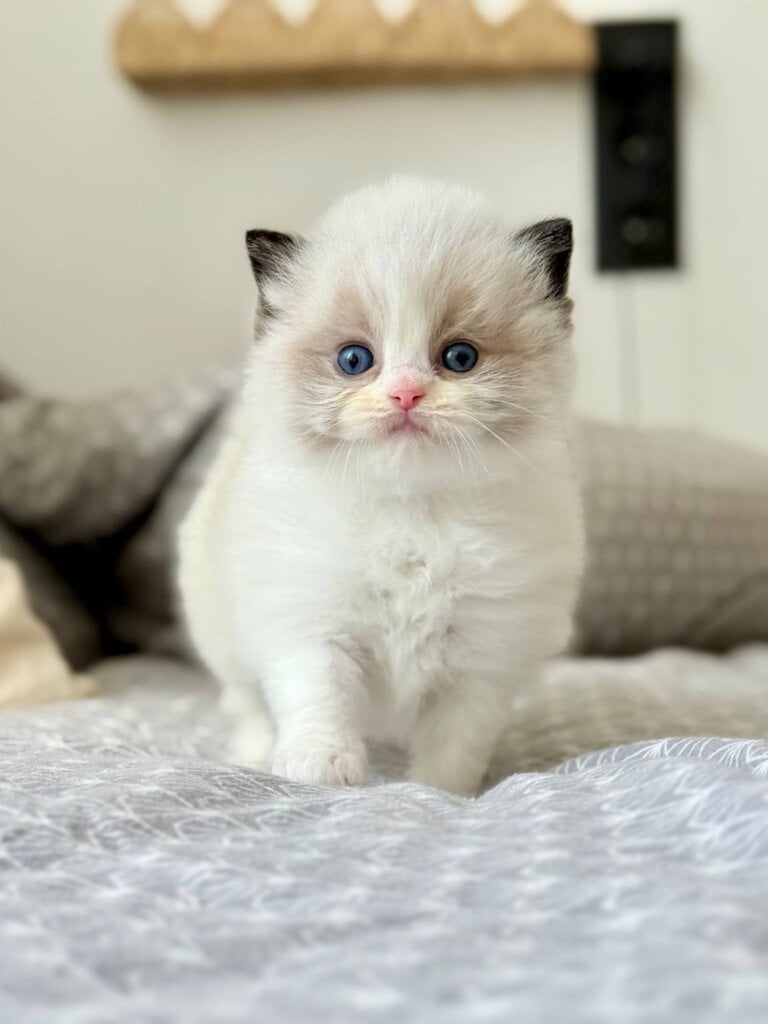
| Ragdoll / Devon Rex / Munchkin (pet/show/breeding) | $800–$3,000 | Breed-specific demand and genetic screening vary costs |
What Is the Typical Price Range for Popular Breeds Like Maine Coon and British Shorthair?
Popular breeds like Maine Coon and British Shorthair vary in price because of size, color variants, and health-testing requirements. Maine Coons often command higher averages due to larger litter and rearing costs plus recommended cardiac screenings, while British Shorthair price moves depending on rare coat colors and registry demand. Within each breed, show-quality or breeding-intent kittens are higher priced by hundreds to thousands of dollars compared with pet-quality placements because of additional documentation and contractual obligations. Geographic factors such as demand in urban centers like Chicago and delivery logistics also shift the final buyer cost. Buyers should request itemized breakdowns to compare base price against included health safeguards and documentation.
What Does a MeoWoff Kitten Purchase Include?
A transparent purchase from MeoWoff Kittens typically bundles several items that lower buyer risk and expected future costs: a veterinarian-certified health check and strict vaccination schedule, microchipping and parasite control, official documentation and pedigree papers, a starter kit for the new home, and a one-year genetic health guarantee. These inclusions replace some early veterinary visits, provide documentation for registration and resale, and offer recourse in the rare event of hereditary disease, making the apparent premium more cost-effective over time. Nationwide delivery and flexible payment options, including installment plans, further influence accessibility while maintaining breeder standards. Knowing what’s included simplifies a value-based comparison between sellers.
How Do Payment Options and Guarantees Affect Buyer Value?
Payment options and guarantees change buyer risk and cashflow: installment plans increase accessibility for higher-priced purebreds but require clear contracts to avoid misunderstandings, while deposits secure a reservation and protect breeders’ costs. A documented one-year genetic health guarantee reduces the buyer’s expected future veterinary expenses by defining coverage and remediation steps if a covered hereditary condition appears. Refund, return and breeding-rights clauses alter total value and may include conditions tied to spay/neuter timing or registration. Buyers should evaluate contract terms, understand what the guarantee covers, and consider how payment plans affect total cost when interest or administrative fees are present. Clear guarantees and transparent payment terms turn higher upfront prices into lower-risk investments.
What Are the Essential Initial Expenses After Purchasing a Kitten?
Initial expenses after purchase include immediate veterinary care, vaccinations, deworming and parasite prevention, spay/neuter when appropriate, microchipping, and essential supplies such as a carrier, litter box, food and bedding. These costs divide into one-time and short-term recurring expenses that typically make up the first-year budget; planning ahead helps avoid emergency shortfalls. The table below breaks initial items into a clean Entity–Attribute–Value format so you can scan and total likely first-year outlays.
| Expense Item | One-time vs Recurring | Typical Cost Range / Timing |
|---|---|---|
| Initial vet exam & vaccinations | One-time + short-term follow-ups | $75–$250 initial, $50–150 follow-ups |
| Spay / neuter | One-time | $150–$400 depending on breed/clinic |
| Microchipping | One-time | $25–$75 |
| Preventative medications (flea/tick, deworming) | Recurring (monthly/quarterly) | $5–$30/month depending on product |
| Starter supplies (carrier, litter box, basic toys) | One-time | $60–$250 |
These items form the backbone of a responsible first-year plan — veterinary baseline care plus essential supplies — and are often where responsible breeders’ inclusions provide measurable savings by covering early exams, vaccinations and documentation.
How Much Do Veterinary Care and Vaccinations Cost in the First Year?
Veterinary costs in the first year center on the initial exam, core vaccines, parasite testing and routine follow-ups; these protect against severe illnesses but represent a predictable portion of the first-year budget. Core vaccines and the initial health exam often range from modest clinic fees to higher specialty clinic costs depending on the city, with follow-up visits for boosters adding small recurring sums. Preventative medications for fleas, ticks and worms are recurring and, when purchased as annual plans, can offer savings versus ad-hoc treatments. Factoring these predictable expenses into your budget reduces the chance that an illness will become an emergency-level financial burden. The next subsection covers spay/neuter timing and its long-term cost benefits.
What Are the Costs and Benefits of Spay/Neuter Procedures?
Spay/neuter is a one-time medical procedure that reduces reproductive-related health risks and unwanted behavior, providing long-term savings on potential complications and managing population control. Typical costs vary by clinic and region, and show/breeding animals may follow different timelines and contractual conditions. Beyond direct cost, spay/neuter lowers the likelihood of reproductive cancers and certain infections, which can reduce expected future veterinary expenses. For owners considering breeding, contractual exceptions and additional screening often apply; for pet-only placements, spay/neuter is usually encouraged and cost-effective. Understanding timing and long-term health benefits helps owners make informed decisions and budget appropriately.
How Do Microchipping and Preventative Treatments Affect Expenses?
Microchipping is a low one-time cost that dramatically improves the chance of recovery if a kitten is lost, representing high value for a small price. Preventative treatments — flea, tick and heartworm preventatives and regular deworming — are recurring but protect against larger, costlier health events and infestations. Investing in routine prevention reduces emergency treatment probability and limits the spread of parasites in multi-pet households. When ethical breeders include microchipping and early parasite control, buyers realize immediate utility and reduced short-term expense. Planning for these recurring costs converts them into predictable monthly budget items rather than unpredictable emergencies.
What Are the Ongoing Monthly and Annual Costs of Kitten Ownership?
Ongoing ownership costs include food and nutrition, litter and consumables, grooming and enrichment, preventive medications, routine vet check-ups, and occasional boarding or professional services. These costs vary by diet quality, breed size and lifestyle (indoor-only vs outdoor access), and they accumulate into the monthly and annual budgets that determine the true cost of ownership. The table below organizes monthly and annual estimates across low, medium and premium tiers so prospective owners can choose realistic budgets that match desired care levels.
| Category | Monthly Estimate | Annual Estimate |
|---|---|---|
| Food (economy to premium) | $10–$60/month | $120–$720/year |
| Litter & consumables | $8–$40/month | $96–$480/year |
| Preventatives & supplements | $10–$50/month | $120–$600/year |
| Grooming & enrichment | $5–$60/month | $60–$720/year |
| Routine vet checkups | $5–$30/month (averaged) | $60–$360/year |
Summing these categories gives a realistic annual cost range and highlights how diet quality or grooming frequency drives large portions of the budget; owners in urban centers should factor in slightly higher service rates and occasional boarding costs.
How Much Should You Budget for Food and Nutrition?
Food budgets depend on diet tier: economy dry food, balanced premium wet/dry mixes, or prescription diets all change monthly expenditures and long-term health outcomes. Premium diets and breed-specific formulas increase monthly costs but may reduce gastrointestinal or dermatological issues for susceptible cats. Feeding amounts vary by age and size — growing kittens need more calories per pound than adults — so initial months can be costlier. Owners should evaluate long-term health benefits when choosing diets, as better nutrition can lower future vet bills for certain conditions. Careful selection balances quality and cost to support healthy growth.
What Are the Typical Litter and Supplies Costs?
Litter type drives recurring costs: clumping clay, crystal, recycled or premium biodegradable litters have distinct price and performance trade-offs. Replacement schedules for litter boxes, scratching posts, beds and durable toys occur on multi-year cycles, while consumables like litter and liners are ongoing. Investing in quality durable items reduces replacement frequency, while budget litters may increase odor and cleaning time. Calculate monthly consumables separately from durable goods to create a rolling replacement fund that smooths spending across the year. Thoughtful choices lower both direct costs and the behavioral issues that can drive additional spending.
How Do Grooming, Enrichment, and Boarding Impact Long-Term Expenses?
Grooming and enrichment vary with coat length and activity level: long-haired breeds typically need more frequent grooming and occasional professional trims, and active cats require rotation of toys and enrichment to avoid destructive behavior. Boarding or pet-sitting during travel can be a significant occasional expense, and cost-effective alternatives include trusted local sitters and reciprocal care networks. Regular enrichment prevents stress-related issues that can lead to vet visits, so investing in toys, climbing structures and grooming supports welfare and reduces downstream costs. Budgeting for occasional professional grooming and planned boarding prepares owners to travel without emergency spending.
How Can You Plan for Unexpected and Optional Kitten Care Costs?
Planning for unexpected and optional costs means combining an emergency fund, carefully chosen pet insurance or preventive plans, and priority-setting for optional services like advanced genetic screening or behavioral training. An emergency fund provides direct, flexible coverage for non-insured gaps, while insurance can offset large unexpected veterinary bills. Prioritizing optional services based on risk profile and breed-specific concerns lets owners allocate funds where impact is highest. Below are practical planning steps to prepare financially and reduce the stress of unexpected events.
- Build an emergency savings buffer specifically for pet care.
- Compare accident-only vs comprehensive pet insurance policies.
- Prioritize optional services (advanced testing, training) by potential risk mitigation.
These steps create a layered risk plan: savings for immediate liquidity, insurance for catastrophic events, and selective optional services to reduce future probability of expensive conditions.
What Are the Benefits and Costs of Pet Insurance for Kittens?
Pet insurance shifts unpredictable veterinary risk into predictable premiums: accident-only plans cost less but don’t cover illnesses, while comprehensive plans include hereditary and congenital conditions depending on policy terms. Premiums vary by coverage, deductible and the kitten’s breed/age; owners should weigh premium cost against expected out-of-pocket risk for their chosen breed. Policies may have waiting periods and exclusions, so reading terms carefully is essential. For breeds with known hereditary risks or for owners seeking extra financial predictability, comprehensive plans often provide significant peace of mind despite ongoing premiums.
How Should You Budget for Emergency Veterinary Care?
Set concrete emergency fund targets in low/medium/high tiers and review typical emergency procedure costs to choose an appropriate buffer. A basic low-tier fund might cover minor urgent care, while a medium or high-tier fund anticipates surgery or advanced diagnostics. Financing options exist, but relying on credit increases long-term cost. Use a mix of an emergency savings cushion plus insurance to balance monthly cost against catastrophic risk. Regularly revisiting the fund target as your cat ages keeps preparedness aligned with evolving health profiles.
What Optional Services Affect Kitten Care Budgets?
Optional services include advanced genetic testing beyond standard screens, professional behavior training, luxury grooming, and elective procedures; each offers benefits but comes with varying cost-effectiveness. Advanced genetic tests can inform breeding decisions or anticipate conditions, while professional training can prevent costly behavioral problems. Luxury services increase welfare but are discretionary; owners should prioritize services that demonstrably reduce future vet costs or significantly improve welfare. Decide by triaging based on breed-specific risks and household priorities.
Why Is Investing in a Purebred Kitten from MeoWoff Worth the Cost?
Investing in a purebred kitten from MeoWoff can be worth the cost because transparent inclusions and ethical practices reduce buyer risk and expected lifetime expenses. MeoWoff emphasizes documentation, veterinarian-certified health checks, strict vaccination schedules, microchipping, parasite control, a starter kit and a one-year genetic health guarantee — all of which lower early vet needs and increase predictability. Their collaboration with WCF-registered European catteries supports responsible lineage practices and breeder standards that mitigate certain hereditary risks. For buyers prioritizing predictability, documentation and post-purchase support, these value elements convert upfront cost into long-term savings and a smoother ownership experience.
The following subsections explain how those protections translate into measurable reductions in future expenses and practical benefits.
How Do Genetic Health Guarantees Reduce Future Vet Expenses?
A one-year genetic health guarantee provides defined recourse if covered hereditary conditions appear within the guarantee window, often including defined remediation, refund or replacement pathways. This certainty reduces the financial exposure associated with early-onset genetic conditions and incentivizes breeders to conduct pre-sale testing and responsible pairings. While guarantees have limitations and exclusions, they offset some of the financial risk buyers otherwise assume and make the total cost of acquisition more predictable. Documented claim processes and transparent terms are critical — buyers should read contracts to understand covered conditions and required proof.
What Are the Advantages of Champion Bloodlines and Pedigree?
Champion bloodlines and documented pedigree increase predictability of traits such as temperament and size, and they can confer resale or breeding value when managed ethically. Pedigree records enable registration with recognized organizations and support show participation, which may matter for owners who value those options. However, pedigree premiums do not guarantee absolute health; they must be paired with up-to-date genetic screening and responsible breeder practices to provide true long-term value. Buyers should weigh pedigree benefits against added responsibilities and costs of maintaining breeding or show standards.
How Does Early Socialization Affect Kitten Temperament and Care Costs?
Early socialization reduces the likelihood of behavioral problems that often lead to training costs, stress-related vet visits, or rehoming. Kittens exposed to consistent human handling, varied environments and positive experiences tend to be calmer, easier to manage, and less likely to develop anxiety-driven behaviors that require professional intervention. Breeders who invest in structured socialization save future owners time and money on remedial training and behavioral treatments. MeoWoff’s reported socialization practices aim to deliver kittens suited to indoor family life, reducing temperament-related risks and associated costs.
What Post-Purchase Support Does MeoWoff Provide?
MeoWoff provides post-purchase care guidance, access to breeder support for questions, and documentation and health records to help new owners transition smoothly. This support includes practical onboarding advice that reduces uncertainty and helps owners follow vaccination, deworming and nutrition schedules that prevent many common problems. The combination of documentation, starter kit and breeder availability translates into fewer avoidable early vet visits and quicker resolution of common newcomer issues. Buyers benefit from that hands-on support through lower immediate stress and predictable early-care costs.
How Does Buying from a Breeder Compare to Adoption in Terms of Cost?
Comparing breeder purchase and shelter adoption requires evaluating upfront fees, included services, documentation and long-term predictability rather than simply comparing sticker price. Shelter adoption fees are typically lower and often include basic vetting and spay/neuter, but they frequently lack pedigree, lineage documentation and a genetic health guarantee. Ethical breeders charge higher upfront prices but include documentation, health guarantees, thorough screening and breeder support that reduce certain long-term risks. The table below offers a clear numeric and itemized comparison to help buyers choose based on priorities.
| Comparison Area | Shelter Adoption | Ethical Breeder Purchase |
|---|---|---|
| Upfront fee | $50–$300 (lower) | $800–$3,500+ (higher) |
| Included vetting | Basic exams, often spay/neuter | Comprehensive vet checks, vaccinations, microchip |
| Documentation | Limited medical records | Pedigree, registration papers, genetic guarantee |
| Long-term predictability | Variable | Higher with testing and guarantees |
The lower upfront cost of adoption is compelling, but for buyers prioritizing predictable temperament, documented lineage, and genetic protections, an ethical breeder purchase offers structured long-term value that may reduce future expenses.
What Are the Cost Differences Between Shelter Adoption and Purebred Purchase?
Shelter adoption fees are lower and often include core vaccinations and spay/neuter, making them immediately affordable. Purebred purchases from ethical breeders are higher but bundle documentation, targeted genetic testing and guarantees, shifting cost toward prevention and predictability. Over the long run, reduced uncertainty and included early care can make breeder purchases cost-effective for owners who value those protections. Buyers should compare total first-year and expected lifetime costs rather than just the purchase price when making their decision.
How Do Health Guarantees and Documentation Vary?
Health guarantees from ethical breeders are formalized contracts specifying covered hereditary issues and claim processes, whereas shelters typically provide medical histories and may offer limited post-adoption support without long-term guarantees. Pedigree and registration from breeders enable eligibility for shows and breeding (where permitted), while shelter animals rarely have such documentation. These differences affect resale, breeding eligibility, and buyer protections, and they should influence purchasing decisions according to the owner’s goals.
What Should Buyers Consider When Choosing Between Adoption and Breeder?
- Evaluate budget vs desired predictability.
- Check whether pedigree or breeding rights are important.
- Prioritize documented health protections and post-purchase support.
This checklist aligns financial planning with welfare and lifestyle goals so buyers make sustainable, informed choices when bringing a kitten home.