
Essential Kitten Diet Guide
Kittens are obligate carnivores with markedly higher energy and nutrient requirements than adult cats, and getting their diet right during growth sets the stage for lifelong health. This guide explains what kittens need — from macronutrients like protein and fats to micronutrients such as calcium, taurine, and DHA — and translates those needs into practical feeding routines, ingredient checks, and food-type decisions. Many owners struggle with when to wean, how often to feed, and which ingredients to prioritize; this article addresses those pain points by combining current nutrition principles with weight- and life-stage guidance. You will learn the essential nutrients that drive growth and brain development, a clear feeding schedule by age, how to weigh wet versus dry food for specific situations, and ingredient-level decisions tied to AAFCO standards. Sections also cover breed-specific adjustments for popular pedigrees, common owner questions about milk and dry food introduction, and long-term strategies to prevent obesity and monitor development. Throughout, related entities like AAFCO, taurine, DHA, and kitten milk replacer are woven into practical checklists and tables to make decisions fast and evidence-informed.
What Are the Essential Nutrients for Healthy Kitten Growth?
Essential nutrients provide the building blocks for rapid tissue growth, neurological development, and metabolic function in kittens, and each nutrient acts through specific biological mechanisms to support a distinct outcome. Protein supplies amino acids for muscle, enzyme, and immune development; fats and DHA fuel energy needs and support brain and eye maturation; taurine is required for cardiac and visual health; vitamins and minerals regulate bone growth and metabolism; and water maintains cellular function and digestion. Current research and veterinary guidance emphasize that complete kitten diets meet growth-stage nutrient targets and provide named animal protein sources, adequate long-chain fatty acids, and balanced minerals. Below is a compact table to compare nutrients by role and sources so you can quickly match label claims to physiological needs, and the following subsections unpack protein, fats, micronutrients, and hydration in actionable terms.
| Nutrient | Primary Function | Typical Food Sources / Notes |
|---|---|---|
| Protein (incl. essential AAs) | Tissue growth, enzymes, immune function | Named animal proteins (chicken, fish); check guaranteed analysis for crude protein |
| Fats & DHA | Concentrated energy; brain and retinal development | Fish oils, salmon; DHA supports cognitive/visual maturation |
| Taurine | Cardiac function, vision | Animal tissues; must be present in kitten formulas |
| Vitamins & Minerals | Bone growth, metabolism, immune support | Balanced premix in AAFCO-formulated diets; note Ca:P ratio |
| Water | Hydration, digestion, thermoregulation | Wet food contributes moisture; always provide fresh water |
This comparison clarifies how each nutrient maps to growth outcomes and why choosing a kitten-specific, complete diet reduces the risk of deficiency or imbalance. Understanding these functional links makes it easier to evaluate commercial diets and informs decisions about supplementation only when a vet recommends it.
Why Is Protein Crucial for Kitten Development?
Protein is the primary macronutrient required for rapid somatic growth in kittens because it provides essential amino acids needed for muscle formation, organ development, metabolic enzymes, and immune molecules. Kittens require higher protein percentages than adult cats to support tissue accretion and maintain a favorable lean-to-fat mass ratio, and labels that list named animal protein sources first typically indicate better bioavailable amino acid profiles. Taurine, an essential amino acid for cats, must be present in adequate amounts to prevent cardiac and retinal degeneration, and kitten formulas are formulated to include it. When reading labels, prioritize diets with a high-quality protein source as the first ingredient and a guaranteed analysis showing elevated crude protein suitable for growth; this approach simplifies selection and supports optimal developmental outcomes.
How Do Fats and Fatty Acids Support Kitten Health?
Fats serve as a dense energy source for active, growing kittens and supply essential fatty acids that the body cannot synthesize, with DHA (docosahexaenoic acid) especially important for brain and retinal development. Long-chain omega-3 fatty acids like DHA enhance neuronal development and visual acuity during critical windows of growth, while omega-6 fatty acids help support skin and coat health; together they balance inflammatory responses. Because fats are calorie-dense, choosing formulas with appropriate fat levels prevents excessive weight gain while still meeting energy requirements; monitoring body condition and adjusting portions is essential. Practical choices include kitten formulations with added fish oil or named salmon sources of DHA, and mixing wet and dry forms can help manage energy density while preserving essential fatty acid intake.
DHA Essential for Kitten Development
kittens have a need for some omega-3 fatty acids. Docosahexaenoic acid (DHA) has been shown to be essential for the optimal development of the
What Vitamins and Minerals Are Vital for Kittens?
Micronutrients including calcium, phosphorus, vitamins A, D, E, and B-complex play pivotal roles in bone mineralization, immune competence, cellular metabolism, and vision during the kitten growth phase, and their balance must be maintained to avoid developmental problems. Calcium and phosphorus ratio is especially critical for skeletal development; excess calcium in large-breed growing kittens can cause abnormal bone growth, so breed-sensitive feeding and vet oversight are important. Vitamins such as A and D regulate bone and tissue differentiation while antioxidants like vitamin E support immune health; balanced premixes in AAFCO-formulated diets typically supply these in safe ranges. Avoid ad hoc supplementation unless guided by a veterinarian, because improper dosing can create imbalances that are harder to correct than starting with a complete growth formulation.
Why Is Water an Essential Part of a Kitten’s Diet?
Water is indispensable for cellular function, digestion, thermoregulation, and elimination, and kittens are more susceptible to dehydration due to higher metabolic rates and smaller body reserves. Wet food can supply a substantial portion of daily water needs and is particularly useful during weaning or for kittens with reduced voluntary water intake, while dry diets require reliable access to fresh water at all times. Monitoring hydration through skin elasticity, urine concentration, and regular weight checks helps detect problems early; signs of dehydration or reduced urine output warrant prompt veterinary evaluation. Ensuring multiple clean water sources and including wet meals supports both hydration and urinary tract health during rapid growth phases.
How Should You Feed Your Kitten by Age and Life Stage?
Feeding by life stage aligns calorie and nutrient delivery with developmental milestones, so a clear schedule and portioning strategy help avoid under- or overfeeding while supporting steady growth. Newborns require frequent milk or replacer feedings, weaning introduces gruels and wet food, and by eight weeks kittens generally move toward multiple small meals per day with increased solid intake; transitions should be gradual to minimize digestive upset. The table below summarizes typical stages, feeding frequency, and portioning notes to guide routine creation, and subsequent subsections give practical how-to steps for newborn care, eight-week feeding, and transitioning to adult food.
| Life Stage | Typical Frequency | Portion Guidance & Notes |
|---|---|---|
| Newborn (0-4 weeks) | Every 2–4 hours | Kitten milk replacer volumes by weight; keep warm and burped |
| Weaning (4–8 weeks) | 4–6 small feedings/day | Introduce gruel of wet food + replacer; gradual texture increase |
| 8–16 weeks | 3–4 meals/day | Use kitten growth formula; monitor weight and appetite |
| 6 months | 2–3 meals/day | Adjust portions for activity and growth rate |
| ~12 months | 2 meals/day | Begin transition planning to adult formula if appropriate |
This schedule provides weight- and stage-adjusted benchmarks; adapt frequency and portions based on growth monitoring and veterinary advice to ensure steady, breed-appropriate development.
What Is the Best Feeding Schedule for Newborn and Weaning Kittens?
Newborn kittens need frequent, temperature-controlled feedings of a commercial kitten milk replacer because maternal milk may be unavailable or inconsistent, and correct preparation and sterilization prevent digestive upset. Feed volumes should follow weight-based charts and be administered with appropriate nipples or syringes, ensuring kittens remain warm and are burped after feeds to reduce aspiration risk; newborns fed hourly to every few hours require vigilant monitoring. During weaning, gradually replace milk replacer with a gruel made from wet kitten food mixed with warm replacer, increasing solid content over 1–2 weeks while watching stool consistency for tolerance. If feeding issues, failure to gain weight, or dehydration signs appear, seek veterinary assistance promptly to prevent life-threatening complications and to adjust the plan.
How Often Should 8-Week-Old Kittens Eat?
An eight-week-old kitten typically benefits from 3–4 small meals per day to distribute calories and maintain stable blood glucose and energy for play and growth, and consistent mealtimes establish routine and aid appetite regulation. Portion sizes depend on product calorie density and the kitten’s body condition; measure food using the manufacturer’s growth guideline and adjust based on weight tracking and body condition scoring. Offer a mix of wet and dry kitten-formulated food to combine hydration and calorie management, and avoid sudden portion increases that can cause diarrhea; gradual adjustments over several days are safer. Regular weigh-ins and notes on stool quality help determine whether to increase or decrease portions and ensure the kitten is following expected growth curves.
When and How Do You Transition Kittens to Adult Food?
Most cats can transition to adult food around 12 months, though large-breed cats like Maine Coon may benefit from a longer growth period; transitions should be gradual over 7–10 days to avoid gastrointestinal upset. Start by mixing 25% new adult formula with 75% kitten food and progressively reverse the ratio each few days while monitoring stool, appetite, and energy; if loose stools or reduced intake occur, slow the transition. Breed or health-specific timing should be discussed with a veterinarian, and weight and body condition should guide ultimate timing rather than calendar age alone. If switching for weight control or medical reasons, choose an appropriate adult formulation guided by a vet to maintain nutrient adequacy.
What Are the Best Kitten Food Types: Wet vs. Dry?
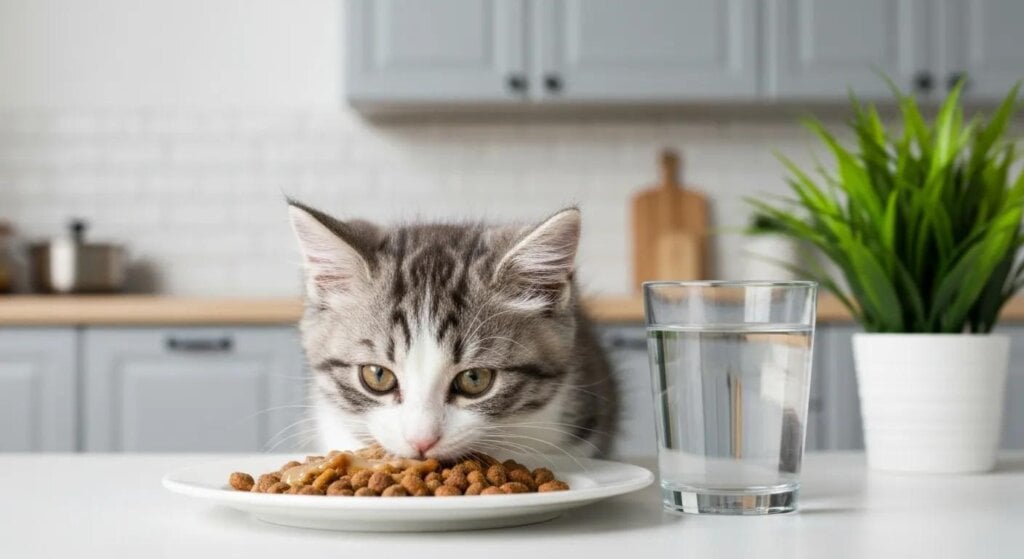
Choosing between wet and dry kitten food hinges on moisture needs, calorie density, convenience, and individual tolerance; both can be used strategically to meet nutritional goals when they are AAFCO growth-complete. Wet food supplies substantial moisture, supports palatability during weaning and for sensitive stomachs, and can reduce risk of concentrated urine, whereas dry food offers convenience, caloric concentration, and easier portion management for some households. A balanced approach often combines both: wet meals for hydration and palatability with measured dry feeding for schedule convenience, adjusting proportions based on growth monitoring. The table below compares core attributes and practical recommendations to help decide which format or blend fits your kitten’s needs.
| Food Type | Characteristic | Practical Recommendation |
|---|---|---|
| Wet food | High moisture, palatable | Use for weaning, hydration, and fussy eaters |
| Dry kibble | Low moisture, calorie-dense | Use for convenience and controlled portioning |
| Mixed feeding | Flexibility, nutritional coverage | Combine wet+dry to balance hydration and convenience |
This comparison helps you match format to life stage and health status, choosing wet for hydration and transition and dry for structured meals and training.
What Are the Pros and Cons of Wet Kitten Food?
Wet kitten food offers direct hydration benefits, high palatability that supports picky or weaning kittens, and generally lower carbohydrate content compared with many dry kibbles, making it a strong option for early growth and sensitive stomachs. Downsides include higher per-serving cost, need for refrigeration after opening, and faster spoilage if left out, so portion control and prompt cleanup are essential to avoid bacterial growth. Use wet food during weaning to promote intake and for kittens with low appetite, and store opened cans properly to preserve quality. To transition between textures, gradually reduce moisture or mix with dry kibble as tolerance increases to avoid digestive upset.
What Are the Benefits and Drawbacks of Dry Kitten Food?
Dry kitten kibble is convenient, shelf-stable, and facilitates scheduled meals that help with portion control and training, while generally being more cost-effective per calorie than wet food, which can make it attractive for long-term feeding plans. However, dry diets contain less moisture and sometimes higher carbohydrate content, so ensure kittens have constant access to fresh water and consider supplementing with wet meals for hydration. While some argue dry food helps dental health, the evidence is mixed and should not replace regular veterinary dental checks or play-based enrichment to support oral health. Choosing a high-quality dry kitten formula with named animal protein and AAFCO growth statements ensures nutrient adequacy.
How to Choose Between Wet and Dry Food for Your Kitten?
Decide based on kitten age, hydration needs, appetite, household routine, and veterinary or breeder recommendations, balancing wet food for hydration and palatability with dry food for convenience and structure. If a kitten is weaning, ill, or prone to low water intake, prioritize wet meals; for stable, active kittens that maintain hydration, a mixed regimen often works well. Always choose growth-formulated products with an AAFCO statement and monitor weight and stool to adjust the balance. Consult your veterinarian for health conditions that favor one form over another and reassess choices during growth milestones.
Which Ingredients Should You Look for and Avoid in Kitten Food?
Ingredient-level scrutiny helps ensure nutrient bioavailability and reduces exposure to unnecessary fillers or potentially harmful additives, and prioritizing named animal proteins, DHA, and an AAFCO growth statement simplifies selection. Look for clear first ingredients (e.g., chicken, salmon), added long-chain fatty acids like DHA, and balanced mineral premixes; avoid vague by-product listings, excessive simple carbohydrates, and artificial preservatives or colors. The list below gives concrete do/don’t pointers for label reading and immediate ingredient decisions, followed by a description of AAFCO’s role in assuring complete and balanced nutrition.
Kittens benefit most from diets that include the following:
- Named animal protein as the first ingredient to ensure bioavailable amino acids.
- Added DHA or fish oil to support neural and retinal development.
- An explicit AAFCO “complete and balanced for growth” statement demonstrating formulation or feeding trial compliance.
This shortlist steers label evaluation toward protective choices and reduces the risk of micronutrient imbalance from homemade or poorly formulated diets.
AAFCO Guidelines for Kitten Growth
for growing kittens and the AAFCO allowances for growth
What Are the Top Ingredients for High-Quality Kitten Food?
High-quality kitten foods typically feature a named animal protein as the first ingredient, added sources of DHA for brain and eye development, and a vitamin/mineral premix formulated for growth; these markers indicate a focus on bioavailable nutrients. Labels that specify whole meats or fish (e.g., chicken, salmon) over generic “meat” or “meat by-products” generally provide superior amino acid profiles and taurine content, which kittens need. Also check the guaranteed analysis for elevated crude protein and appropriate fat levels tailored for growth rather than adult maintenance. Prioritize commercial, AAFCO-compliant kitten diets to avoid the complex balancing act required for homemade feeding plans.
Which Ingredients Are Harmful or Toxic to Kittens?
Certain human foods and common household ingredients pose clear risks to kittens: onions, garlic, chocolate, grapes and raisins, and xylitol-containing products can cause hemolysis, neurotoxicity, kidney injury, or hypoglycemia, and should never be offered. High-fat table scraps can trigger pancreatitis and excessive calorie intake, while excessive salt or alcohol exposure is dangerous even in small amounts; these items are strictly off-limits. If accidental ingestion occurs, contact a veterinarian or poison control immediately and monitor for vomiting, lethargy, drooling, or tremors. Keep pantry and trash securely stored and use safe commercial treats formulated for kittens when rewarding behavior.
How Do AAFCO Standards Ensure Complete and Balanced Kitten Nutrition?
The AAFCO statement on a pet food label indicates the product has been formulated to meet nutrient profiles for the specified life stage or has passed feeding trials demonstrating adequacy; either route seeks to assure complete and balanced nutrition for growth. “Formulated to meet” means the product’s nutrient content matches AAFCO profiles on paper, while “feeding trial” evidence demonstrates performance in animals; feeding trials provide stronger practical validation. For kittens, prioritize foods labeled for growth/kitten that reference AAFCO standards to reduce the risk of deficiency, and prefer diets that list feeding trial compliance when possible for additional assurance. Understanding these label distinctions helps owners select diets that satisfy physiological demands during rapid development.
How Do Breed-Specific Dietary Needs Affect Kitten Nutrition?
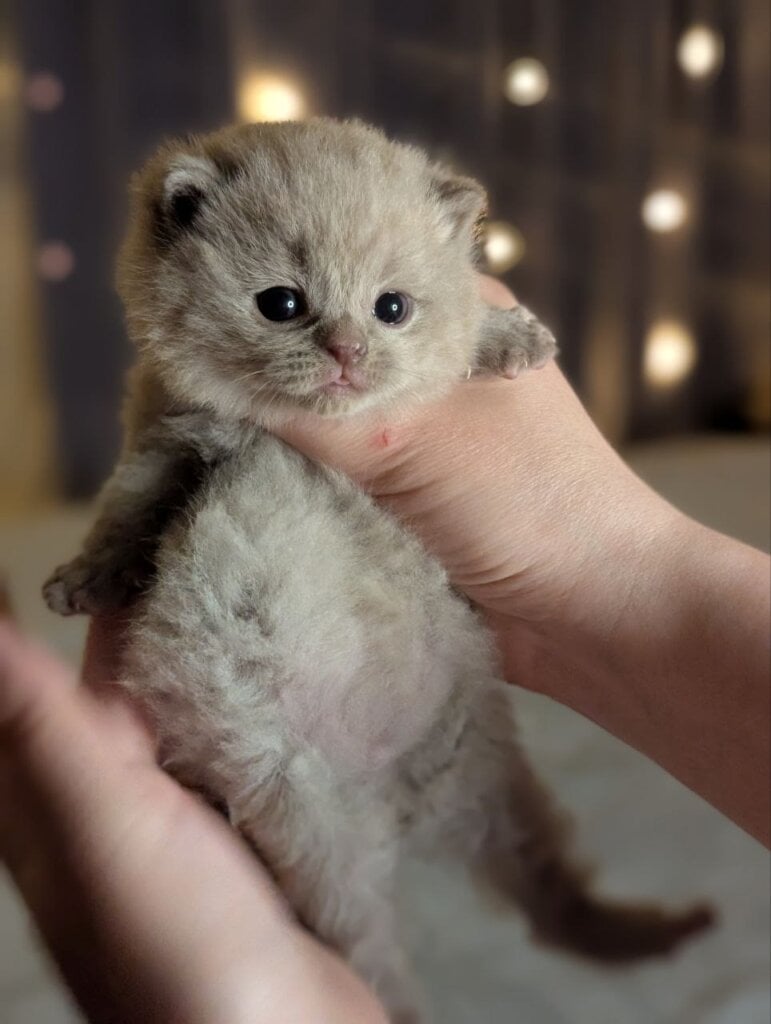
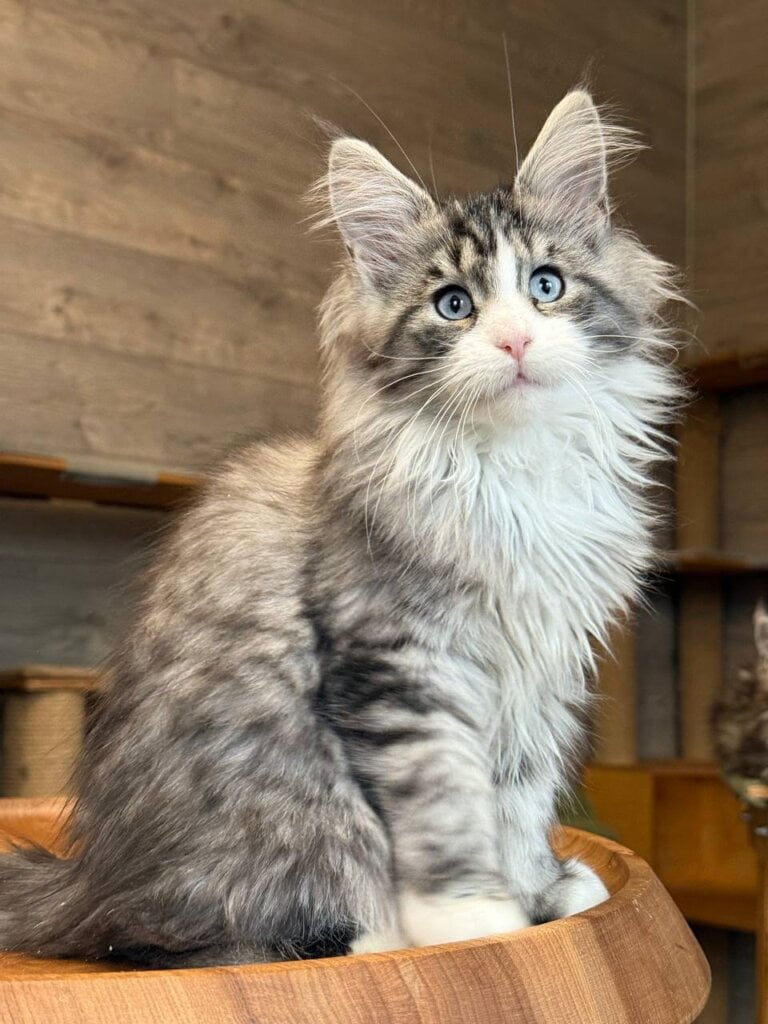
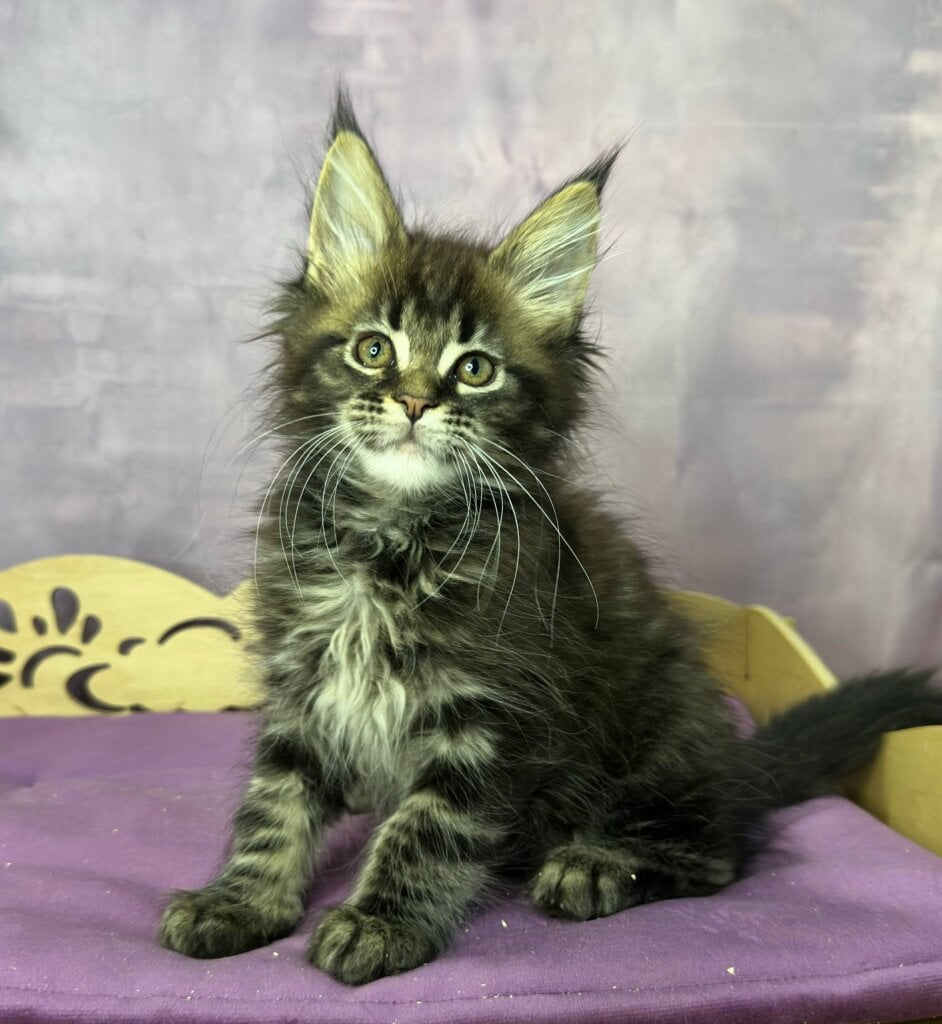
Breed-specific growth trajectories and predispositions influence feeding strategies because large-breed kittens, stockier breeds, and those with skeletal or metabolic sensitivities have distinct caloric and mineral needs that affect portioning and nutrient ratios. Recognizing differences among breeds such as Maine Coon, British Shorthair, and Scottish Fold allows targeted monitoring and minor adjustments to avoid over- or under-nutrition during critical growth windows. The following subsections give actionable guidance for those three breeds with practical monitoring cues and nutrient considerations you can apply while working with a veterinarian or trusted breeder.
What Are the Unique Nutritional Needs of Maine Coon Kittens?
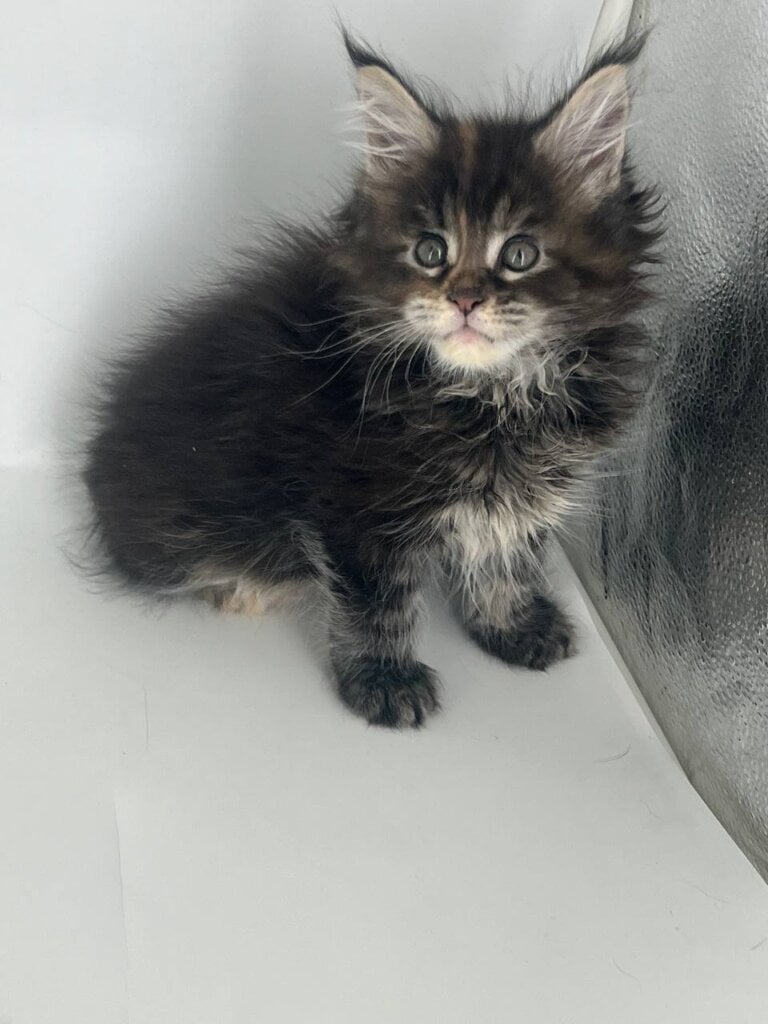
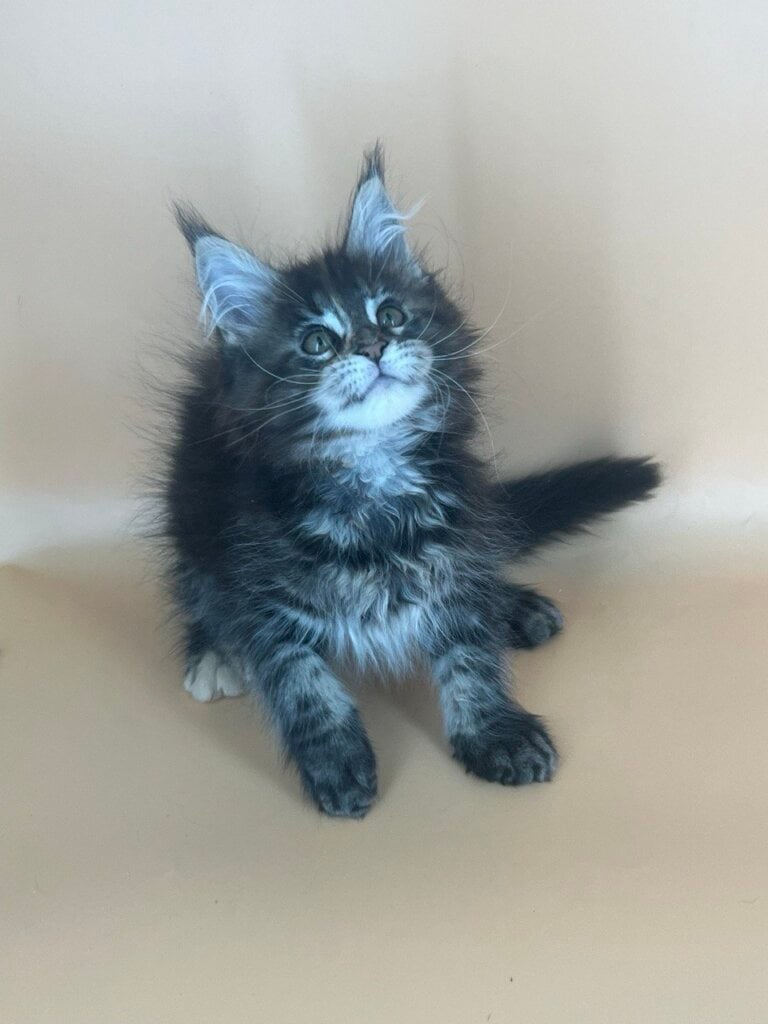
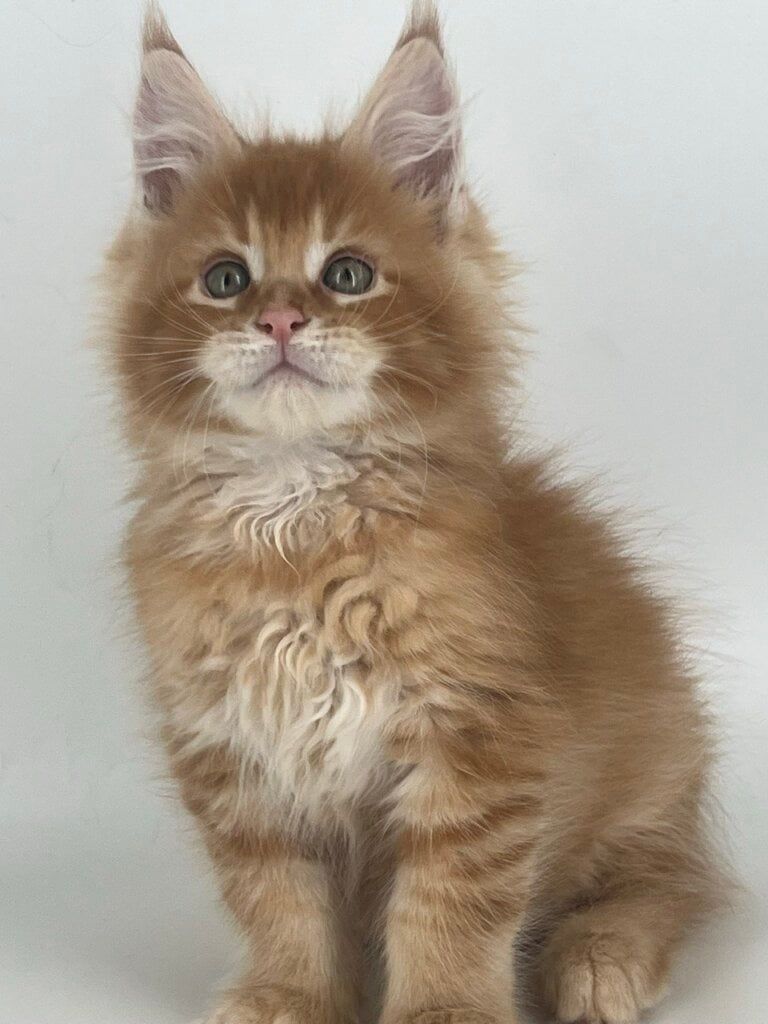
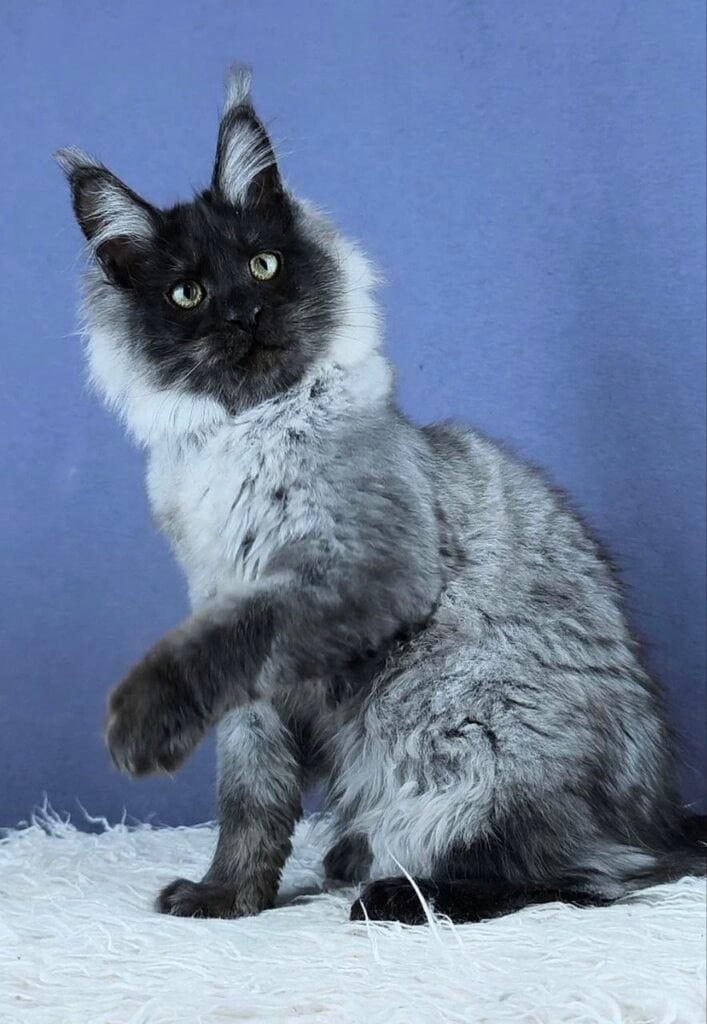
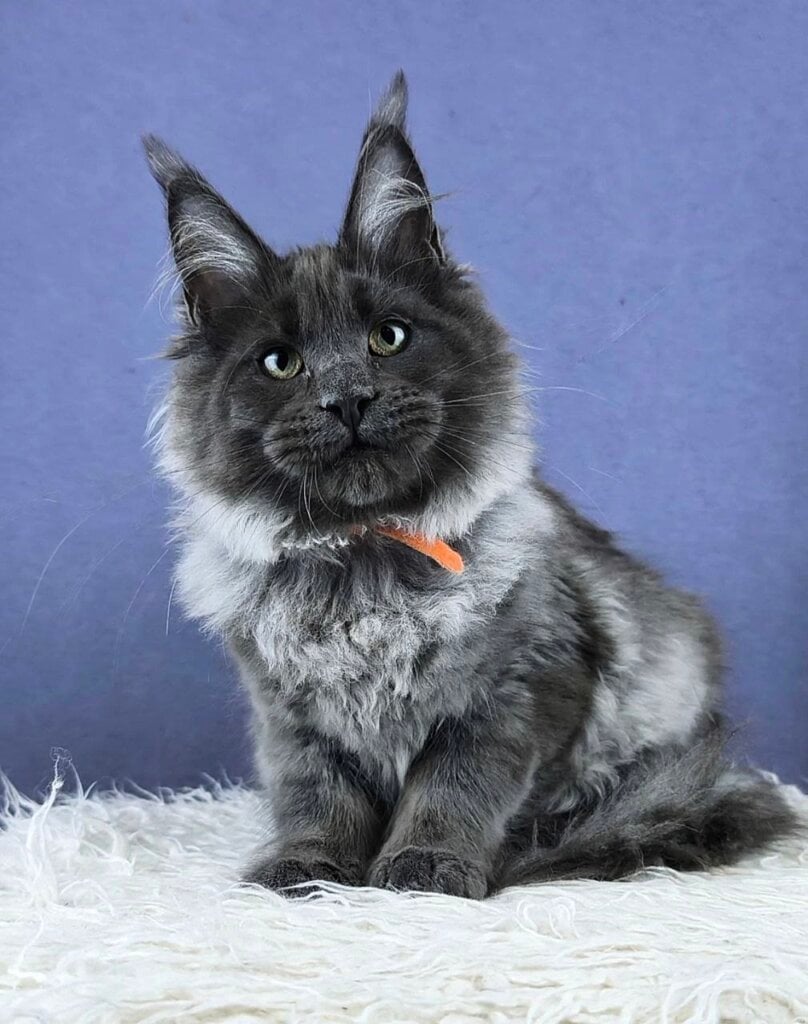
Maine Coon kittens experience an extended growth period and often require more calories and protein during a prolonged adolescent phase, which supports their larger adult size but also necessitates careful calcium and phosphorus management to protect skeletal development. Because growth is prolonged, avoid excessive supplementation and rely on breed-aware vet guidance; controlled, steady weight gain is preferable to rapid spikes that risk orthopedic issues. Joint-supporting nutrients and monitoring for hip and elbow development may be prudent, with calorie adjustments guided by activity level and body condition scoring. Use growth charts and regular weigh-ins to align feeding with expected Maine Coon developmental trajectories.
How Should British Shorthair Kittens’ Diets Support Health and Weight?
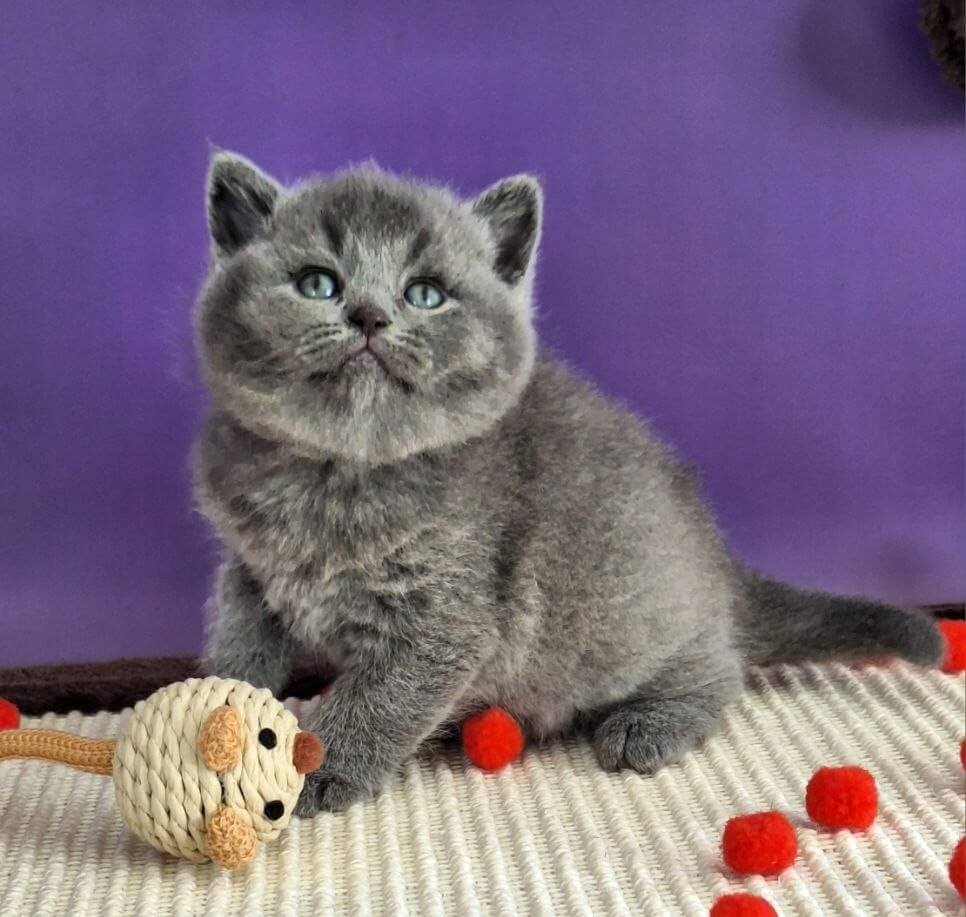
British Shorthair kittens tend toward a stockier build and can gain weight easily if calorie density is not moderated, so emphasize protein-rich growth formulas and strict portion control to support lean mass while minimizing excess adiposity. Encourage play-based activity and use measured meals rather than free-feeding to prevent early obesity, which can predispose to joint and metabolic issues down the line. Regular weight checks and body condition scoring during growth help identify trends early and allow portion adjustment before excess weight becomes established. Work with your veterinarian to tailor calorie targets to observed growth velocity and maintain appropriate protein-to-fat balance.
What Dietary Considerations Are Important for Scottish Fold Kittens?
Scottish Fold kittens require careful attention to bone and cartilage development due to genetic skeletal considerations, making balanced mineral intake — especially appropriate calcium-to-phosphorus ratios — and monitored growth critical to reducing skeletal complications. Avoid excessive calcium supplementation unless recommended by a specialist, and prioritize complete commercial diets formulated for growth that supply minerals in appropriate proportions. Regular veterinary checks for mobility, growth plate progression, and general development are important to catch any early signs of skeletal stress. Consult both breeder resources and a veterinarian for breed-specific feeding guidance that balances growth with skeletal health.
What Common Questions Do Kitten Owners Have About Feeding and Diet?
Owners commonly ask about milk safety, meal frequency, dry food introduction, and the best wet foods for sensitive kittens; concise answers to these questions help form immediate actions while pointing to deeper sections for rationale and monitoring. Below are direct answers shaped for quick decision-making and followed by short subsections that expand on each topic for owners who want practical next steps and signs to watch during growth.
Can Kittens Drink Cow’s Milk Safely?
Most kittens are lactose intolerant or have limited lactase activity after weaning, so cow’s milk frequently causes diarrhea, vomiting, and dehydration and is not a safe substitute for kitten milk replacer. For bottle-fed kittens, use a commercial kitten milk replacer formulated to match feline milk composition and follow preparation and feeding instructions precisely to avoid nutritional gaps. If a kitten accidentally ingests cow’s milk and develops gastrointestinal signs, stop exposure and consult a veterinarian if symptoms are severe or persistent. Safer alternatives and veterinary-grade replacers reduce risk and support steady weight gain compared with household milk.
How Many Times a Day Should a Kitten Eat?
Feeding frequency decreases gradually with age: newborns need many small feeds daily, weaning kittens should eat 4–6 times, eight-week-old kittens typically take 3–4 meals per day, and by six months you can often move to 2–3 meals daily depending on growth and activity. Scheduled meals help regulate calorie intake and make monitoring portions and appetite straightforward, while free-feeding can contribute to overeating in some breeds. Adjust frequency based on individual appetite, weight trends, and vet recommendations to maintain steady, healthy growth. Regular weigh-ins and a consistent feeding routine support predictable development and easier portion management.
When Can Kittens Start Eating Dry Food?
Introduce softened dry kibble during weaning around 4–8 weeks by moistening with water or replacer to form a palatable gruel and progressively reduce moisture as chewing skills develop. Ensure any kibble offered is specifically a kitten formula with an AAFCO growth statement to maintain nutrient adequacy. Monitor stool quality and appetite during the transition, and slow the change if loose stools or decreased intake occur. By eight to twelve weeks many kittens accept dry kibble mixed with wet food, but individual readiness varies and should guide the pace.
What Is the Best Wet Food for Sensitive Kittens?
For sensitive kittens, select limited-ingredient wet formulas labeled for kittens that list named proteins and include gentle digestible carbohydrate sources; added probiotics or prebiotics can support stool quality and gut health. Trial short elimination diets under veterinary guidance if persistent sensitivity is suspected, and prioritize hydration and small, frequent meals during recovery phases. If a kitten fails to improve on a sensitive formula, consult a veterinarian for diagnostic steps and tailored nutritional therapy. A cautious, evidence-informed approach ensures sensitivities are managed while maintaining growth requirements.
How Can You Support Your Kitten’s Long-Term Health Through Diet?
Long-term health strategies center on portion control during growth, routine monitoring with weight and body condition scoring, cautious use of supplements, and established post-purchase support to manage breed-specific concerns and early-life questions. Preventing obesity through scheduled meals, activity promotion, and protein-focused diets helps maintain lean mass and reduces chronic disease risk; routine weight checks and documented growth tracking detect deviations early. Below is a short list of monitoring tools and best practices followed by information on breeder-provided support resources that can aid owners during the critical first year.
- Regular Weigh-Ins: Chart weight weekly during early growth to track trajectory against expected curves.
- Body Condition Scoring: Use a simple scale to judge fat coverage and adjust portions accordingly.
- Stool and Hydration Checks: Monitor stool consistency and daily water intake as early indicators of digestive or hydration issues.
These monitoring practices enable timely adjustments and ensure dietary choices continue to support healthy development; the next subsection explains how breeder and post-purchase resources tie into long-term care.
How Does Proper Nutrition Prevent Obesity in Kittens?
Preventing obesity begins with feeding age-appropriate, growth-formulated diets and avoiding ad libitum free-feeding as kittens near adulthood, because excess calorie intake during growth can establish fat-cell patterns that persist into adulthood. Prioritize protein-rich meals and scheduled feeding times, and integrate daily play and activity to stimulate lean muscle development and energy expenditure. Track body condition regularly and reduce portion sizes incrementally if weight rises faster than expected, consulting a veterinarian for tailored calorie targets. Treats should be limited and accounted for within daily calorie goals to avoid inadvertent overfeeding.
What Post-Purchase Support Helps Maintain Kitten Health?
Responsible breeders often provide care instructions, starter kits with recommended foods, and follow-up guidance that bridges early-life nutrition and post-adoption monitoring; these resources can be invaluable for owners navigating feeding transitions and breed-specific needs. For example, some breeders include a “Welcome Home – Care Instructions and Starter Kit” recommending specific growth formulas such as a sensitive-stomach and sensitive-skin dry recipe to ease the transition and support digestive stability. Access to breeder advice for early questions, combined with a one-year genetic health guarantee, complements veterinary care by offering continuity and breed-focused feeding guidance during the critical first months. Use breeder support as a practical adjunct to veterinary follow-up for tailored, breed-specific recommendations.
Nutrients for Kitten Brain Development and Cognitive Function
Much evidence shows that cats require dietary ω3 (α-linolenic acid, eicosapentaenoic acid, and docosahexaenoic acid) and ω6 (linoleic acid and arachidonic acid) polyunsaturated fatty acids for the development of the central nervous system. As an essential component of membranes of neurons and glial cells, cholesterol is also crucial for cognitive development and function. In addition, vitamins and minerals are required for the metabolism of AAs, lipids, and glucose in the nervous system, and also act as antioxidants. Thus, inadequate nutrition will lead to mood disorders. Some amino acids (e.g., arginine, glycine, methionine, serine, taurine, tryptophan, and tyrosine) can help to alleviate behavioral and mood disorders (e.g., depression, anxiety and aggression). As abundant providers of all these functional amino acids and lipids, animal-sourced foods (e.g., liver, intestinal mucosa, and meat) play important roles in brain development, cognitive function, and mood of dogs and cats.
How to Monitor Your Kitten’s Growth and Nutritional Status?
Implement a simple monitoring checklist: weigh weekly, record body condition scores monthly, note stool quality and activity levels, and schedule wellness checks with a veterinarian at key milestones such as vaccination and growth assessments. Red flags include weight loss, persistent diarrhea, lethargy, or rapidly increasing weight; these warrant prompt veterinary evaluation and possible dietary adjustments. Keep feeding logs and photos to document trends that help veterinarians or breeders assess progress objectively. Consistent monitoring empowers early intervention and supports optimal developmental outcomes.