
Why a Health Guarantee Matters When Buying Kittens: Understanding Kitten Genetic Health Guarantees and Buyer Protection
A kitten health guarantee is a formal assurance from a breeder that a kitten meets specified health standards and that certain conditions—particularly hereditary ones—are covered for a defined period. This article explains what a kitten health guarantee is, how it reduces buyer risk, and why genetic health guarantees matter for purebred kittens and buyer protection. Many prospective owners search for “kitten health guarantee” and “genetic health guarantee kittens” because they want clear recourse if a serious hereditary condition appears after rehoming. This guide outlines the typical coverage types, the role of pre-sale veterinary examinations and vaccination records, and how to interpret contract terms so you can evaluate guarantees confidently. We’ll also explain how guarantees interact with pet insurance, present EAV-style comparison tables to clarify scope and exclusions, and walk through the vet-check and claim process step by step. Finally, a company-specific section covers how one provider presents a 1-year genetic health guarantee as a real-world example and what that means for buyer expectations.
What Is a Kitten Health Guarantee and Why Is It Important?
A kitten health guarantee is a breeder-backed statement that defines which conditions and timeframes are covered after a kitten is rehomed, creating accountability and giving buyers a clear path if a covered problem arises. The mechanism works by specifying covered conditions, required documentation (veterinary reports, diagnostics), and remedies such as replacement, refund, or rehoming support; this clarity reduces disputes and sets mutual responsibilities. Guarantees typically address short-term infectious disease windows separately from longer genetic coverage because timing and diagnostic certainty differ. Understanding the basic structure of these guarantees helps buyers compare offers and anticipate what evidence they’ll need if concerns appear. To see how this framework is used in practice, the following subsections break down coverage items, buyer protections, and important terminology distinctions.
What Does a Kitten Health Guarantee Cover?
A comprehensive kitten health guarantee commonly covers two main categories: short-term protection against transient infectious conditions and longer-term coverage for hereditary or congenital defects. Short-term coverage often addresses issues present at sale (e.g., obvious infections), while genetic coverage targets inherited conditions that manifest later and require diagnostic confirmation. Buyers should expect the guarantee to require prompt veterinary examination and an official diagnostic report to validate claims. Documentation such as the kitten’s vaccination record, veterinary passport, and the vet’s diagnostic test results typically form the basis for a valid claim and must be retained by the owner.
How Does a Health Guarantee Protect Kitten Buyers?
Health guarantees protect buyers by defining remedies and reducing uncertainty when a covered condition appears, so owners know whether replacement, refund, or assistance with veterinary costs is available. The typical claim workflow begins with an immediate veterinary visit, followed by diagnostic testing and submission of reports to the breeder, who then evaluates the claim against the guarantee’s scope and exclusions. Common breeder responses include offering a replacement kitten, providing a partial refund, covering verified diagnostic costs, or assisting with rehoming in complex cases; exact remedies depend on the guarantee’s wording. Clear timelines and obligations—such as the window for the initial vet exam—ensure the process is fair and predictable for both parties.
What Are the Differences Between Health Guarantees and Health Warranties?
The terms “guarantee” and “warranty” are often used interchangeably, but buyers should note subtle practical differences: a guarantee usually implies a breeder’s assurance tied to specific remedies, while a warranty can imply a more formal contractual obligation with detailed legal terms. Guarantees are often presented as breeder policies emphasizing buyer protection and accountability, whereas warranties may include precise legal language about exclusions, limitation of liability, and obligations for maintaining coverage. For buyers, the critical task is to read the document for coverage scope, claim steps, and exclusions rather than rely on the label; this ensures realistic expectations about what is and isn’t covered. Knowing this distinction prepares an owner to follow required steps if a health issue is suspected.
After outlining how guarantees function in general, it can be helpful to see a real-world example of a breeder’s approach so buyers understand how the abstract principles translate into practice. MeoWoff Kittens provides a one-year genetic health guarantee for serious hereditary conditions where applicable by breed; details of that company-specific guarantee appear in a later section for readers who want an applied example rather than a generic explanation.
What Are the Key Elements of a Comprehensive Kitten Health Guarantee?
A comprehensive kitten health guarantee should clearly define scope, duration, required documentation, exclusions, the claim process, and both breeder and buyer responsibilities—these elements create the operational backbone for fair recourse and buyer protection. Scope clarifies which conditions are covered (e.g., genetic defects like HCM or PKD when applicable), duration establishes how long different condition types are protected, and the claim process states who pays for diagnostics and timelines for submitting evidence. Equally important are exclusions (activities or treatments that void coverage) and explicit requirements for pre-sale veterinary examinations and vaccination protocols. The next subsections unpack why genetic guarantees are critical for purebreds, how vet exams support claims, which vaccinations typically matter, specific duties of breeders and buyers, and why a one-year genetic guarantee is widely considered meaningful.
Why Are Genetic Health Guarantees Crucial for Purebred Kittens?
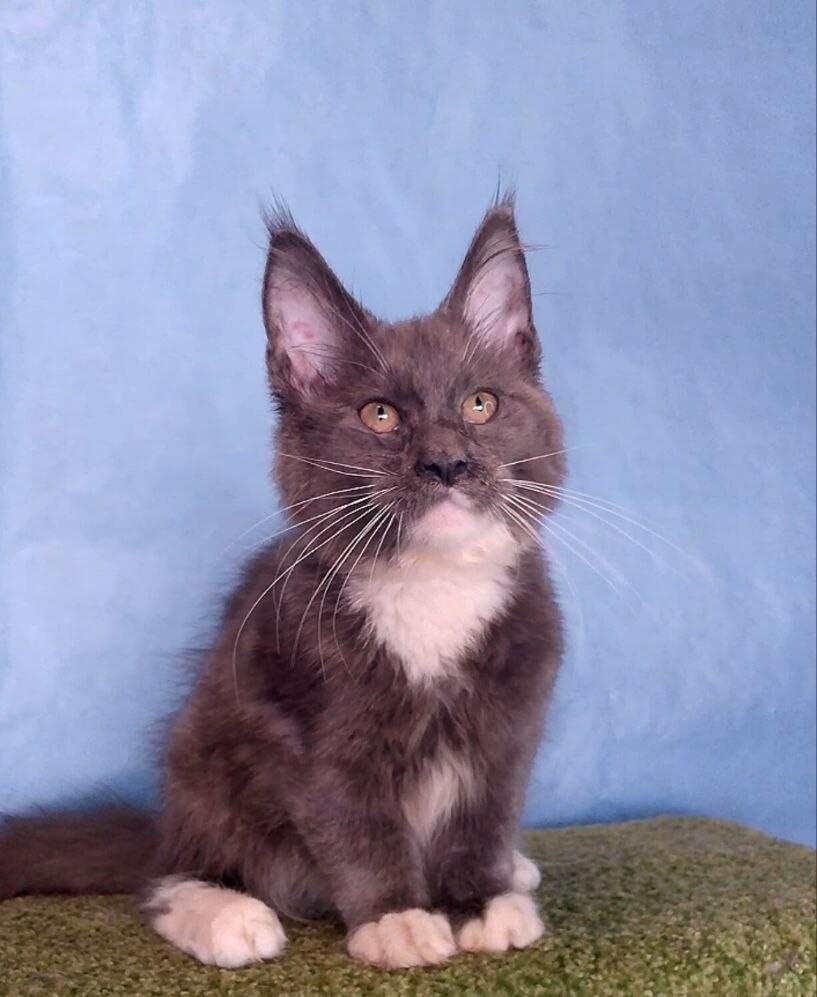
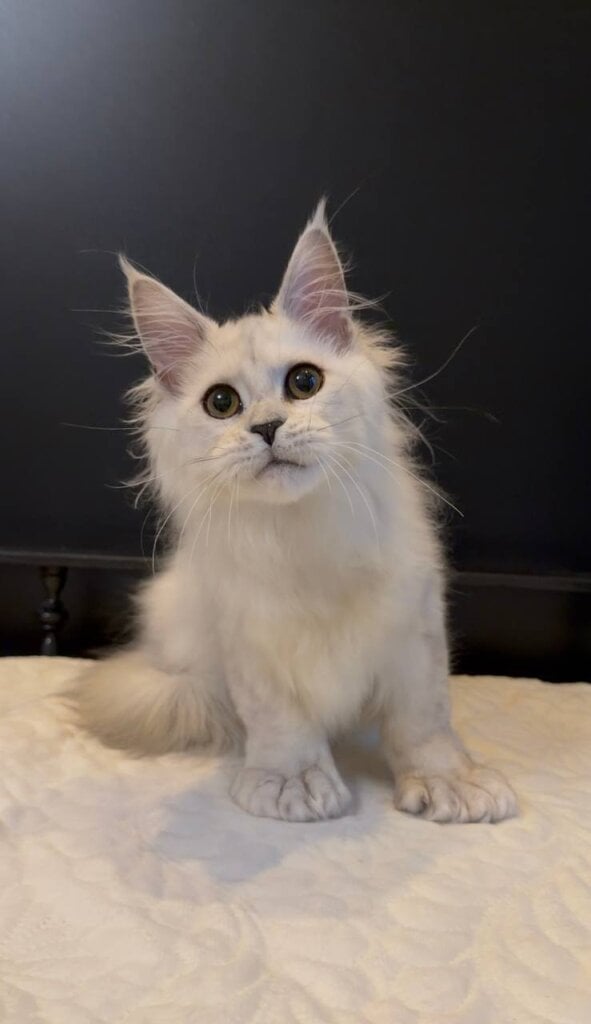
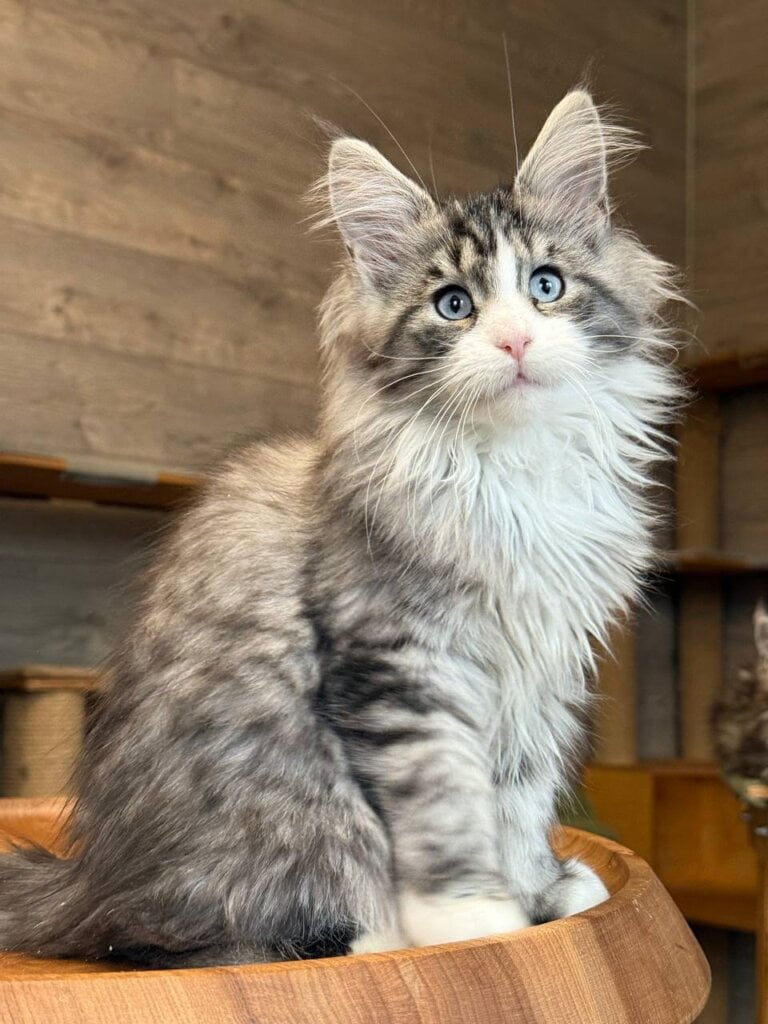
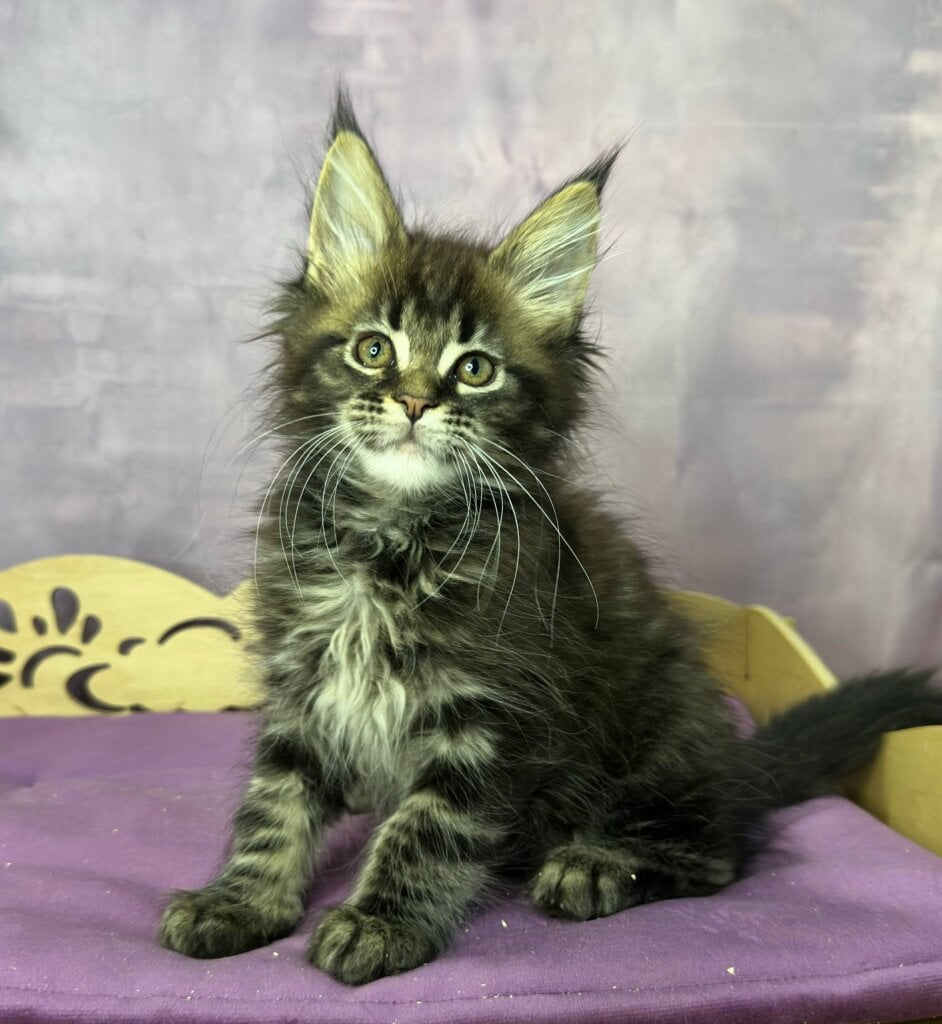
Genetic health guarantees matter more for purebred kittens because selective breeding concentrates specific hereditary risks in certain lines, making breed-specific conditions more likely to appear over time. For example, some breeds commonly associated with MeoWoff Kittens—such as Maine Coon and British Shorthair—are known within the breeder community to have breed-relevant genetic concerns, which is why targeted guarantees and pre-breeding testing are important. A genetic guarantee reassures buyers that the breeder acknowledges hereditary risk and provides recourse if a qualifying condition emerges within the guarantee window. By linking breed knowledge to guarantee terms, buyers can set realistic expectations and request relevant documentation before purchase.
How Do Initial Veterinary Examinations Support Health Guarantees?
A licensed pre-sale veterinary examination validates a kitten’s health at the time of rehoming and creates baseline documentation critical for later claims; it typically includes a physical exam, weight assessment, parasite check, and vaccination record review. The vet report or veterinary passport serves as primary evidence of the kitten’s condition at transfer and helps determine whether an issue was pre-existing or developed after rehoming. For guarantees to function, buyers must obtain and retain the signed vet report and follow any time-limited requirements for their own post-adoption exam. Clear vet documentation strengthens the buyer’s position when filing a claim and fosters transparent communication between owner and breeder.
What Vaccinations and Health Protocols Are Included in Guarantees?
Standard vaccination and health protocols commonly referenced in guarantees include core vaccines and proof of administration, because missing or delayed vaccinations can complicate coverage for infectious conditions. Typical core vaccines associated with guarantee validity are feline panleukopenia virus (FPV), feline herpesvirus (FHV-1), feline calicivirus (FCV), and rabies; buyers should expect documentation of these vaccines and any deworming or parasite-control treatments. Guarantees often require that owners maintain routine veterinary care according to the schedule provided at sale; failure to follow those protocols can affect eligibility for some claims. Maintaining a complete vaccination record and veterinary passport is essential evidence should a diagnostic or dispute arise.
Intro to table: The table below compares essential guarantee elements buyers should look for when evaluating a kitten health guarantee.
| Guarantee Element | Purpose | Typical Example / Value |
|---|---|---|
| Coverage Scope | Defines which conditions are covered | Genetic defects (HCM, PKD) vs. short-term infections |
| Warranty Duration | Timeframe for claims | Short-term infectious window; 1-year genetic coverage |
| Required Documentation | Evidence needed for claims | Vet report, diagnostic tests, vaccination record |
| Claim Remedies | What breeder will provide | Replacement, refund, rehoming assistance, diagnostic cost coverage |
What Are the Breeder's and Buyer's Responsibilities Under the Guarantee?
Clearly delineated responsibilities ensure both parties know how to keep the guarantee valid and how to act if a problem arises: breeders typically must provide pre-sale vet reports, vaccination records, and clear claim instructions, while buyers must follow the initial vet-exam timeframe, maintain vaccinations, and submit prompt diagnostics for claims. Breeder obligations often include transparency about lineage and known health issues, and timely responses to legitimate claims; buyer obligations include seeking veterinary care immediately when symptoms appear and keeping receipts and reports. Examples of actions that can void coverage include deliberate neglect, unauthorized medical treatments, or failure to follow the specified vet-exam window. Understanding mutual duties limits misunderstandings and preserves the guarantee’s intended protection.
How Does MeoWoff Kittens' 1-Year Genetic Health Guarantee Stand Out?
MeoWoff Kittens offers a 1-year genetic health guarantee that covers serious hereditary conditions—such as hypertrophic cardiomyopathy (HCM) and polycystic kidney disease (PKD)—when those conditions are applicable by breed, and positions pre-sale veterinary care and ethical breeding practices as trust signals. Their approach emphasizes that all kittens undergo veterinary examinations by licensed EU veterinarians before rehoming, that kittens receive core vaccines and a veterinary passport, and that partnerships with WCF-registered European catteries support breed standards and socialization. MeoWoff also highlights post-purchase support and a return/rehoming policy as part of responsible breeder conduct; buyers should review the guarantee’s diagnostic requirements and claim process to understand remedies and timelines. This company-specific example demonstrates how a clear one-year genetic guarantee can combine scope, veterinary validation, and ongoing owner support to increase buyer confidence.
What Genetic Conditions Does MeoWoff Cover in Their Guarantee?
MeoWoff explicitly names serious hereditary conditions such as HCM and PKD as included in their 1-year genetic health guarantee where those conditions are relevant to the kitten’s breed. Coverage is described as applying “where applicable by breed,” which means claim eligibility depends on the condition being a recognized hereditary risk for that breed and supported by veterinary diagnosis. Claims typically require documented diagnostic confirmation from a licensed veterinarian to verify that the condition is genetic and manifested within the guarantee period. This breed-applicable approach helps align guarantee scope with scientific relevance and reduces spurious claims unrelated to inherited disease.
How Does MeoWoff Ensure Ethical Breeding and Health Standards?
MeoWoff emphasizes cooperation with WCF-registered European catteries and the importance of champion bloodlines and socialization as part of their ethical breeding statement, positioning these relationships as indicators of responsible breeding practices. In addition to breeder partnerships, MeoWoff states that all kittens are examined by licensed EU veterinarians and come with vaccination records and a veterinary passport, which together provide traceable health documentation at transfer. These elements—ethical cattery cooperation, veterinary exams, and documented vaccinations—create multiple layers of trust signals buyers can verify before purchase. Buyers should request the specific vet report and vaccination documentation to confirm these standards have been met.
What Post-Purchase Support and Return Policies Does MeoWoff Offer?
MeoWoff references post-purchase support that includes ongoing advice and assistance to new owners, as well as a return/rehoming policy designed to ensure kittens are placed responsibly if the initial placement fails. This support framework typically means buyers can expect breeder guidance on health, socialization, and care, and a stated pathway if rehoming becomes necessary; however, specific procedural details and timelines should be confirmed directly through the breeder’s documented policy. Knowing that a seller has a return or rehoming policy and offers ongoing support reduces the buyer’s long-term risk and aligns with the consumer protections a solid health guarantee intends to provide. Requesting written details of any return policy before purchase ensures clarity and preserves buyer rights.
Intro to table: The table below outlines common contract clauses buyers should expect in kitten purchase agreements and health warranty terms, using MeoWoff-style features as an illustrative example set.
| Contract Clause | Purpose | What Buyers Should Look For |
|---|---|---|
| Coverage Scope | Defines covered conditions | Specific mention of genetic conditions (e.g., HCM, PKD) |
| Claim Process | Steps to initiate claims | Timeframe for vet exam, required diagnostics, submission steps |
| Remedies | What breeder will provide | Replacement, refund, diagnostic cost coverage options |
| Exclusions | Behaviors or events that void coverage | Neglect, unauthorized treatments, missed vaccinations |
How to Read and Understand Kitten Purchase Contracts and Health Warranty Terms?
Reading a kitten purchase contract carefully is essential to know exactly what the health warranty covers, what documentation you must keep, and how to file a claim; focus on clauses that define scope, timelines, diagnostic requirements, exclusions, and remedies. Contracts should name covered conditions, specify the claim window for each coverage type, and outline required veterinary evidence and who bears diagnostic costs initially. Understanding how guarantees relate to pet insurance is also important: guarantees address breeder liability for specific hereditary issues, while insurance covers broader veterinary costs unrelated to breeder responsibility. The following subsections identify key clauses, explain the relationship to insurance and vet care, and answer common buyer questions in concise form.
What Key Clauses Should Buyers Look for in Kitten Health Contracts?
Buyers should examine clauses that describe coverage scope, the claim timeframe, required diagnostics and vet confirmations, remedies offered (replacement, refund, rehoming), and explicit exclusions that can void coverage. Look for language requiring an initial post-adoption veterinary check within a set number of days, and clauses that demand specific diagnostic tests or confirmations from licensed veterinarians for genetic conditions. Keep copies of all medical records, vaccination certificates, and the veterinary passport referenced at sale because these documents are typically required to support claims. If contract language is unclear, request written clarification from the breeder prior to purchase to avoid misunderstandings later.
Intro to table: The following EAV-style table clarifies contract clause types and what buyers should expect to find in plain language so they can compare offers more easily.
| Clause Type | Purpose | Buyer Action / Expectation |
|---|---|---|
| Coverage Scope | Defines what is covered | Verify which genetic or infectious conditions are named |
| Claim Timeframe | Sets deadlines for vet exams | Schedule initial vet visit within specified window |
| Diagnostic Requirements | Specifies test types for claims | Obtain tests from a licensed veterinarian and save reports |
| Remedies & Exclusions | Explains outcomes and voiding behaviors | Understand replacement/refund terms and prohibited actions |
How Do Health Guarantees Relate to Pet Insurance and Veterinary Care?
Health guarantees and pet insurance are complementary: guarantees address breeder responsibility for specified hereditary or pre-sale conditions, while pet insurance covers accidental injuries, illnesses, and long-term care beyond breeder liability. In practice, a guarantee might cover diagnostic confirmation and a remedy for a covered genetic disease, but insurance is useful for ongoing treatment costs or unrelated conditions not linked to breeder liability. Buyers should obtain immediate veterinary diagnosis for any suspected issue to satisfy both guarantee claim timelines and to inform insurance claims where applicable. Coordinating prompt vet care, preserving records, and understanding which provider covers which costs will reduce delays and disputes.
What Are Common Buyer Questions About Kitten Health Guarantees?
Prospective owners often ask how long guarantees last, what documentation they need, what constitutes a hereditary condition, and how quickly breeders respond to claims; concise answers help set expectations. Typical responses stress that infectious-disease windows are short, genetic guarantees are typically longer (for example, around one year), and that valid claims require official veterinary diagnosis and preserved medical records. Buyers should also ask about exclusions—such as late vaccinations or altered medical histories—and understand that valid remedies depend on the guarantee’s precise language. Clear, timely communication and documented evidence are central to resolving most guarantee-related issues.
What Genetic Diseases Should Buyers Know About When Considering a Health Guarantee?
Buyers should be aware of a few major genetic diseases that commonly influence guarantee scope because these conditions often require specific diagnostics and breed-aware interpretation. Key diseases to understand include hypertrophic cardiomyopathy (HCM), polycystic kidney disease (PKD), and feline infectious peritonitis (FIP), each of which affects guarantee relevance differently: HCM and PKD are hereditary in many breeds and often fall under genetic guarantees if diagnosed within the stated period, while FIP is infectious/immune-related and may be treated differently in warranty language. The following subsections explain each disease’s basics, diagnostic approaches, and how they intersect with guarantees.
What Is Hypertrophic Cardiomyopathy and Why Is It Important?
Hypertrophic cardiomyopathy (HCM) is a hereditary cardiac condition characterized by thickening of the heart muscle, which can impair function and reduce quality of life; it is especially relevant in certain purebreds. Diagnosis commonly requires an echocardiogram and veterinary cardiology assessment to confirm structural heart changes; definitive testing by a licensed veterinarian is typically required for a valid guarantee claim. When a guarantee covers HCM, claims depend on timing, test results, and whether the condition is recognized as heritable for the specific breed. Early screening and documentation are therefore essential for both breeders and buyers to manage risk.
Understanding Hypertrophic Cardiomyopathy (HCM) in Cats: Genetics and Research
Hypertrophic cardiomyopathy (HCM) is the most common inherited cardiac disease in humans and results in significant morbidity and mortality. Research over the past 25 years has contributed enormous insight into this inherited disease particularly in the areas of genetics, molecular mechanisms, and pathophysiology. Our understanding continues to be limited by the heterogeneity of clinical presentations with various genetic mutations associated with HCM. Transgenic mouse models have been utilized especially studying the genotypic and phenotypic interactions. However, mice possess intrinsic cardiac and hemodynamic differences compared to humans and have limitations preventing their direct translation. Other animal models of HCM have been studied or generated in part to overcome these limitations. HCM in cats shows strikingly similar molecular, histopathological, and genetic similarities to human HCM, and offers an important translational opportunity for the study of this disease.
A one health approach to hypertrophic cardiomyopathy, JA Stern, 2017
What Is Polycystic Kidney Disease and Its Impact on Kitten Health?
Polycystic kidney disease (PKD) is a hereditary disorder that causes cyst formation in kidneys and can lead to progressive renal dysfunction; it is particularly associated with some shorthaired and longhaired breeds. Diagnosis usually involves ultrasound imaging or genetic testing to establish the presence of cysts and confirm hereditary origin; such diagnostics are often specified in guarantee requirements. When covered by a genetic health guarantee, PKD claims normally require clear veterinary documentation demonstrating that the condition is hereditary and emerged within the guarantee period. Understanding breed associations and available tests helps buyers evaluate guarantee adequacy.
How Does Feline Infectious Peritonitis Affect Kitten Health Guarantees?
Feline infectious peritonitis (FIP) is a complex disease arising from a mutated feline coronavirus and involves immune-mediated pathology rather than a straightforward inherited defect, which is why many breeders treat FIP differently in guarantee terms. Diagnostic challenges and the disease’s infectious/immune nature mean that some guarantees exclude FIP from genetic coverage or handle it under short-term infectious-disease provisions; precise contract language determines how a breeder will respond. Because FIP diagnosis can be difficult and may require specialized testing, buyers should review guarantee exclusions and confirm what evidence the breeder expects for any claim related to FIP. Clear documentation and early veterinary involvement remain essential.
Intro to table: The disease brief below links each disease to breed relevance, typical onset, and implications for guarantee claims so buyers can quickly assess what to expect.
| Disease | Breed Relevance / Onset | Implication for Guarantee Claims |
|---|---|---|
| Hypertrophic Cardiomyopathy (HCM) | More common in some purebreds; may appear young to adult | Requires echocardiogram confirmation; often covered under genetic guarantees |
| Polycystic Kidney Disease (PKD) | Breed-linked in certain lines; detectable via ultrasound/genetic test | Diagnostic proof required; covered when hereditary and within period |
| Feline Infectious Peritonitis (FIP) | Infectious/immune-mediated; not strictly hereditary | Often handled differently; check exclusions and diagnostic standards |
How to Prepare for Buying a Kitten With a Health Guarantee?
Preparing to buy a kitten with a health guarantee means knowing what vet checks to schedule, which documents to obtain at transfer, and what questions to ask the breeder to preserve guarantee validity. Immediate steps include arranging the initial post-adoption veterinary exam within the contract’s timeframe, collecting the veterinary passport and vaccination records, and requesting any available genetic testing or pre-breeding screening documentation. Buyers should also plan for routine care that maintains coverage—timely vaccinations, parasite control, and follow-up visits—and consider pet insurance for broader financial protection. The subsections below provide a practical vet-check checklist, guidance for maintaining guarantee validity, and a compact question set to use with breeders.
What Should You Expect During the New Kitten Vet Check?
During the new-kitten vet exam expect a general physical assessment, weight check, parasite screen, review of vaccination history, and documentation in a vet report or passport that you must retain for guarantee claims. The vet will look for congenital anomalies, signs of infection, and baseline health metrics; any abnormal findings should be recorded with diagnostic recommendations. Ask the veterinarian to provide a signed, dated report and any diagnostic test results, because these form the central evidence for any future claim under the guarantee. Taking this documentation to the breeder if needed or filing it promptly will help streamline any claim process.
- Schedule the initial vet check immediately within the contract-specified window.
- Obtain a signed vet report and a copy of the vaccination record or passport.
- Request any recommended diagnostics and retain all test results and receipts.
Following this checklist ensures buyers meet procedural requirements and protects their rights under the health guarantee.
How to Maintain Your Kitten's Health to Keep the Guarantee Valid?
Maintaining guarantee validity requires adhering to vaccination schedules, completing recommended deworming or parasite treatments, and following any breeder-specified care instructions such as spay/neuter timing if included in the contract. Keep meticulous records of every veterinary visit, vaccination, and treatment so you can provide clear evidence if a claim arises; electronic copies plus the original vet passport are ideal. Avoid unauthorized treatments or delays in veterinary care that could be interpreted as neglect and possibly void coverage. Regular preventative care not only supports a healthy kitten but also preserves the contractual protections a health guarantee provides.
What Questions Should You Ask Your Breeder About Health Guarantees?
Before purchase, ask breeders whether the guarantee covers specific hereditary conditions for the kitten’s breed, what diagnostic evidence they require for claims, the timeframe for initial vet exams and claim submission, and what remedies are available. Request copies of the pre-sale veterinary exam, vaccination records, and any genetic testing performed; also ask for written details of the return/rehoming policy and post-purchase support. Confirm who pays for initial diagnostics and whether the breeder requires a licensed veterinarian’s report from a particular region or standard. These targeted questions help you compare guarantees objectively and ensure you obtain the documentation needed to protect your purchase.
- Which conditions are covered and are any breed-specific exceptions noted?
- What diagnostics and timeframes are required to file a claim?
- What remedies (replacement, refund, rehoming) does the breeder provide?