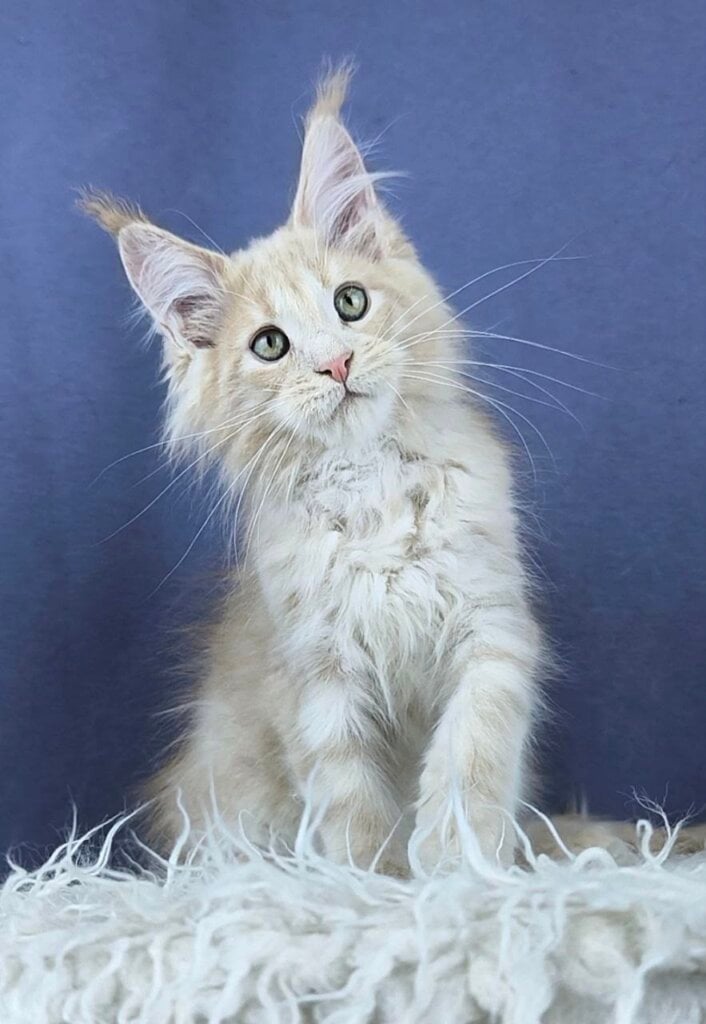

What Makes a Good Kitten Seller Different? Key Signs of a Reputable and Ethical Breeder
A good kitten seller is a responsible breeder or seller who prioritizes feline health, documented lineage, and long-term welfare over short-term profit, and this distinction matters because it directly affects a kitten’s lifetime health and behavior. This guide explains how certifications, genetic testing, vaccination and microchipping protocols, transparent contracts, and thoughtful matching practices work together to define reputable kitten sellers. Readers will learn the concrete checks to perform when evaluating breeders, the standard timelines for health care and socialization, and the logistical steps for a safe transition into your home. Practical checklists, comparison tables, and breed-matching guidance help you ask the right questions and spot red flags. The article also includes a brief, factual example of how one seller integrates these practices locally to illustrate real-world application without replacing the core evaluation criteria.
What Are the Essential Ethical Breeding Practices That Define a Good Kitten Seller?
Ethical breeding practices ensure kittens are healthy, genetically sound, and raised in humane conditions; these practices combine registry oversight, documented pedigrees, parental health testing, and transparent record-keeping. Registries set standards for pedigree verification and living conditions, while genetic testing reduces the incidence of heritable disease and clarifies buyer expectations. Buyers should expect clear documentation—registration papers, genetic test results, and health records—that they can verify independently. Together, these elements reduce the risk of hereditary illness and help buyers match a kitten’s lineage and temperament to their household needs, which creates long-term positive outcomes for both cats and owners.
How Do WCF, TICA, and CFA Certifications Ensure Responsible Breeding?
WCF, TICA, and CFA serve as breed registries and standards bodies that record pedigrees, set breeding guidelines, and provide traceable registration numbers that buyers can verify. Each registry emphasizes different standards—some prioritize international pedigree recognition, others focus on show standards or health testing protocols—but all provide a public record that links a kitten to parentage and documented standards. When sellers present registration papers, ask for the registry number and proof you can verify the record independently; legitimate registration allows buyers to confirm lineage and breeder standing. Registry affiliation is not a guarantee of ethics by itself, but it is a critical signal that a seller participates in an accountable community that values transparency and documented standards.
Why Is Partnering with Registered European Catteries Important?
Partnering with registered catteries in other countries can expand genetic diversity, introduce champion bloodlines, and expose breeding programs to additional oversight and documented practices, which benefits kitten health and traceability. Buyers should expect sellers to show documentation of such partnerships and explain how partner catteries are selected and audited, because third-party claims without verification offer little assurance. Partnerships with reputable, registered catteries also facilitate controlled outcrosses and access to genetic lines that have been health-screened over generations, reducing the risk of concentrated hereditary conditions. Confirming partner cattery names and registration details helps buyers evaluate the legitimacy of cross-border breeding arrangements and the standards governing those partnerships.
Introductory comparison of breeding credentials and what each credential typically implies for buyers.
| Registry / Credential | What It Verifies | What Buyers Should Expect |
|---|---|---|
| WCF (World Cat Federation) | International pedigree recording and breeder registration | Traceable pedigrees, documented breeder info, cattery registration numbers |
| TICA (The International Cat Association) | Breed standards, registration, and show records | Registration papers, show results, and breeder contact details |
| CFA (Cat Fanciers’ Association) | Pedigree documentation and breed recognition | Verifiable pedigrees and adherence to established breed standards |
What Genetic Health Guarantees Should a Trustworthy Seller Provide?
A trustworthy seller offers a clear genetic health guarantee that defines covered conditions, duration, documentation requirements, and the claim process, reducing ambiguity if hereditary issues emerge. Typical guarantees focus on major breed-specific hereditary conditions—such as hypertrophic cardiomyopathy (HCM) or polycystic kidney disease (PKD)—and specify a timeframe (commonly around one year) during which claims are accepted with appropriate veterinary evidence. A complete guarantee explains required documentation (veterinary diagnosis, genetic test results), any exclusions (accidental injury, infectious disease), and steps for dispute resolution or rehoming assistance. Buyers should prefer guarantees that are written, signed, and accompanied by parental test results so liability and recourse are clear from the time of purchase.
How Are Parent Cats’ Health and Genetic Testing Managed?
Responsible breeders maintain up-to-date health records and run breed-appropriate genetic tests on parent cats to reduce the risk of passing on known conditions; they should disclose those results to buyers. Tests and screenings vary by breed but commonly include cardiac screening for breeds prone to HCM, PKD screening where relevant, and common mutation panels provided by recognized feline genetic testing labs. Buyers should request copies of parental test results, vaccination and deworming records, and recent veterinary exam reports; these documents help interpret a guarantee and evaluate long-term risk. Transparency about parental health communicates a breeder’s commitment to informed mating decisions and gives buyers the data needed to monitor their kitten’s health over time.
How Does a Good Kitten Seller Ensure Kitten Health and Welfare?
A reputable seller follows a defined health protocol combining timely vaccinations, deworming, veterinary examinations, microchipping, and structured socialization to promote both physical and behavioral welfare. These measures protect kittens from infectious disease, reduce parasite burdens, ensure early identification of congenital issues, and support confident temperament development. Sellers should provide detailed health records and a handover packet that includes vaccination history, deworming dates, vet exam notes, and microchip details so new owners can continue care seamlessly. Clear documentation and observable kitten condition at pickup are strong indicators that the sale prioritizes welfare rather than speed or volume.
What Vaccination and Veterinary Protocols Are Standard?
Standard protocols include core vaccinations beginning at a few weeks of age, at least one pre-adoption veterinary exam with a health certificate, and documented booster schedules for new owners to follow. Core vaccines typically cover feline rhinotracheitis, calicivirus, and panleukopenia, administered in an initial series at appropriate intervals with boosters to follow; respiratory vaccines may be given earlier but final booster timing varies by protocol. Buyers should receive a vaccination card and a written vet exam report at handover that details current status and upcoming due dates. Clear records allow owners to schedule boosters and integrate the kitten into routine veterinary care, which reduces future health risks.
Introductory EAV table summarizing typical kitten health elements, what sellers should do, and expected timing.
| Health Element | Seller Action | Expected Timing / Guarantee |
|---|---|---|
| Core vaccinations | Administer initial series and provide record | Initial doses before adoption; boosters as scheduled |
| Deworming | Treat and record deworming cycles | Multiple treatments during first 6-12 weeks |
| Veterinary exam | Provide a pre-adoption health certificate | Exam within days before handover |
| Microchipping | Implant and provide chip ID info | Microchip implanted before or at adoption |
Why Is Microchipping and Deworming Important for Kitten Welfare?
Microchipping permanently links a kitten to ownership and increases recovery chances if lost, while deworming protects against internal parasites that compromise growth and immune function. Microchip implantation should be recorded with the chip number and ownership transfer instructions; buyers must be told how to register and update microchip details. Deworming protocols typically begin early and are repeated based on veterinary guidance to ensure parasite control during growth. Verifiable records for both practices are essential; their absence is a red flag signaling either oversight or a seller prioritizing convenience over long-term welfare.
At What Age Should Kittens Be Ready for Adoption?
Kittens are generally ready for adoption at around 12–14 weeks of age because that period allows social, immune, and behavioral development to progress under maternal and littermate influence. Staying with the mother and litter supports litterbox training, bite inhibition, and social cues that reduce later behavioral problems; additionally, multiple vaccine doses and at least one thorough vet exam are often completed by this age. Exceptions exist for special circumstances, but any earlier rehoming should be justified by documented veterinary oversight and a clear plan for socialization. Buyers should confirm age and developmental milestones and avoid sellers pressing for very early adoption without medical or socialization records.
How Does Early Socialization Affect Kitten Temperament?
Early socialization during the crucial 2–9 week window builds a foundation for confident, adaptable adult behavior by exposing kittens to gentle handling, diverse stimuli, and positive human interaction. Breeders should document socialization activities—regular handling, exposure to household sounds, litterbox training, and supervised interaction with different people—to demonstrate deliberate temperament development. Positive early experiences reduce fearfulness, improve handling tolerance for veterinary care, and lead to better integration in multi-pet households. Buyers should ask sellers for specific socialization practices and observe kitten behavior to evaluate responsiveness and curiosity as indicators of effective early care.
What Transparent Pricing and Support Policies Differentiate a Reputable Kitten Seller?
Transparent pricing and support policies create trust by clarifying what the fee covers and what buyer protections exist, including health guarantees and rehoming options. A fair price typically covers vaccinations, microchipping, veterinary exams, registration paperwork, and initial deworming rather than being a bare cost for the animal alone. Contracts should outline seller and buyer responsibilities, guarantee terms, required documentation for claims, and the seller’s return or rehoming policy so both parties understand obligations. Post-purchase support—such as care advice and follow-up guidance—reduces returns and demonstrates ongoing breeder accountability to the kitten’s welfare.
What Should Be Included in Clear Contracts and Health Guarantees?
Clear contracts contain explicit clauses about health guarantees, documentation required for claims, timelines for veterinary assessments, and dispute resolution procedures to protect both parties. Essential clauses include a description of included veterinary care, the genetic health guarantee’s duration and covered conditions, buyer obligations for routine care, and steps to initiate a claim with required vet documentation. Contracts should also specify whether the seller will assist with rehoming or accept return of the animal in certain circumstances, and how costs are handled. Buyers should insist on signed, written contracts and retain copies of all health records to preserve recourse if issues arise.
Common contract elements to verify:
- Health guarantee terms: duration, covered conditions, claim steps.
- Included services: vaccinations, microchip, vet exam documentation.
- Return / rehoming policy: seller responsibilities and any associated fees.
These clauses give buyers clarity and reduce future conflicts; always review contracts with a veterinarian if unsure about health terminology.
How Does Post-Purchase Support Benefit New Kitten Owners?
Post-purchase support helps new owners manage first-week adjustments, vaccination scheduling, and behavioral questions—reducing stress and the likelihood of rehoming by providing a safety net. Useful support includes guidance on feeding and litterbox routines, temperament and training tips, referrals to trusted veterinarians, and clear channels for rapid advice if health or behavior issues arise. Sellers that proactively offer follow-up consultations or care advice demonstrate ongoing responsibility for the kitten’s welfare. This continuity of care reassures buyers and typically yields better long-term outcomes for adopted kittens.
What Are Fair Pricing Practices and Return or Rehoming Policies?
Fair pricing breaks down what is included—medical care, microchip, registration, and paperwork—and avoids hidden fees or last-minute add-ons that can erode trust; a transparent breakdown should be included in the contract. An ethical rehoming policy clearly explains seller obligations if a buyer cannot keep the kitten, often prioritizing return to the breeder or assisting in placement rather than abandonment. Buyers should expect clear written statements about refunds, rehoming procedures, and seller assistance; vague or evasive answers are red flags. Verifiable, written policies protect both buyer and animal by setting expectations before the sale.
Compact MeoWoff example: A reputable seller will state included items and protections clearly. For instance, some sellers document transparent pricing and an explicit return or rehoming policy alongside their health guarantees to provide buyers with certainty and recourse if problems arise.
How Can You Identify a Trustworthy Kitten Seller Through Their Breeds and Matching Process?
Trustworthy sellers help buyers choose breeds and individual kittens that fit their lifestyle through temperament screening, breed education, and honest discussion of care needs. Matching is not only about breed popularity; it is about energy level, grooming demands, and household composition such as children or other pets. Good sellers assess a buyer’s home environment, ask targeted questions, and observe kittens’ temperaments to recommend the best match. Educated matching reduces future mismatches and supports sustainable adoptions that meet both the cat’s and owner’s needs.
What Are the Key Traits of Popular Breeds Like Maine Coon and British Shorthair?
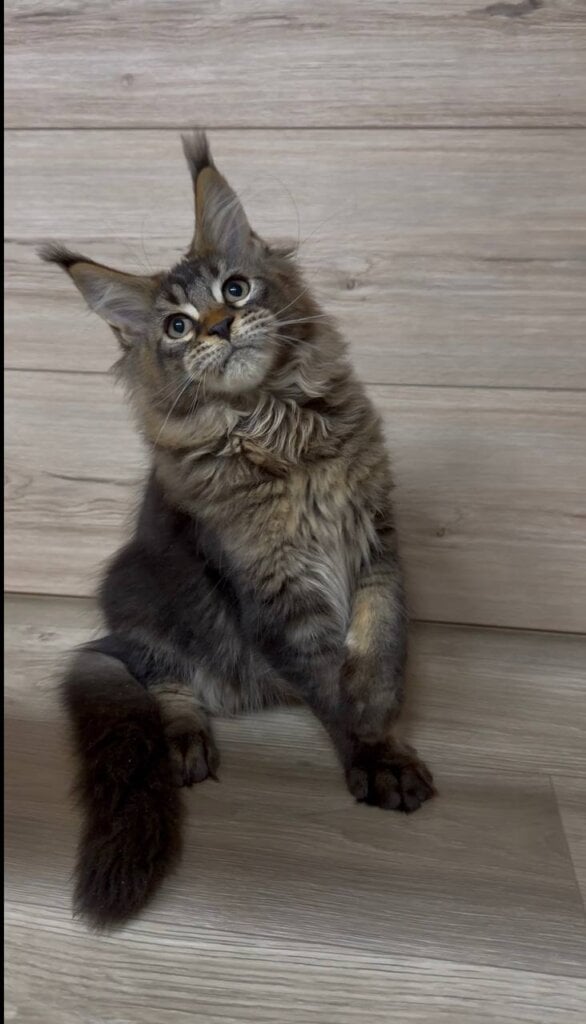
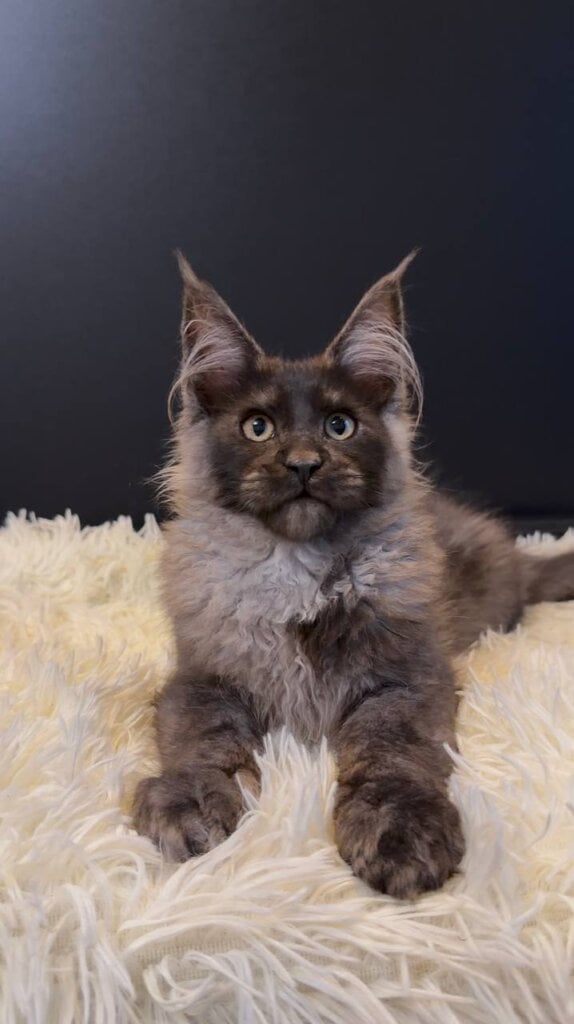
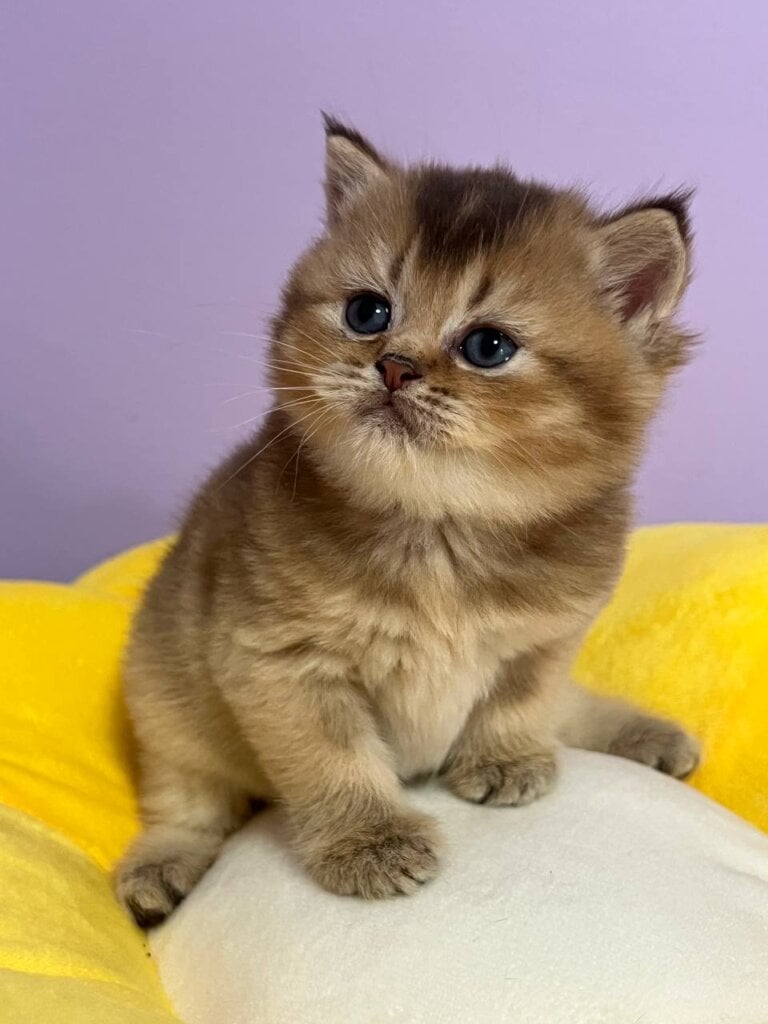
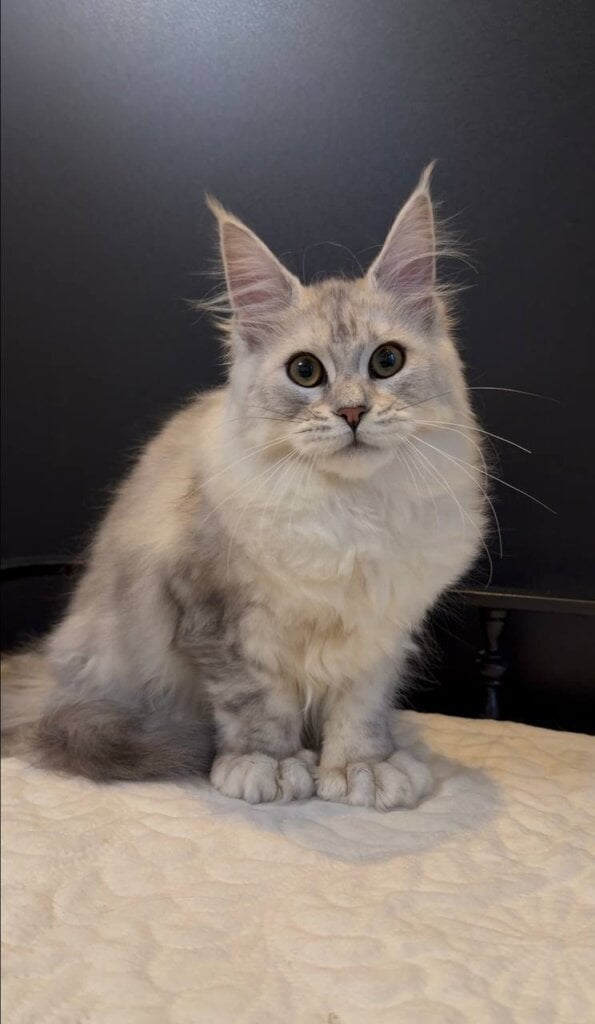
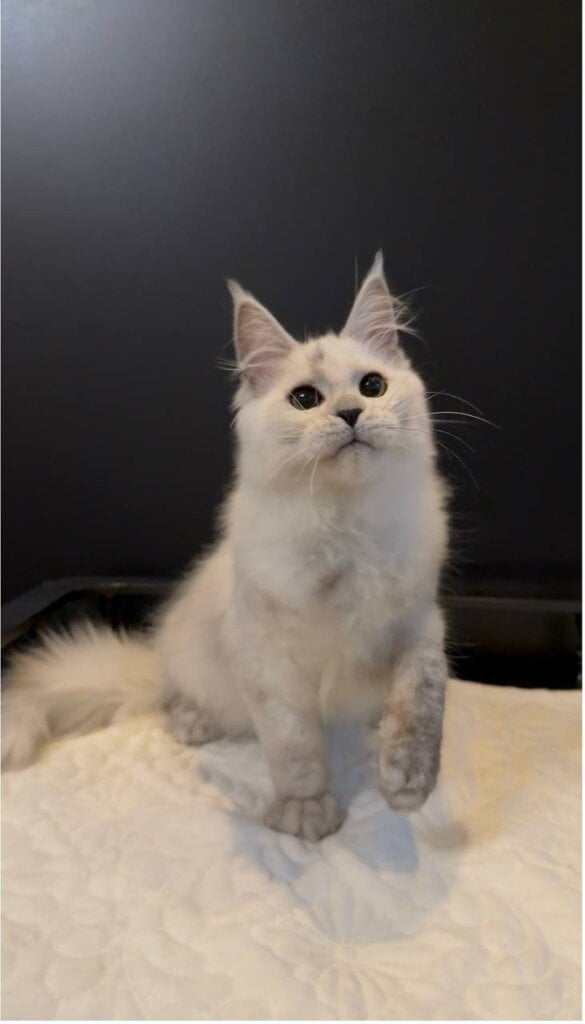
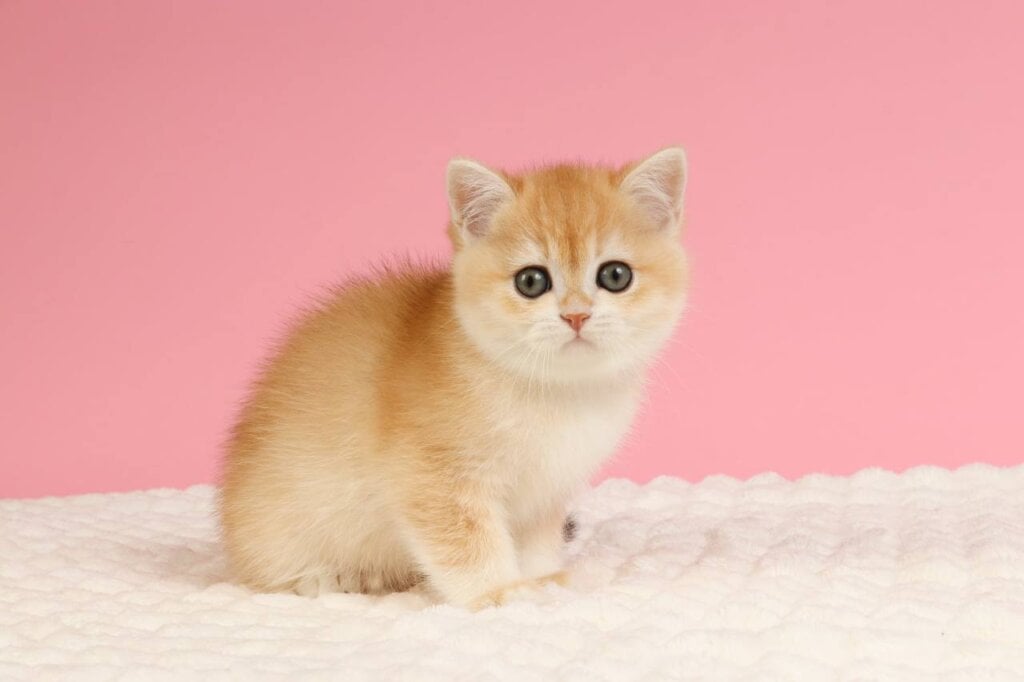
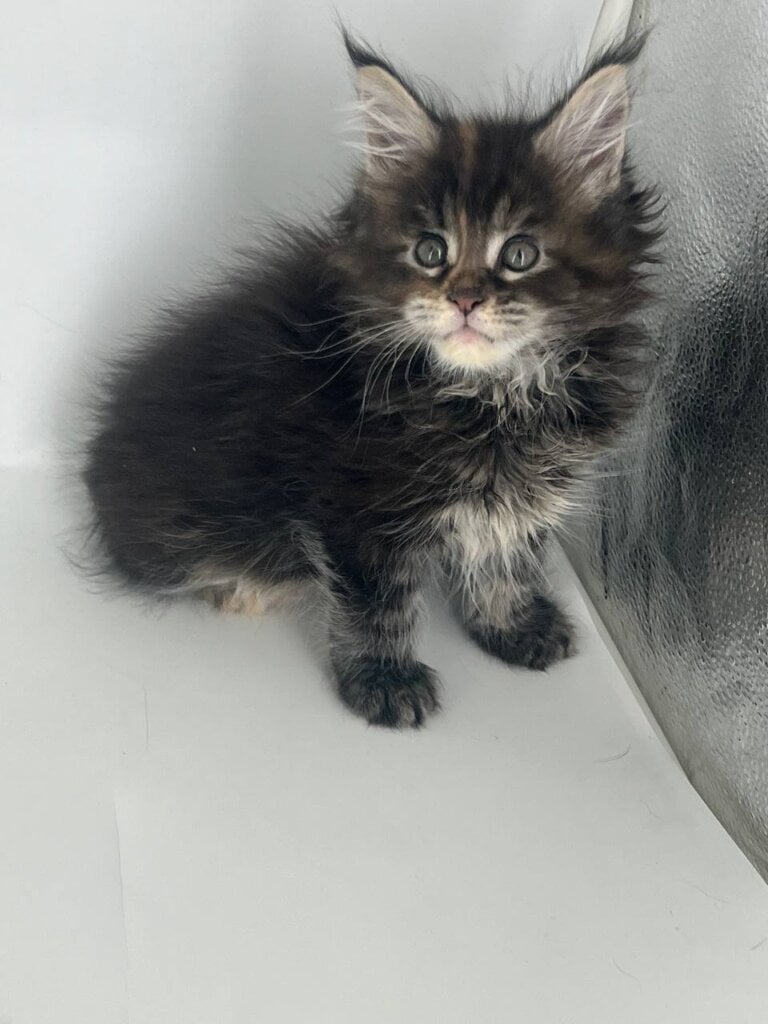
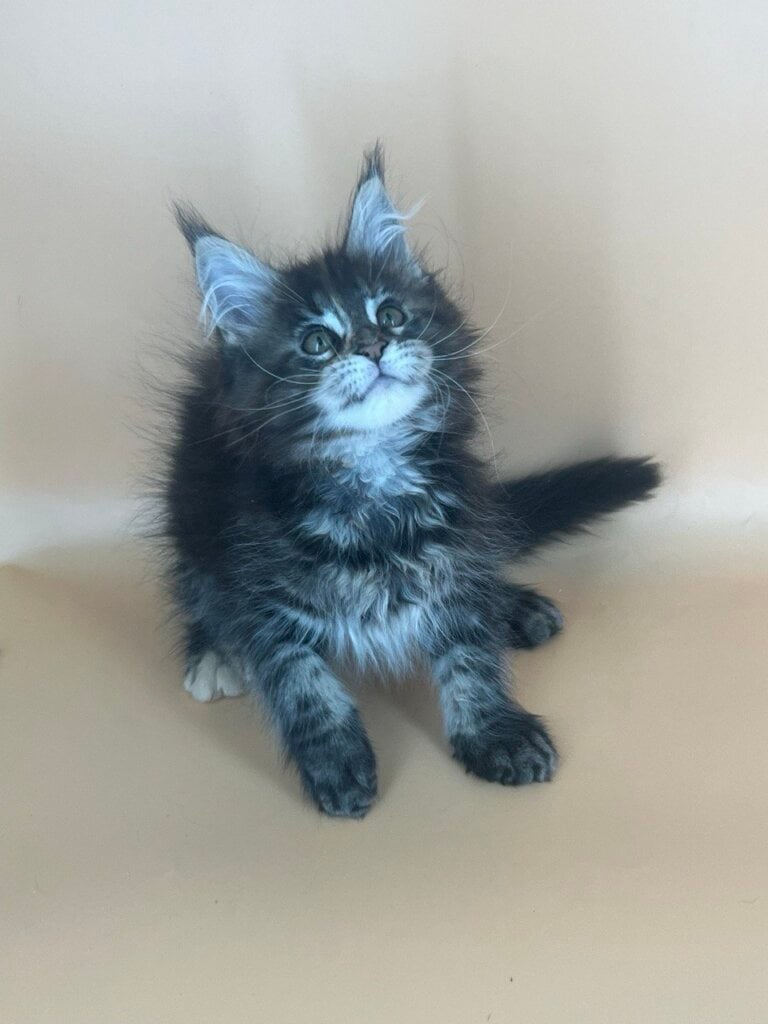
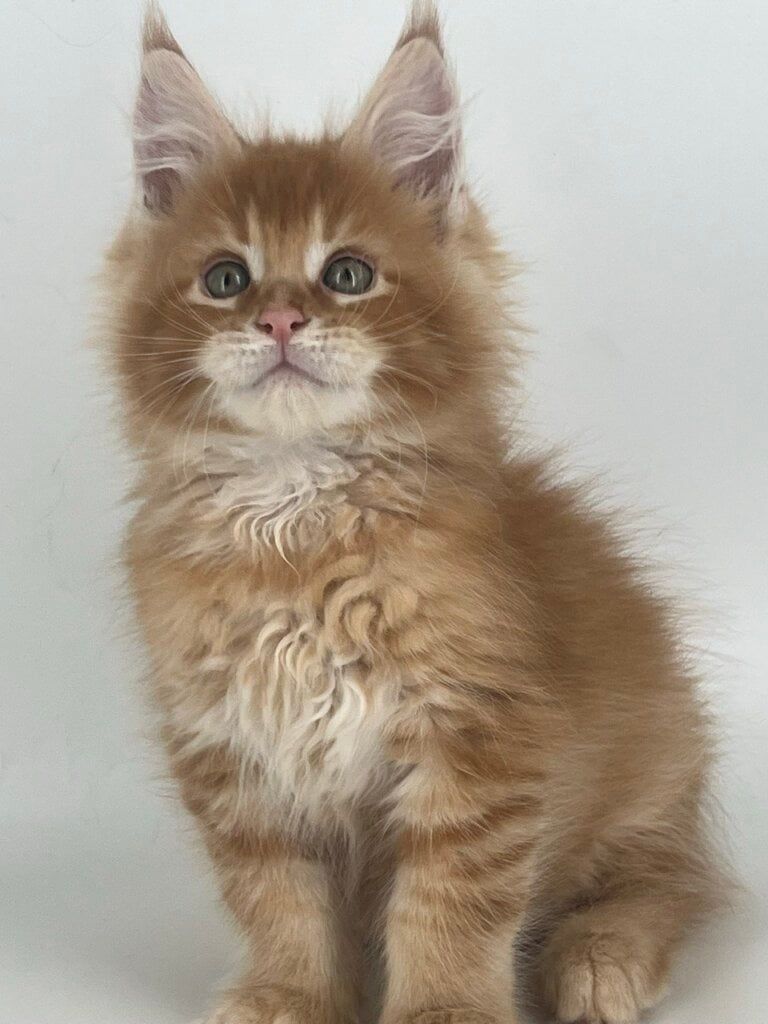
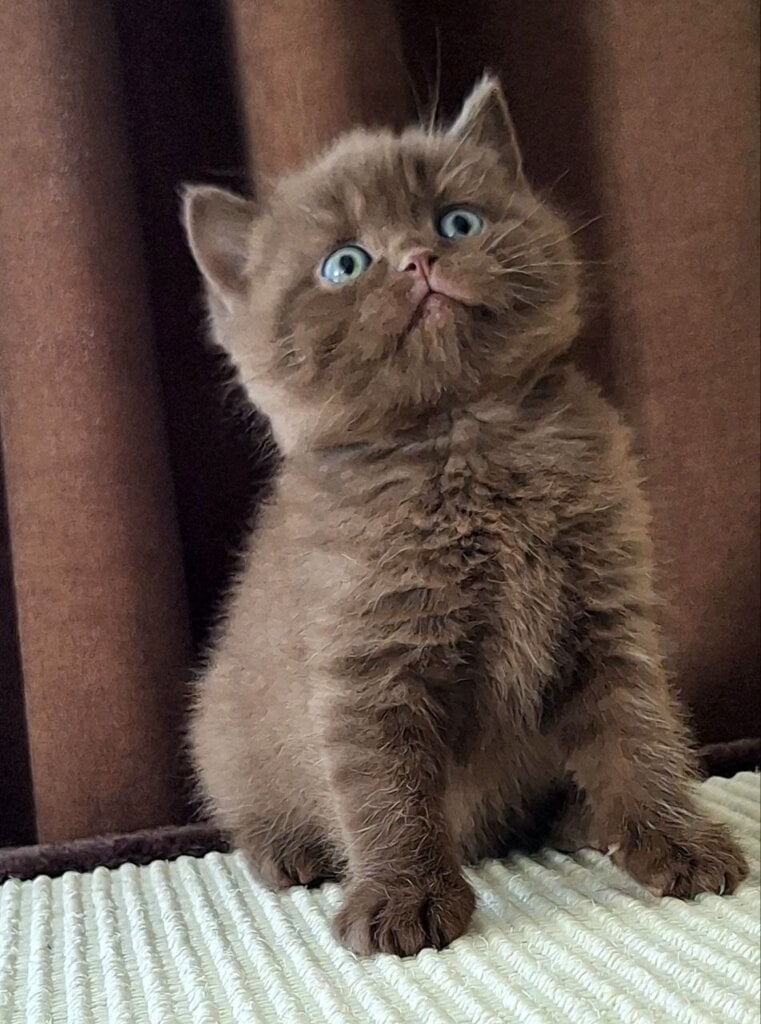
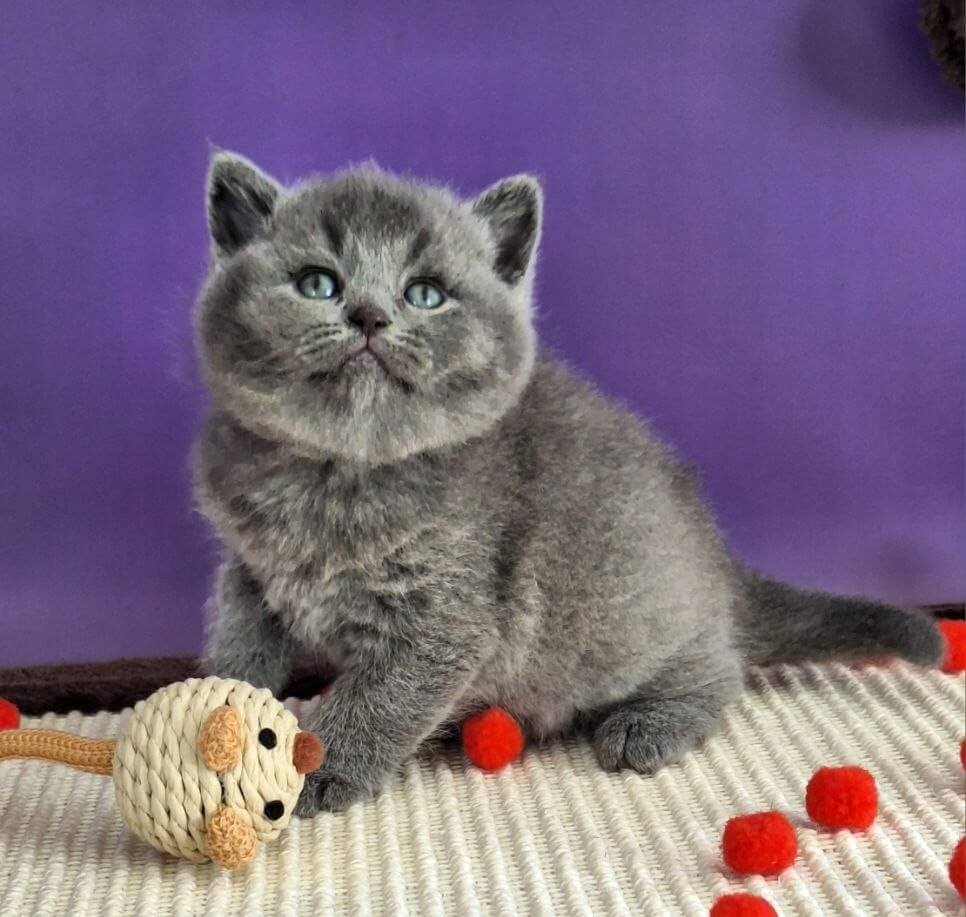
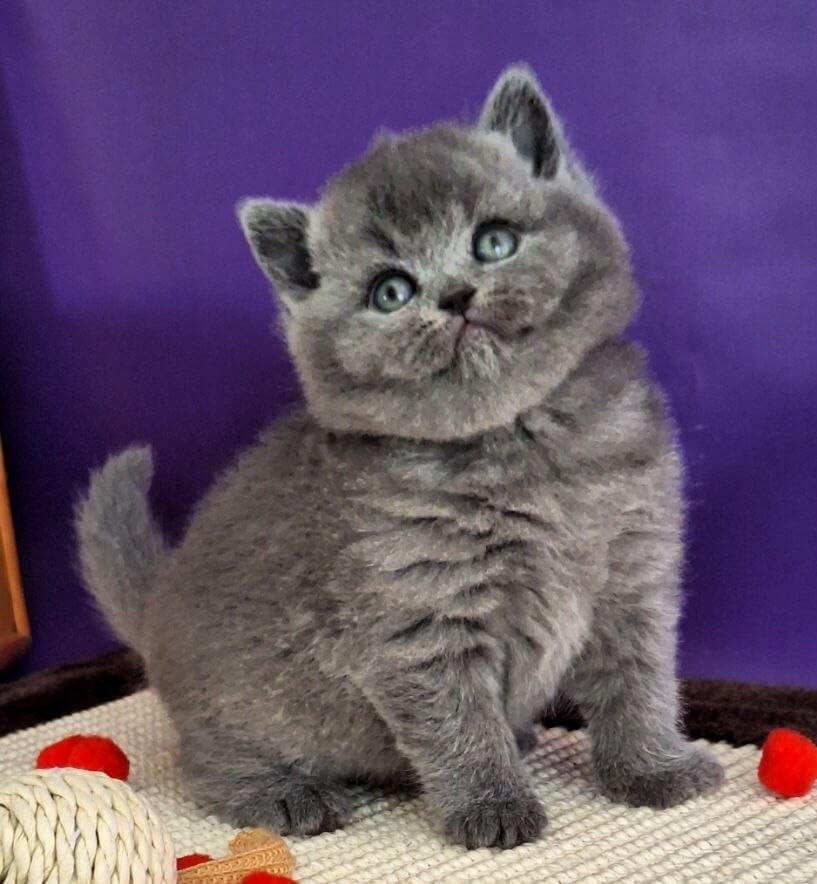
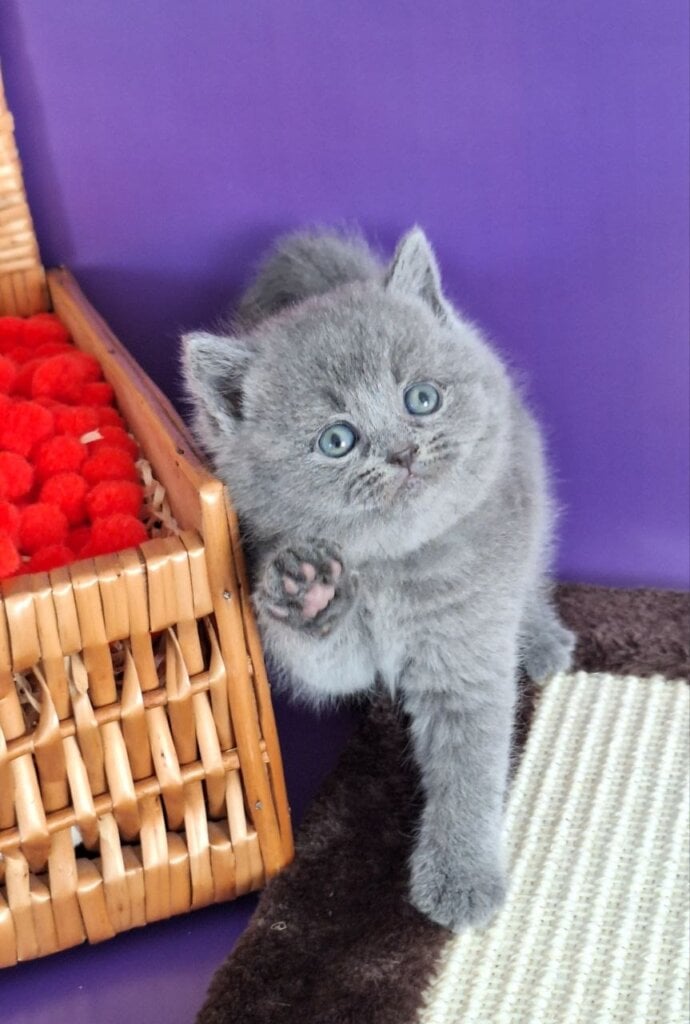
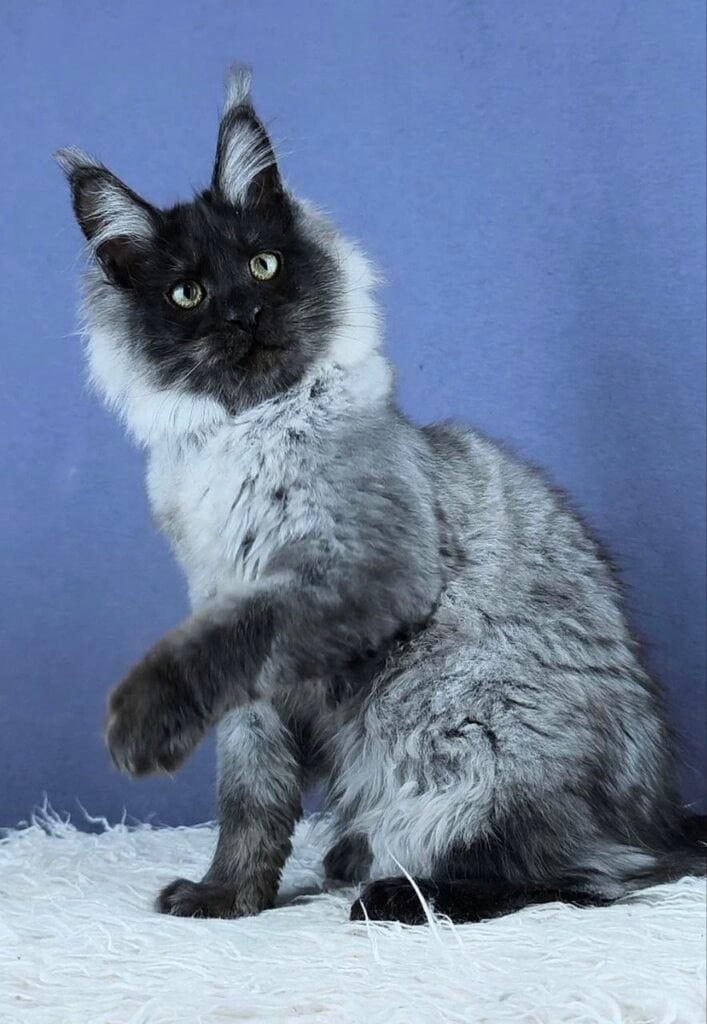
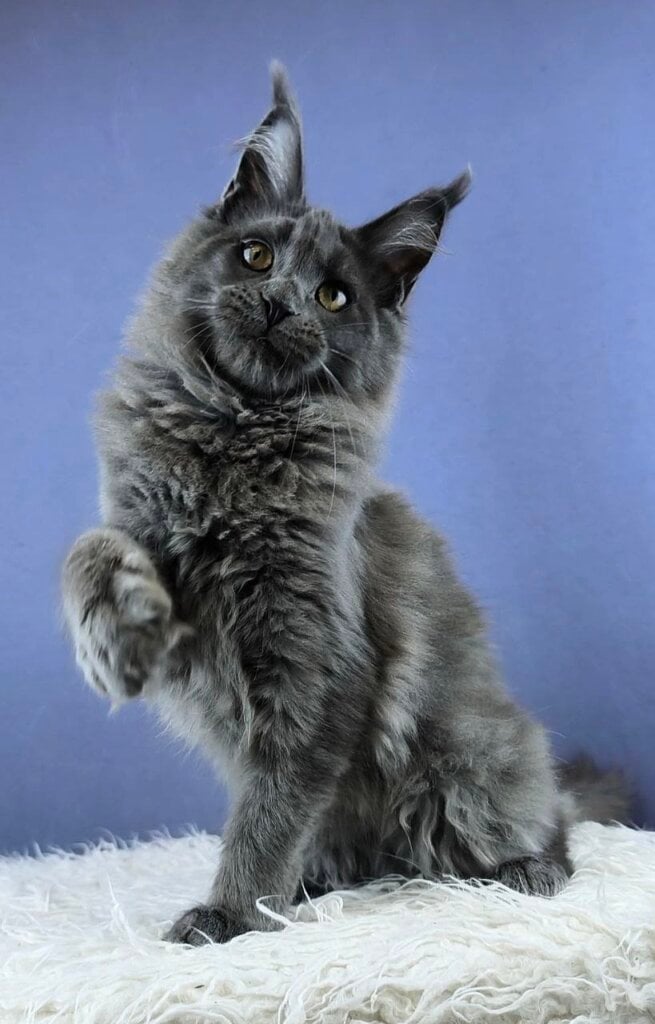
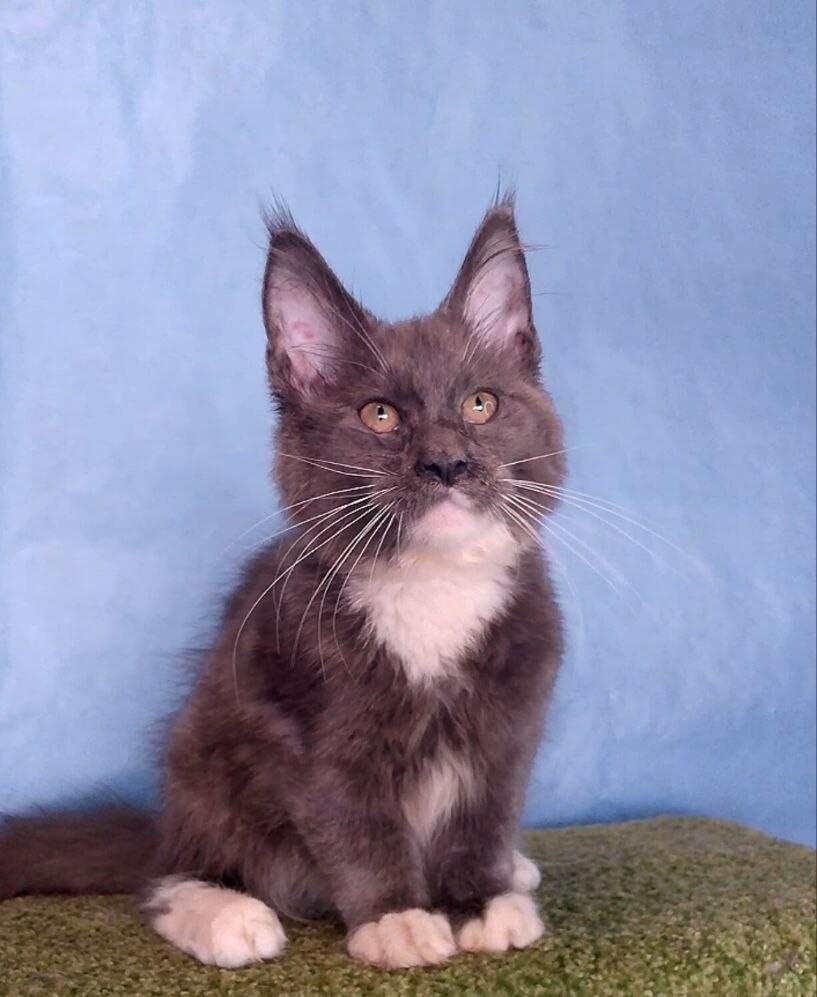
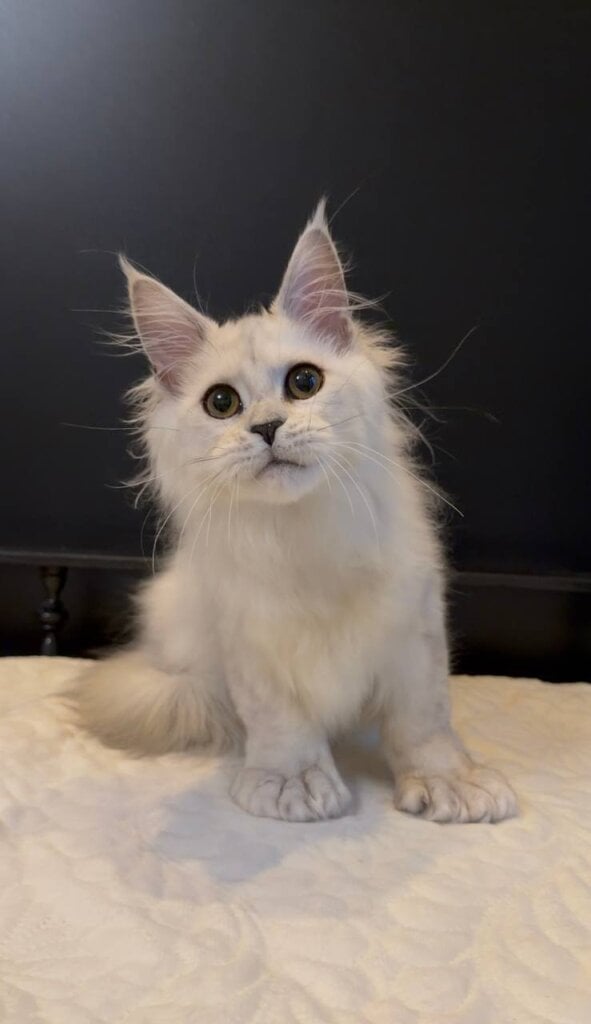
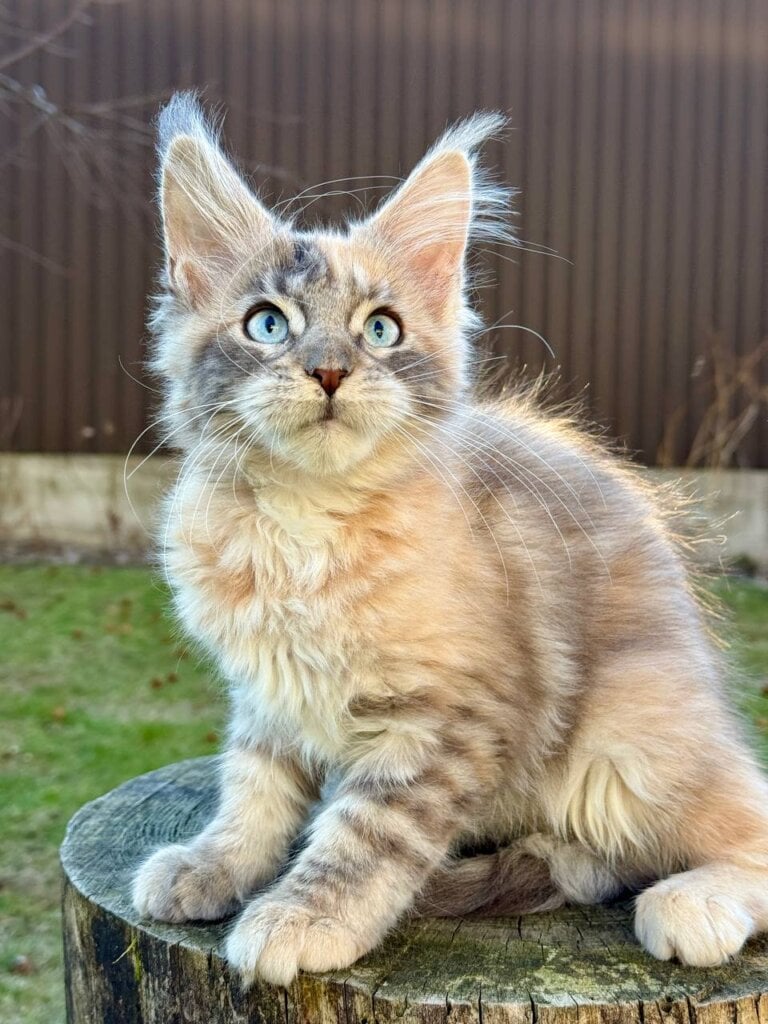
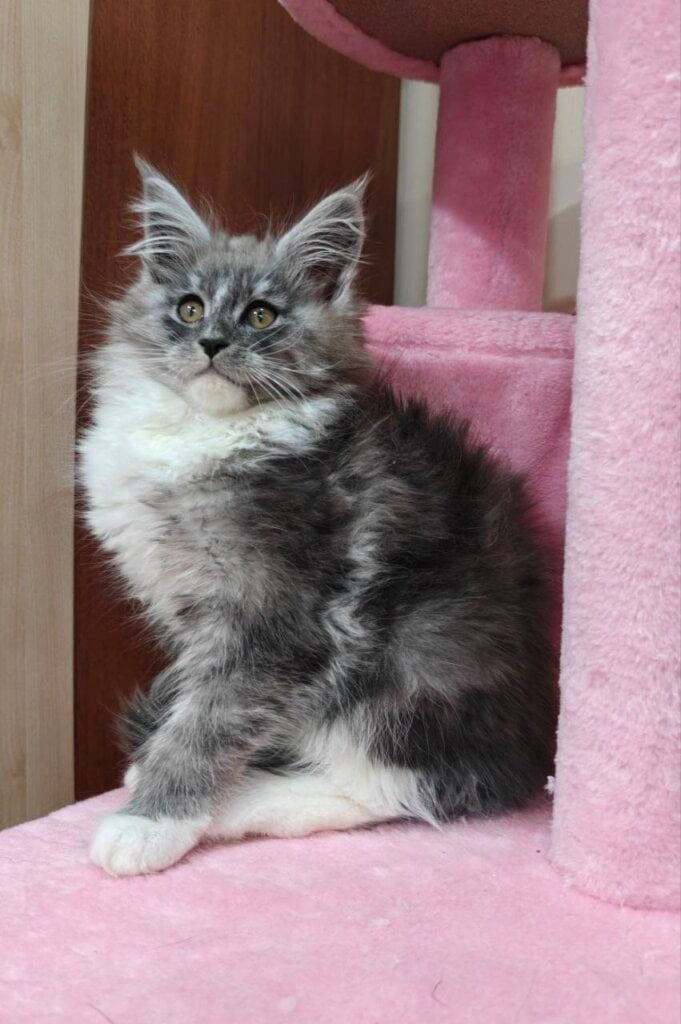
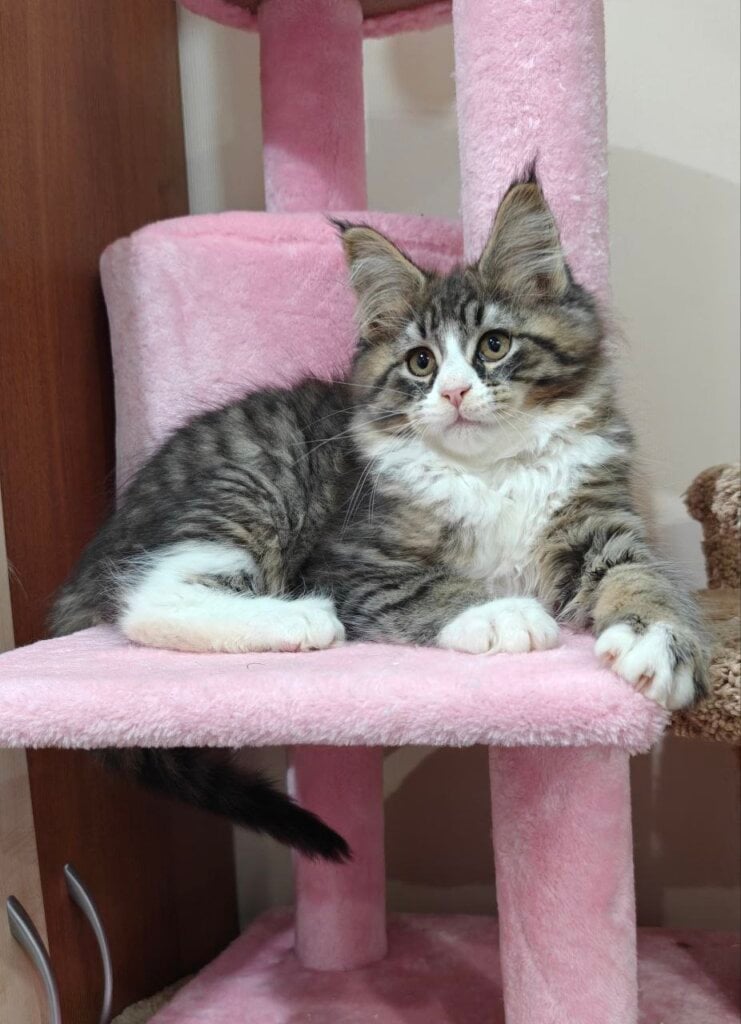
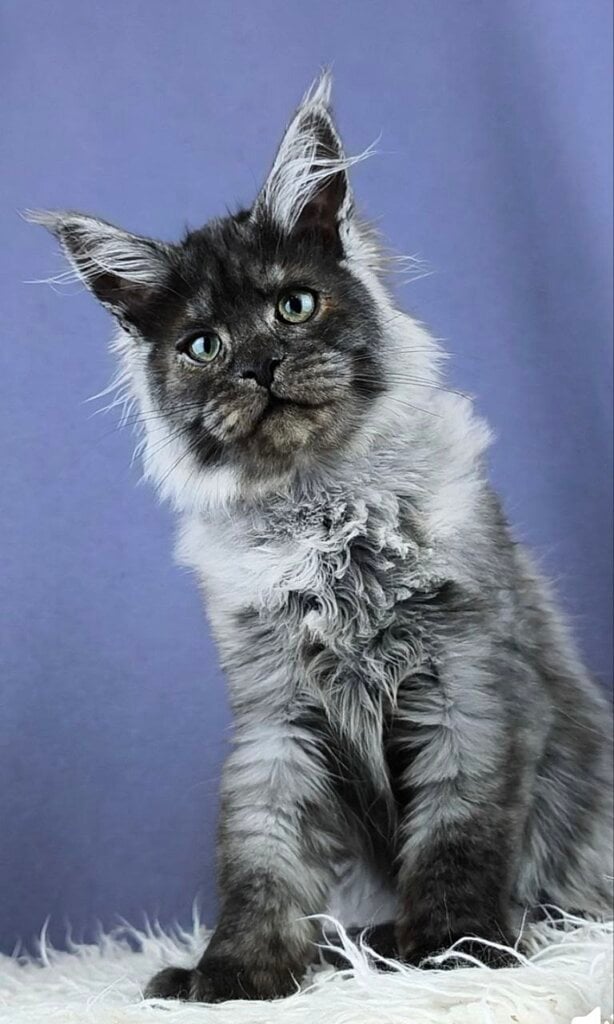
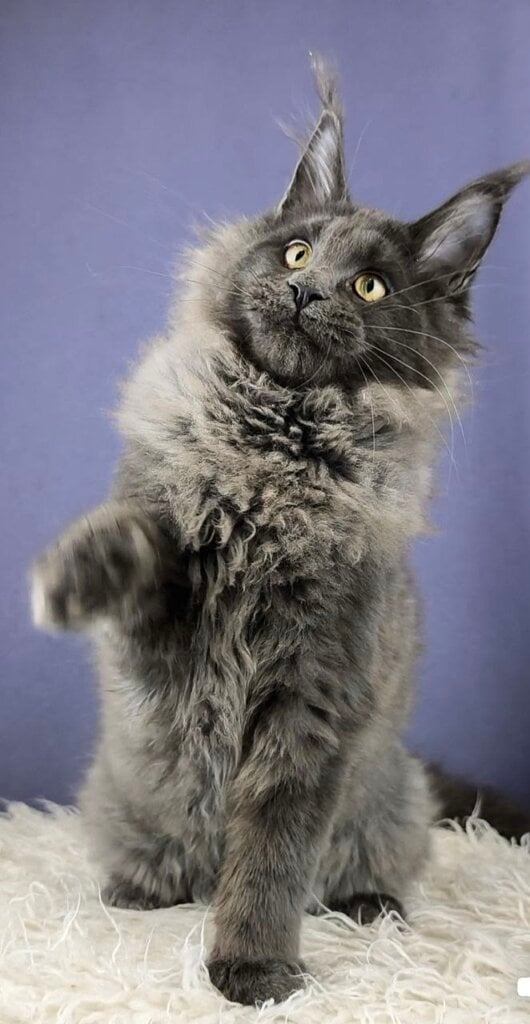
Maine Coon kittens are typically large, sociable, and energetic with moderate grooming needs, while British Shorthair kittens are often calm, sturdy, and low-energy with dense coats requiring periodic brushing. Breed-specific health considerations also vary: larger breeds may have cardiac screening priorities (e.g., HCM), while other breeds may have orthopedic or genetic predispositions that buyers should be aware of. Sellers should provide breed profiles that outline temperament, activity level, grooming frequency, and any common hereditary concerns. This information helps buyers weigh daily care commitments and long-term health monitoring.
Introductory breed comparison table to help buyers match lifestyle to breed traits.
| Breed | Key Traits | Suitability |
|---|---|---|
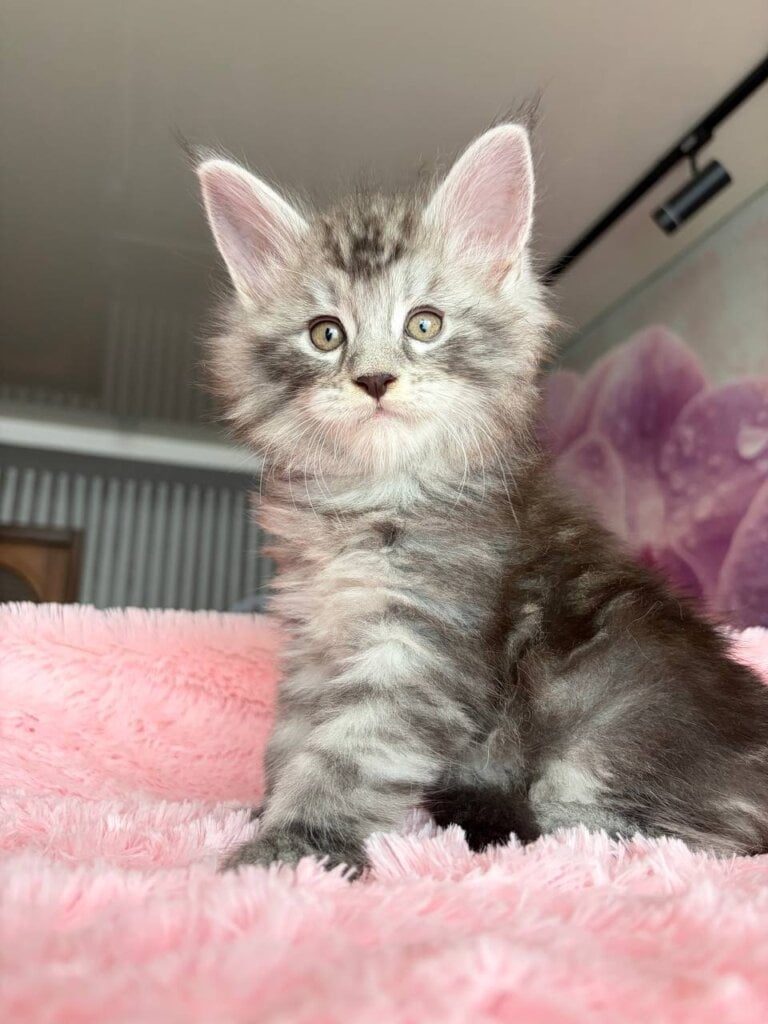
| Maine Coon | Large, playful, sociable | Active families, space for play |
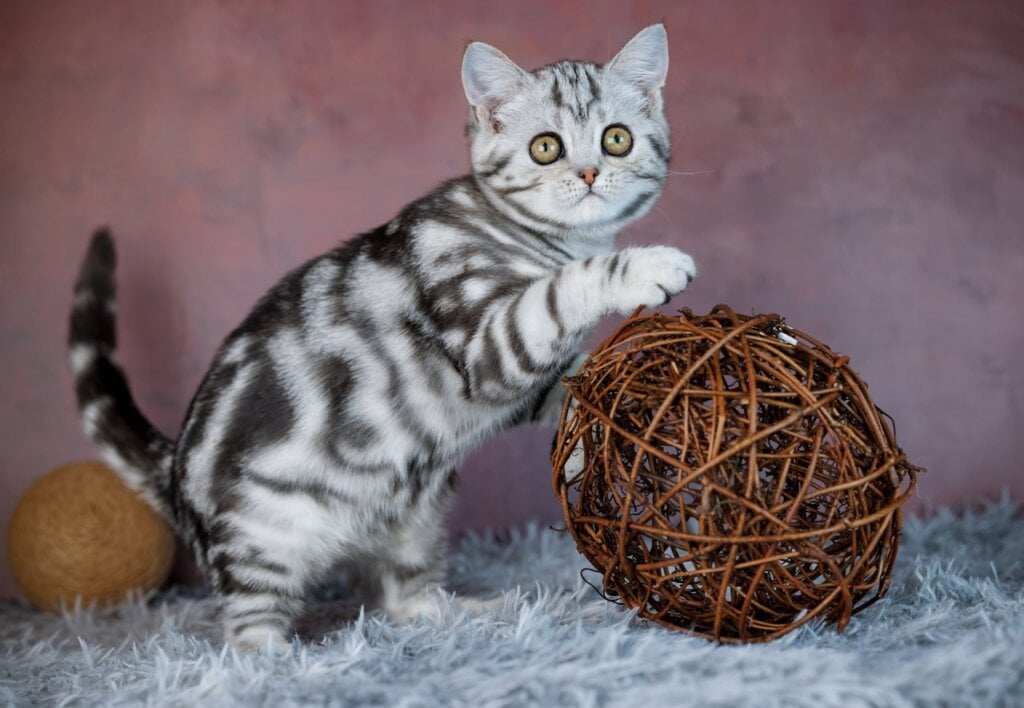
| British Shorthair | Calm, sturdy, independent | Apartment living, quieter households |
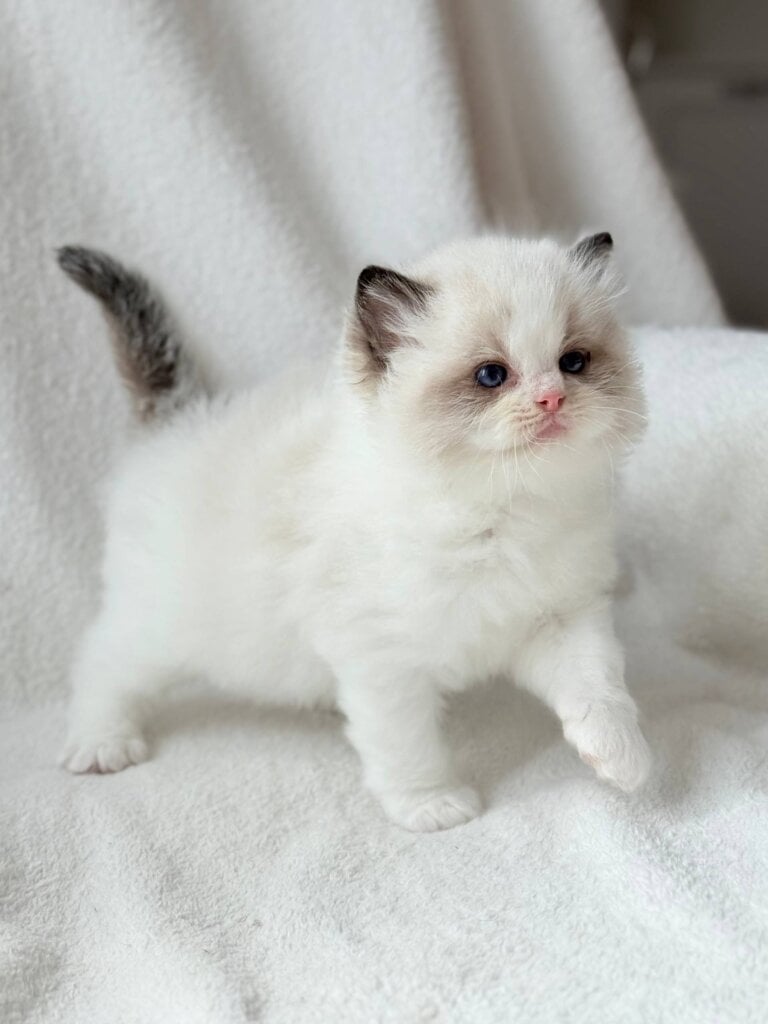
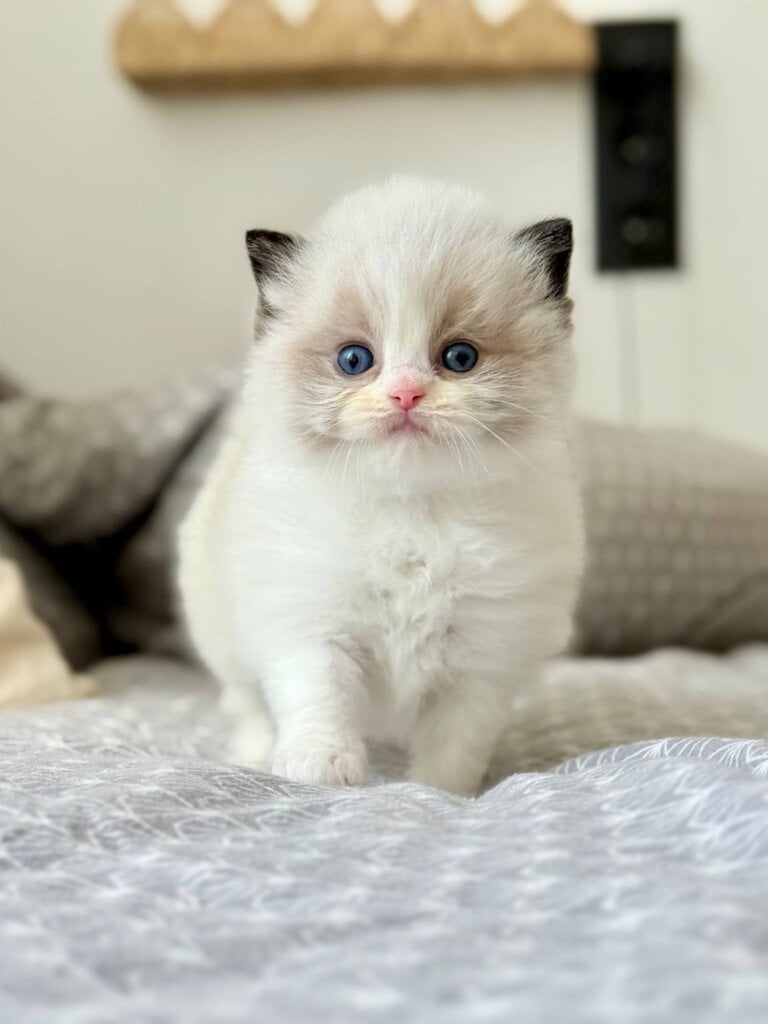
| Ragdoll | Affectionate, gentle, relaxed | Families seeking lap-cat temperament |
How Do Sellers Help Match Kittens to Different Family Lifestyles?
Reputable sellers use buyer interviews, temperament observations, and home-environment questions to recommend kittens that suit a family’s activity level, presence of children, or other pets. Typical screening questions assess daily routines, previous pet experience, household members, and willingness to accommodate breed-specific care such as grooming or exercise needs. Sellers often document short temperament notes—how a kitten responds to handling, noise, and other animals—which buyers can use to select an appropriate match. This process reduces future returns and supports long-term placement success.
What Grooming and Care Requirements Should Buyers Know?
Grooming needs vary widely: long-haired breeds require daily brushing to prevent mats, while short-haired breeds need weekly grooming and regular nail care; dietary needs and dental health also differ by breed and individual. Sellers should provide a starter list of supplies—appropriate brush, food recommendations, litter, and a safe carrier—and explain routine health maintenance tasks. Buyers should receive instructions for establishing a dental and parasite prevention plan and guidance for when to schedule the first veterinary wellness check. Clear care expectations prepare owners and reduce surprises after adoption.
What Are the Best Practices for Safe Shipping, Pickup, and Transition to a New Home?
Safe transport and a well-managed transition reduce stress, prevent injury, and support early acclimation to the new household; best practices combine welfare-focused carriers, appropriate timing, and a calming handover process. Sellers should plan direct travel routes, ensure carriers meet size and ventilation standards, and provide a starter kit with familiar bedding and food. Pickup or shipping should be scheduled to minimize waiting and environmental stressors, and sellers should brief buyers on first-week routines and when to seek veterinary follow-up. Thoughtful logistics signal a seller’s attention to welfare beyond the sale itself.
How Do Sellers Ensure Safe and Stress-Free Kitten Transport?
Sellers ensure safe transport by using secure, well-ventilated carriers with familiar bedding, avoiding extreme temperatures, and arranging direct travel routes to minimize duration and handling; for longer journeys, rest and feeding protocols are planned. Carriers should allow kittens to stand, turn, and lie down comfortably while preventing excessive movement during transit. Sellers vet carriers or transport services for welfare standards and provide buyers with transport notes and a health record to accompany the kitten. Proper preparation reduces travel-induced stress and improves post-arrival adjustment.
What Starter Kits and Resources Are Provided for New Owners?
Starter kits generally include a small supply of the kitten’s current food, a familiar blanket or bedding, vaccination and medical records, microchip information, and basic grooming supplies to ease the initial transition. These items help the kitten settle using familiar scents and provide the owner with necessary documentation to continue care and register microchips. Sellers may also include written feeding schedules and litterbox guidance to ensure consistency during the first days at home. A well-prepared starter kit reduces immediate stress and supports a smoother handover experience.
Typical starter kit contents:
- Small food supply: to maintain dietary consistency during transition.
- Familiar bedding: scent familiarity reduces stress.
- Medical records: vaccination card, deworming history, and microchip ID.
How Can New Owners Help Kittens Adjust in Their First Week?
New owners should create a safe, quiet space with the starter kit items, follow the seller’s feeding and litter routine, introduce household members gradually, and schedule a prompt veterinary check if recommended to confirm health and set ongoing care. A day-by-day approach—quiet confinement to a single room for the first 24–72 hours, gradual exploration over days 3–7, and monitored introductions to other pets—supports confidence building. Owners should observe appetite, elimination, and energy levels and contact their seller or vet if any concerns arise. Early contact with the breeder for behavioral or health guidance often resolves minor issues before they escalate.
What Are the Common Signs and Red Flags to Spot a Good or Bad Kitten Seller?
Good sellers are transparent, provide documentation, welcome visits, and offer post-purchase support; bad sellers pressure buyers, avoid showing records, and have poor animal conditions. Trust signals include verifiable registration papers, clear health records, willingness to answer breeder- or health-related questions, and documented socialization practices. Red flags include no veterinary records, refusal to show parent cats, pressure to buy immediately, or evasive answers about health guarantees. Knowing the right questions to ask and interpreting answers critically helps buyers avoid unethical sources and select sellers committed to welfare.
What Questions Should You Ask to Verify Seller Reputation?
Ask the seller for specific documentation and practices: registration papers and registry numbers, copies of parental genetic tests, vaccination and deworming records, details of socialization routines, and written health guarantees with claim processes. Good answers include verifiable paperwork, openness to visits, clear timelines for vaccinations and deworming, and a willingness to provide references or past buyer follow-ups. Avoid sellers who provide vague responses, refuse to supply documentation, or try to rush the transaction without answering health-related questions. These verification questions protect buyers and animals alike.
Top verification questions for breeders:
- Can you show registration papers and how to verify them?
- Do you have genetic test results for the parents?
- What vaccinations and veterinary checks does the kitten receive?
- What is included in your health guarantee and return policy?
How Can You Recognize Ethical vs. Unethical Breeding Practices?
Ethical breeding involves proper housing, health testing, limited litter frequency, documented pedigrees, and emphasis on welfare, while unethical breeding often shows overcrowding, lack of records, absence of veterinary care, and focus on volume sales. Ethical breeders allow visits, provide thorough documentation, and follow clear protocols for vaccination, microchipping, and socialization. Unethical operations avoid transparency, use pressure tactics, and provide inconsistent or no medical records; these conditions increase the risk of health and behavioral problems. Buyers should take action—seek verification, request records, or report concerning operations—to protect animals from exploitative breeding.
Why Is Transparency About Health and Socialization Critical?
Transparency in health and socialization prevents misinformed purchases and enables early detection and treatment of hereditary or developmental issues, improving long-term welfare outcomes. When sellers document socialization activities and provide complete medical records, buyers can continue appropriate care and monitor development for breed-specific concerns. Lack of transparency often correlates with higher health risks and unpredictable temperament outcomes, which can lead to rehoming. Practical verification—asking for records, observing kitten behavior, and requesting references—helps buyers judge whether transparency is genuine.
How Does MeoWoff Kittens Exemplify the Traits of a Good Kitten Seller?
MeoWoff Kittens is a purebred kitten seller based in Chicago, Illinois, that collaborates with WCF-registered European catteries and offers a set of buyer protections and veterinary practices aligned with many reputable-breeder standards. The company works with named European partner catteries, emphasizes pedigrees and documented bloodlines, and provides a one-year genetic health guarantee as part of its health protections. MeoWoff states that it conducts comprehensive veterinary examinations, follows strict vaccination protocols, microchips all kittens, and offers post-purchase care advice while providing flexible shipping and pickup options. This profile illustrates how documented partnerships, health guarantees, and transparent policies can be combined to support buyer confidence without replacing independent verification steps buyers should perform.
What Unique Benefits Do MeoWoff’s WCF-Registered Partnerships Offer?
MeoWoff’s partnerships with WCF-registered European catteries—named by the seller as collaborators—aim to provide documented pedigrees, access to champion bloodlines, and additional registration transparency that buyers can verify against registry records. These partnerships suggest an emphasis on traceable lineage and cross-border breeding standards that can improve genetic diversity when managed responsibly. Buyers should ask for documentation of partner cattery registration numbers and pedigrees to confirm claims and understand how partner protocols affect health testing and breeding selection. Verified partnerships can be a meaningful trust signal when accompanied by accessible records.
How Does MeoWoff Provide Genetic Health Guarantees and Veterinary Care?
According to the seller’s stated practices, MeoWoff provides a one-year genetic health guarantee and performs comprehensive veterinary examinations with adherence to strict vaccination schedules before sale. The company also indicates that all kittens are microchipped and receive documented veterinary care prior to handover, which supports traceability and initial health assurance. Buyers should request the specific written guarantee details, copies of veterinary exam reports, and microchip IDs at handover to ensure the seller’s stated practices are fully documented. These documented steps form the basis of a responsible health protocol when independently verifiable.
What Support and Resources Does MeoWoff Offer After Adoption?
MeoWoff states that it provides post-purchase care advice, flexible shipping and pickup options, transparent pricing, and a clear return or rehoming policy to support new owners after adoption. These post-adoption offerings are practical trust signals when they are accompanied by written policies and clear channels for follow-up questions. Buyers should obtain written summaries of the seller’s post-purchase support and retention policies and confirm the exact services included in the purchase price. Having documented post-adoption support and an explicit rehoming policy reduces uncertainty and clarifies options should the need to return the kitten ever arise.