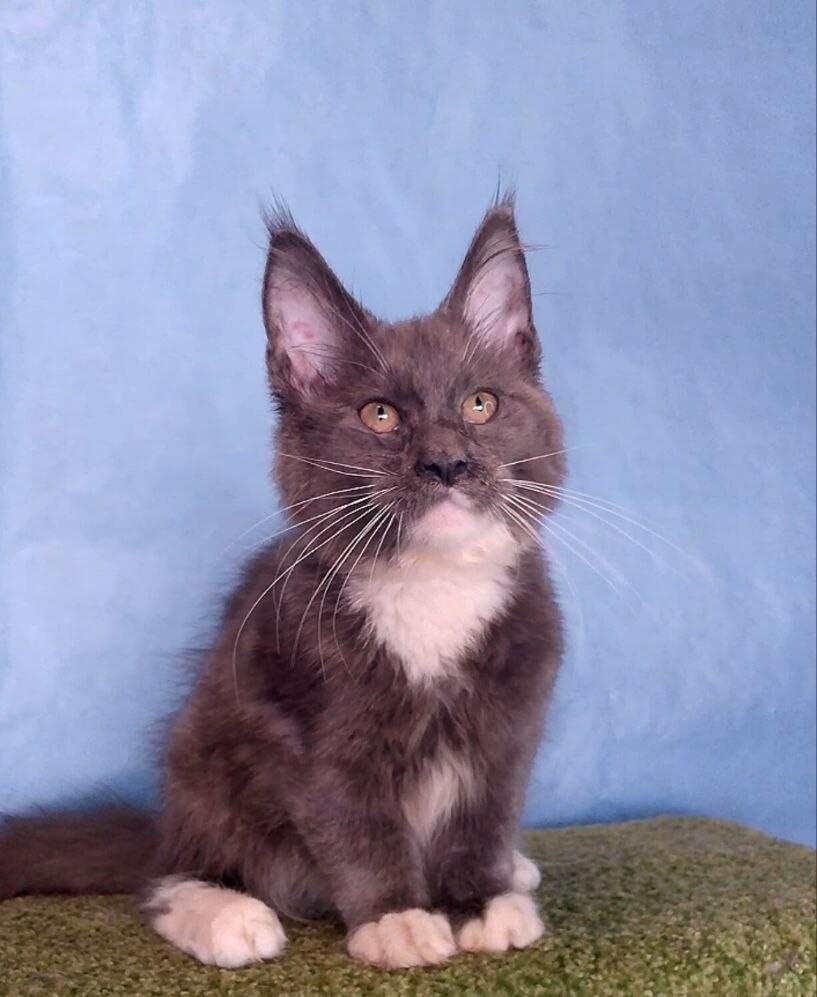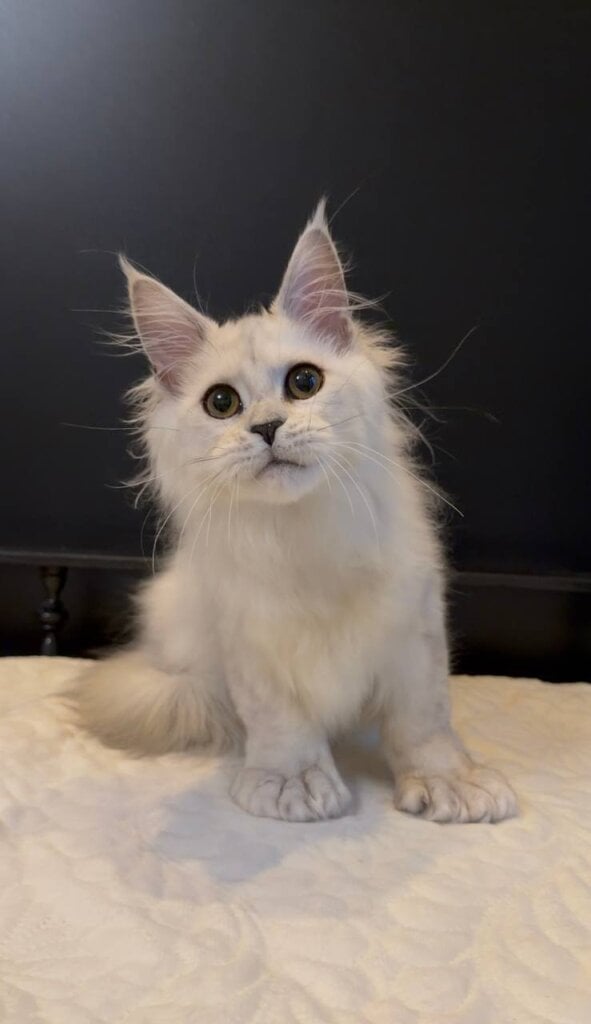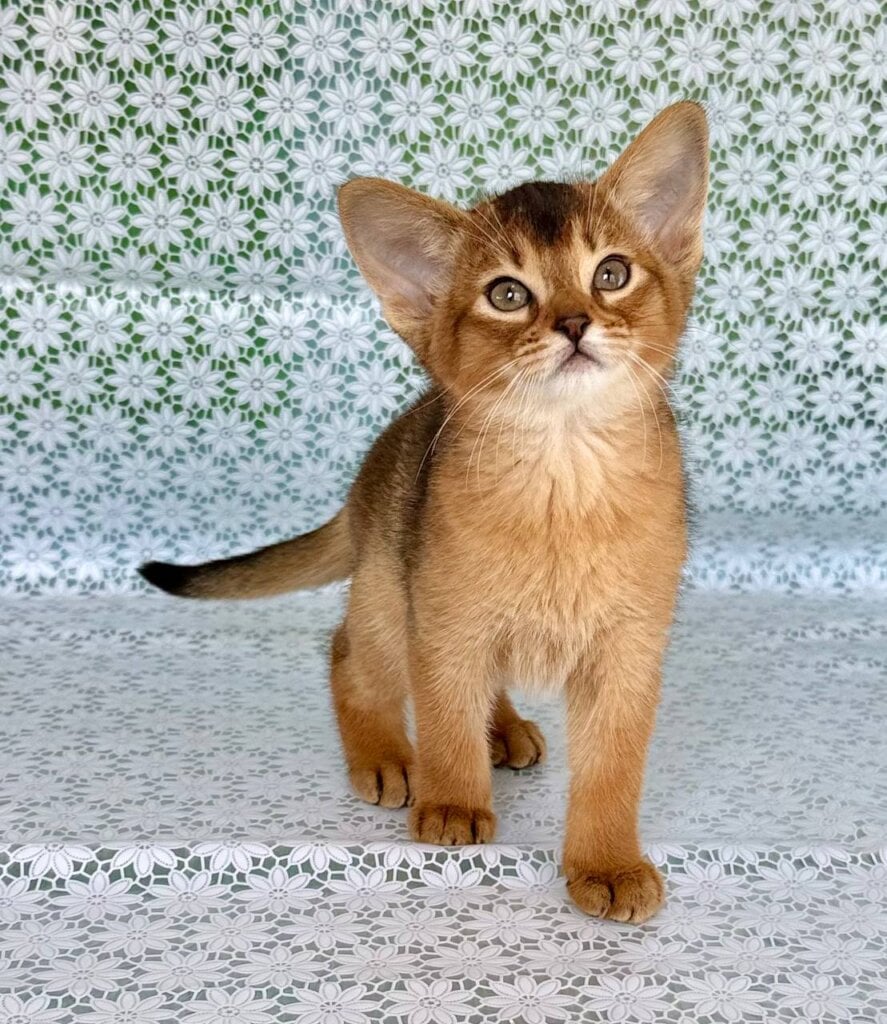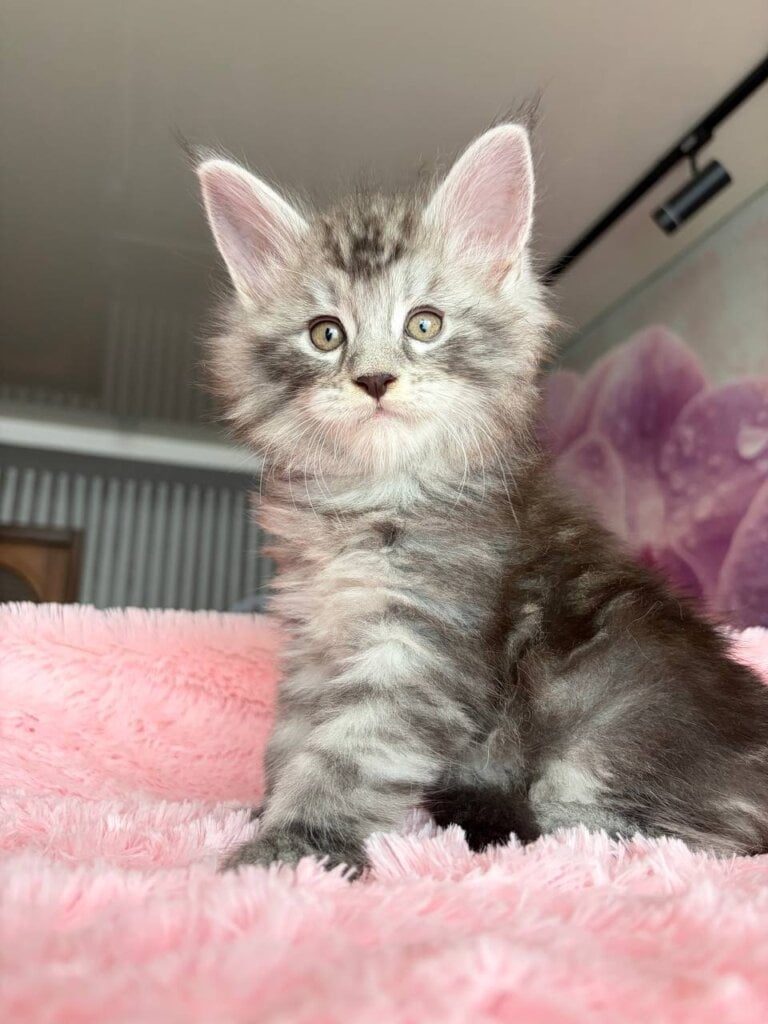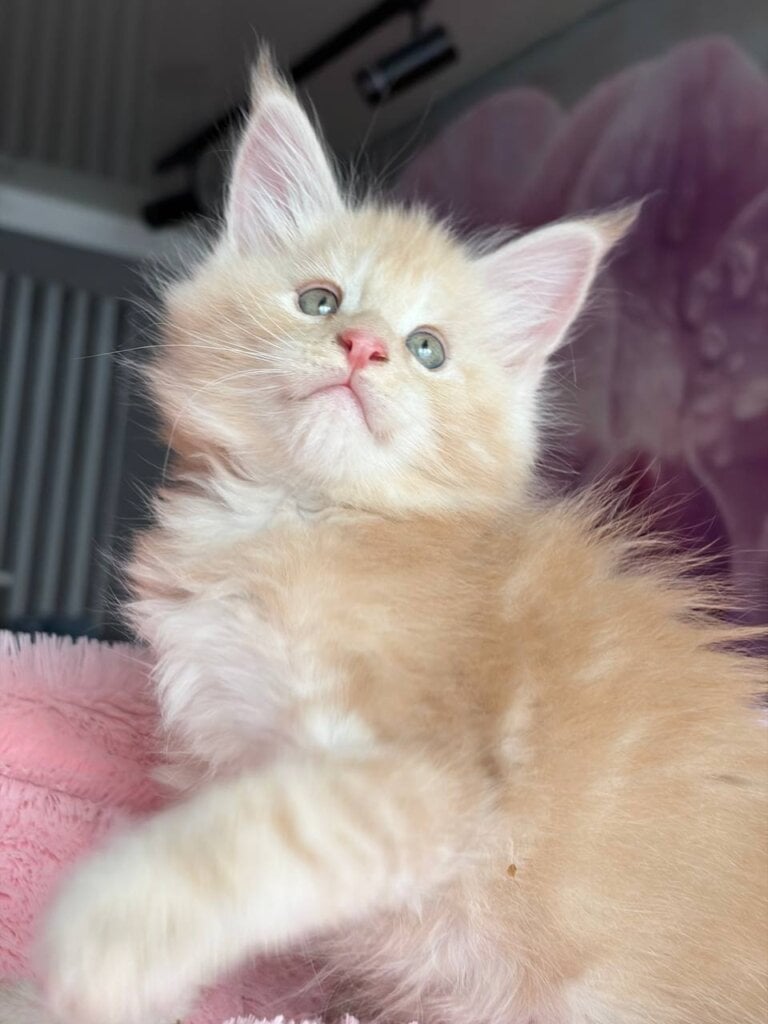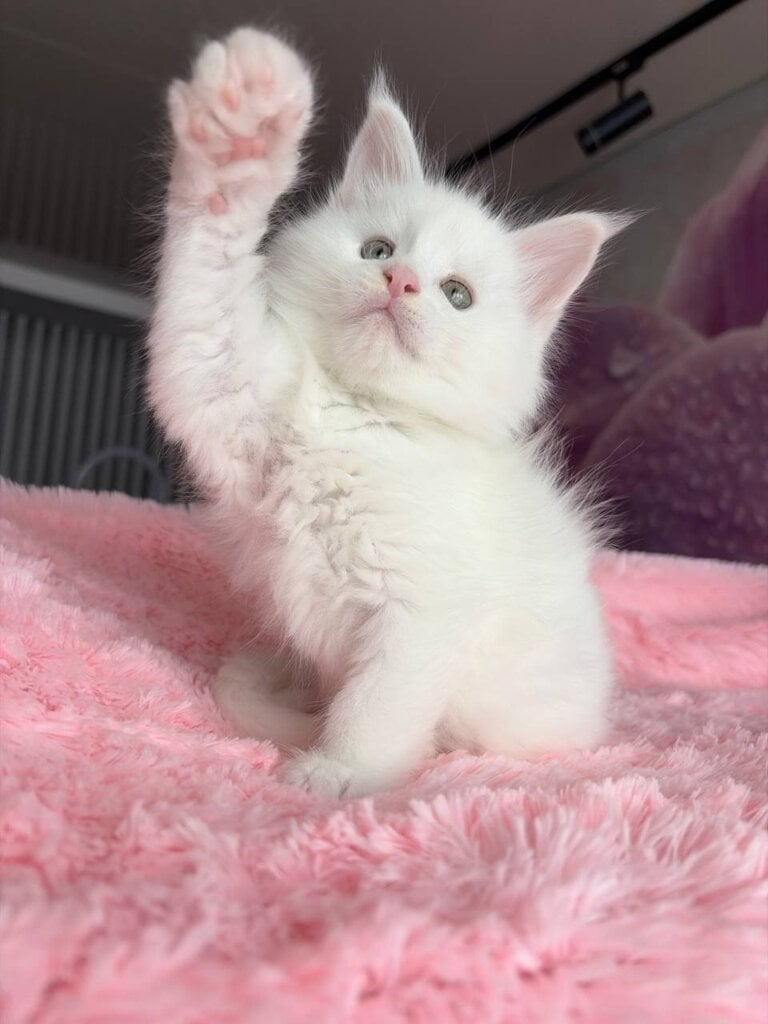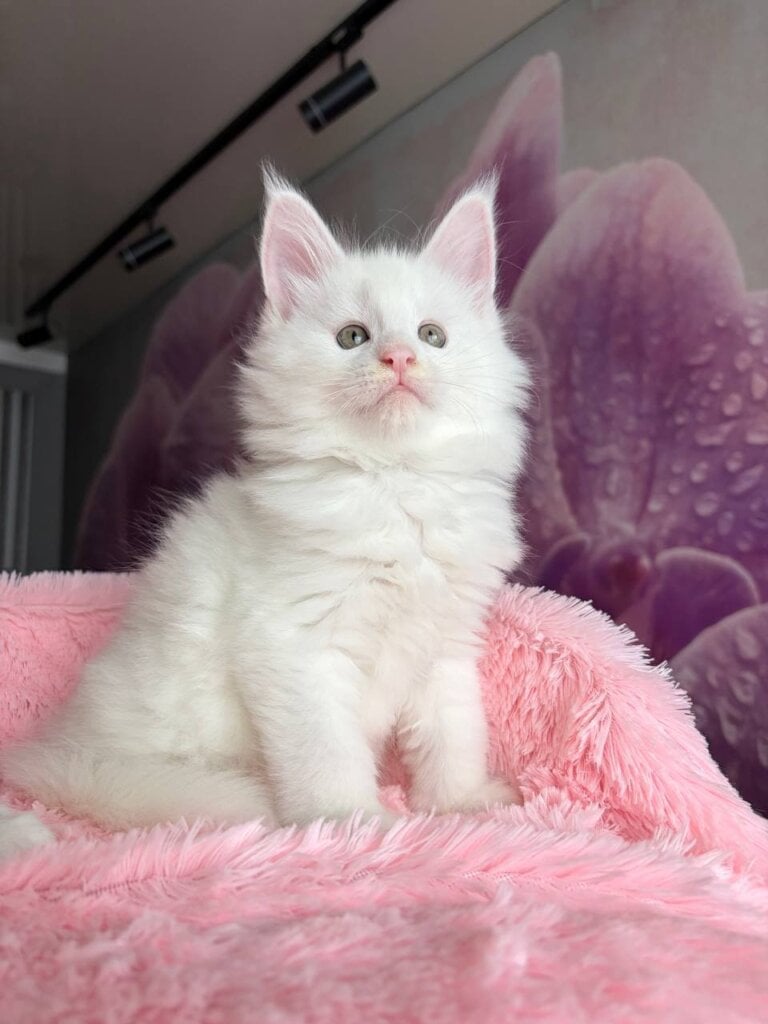

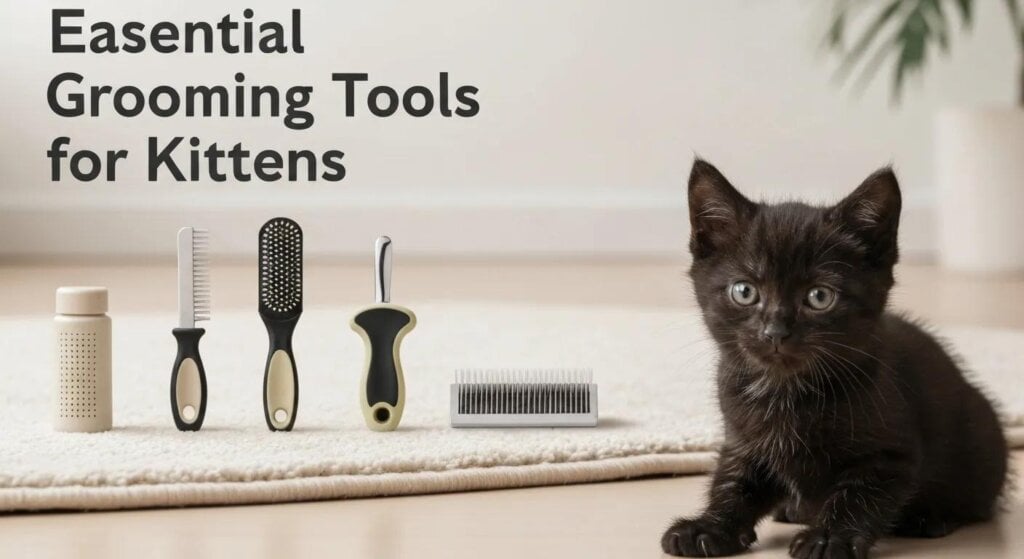
Essential Grooming Tools for Kittens
Grooming tools are the essential tools that keep a kitten’s coat, skin, ears, teeth, and nails healthy while helping your furry friend accept handling and routine care. Early introduction to the right brush, comb, clippers, shampoo, and dental tools reduces stress, prevents common problems like matting and hairballs, and builds the foundation for a lifetime of happy, cooperative grooming. In this guide, we’ll show you what each essential grooming tool does, walk you through step-by-step safe grooming, and share breed-specific routines so you can perfectly match tools to your kitten’s unique coat and temperament. You’ll find clear checklists for a starter kit, expert frequency guidance for brushing and bathing, and troubleshooting cues that signal when to consult a veterinarian or professional groomer. Throughout, semantic guidance links tools to specific benefits — for example, how a slicker brush reduces loose hair that leads to hairballs — and practical lists and tables make choosing, using, and storing grooming supplies a breeze for new kitten owners.
What Are the Essential Grooming Tools for Kittens?
Essential grooming tools are items thoughtfully designed for your kitten’s unique physiology and temperament that support coat care, nail trims, bathing, dental hygiene, and ear health. Each tool works through a specific mechanism — brushes remove loose hair, combs detangle, clippers shorten nails safely, shampoos cleanse without irritation, and dental tools reduce plaque — producing wonderful benefits like fewer hairballs and healthier, shinier skin. Choosing the right tool depends on coat length, coat density, and the kitten’s age; selecting kitten-sized, soft, or rounded implements reduces accidental injury and fear. Below, you’ll find a concise list of core tools and a helpful comparison table to prioritize purchases and perfectly match tools to your kitten’s coat and developmental stage.
Kittens benefit most from gentle, gradual exposure to each tool so that grooming becomes a positive, bonding routine rather than a stressful event.
A quick list of essential tools and one-line purposes:
- Brush (slicker, bristle, pin): Removes loose hair and prevents tangles.
- Wide-tooth comb: Detects mats and finishes detangling safely.
- Grooming glove or rubber brush: Comfortable first tool for sensitive kittens.
- Kitten nail clippers (small guillotine or small scissor): Trim quick-safe tips.
- Kitten-safe shampoo and towels: Clean without stripping protective oils.
- Ear cleaner and cotton pads: Remove debris and check for infections.
- Toothbrush or finger brush with kitten toothpaste: Start dental care early.
These essentials ensure you can address everyday grooming needs with ease, minimizing stress for both of you.
| Tool | Best for | Notes |
|---|---|---|
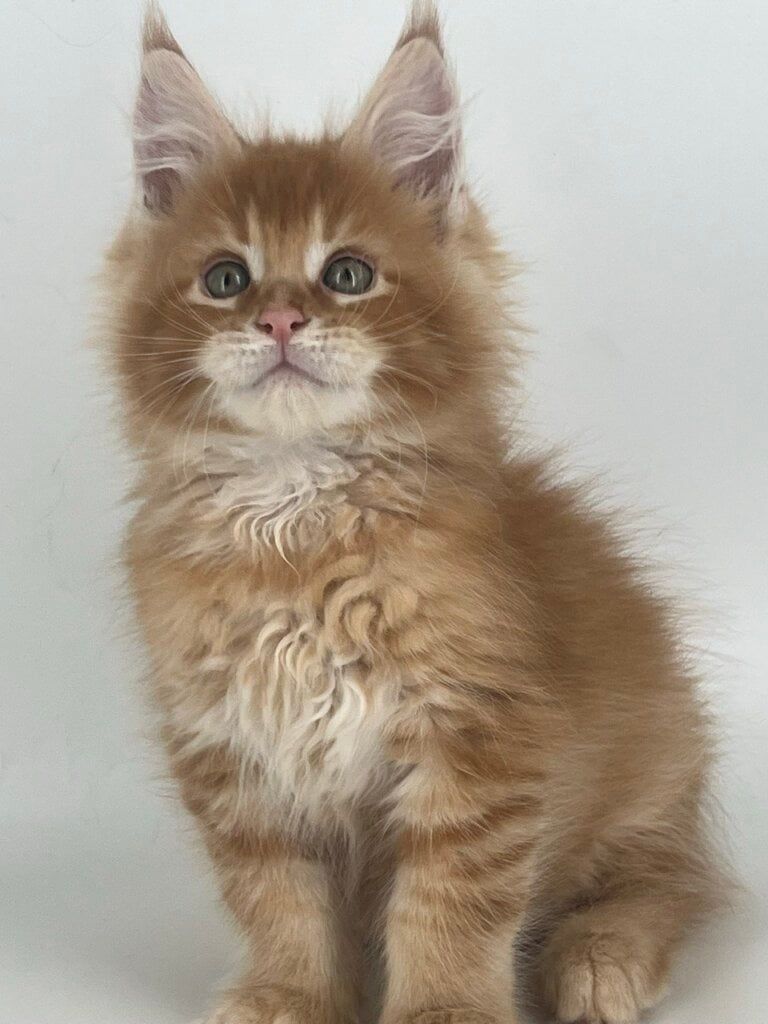
| Slicker brush | Long, thick coats (Maine Coon) | Removes tangles and loose undercoat; use gently to avoid skin irritation |
| Bristle brush | Short to medium coats (British Shorthair) | Distributes oils and adds shine; gentle pulses work best for kittens |
| Grooming glove | Sensitive or fearful kittens | Good primer tool for taming resistance and reward-based introduction |
| Wide-tooth comb | Removing small mats & checking coat | Follow slicker brushing with combing to catch hidden tangles |
| Guillotine or small scissor clippers | Nail trimming for kittens | Choose small, sharp blades designed for kitten nails to minimize crushing |
This comparison clarifies which primary tools to grab first; start with one brush and a grooming glove, then add combs and clippers as your kitten happily adapts.
Which Brushes Are Best for Different Kitten Fur Types?
Kitten brushes vary by bristle type and intended purpose; selecting the right one reduces shedding, prevents mats, and protects your kitten’s delicate skin. Slicker brushes work well on medium to long coats to detangle and remove undercoat, but always use with light strokes to protect their thin skin. Bristle brushes and pin brushes are better for short to medium coats to smooth and distribute natural oils; bristle brushes also boost shine. Grooming gloves and rubber brushes are excellent introductory tools for nervous kittens, as they mimic petting and create a positive association with touch and the gentle removal of loose hair.
Start with short sessions using a grooming glove, then graduate to a bristle or slicker brush as tolerance increases; this progressive approach reduces resistance and links grooming to calm, positive handling.
What Are Safe and Effective Kitten Nail Clippers?
Safe kitten nail clippers are small, sharp tools designed to safely trim just the translucent nail tip to avoid the quick and prevent bleeding or pain. Guillotine-style clippers can be easier for beginners, while scissor clippers offer more visual control for irregular nails. Use short, confident snips and trim a tiny sliver at a time; if the nail looks pink inside, stop because you are near the quick. Always keep styptic powder or cornstarch on hand for accidental nicks, and allow your kitten to rest between paws to keep sessions calm and cooperative.
Frequent, gradual touches to paws before trimming and rewarding after each paw help your kitten happily accept nail care and reduce future resistance.
Which Kitten-Safe Shampoos and Bathing Supplies Should You Use?
Kitten-safe shampoos are formulated with mild surfactants, balanced pH, and tear-free formulas that gently clean without stripping natural oils or irritating delicate skin and eyes. Always look for products labeled specifically for kittens or sensitive skin, and steer clear of adult shampoos that may contain stronger detergents or fragrances. Bathing supplies should include a non-slip mat, soft towels, a shallow basin or sink, and a gentle cup or sprayer for rinsing; warm water and brief baths help reduce stress and the risk of hypothermia. Spot-cleaning with damp cloths often suffices between full baths unless your kitten is soiled or has a topical treatment that requires bathing.
Limit full baths to necessary situations and rely on brushing and spot cleaning for routine maintenance to protect their fragile skin barriers.
What Dental and Ear Cleaning Tools Does Your Kitten Need?
Dental care tools for kittens include soft-bristled toothbrushes, finger brushes, and kitten-formulated toothpaste that’s purr-fectly safe to swallow; these items help establish a routine that prevents plaque and tartar buildup, keeping those pearly whites healthy! Start with finger brushing and tasting exercises before introducing a brush, using short, rewarding sessions to build acceptance and minimize gag reflexes. Ear-cleaning supplies should be a gentle, veterinarian-recommended ear cleaner and cotton pads — and remember, never use cotton swabs inside the canal — and you’ll want to inspect their ears weekly for wax, odor, or redness. If you notice persistent discharge, foul smell, or rubbing at the ears, seek veterinary evaluation promptly, as these can be signs of infection or mite infestation.
Consistent, gentle dental and ear checks during grooming help detect early problems and keep routine care comfortable for your little ones.
How Do You Groom Your Kitten Step-by-Step?
Grooming your kitten step-by-step is a sequence of short, calm interactions that introduce tools, teach tolerance, and maintain their beautiful coat health; the method balances technique, timing, and rewards. Begin each session with a calm environment, a soft voice, and yummy treats so your kitten associates grooming with positive outcomes. The core steps include gently handling and checking your kitten, brushing appropriate to their coat type, trimming nails briefly as needed, cleaning ears gently, and only bathing when absolutely necessary. Each step uses small, repeatable actions that grow tolerance and confidence, and ending with praise and a favorite toy truly reinforces cooperative behavior.
- Prepare: Assemble brush, comb, clippers, towel, and treats; choose a warm, quiet spot.
- Handle & Inspect: Gently touch paws, ears, belly, and tail to check for issues and habituate.
- Brush: Use the appropriate brush and short strokes; work in the direction of hair growth.
- Nails: Expose one claw at a time and trim tiny amounts; reward after each paw.
- Ears & Teeth: Wipe outer ear with cleaner on a pad and do a short tooth rub or brush.
- Finish: Offer treats, play, and a quick check to ensure no bleeding or irritation.
This sequence structures a grooming session so even beginners can proceed safely and confidently with their new furry friend.
How to Brush Your Kitten: Techniques for Different Coat Types
Brushing techniques differ by coat length: short coats respond beautifully to gentle, fast strokes with a bristle brush while long coats require slower, sectioned work with a slicker and wide-tooth comb. For your short-haired kittens, use brief 3–5 minute sessions focusing on their back and sides to remove loose hair and stimulate skin oils. For medium and long coats, start with a grooming glove to remove surface debris, then use a slicker brush to lift tangles and finish with a wide-tooth comb to remove hidden mats. Always monitor their body language for signs of stress and pause for treats to maintain positive associations during longer sessions.
Progressive technique—glove, slicker, comb—keeps sessions effective without overwhelming your little one.
How to Trim Kitten Nails Safely and Gently
Trimming your kitten’s nails safely starts with desensitization exercises: gently touch and press each toe so your kitten accepts handling before attempting a cut. Use a small guillotine or scissor clipper and trim only the clear tip of the nail in short, decisive snips to avoid the sensitive pink quick; if unsure, remove tiny amounts more frequently. Offer a small reward after each paw and keep sessions under a few minutes to prevent any struggle. If you accidentally cut the quick, apply styptic powder and calm the kitten, then pause and resume later or seek veterinary help if bleeding continues.
Regular, small trims every one to two weeks usually prevent overgrowth and keep those tiny nails from snagging fabrics.
When and How Should You Bathe Your Kitten?
Bathe your kitten only when absolutely necessary — heavy soiling, topical medication instructions, or medical conditions — because frequent bathing strips their protective skin oils and increases stress. If bathing is required, use warm (not hot) water, a shallow basin, minimal kitten-safe shampoo, and quick, thorough rinsing; keep sessions calm with soft voices and supportive handling. Gently dry your kitten with soft towels and ensure a warm environment to avoid chilling, and skip blow dryers unless the kitten tolerates low heat at a distance. For light dirt, spot-cleaning with damp cloths and targeted shampooing of soiled areas is safer and less traumatic.
When in doubt, consult your veterinarian for frequency and product recommendations for kittens with sensitive skin.
How to Introduce Grooming Tools Early for Positive Socialization
Introduce grooming tools gradually by pairing each tool with petting, treats, and short sessions so your kitten learns that brushes and clippers predict wonderful rewards. Begin with a grooming glove and gentle stroking for one to two minutes, then add a soft bristle brush in subsequent sessions to build tolerance. When introducing clippers or the sensation of nail handling, mimic the motion without cutting first and reward calm behavior before an actual trim. Early and consistent habituation reduces fear and creates the cooperative behavior that makes lifelong grooming a breeze for both you and your feline friend.
Regular, reward-based exposures make your kitten view grooming as a normal, comfortable, and even enjoyable part of being handled.
What Are the Breed-Specific Grooming Needs for Your Kitten?
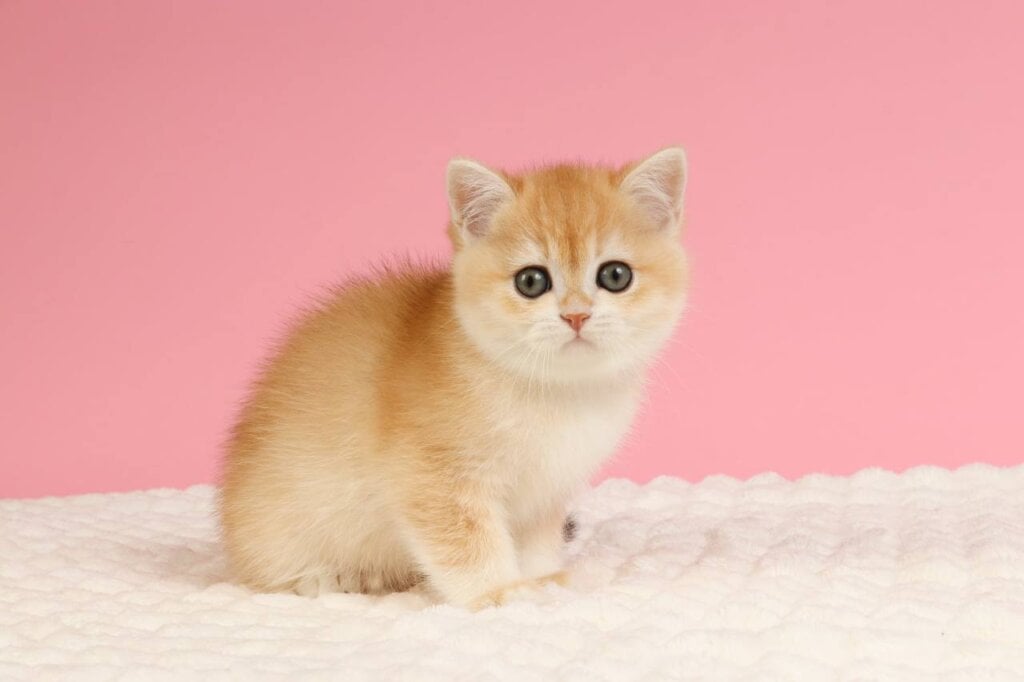
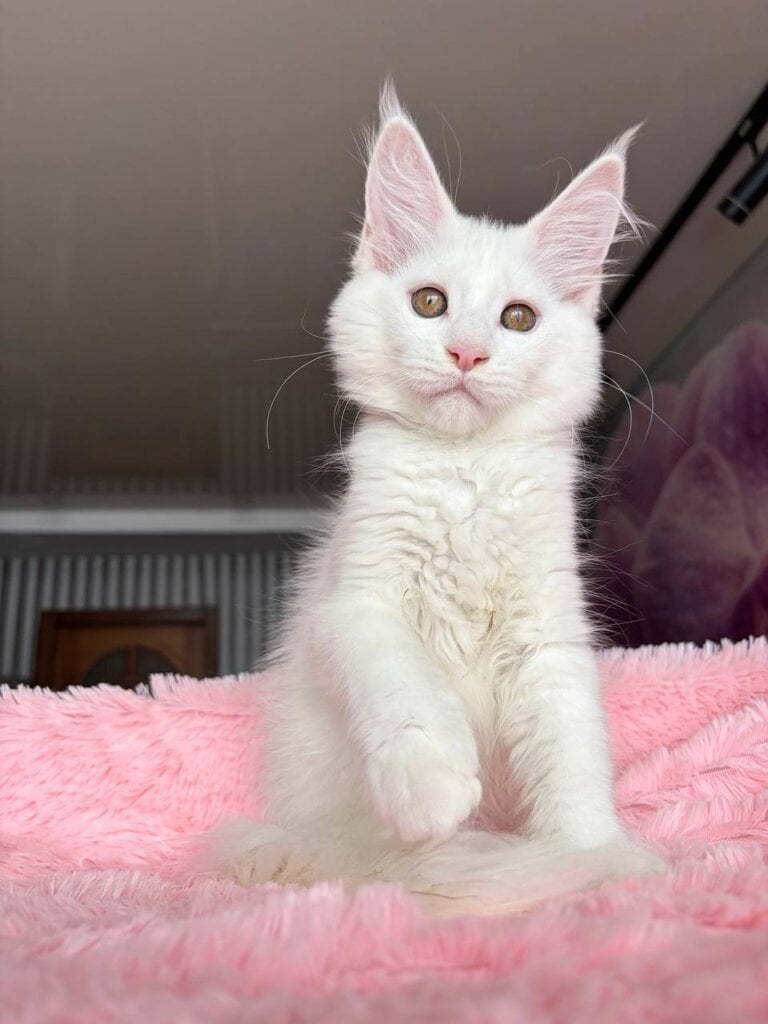
Breed-specific grooming adapts the general grooming routine to coat density, hair length, and ear anatomy so tools and frequency perfectly match their unique biological needs and temperament. Breeds like the British Shorthair, Maine Coon, and Scottish Fold each have distinct requirements: dense short coats may need weekly brushing, long thick coats require more frequent combing, and folded ears need careful inspection and gentle cleaning. At MeoWoff Kittens, our breed expertise — including British Shorthair, Maine Coon, and Scottish Fold — informs practical recommendations for tool selection and handling that reflect each breed’s unique coat and temperament. Integrated breed guidance helps our owners choose appropriate brushes, combs, and routines that prevent common issues like matting, excessive shedding, or ear problems.
Below is a quick breed-to-tool mapping to help you direct your first purchases and establish routines.
| Breed | Specific grooming need | Recommended tool / frequency |
|---|---|---|
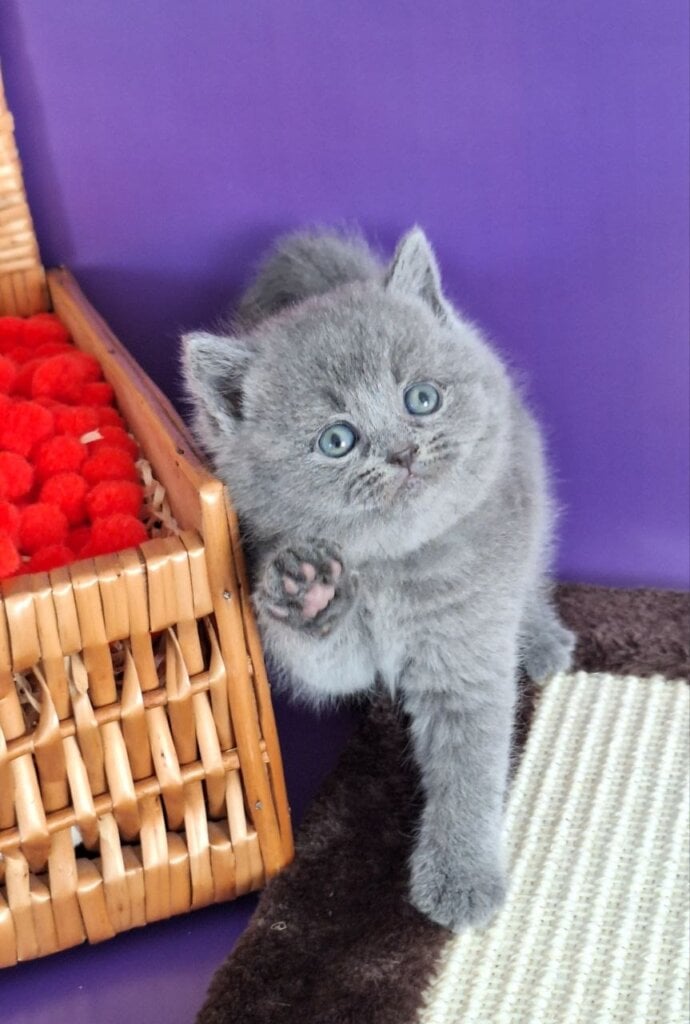
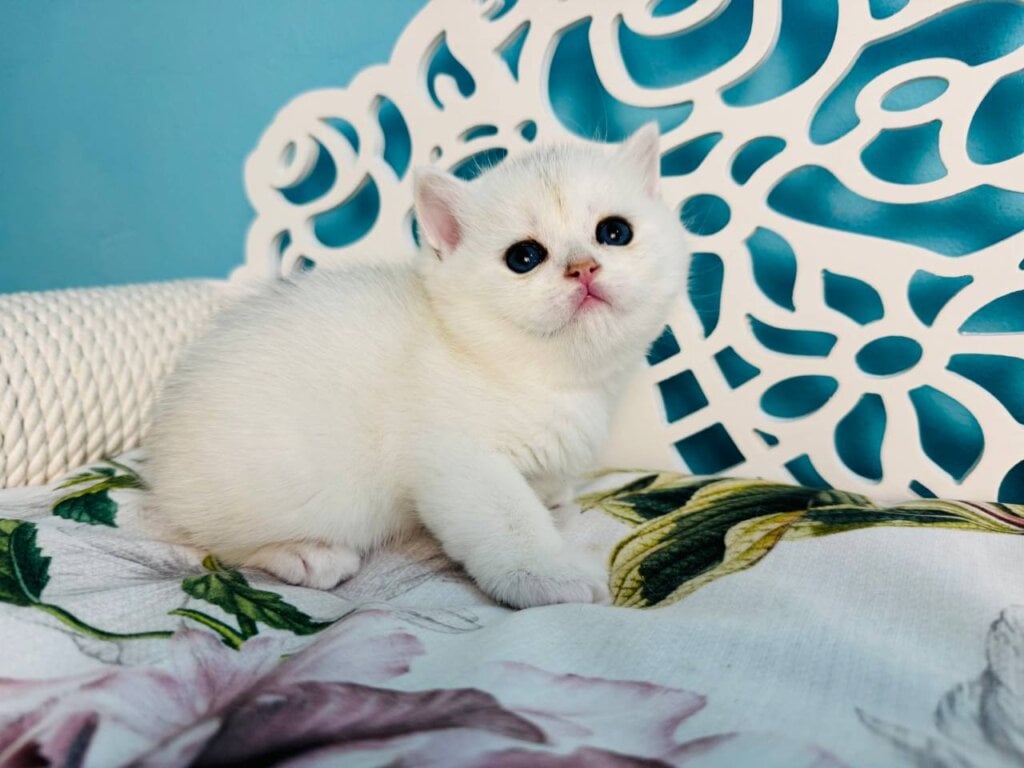
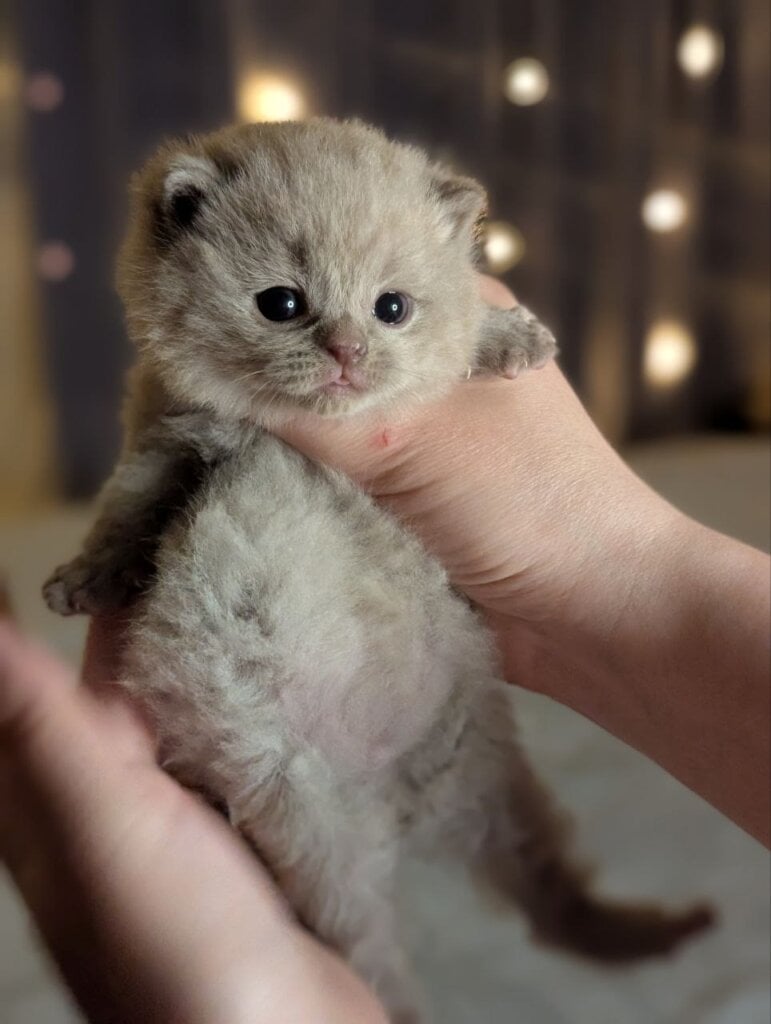
| British Shorthair | Dense short coat shedding seasonally | Bristle brush; weekly brushing, increase in shed season |
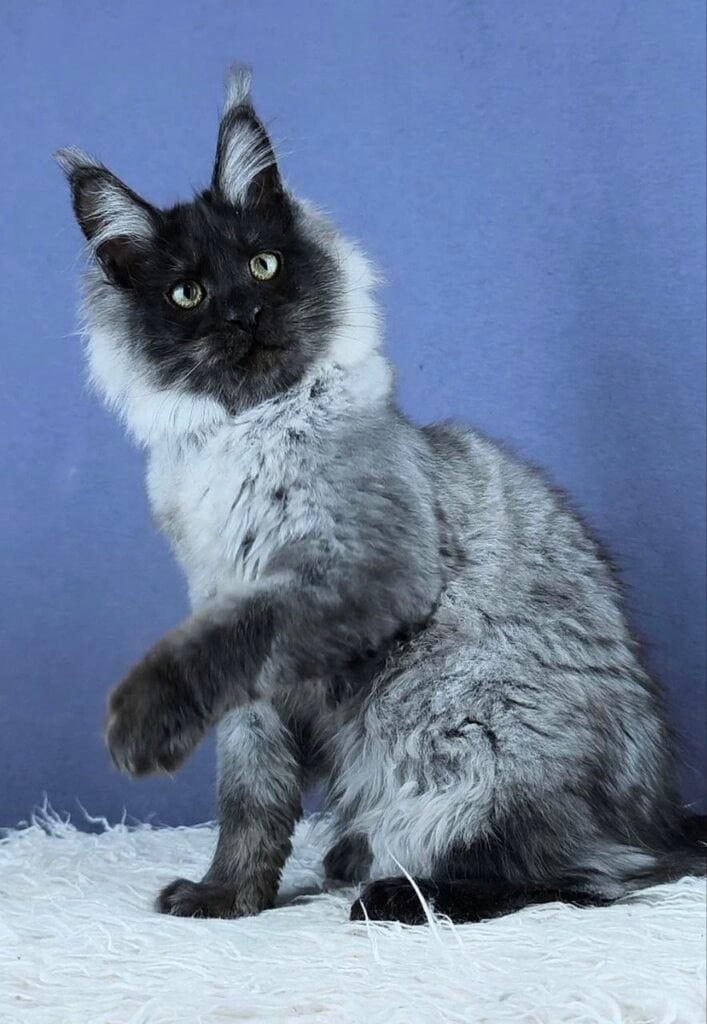
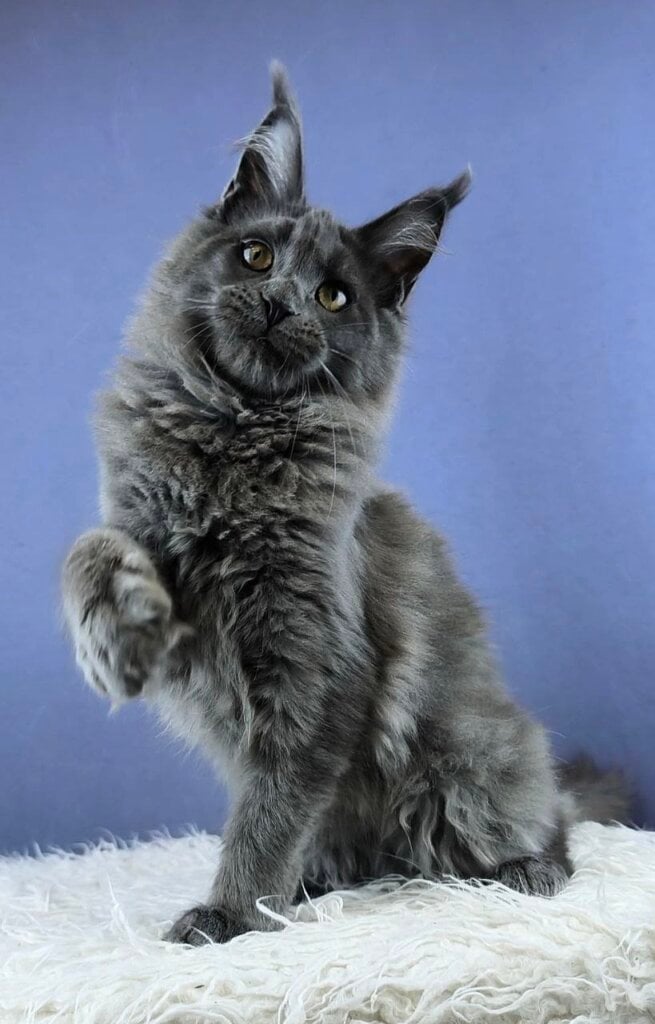
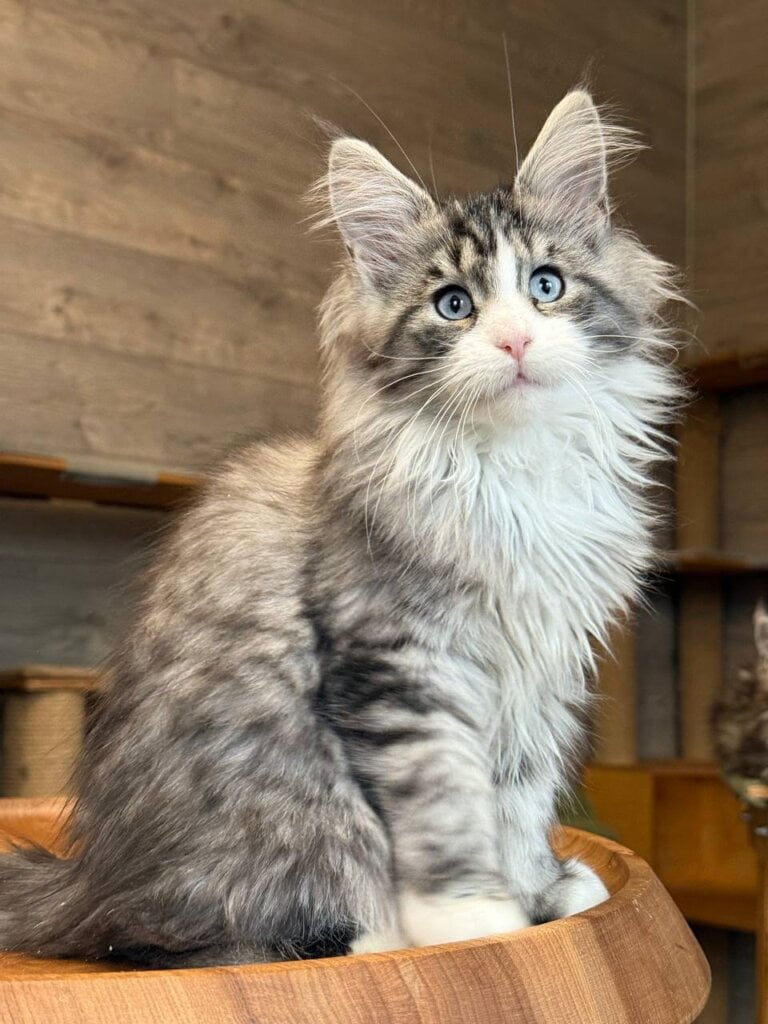
| Maine Coon | Long, thick coat and undercoat prone to mats | Slicker + wide-tooth comb; 3–4× weekly combing |
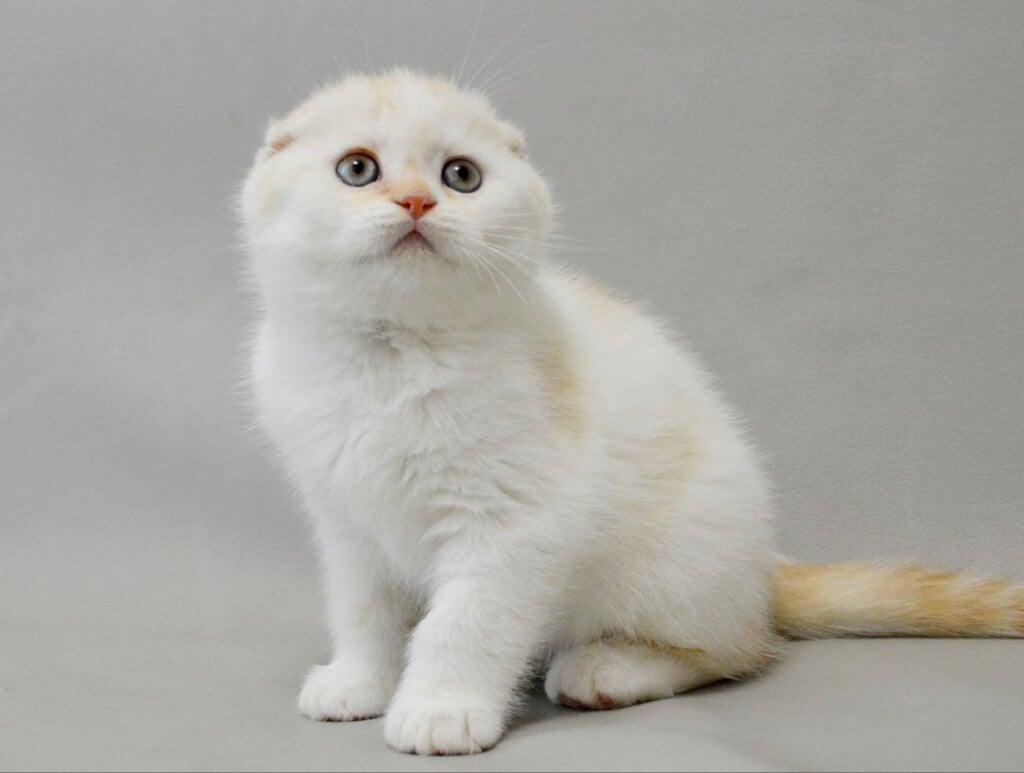
| Scottish Fold | Folded ears needing inspection | Gentle ear-cleaning pads + soft brush; weekly ear checks and weekly brushing |
This helpful table matches breed traits to practical, repeatable grooming steps and ownership expectations.
How to Groom a British Shorthair Kitten: Coat and Skin Care Tips
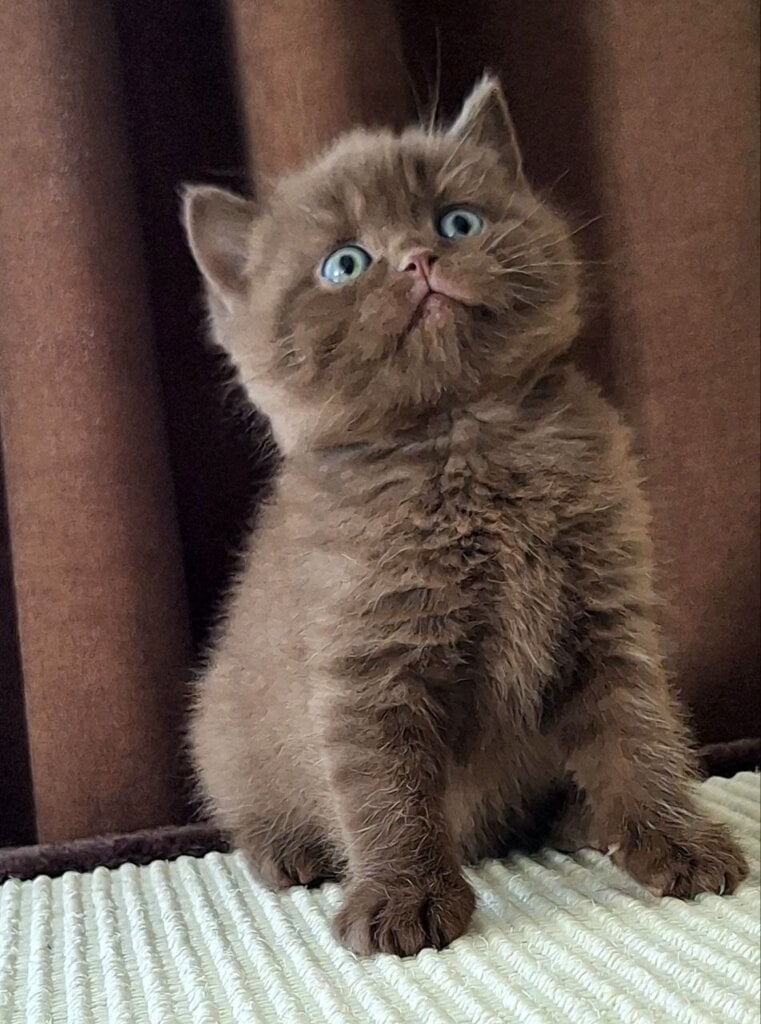
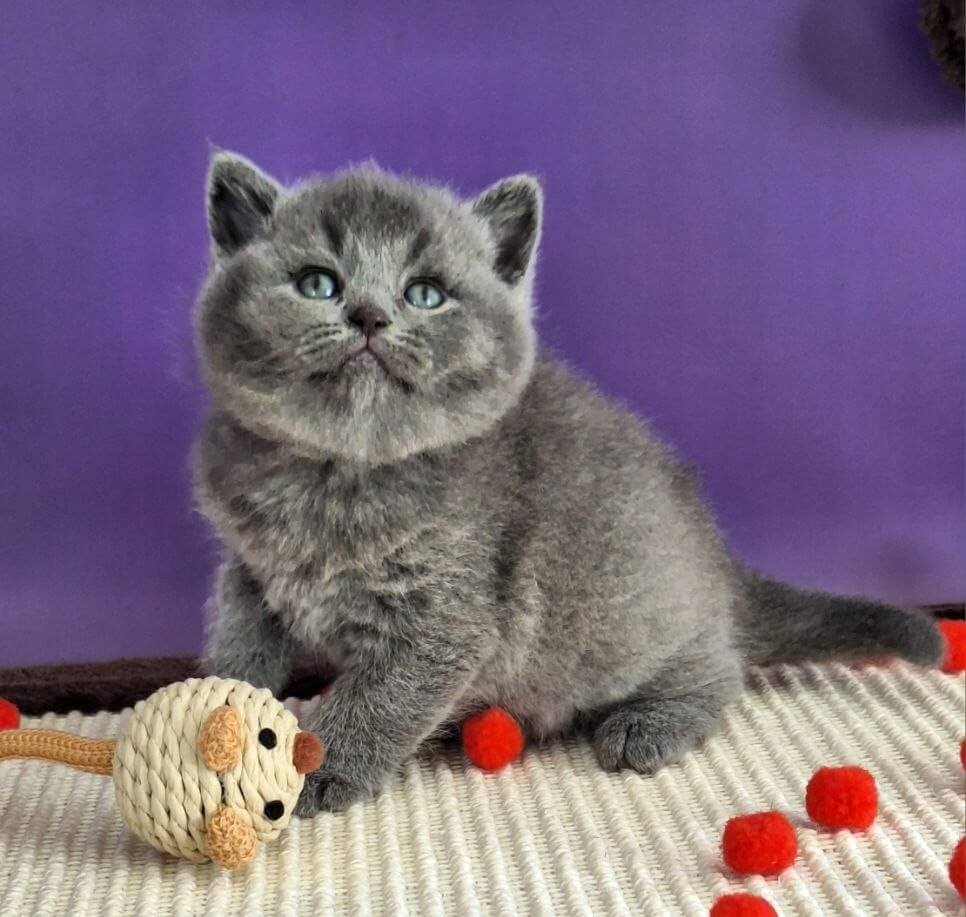
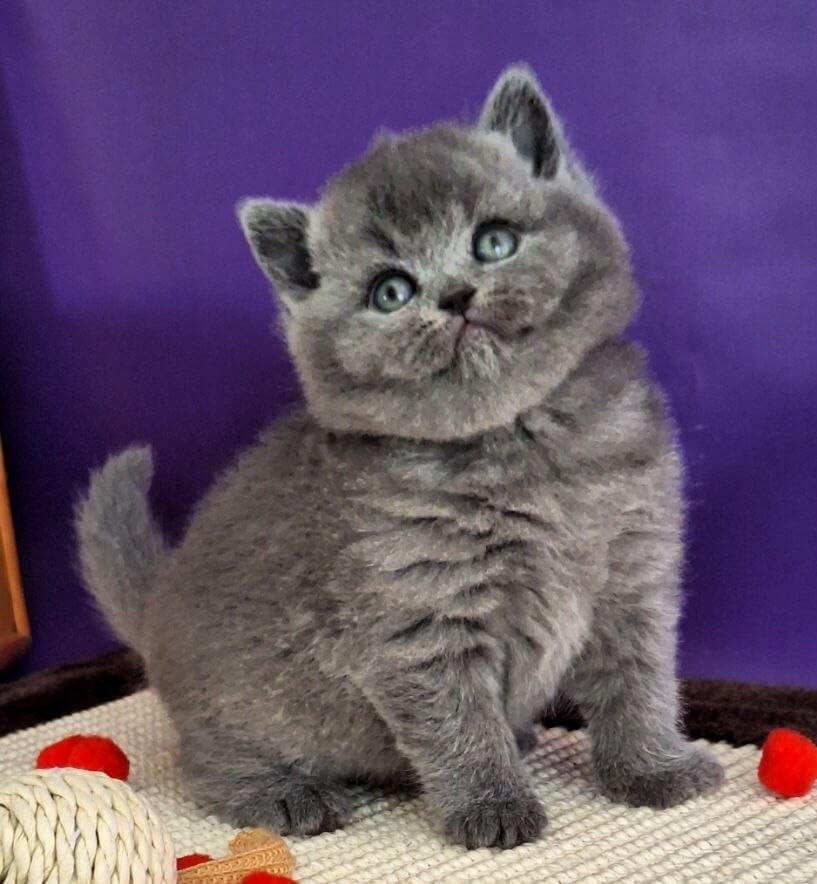
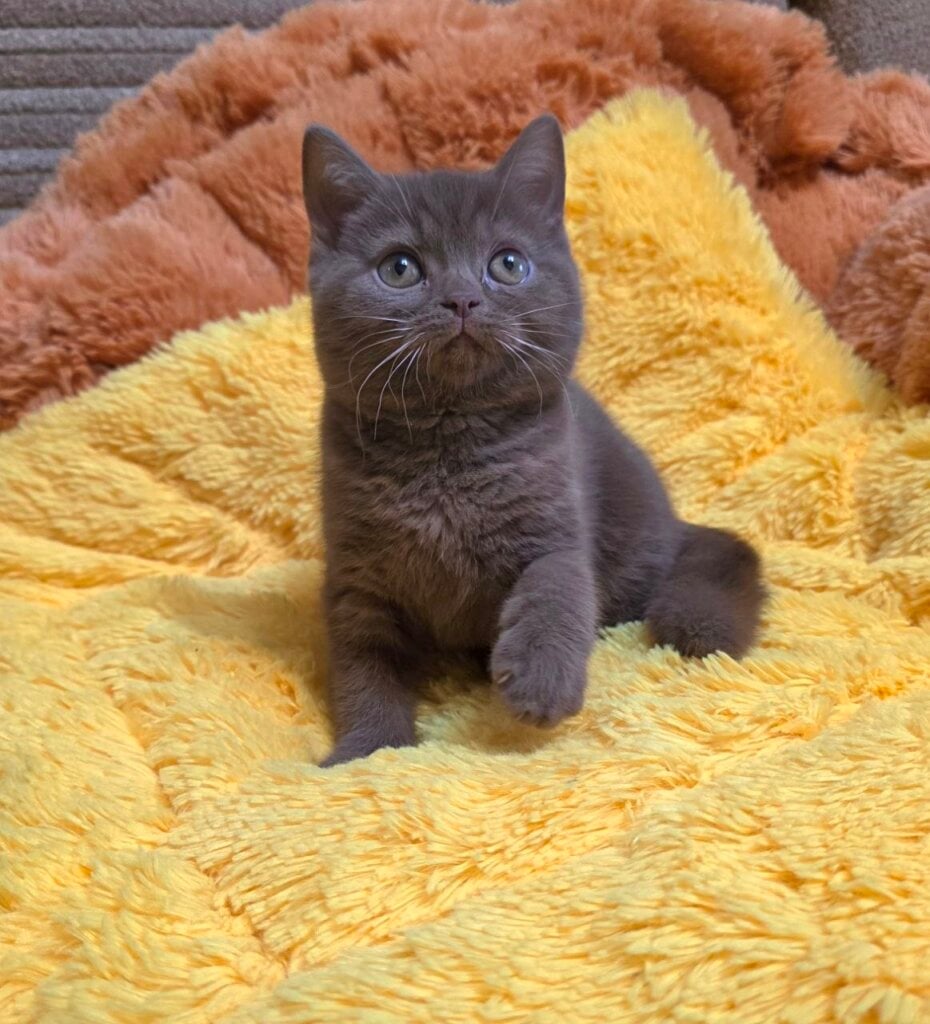
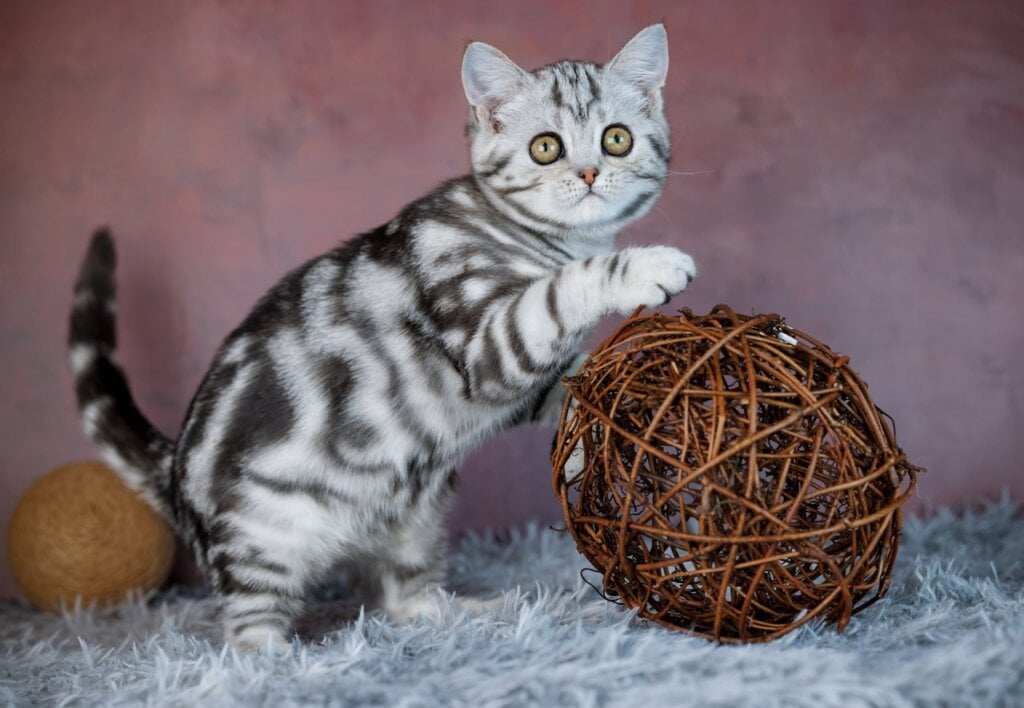
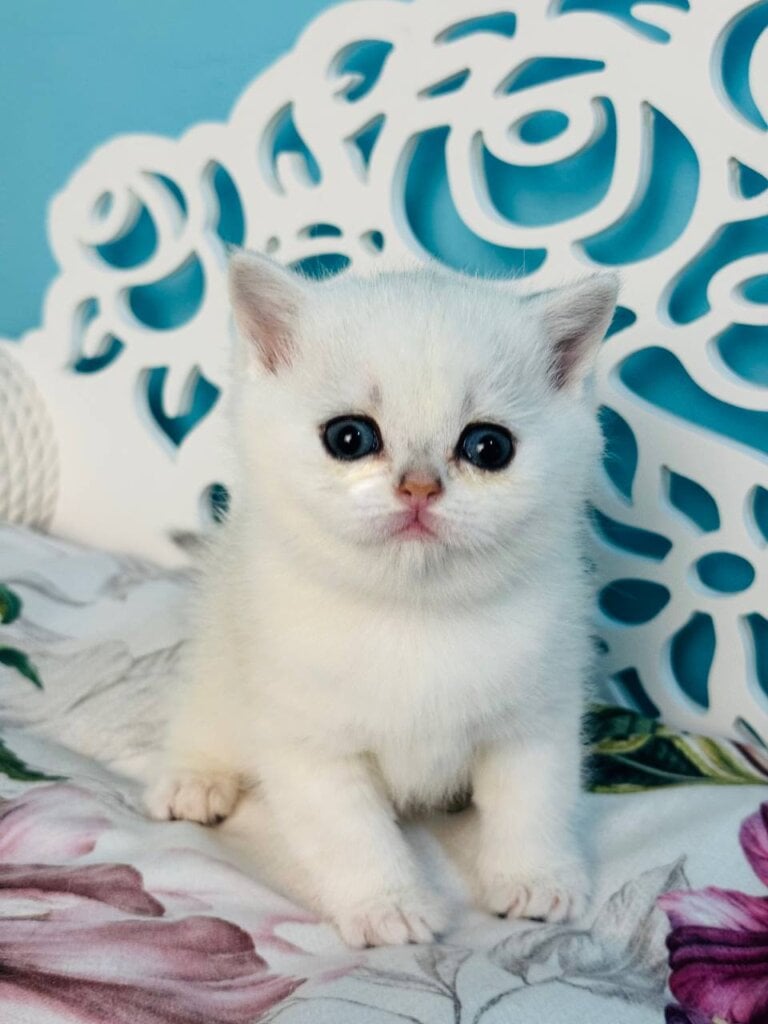
British Shorthairs have plush, dense coats that shed seasonally and truly benefit from weekly brushing to remove dead hair and distribute oils. Use a soft bristle brush to smooth the coat and a wide-tooth comb occasionally to check for hidden tangles near the tail base and armpits. Keep grooming sessions calm and short; these kittens tolerate handling well but can be reserved, so patience and gentle praise are key. Regular skin checks during brushing help spot fleas, dry patches, or lumps early, maintaining a healthy, happy coat.
A weekly routine prevents excessive shedding buildup and supports routine health inspection for your furry friend.
What Are the Grooming Requirements for Maine Coon Kittens?
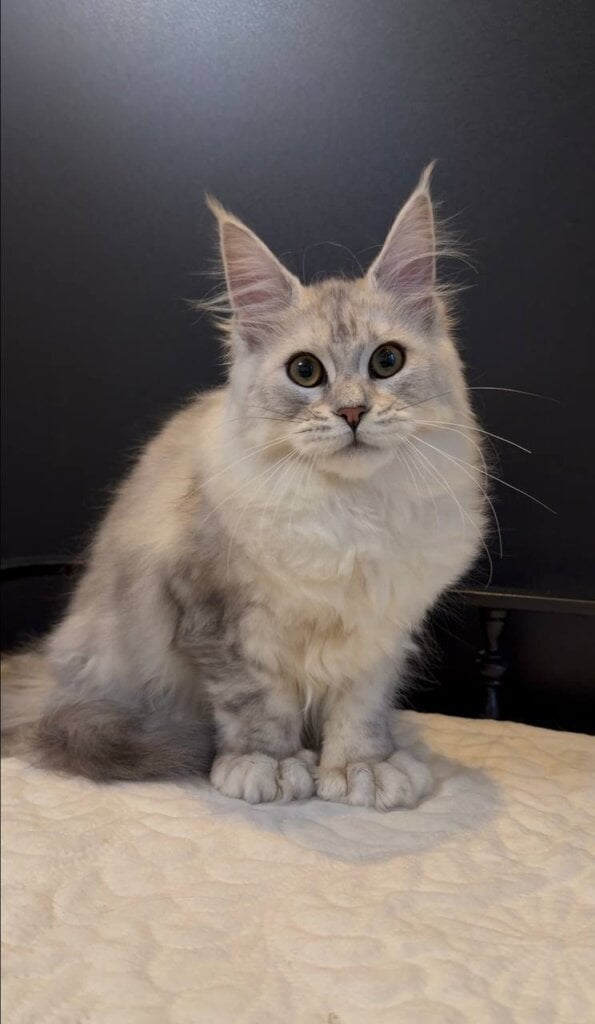
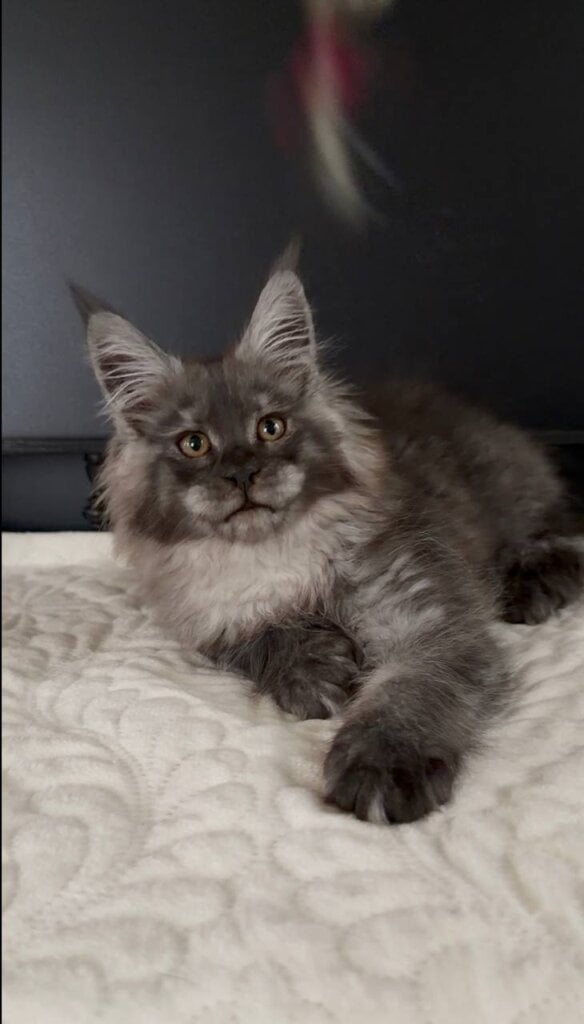
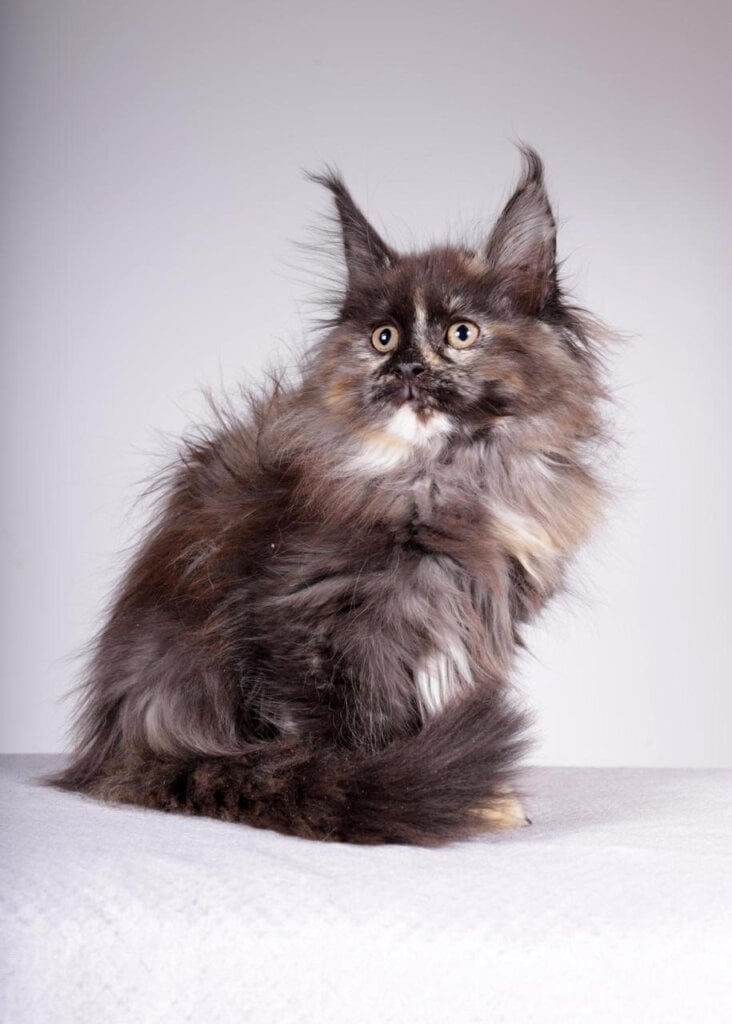
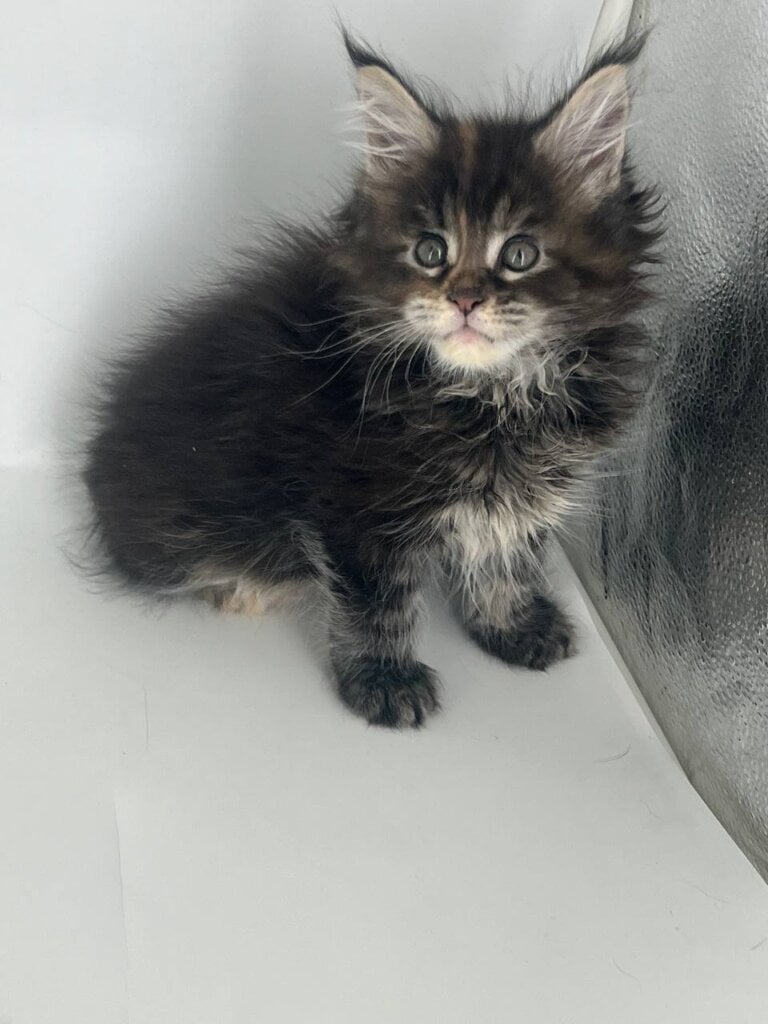
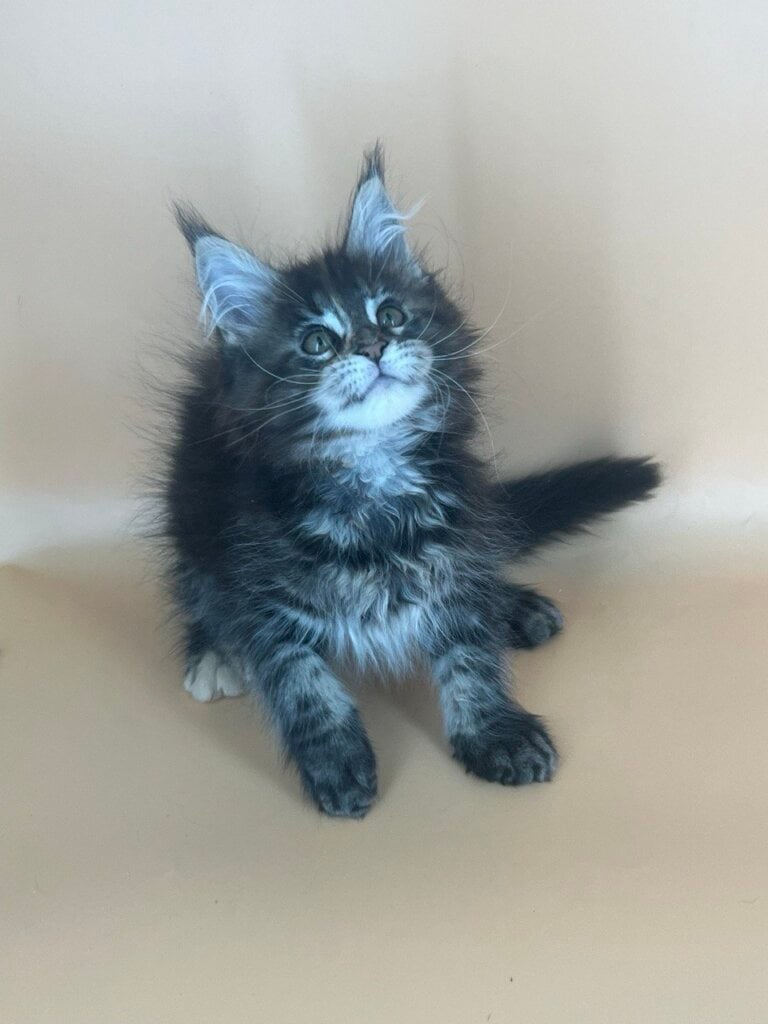
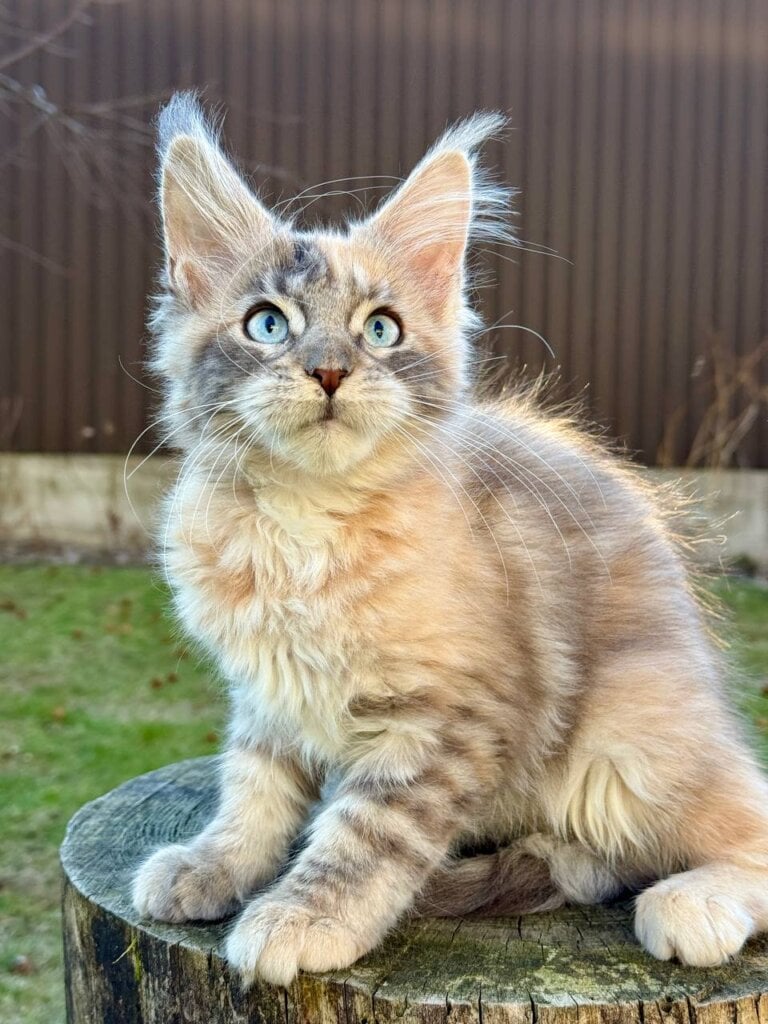
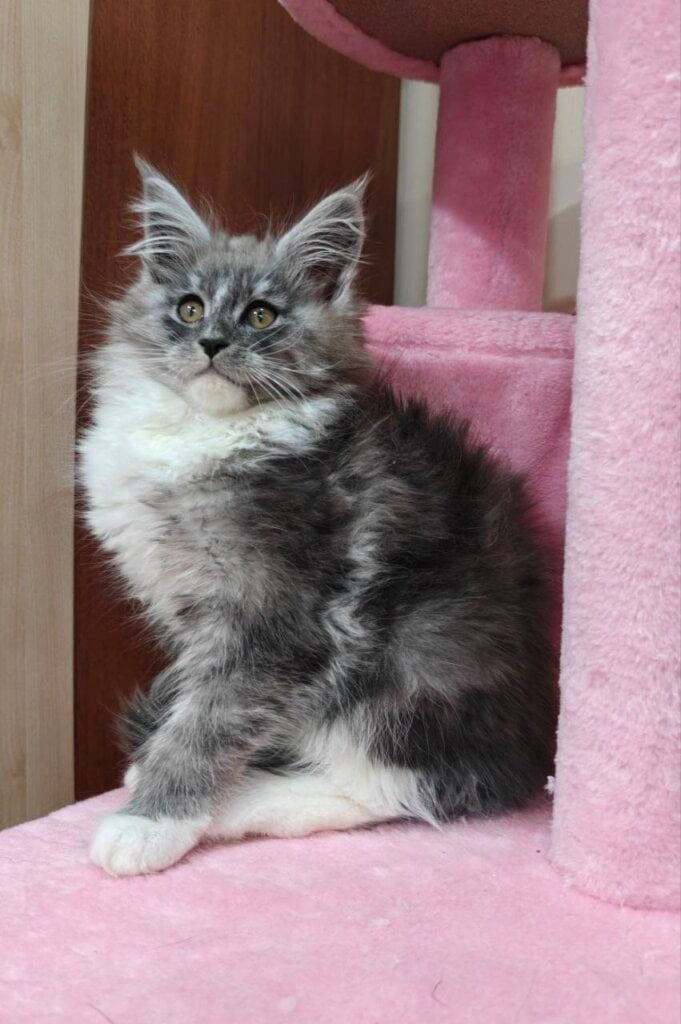
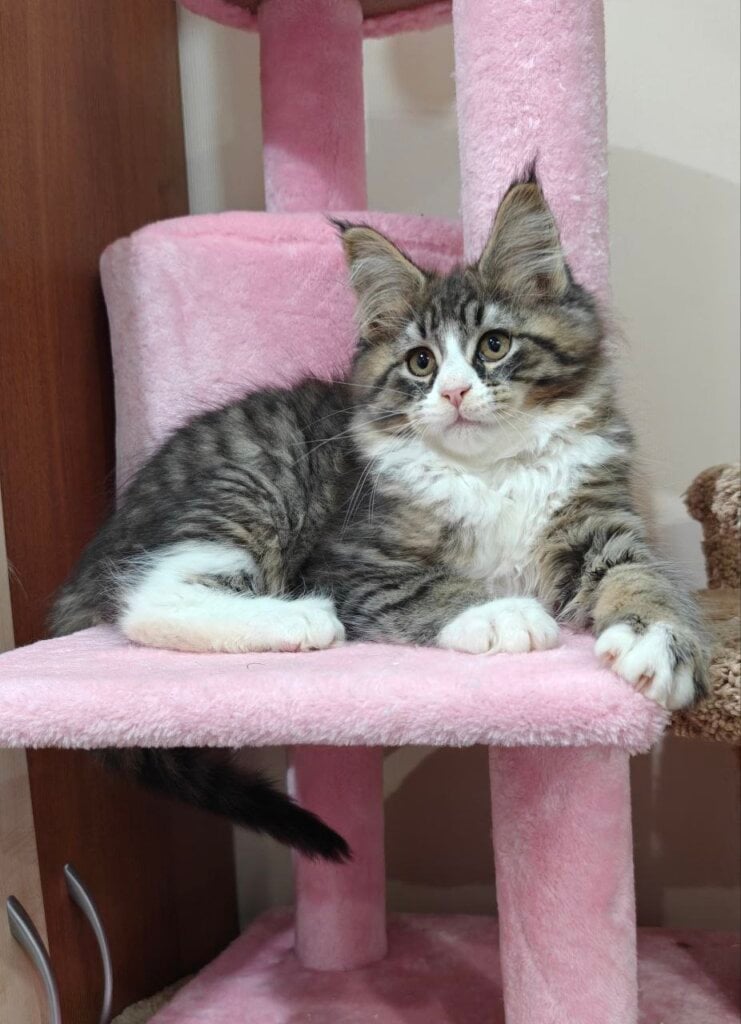
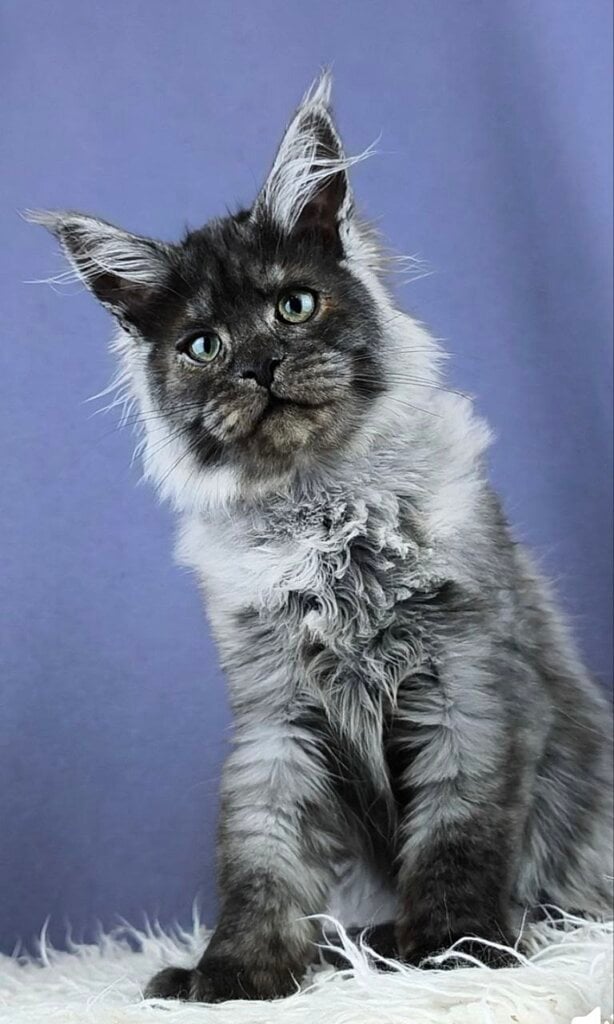
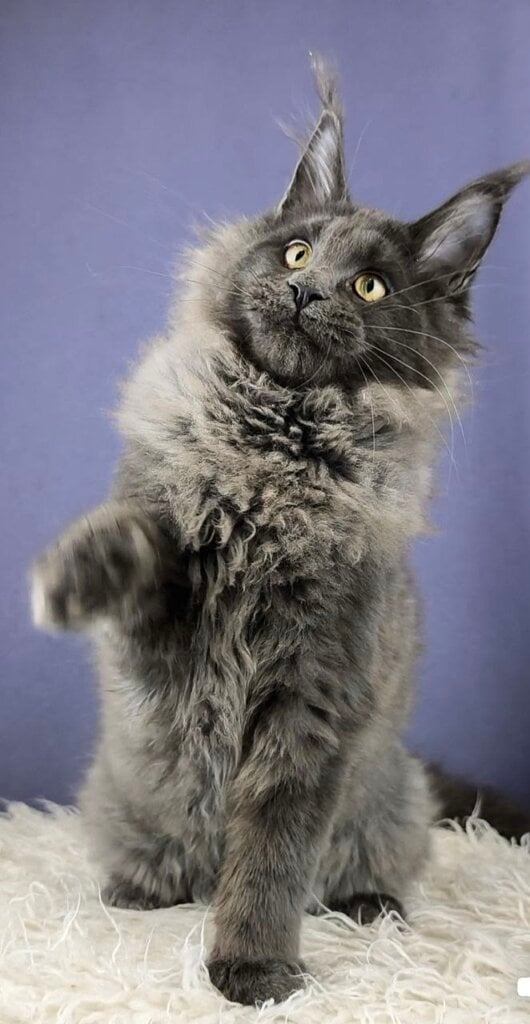
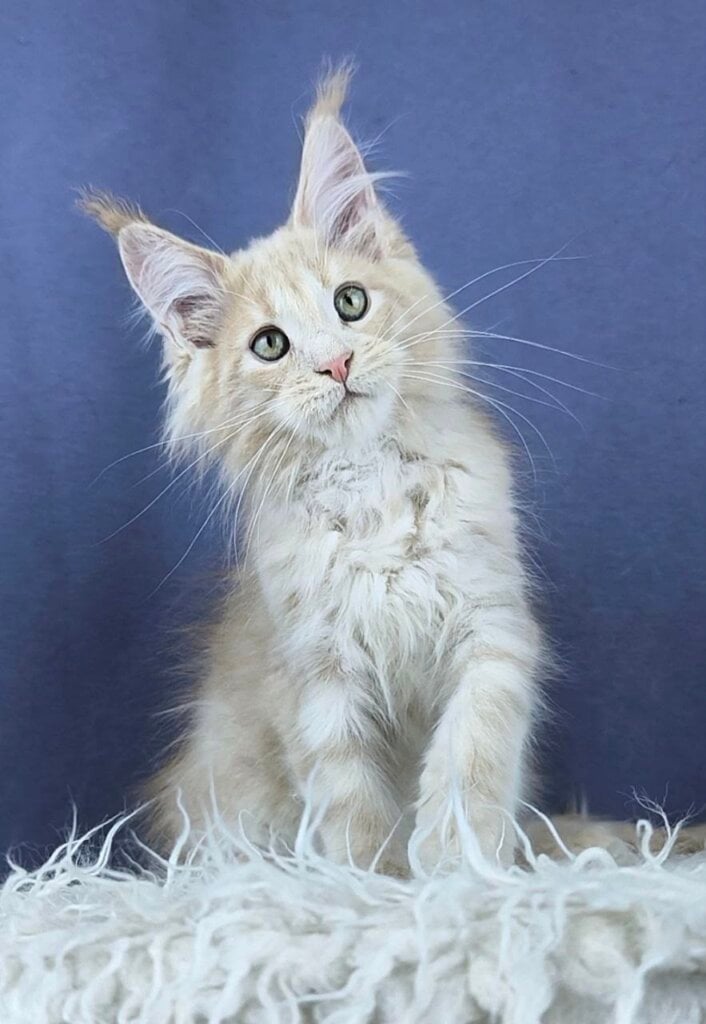
Maine Coon kittens develop a long, water-repellent topcoat with a dense undercoat that requires frequent, loving attention to prevent matting and tangling. Use a slicker brush to gently work through their magnificent coat, then finish with a wide-tooth comb to remove small mats and loose undercoat, focusing on the chest, belly, and behind the ears. Plan for 3–4 short grooming sessions per week, socializing your kitten through slow, positive reinforcement to build tolerance for longer, enjoyable sessions. Regular combing minimizes knots and helps prevent painful mats that can trap dirt and skin irritants.
Consistent combing combined with spot-checks reduces the workload of major detangling and supports healthy, beautiful coat development.
How to Care for Scottish Fold Kitten’s Ears and Coat
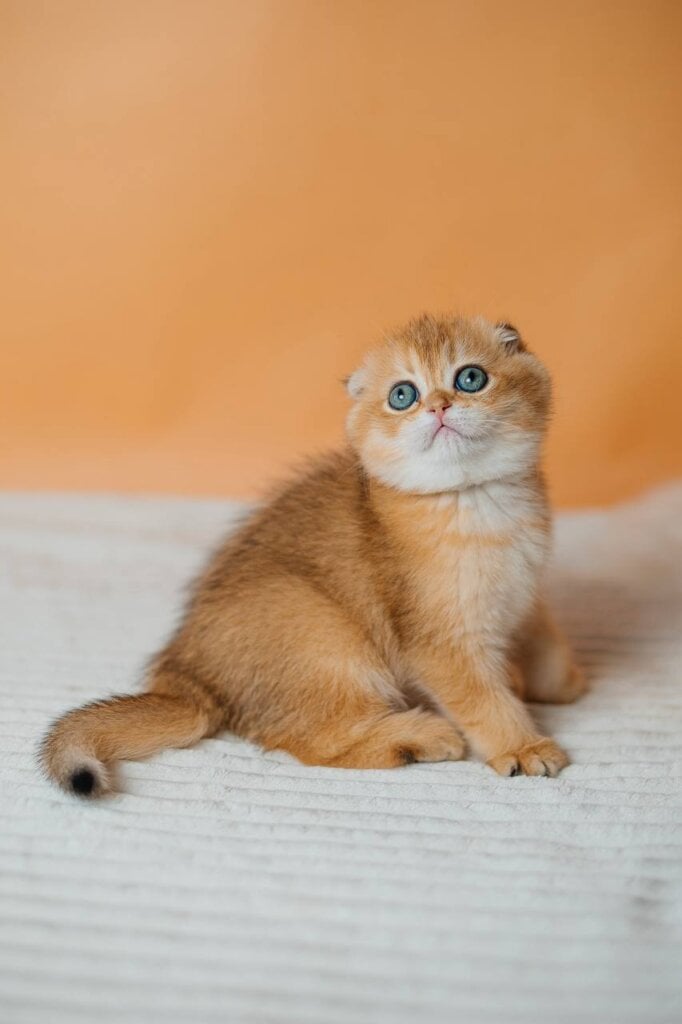
Scottish Fold kittens need special ear attention because their unique folded ear anatomy can trap wax and debris, increasing infection risk if not monitored carefully. Inspect ears weekly, clean only the outer ear with a veterinarian-recommended solution on a cotton pad, and remember to avoid inserting anything into the ear canal. For the coat, use gentle brushing based on hair length: short-folds need weekly brushing, while longer types may need more frequent combing. Always use slow, calming motions and frequent rewards to reduce stress during ear checks and grooming.
Early, gentle ear care plus breed-appropriate brushing prevents common ear and coat issues associated with this breed.
Why Is Regular Grooming Important for Your Kitten’s Health and Happiness?
Regular grooming improves your kitten’s health by reducing loose hair ingestion, preventing matting, facilitating skin checks, and building tolerance for handling — all of which contribute to a happier, healthier, and more purr-fect companion! Brushing removes loose undercoat and reduces the amount of fur your kitten swallows while self-grooming, which directly cuts down on hairball frequency and digestive irritation. Grooming sessions are also vital inspections that can reveal parasites, lumps, or skin lesions early, enabling faster veterinary intervention when needed. Additionally, predictable, gentle grooming fosters trust between you and your kitten and conditions them to happily accept veterinary examinations and future professional grooming.
At MeoWoff Kittens, we proudly support these outcomes through breeder practices that emphasize early socialization and practical post-adoption support. Our catteries build tolerance through familiarity, as summarized by our breeder statement: “Regular grooming gets no resistance, because our catteries build tolerance through familiarity.” We breed purebred kittens from WCF-registered European catteries, offering a 1-year genetic health guarantee and certified health checks. Plus, we provide Advice And Assistance In Post-purchase Care and a starter kit for new kitten owners, reinforcing those crucial early positive grooming experiences.
How Does Grooming Prevent Hairballs and Matting?
Grooming prevents hairballs by removing loose hair before your kitten ingests it during self-grooming; frequent brushing intercepts shed fur that would otherwise pass through the digestive tract. Brushing also prevents matting by separating fibers and distributing natural oils that keep their coat supple and less prone to tangles. Tools like deshedding combs and slicker brushes target undercoat removal, while wide-tooth combs finish by catching small tangles near the skin. Regularly addressing loose hair and small knots avoids painful mats that can trap moisture, dirt, and even parasites.
A consistent brushing schedule tuned to coat type is the most effective preventive strategy against hairballs and mats.
How Does Grooming Promote Healthy Skin and a Shiny Coat?
Grooming stimulates skin circulation and distributes sebum, the natural oil that conditions the coat and produces a truly healthy, radiant shine; gentle brushing acts like a mild, soothing massage that supports skin health. Removing debris and loose hair prevents clogged follicles and reduces the risk of dermatitis or secondary infections. If you notice dry patches, flakiness, or sudden coat changes during grooming, always consult a veterinarian, as these signs can indicate nutritional deficiencies, allergies, or parasites. Combining appropriate grooming products and a matching brushing routine maintains the protective balance of skin oils and fur sheen.
Regular inspection during grooming lets you correlate coat condition with diet, environment, and health trends.
How Can Grooming Help Detect Early Health Issues and Parasites?
Grooming sessions are the perfect time to check for fleas, ticks, lumps, scabs, and abnormal odors that may indicate infection or disease; early detection usually leads to simpler, more effective treatment. Gently run your hands across your kitten’s body, lift folds of skin, check their ears and between their toes, and part the fur to look at the skin surface for any redness or parasites. If you find moving insects, persistent redness, or unusual lumps, contact your veterinarian promptly for diagnosis and treatment. Keeping a written note of any recurrent findings helps track changes over time and supports professional assessment.
Systematic checks during grooming build a health history and accelerate intervention if problems emerge.
How Does Grooming Strengthen the Bond Between You and Your Kitten?
Grooming strengthens trust through predictable, gentle handling that reassures your kitten and teaches them that human touch is safe and wonderfully rewarding. Short, daily sessions with positive reinforcement create a cherished ritual that reduces stress at vet visits and during necessary handling, while also providing precious opportunities for play and affection. Use calm voices, yummy treats, and soft strokes to pair grooming with pleasure rather than punishment; over time, your kitten learns to seek contact, and grooming truly becomes a special bonding activity. Breeder practices that socialize kittens early make this process faster by habituating them to human touch and routine; the result is a more confident, cooperative, and loving pet.
A grooming routine is both practical care and a daily social interaction that deepens the human-cat relationship, creating a lifelong bond.
What Should You Include in a Grooming Kit for a New Kitten?
A starter grooming kit contains gentle, size-appropriate tools that cover brushing, combing, nail care, bathing, ear and dental hygiene, and basic first-aid; assembling these items before bringing a kitten home reduces stress and sets you up for consistent, loving care. You’ll want to include a grooming glove, a soft bristle brush, a small slicker for longer coats, a wide-tooth comb, kitten-sized nail clippers, kitten-safe shampoo, soft towels, a toothbrush and kitten toothpaste, and a gentle ear cleaner. Below is a handy starter-kit table that outlines each item, why it’s included, and how often to use it so new owners have clear, actionable guidance. At MeoWoff Kittens, we proudly provide a starter kit and offer Advice And Assistance In Post-purchase Care to support our new owners in using these items correctly.
This checklist ensures you have the right tools and a practical schedule for introducing each item to their kitten.
| Kit Item | Why it’s included | How to use / Frequency |
|---|---|---|
| Grooming glove | Eases introduction to grooming | Use daily for 1–3 minutes to remove loose hair |
| Soft bristle brush | Maintain shine on short coats | Use weekly; increase during shedding |
| Wide-tooth comb | Prevent & detect tangles | Use after brushing; 2–3× weekly for long coats |
| Kitten nail clippers | Safe nail management | Trim every 1–2 weeks; small snips only |
| Kitten-safe shampoo | Clean without irritation | Bathe only when necessary; spot-clean otherwise |
| Tooth/finger brush | Start dental routine | Short daily rubs building to brushing 2–3× weekly |
Which Tools Are Must-Haves in a Starter Grooming Kit?
A minimal starter kit includes a grooming glove, soft bristle brush, wide-tooth comb, small nail clippers, mild kitten shampoo, and a fingertip toothbrush — each thoughtfully selected for your kitten’s size and gentleness. The glove and bristle brush create positive first exposures and manage most everyday shedding for your short-haired kittens. Nail clippers sized for kittens and a fingertip brush make trimming and dental introduction less intimidating and safer for new pet parents. Keep the kit accessible and organized so grooming becomes a predictable, enjoyable part of daily care rather than a sporadic chore.
Starting with these essentials reduces the need for immediate additional purchases and simplifies routine care.
How to Choose the Best Grooming Kit for Your Kitten’s Breed and Age
Match kit contents to breed and age by prioritizing gentleness and purr-fect sizing: small clippers and soft brushes for young kittens, slicker and de-shedding tools for long-haired breeds as they mature. For short-haired breeds like the British Shorthair, favor a bristle brush and weekly combing; for Maine Coon kittens, include a slicker and wide-tooth comb in anticipation of their magnificent thick undercoat. Adjust frequency by age — very young kittens need very short sessions and mostly gentle handling; older kittens can tolerate longer grooming suited to their coat type. Temperament matters: timid kittens respond better to grooming gloves and short, frequent sessions while social kittens may happily accept longer focused brushing.
A breed-and-age decision approach keeps the kit relevant through growth and seasonal coat changes.
Where Can You Find Quality Grooming Tools Recommended by Breeders?
For quality grooming tools, look to veterinary suppliers, reputable pet retailers, and trusted breeder recommendations; always prioritize products with ergonomic handles, kitten-sized heads, rounded pins, and clear sizing information. Read product specifications for materials (stainless steel blades, soft polymer bristles) and seek tools that advertise kitten-safe design features. At MeoWoff Kittens, our breeder perspective can help direct you to breed-appropriate implements and practical use tips. Our starter kit and Advice And Assistance In Post-purchase Care ensure new owners start with proven, breeder-recommended items. Evaluating reviews and consulting your veterinarian adds an extra layer of quality assurance before purchase.
Selecting durable, well-designed tools reduces replacement frequency and improves the grooming experience for both your kitten and you.
How Often Should You Groom Your Kitten and When Should You Start?
Grooming frequency depends on age, coat type, and lifestyle: begin gentle handling and short touch sessions in the very first weeks of adoption, and establish brushing, ear checks, nail trims, and dental routines progressively. Long-haired kittens typically require daily to every-other-day brushing, medium coats need several weekly sessions, and short-haired kittens often do well with weekly brushing. You’ll want to trim nails every one to two weeks for most kittens and perform ear and dental checks at least weekly to detect issues early. Below is a compact frequency guide to help set expectations based on coat and age.
| Activity | Start age | Typical frequency |
|---|---|---|
| Gentle handling & touch | As soon as kitten arrives | Daily, short sessions |
| Brushing (short coat) | 6–8 weeks | Weekly; increase during shedding |
| Brushing (long coat) | 6–8 weeks | Daily or every other day |
| Nail trims | 8–10 weeks (gentle exposure) | Every 1–2 weeks |
| Ear checks | 6–8 weeks | Weekly inspections |
| Dental introduction | 6–8 weeks | Short daily exposure, brush 2–3× weekly |
Starting early with short, positive sessions increases long-term cooperation and reduces later grooming time.
At What Age Should You Begin Grooming Your Kitten?
Begin gentle grooming interactions as early as your kitten’s first week in your home, emphasizing gentle touch, paw handling, and short exposures to a grooming glove to build familiarity. For nail trimming and tooth introduction, start with handling and non-cutting touches at 6–8 weeks, progressing slowly to actual trimming and brushing as your kitten happily tolerates. Early socialization shortens the learning curve and reduces fear responses later in life. Breeder-led socialization that emphasizes calm, repeated handling is particularly effective at creating kittens that happily accept routine grooming.
Consistent, short sessions from the outset create a positive foundation for more advanced grooming tasks.
How Often Should You Brush and Trim Your Kitten?
Brush and trim schedules depend on coat length: short-haired kittens usually require weekly brushing to keep them looking their best, medium-coated kittens 2–3× weekly, and long-haired kittens daily or every other day to prevent tangles and mats. Nail trimming cadence for most kittens is every 1–2 weeks, but always check their nails weekly because activity and scratching can change growth rates. Increase brushing frequency during seasonal shedding to remove loose undercoat and limit hairball formation. Adapt the schedule to your kitten’s behavior and coat condition rather than rigidly following a set calendar; signs such as matting or excessive shedding indicate a need for more frequent care.
Flexible scheduling tuned to observation makes grooming more effective and responsive to your kitten’s needs.
How to Recognize Signs That Your Kitten Needs Grooming
Visual and tactile signs that your kitten needs grooming include visible mats, clumps of loose hair, a dull or greasy coat, frequent hairballs, excessive scratching, and foul ear odor; these indicators suggest immediate attention. Behavioral cues like persistent licking, restlessness during touch, or hiding can also signal discomfort from skin irritation or even parasites. If you find visible lumps, open sores, or persistent redness during a grooming session, contact your veterinarian promptly, as these findings may require medical treatment. Regular, methodical checks during grooming prevent escalation and keep small problems from becoming painful conditions.
Reacting to these signs promptly improves comfort and reduces the risk of secondary infections.
What Are Common Questions About Kitten Grooming Tools and Techniques?
New kitten owners often have concise, actionable questions about which tools to buy, whether grooming is truly necessary, and how to groom safely at home; and clear answers reduce confusion and encourage consistent, loving care. Below are direct responses to common queries, formatted for quick understanding and helpful follow-up guidance. Each answer gives a one-line recommendation plus a short rationale to support decision-making and snippet capture.
These concise Q&A items give fast, practical answers and gently guide you to deeper sections for more detail.
- What Is the Best Brush for Kitten Fur?: Choose by coat type—bristle for short coats, slicker for long coats, and grooming gloves to gently start sensitive kittens—because matching the right tool to their coat prevents skin irritation.
- Do Kittens Really Need Grooming?: Absolutely! Grooming supports their health, reduces hairballs, and socializes your kittens to handling, which eases vet care and future grooming.
- How Do You Groom a Kitten at Home Safely?: Create a calm environment, keep sessions short, use kitten-sized tools, and reward cooperative behavior to minimize stress and prevent injury.
- Can Grooming Help Manage Allergens from Your Kitten?: Yes! Grooming reduces loose hair and dander, which can lower allergen levels, but it doesn’t eliminate allergens entirely; combine grooming with thorough household cleaning for best results.
What Is the Best Brush for Kitten Fur?
The best brush depends on coat length: soft bristle brushes suit short coats, while slicker brushes address tangles in long coats, and grooming gloves work well for sensitive or fearful kittens. For very young or anxious kittens, start with a grooming glove to mimic petting and gradually introduce a bristle brush for shine before moving to a slicker as needed. Always avoid rigid, sharp pins on their thin skin and choose kitten-sized heads for better control. Proper selection minimizes irritation and improves your kitten’s acceptance of regular, happy grooming.
Matching brush type to coat and temperament yields the most comfortable grooming experience.
Do Kittens Really Need Grooming?
Absolutely, kittens truly benefit from grooming for health reasons beyond just appearance: it reduces ingested hair that causes hairballs, allows early detection of parasites or skin issues, keeping them healthy, and conditions them to happily accept handling and medical care. Early grooming sessions also strengthen the human-animal bond and teach your kittens that touch and handling are predictable and wonderfully rewarding. Without consistent grooming, mats, skin problems, and behavioral resistance can compound into more time-consuming issues later. Brief, regular grooming is therefore a wonderful investment in their long-term health and ease of care.
The advantages of early, routine grooming extend into veterinary responsiveness and overall well-being.
How Do You Groom a Kitten at Home Safely?
To groom safely at home, start by selecting kitten-appropriate tools, creating a quiet, calm environment, limiting sessions to just a few minutes, and reinforcing calm behavior with yummy treats and praise. Always keep first-aid items like styptic powder nearby, double-check tools for sharp edges, and never force a struggling kitten; it’s best to pause and try again later. Learn to recognize signs of pain or infection and stop to seek veterinary guidance if anything abnormal appears, ensuring your kitten’s well-being. Scheduling short, consistent sessions builds tolerance and reduces both risk and stress over time.
Safety-focused routines protect your kitten while teaching you effective, humane grooming habits.
Can Grooming Help Manage Allergens from Your Kitten?
Grooming helps reduce loose hair and dander that carry allergens by removing them before they accumulate on furniture and textiles, which can significantly lower household allergen levels. Brushing outside when possible, using a grooming glove to capture loose hair, and combining grooming with HEPA air filtration and frequent, thorough cleaning can greatly improve results. However, grooming reduces but does not eliminate allergens entirely; people with severe allergies should always consult medical advice and consider environmental controls alongside pet grooming. Realistic expectations and consistent routines yield the best balance between pet care and allergen management.
A combined approach—regular grooming plus household cleaning—produces practical reductions in allergen exposure.