
Comparing Purebred and Mixed-Breed Kittens: Insights on Personality Differences Revealed
Comparing Purebred and Mixed-Breed Kittens: Insights on Personality Differences Revealed
Kittens capture our hearts the moment they open their eyes, but deciding between a purebred or a mixed-breed companion often comes down to personality expectations and long-term fit. This article explains how the personalities of purebred kittens differ from mixed-breed kittens by examining genetics, heritability estimates, and the crucial role of early socialization for temperament. You’ll learn why purebred cat temperament predictability matters for family matching, how mixed-breed cat behavior traits can surprise and delight, and practical steps for assessing temperament before adoption. We also cover breed-specific health issues, care adaptations, and a decision checklist that maps lifestyle needs to suggested breeds or actions. Finally, selective examples illustrate responsible breeder practices and post-purchase support as one factor that can reduce uncertainty when choosing a kitten. Read on to compare nature and nurture, evaluate health trade-offs, and match a kitten’s personality to your household with actionable guidance.
What Defines Purebred and Mixed-Breed Kittens?
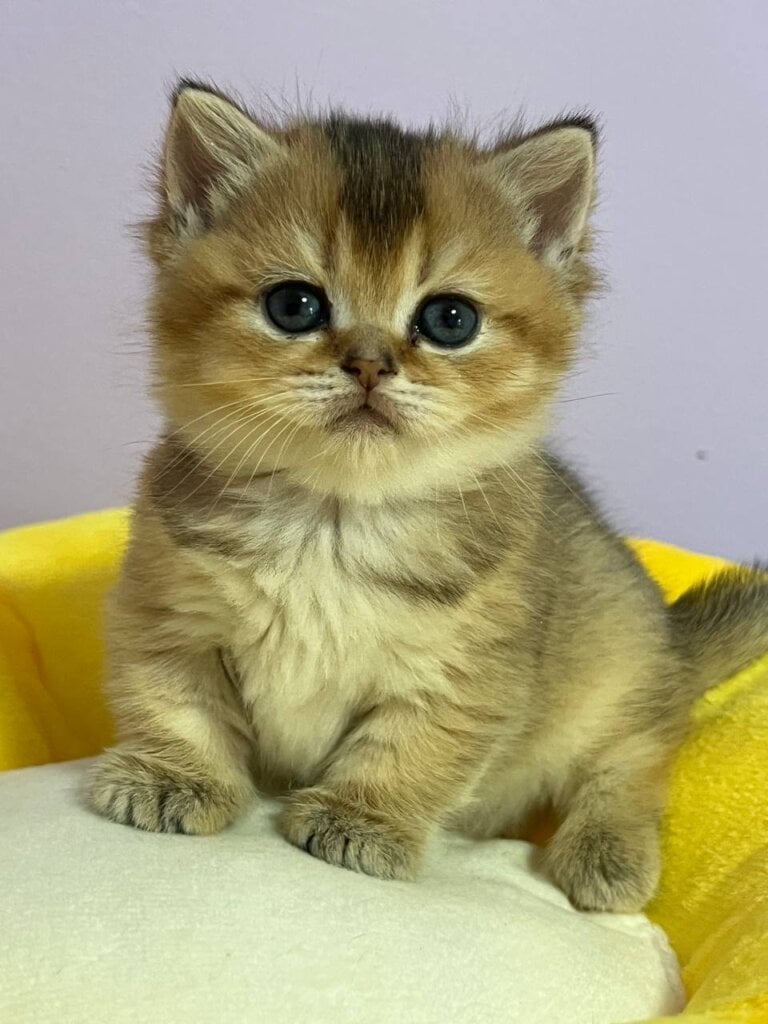
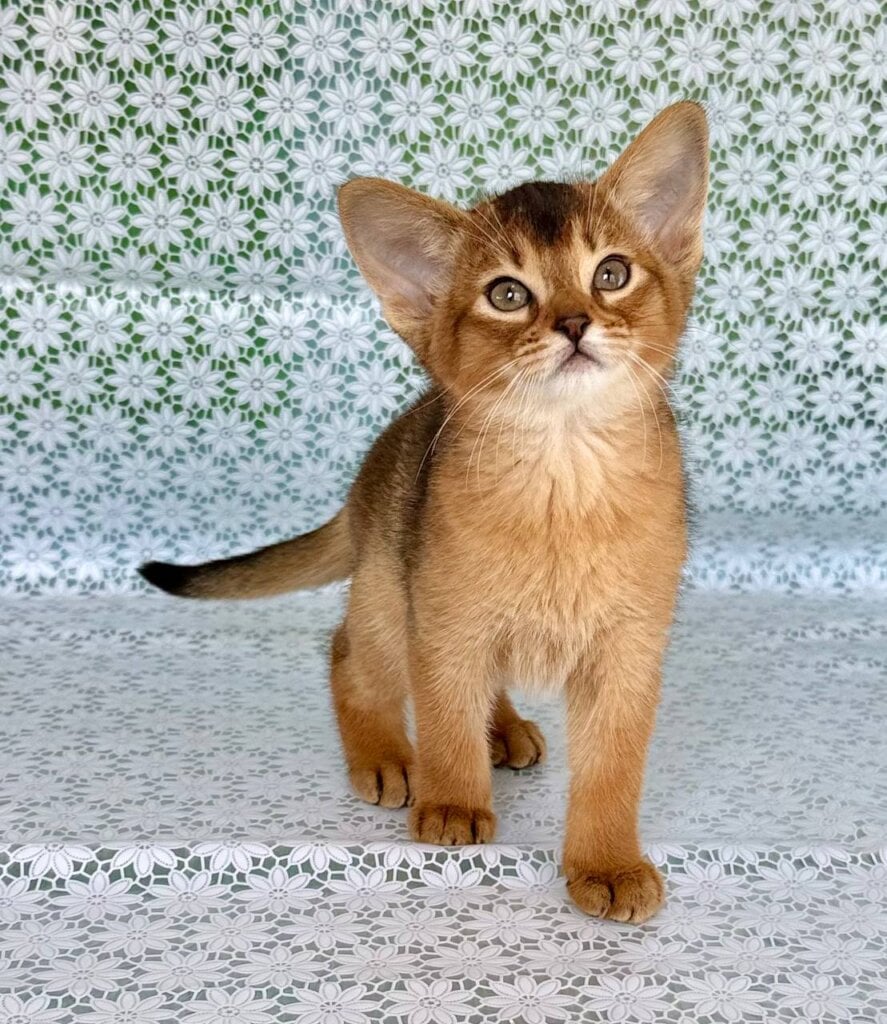
Purebred kittens are animals with documented lineage that conform to breed standards set by registries, and those standards shape expected behaviors through selective breeding. Selective breeding concentrates genetic predispositions for physical traits and temperament, which gives owners clearer expectations for sociability, activity level, and vocalization. Mixed-breed kittens (often called Domestic Shorthair or Longhair) result from diverse ancestry and show broader variation in behavior because multiple, sometimes unknown, genetic influences mix together. Understanding these definitions helps prospective owners weigh predictability versus uniqueness when choosing a kitten, and the next subsections sketch breed examples and how mixed origins create temperament variability.
What Are Purebred Kittens and Their Breed Characteristics?
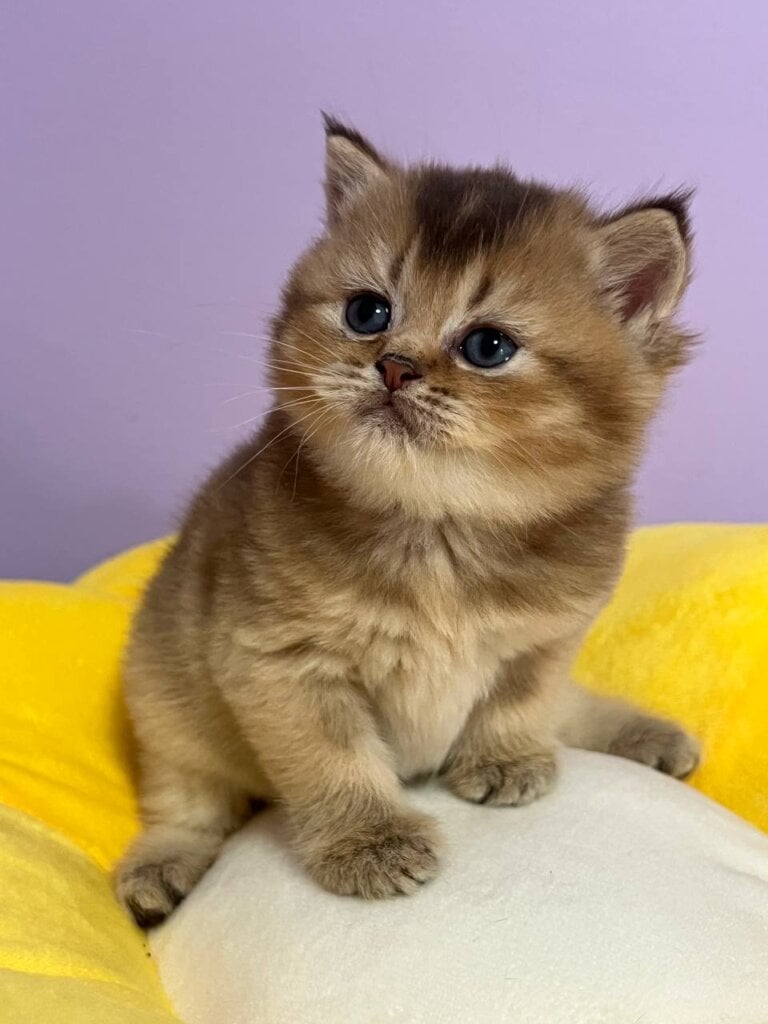
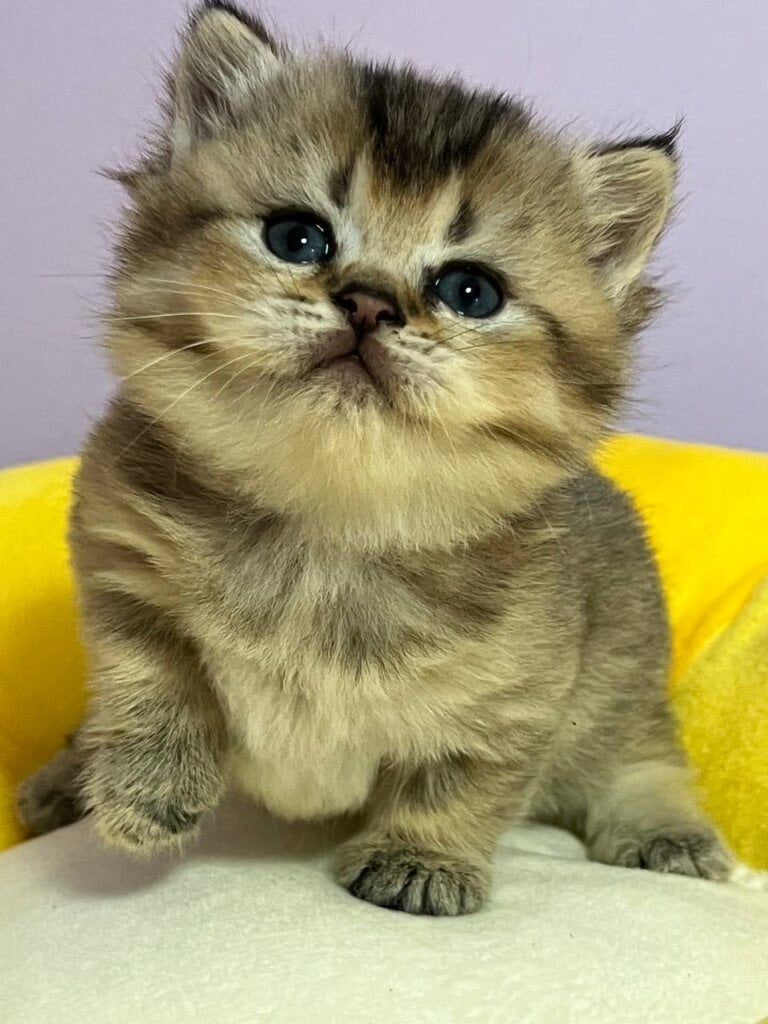
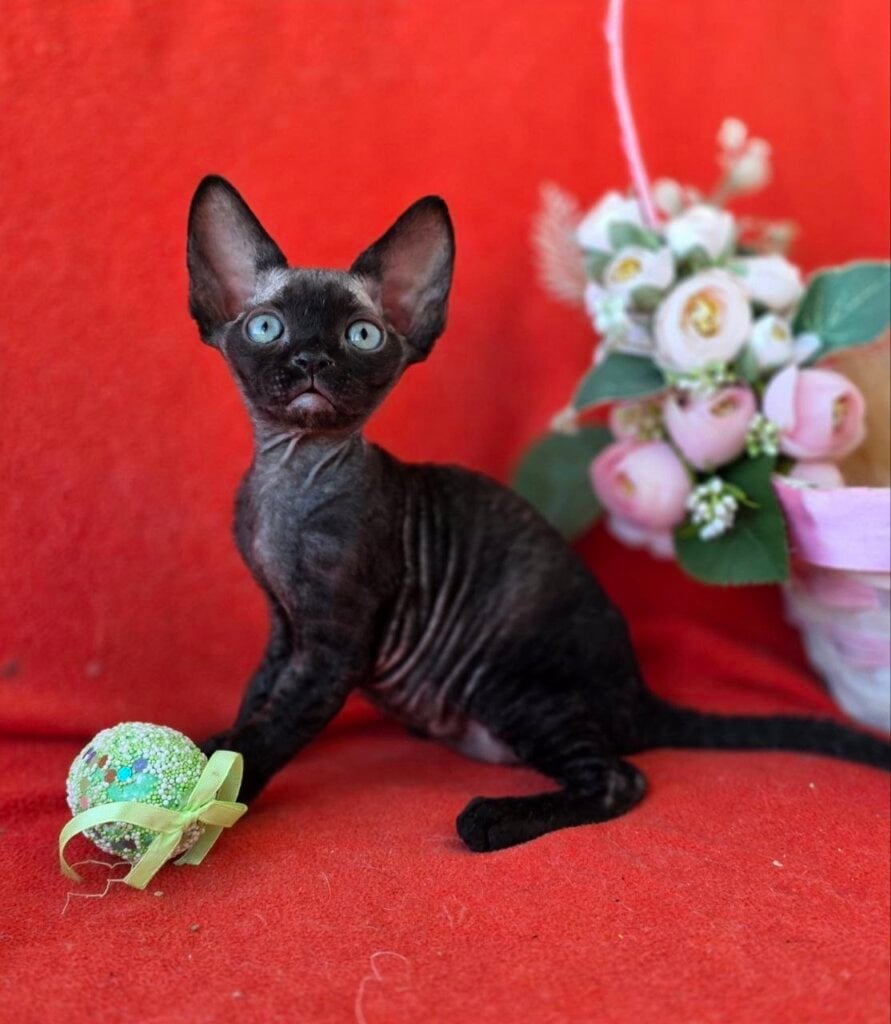
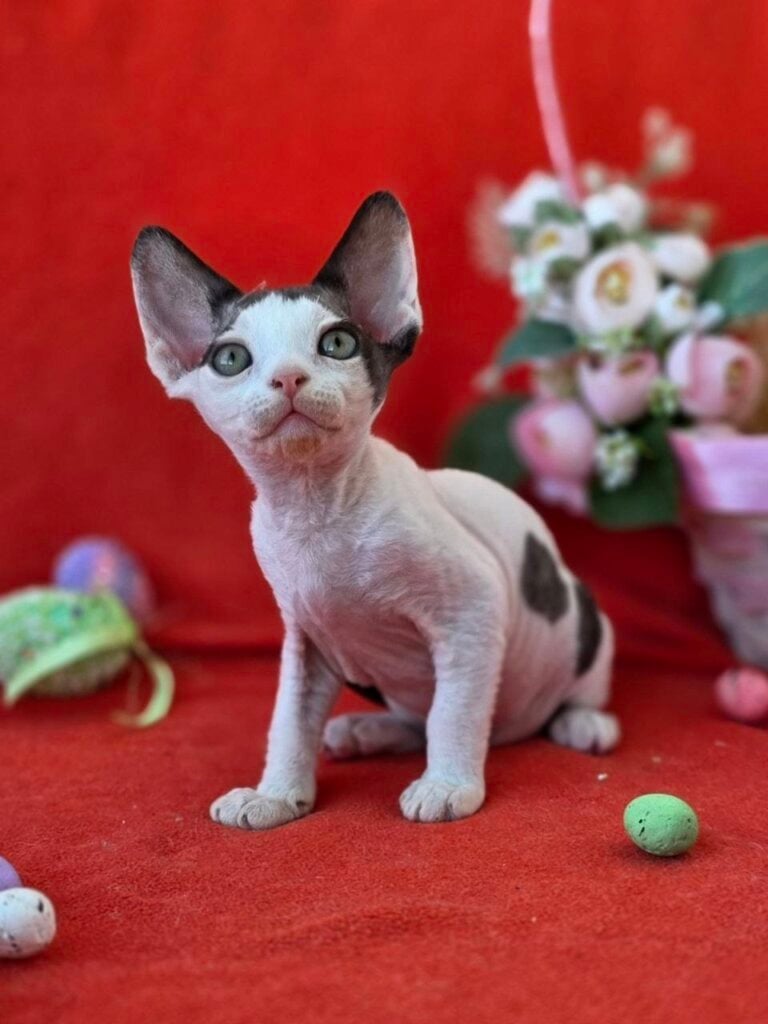
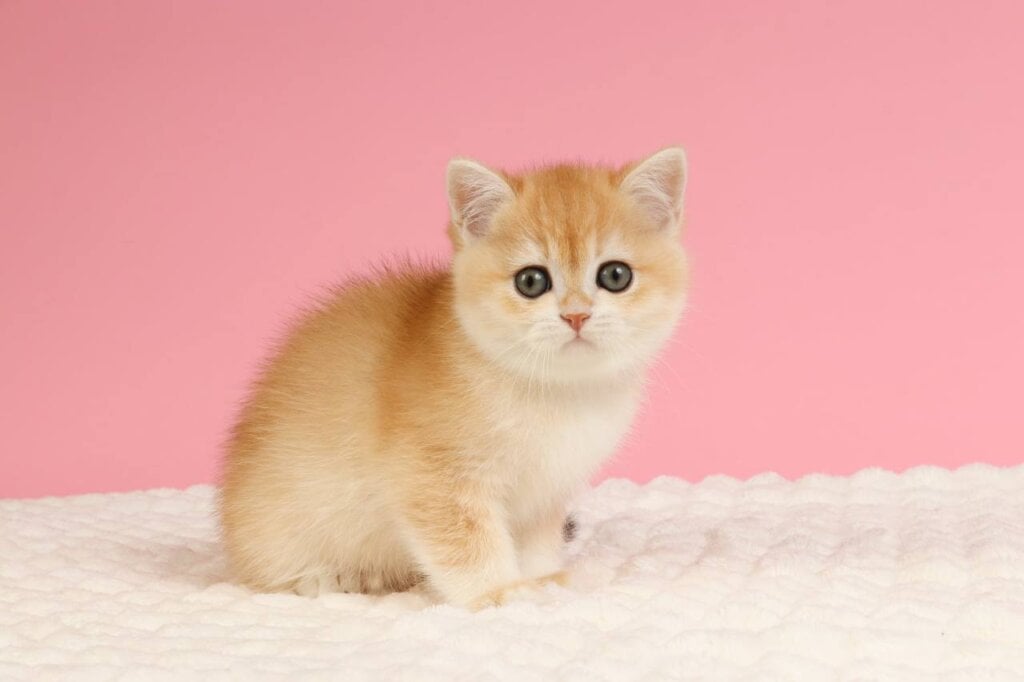
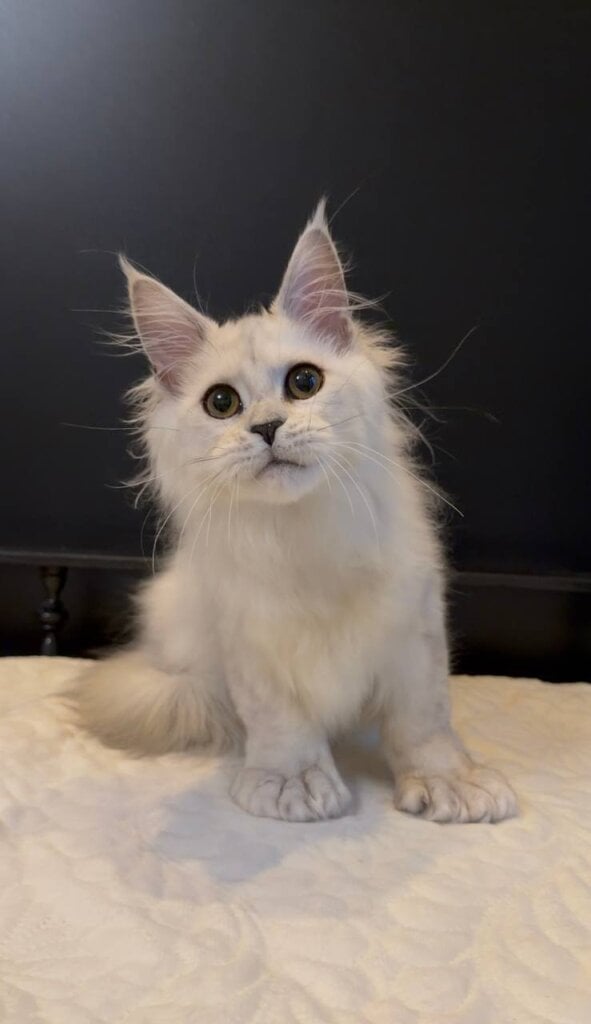
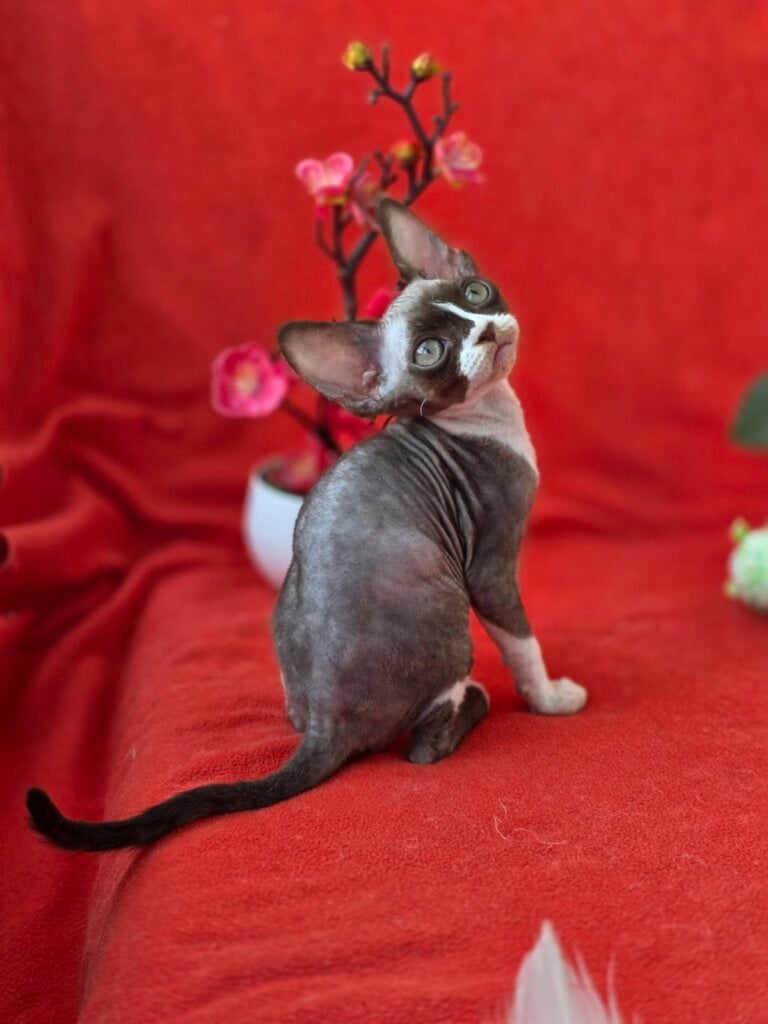
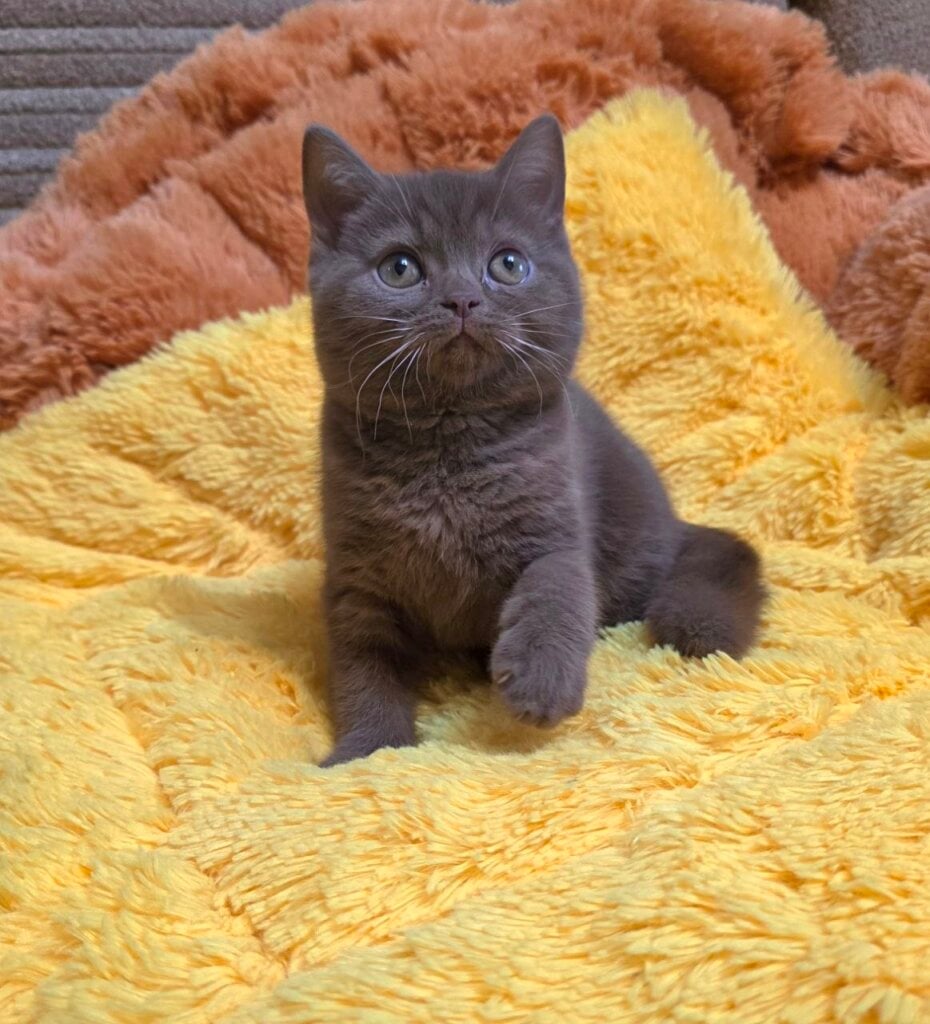
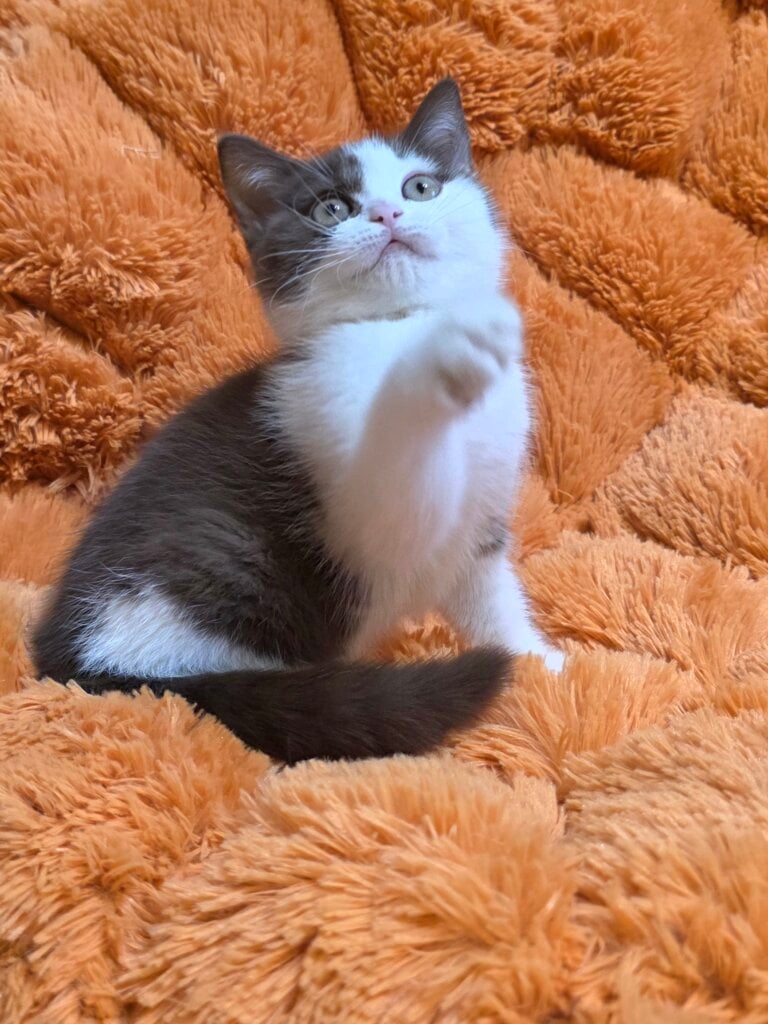
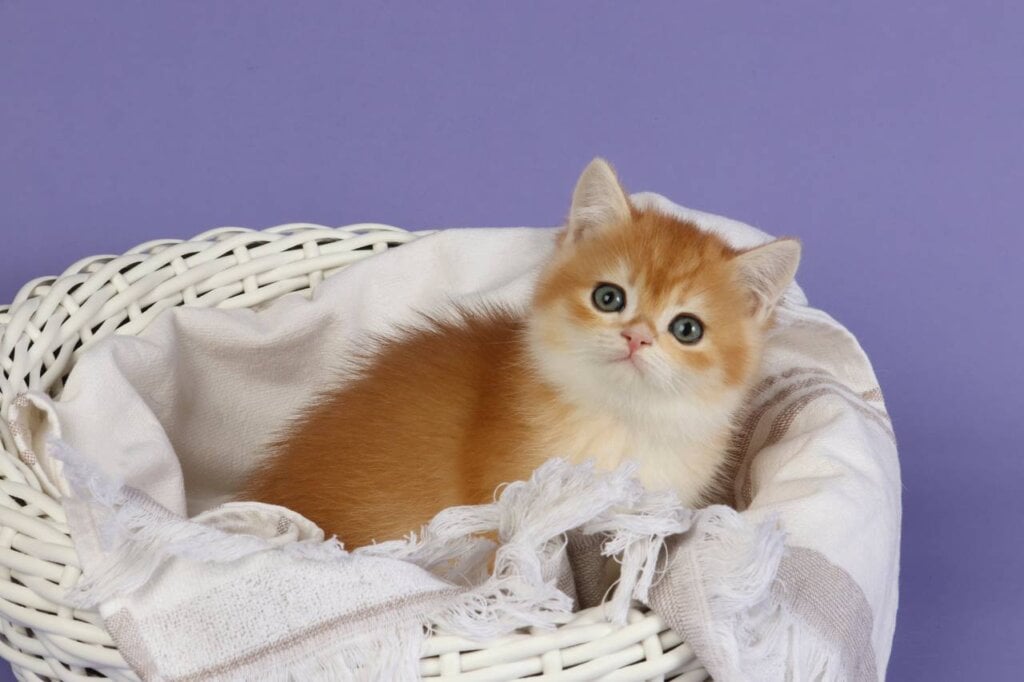
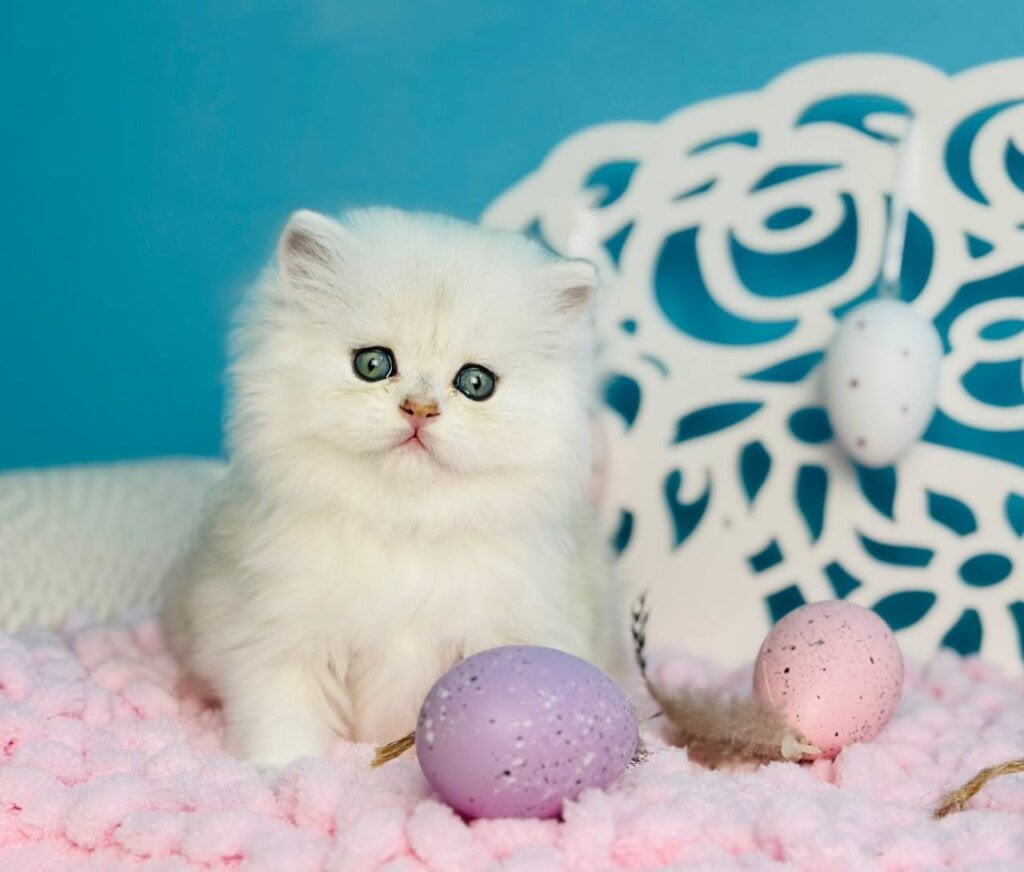
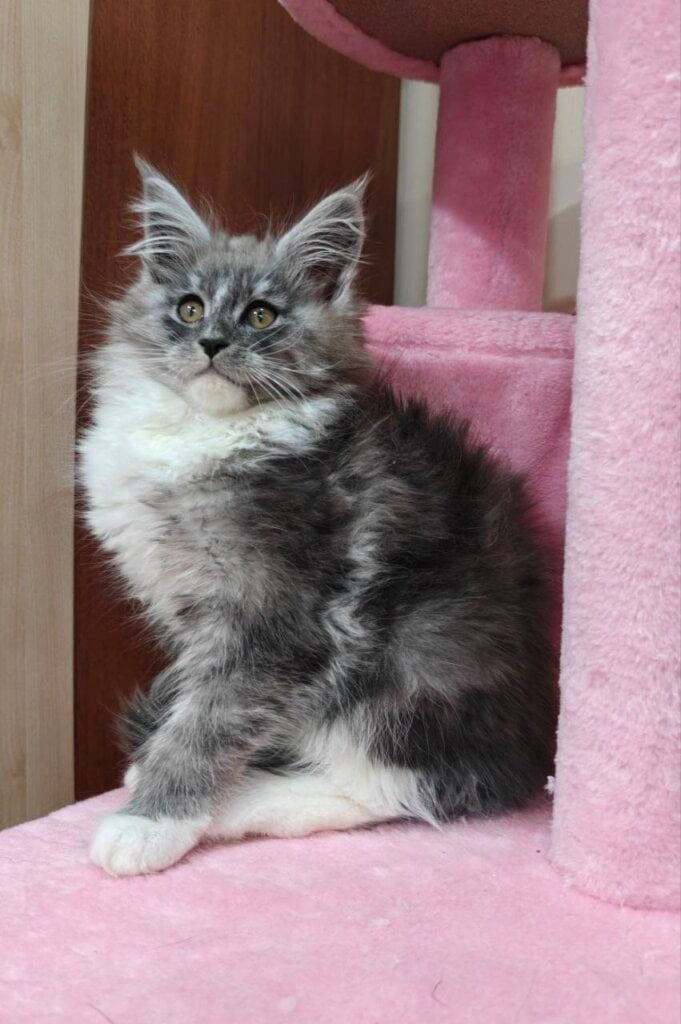
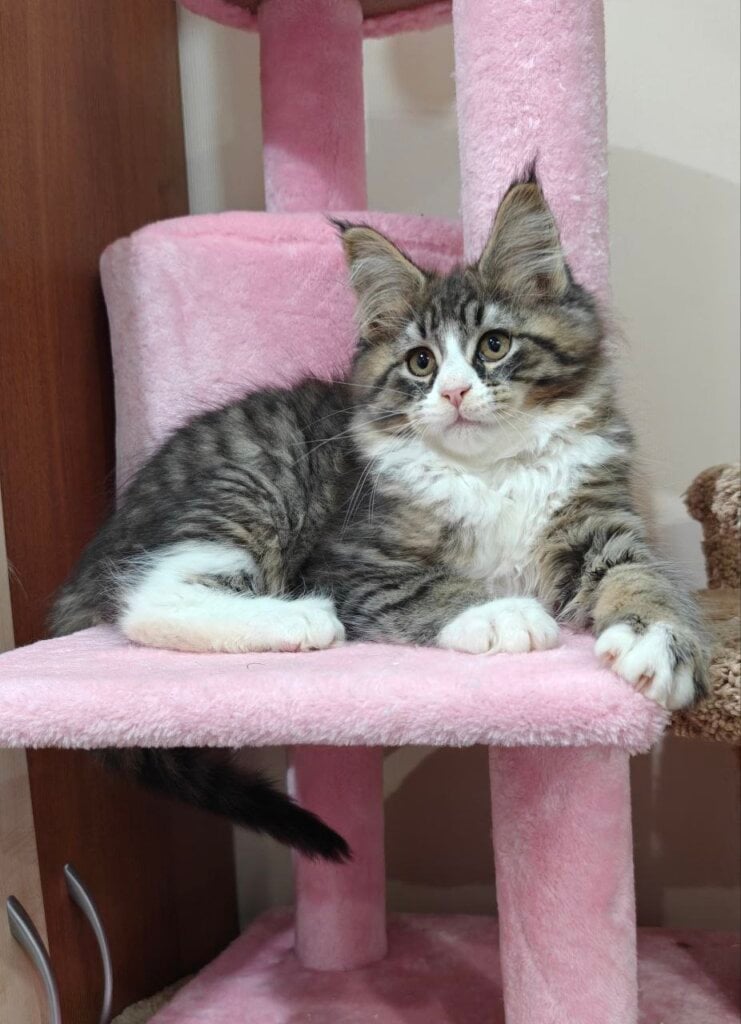
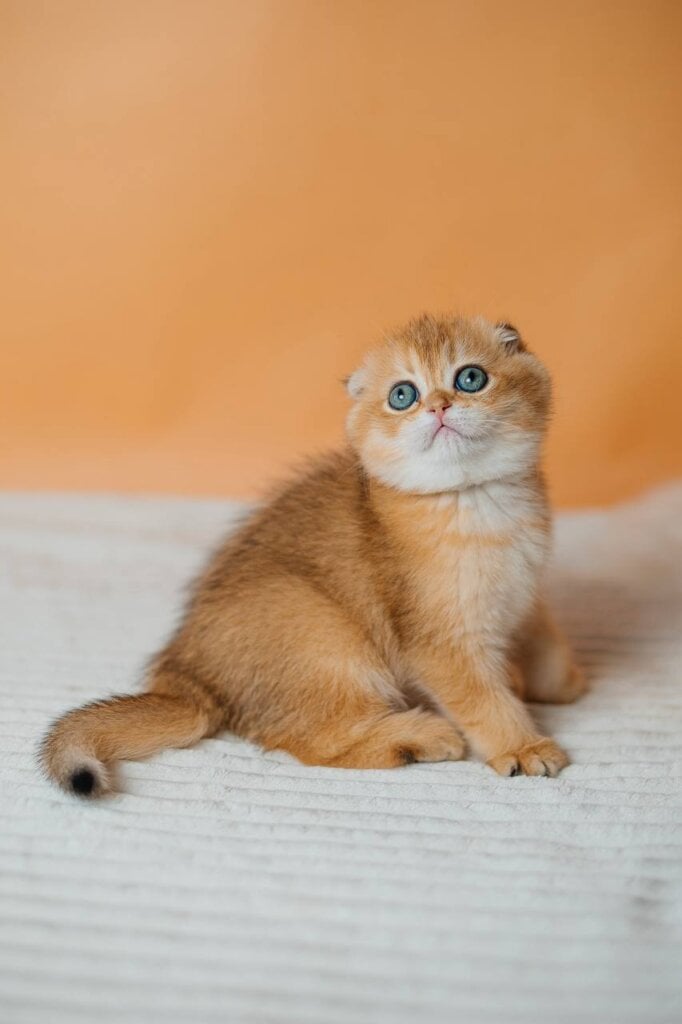
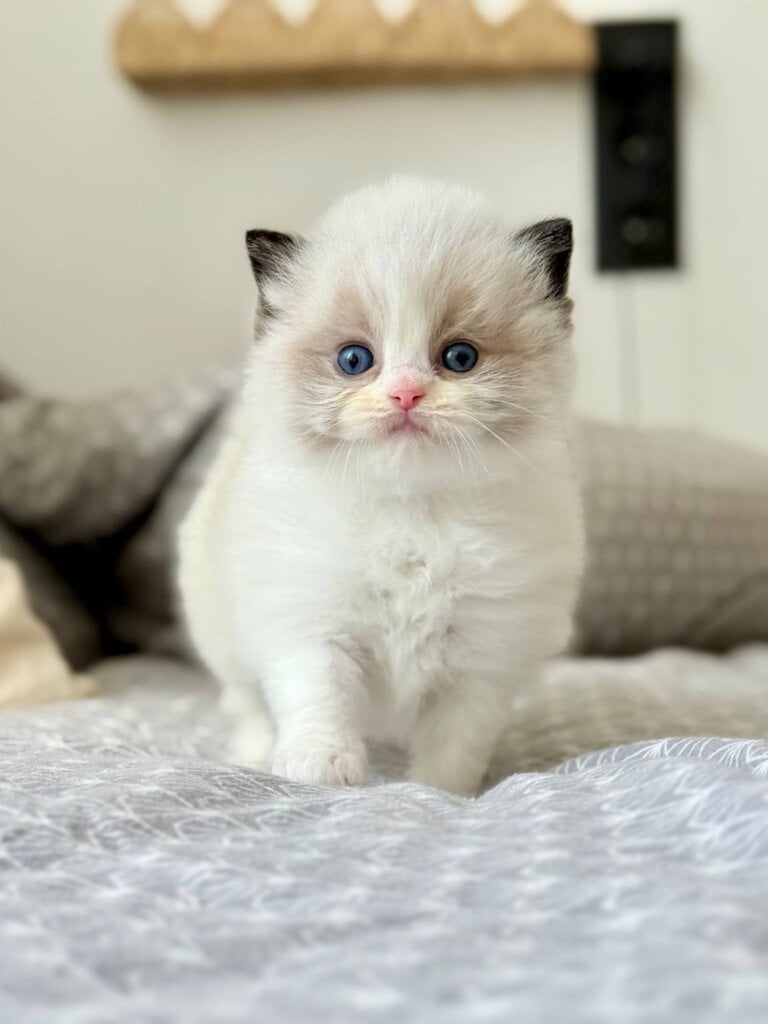
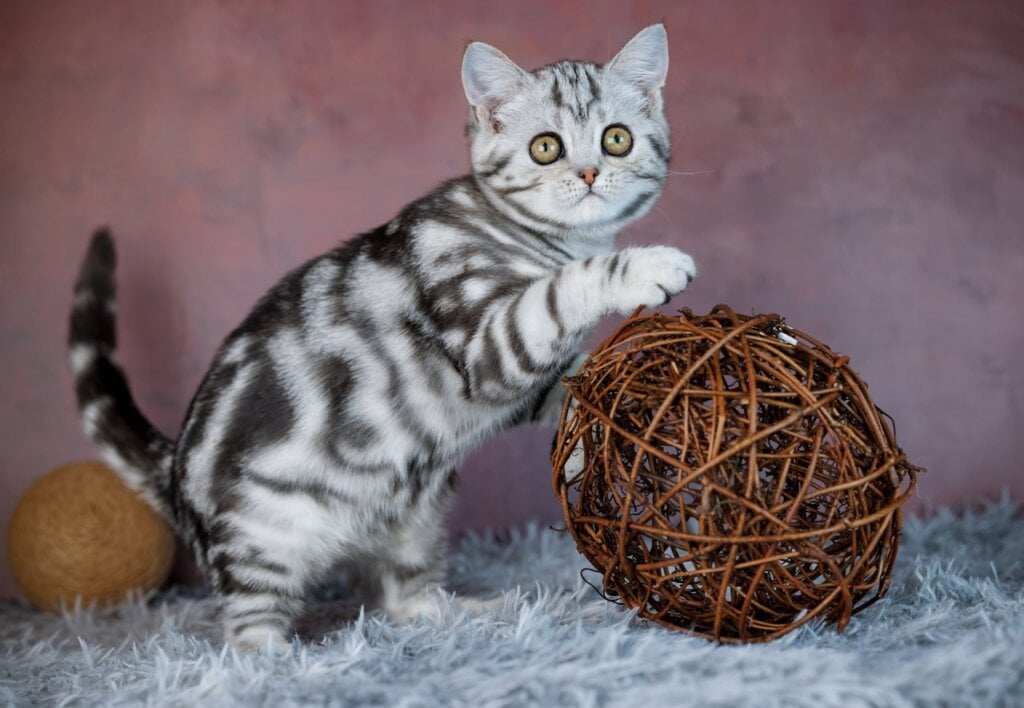
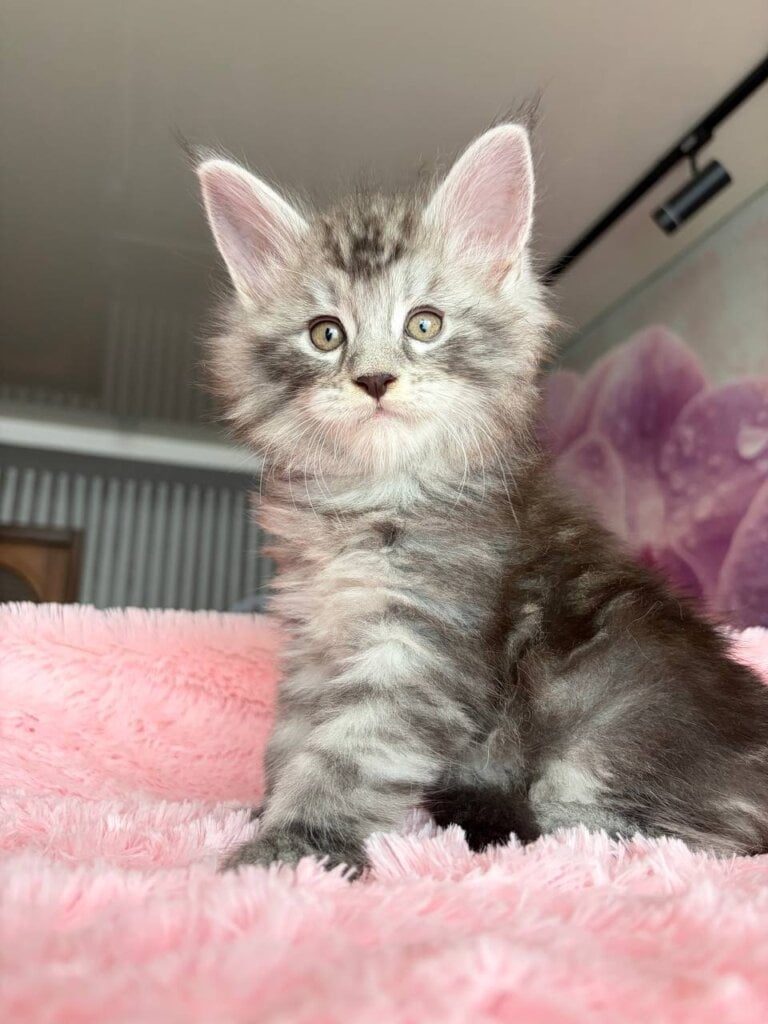
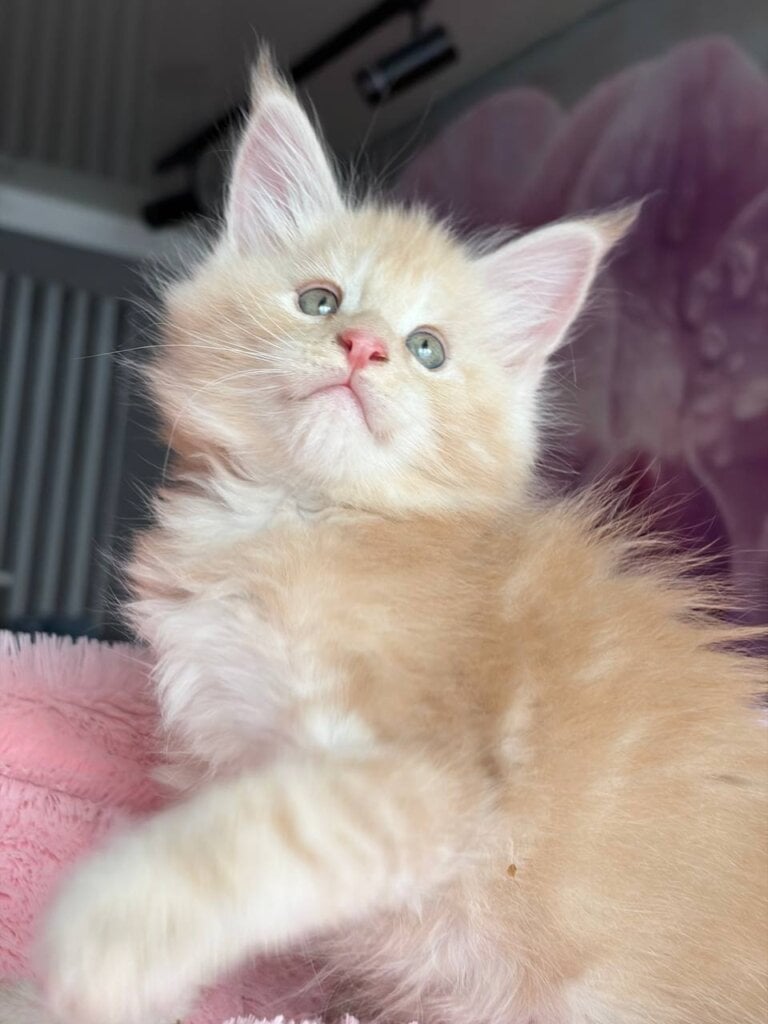
Purebred kittens descend from parents chosen to emphasize specific physical and behavioral traits, making certain temperaments more likely across litters. Breeds such as Maine Coon, British Shorthair, Scottish Fold, Ragdoll, and Devon Rex commonly display repeatable patterns—sociability, calm lap behavior, folded-appearance docility, relaxed affection, and playful curiosity respectively—because breeders select for temperament alongside looks. These predictable personality traits arise from repeated selection over generations and careful early rearing practices that reinforce desirable behaviors. For owners seeking a particular interaction style—such as a gentle family cat or a highly playful companion—purebreds offer clearer signals of likely adult behavior, though individual variation still occurs.
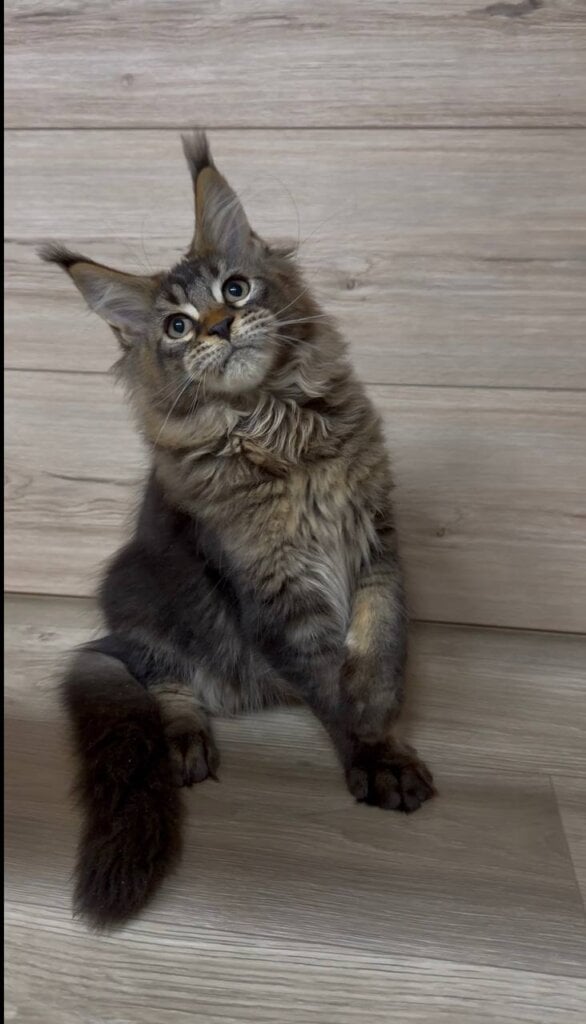
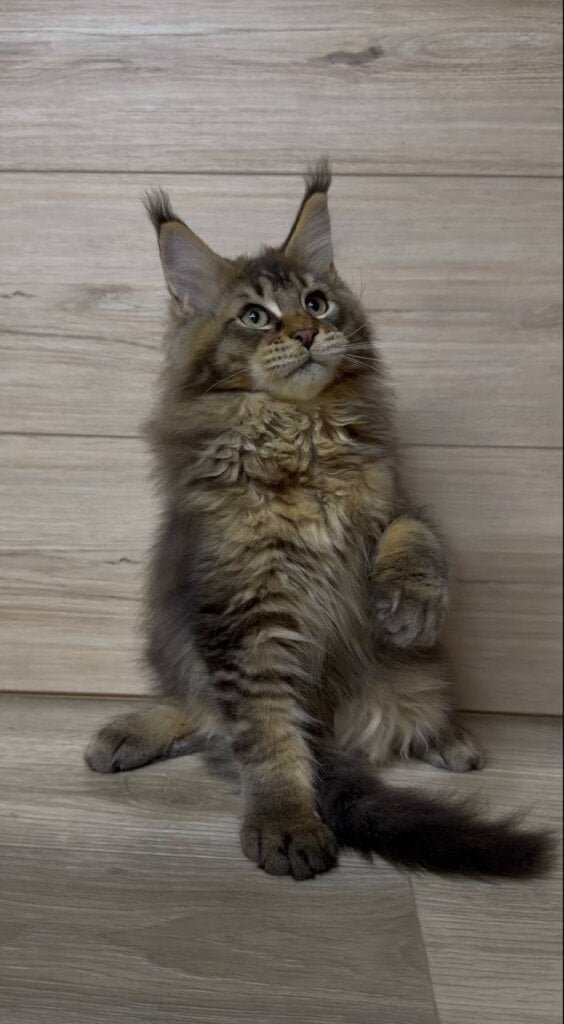
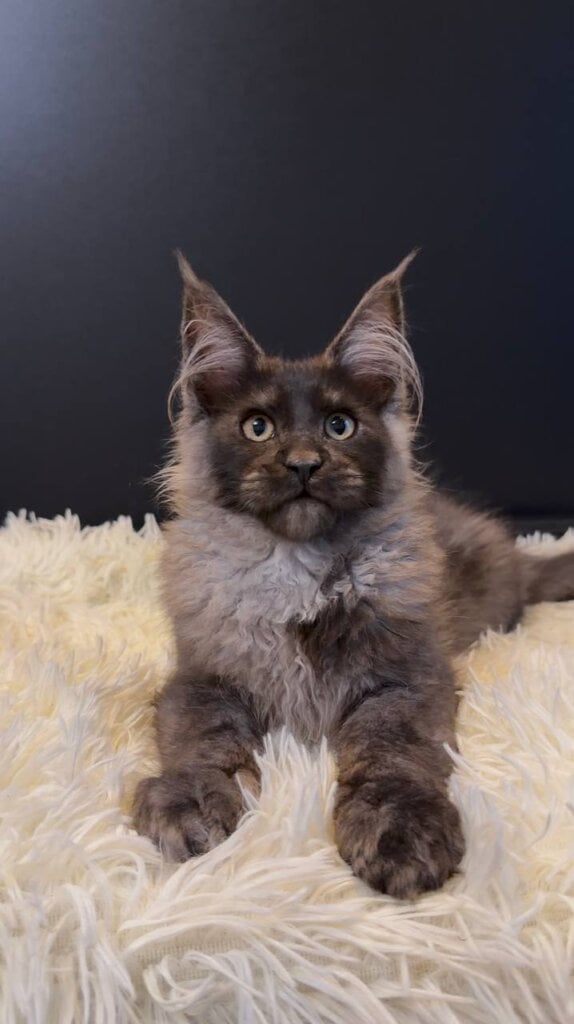
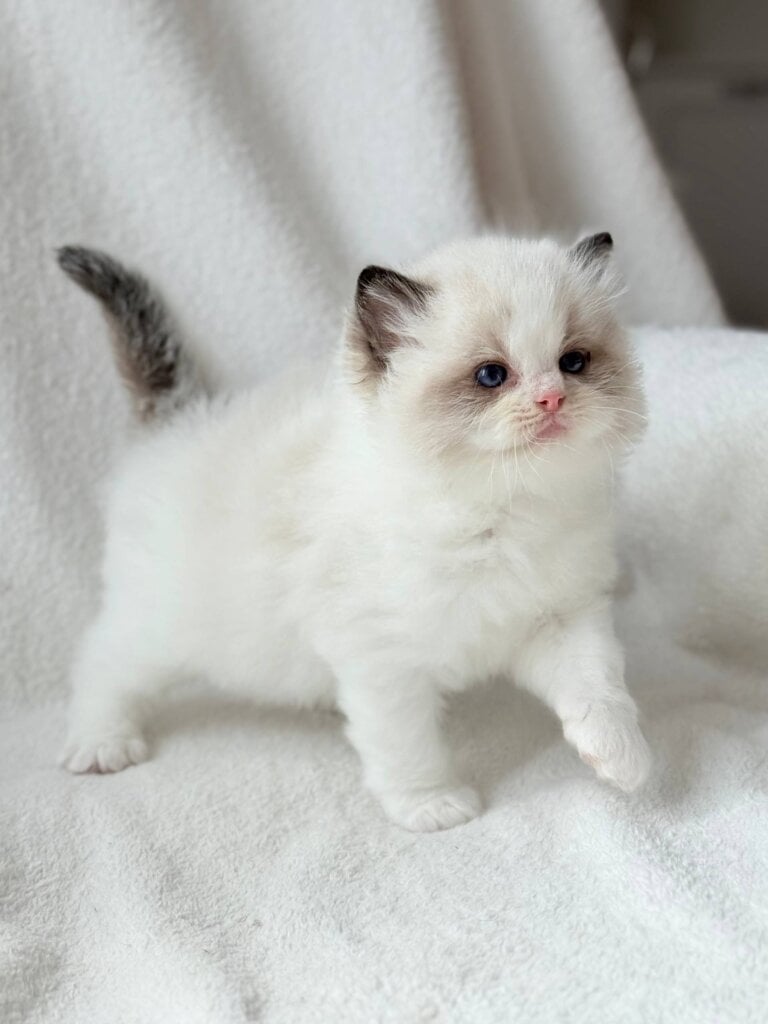
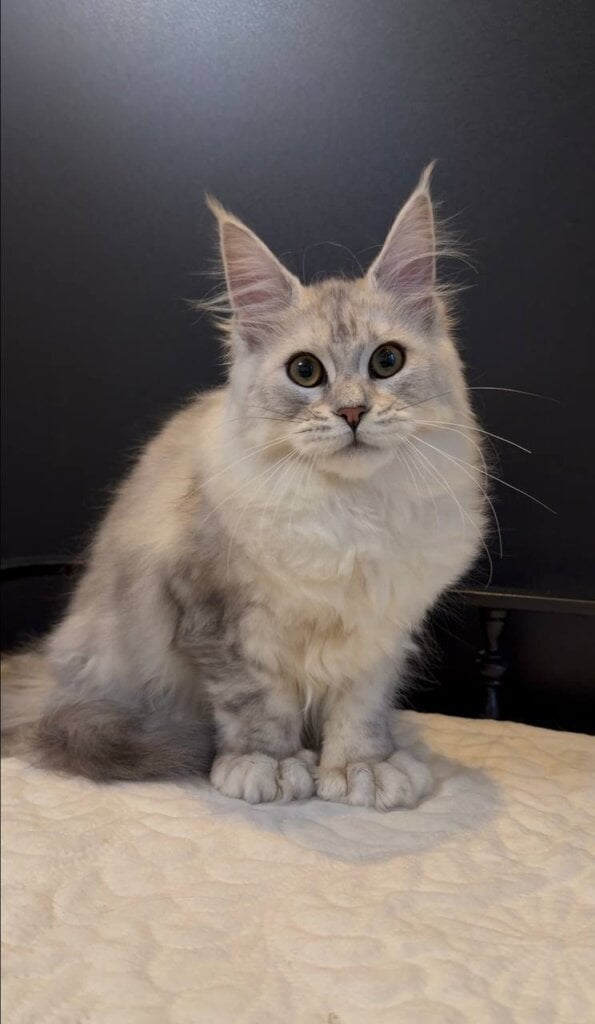
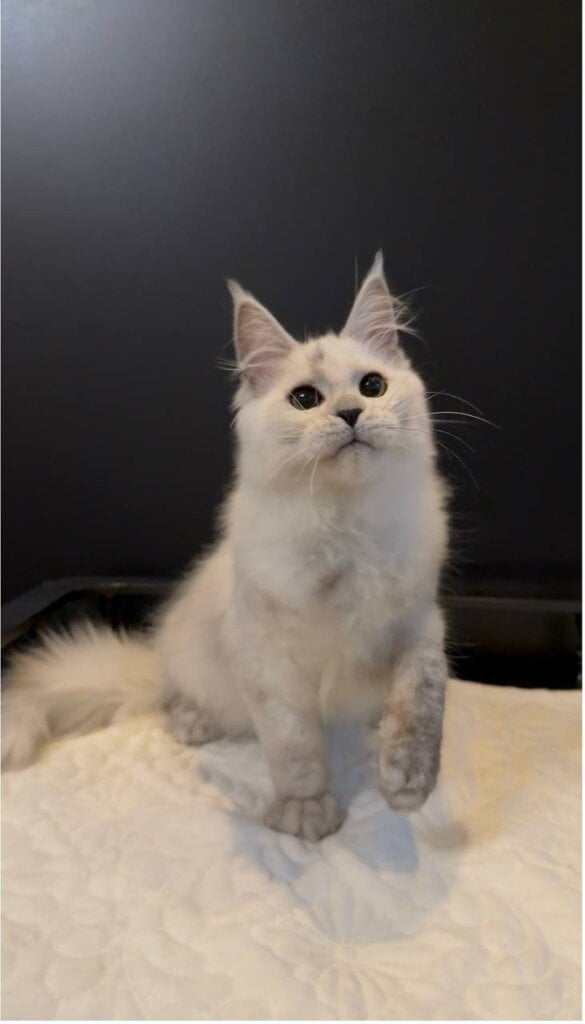
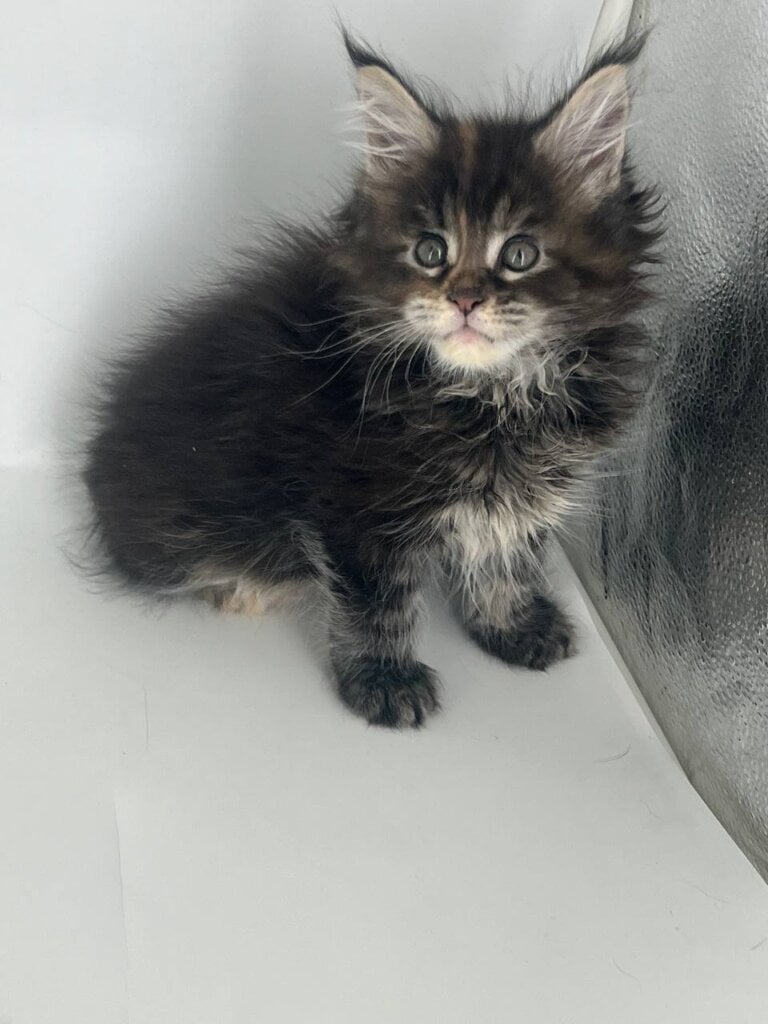
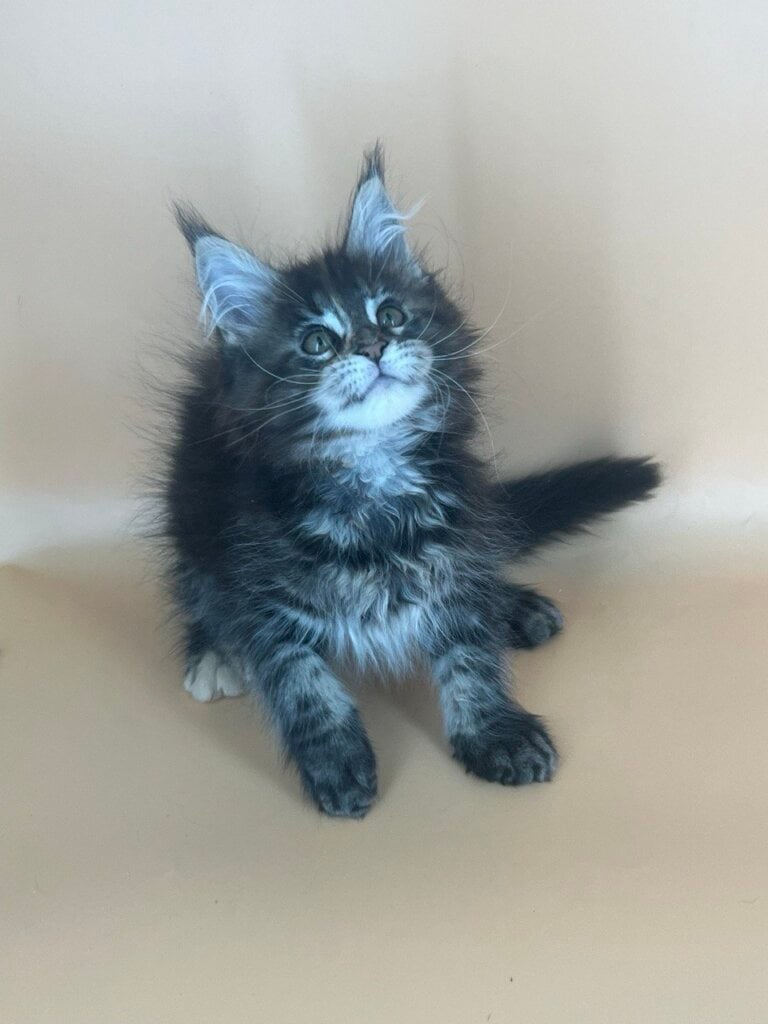
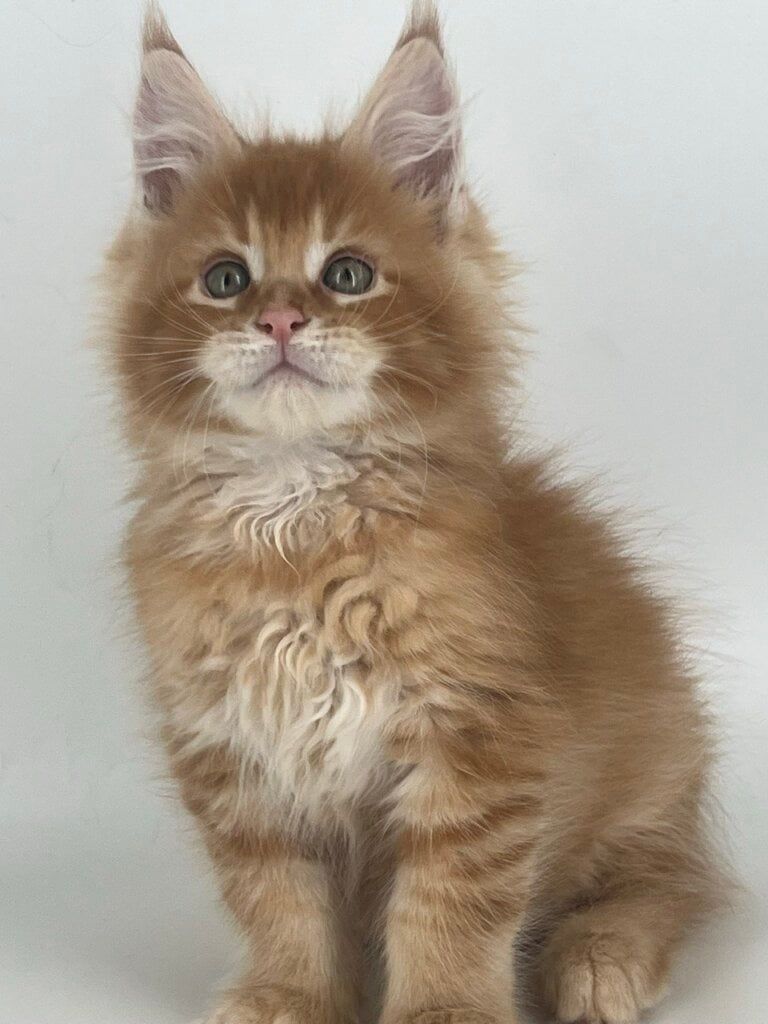
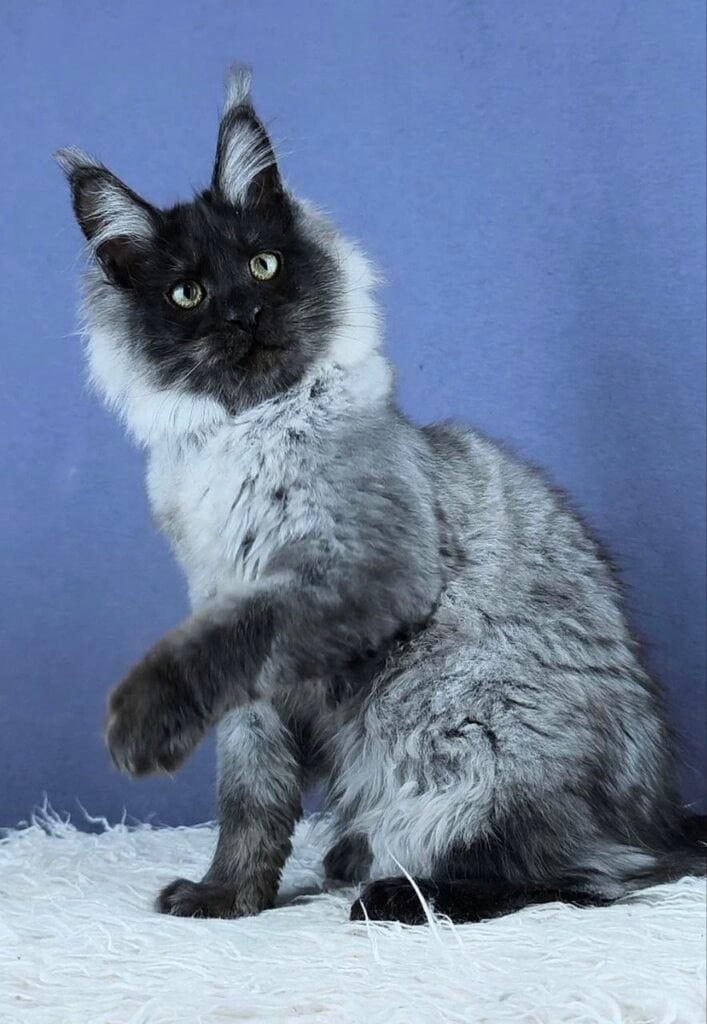
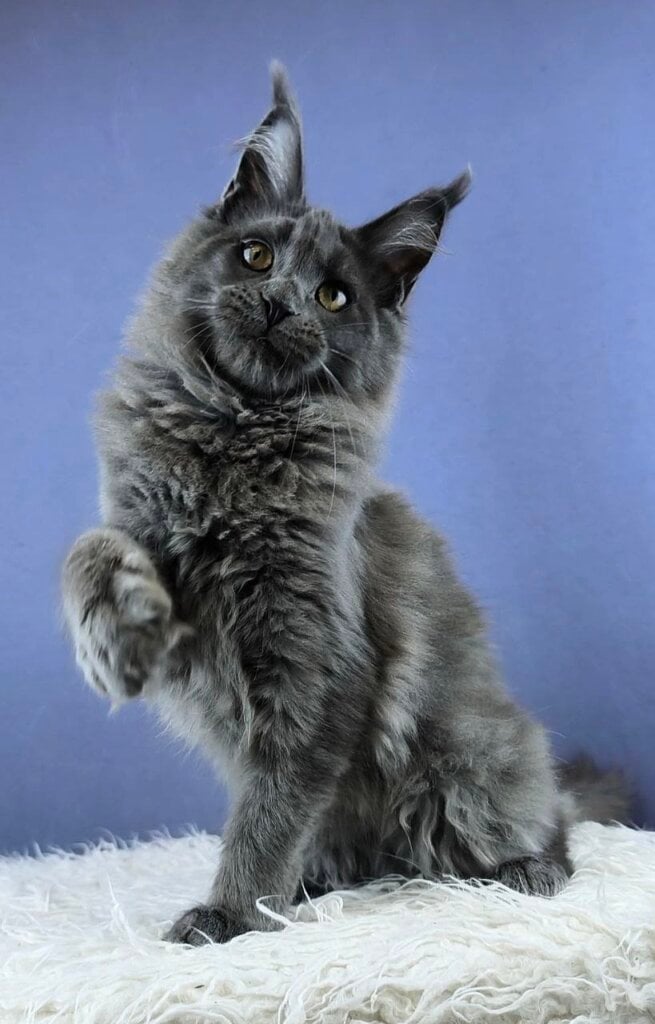
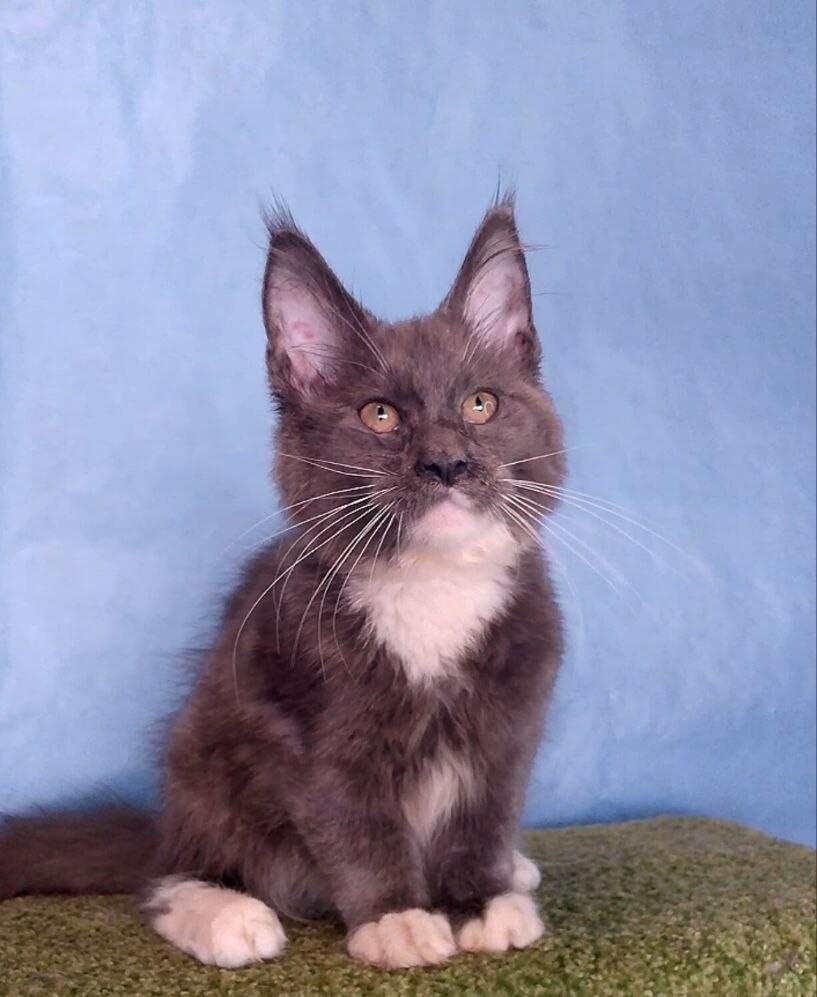
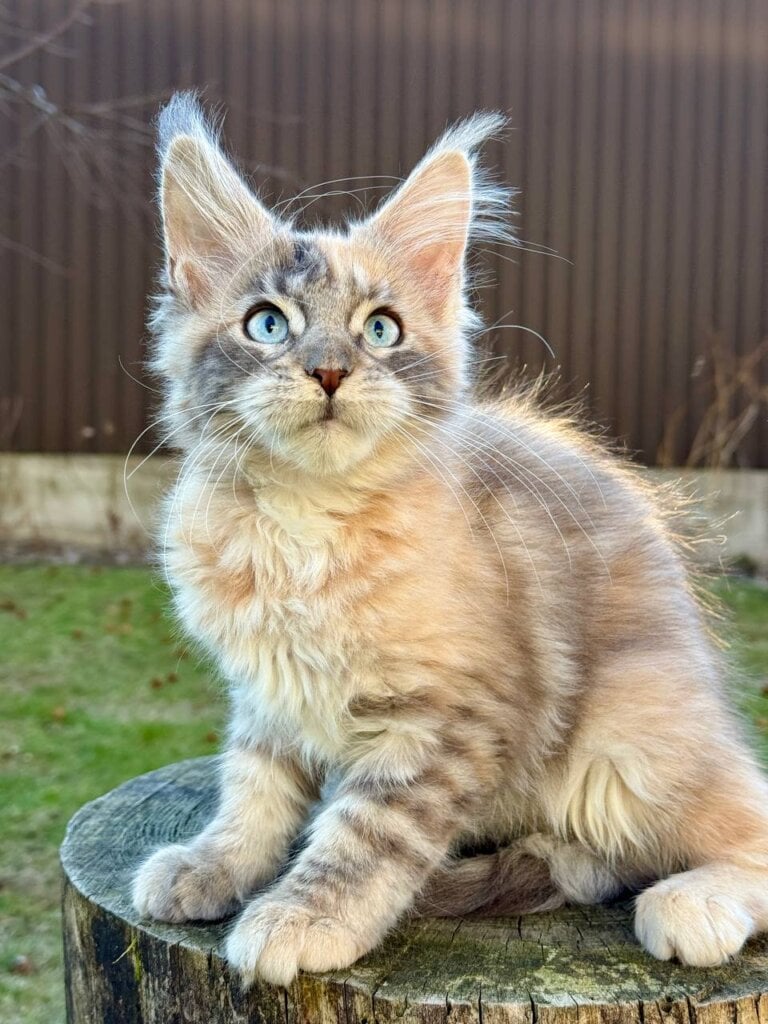
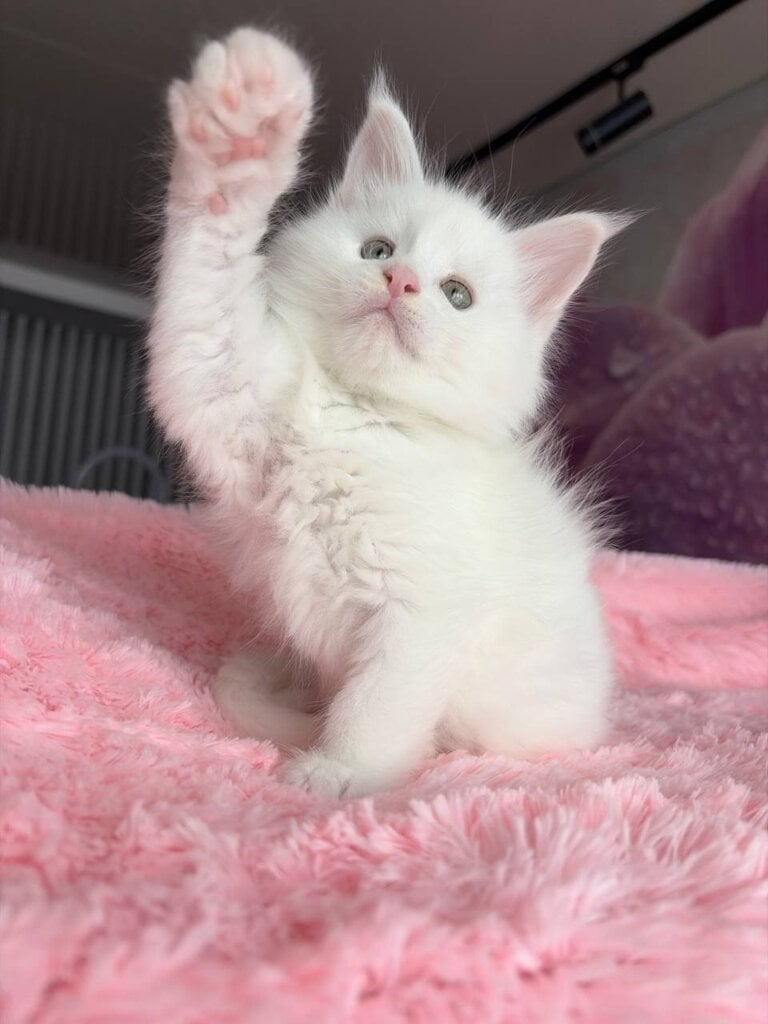
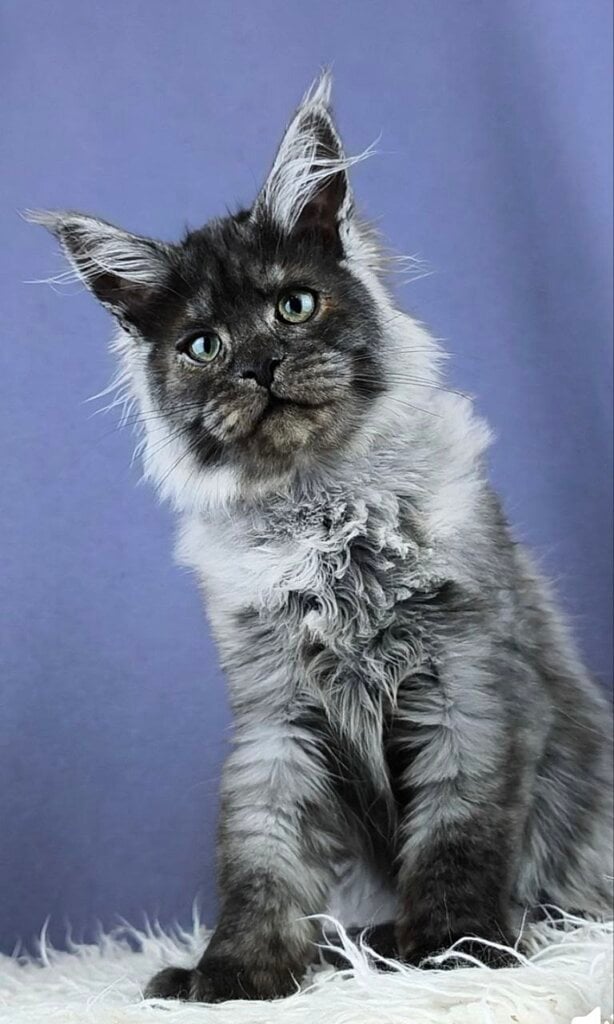
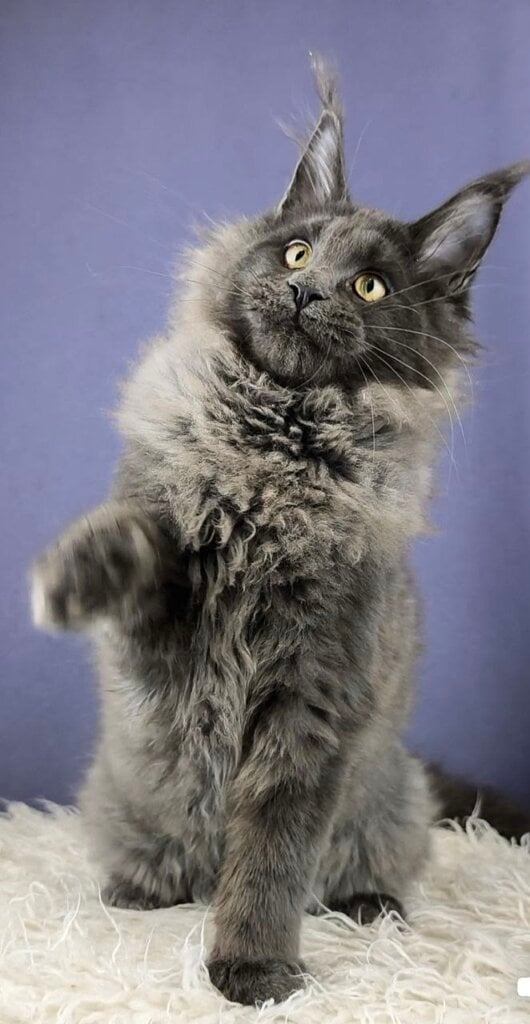
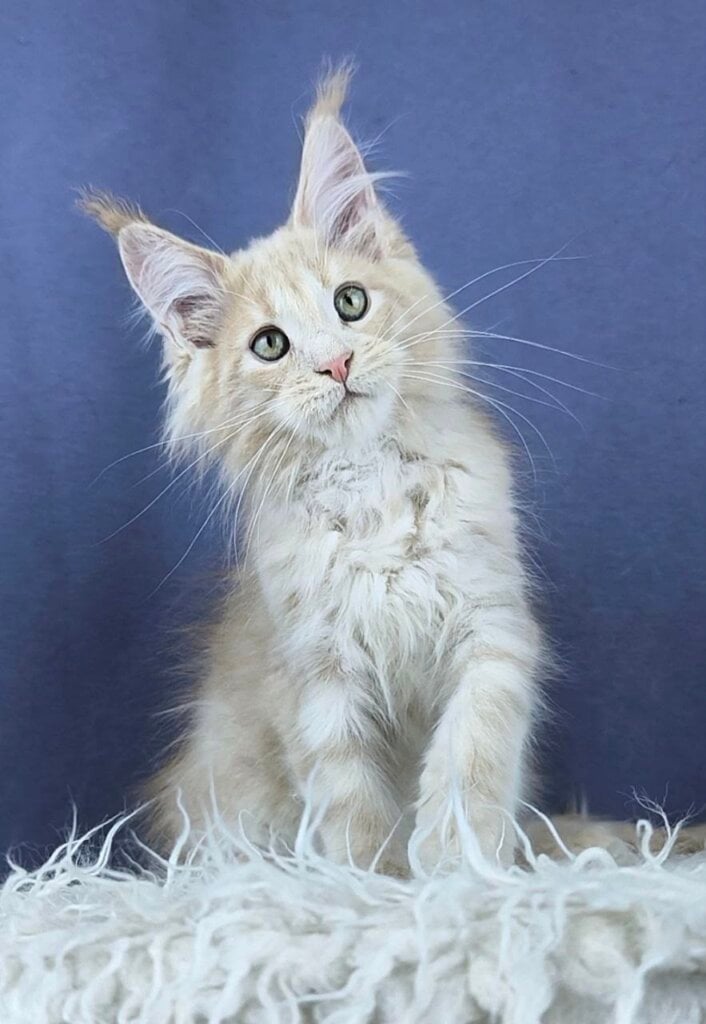
Purebred examples include a sociable, dog-like Maine Coon or a lap-loving Ragdoll, each with tendencies that inform household matching and care preparation.
How Do Mixed-Breed Kittens Differ in Origin and Traits?
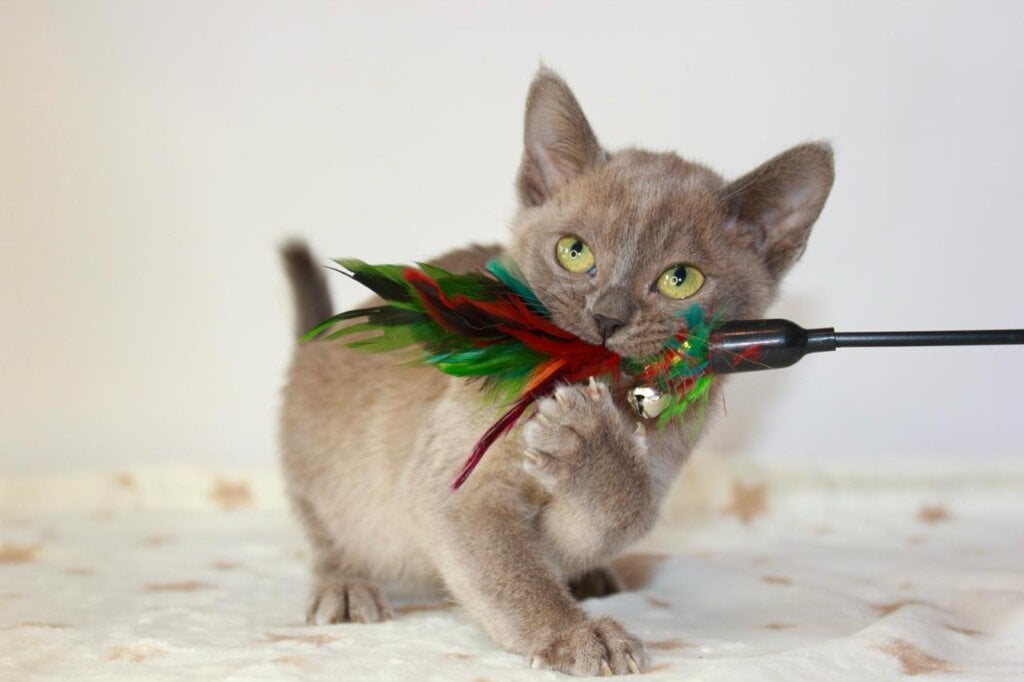
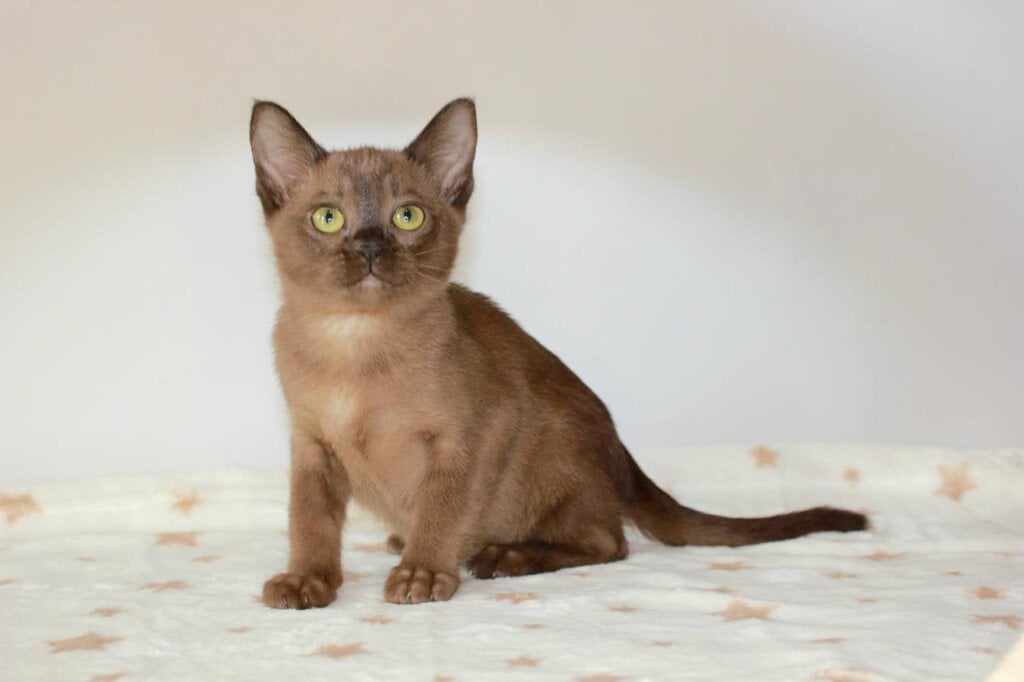
Mixed-breed kittens come from parents without a fixed pedigree, producing wide-ranging appearances and temperaments that can be pleasantly unpredictable. The genetic diversity in mixed-breeds often creates unique combinations of sociability, energy, vocalization, and adaptability that do not follow a single breed template. This diversity can benefit owners who value one-of-a-kind personalities or resilience to certain inherited conditions, but it requires more observation and assessment to predict long-term behavior. Ultimately, adopting a mixed-breed kitten means preparing to evaluate temperament through direct interaction and early socialization rather than relying on breed expectations.
Mixed-breed kittens reward adopters with individuality, and assessing their early responses to handling and novel situations helps forecast whether they’ll fit a household’s lifestyle.
How Do Personality Traits Differ Between Purebred and Mixed-Breed Kittens?
Purebred and mixed-breed kittens differ primarily in predictability: purebreds offer higher probability of breed-typical behaviors, while mixed-breeds display greater variance shaped by diverse ancestry. Genetics sets predispositions—measurable as heritability estimates in research—while environment and early handling modulate expression of traits like sociability, boldness, and vocalization. For prospective owners, the key practical benefit is that breed knowledge can guide expectations and preparation, whereas mixed-breed choices require direct temperament assessment and flexible training plans. The following subsections break down predictable purebred traits, common mixed-breed characteristics, genetic mechanisms, and the decisive window of socialization that shapes kitten behavior.
What Predictable Personality Traits Do Purebred Kittens Exhibit?
Purebred kittens tend to show repeatable trait clusters because breeders select parents for temperament and behavior alongside physical standards. For example, Maine Coon kittens often present sociability and tolerance with children, Ragdolls typically display docility and lap-seeking behavior, British Shorthairs commonly show calm, steady temperaments, Scottish Folds may be placid and adaptable, and Devon Rex kittens frequently offer high playfulness and engagement. These tendencies emerge from both inherited predispositions and consistent rearing environments within responsible catteries. Predictability is useful for matching families to kittens because it reduces uncertainty about activity level, grooming needs, and social tolerance.
To summarize differences across common purebreds, consider the quick comparison table below that maps breed to expected personality and ideal lifestyle.
Different purebred lines typically produce recurring temperament patterns useful for household matching.
| Breed | Key Personality Traits | Ideal Lifestyle Match |
|---|---|---|
| Maine Coon | Sociable, tolerant, interactive | Families with children and other pets |
| Ragdoll | Docile, affectionate, lap-oriented | Calm homes seeking a cuddle companion |
| British Shorthair | Calm, reserved, steady | Apartment dwellers or seniors |
| Scottish Fold | Adaptable, placid, gentle | Quiet families or multi-pet homes |
| Devon Rex | Playful, curious, high-energy | Active owners who enjoy interactive play |
What Unique Personality Characteristics Are Common in Mixed-Breed Kittens?
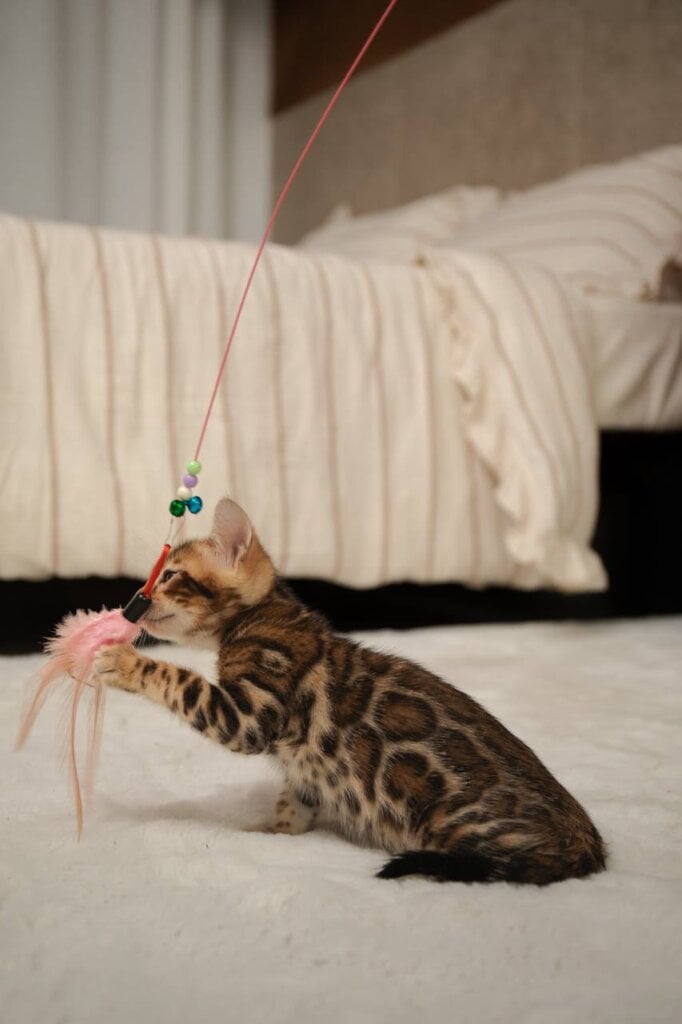
Mixed-breed kittens often show hybrid combinations of traits that can result in balanced temperaments or unexpected strengths in sociability and resilience. Because their ancestry is not limited to a single breed, mixed-breeds may combine low and high energy traits, diverse coat types, and a range of vocal and social behaviors that make each animal unique. Observational assessment—watching play style, reactions to handling, and responses to new people or pets—gives adopters reliable cues about long-term behavior. While unpredictability can require more adaptation, it also offers the chance to discover a distinctive personality that fits the household in unexpected ways.
Owners choosing mixed-breeds should plan to observe behavior across several interactions and provide consistent early socialization to encourage desirable traits.
How Does Genetics Influence Cat Personality?
Genetics contributes substantially to feline temperament: modern studies report heritability ranges for behavioral traits often between roughly 40–53%, indicating a meaningful genetic component without full determinism. Specific genes can influence behaviors such as vocalization patterns and social responsiveness; for example, research into the AR gene has linked genetic variants to differences in vocal behavior and related sociability. Heritability means that genetics set probabilistic tendencies—traits that are more or less likely—while environment shapes their expression. For owners, that means breed background provides a useful risk/expectation profile but does not replace the need for consistent nurturing and social experiences.
Understanding heritability helps owners interpret breed signals: genetics suggests likelihoods, and upbringing determines which tendencies become dominant.
Breed Differences in Cat Behavior and Heritability
The domestication of the cat likely occurred 10 000 years ago in the Near East1. In recent years, selection through intentional breeding has resulted in tens of morphologically differing breeds. For example, the International Cat Association currently recognizes 71 breeds2. According to cat owners and cat breeders’ organizations, cat breeds also show differences in behaviour. For example, the personality of Ragdoll is described as relaxed, loving, and friendly3, whereas Russian Blue cats are described as intelligent, playful, and reserved4. These descriptions are usually based on owner and breeder notio
What Role Does Early Socialization Play in Shaping Kitten Behavior?
Early socialization during the first eight to sixteen weeks is a critical window when experience strongly affects adaptability, fear responses, and sociability, and these weeks can modify genetic predispositions. Practices such as gentle handling, exposure to varied people, supervised introductions to other pets, and enrichment of sights and sounds build confidence and reduce later stress responses. Well-designed socialization does not override genetics but enhances desirable traits and attenuates problem behaviors by shaping neural pathways associated with social and exploratory behaviors. For owners and breeders alike, prioritizing consistent, positive early experiences produces kittens more likely to show friendly, adaptable behavior into adulthood.
Effective socialization begins at the earliest weeks and continues with consistent, gentle exposure to novel but safe experiences to reinforce confident, social personalities.
Research indicates that early life experiences significantly shape a kitten’s behavioral development.
For breeders and adopters seeking predictable temperaments, responsible early handling matters. MeoWoff Kittens emphasizes early socialization practices designed to support the predictable temperament patterns associated with select purebred lines. Their approach pairs selective breeding from WCF-registered European catteries with structured early handling to reinforce sociability and reduce fear responses in kittens. This combination of genetic selection and focused rearing is intended to increase the reliability of breed-typical behaviors for families who prefer predictable interactions.
Impact of Early Socialization on Kitten Behavior
Early life experiences can impact behavioural development. This study aimed to improve early kitten understanding of the impact of different socialization practices on kitten behavioural.
MeoWoff frames these practices as part of an ethical-breeding model that aims to balance inherited temperament tendencies with nurturing that supports healthy behavior development.
Current fostering practices are being explored to understand their impact on kitten behavioral development and welfare.
Kitten Fostering and Socialization Practices for Behavioral Development
Many companion kittens entering shelters are fostered by volunteer community members during the sensitive period for socialisation (~2 to 9 weeks of age) when early experiences are critical to behavioural development. Using a mixed-method survey, we explored current fostering practices relevant to kitten behavioural development and welfare. Foster caretaker participants (n = 487) described their fostering practices and reported providing kittens with a majority of recommended socialisation experiences, such as handling and exposure to various toys and exploratory items. In open-ended text responses, foster caretakers described how they adapted socialisation practices for fearful kittens and the supports and challenges they perceived to impact their ability to properly socialise kittens.
What Are the Health and Care Differences Between Purebred and Mixed-Breed Kittens?
Health differences between purebred and mixed-breed kittens often reflect genetic concentration in purebreds versus genetic diversity in mixed-breeds, with implications for screening, preventive care, and grooming routines. Purebreds can carry higher risk for certain breed-associated conditions—examples include hypertrophic cardiomyopathy (HCM) in some large breeds—so breeders and owners should prioritize genetic testing and early veterinary screening. Mixed-breeds benefit from hybrid vigor, which can lower the prevalence of some inherited disorders but does not eliminate the need for routine care like vaccinations and parasite control. Practical grooming and exercise adjustments depend on coat length and energy level, so tailoring care to both breed tendencies and observed personality yields the best outcomes.
What Genetic Health Predispositions Affect Purebred Cats?
Certain purebred lines are predisposed to specific inherited conditions because of concentrated gene pools and selection for particular physical traits, with hypertrophic cardiomyopathy (HCM) being a notable example in large-chested breeds. Responsible breeders mitigate these risks via genetic screening, veterinary health checks, and excluding affected animals from breeding programs to reduce incidence in future litters. As a buyer safeguard, some ethical breeders provide documented health guarantees and thorough pre-adoption veterinary assessments to identify and address concerns early. For owners, understanding breed-specific risks enables targeted monitoring and timely preventive care.
MeoWoff Kittens highlights comprehensive health checks, vaccinations, microchipping, and a one-year genetic health guarantee as part of their risk-mitigation measures when offering purebred kittens.
How Does Hybrid Vigor Benefit Mixed-Breed Cat Health?
Hybrid vigor describes the reduced probability of inheriting recessive disorders when genetic diversity mixes across lineages, often lowering rates of certain breed-specific hereditary conditions. This biological advantage can translate to fewer congenital issues and a broader immune-response repertoire in some mixed-breed populations, although environmental factors and random genetic combinations still produce variability. Importantly, hybrid vigor is not a guarantee of health; mixed-breeds still require routine veterinary screening, vaccinations, and preventive care to detect and manage problems early. Prospective owners should thus treat both purebred and mixed-breed kittens as needing the same baseline veterinary oversight.
Hybrid vigor reduces some inherited risks but does not replace the need for vaccinations, parasite control, or regular veterinary exams.
How Should Care and Grooming Differ by Breed and Personality?
Care plans should combine breed-specific needs—such as long-coat grooming frequency or brachycephalic breathing considerations—with the kitten’s energy level and sociability profile to support welfare and behavior. Long-haired breeds benefit from daily brushing and scheduled professional grooming, while short-haired cats need less frequent brushing but can still require nail care and dental attention. High-energy or highly curious kittens need interactive play, puzzle feeders, and environmental enrichment, whereas shy kittens require gradual introductions, quiet spaces, and confidence-building interactions. Aligning care routines with both physical attributes and temperament improves health outcomes and supports stable behavior.
Owners should match grooming schedules and enrichment plans to the kitten’s coat type and activity level, adjusting routines as personality unfolds.
To compare health attributes succinctly for decision-making, the table below summarizes purebred versus mixed-breed health profiles and typical mitigation strategies.
Breed background influences certain health risks, but preventive veterinary care remains essential regardless of origin.
| Background | Health Attribute | Typical Risks / Benefits |
|---|---|---|
| Purebred | Genetic predispositions | Higher risk for breed-linked conditions; mitigated by testing and screening |
| Mixed-breed | Genetic diversity (hybrid vigor) | Lower prevalence of some recessive disorders; still requires screening |
| Both | Preventive care | Vaccinations, parasite control, vet checks reduce disease and detect early issues |
How Can You Choose the Right Kitten Personality for Your Lifestyle?
Choosing the right kitten starts with mapping household needs—space, activity tolerance, children, other pets, grooming willingness—against likely temperament traits and energy levels. A structured checklist helps clarify priorities; consider whether you want a lap-oriented, low-energy companion or a playful, interactive pet that requires daily engagement. For purebred seekers, breed profiles provide probability-based recommendations for fit, whereas mixed-breed adopters should prioritize observational temperament assessment and flexible training plans. Below are practical matching steps and a lifestyle-to-breed/action guide to help align expectations with likely kitten behavior.
Which Purebred Breeds Match Different Family and Lifestyle Needs?
Specific breeds often align well with particular household profiles based on characteristic temperament patterns and care needs. For example, Ragdolls typically suit calm family homes seeking affectionate, lap-oriented cats; Maine Coons fit active families who appreciate sociable, playful companions; British Shorthairs are often recommended for quieter households or first-time owners seeking low-maintenance calmness. Breed-to-lifestyle matching considers energy level, tolerance for handling, grooming time, and social needs to minimize mismatch. Consulting breed profiles and observing kittens during the socialization period refines the choice for a successful long-term placement.
Use breed tendencies as guidance while confirming fit through in-person interaction and early behavior observation.
What Should You Consider When Adopting a Mixed-Breed Kitten?
When adopting a mixed-breed kitten with unknown lineage, focus on direct behavioral cues: how the kitten reacts to handling, play style, curiosity level, and responses to strangers and other animals. An observation checklist helps predict later behavior and training needs, and a trial adaptation period in the adopter’s home reveals compatibility more reliably than pedigree alone. Early socialization and consistent routines accelerate positive outcomes, and scheduling a veterinary exam following adoption ensures baseline health and guidance. Mixed-breed kittens can thrive in most homes if owners commit to structured socialization and enrichment.
Prioritize observed temperament and a plan for gradual acclimation to the household when adopting mixed-breed kittens.
How Does MeoWoff Assist in Matching Families with Suitable Kittens?
MeoWoff Kittens offers breed-specific matching and advisor guidance to help families select kittens whose predictable purebred traits align with household needs. Their services include breed-matching support that considers family composition, activity levels, and grooming tolerance, plus post-purchase assistance covering feeding, litter routine, and return/rehoming policy for buyers who need continued guidance. This advisor-driven approach aims to reduce uncertainty by combining breed knowledge with practical support after adoption. For those seeking additional reassurance, MeoWoff emphasizes predictable temperament patterns from responsible breeding and ongoing owner support.
MeoWoff’s matching and post-purchase support provide an added layer of guidance for buyers prioritizing temperament predictability and stable transitions.
To aid practical decision-making, consider this checklist of priorities when matching a kitten to your lifestyle:
- Space and activity: Choose low-energy breeds for small spaces and active breeds for homes with room to play.
- Family composition: Select tolerant, patient breeds for households with children or multiple pets.
- Grooming tolerance: Match coat type to your willingness to brush and maintain fur.
- Time for play: Opt for interactive, high-energy kittens only if you can provide daily enrichment.
- Health readiness: Be prepared for breed-specific screening or regular vet checks as needed.
Below is a simple lifestyle mapping to guide immediate breed or action suggestions.
| Lifestyle | Desired Traits | Suggested Breed / Action |
|---|---|---|
| Active family with children | Sociable, tolerant, playful | Maine Coon or observe mixed-breed with similar energy |
| Quiet home / seniors | Low energy, affectionate, steady | Ragdoll or British Shorthair |
| Busy, limited grooming time | Independent, short-haired | British Shorthair or mixed-breed short coat |
What Are Common Questions About Purebred vs. Mixed-Breed Kitten Personalities?
Prospective owners often ask whether purebred cats are friendlier, whether they have more health problems, and how much genetics truly matters for personality; concise evidence-based answers help demystify these concerns. Short, practical responses help buyers decide between predictability and uniqueness while acknowledging the role of socialization and preventive care. Below are targeted answers designed for quick clarity and featured-snippet suitability, followed by breed recommendations for families with children.
Are Purebred Cats Friendlier Than Mixed Breeds?
Direct answer: Not universally—purebred cats may be friendlier on average for certain breeds because of selective breeding for sociability, but friendliness depends heavily on individual genetics and early socialization. Breed predispositions make some purebreds more likely to be tolerant or outgoing, yet mixed-breeds can develop equal or greater sociability depending on upbringing. Meeting kittens and observing interactions remains the best predictor of friendliness for any individual cat. Prospective owners should prioritize early handling and consistent positive experiences to foster friendly behavior.
In short, breed tendencies inform probabilities, but experience and rearing determine the actual friendliness customers will observe.
Do Purebred Cats Have More Health Problems Than Mixed Breeds?
Short answer: Purebreds can carry higher risk for breed-linked genetic conditions due to concentrated gene pools, while mixed-breeds often benefit from hybrid vigor that lowers some recessive disease prevalence. Responsible breeders reduce these risks through genetic testing, veterinary health checks, and selective breeding choices, and owners can mitigate risk via vaccinations and proactive screening. Mixed-breed pets still require regular veterinary care and are not immune to illness. Choosing a breeder that documents health practices and offers guarantees helps manage buyer risk.
Mitigation strategies—screening, testing, and preventive care—apply to both purebreds and mixed-breeds to ensure long-term health.
How Much Does Genetics Really Influence a Cat’s Personality?
Genetics influences a substantial portion of behavior—studies often estimate heritability in the range of about 40–53% for certain traits—meaning genes create predispositions but do not fully determine outcomes. Environment, handling, and early socialization shape how those predispositions express throughout life, so behavior is the result of gene-environment interplay. Practically, genetics provides a probabilistic guide: breed background indicates likely tendencies, while upbringing and enrichment determine final expression. Owners should therefore use genetic expectations as a starting point and invest in socialization to achieve the desired personality outcomes.
Understanding heritability empowers owners to combine breed knowledge with deliberate nurturing to shape temperament.
What Is the Best Cat Breed for Families with Children?
Families with children generally fare well with breeds known for tolerance, patience, and sociability—common recommendations include Ragdoll for its docile nature, Maine Coon for sociability and robustness, and British Shorthair for calm steadiness. Regardless of breed, teaching children proper handling, supervising early interactions, and respecting the kitten’s needs are essential to maintain a positive relationship. Early socialization further increases a kitten’s tolerance for handling and reduces stress during family activities. Families should prioritize temperament observation and select a kitten whose reactions to gentle handling align with the child’s expected behavior.
Breed suggestions provide starting points, but supervised introductions and ongoing training determine success in family contexts.
Why Choose MeoWoff Kittens for Purebred Personality and Health Assurance?
MeoWoff Kittens presents several explicit trust signals that address both temperament predictability and health assurance for buyers interested in purebred kittens. The company works with WCF-registered European catteries to source purebred lines, emphasizes ethical breeding practices, and provides comprehensive veterinary health checks, vaccinations, and microchipping prior to sale. MeoWoff also offers a one-year genetic health guarantee, breed-specific matching guidance, early socialization practices intended to support temperament, and post-purchase support on feeding, litter routine, and rehoming policies. These documented practices aim to reduce uncertainty for families seeking predictable purebred personalities and responsible long-term support.
MeoWoff’s transparency about breeder partnerships and health guarantees helps buyers evaluate trade-offs between predictability and health risk.
How Does Ethical Breeding Ensure Predictable Kitten Temperaments?
Ethical breeding promotes predictable temperaments by selecting parent cats for both health and temperament traits, performing genetic screening to minimize hereditary disease, and providing structured early rearing environments that reinforce social behaviors. Selective breeding concentrates desirable behavioral tendencies across generations, while consistent early handling and exposure to diverse stimuli help shape sociability and confidence. Ethical breeding couples genetic selection and nurtured rearing to increase probability of breed-typical behavior, offering families clearer expectations about adult temperament. These combined practices are fundamental to producing kittens whose personalities align with advertised breed characteristics.
Responsible breeder practices therefore link selection, testing, and early socialization to higher predictability of kitten behavior.
What Post-Purchase Support Does MeoWoff Provide for Kitten Behavior and Care?
MeoWoff explicitly lists post-purchase assistance areas that include feeding guidance, litter routine recommendations, and a return/rehoming policy to support successful transitions and ongoing welfare. This practical support helps new owners implement consistent routines that reinforce socialization and reduce behavior problems during the critical early months. Access to breed-specific care advice and follow-up guidance aids owners in adjusting play, enrichment, and grooming to align with a kitten’s temperament. Such support is valuable for first-time owners or families matching specific lifestyle needs to breed tendencies.
These post-purchase services are intended to complement the predictable temperament patterns associated with ethically sourced purebreds and to help owners maintain healthy, secure homes for their kittens.
What Do Customers Say About MeoWoff’s Purebred Kittens’ Personalities?
Customer feedback aggregated in public reports indicates a generally positive reception of MeoWoff’s kittens, with an AggregateRating recorded at 4.6 based on 219 reviews as reported in available search analysis. Buyers frequently note the predictability of breed-linked behaviors and appreciation for the company’s health documentation and post-purchase guidance, which together reduce adoption uncertainty. While individual experiences vary, the aggregate rating suggests consistent satisfaction with temperament and health outcomes among purchasers. Prospective owners should review available breed profiles, ask about socialization routines, and confirm health guarantees when evaluating any breeder.
This aggregated feedback, combined with documented health and support practices, provides additional confidence for those prioritizing temperament predictability.