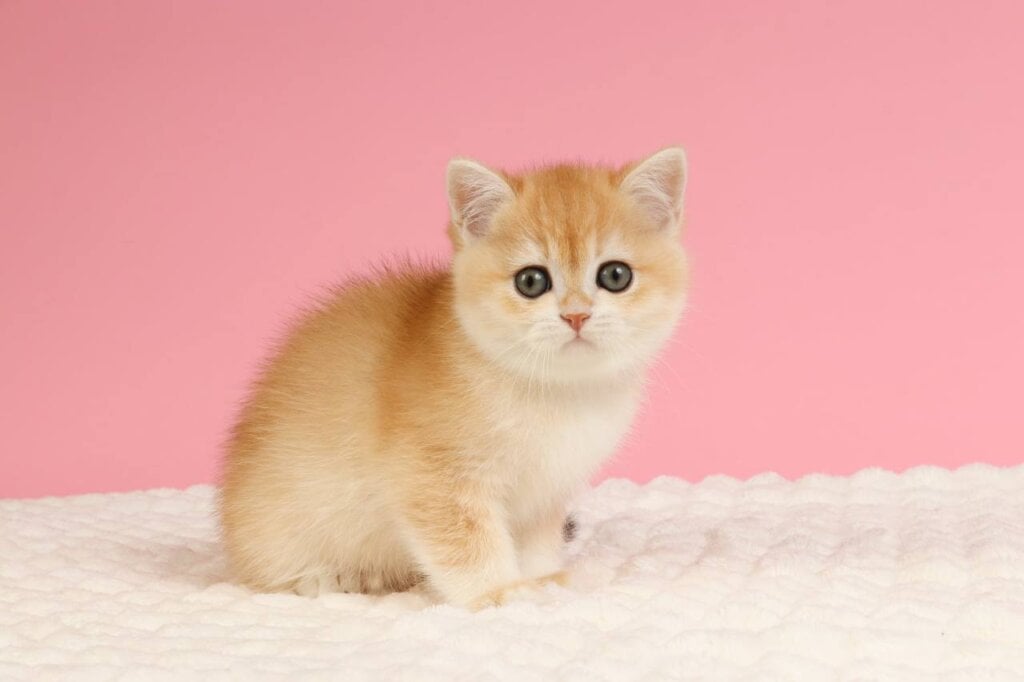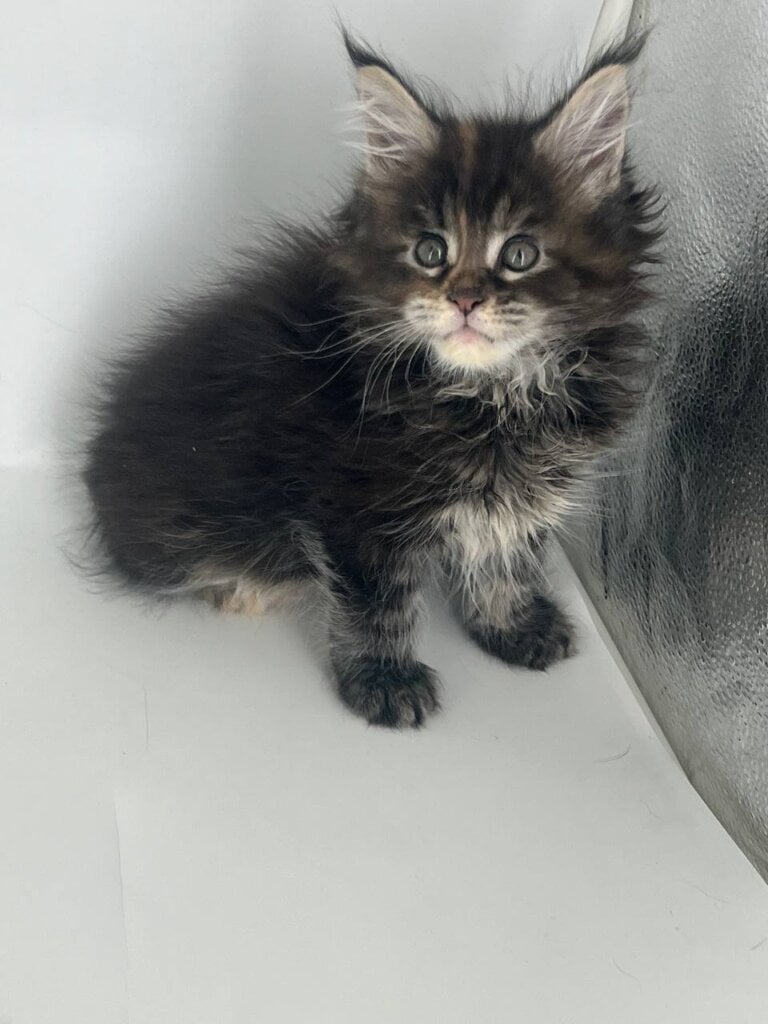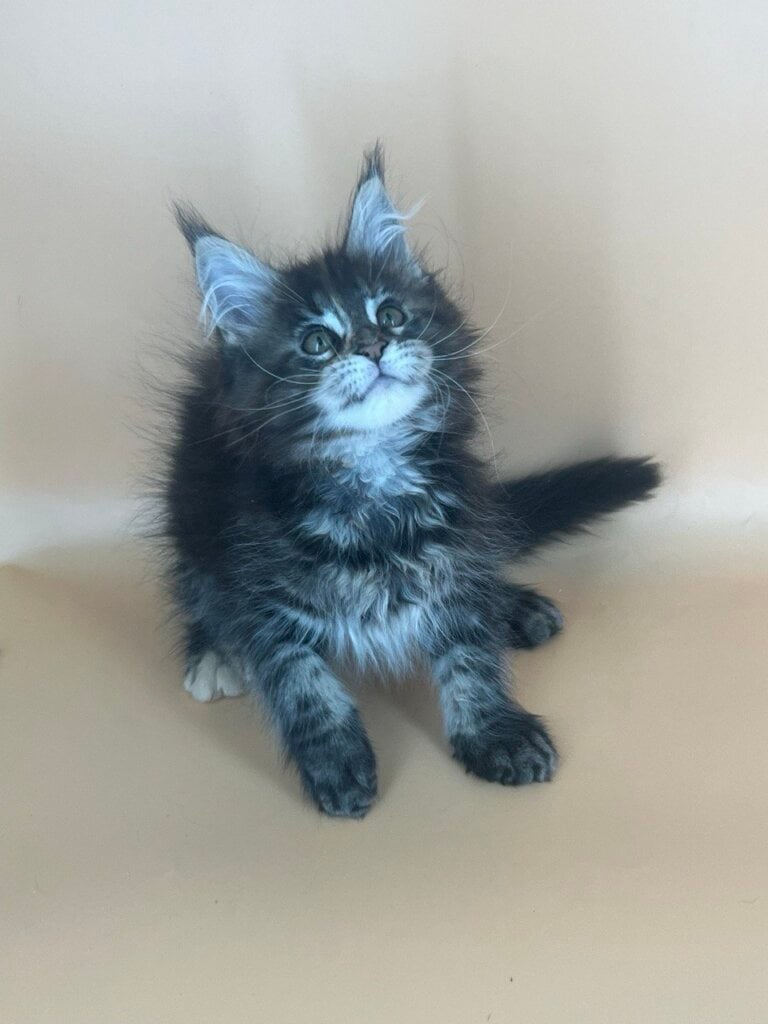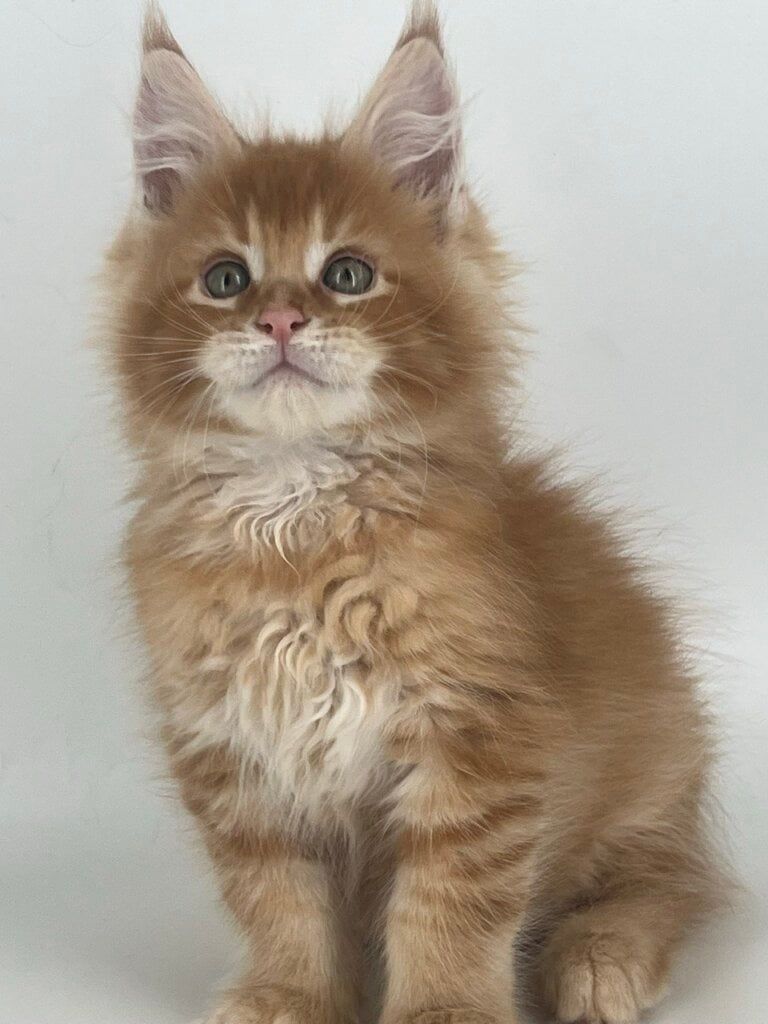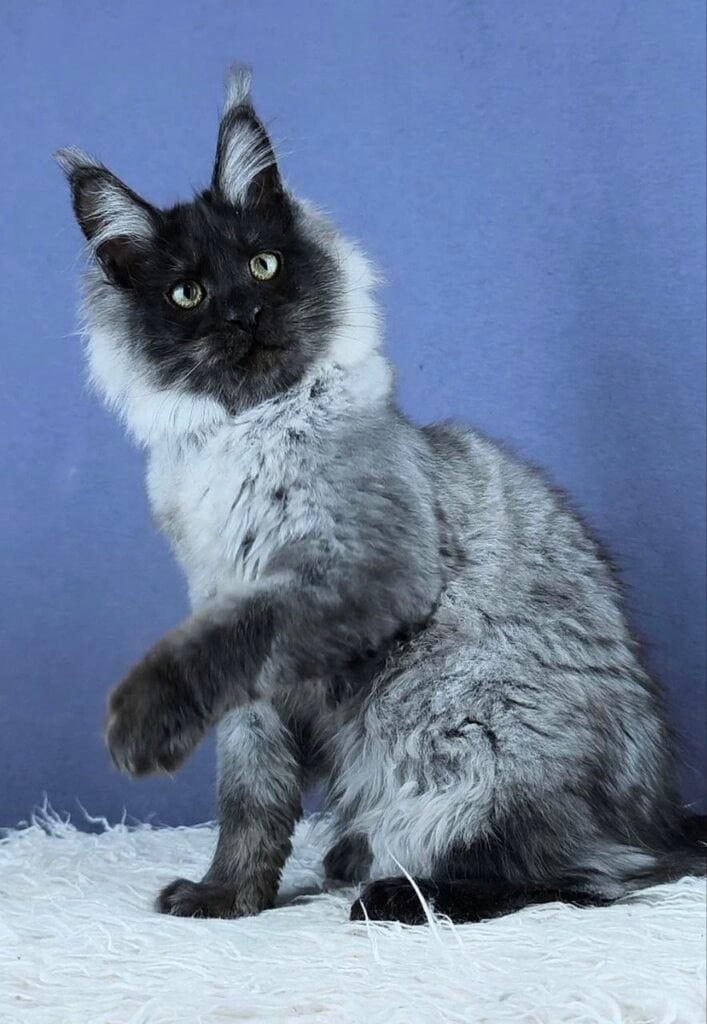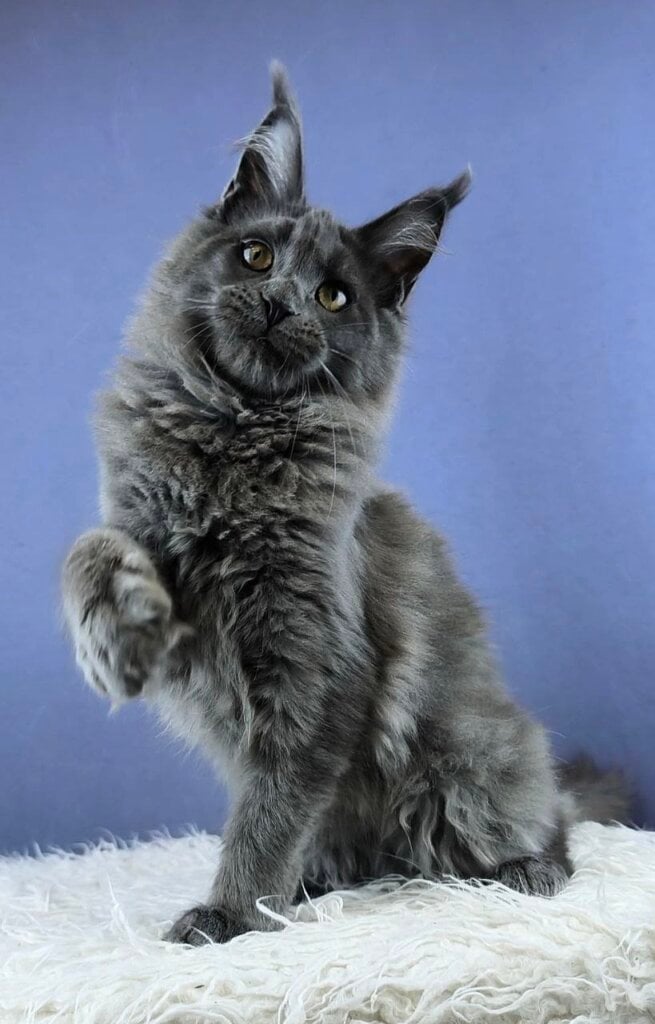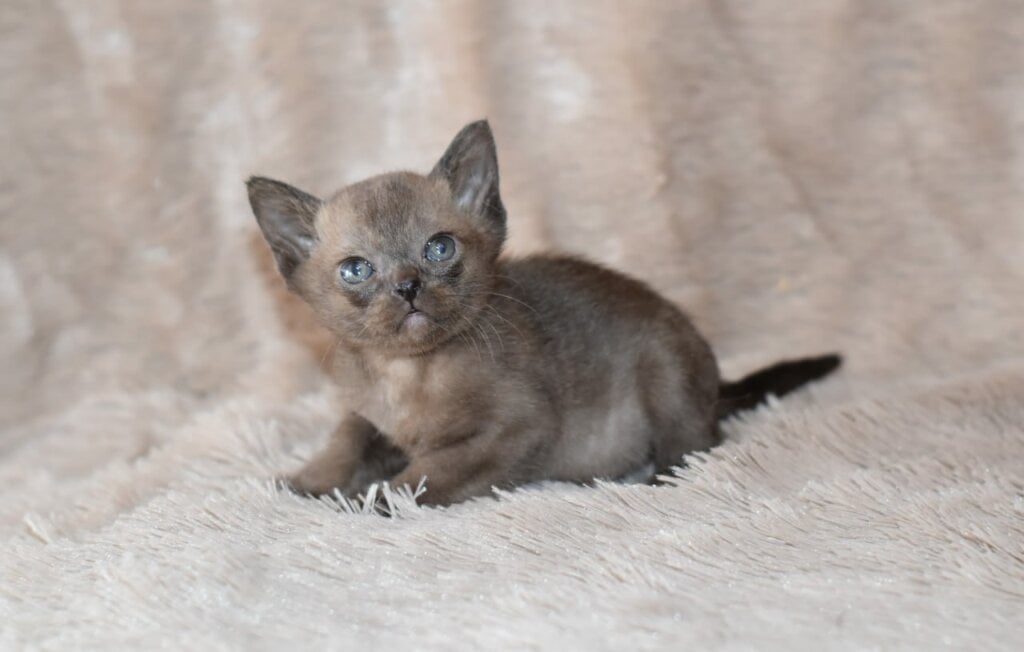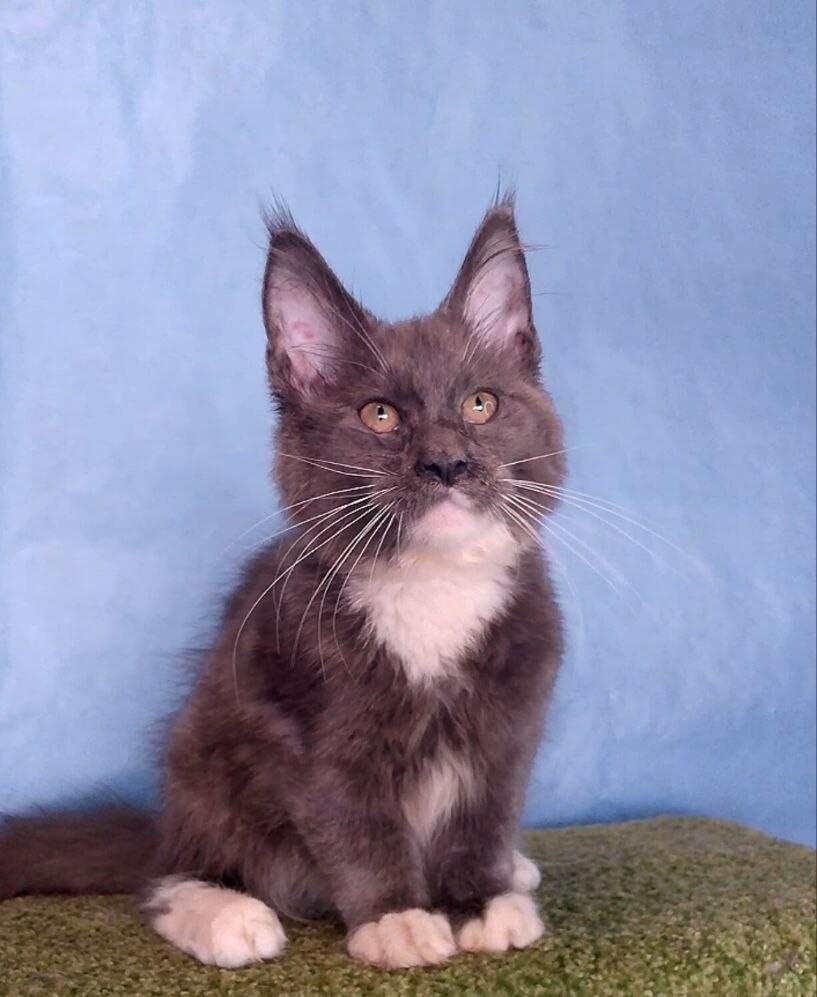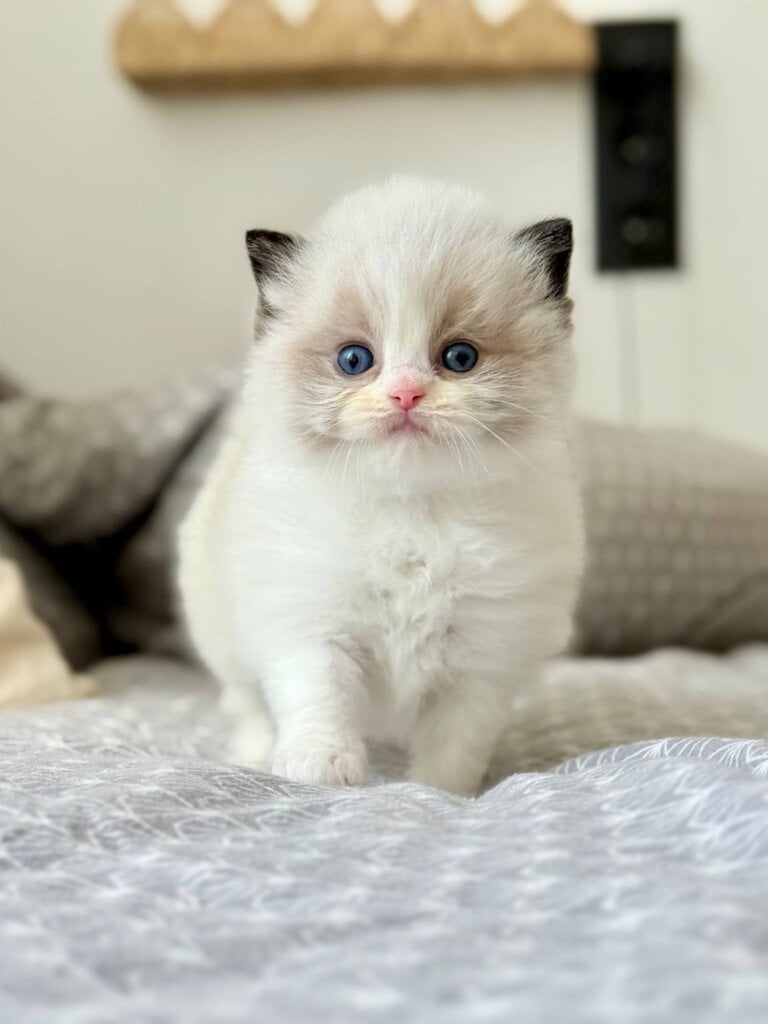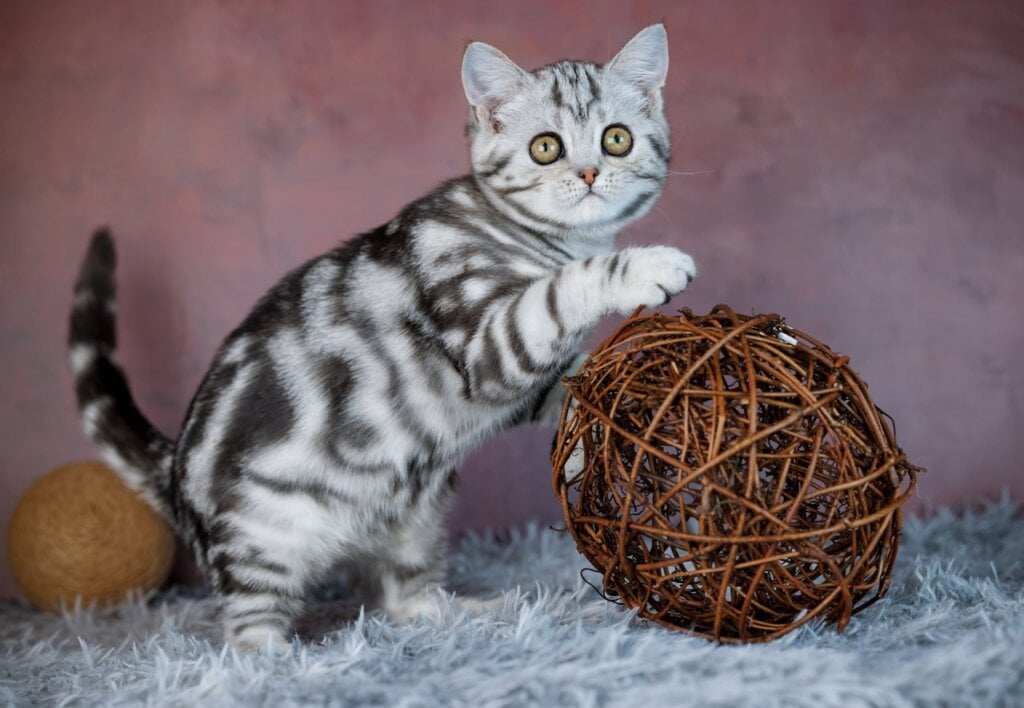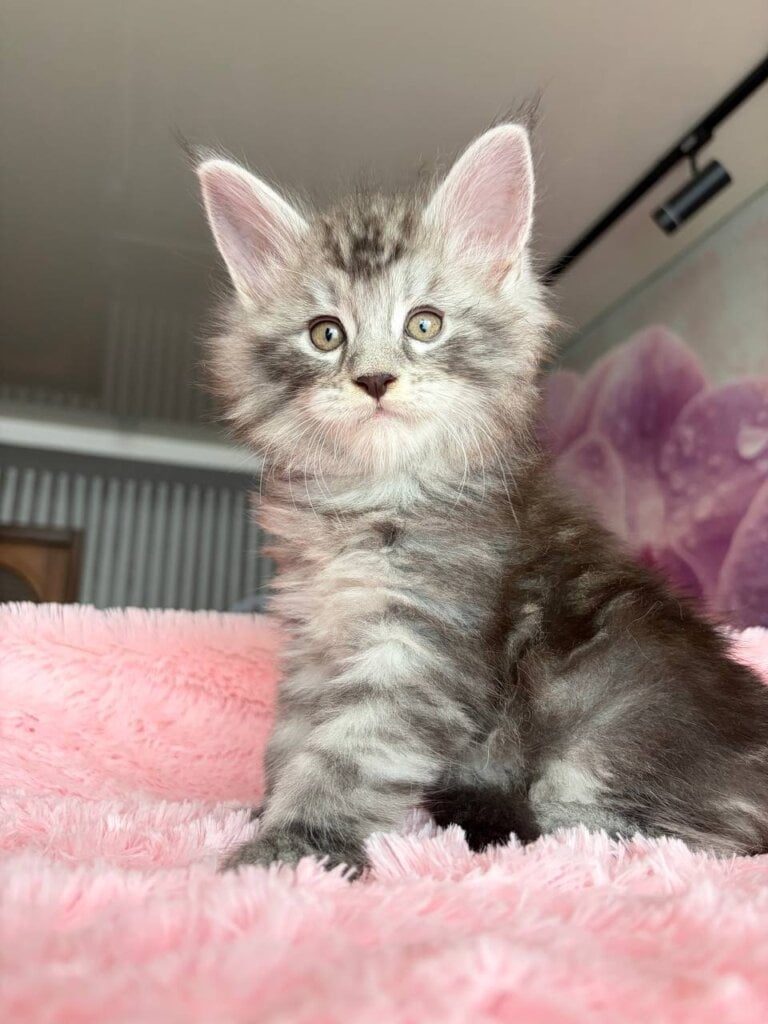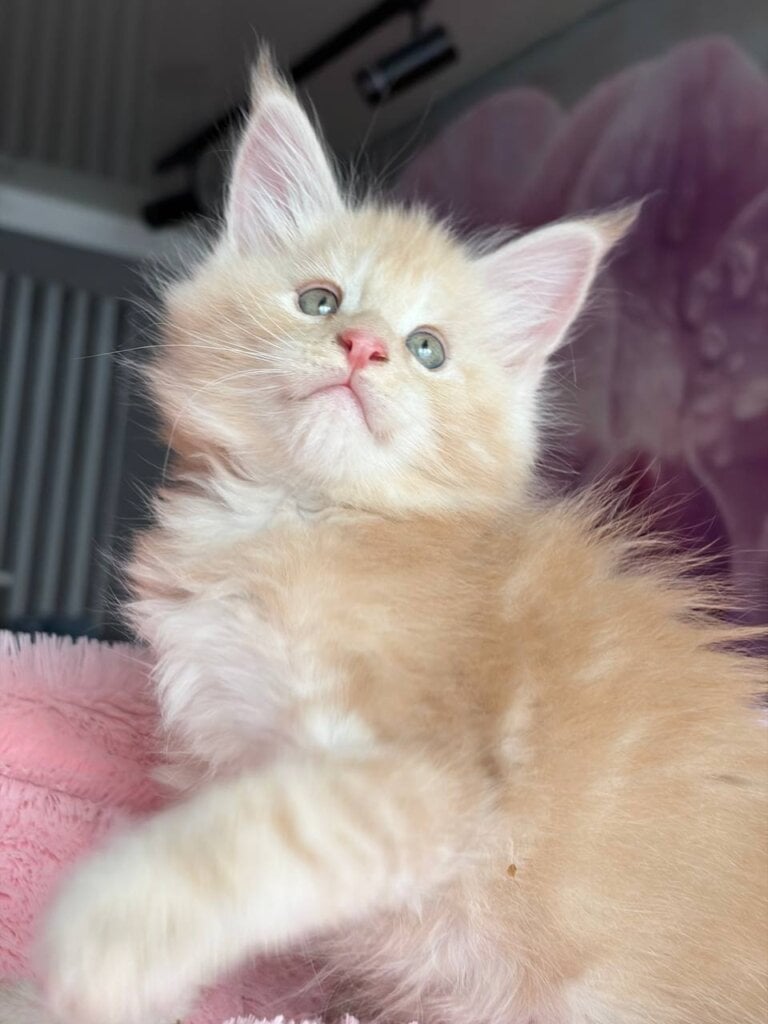

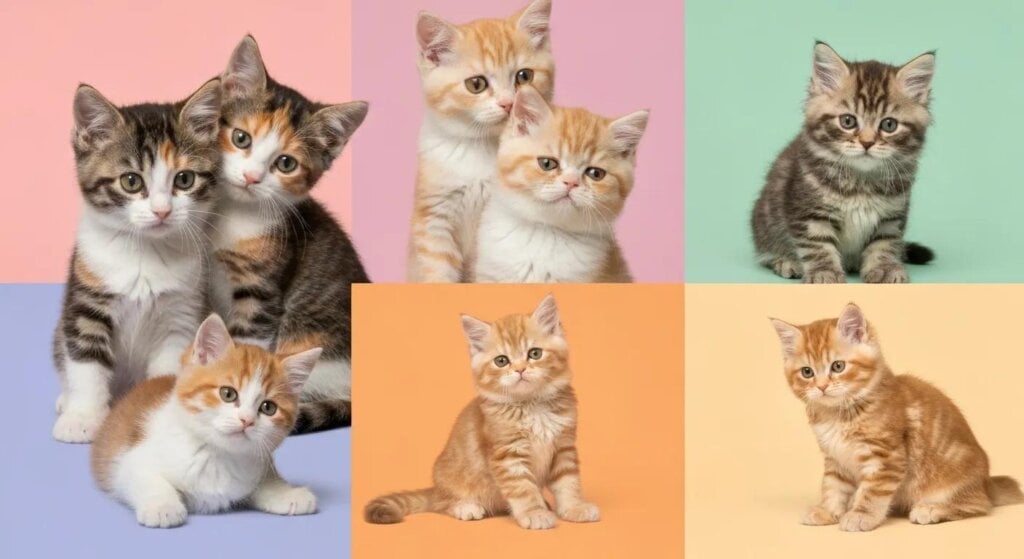
Choose Your Purr-fect Kitten Breed
Choosing the right kitten breed starts with matching a cat’s natural traits to your living situation, daily routine, and long-term expectations. This article explains how space, activity level, family dynamics, allergies, and grooming commitments shape breed suitability, then maps personality traits to household types and recommends specific breeds for common lifestyles. You’ll also discover how ethical breeding practices influence health and temperament, what tools can help narrow your options, and the practical next steps to bring a kitten home safely. Throughout, we use breed examples such as British Shorthair, Maine Coon, Scottish Fold, Ragdoll, and Devon Rex to illustrate trade-offs and outcomes, and we point to trusted resources and breeder practices that reduce risk. By the end, you’ll have a clear checklist to prioritize traits, a comparison matrix to narrow breeds, and a step-by-step path to reservation and adoption aligned with responsible sourcing and post-adoption support.
What Lifestyle Factors Should You Consider When Choosing Your Kitten?
Understanding lifestyle factors means assessing how your kitten’s size, energy, sociability, and care needs will interact with your daily life. Living space defines physical possibilities: apartment dwellers often need calm, lower-energy breeds while homeowners with outdoor access can consider larger, more active types. Activity level ties directly to enrichment needs and time investment; busy professionals often prefer self-entertaining, independent breeds, while active families will love playful companions that demand interaction. Family dynamics—children, other pets, seniors—change tolerance requirements: tolerant, patient breeds reduce stress in households with kids or dogs. Finally, allergies and grooming commitments impose practical constraints; breeds with lighter shedding or specific coat types can reduce allergen exposure and grooming time.
Living space, activity, family dynamics, allergies, and grooming are the five core lifestyle factors to evaluate before choosing a breed. Below is a short checklist to help you prioritize these variables in order of importance for your household.
- Assess your living space and allowable indoor/outdoor access first.
- Evaluate daily time available for play, training, and veterinary care.
- Consider family composition: children, seniors, and other pets.
- Factor in allergy sensitivity and your tolerance for grooming tasks.
This checklist helps create the decision framework you’ll use when comparing breeds and personality traits in the sections that follow.
How Does Your Living Space Affect Your Kitten's Breed Selection?
Living space determines which breeds will thrive and which will struggle in your home because size, energy, and need for vertical territory vary across breeds. Smaller apartments favor breeds that adapt to indoor-only life and make efficient use of vertical climbing structures; calm, moderately active cats with lower territorial roaming needs perform best in compact settings. Conversely, houses with secure outdoor access or larger indoor footprints allow room for larger, more active breeds that need exploration and physical outlets. Practical adjustments such as wall-mounted cat shelves and puzzle feeders can compensate for limited floor space and support even high-energy breeds in smaller homes.
Choosing the right breed for your space reduces the risk of behavioral problems and results in a better match long-term. Understanding space needs leads naturally into matching breeds to owner activity level and daily availability.
What Role Does Your Activity Level Play in Choosing Your Cat?
Owner activity level determines how much interactive play, enrichment, and training your cat will receive, which directly affects breed suitability. Active owners who spend time playing, rotating toys, and engaging in training will get the most from energetic, social breeds that demand stimulation and interactive time each day. Less active or frequently absent owners benefit from more independent, lower-energy breeds that self-entertain and tolerate longer periods alone. Time commitments also include grooming and health care; owners who can maintain daily brushing and scheduled vet visits can responsibly keep longer-haired or higher-maintenance breeds.
Matching energy needs minimizes stress for both cat and owner and increases likelihood of sustained behavioral harmony. After clarifying how active you can realistically be, the next consideration is how family dynamics influence breed tolerance and safety.
How Do Family Dynamics Influence the Best Kitten Breed for Your Home?
Family composition—young children, other pets, or elderly household members—shapes the qualities you’ll want to prioritize in a kitten, with tolerance for handling, patience, and sociability ranking high. Breeds known for gentle temperaments and tolerance for unpredictable handling usually perform better around children, while skittish or high-strung breeds require careful introductions and supervision. If other pets are present, select breeds with proven social compatibility or plan for gradual, supervised introductions to reduce stress. Training children in respectful handling and establishing quiet retreat spaces for the kitten are essential safeguards that improve long-term coexistence.
Prioritizing kid-friendly traits and a clear plan for pet introductions creates safer early interactions and better social outcomes. Next, consider whether allergy concerns should steer your breed choices.
Should Allergy Concerns Affect Your Kitten Choice?
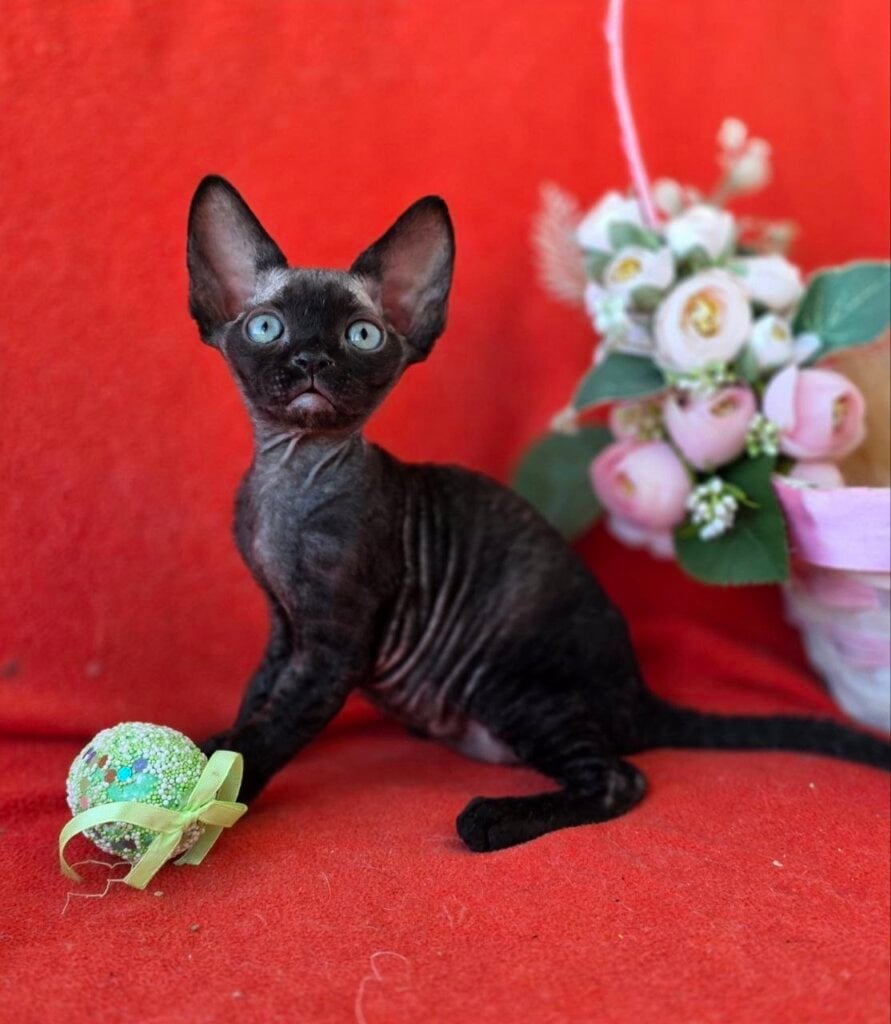
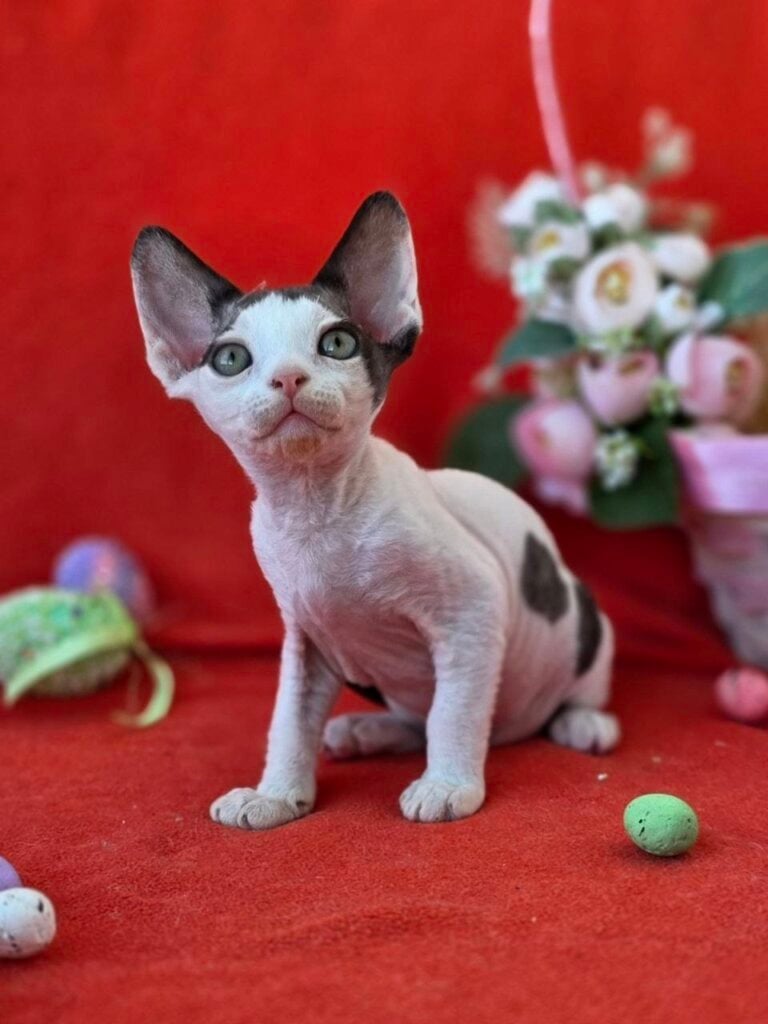
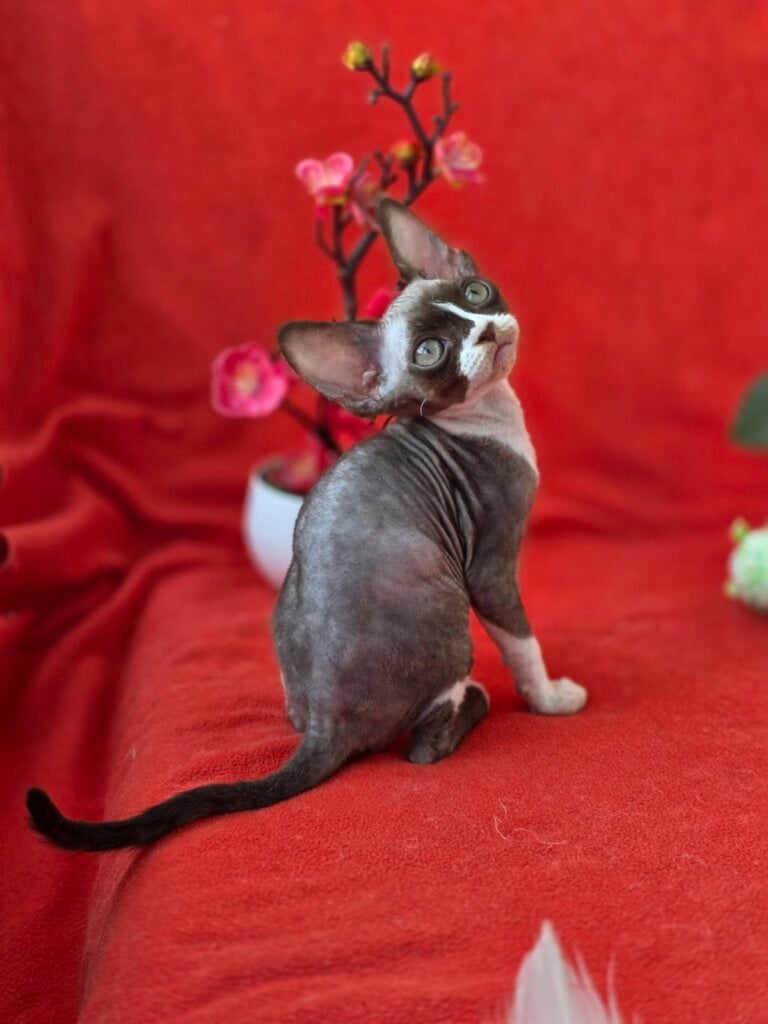
Allergy susceptibility often centers on Fel d 1 protein exposure, so “hypoallergenic” labels are approximations rather than guarantees; breed-related differences exist but individual reactions vary. Some breeds like the Devon Rex are frequently recommended for allergy sufferers because of coat structure and shedding patterns that can reduce airborne dander, but cleaning, air filtration, and grooming routines are the most reliable mitigation strategies. If you have allergies, you’ll want to arrange low-commitment trials (spending time with specific breeds) and plan environmental controls such as HEPA filtration, regular vacuuming, and designated cat-free zones to minimize symptoms. Managing expectations and combining sensible household measures yields the best practical results for allergy-prone homes.
Understanding real-world mitigation steps reduces the risk of surrender due to allergy issues. With allergies and space addressed, you can evaluate grooming commitments required by different coat types.
How Much Grooming Can You Manage?
Grooming commitment depends on coat length, shedding patterns, and breed-specific maintenance like ear care or brushing frequency; short-haired breeds typically need weekly brushing while long-haired breeds often require daily grooming and occasional professional trims. Consider time and cost for grooming tools, anti-shed strategies, and seasonal shedding management when choosing a breed; neglecting grooming increases matting risk and skin problems, which impacts both health and temperament. If you’re looking for low-maintenance ownership, prioritize short-coated breeds with minimal grooming needs, and schedule routine veterinary checks that include coat and skin assessments to catch issues early. Realistic assessment of time and willingness to groom ensures you select a breed that fits your lifestyle sustainably.
A clear grooming plan supports better health outcomes and stronger owner–pet bonds, and leads naturally into matching personality traits to home environments.
Which Kitten Personality Traits Match Your Lifestyle and Home?
Personality traits describe how your kitten will behave day-to-day and are essential for predicting compatibility: affectionate, independent, playful, calm, and vocal are key axes to evaluate. Affectionate cats seek lap time and close contact, independent cats self-entertain and tolerate solitude, playful cats require interactive enrichment, calm cats fit quiet households, and vocal cats communicate frequently and can affect neighbors in apartment settings. Mapping these traits to household preferences helps you prioritize which behaviors you can accommodate and which may become sources of friction if mismatched. Below is a compact trait table to quickly match traits to household types.
| Trait | What it Means | Best Suited For |
|---|---|---|
| Affectionate | Seeks frequent physical closeness and social contact | Families, people wanting lap time |
| Independent | Prefers alone time and is content with limited interaction | Busy professionals, frequent travelers |
| Playful | High activity and toy-based interaction required | Active households, homes with children |
| Calm | Low activity and relaxed demeanor | Small apartments, seniors |
| Vocal | Frequent meowing and communication | Households tolerant of noise, social homes |
This trait matrix clarifies how to prioritize temperament attributes when narrowing breed options and leads into side-by-side comparisons of affectionate versus independent types.
What Key Personality Traits Should You Know?
Key traits—affection, independence, playfulness, calmness, and vocality—predict daily routines and the amount of social or environmental enrichment your kitten will need. Affection indicates desire for lap time and closeness; independent cats tolerate being left alone and require less human contact to stay content. Playfulness reflects energy and the need for interactive toys and structured play sessions, while calmness signals lower activity and easier adaptation to quiet households. Vocality affects noise tolerance and can influence neighbor relations in apartment living. Recognizing which traits you value guides selection and helps prevent mismatches that lead to behavior problems.
After defining traits, the next step is comparing affectionate and independent breeds to see how these characteristics shape care routines.
How Do Affectionate and Independent Breeds Differ for Your Home?
Affectionate breeds tend to seek human contact, follow owners through the home, and require regular positive interactions; they thrive with predictable routines and reinforced social play. Independent breeds show more self-sufficiency, entertain themselves with puzzle feeders or window perches, and tolerate longer absences without developing separation stress. Choosing between these types depends on the emotional needs you expect a cat to fulfill—companionship and frequent interaction versus a low-maintenance presence that integrates into a busier household. Training, early socialization, and environment design can shift expressions of these traits, but inherent breed tendencies are strong predictors of day-to-day behavior.
Understanding these differences informs choices about time investment and enrichment, which then directs us to breeds known for playful or calm dispositions.
Which Breeds Are Known for Being Playful or Calm?
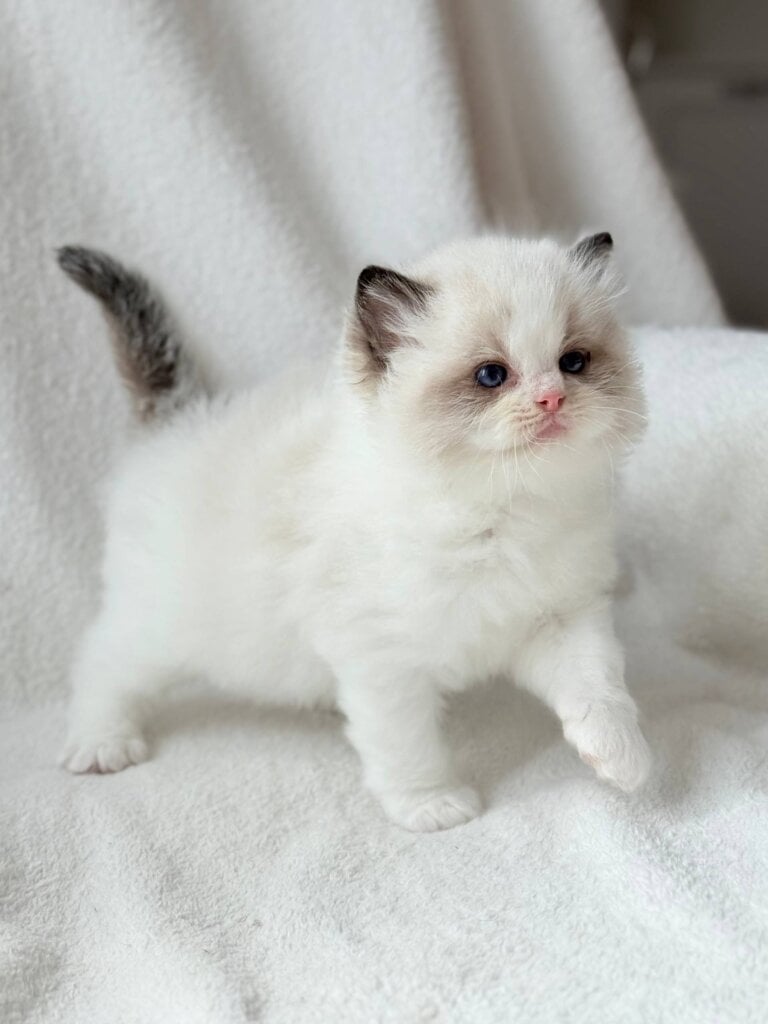
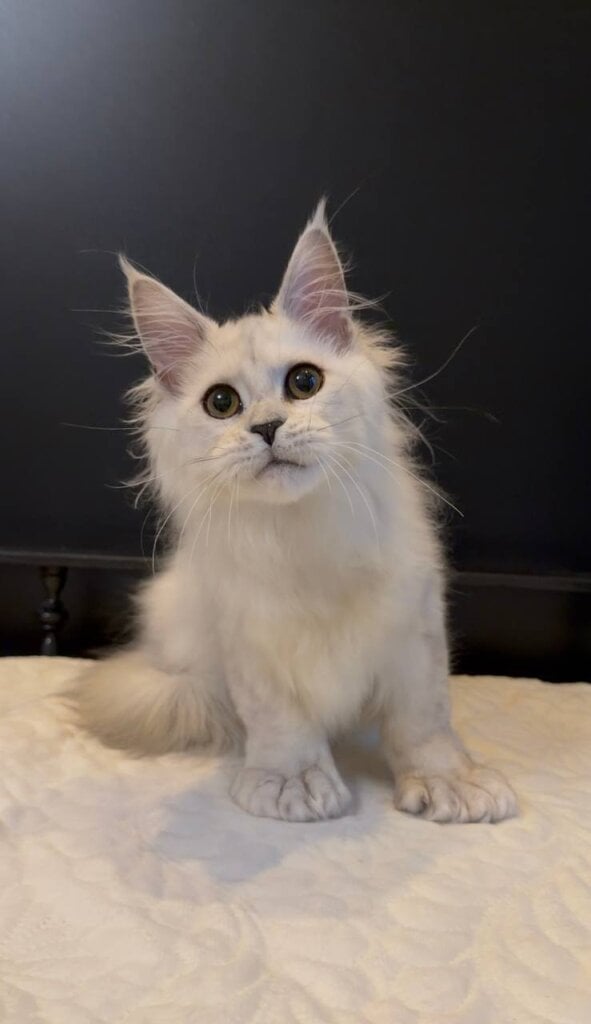
Some breeds reliably skew toward playfulness or calmness based on breed histories and observed temperament clusters. Playful breeds like Maine Coon and Devon Rex often stay kittenish longer and love interactive toys, while calm breeds such as British Shorthair and Ragdoll are prized for relaxed lap-friendly behavior and lower activity bursts. Choosing a playful breed requires commitment to daily interactive sessions and environmental enrichment to channel energy positively. Conversely, calm breeds suit smaller homes and owners who prefer settled companions with predictable routines and gentle handling requirements.
A quick temperament comparison across common purebreds helps narrow options; the next section provides suitability recommendations for specific lifestyle needs.
| Breed | Key Trait | Typical Value/Score |
|---|---|---|
| British Shorthair | Calm / Affectionate | 8/10 calm, 6/10 playful |
| Maine Coon | Playful / Social | 7/10 playful, 9/10 social |
| Scottish Fold | Calm / Gentle | 8/10 calm, 7/10 affectionate |
| Ragdoll | Very affectionate / Relaxed | 9/10 affectionate, 5/10 vocal |
| Devon Rex | Energetic / Playful | 9/10 playful, 6/10 affectionate |
This temperament table helps match breed tendencies to your daily expectations and prepares you to examine breed recommendations for specific lifestyle buckets.
What Are the Best Cat Breeds for Your Specific Lifestyle Needs?
Certain breeds consistently rank highly for apartment living, families with children, allergy reduction strategies, low-maintenance care, and active owners seeking playful companions. Matching a breed to these lifestyle buckets reduces behavioral risks and boosts satisfaction. Below are targeted ranked lists for each common need with short rationales to support quick decision-making.
Which Breeds Are Purr-fect for Apartment Living?
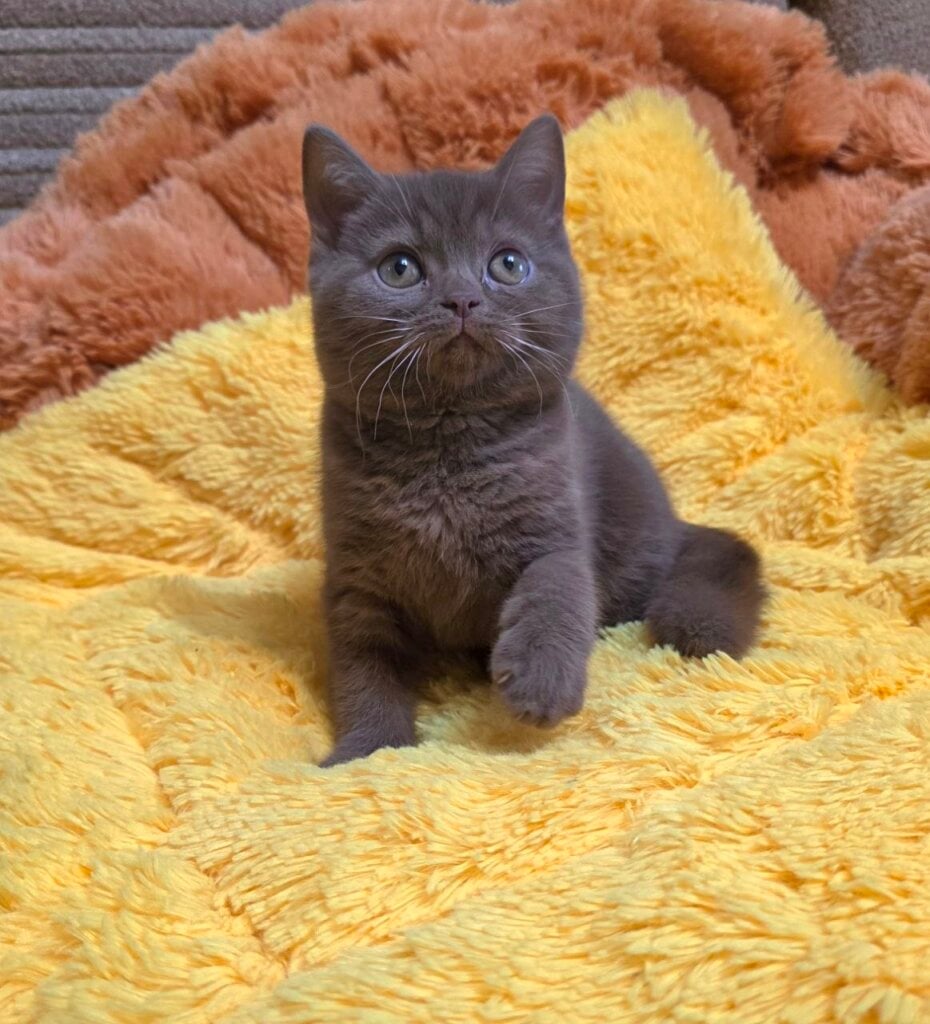
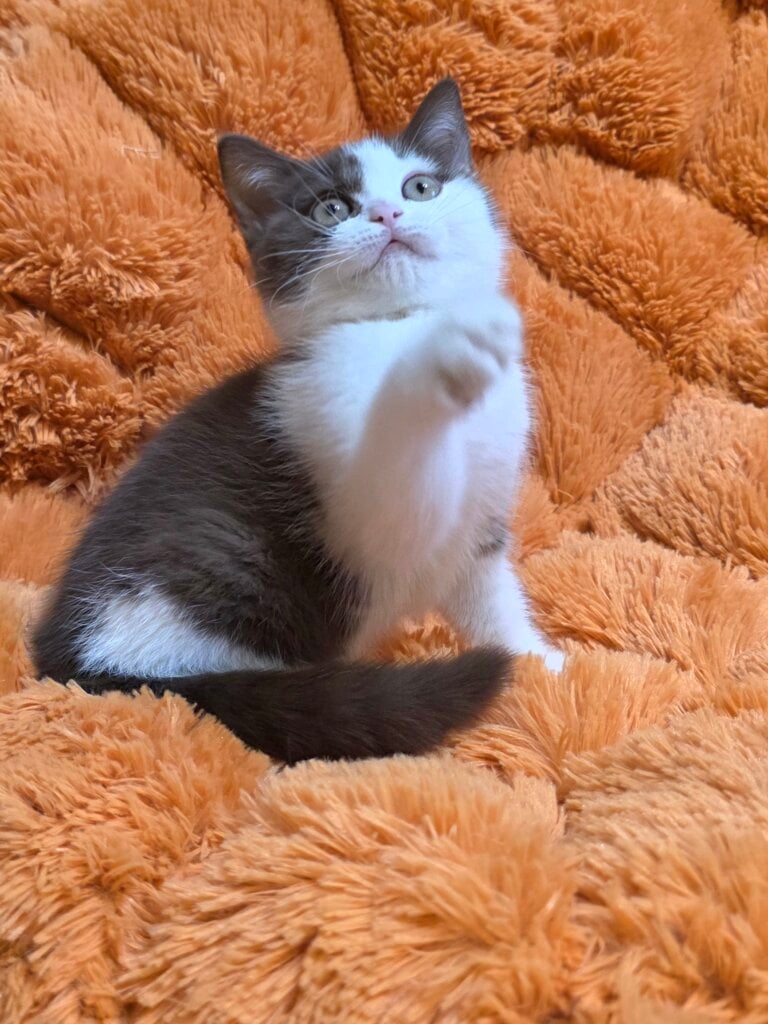
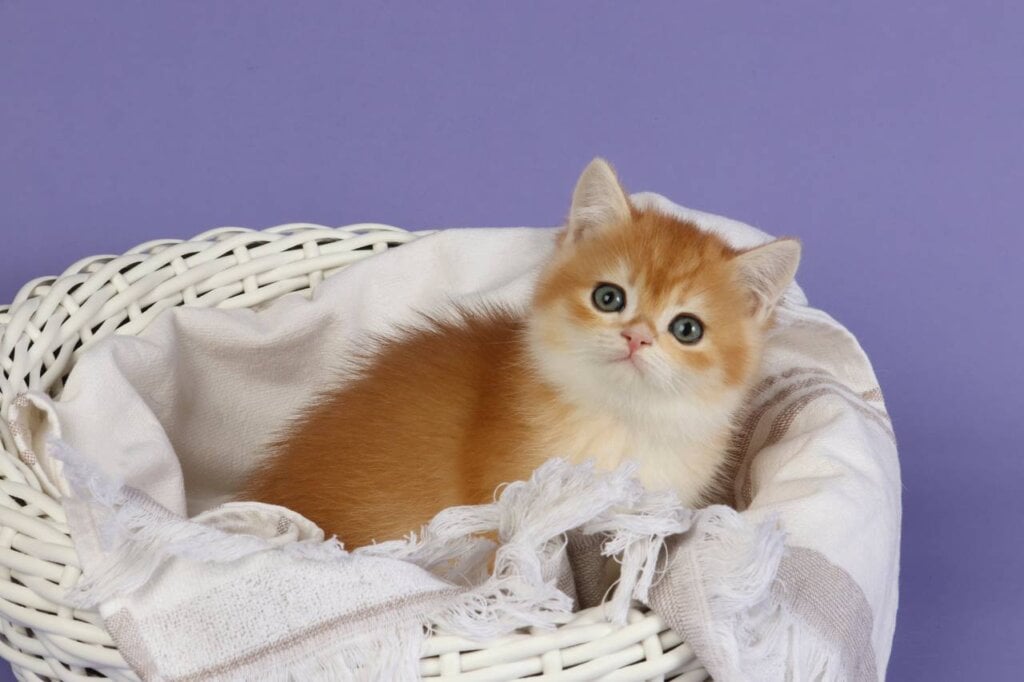
Apartment-friendly breeds tend to be calm, moderately active, and adaptable to indoor-only life; vertical enrichment and routine play help prevent boredom. Our top picks often include British Shorthair for its calm demeanor, Ragdoll for affectionate but gentle behavior, and Scottish Fold for quiet tolerance. These breeds require consistent indoor enrichment and accessible comfortable resting spots, but they generally adapt well to smaller spaces with owner attention and environmental design.
- British Shorthair: calm and low-key, minimal vocality.
- Ragdoll: affectionate and relaxed, tolerates close handling.
- Scottish Fold: gentle, adaptable to indoor routines.
Selecting one of these breeds for apartment living reduces noise complaints and helps maintain a settled home environment.
What Are the Top Kid-Friendly Cat Breeds for Your Family?
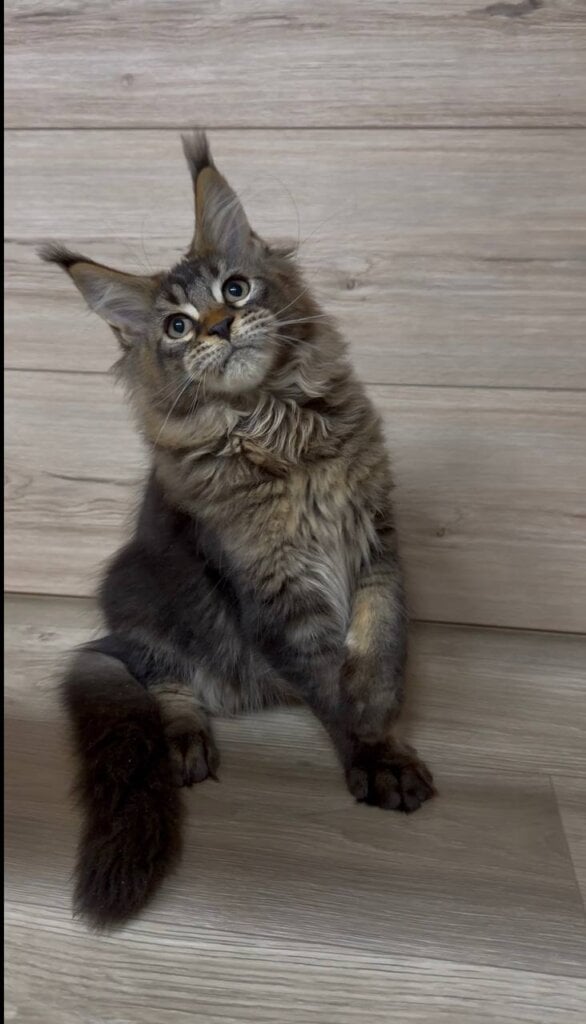
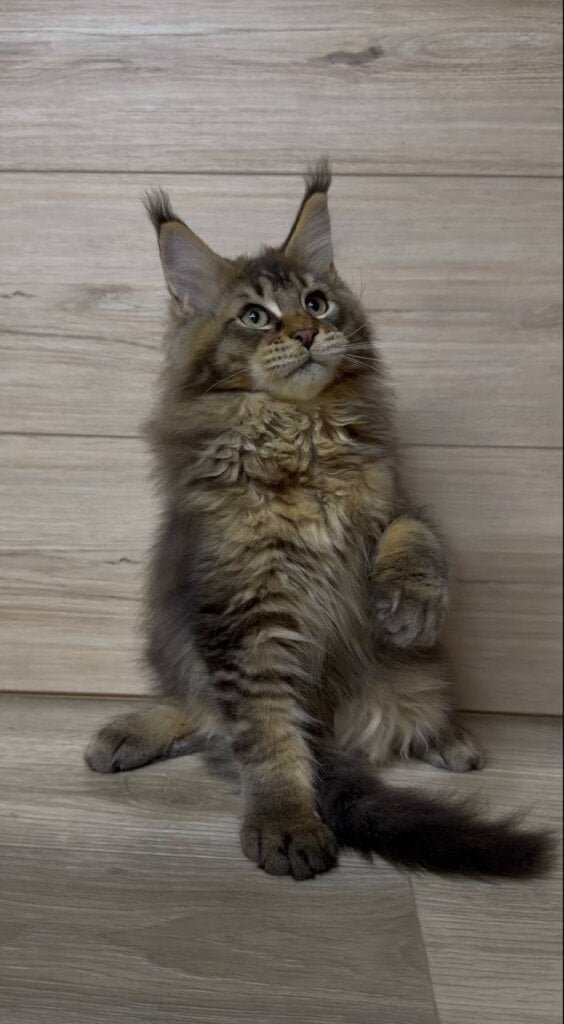
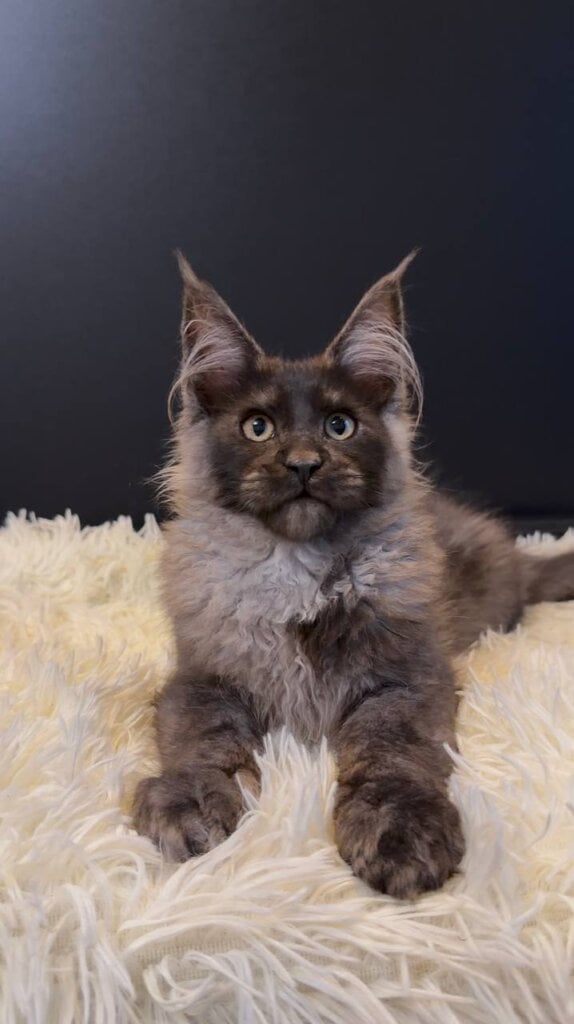
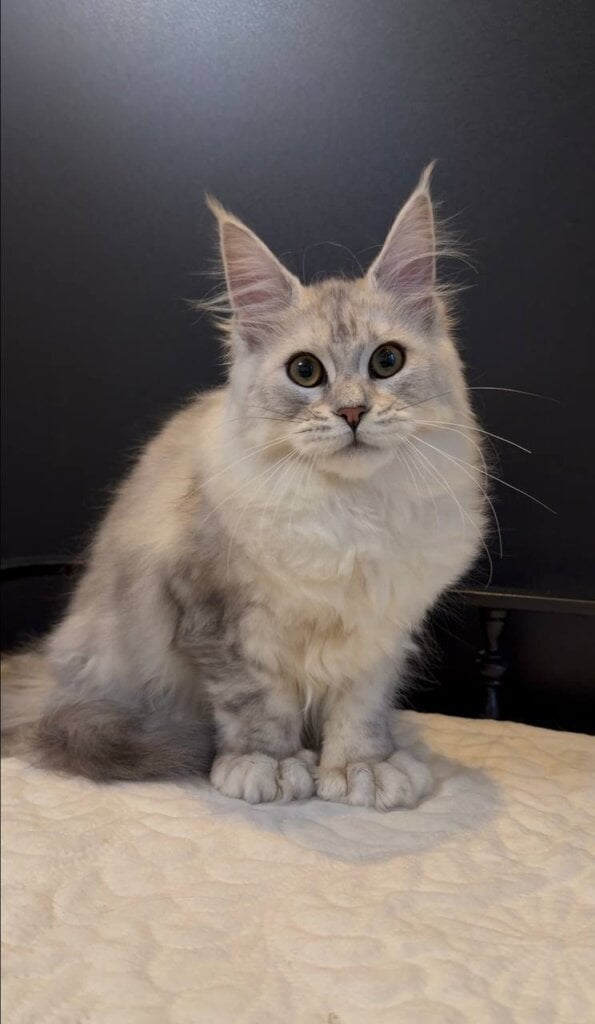
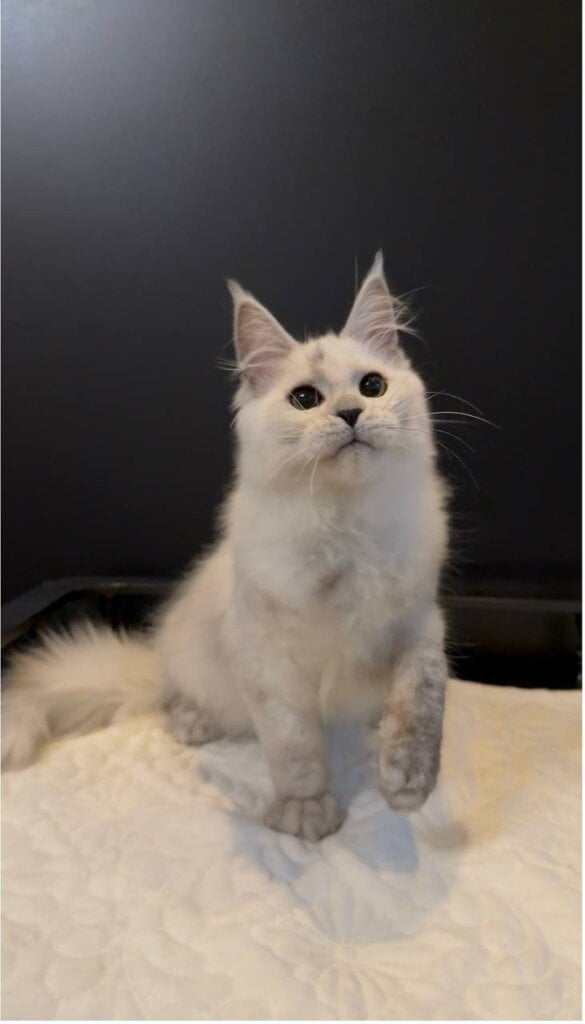
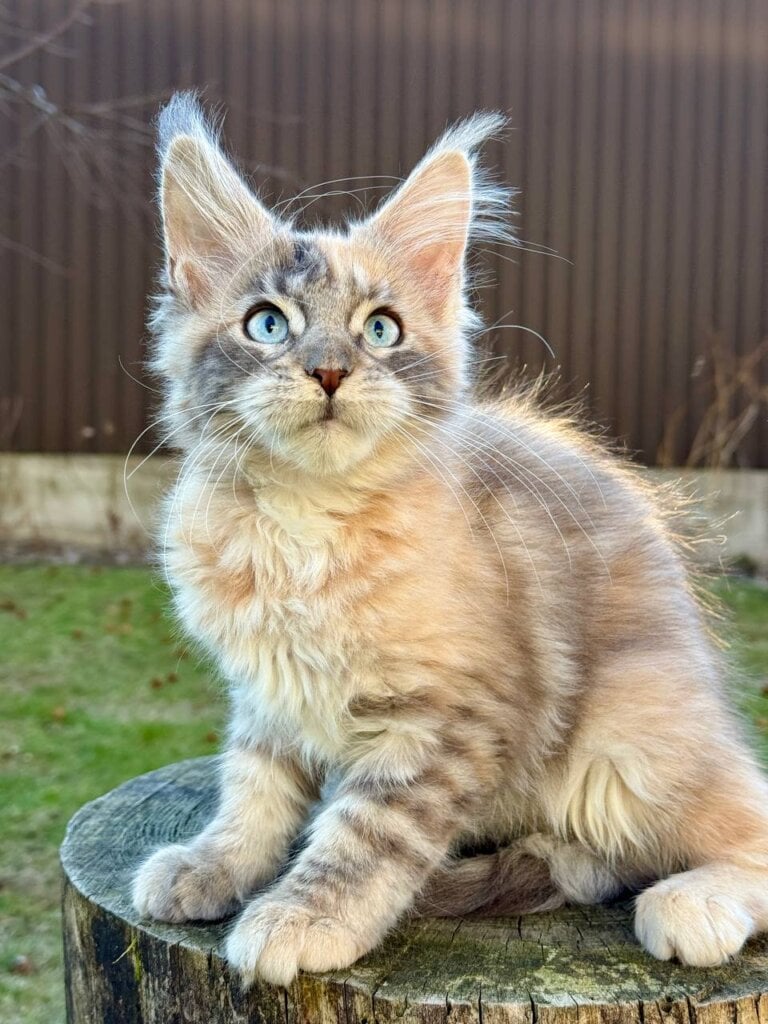
Kid-friendly breeds show tolerance for handling, patience, and social curiosity; they recover quickly from interruptions and enjoy interactive play that includes children. Maine Coon often ranks highly for family households due to size, patience, and playful but gentle nature. Ragdoll is another strong choice for families seeking a lap-friendly, tolerant companion. Supervision, teaching children respectful handling, and providing safe escape spaces for the kitten are still essential practices regardless of breed selection.
- Maine Coon: patient, playful, robust for family chaos.
- Ragdoll: gentle, affectionate, enjoys human company.
- British Shorthair: steady temperament, less fragile around kids.
These options balance playfulness and tolerance to create safer interactions between children and kittens.
Which 'Hypoallergenic' Cat Breeds Are Suitable for Allergy Sufferers?
“Hypoallergenic” in cats is conditional; it typically relates to lower Fel d 1 dispersal or coat types that trap dander. Devon Rex is often recommended because its short, curly coat sheds less, potentially reducing airborne dander. Realistic expectations and environmental controls—regular grooming, HEPA filtration, and strict cleaning routines—remain primary defenses for allergy sufferers. Spending time with a candidate breed and tracking symptom response gives the most reliable indication of compatibility.
- Devon Rex: lower shedding coat; good for some allergy sufferers.
- (Note) Mitigation steps like HEPA filters and frequent cleaning enhance tolerance.
- Trial interactions are the recommended path before committing.
Practical mitigation combined with breed choice improves outcomes for allergy-prone households.
What Are the Best Low-Maintenance Cat Breeds for You?
Low-maintenance breeds minimize daily grooming while maintaining stable health profiles; short-haired types typically fall into this category and require less frequent brushing. British Shorthair, with its dense but manageable coat, and short-haired mixed-breed cats often need minimal grooming and fewer professional trims. Owners who want low-maintenance cats still must commit to routine vet visits, dental care, and standard preventive health measures to sustain long-term wellbeing.
- British Shorthair: easy grooming and steady health profile.
- Short-haired domestic breeds: minimal brushing requirements.
- Practical routines and vet oversight remain essential.
Reducing grooming burden frees up time while still requiring responsible health maintenance.
Which Breeds Fit Active Owners Looking for Playful Companions?
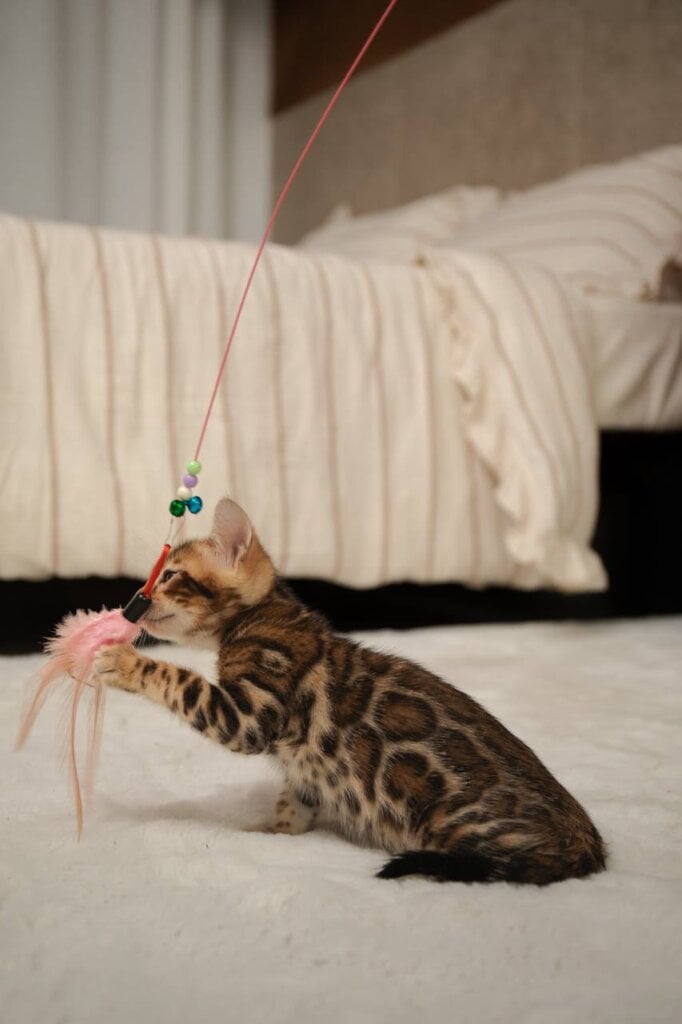
Active owners benefit from breeds that thrive on play, puzzle feeders, and interactive training; these cats reward time investment with high engagement and ongoing amusement. Maine Coon and Devon Rex often excel with owners who can provide multiple daily play sessions and rotating enrichment. Owners should plan for durable toys, climbing spaces, and consistent interaction to keep these energetic breeds mentally and physically satisfied.
- Maine Coon: large, playful, enjoys games and fetch-like activities.
- Devon Rex: highly interactive and thrives with frequent play.
- Practical toy rotation and climbing options extend engagement.
These breeds require a higher time investment but deliver social and playful companionship for active households.
| Breed | Suitable For | Reason/Notes |
|---|---|---|
| British Shorthair | Apartment, Low-maintenance | Calm, low vocality, manageable grooming |
| Maine Coon | Families, Active owners | Social, playful, tolerant with children |
| Scottish Fold | Small homes, Calm families | Quiet temperament, adaptable |
| Ragdoll | Families, Affection seekers | Very gentle, lap-friendly |
| Devon Rex | Allergy mitigation, Active homes | Low shedding coat, highly playful |
This suitability matrix maps breeds to lifestyle buckets and helps you quickly narrow options based on your prioritized needs.
How Does Responsible Breeding Impact Your Kitten's Health and Temperament?
Responsible breeding reduces inherited health risks and improves early-life socialization, both of which shape long-term health and temperament. Ethical practices—such as careful genetic screening, sourcing from reputable catteries, and early socialization—lower the incidence of hereditary conditions and promote confident, well-adjusted kittens. Health documentation, veterinary checks, and clear guarantees give you concrete recourse and peace of mind. Evaluating breeder credentials and post-adoption support structures helps owners select kittens with the best chances for long-term wellbeing.
Understanding breeder practices and guarantees informs your purchase decisions and leads into specific examples of responsible practices used by reputable providers.
What Ethical Breeding Practices Do We Follow at MeoWoff?
We source purebred kittens from WCF-registered European catteries and emphasize veterinary screening, routine vaccinations, microchipping, and thorough socialization to promote healthy temperament and early behavioral resilience. These measures reduce genetic and infectious risk factors before kittens are placed in new homes, and the socialization focus helps kittens adapt to handling and household routines. By sourcing from internationally recognized registries and following veterinary protocols, our practices aim to produce kittens better prepared for family life.
Breed Differences in Cat Behavior: Genetics, Traits, and Heritability
1. Cat domestication and selective breeding have resulted in tens of breeds with major morphological differences. These breeds may also show distinctive behaviour differences; which, however, have been poorly studied. To improve the understanding of feline behaviour, we examined whether behavioural differences exist among cat breeds and whether behaviour is heritable. For these aims, we utilized our extensive health and behaviour questionnaire directed to cat owners and collected a survey data of 5726 cats. Firstly, for studying breed differences, we utilized logistic regression models with multiple environmental factors and discovered behaviour differences in 19 breeds and breed groups in ten different behaviour traits. Secondly, the studied cat breeds grouped into four clusters, with the Turkish Van and Angora cats alone forming one of them. These findings indicate that cat breeds have diverged not only morphologically but also behaviourally. Thirdly, we estimated heritability in three breeds and obtained moderate heritability estimates in seven studied traits, varying from 0.4 to 0.53, as well as phenotypic and genetic correlations for several trait pairs. Our results show that it is possible to partition the observed variation in behaviour traits into genetic and environmental components, and that substantial genetic variation exists within breed populations.
2. The domestication of the cat likely occurred 10 000 years ago in the Near East1. In recent years, selection through intentional breeding has resulted in tens of morphologically differing breeds. For example, the International Cat Association currently recognizes 71 breeds2. According to cat owners and cat breeders’ organizations, cat breeds also show differences in behaviour. For example, the personality of Ragdoll is described as relaxed, loving, and friendly3, whereas Russian Blue cats are described as intelligent, playful, and reserved4. These descriptions are usually based on owner and breeder notio
Breed differences of heritable behaviour traits in cats, K Vapalahti, 2019
Listing these concrete credentials shows how responsible sourcing and early care translate into healthier, more sociable kittens for adopters.
How Does Our One-Year Genetic Health Guarantee Protect You?
A one-year genetic health guarantee typically covers congenital and hereditary conditions diagnosed within the guarantee period, offering financial or replacement remedies per the breeder’s policy; buyers should request written terms and understand exclusions. To validate a guarantee, ask for documented genetic test results, veterinary records, and clear procedures for making a claim. Guarantees do not replace routine veterinary care but provide an extra safety net that demonstrates breeder accountability and investment in long-term kitten health.
Knowing what a guarantee covers and how to verify it increases buyer confidence and reduces post-adoption uncertainty.
Why Is Early Socialization So Important for Kitten Temperament?
Early socialization during the critical window—roughly between three and twelve weeks—shapes a kitten’s comfort with handling, new environments, and other animals, producing long-term effects on sociability and stress response. Systematic, positive exposure to people, sounds, and mild novel stimuli builds resilience and reduces fear-based behaviors later in life. Breeders who prioritize gentle handling, varied social interactions, and safe exposure to household sights and sounds improve the likelihood of a confident adult cat, easing integration into family life.
Cat Welfare: How Lifestyle, Breeding, and Behavior Impact Pet Well-being
ABSTRACT: AbstractThe changing role of companion animals, accompanied by changes in human
lifestyle and demands, places them at risk of poor welfare. They are increasingly
subjected to stressors that prevent the adequate expression of normal behaviour.
Fear and anxiety often go unrecognised, leading to behavioural disorders that
are accompanied by negative affective states and poor welfare. Irresponsible
breeding practices result in increased incidences of inherited defects in pets,
which adversely affect physical and mental aspects of welfare, either directly,
through the anomaly itself, or indirectly, due to secondary effects. Increased
urbanisation has resulted in smaller living spaces, higher population densities
and longer working hours, all factors that affect the well-being of pets. A better
understanding of animal behaviour by both pet owners and professionals, to more
effectively meet the needs of dogs and cats and recognise their problems, should
inform the formulation of o
Key determinants of dog and cat welfare: behaviour, breeding and household lifestyle, KL Overall, 2014
Early socialization programs at the breeder level set kittens up for successful transitions, which leads to the post-adoption support you should expect.
How Do We Support You After Adoption at MeoWoff?
We provide post-purchase care advice and access to advisors who can guide new owners through early weeks after adoption, offering practical feeding, socialization, and health-monitoring guidance. This follow-up support complements the initial veterinary checks, vaccinations, and microchipping performed before placement, creating a continuity of care that helps owners navigate first vet visits and behavioral adjustments. Clear availability of aftercare guidance reduces common early-adoption issues and improves long-term outcomes for kittens and families.
Knowing that post-adoption advice and advisor access exist helps new owners feel supported during the critical early adjustment period.
How Can You Use Our Tools and Resources to Find Your Perfect Kitten Match?
Tools and curated resources simplify matching your priorities to available kittens by translating lifestyle inputs into breed suggestions and current listings. Our breed selector tools ask about living space, activity level, allergies, and family composition to generate ranked breed options and link those recommendations to actual available kittens with documented health records. Listing filters—by breed, age, and documentation—help you compare candidates quickly, while advisors and multimedia resources (photos, videos) provide contextual cues for temperament and appearance. Using these resources speeds decision-making and aligns expectations before you reserve or adopt.
A practical toolkit includes a breed selector, breed and listing pages, advisor contact options, and visual media; the table below shows how listing attributes support safe selection.
| Kitten Listing | Health & Documentation | Value |
|---|---|---|
| Example: British Shorthair litter | Vaccinated; microchipped; one-year genetic guarantee | Vaccination, microchipping, guarantee included |
| Example: Maine Coon litter | Veterinary checks; socialized; WCF-registered source | Health check and reputable source noted |
| Example: Devon Rex litter | Vaccinated; socialization emphasis; microchipped | Clear documentation and handling history |
This listing summary table demonstrates the documentation to look for when comparing kittens and helps you prioritize candidates with complete health records and responsible sourcing.
How Does Our MeoWoff Kitten Breed Selector Help You Choose?
Our MeoWoff Kitten Breed Selector guides selection by asking structured questions about your living space, daily routine, allergy concerns, and family composition, then ranking breeds and available kittens that match those inputs. Results typically present a short list of breeds with reasons for fit and highlight individual listings that include health documentation and breeder credentials. Using a breed selector can shorten search time by focusing attention on breeds that meet your core constraints and linking those suggestions to current inventory and support options.
A breed selector translates subjective preferences into objective matching criteria, making it easier to compare real kittens against your must-have traits.
Where Can You Browse Our Available Purebred Kittens?
When browsing available purebred kittens, use filters for breed, age, documentation (vaccinations, microchip), and source credibility to compare candidates efficiently and verify records before inquiry. Look for detailed listing notes on socialization, veterinary checks, and any genetic testing or guarantees offered; prioritize listings that explicitly state these attributes to minimize surprises. Sorting by documentation completeness and breed fit lets you shortlist kittens that match both temperament expectations and health safeguards.
Effective filtering and documentation checks reduce uncertainty and lead to better matches when you contact advisors or reserve a kitten.
How Can You Contact Our MeoWoff Advisors for Personalized Support?
Contact MeoWoff Kittens when you need tailored guidance about breed selection, available listings, or post-adoption care; prepare questions about documentation, guarantee terms, and socialization history to make the conversation efficient. Useful questions include requests for copies of veterinary records, genetic testing summaries, and explanations of the one-year genetic health guarantee scope. Having your household checklist ready (space, time, allergies, children, other pets) helps advisors recommend the best matches from current inventory.
A clear contact checklist and prepared questions produce faster, more helpful advisor guidance and a smoother path to reservation.
What Visual and Multimedia Resources Help You Understand Our Breeds?
High-quality photos and short videos showing breed movement, play behavior, and interaction with people reveal temperament cues that static descriptions can’t capture; look for images of kittens in home-like settings and clips of socialization exercises. Infographics comparing grooming needs, energy levels, and size help visualize trade-offs across breeds, while short Q&A videos with breeders addressing common concerns can clarify documentation and guarantee terms. Alt-texted images and concise captions also support search visibility and make breed traits easier to scan when comparing options.
Using multimedia alongside listings reduces guesswork and gives a more realistic sense of how a kitten may behave in your home.
Common Questions About Choosing Your Purr-fect Kitten!
Prospective owners frequently ask which breeds are easiest for first-time owners, when your kitten’s personality becomes apparent, whether gender predicts friendliness, whether adult personalities change after adoption, and what “hypoallergenic” really means. Direct, concise answers help readers make informed choices and reduce the risk of misaligned expectations. The brief answers below provide practical guidance and link back to deeper sections on temperament, breeder practices, and lifestyle fit.
What's the Best Cat Breed for First-Time Owners?
For first-time owners, adaptable, low-maintenance breeds with calm temperaments and clear care requirements are often best, such as British Shorthair and Ragdoll for their steady temperaments and patient nature. These breeds tolerate learning curves associated with feeding, litter training, and initial vet visits while offering predictable behavior patterns. First-time owners should prioritize consistent routines, basic enrichment, and a relationship with a trusted veterinarian to support health and behavior. Starting with a well-documented, socialized kitten from a responsible source further reduces early complications.
Choosing an adaptable breed paired with support and routine increases the odds of a successful first-time ownership experience.
How Early Can You Determine Your Kitten’s Personality?
Observable personality indicators emerge early—between three and seven weeks kittens show social preferences and play styles—but temperament continues to refine through juvenile stages up to around two years. Early signs to watch include response to handling, curiosity levels, and play intensity, which predict adult tendencies but remain modifiable through socialization and environment. Breeders who document early behavior and provide controlled exposures help buyers evaluate likely adult temperament more reliably. Observing a kitten in multiple contexts (play, handling, feeding) across several visits yields the best prediction accuracy.
Early observation combined with breeder reports gives the clearest signal of future temperament while recognizing some developmental change is normal.
Are Male or Female Cats More Friendly?
Gender differences are often overstated; while some trends appear in population studies, friendliness depends more on socialization, neuter status, and individual temperament than sex alone. Both males and females can be affectionate or independent; early handling and consistent positive interactions shape friendliness strongly. Asking breeders about litter-wide behavior and individual responses to people is more predictive than relying on gender. Focus on individual temperament observations and socialization history rather than assuming broad gender-based traits.
Prioritizing observed behavior over gender leads to a better match for expected social patterns.
Can Your Adult Cat’s Personality Change After Adoption?
Yes, an adult cat’s personality can change after adoption due to stress, new routines, and environmental enrichment, but most changes follow predictable adjustment patterns as the animal acclimates. Initial stress behaviors (hiding, reduced appetite, or guardedness) often resolve over days to weeks with consistent care, familiar routines, and proper enrichment. Positive reinforcement, gradual introductions to household members and pets, and veterinary oversight for prolonged issues support healthy behavioral transitions. Long-term personality shifts are possible but usually reflect sustained changes in environment or health status.
Understanding the adjustment timeline and providing reassurance minimizes undesirable changes and supports fast integration.
What Makes a Cat Breed 'Hypoallergenic'?
“Hypoallergenic” relates largely to lower production or dispersal of the Fel d 1 protein rather than an absolute absence of allergens; coat type and grooming habits influence how much dander becomes airborne. Breeds like Devon Rex are often cited for lower allergen dispersal due to coat characteristics, but individual human reactions vary widely. Effective mitigation combines breed selection with environmental controls—HEPA filtration, frequent cleaning, and grooming—to manage symptoms. Trial exposure to a specific kitten remains the most reliable test for allergy sufferers.
Combining a pragmatic breed choice with environmental measures gives allergy-prone owners the best chance of successful cat ownership.
What Are Your Next Steps to Bringing Home Your Purr-fect Kitten?
Bringing your kitten home requires clear steps: reserve or shortlist a kitten, prepare your home and supplies, arrange transport or pickup, and plan initial veterinary care and follow-up. Start by confirming documentation—vaccinations, microchipping, veterinary checks, and any genetic guarantee—and ask about socialization history. Prepare a safe space for the first 48–72 hours, secure necessary supplies, and schedule an early vet visit to establish baseline health. Clear coordination with our breeder or advisors ensures a smooth transition and reduces stress for kitten and family alike.
The numbered checklist below outlines practical next actions you can take once you decide on a breed or kitten.
- Confirm documentation and breeder credentials before reserving.
- Reserve or place a deposit per breeder procedure and obtain written terms.
- Prepare a safe, quiet space and gather essential supplies for arrival.
- Schedule the initial veterinary appointment within one week of arrival.
Following these steps organizes the adoption process and prepares both home and family for a successful transition.
How to Reserve Your MeoWoff Kitten Today!
To reserve a kitten from MeoWoff Kittens, you’ll want to review available listings and prepare to confirm documentation such as vaccination records, microchip status, and the one-year genetic health guarantee. The reservation process typically involves selecting a listed kitten, discussing terms with one of our advisors, and completing any required agreements and deposit steps as outlined by the breeder. Ask the advisor for a copy of veterinary checks and guarantee documents so you have a clear record before finalizing the reservation. Clear expectations and documentation protect both buyer and breeder and create a smoother handover.
Ensuring paperwork is complete before commitment reduces surprises and supports a transparent adoption process.
What Are Your Shipping and Pickup Choices?
Choosing between shipping and pickup requires balancing travel stress, timing, and the kitten’s welfare; local pickup often reduces travel-related stress while professional transport may be necessary for distant placements. When arranging transport, confirm that vaccinations, microchipping, and pre-travel health checks are completed and documented; ask about carrier requirements and rest stops if applicable. For local pickups, agree on a meeting plan that minimizes exposure to crowds and handles transfer calmly. Always prioritize the kitten’s comfort and health when evaluating logistics.
Asking the breeder specific questions about transport options and health clearances ensures safe movement and reduces travel-related risk.
How to Prepare Your Home for Your New Kitten!
A well-prepared home includes a confined safe zone for the first 48–72 hours, a comfortable bed, litter box placed away from food, appropriate food and water dishes, scratching posts, and a selection of toys. Remove hazards like dangling cords or toxic plants and create escape routes and vertical perches so the kitten can explore safely. Plan the first few days around low-stress introductions to family members and other pets, and schedule the initial veterinary visit to confirm health records. Ongoing enrichment—puzzle feeders, climbing structures, and rotation of toys—supports long-term wellbeing.
Preparation reduces initial stress and accelerates bonding, leading to better behavioral outcomes.
Where to Find Ongoing Support and Care Advice?
Ongoing support comes from a combination of your veterinarian, breeder-provided post-adoption advice, and trusted breed resources for health and behavior guidance; schedule regular wellness checks and seek prompt advice for any behavior or health concerns. We offer post-purchase care advice and advisor access to help with early questions and transitions, complementing your veterinary care. Community resources, breed clubs, and authoritative pet health sites provide deeper reading on breed-specific issues and long-term care schedules. A reliable support network helps owners navigate first-year milestones and maintain lifelong health.
Using a blend of breeder advice, veterinary care, and authoritative resources creates a robust support system for your new kitten.