
How to Ensure Kittens Are Healthy Before Buying

Healthy Kittens: Your Essential Guide
Finding a healthy kitten before you buy significantly reduces future medical costs and improves long-term welfare, so this guide defines what “healthy” looks like, why pre-purchase checks work, and how to act on what you find. You will learn the key physical signs and behavioral cues of a healthy kitten, the exact questions to ask a responsible breeder, and a step-by-step pre-purchase health exam you can perform during visits. The article also covers common kitten health concerns and breed-specific risks, practical resources and checklists to bring with you, plus legal and transaction safeguards to protect both you and the animal. Throughout, we integrate examples of responsible breeder practices—documented vaccination and microchipping protocols, genetic health guarantees, and post-purchase support—to illustrate best-practice standards. Read on for quick reference lists, downloadable-style checklists in-table form, and concise inspection steps you can use during an in-person visit or when evaluating a breeder remotely.
What Are the Key Signs of a Healthy Kitten Before Purchase?
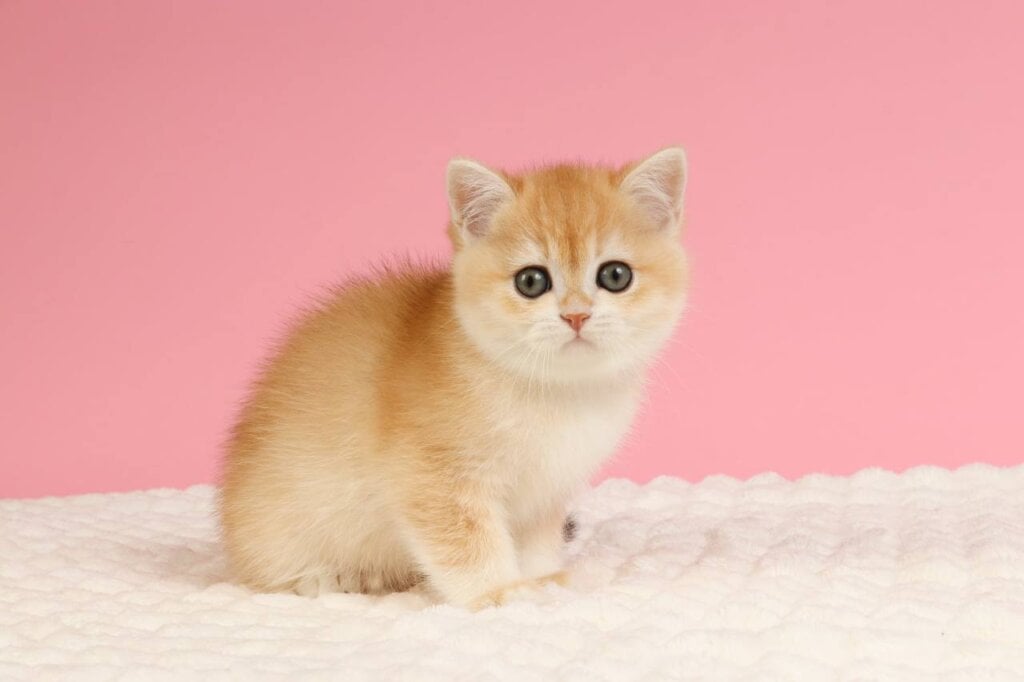
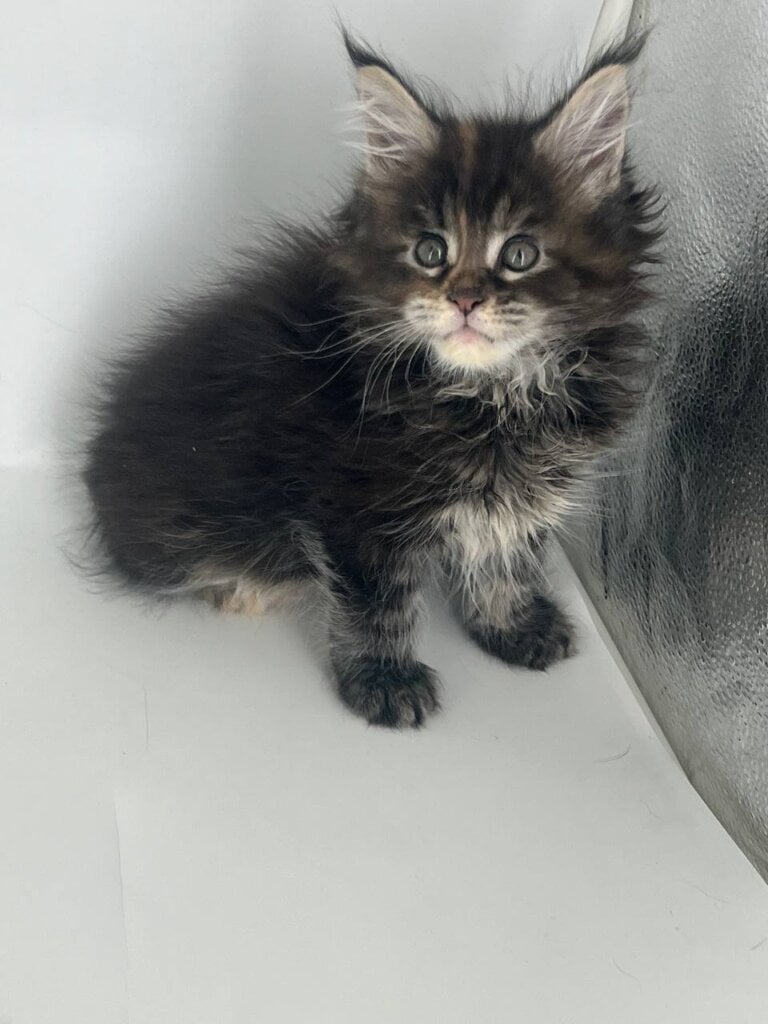
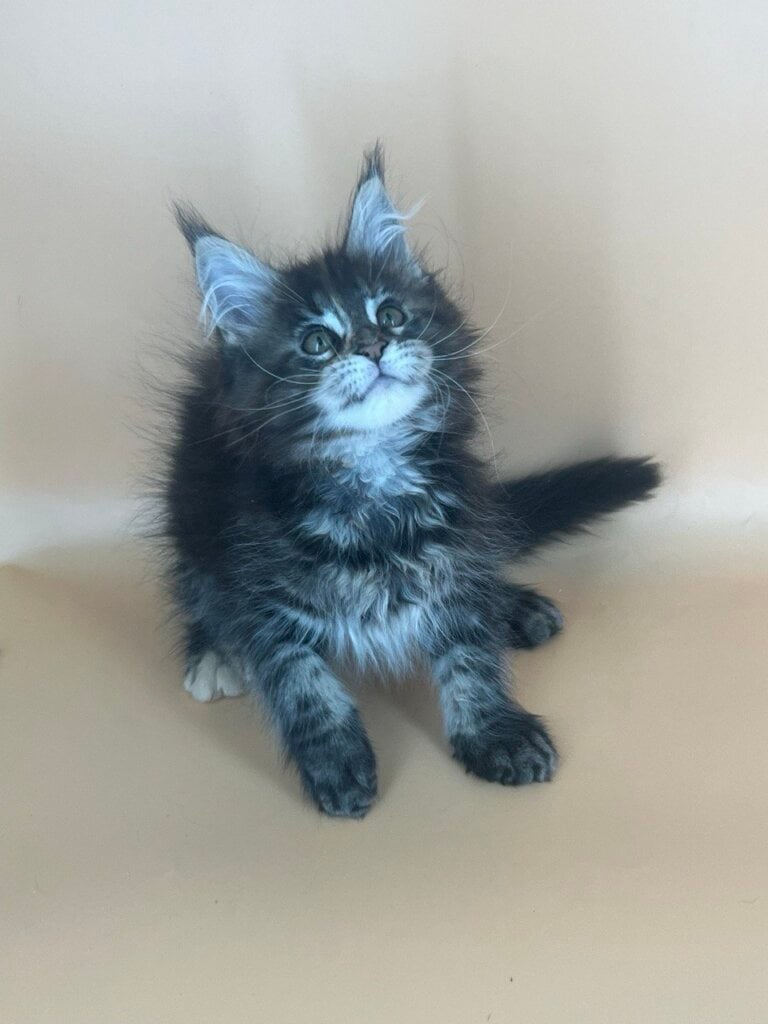
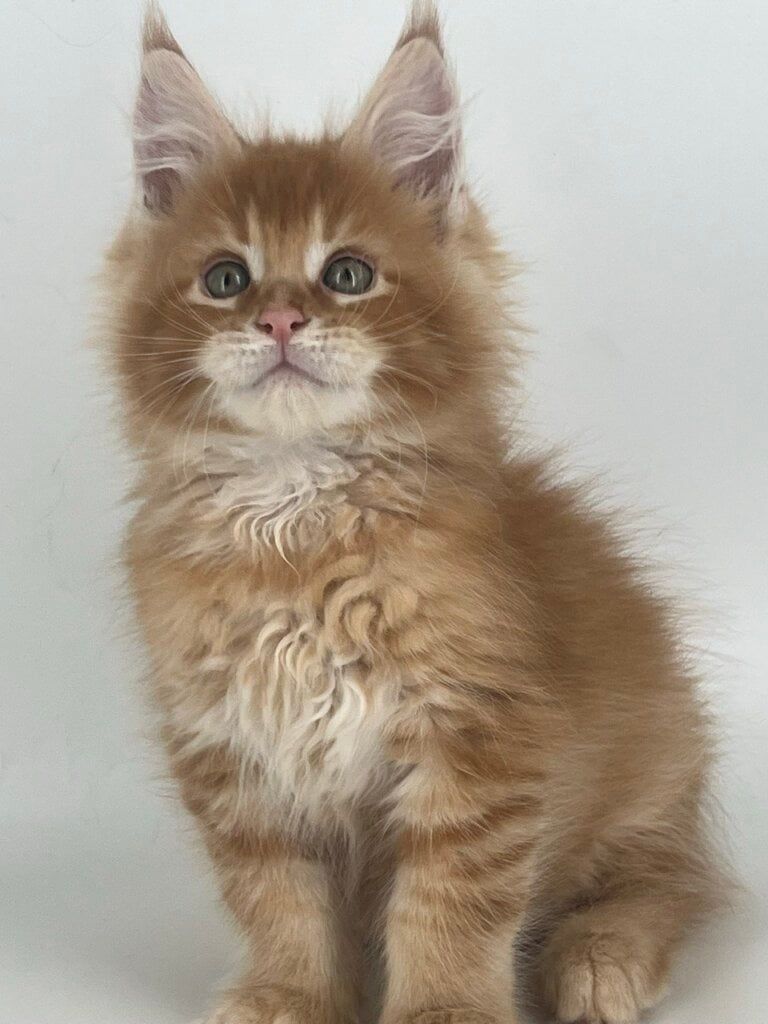
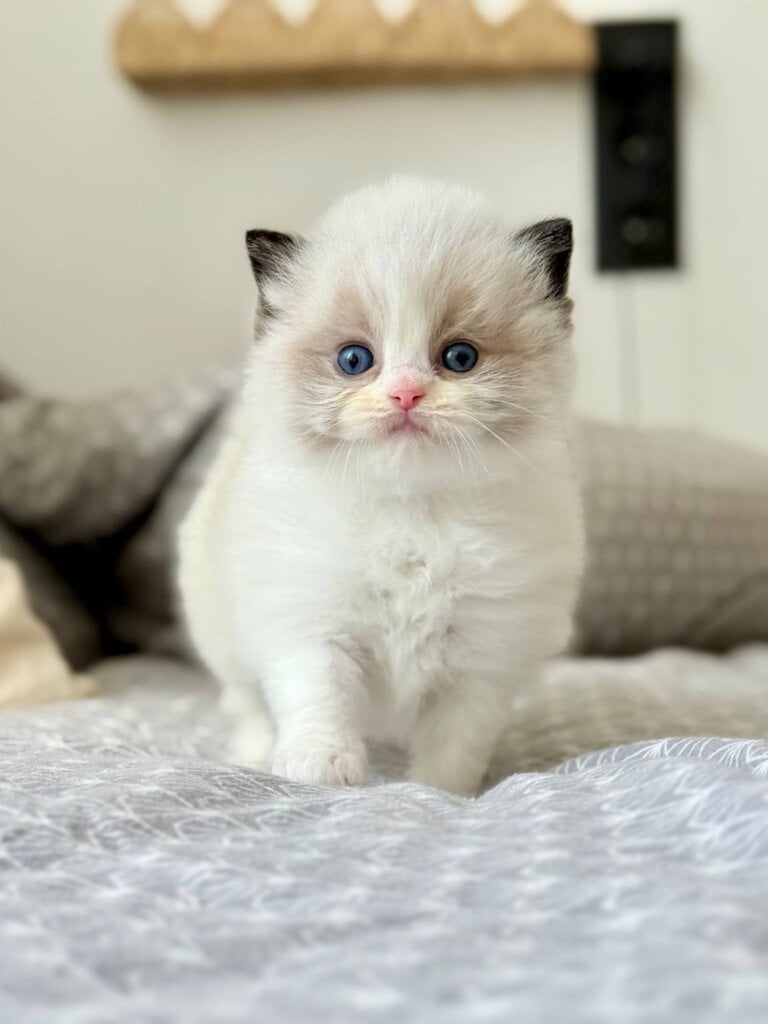
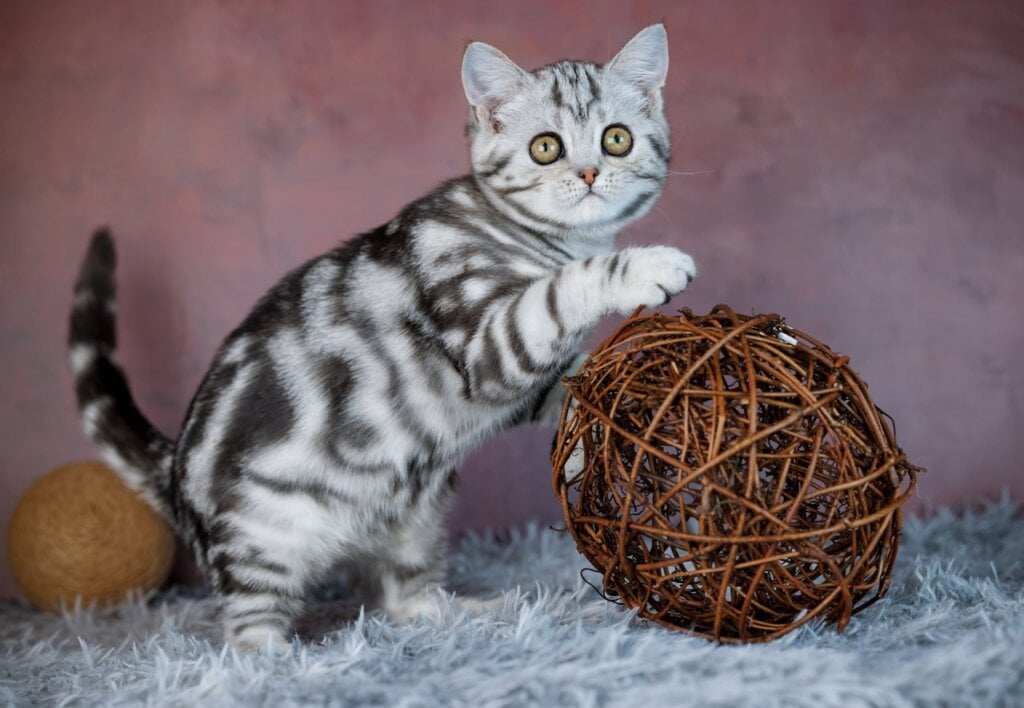
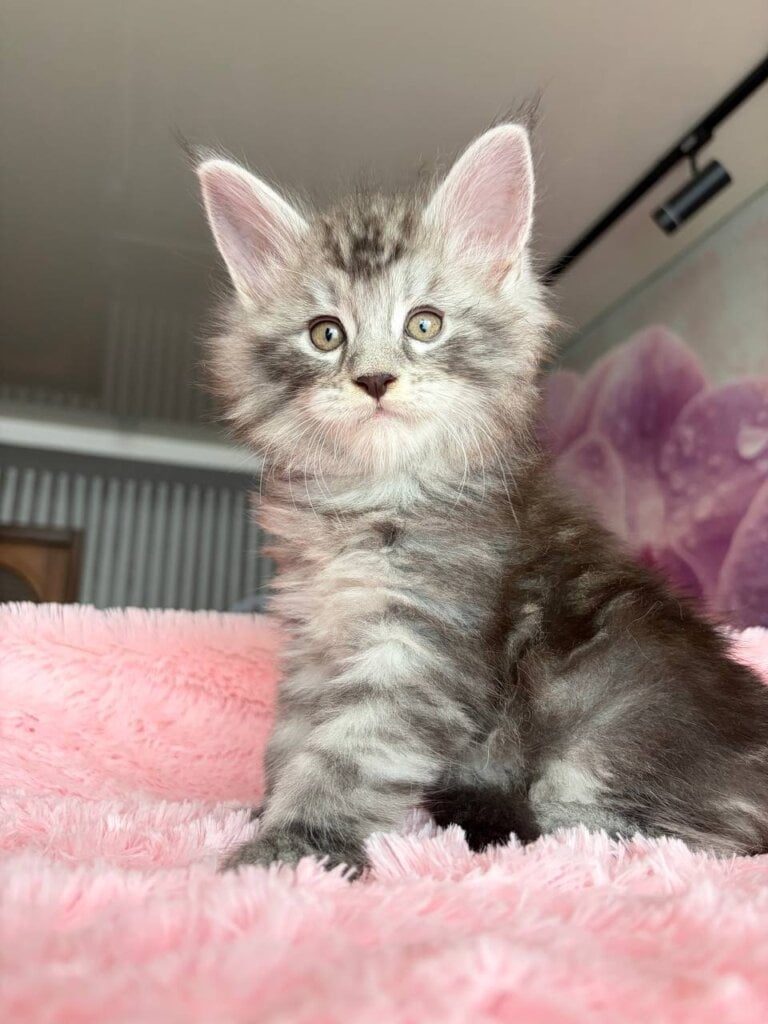
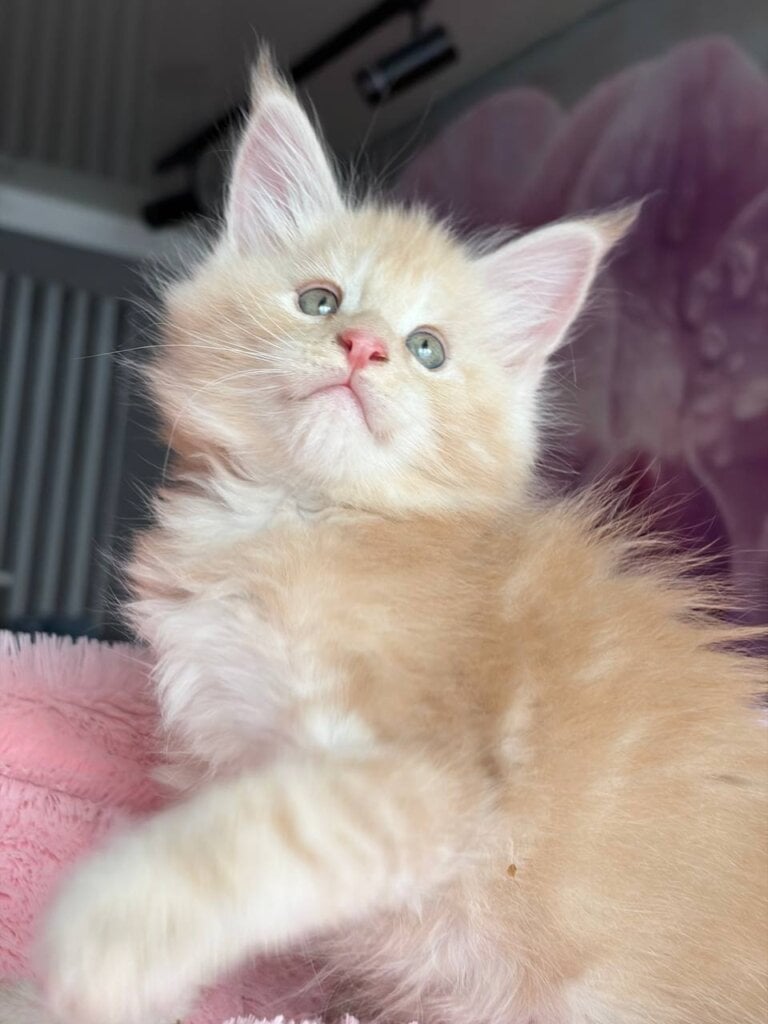
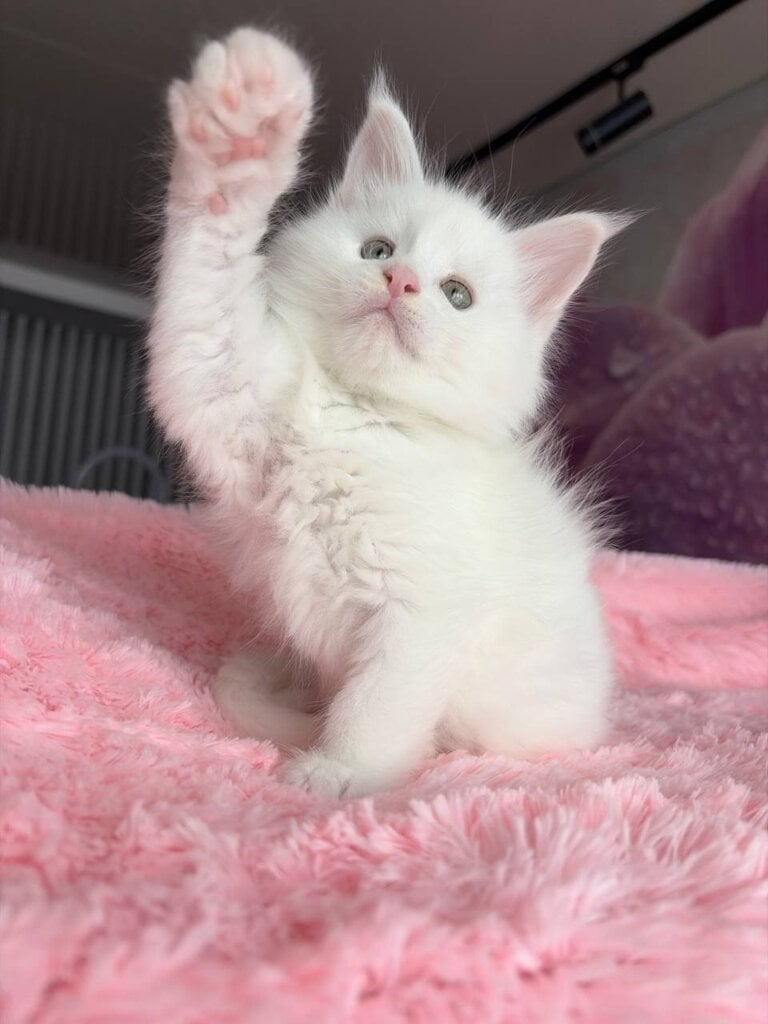
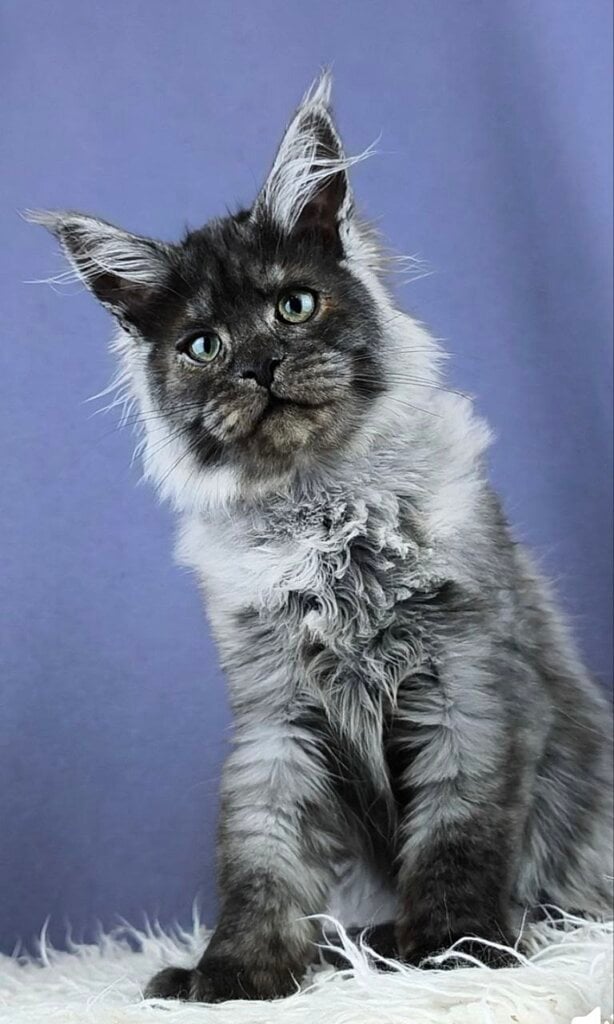
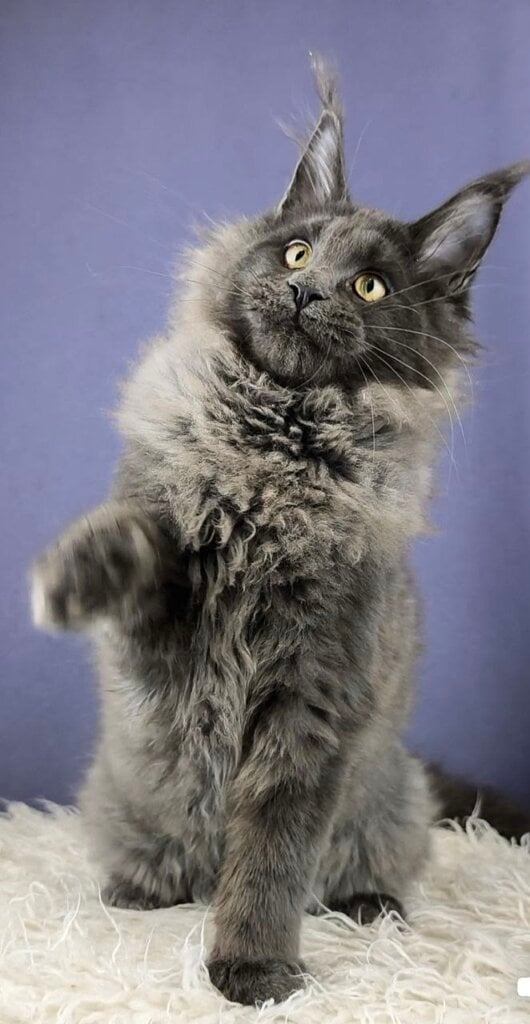
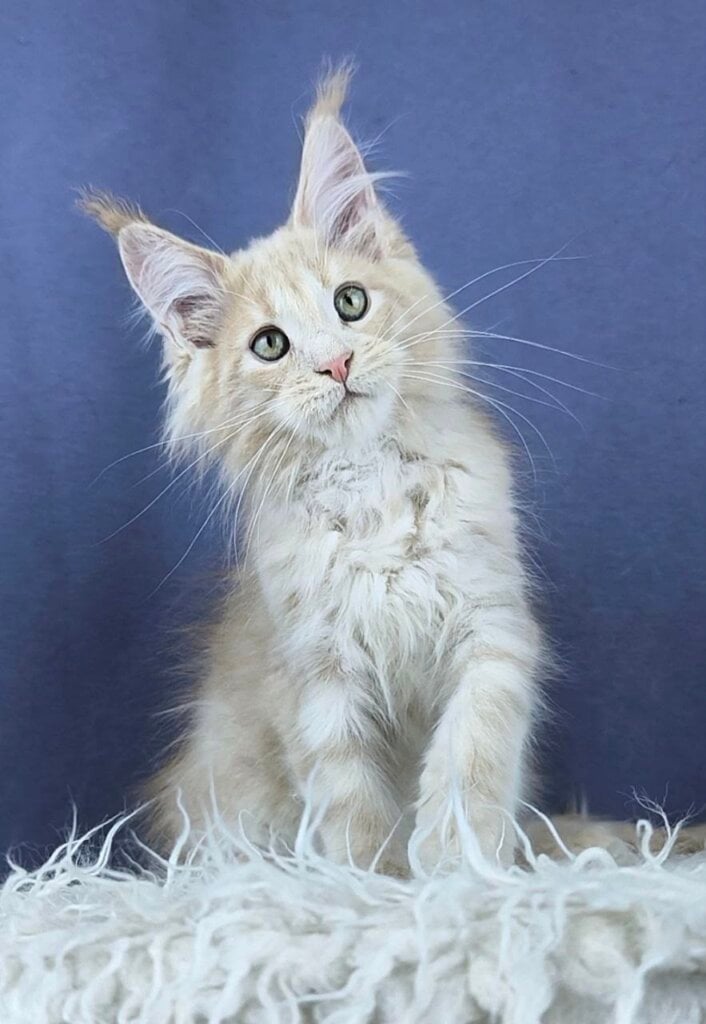
A healthy kitten shows clear physical markers and predictable behavior that together indicate good nutrition, appropriate care, and absence of contagious disease. Physically, look for bright, clear eyes, a clean nose without discharge, ears free of debris, a glossy coat, healthy gums and teeth, and a body that feels well muscled for its age. Behaviorally, healthy kittens are curious, playful, responsive to gentle handling, and show normal litterbox use; lethargy, hiding, or aggression are warning signs. These observable signs give a fast assessment of general health and should lead you to targeted checks like eye/ear inspection and a quick temperament test described next.
The list below summarizes visible signs to check first and use as a rapid triage during a visit or video screening.
- Clear, bright eyes with no crusting or colored discharge.
- Clean nose and unobstructed breathing with no coughing or sneezing.
- Clean ears without excessive wax, debris, scratching or head tilt.
These quick checks prioritize the most contagious and immediately actionable indicators of disease. If any of these signs are concerning, the next step is a closer inspection of facial features and mouth, which we cover in the following subsection.
How to Check a Kitten’s Eyes, Nose, and Ears for Health
Start by defining healthy: clear eyes are free from redness, crust, cloudiness, or thick discharge, and pupils respond equally to light; the nose is slightly moist without colored discharge; ears are pale-pink inside and lack dark debris or strong odor. Inspect eyes closely for conjunctivitis signs—redness, tearing, or sticky crust—because early upper respiratory infections often begin in the face and are highly contagious. For ears, gently lift the flap and look for dark brown/black granular material (ear mites) or excessive wax, and note head shaking or intense scratching as behavioral clues of infestation. These facial checks are quick but diagnostic: if you see discharge, foul odor, or asymmetry, ask for veterinary records or decline until a vet confirms resolution, and then proceed to check coat and mouth for parasite or dental signs.
What Does a Healthy Kitten’s Coat, Skin, and Teeth Look Like?
A healthy kitten’s coat is smooth, glossy, and free of bald patches, scabs, or flea dirt; skin should be flexible and free of redness or crusting when gently separated from the fur. Look for consistent hair density across the body, and part the fur in several spots to check for tiny black specks (flea dirt) or lice; absence of these suggests effective parasite control. Inspect the mouth: gums should be pink (not pale or yellow), breath should not be extremely foul, and baby teeth should be present with no excessive tartar; difficulty eating or drooling warrants veterinary attention. These dermatologic and dental signs often reflect systemic issues and link directly to weight, appetite, and activity level, which you should assess next.
How to Assess a Kitten’s Weight, Appetite, and Activity Level
Weight and appetite are simple proxies for health: kittens normally gain steadily in the first weeks with frequent, eager feeding and playful bursts between naps; a kitten that is thin, has a pot-bellied appearance, or refuses food may have parasites or metabolic issues. Use gentle palpation to assess body condition—ribs should not be prominent, and the kitten should feel muscular rather than wasted—then ask the breeder about recent feeding patterns and whether the kitten has eaten prior to your visit. Observe activity: healthy kittens alternate vigorous play with restful sleep and respond to toys or human approach; persistent lethargy, trembling, or hiding are behavioral flags. If appetite or activity is off, request deworming and recent weight records and consider a pre-purchase vet exam before committing.
What Behavioral Traits Indicate a Well-Socialized and Healthy Kitten?
Well-socialized kittens display curiosity, approach people confidently, tolerate gentle handling, and play appropriately with toys and siblings; these behaviors indicate good early socialization and lower risk of later fear-based aggression. Social play includes chasing, pouncing, and light wrestling with littermates, and kittens should respond to petting with relaxation rather than biting or extreme avoidance; consistent handling from humans usually produces a kitten that accepts routine care. Also observe the kitten’s response to novelty—mild caution followed by exploration is normal while extreme fear or aggression can signal poor early interaction or stress. These temperament cues not only forecast household compatibility but also reveal the breeder’s enrichment practices, which you should verify when asking about facility routines and mother-cat interactions.
What Questions Should You Ask a Responsible Kitten Breeder About Health?
Before paying or reserving a kitten, prioritize documentation and verification: ask for vaccination and deworming records, microchip details, genetic test results when relevant, and a clear health guarantee or return policy. A responsible breeder should provide stamped veterinary certificates showing which vaccines were given, dates, and the vet who administered them, plus notes on deworming and treatments. Request to meet the kitten’s mother and inspect the housing to understand maternal temperament and litter conditions; seeing a calm, healthy dam with socialized kittens is strong evidence of good welfare. Below is a concise, practical set of questions to use during your visit or conversation and the reasoning you should expect in the breeder’s answers.
- Which vaccines and deworming treatments has this kitten received, and can you show the records?
- Is the kitten microchipped, and will microchip details transfer with ownership?
- Do you provide a written genetic health guarantee or return/rehoming policy?
This focused question set helps verify documentation and breeder transparency; if any answers are evasive, use the EAV table below to determine acceptable proof.
Before the table: the following table maps records to what they show and what to look for when verifying documents.
| Document Type | What It Shows | What to Look For |
|---|---|---|
| Vaccination certificate | Vaccine names, dates, vet signature | Core vaccines listed with dates and vet stamp |
| Deworming record | Product, dates, dosing schedule | Multiple dates appropriate for age and product name |
| Microchip registration | Chip ID and registry details | Unique ID and transferability note or proof of implantation |
| Genetic test results | Tests performed and outcomes | Clear test name, date, and normal/affected status |
| Vet health certificate | General exam notes and health status | Licensed vet signature and recent date close to sale |
Which Vaccination and Deworming Records Should a Breeder Provide?
Core vaccinations typically include protections against agents that cause severe kitten illness and should be documented with vaccine names and administration dates; expect to see entries for panleukopenia, herpesvirus, and calicivirus, and in many contexts, rabies documentation where applicable. Deworming records should list the product used and dates given, generally at regular intervals appropriate for the kitten’s age, and should be signed or stamped by a veterinarian if performed in clinic. When reviewing certificates, confirm the vet clinic’s name and the administering professional’s notes, and ask for clarification on any abbreviations or dates you don’t understand. If certificates are absent or incomplete, insist on a pre-purchase vet exam or request written confirmation from an independent veterinarian before completing the transaction.
How Important Is Microchipping and Genetic Health Guarantees?
Microchipping provides permanent identification and helps reunite lost kittens with owners, so you should request the microchip ID and proof of implantation or registration that will transfer to you upon purchase. Genetic health guarantees reduce risk by promising coverage for certain hereditary conditions for a defined period; verify the guarantee’s duration and the specific conditions covered and ask how claims are validated. When a breeder offers a one-year genetic guarantee or similar, read the terms closely to understand exclusions, required vet documentation for claims, and whether the breeder covers rehoming or return logistics. These protections are practical consumer safeguards—if a breeder resists documenting microchips or a clear genetic guarantee, consider that a significant red flag.
Why Should You Visit the Breeder’s Facility and Meet the Kitten’s Mother?
Visiting the facility lets you observe hygiene, housing density, and maternal care—clean, well-ventilated spaces with free access to the mother indicate good welfare and reduce disease risk. Meeting the kitten’s mother gives insight into likely adult temperament and socialization; a calm, well-handled dam often produces kittens with stable behavior while nervous or aggressive dams can signal inherited stress. During a visit, watch for littermates interacting normally, accessible food and water, and no signs of overcrowding or persistent stress behaviors such as constant crying. These observational checks complement document verification and provide a rounded evaluation of both physical and behavioral health before purchase.
What Are the Red Flags to Watch for When Buying a Kitten?
Red flags include lack of documentation, refusal to allow visits, inconsistent answers about health history, visible illness signs, unsanitary housing, and pressure to pay without seeing the kitten or records; any of these should prompt pause. If a breeder claims recent vaccinations but cannot produce dated certificates with a vet stamp, ask for direct verification from the clinic or decline the sale until proof is provided. Avoid transactions where a seller insists on non-traceable payment methods or refuses a pre-purchase vet check; these are common scam indicators and pose legal and health risks. When red flags appear, consider walking away and reporting suspected fraud to relevant authorities—protecting animal welfare and your investment requires vigilance.
How to Perform a Kitten Health Exam Before Buying?
A compact, repeatable pre-purchase exam helps you assess the kitten in minutes and identify issues that require a vet evaluation; it combines visual inspection, gentle handling checks, and brief behavioral tests. Begin with a full-body visual scan from head to tail, then perform gentle palpation of the abdomen and limbs, observe gait and posture, and test response to handling and toys. If you notice any discharge, parasites, abnormal breathing, or reluctance to eat, ask for immediate clarification and veterinary documentation; in many cases, a paid pre-purchase veterinary exam offers definitive reassurance. Below you will find a stepwise how-to checklist and a table that breaks checks into body areas, methods, and expected healthy vs. concerning findings to use as a printable reference during visits.
The following numbered how-to steps provide a quick sequence you can follow in person.
- Visually scan the kitten from head to tail for discharge, fleas, wounds, or abnormal posture.
- Gently lift the lips to inspect gums and teeth, then check the ears and nose for debris or discharge.
- Palpate the abdomen gently, check limb joints by observing movement, and watch the kitten walk or play.
These steps prioritize rapid detection of contagious conditions and structural issues that warrant veterinary follow-up or a pause in the purchase process.
Before the table: this inspection table organizes checks by body area and expected outcomes so you can tick items off during a visit.
| Body Area | Check Method | Healthy vs. Concerning Signs |
|---|---|---|
| Eyes/Nose | Visual inspection, light exposure | Clear eyes/no discharge vs. crusting/redness |
| Ears | Flip flap, look inside | Pale-pink/no wax vs. dark debris/odor |
| Mouth | Lift lips, inspect gums | Pink gums/no bad breath vs. pale/gum lesions |
| Coat/Skin | Part fur, feel skin | Smooth/no scabs vs. fleas/bald spots |
| Abdomen | Gentle palpation | Soft, non-tender vs. bloated/tender |
| Movement | Observe walking and play | Steady gait/playful vs. limping/lethargic |
What Physical Checks Can You Do Yourself?
Physical checks you can perform include a head-to-tail visual scan, ear and eye inspection, gentle mouth examination, and palpation of the abdomen and limbs for pain or lumps; these reveal infections, parasites, and structural problems. Perform these checks calmly and slowly to avoid stressing the kitten—stress can mask normal responses or exaggerate concerns, so tempo and tone matter. Document any irregularities with notes or photos and request corresponding entries in the kitten’s medical records or an immediate vet statement for clarification. If anything concerning appears, ask about recent treatments and whether the breeder will allow or finance a pre-purchase vet exam before finalizing the sale.
How to Observe Behavioral Health During a Visit?
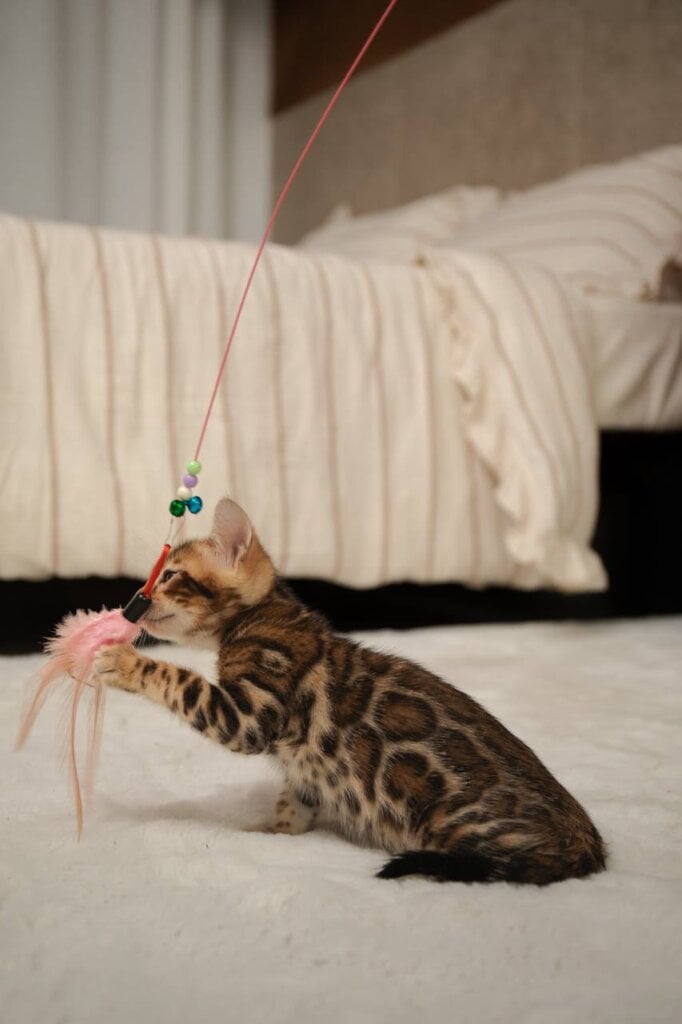
Behavioral assessment involves timed observation of the kitten’s interaction with people, response to toys, tolerance of handling, and relationship with littermates; these behaviors reveal socialization quality and potential temperament issues. Use a simple toy or string to gauge curiosity and play drive; a well-socialized kitten will engage and recover from brief startle responses quickly, while prolonged hiding or extreme aggression suggests developmental or welfare deficits. Also observe litterbox behavior and eating patterns when possible—regular elimination and enthusiastic eating are positive signs, whereas diarrhea or inappetence indicate health issues. Behavioral findings should prompt specific follow-up questions about early handling, enrichment routines, and maternal care, which you can ask the breeder directly.
When Should You Consult a Veterinarian for a Pre-Purchase Exam?
Seek a veterinarian when you observe discharge, persistent coughing or sneezing, diarrhea, unexplained weight loss, suspected parasites, abnormal gait, or any congenital concerns noted in breed lines, or when documentation is missing or unclear. A pre-purchase vet exam can be arranged before transfer of ownership and provides an expert assessment of contagiousness, congenital anomalies, and basic parasite screening; in some cases buyers pay for this service to ensure impartial evaluation. When requesting a vet exam, provide the records you have and ask the clinician to focus on contagious disease signs and structural issues—this gives you an objective basis for decision-making. If the breeder refuses or obstructs vet confirmation, treat this as a major red flag and consider alternative sources.
What Are Common Kitten Health Concerns to Recognize Before Buying?
Common kitten issues include upper respiratory infections, internal and external parasites, dermatologic problems, and breed-specific genetic risks that may not be immediately obvious but have lifelong implications. Upper respiratory infections present with sneezing, watery or purulent ocular/nasal discharge, and sometimes appetite reduction; they are contagious among kittens so prompt isolation and veterinary treatment are essential. Parasite signs vary: roundworms often cause a pot-bellied appearance and visible worms in stool, while protozoal infections may produce intermittent diarrhea and poor weight gain; fecal testing by a vet is the definitive check. Breed-specific conditions—such as hypertrophic cardiomyopathy tendencies in certain large-breed cats or skeletal issues in specific conformations—require targeted screening and breeder transparency about testing. Below is a comparison table that defines common conditions, visible signs, and recommended buyer actions for early recognition and response.
| Condition | Common Signs | Buyer Action |
|---|---|---|
| Upper respiratory infection | Sneezing, ocular/nasal discharge, congestion | Request vet clearance; avoid immediate adoption if contagious |
| Parasites (worms) | Diarrhea, pot-belly, visible worms | Ask for deworming records; require recent fecal test if uncertain |
| Fleas/Ear mites | Scratching, flea dirt, head shaking | Inspect coat/ears; demand treatment before collection |
| Breed-specific genetic issues | Subtle signs, family history | Ask for genetic test results or cardiology screening as applicable |
How to Identify Signs of Upper Respiratory Infections and Parasites?
Upper respiratory infections typically start with sneezing and watery eyes, progressing to colored discharge, coughing, and reduced appetite in more severe cases; they are contagious among kittens so prompt isolation and veterinary treatment are essential. Parasite signs vary: roundworms often cause a pot-bellied appearance and visible worms in stool, while protozoal infections may produce intermittent diarrhea and poor weight gain; fecal testing by a vet is the definitive check. If you see any of these signs, request documentation of recent treatment and a professional opinion; insist that the breeder treat contagious conditions before transfer to avoid infecting other pets in your home. Observing these signs early protects both the kitten and your household and helps you negotiate treatment or a refund if the sale proceeds.
What Breed-Specific Health Issues Should You Know?
Different breeds carry specific genetic risks that buyers should understand and ask breeders about—examples include heart disease tendencies in larger breeds and skeletal disorders in morphologically distinct cats; request any available screening results. For breeds prone to particular conditions, ask the breeder for clear genetic test results, recent screening by a specialist, or documented health guarantees covering those issues. When breeders source from registered catteries or provide documented testing, it reduces but does not eliminate genetic risk—buyers should still plan for appropriate lifelong screening. Knowing the common hereditary issues for a chosen breed helps you ask precise questions and arrange early veterinary surveillance tailored to that breed.
How Can Early Socialization Impact Kitten Health and Temperament?
Early socialization creates resilience: kittens exposed to gentle handling, varied sounds, and positive interactions during critical windows are more adaptable, less fearful, and easier to vaccinate and medicate. Socialization also affects physiological stress responses—well-socialized kittens often show more stable appetites, sleep patterns, and immune responses, which supports overall health. Ask breeders about daily routines, human interaction frequency, and enrichment activities to infer the socialization quality you’re buying into. Good socialization practices reduce later behavioral problems and make veterinary care less stressful for both animal and owner.
How Does MeoWoff Kittens Ensure the Health and Well-Being of Their Kittens?
MeoWoff Kittens sources purebred kittens from WCF-registered European catteries and emphasizes documented veterinary care and breeder accountability as core health safeguards. Their practices include certified health checks by licensed EU veterinarians, a systematic vaccination and deworming protocol, microchipping, and a one-year genetic health guarantee that provides buyers with a clear post-purchase safety net. MeoWoff also describes post-purchase support and a return/rehoming policy plus optional early spay/neuter and a starter kit to support initial care; these measures combine to reduce buyer risk and promote kitten welfare. Use these documented practices as a benchmark when evaluating any breeder: ask for the same records and guarantees to ensure parity with recognized standards.
The following bullets summarize specific MeoWoff practices that exemplify responsible breeder behavior you can request from any seller.
- Sourcing from WCF-registered European catteries and documenting lineage and breeding standards.
- Certified health checks by licensed EU veterinarians with vaccination, deworming, and microchip records.
- A one-year genetic health guarantee, optional early spay/neuter, starter kit, and post-purchase support plus a return/rehoming policy.
What Ethical Breeding Practices Does MeoWoff Follow?
MeoWoff states that its kittens come from WCF-registered European catteries, implying selection of partners who adhere to recognized breeding and welfare standards. Ethical practices emphasized include sourcing from breeders who provide nurturing environments and daily human interaction for kittens to support early socialization and temperament development. When evaluating other breeders, request comparable proof of registration or affiliation and evidence of living conditions and maternal welfare. Ethical sourcing and daily human handling are key predictors of both physical and behavioral health in kittens, and they should guide your breeder selection.
How Are MeoWoff Kittens Vet-Checked and Vaccinated?
MeoWoff documents certified health checks performed by licensed EU veterinarians and follows strict vaccination protocols that include core vaccines commonly administered to kittens—panleukopenia, herpesvirus, calicivirus, and rabies—as well as routine deworming and microchipping. Buyers should ask to see stamped vaccination certificates, deworming records listing products and dates, and confirmation of microchip implantation to verify these claims. These veterinary procedures reduce infectious disease risk prior to transfer and provide a clear medical history for the new owner. When a breeder provides complete, stamped records for these interventions, it demonstrates transparency and a reduced immediate health risk.
What Post-Purchase Support and Health Guarantees Does MeoWoff Offer?
MeoWoff offers a one-year genetic health guarantee and describes post-purchase support mechanisms, including a return/rehoming policy and optional early spay/neuter and a starter kit to ease the transition into a new home. The genetic guarantee covers hereditary issues within a defined period and gives buyers a documented remedy pathway should covered conditions arise; always request the written guarantee and read claim procedures. Return and rehoming options provide an ethical safety valve for owners who cannot keep a kitten, and buyer support helps with initial medical or care questions. These measures exemplify buyer-protective policies you should expect from reputable breeders.
How Does MeoWoff Socialize Kittens for Better Temperament?
MeoWoff emphasizes daily human interaction, exposure to household sounds and stimuli, and early litter box and play routines to encourage confident, social kittens ready for home life. Exposure to predictable, positive handling and structured play reduces fear responses and facilitates easier integration into family settings. During a visit, ask breeders to demonstrate socialization routines and give examples of the starter kit contents and how they support early training. Effective early socialization is a hallmark of responsible breeding and directly improves long-term health and behavioral outcomes.
Where Can You Find Additional Resources and Tools to Ensure Kitten Health?
Reliable resources include authoritative veterinary organizations and breed-specific guides that explain vaccination schedules, parasite control, and screening recommendations; use these to cross-check breeder claims and vaccination timing. Practical tools to bring on visits include a printable inspection checklist, a questionsheet for breeders and vets, and a simple scoring rubric for temperament and health observations; the sample table below shows what an interactive checklist might include. Also review online reviews and the breeder’s documented policies—verified ratings and documented health practices strengthen confidence in the transaction.
Below is a sample interactive checklist layout you can reproduce or print before breeder visits.
| Checklist Item | What to Observe | Action if Concerning |
|---|---|---|
| Vaccination records | Names/dates/vet stamp present | Request clinic verification or vet exam |
| Microchip | ID provided and registration transferable | Ask for documentation of implantation |
| Eyes/Ears/Nose | Clear and odor-free | Require vet clearance before sale |
| Behavior | Approaches, plays, tolerates handling | Investigate lack of socialization or aggression |
| Living conditions | Clean, appropriately sized, dam present | Decline if unsanitary or overcrowded |
What Interactive Checklists and Guides Can Help During Kitten Visits?
An effective interactive checklist contains sections for documentation (vaccine/deworming/microchip), physical checks (eyes, ears, coat, mouth), behavioral observations (play, handling response), and facility notes (cleanliness, maternal behavior). Use the checklist to mark pass/fail items and jot brief notes or time-stamped photos for later review; this makes follow-up questions with a veterinarian more precise. When using a checklist, prioritize contagious disease indicators and contractual guarantees so you can negotiate remedy or return options based on documented evidence. A printed checklist increases consistency and reduces the chance of missing subtle but important signs during a visit.
Which Questions Should You Prepare for Breeders and Veterinarians?
Prepare a concise breeder question list covering vaccination and deworming dates, microchip details and registration transfer, genetic test results, mother’s health and temperament, and the exact terms of any health guarantee or return policy. For veterinarians, prepare follow-up questions about recommended next vaccinations, deworming schedule for your household, expected congenital screenings for the breed, and any immediate preventive steps to take after bringing a kitten home. These prepared questions streamline both conversations and ensure you cover legal, medical, and behavioral bases before purchasing. Having parallel lists for breeders and vets helps you cross-validate claims and record accurate next steps.
How to Use Online Reviews and Testimonials to Verify Breeder Reputation?
Use online reviews as one piece of evidence: verify that reviewers include photos, dates, and mentions of medical documentation, and cross-check ratings against posted policies such as guarantees and return options. Look for patterns—repeated issues with documentation, health outcomes, or communication are more informative than isolated complaints—while recognizing that a single negative review can be context-dependent. Check that the breeder’s stated practices (vaccinations, microchipping, guarantees) align with reviewer reports; discrepancies warrant direct clarification with the breeder and possible vet verification. Verified reviews that mention documented records and successful follow-up support increase confidence in a breeder’s claims.
What Are the Legal and Safety Considerations When Buying a Healthy Kitten?
Legal and safety considerations include proper identification via microchipping, a written purchase contract that enumerates health guarantees and return provisions, and safe payment and verification procedures to avoid scams. Ensure microchip details and registration transfer terms are documented in the contract, and that health guarantees specify covered conditions, timeframes, and claim procedures. The contract should also state transfer of ownership, any spay/neuter obligations, and clear return or rehoming terms; these items protect both parties legally and practically. Additionally, follow safe transaction practices—verify documentation before payment and avoid non-traceable payment methods when possible.
Why Is Microchipping Mandatory and How Does It Protect Your Kitten?
Microchipping provides a permanent identifier linked to an owner’s contact information and helps reunite lost kittens with owners; it also establishes a traceable record of implantation that supports ownership transfer. To verify a microchip, ask for the chip ID, the registry name, and proof of implantation or veterinary annotation; ensure the registration can be updated to your contact details after purchase. Microchipping also aids in legal ownership disputes and supports recovery if a kitten is lost or stolen. When a breeder provides microchip documentation, it signals a commitment to responsible transfer of ownership and long-term welfare.
What Should Be Included in a Kitten Purchase Contract?
A robust purchase contract lists the kitten’s identifying details, vaccination and deworming history, microchip ID and registration transfer process, the exact terms of any genetic health guarantee, and the return or rehoming policy. It should also specify transfer of ownership date, any spay/neuter requirements or options, payment terms, and the dispute-resolution mechanism; these clauses clarify expectations and legal recourse. Always read the guarantee’s limitations and required steps for claims, such as independent veterinary confirmation within specified timelines. A clear contract translates verbal assurances into enforceable obligations and protects both buyer and breeder.
How to Avoid Pet Scams and Ensure a Safe Transaction?
Avoid common scams by insisting on seeing original medical records, meeting the kitten and dam in person or via verified live video, verifying that clinic stamps match local veterinary practices, and using traceable payment methods; be wary of requests for wire transfers or upfront deposits without documentation. Cross-check breeder claims against documented registration or association memberships and read reviews for patterns of concern; if something feels rushed or evasive, pause and request independent verification. When in doubt, arrange a pre-purchase veterinary exam and include its result as a contingency in the contract to ensure you can cancel for health reasons. These precautions reduce the chance of fraud and protect the kitten’s welfare and your financial investment.