
Kitten Care Essentials Every New Owner Needs
Kitten Care Essentials Every New Owner Needs: Complete Guide for First-Time Cat Owners
Bringing a kitten home starts an important period of care, learning, and bonding that shapes lifelong health and behavior. This guide on kitten care essentials explains what new owners must prepare, how to protect and feed a growing kitten, and which preventive health steps ensure a strong start. You will learn practical kitten-proofing methods, an actionable supplies checklist, a clear vaccination and wellness timeline, feeding schedules, basic grooming, litter training techniques, and breed-specific notes for Maine Coon, Scottish Fold, and British Shorthair kittens. The article also outlines identification and safety measures such as microchipping and safe toy selection, and points to support resources including breeder-provided rehoming assistance. By following these focused steps—preparation, preventive care, nutrition, training, and ongoing support—you’ll reduce common early problems and promote a well-adjusted, healthy cat.
What Do You Need to Prepare Before Bringing Home a New Kitten?
Preparing before arrival reduces stress for both you and the kitten and prevents common safety incidents. At its core, preparation combines environmental safety (kitten-proofing), essential supplies, vet visit readiness, and safe transport planning to ensure comfort and rapid acclimation. A focused checklist helps you prioritize immediate needs and staged purchases so the kitten has food, shelter, and supervised enrichment from day one. The next paragraphs break down room-by-room hazards, a prioritized supply list, what to bring to the first vet appointment, and best practices for transport.
How Do You Kitten-Proof Your Home for Safety?
Kitten-proofing means removing immediate hazards and creating predictable safe zones where a young cat can explore without injury. Common household risks include toxic plants and foods, accessible cords, unsecured windows and balconies, small objects that pose choking hazards, and cleaning chemicals stored at low levels. Mitigation steps include securing loose cords with covers, relocating toxic plants, installing screen locks on windows, storing chemicals in high cabinets, and closing gaps behind appliances where a kitten might hide. Creating a small, supervised “kitten zone” during the first week speeds acclimation and reduces the chance of injury while you gradually expand safe access.
- This checklist highlights common hazards and quick fixes to minimize risk.
- Focus first on immediate, high-risk items: cords, toxic plants, open windows.
- Use barriers like baby gates or closed doors to create a temporary safe zone.
Practical kitten-proofing reduces stress and helps your kitten learn household boundaries quickly, which also prepares you for selecting durable supplies that support safety and comfort.
What Essential Kitten Supplies Should You Buy First?
A short prioritized supply list ensures your kitten has necessities for feeding, toileting, sleeping, and safe play from day one. Must-haves include a secure carrier, a shallow litter box with kitten-safe litter, appropriately sized food and water bowls, a comfortable bed, a scratching post, and age-appropriate toys. Choose non-toxic materials, low-sided bowls for tiny faces, and a carrier with good ventilation and a secure latch; these choices support feeding, grooming, and safe handling during vet trips. Below is a quick EAV-style table comparing core supply types so you can match items to your kitten’s age and expected needs.
| Supply | Key Attribute | Recommended Notes |
|---|---|---|
| Carrier | Size & security | Hard or soft; secure latch; cozy bedding for short trips |
| Litter box | Height & access | Low-sided for kittens under 4 months; easy to clean |
| Food bowls | Stability & size | Heavy ceramic or weighted steel to prevent tipping |
| Scratching post | Material & height | Sisal or carpet; tall enough for full stretch |
| Bed | Warmth & washability | Washable cover; small nest for young kittens |
This table helps you prioritize purchases and choose safe, practical options that support early training and health. Selecting the right supplies reduces stress at home and simplifies early-training routines.
How Should You Prepare for the First Vet Visit?
Preparing for the first vet visit ensures you and your kitten get the most from the appointment and establishes a long-term relationship with veterinary care. Bring any breeder-provided paperwork, recent health notes, and a stool sample if requested; prepare a list of questions about vaccinations, deworming, microchipping, and spay/neuter timing. Expect the vet to perform a physical exam, weigh the kitten, review parasite control, and start a vaccination plan appropriate for age and exposure risk.
- Gather documents: any breeder records, known health notes, and a stool sample if available.
- Prepare questions: vaccination schedule, parasite control, and microchip timing.
- Expect basic procedures: weight check, physical exam, vaccination planning.
A clear vet-visit checklist reduces anxiety and sets an organized plan for follow-up appointments and preventive care.
What Is the Best Way to Transport Your Kitten Safely?
Safe transport starts with choosing the right carrier and acclimating your kitten to it gradually so trips to the vet are less stressful. Preferred carriers have secure latches, good ventilation, and enough room for a kitten to stand and turn; place familiar bedding and a small toy inside. Acclimation steps include leaving the carrier out with treats or feeding inside, taking short in-home “practice” lifts, then short car rides while secured on the seat to build positive associations. During travel, secure the carrier with a seatbelt, avoid leaving a kitten unattended in a vehicle, and maintain comfortable temperature and minimal loud noises to reduce stress.
- Choose a carrier sized for the kitten’s current small frame with room for growth.
- Acclimate using positive reinforcement like treats and short supervised sessions.
- Secure the carrier in the vehicle and keep travel time and noise to a minimum.
Transport prep protects your kitten and improves behavior for future necessary trips such as vaccinations and checkups.
How Do You Ensure Your Kitten’s Health and Wellness?
Ensuring health and wellness focuses on preventive care—vaccinations, parasite control, disease testing, grooming, and developmental monitoring—to reduce illness and detect problems early. Preventive measures create stronger immune responses, lower disease spread, and identify genetic or viral risks while kittens grow rapidly. A coordinated plan with your veterinarian covers vaccine timing, parasite prevention, screening for breed-related genetic conditions if indicated, and establishing grooming routines. The following subsections outline a clear vaccination timeline, disease-prevention steps, grooming basics, and milestone monitoring.
What Vaccinations Does Your Kitten Need and When?
Vaccinations protect against core infectious diseases and are scheduled by age to build immunity safely and effectively. Core vaccines commonly include FVRCP (feline viral rhinotracheitis, calicivirus, panleukopenia) starting around 6–8 weeks with boosters every 3–4 weeks until around 16 weeks, and rabies per local regulations typically after 12 weeks; your vet will tailor timing. The table below summarizes standard vaccines, recommended age windows, and booster frequency to guide discussions with your veterinarian.
| Vaccine | Recommended Age | Frequency / Notes |
|---|---|---|
| FVRCP (core) | 6–8 weeks start | Boost every 3–4 weeks until ~16 weeks |
| Rabies | Typically ≥12 weeks | Follow local laws; booster per product/vet |
| FeLV (for at-risk kittens) | 8–12 weeks | Two-dose series, depending on exposure risk |
Vaccination schedule → prevents → viral and bacterial diseases. Regular boosters and parasite control work together to reduce the chance of common infectious illnesses in kittens. MeoWoff Kittens emphasizes that all kittens are vaccinated and microchipped prior to rehoming, which provides a trustworthy baseline when discussing your kitten’s vaccine records and next steps with your vet.
How Can You Prevent Common Kitten Diseases?
Prevention combines vaccination, sanitation, parasite control, and measured exposure to other animals to minimize infection and parasite burdens. Deworming protocols typically begin in the first weeks and continue per veterinary guidance, while flea prevention should match household and environmental risk factors. Biosecurity measures—isolating new animals until tested, maintaining clean litter areas, and avoiding contact with unknown cats—reduce viral exposure such as FIV and FeLV. Breeder screening for genetic diseases and viral testing adds another layer of prevention, and responsible breeders will disclose testing protocols to help you plan early monitoring.
- Deworm and flea-control per vet schedule tailored to risk.
- Test for viral diseases when recommended and isolate new additions until cleared.
- Maintain cleanliness in feeding and litter areas to prevent environmental spread.
Proactive prevention limits disease incidence and supports healthy growth during a kitten’s vulnerable early months.
What Are the Basics of Kitten Grooming?
Grooming establishes hygiene, strengthens the human–cat bond, and allows you to check skin, eyes, ears, and teeth regularly for issues. Brushing frequency depends on coat type: longhair kittens need several short brushing sessions weekly to prevent mats, while shorthaired kittens benefit from weekly brushing to reduce loose hair. Nail trims should be introduced gently and performed every few weeks once the kitten is comfortable; ear checks and gentle cleaning remove debris and allow early detection of infection. Starting grooming habits early builds tolerance, reduces stress over time, and keeps coats and skin healthy.
- Brush: weekly for short coats, several times weekly for long coats.
- Nails: introduce trimming early and maintain every 2–4 weeks.
- Ears & teeth: inspect regularly; consult a vet before cleaning.
Consistent grooming protects coat condition and allows early detection of skin or ear problems that require veterinary care.
How Do You Monitor Kitten Development Stages?
Monitoring development tracks weight gain, behavioral milestones, and physical indicators like teeth eruption to ensure normal progress. Expect rapid weight gains in the first months; regular weigh-ins and growth charts help identify underweight or overweight trends. Socialization windows occur between roughly 2–9 weeks and again around 8–16 weeks—deliberate positive exposure to people and environments during these times shapes temperament. If a kitten shows stalled weight, delayed mobility, or persistent lethargy, consult your vet promptly for evaluation.
- Track weight weekly during first months to confirm adequate growth.
- Note behavioral milestones like playfulness and litter use as markers of normal development.
- Seek veterinary input if growth or behavior deviates from expected patterns.
Early detection of developmental issues enables timely veterinary intervention and better long-term outcomes.
What Are the Best Feeding Practices for Your Growing Kitten?
Feeding practices for kittens must support rapid growth with high-protein, energy-dense diets and appropriate feeding schedules that change with age. Kittens require nutrient-dense kitten formulas with adequate protein, taurine, DHA, and balanced calcium/phosphorus to support skeletal development and neural growth. Meal frequency and portion sizes change quickly as kittens grow: more frequent small meals when very young, moving to fewer meals as they approach six months. The next subsections compare wet vs dry food, provide sample feeding schedules, and explain critical nutrients to evaluate when choosing kitten food.
How Do You Choose Between Wet and Dry Kitten Food?
Choosing wet versus dry kitten food depends on hydration needs, convenience, dental considerations, and individual preferences. Wet food typically offers higher moisture content, aiding hydration and palatability for picky or newly weaned kittens, while dry food is convenient, shelf-stable, and can support dental wear although it is not a substitute for dental care. Many owners use a mixed-feeding approach—combining wet and dry—to balance hydration and texture variety. Proper storage and portion control are important: refrigerate opened wet food and discard after recommended times, and measure dry food to avoid overfeeding.
- Wet food: better hydration and often higher acceptance.
- Dry food: convenience and kibble texture; measure portions to avoid excess.
- Mixed feeding: balances hydration and variety while meeting nutrient needs.
Choose a diet formulated specifically for kittens and consult your veterinarian for brand and formulation recommendations based on growth and health.
| Food Type / Brand | Typical Protein % | Pros / Cons |
|---|---|---|
| Wet kitten formula | 35–50% | Pros: high moisture, palatable; Cons: cost, refrigeration |
| Dry kitten kibble | 30–40% | Pros: convenience, shelf life; Cons: lower moisture content |
| Mixed feeding | Varies | Pros: hydration + convenience; Cons: needs portion control |
This comparison clarifies trade-offs so you can pick a feeding plan that supports growth while fitting your household routine.
Feline Nutrition and Metabolism: Essential Dietary Needs
Domestic dogs and cats have evolved differentially in some aspects of nutrition, metabolism, chemical sensing, and feeding behavior. The dogs have adapted to omnivorous diets containing taurine-abundant meat and starch-rich plant ingredients. By contrast, domestic cats must consume animal-sourced foods for survival, growth, and development. Both dogs and cats synthesize vitamin C and many amino acids (AAs, such as alanine, asparagine, aspartate, glutamate, glutamine, glycine, proline, and serine), but have a limited ability to form de novo arginine and vitamin D3. Compared with dogs, cats have greater endogenous nitrogen losses and higher dietary requirements for AAs (particularly arginine, taurine, and tyrosine), B-complex vitamins (niacin, thiamin, folate, and biotin), and choline; exhibit greater rates of gluconeogenesis; are less sensitive to AA imbalances and antagonism; are more capable of concentrating urine through renal reabsorption of water; and cannot tolerate high levels of dietary starch due to limited pancreatic α-amylase activity. In addition, dogs can form sufficient taurine from cysteine (for most breeds); arachidonic acid from linoleic acid; eicosapentaenoic acid and docosahexaenoic acid from α-linolenic acid; all-trans-retinol from β-carotene; and niacin from tryptophan. These synthetic pathways, however, are either absent or limited in all cats due to (a) no or low activities of key enzymes (including pyrroline-5-carboxylate synthase, cysteine dioxygenase, ∆6-desaturase, β-carotene dioxygenase, and quinolinate phosphoribosyltransferase) and (b) diversion of intermediates to other metabolic pathways. Dogs can thrive on one large meal daily, select high-fat over low-fat diets, and consume sweet substances. By contrast, cats eat more frequently during light and dark periods, select high-protein over low-protein diets, refuse dry food, enjoy a consistent diet, and cannot taste sweetness. This knowledge guides the feeding and care of dogs and cats,
Characteristics of nutrition and metabolism in dogs and cats, 2024
Understanding these fundamental differences in feline metabolism is crucial for selecting appropriate diets that meet a kitten’s specific nutritional requirements.
What Is the Ideal Feeding Schedule and Portion Size?
Feeding frequency and portions depend on age, activity, and weight; frequent small meals support metabolic needs in young kittens and reduce hypoglycemia risk. Typical schedules: 4 meals daily for 6–12 week-old kittens, 3 meals daily from about 3–6 months, and 2 meals daily by 6–12 months as the kitten transitions toward adult feeding patterns. Portion sizes are best guided by manufacturer feeding charts adjusted for body condition and monitored by weight gain; check weight weekly and adjust portions if the kitten is gaining too quickly or too slowly. Always provide fresh water and monitor appetite and stool quality as signs of appropriate feeding.
- 6–12 weeks: 4 meals/day.
- 3–6 months: 3 meals/day.
- 6+ months: transition toward 2 meals/day and re-evaluate calorie needs.
A consistent schedule and regular weight checks help ensure balanced growth and reduce the risk of overeating and early obesity.
Which Nutritional Needs Are Critical for Kitten Growth?
Key nutrients include high-quality animal protein, taurine for heart and eye health, DHA for brain development, and appropriate calcium/phosphorus ratios for bone growth. Energy density must be higher than adult maintenance diets to support rapid tissue growth, and AAFCO-compliant kitten formulas provide an assurance that the diet meets recognized nutritional standards. Read labels for explicit kitten or growth-stage designations and look for named protein sources; consult your veterinarian before adding supplements, as unnecessary supplementation can unbalance mineral ratios.
- Prioritize animal-based proteins and verified taurine content.
- Look for DHA inclusion for neurodevelopment support.
- Avoid unsupervised supplements—consult a veterinarian before adding them.
Understanding these nutrient priorities helps you choose balanced commercial diets that support healthy, proportionate growth.
How Do You Train and Socialize Your New Kitten Effectively?
Training and socialization build desirable behaviors, reduce fear, and establish a secure relationship between you and your kitten. Litter training, gradual introductions to people and other pets, safe play routines, and behavior redirection are core elements that shape adult temperament. Positive reinforcement, consistency, and brief, frequent training sessions are more effective than punishment and help prevent problems like inappropriate elimination or biting. The following subsections detail litter training steps, phased socialization, enrichment ideas, and approaches to common behaviors.
What Are the Best Litter Box Training Tips for New Owners?
Litter box training succeeds when you provide the right box, substrate, location, and consistent routine while reinforcing positive use. Choose a low-sided box for young kittens, place it in a quiet but accessible location, fill it with unscented, fine-grain litter, and clean it frequently to encourage consistent use. After meals and naps, place the kitten in the box to build association, and reward successful use with calm praise or a small treat. Troubleshoot avoidance by checking for stressors, changing litter type gradually, and ensuring no medical issues are causing elimination outside the box.
- Box placement: quiet, low-traffic area with easy kitten access.
- Cleaning: scoop daily and wash the box weekly to keep scents neutral.
- Troubleshooting: check for medical causes and avoid abrupt litter changes.
Consistent routines and appropriate box selection make litter training straightforward for most kittens within days to weeks.
How Can You Socialize Your Kitten to Other Pets and People?
Socialization uses gradual, positive exposures to people, sounds, and other animals so kittens learn to be confident and calm. Start with short, supervised sessions with new people and controlled introductions to resident pets using scent swapping and barrier methods; gradually increase contact while rewarding calm behavior. Watch for stress signals—hiding, flattened ears, growling—and slow the process if these appear, returning to shorter, more positive exposures. Controlled play sessions and supervised visits create safe learning opportunities that reduce fear and aggression later on.
- Begin slowly: short, frequent exposures to new people and animals.
- Use scent swapping: exchange bedding or toys before physical introductions.
- Reinforce calm behavior: treats and praise for relaxed interactions.
A phased, reward-based program helps kittens become well-adjusted companions in multi-pet households.
What Are Safe and Engaging Playtime Activities for Kittens?
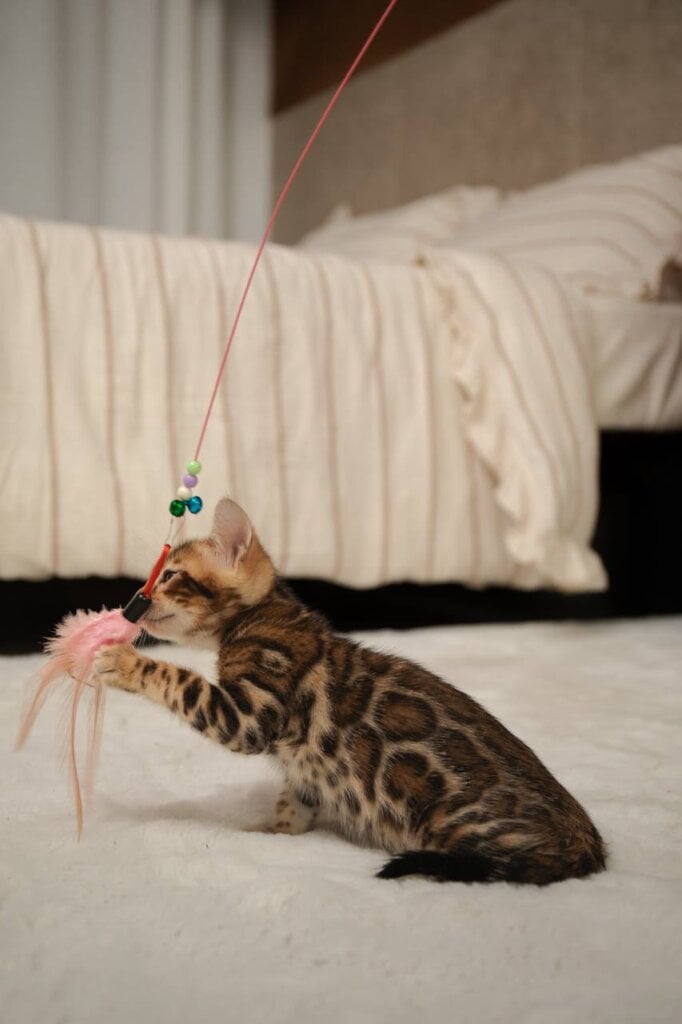
Playtime should simulate hunting and problem-solving while minimizing injury risk from small parts or strings; interactive toys strengthen bonds and burn energy constructively. Offer wand toys, puzzle feeders, and small plush toys sized to avoid choking hazards, rotating toys weekly to maintain novelty. Supervised play prevents ingestion of unsafe materials and teaches bite inhibition through guided redirection when play escalates. Short, frequent sessions of 5–10 minutes several times daily suit a kitten’s energy cycles and help prevent destructive behavior.
- Toy types: wand toys, puzzle feeders, and securely built chew-safe toys.
- Rotation: swap toys every few days to maintain interest.
- Supervision: prevent ingestion of small parts and teach gentle play.
Thoughtful play supports physical development, mental stimulation, and stronger owner–kitten bonds.
How Do You Address Common Kitten Behaviors Like Biting and Scratching?
Redirecting unwanted behaviors relies on providing alternatives, consistent responses, and early training to shape appropriate outlets for natural instincts. For biting, offer chew-safe toys and stop play briefly when biting occurs so the kitten learns limits; for scratching, provide sturdy posts and place them near favorite scratch spots, rewarding use with treats. Consistency across household members prevents mixed signals, and seek behavior specialist input for persistent aggression or anxiety-related behaviors.
- Provide alternatives: scratching posts, chew toys, and interactive enrichment.
- Consistency: unified responses from all family members.
- Professional help: consult a behaviorist for ongoing aggression.
Early, consistent training channels natural play into safe behaviors and prevents escalations that are harder to change later.
What Are the Unique Care Needs of Popular Kitten Breeds?
Breed-specific care tailors grooming, activity, and screening practices to genetic and physical characteristics that affect health and behavior. Maine Coon, Scottish Fold, and British Shorthair kittens each present distinct needs—from longcoat maintenance to ear and joint surveillance—so understanding breed tendencies helps you plan grooming, diet, and monitoring. The following subsections highlight practical tips for each breed, and you can consult breeder-provided breed listings for deeper, breed-specific guidance when selecting supplies and care routines.
What Special Care Does a Maine Coon Kitten Require?
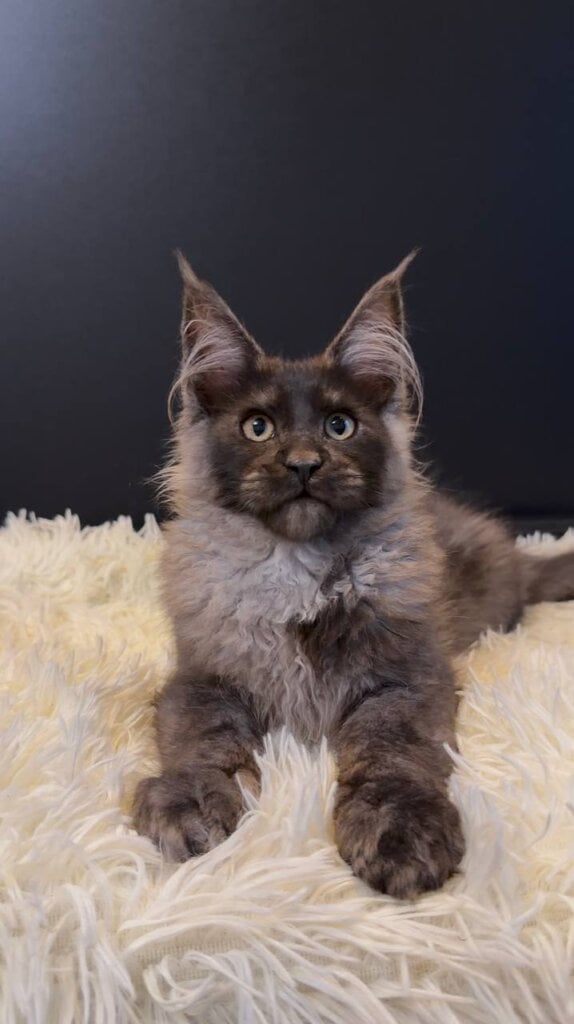
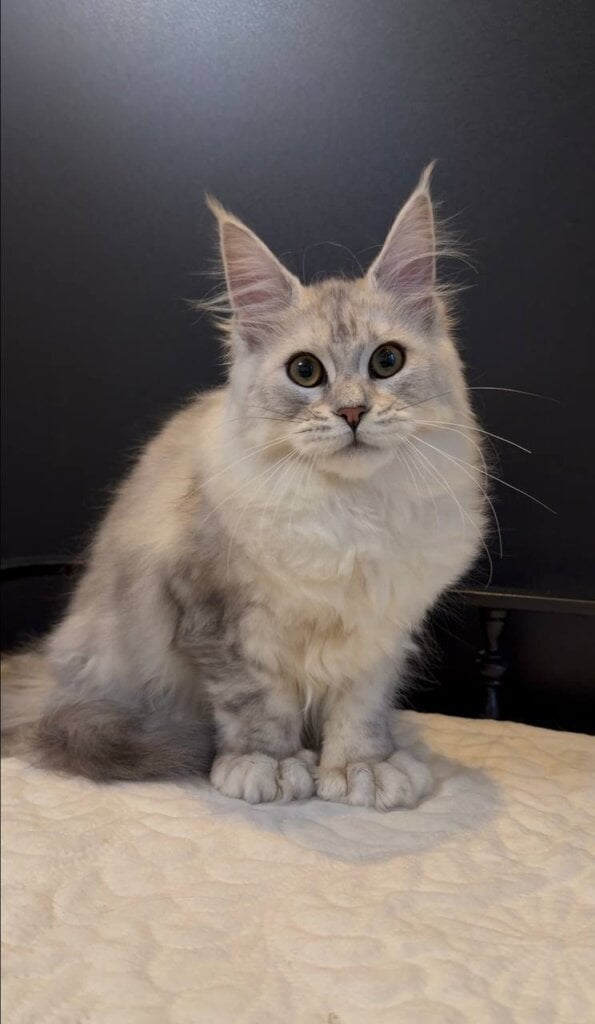
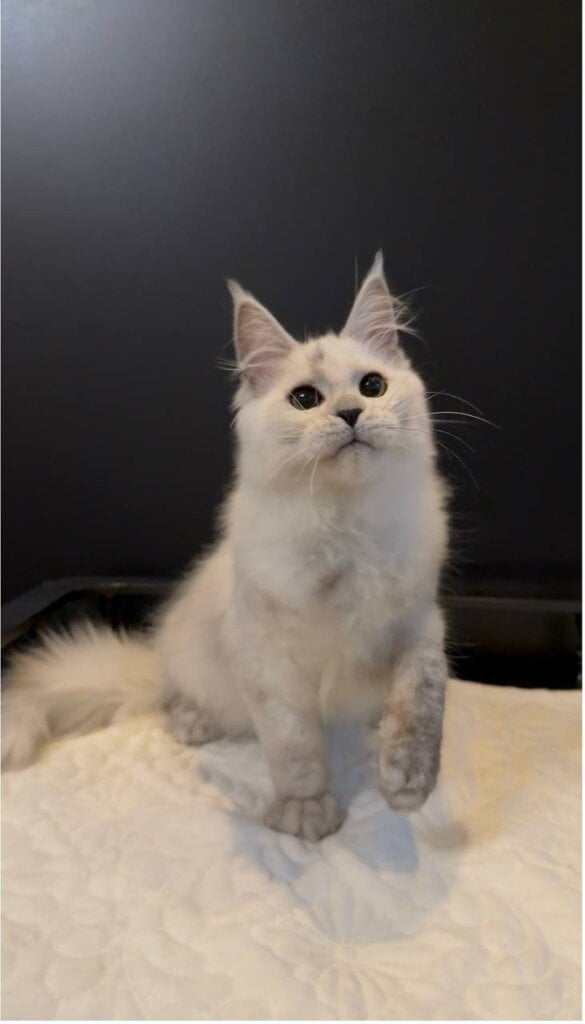
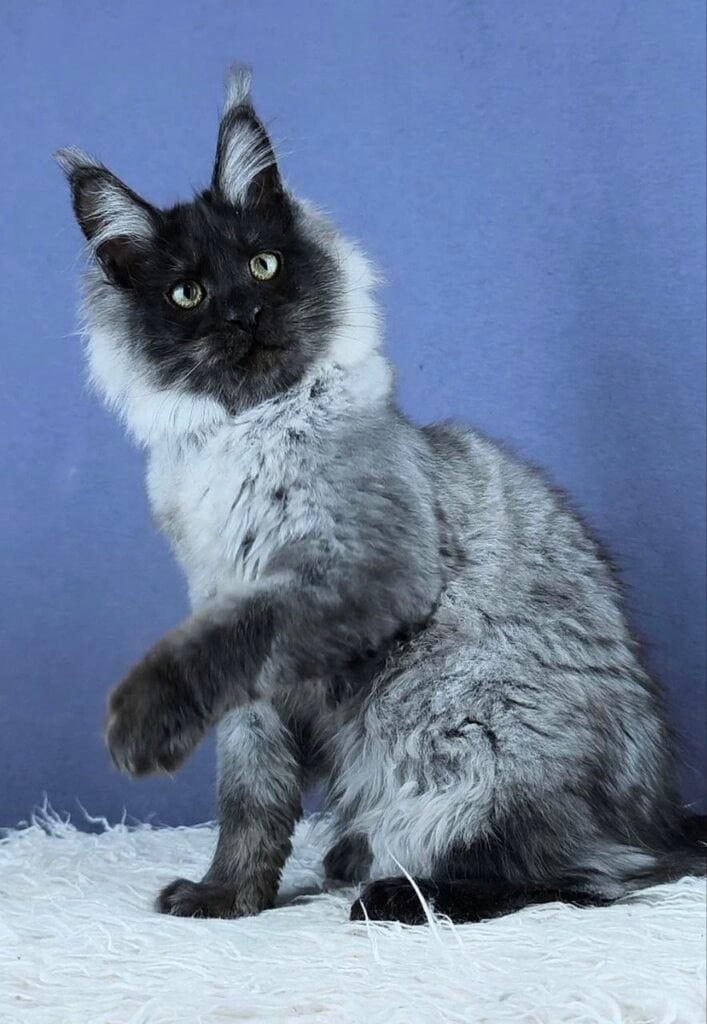
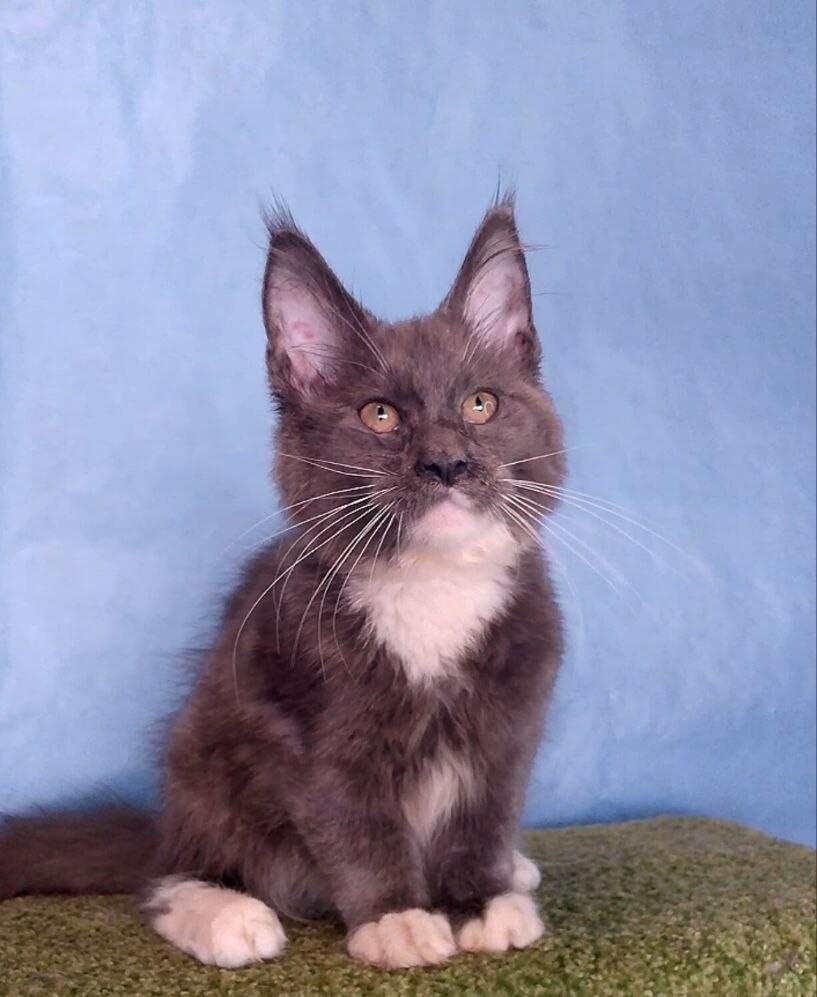
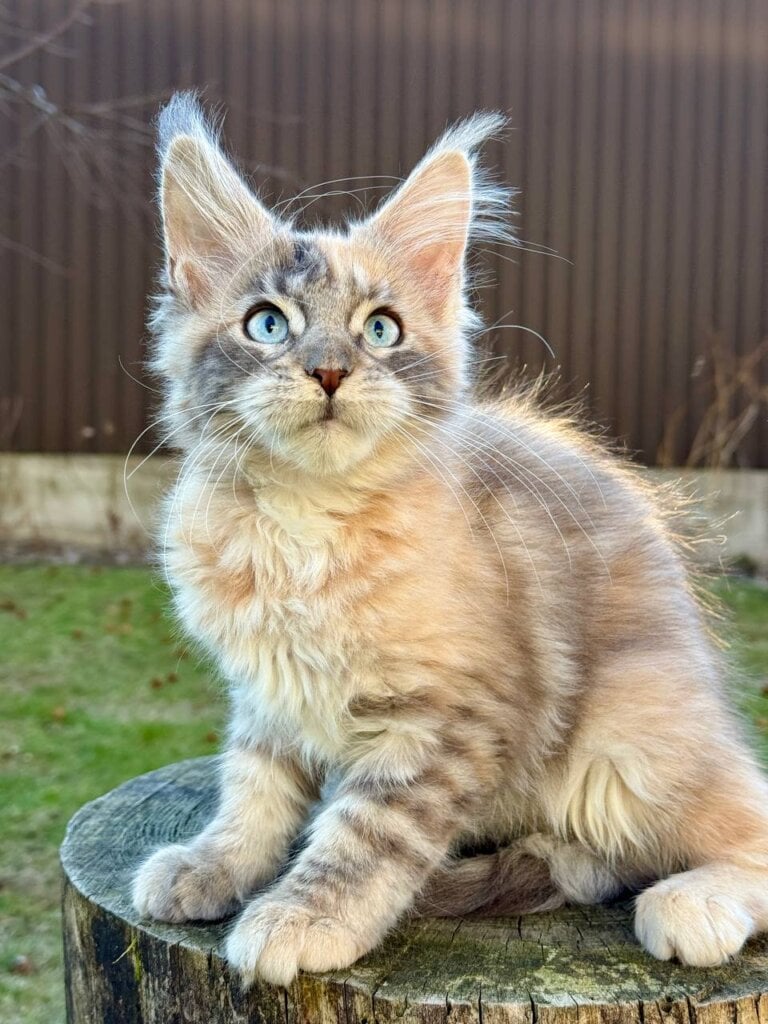
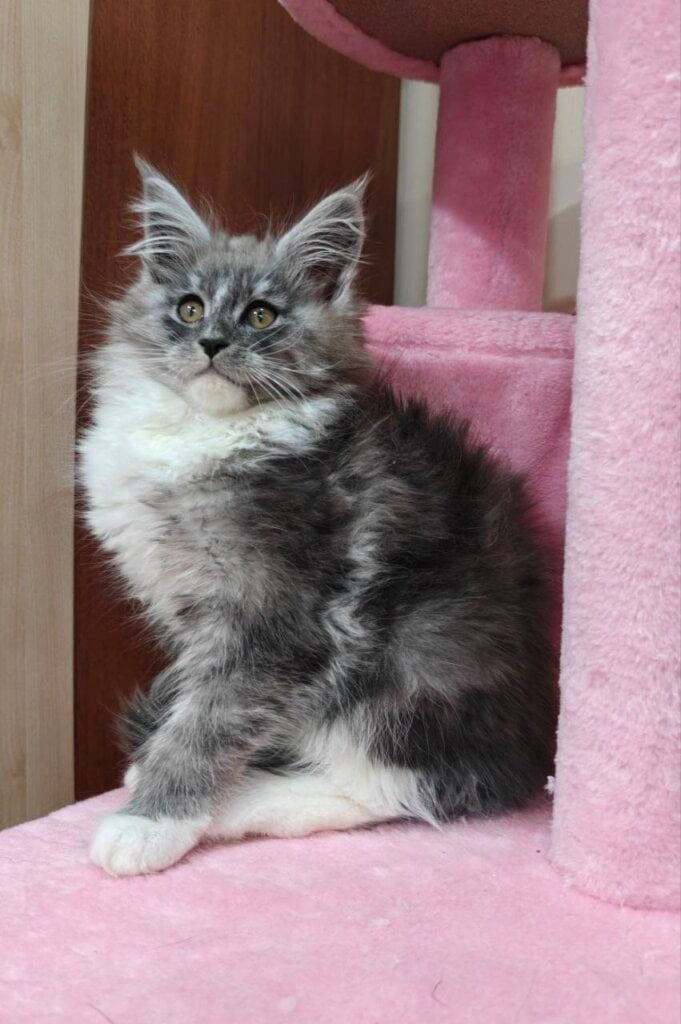
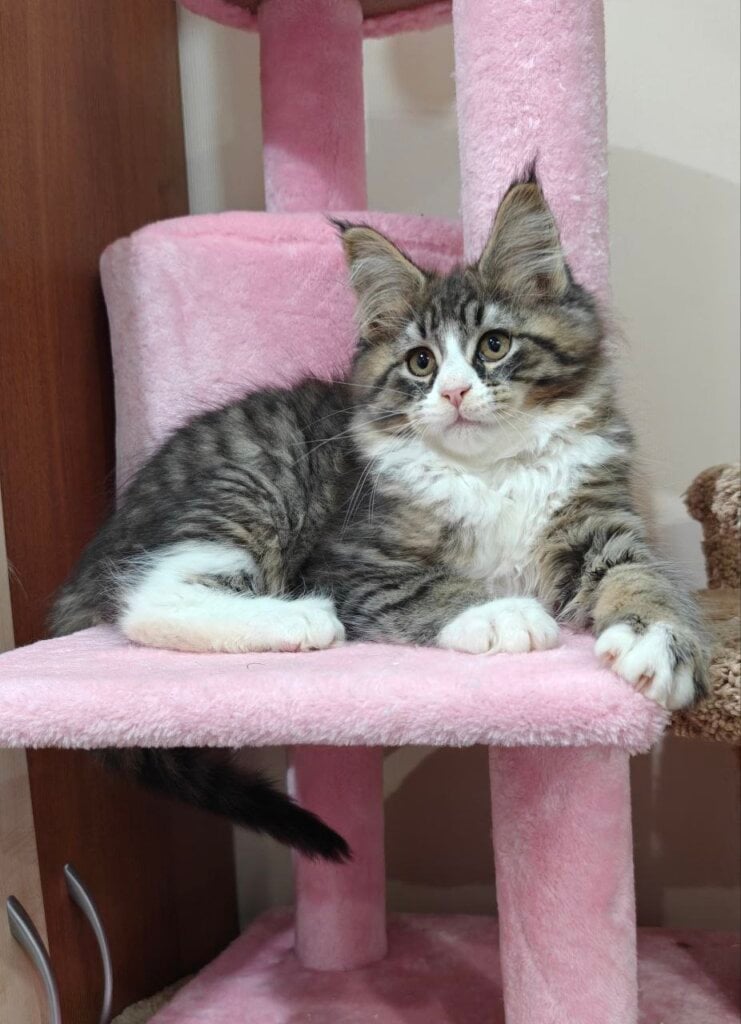
Maine Coon kittens need regular grooming and diets that support larger-frame growth; long fur requires frequent brushing to prevent mats and seasonal shedding issues. Their size and activity level benefit from accessible vertical spaces and robust scratching posts to support muscle and joint development. Owners should monitor for breed-related cardiac concerns—HCM screening is part of responsible breeder health protocols—and discuss appropriate screening timelines with a veterinarian. Choosing nutrient-dense kitten food and a steady grooming plan supports healthy coat and skeletal development in this large, affectionate breed.
- Brush several times weekly to prevent matting and tangles.
- Provide larger-caliber toys and climbing spaces for exercise.
- Discuss HCM screening with your veterinarian as part of preventive care.
Attentive grooming and nutrition planning reduce common coat and growth challenges for Maine Coon kittens.
How Do You Care for a Scottish Fold Kitten’s Health and Personality?
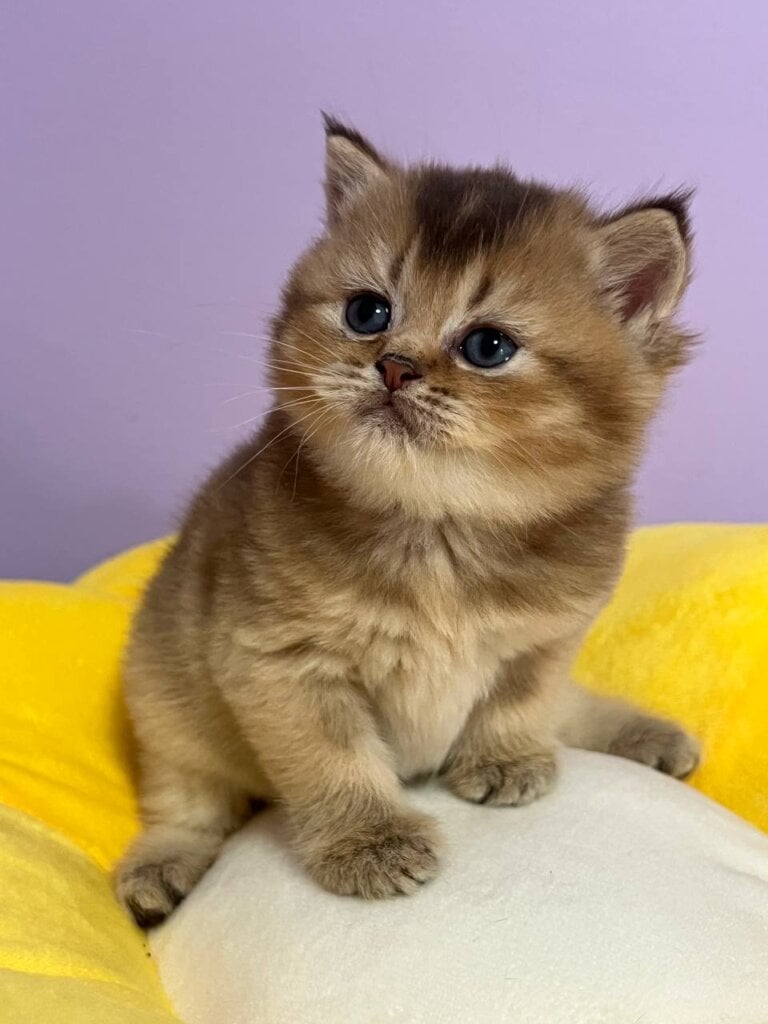
Scottish Fold kittens require careful ear hygiene and monitoring for joint issues related to the fold gene, as well as early, gentle socialization to support an adaptable temperament. Clean ears gently and check regularly for wax buildup or irritation, and watch mobility closely for early signs of osteochondrodysplasia or discomfort. Socialization through calm, positive exposures encourages the breed’s typically affectionate nature and reduces stress-related behaviors. Work with your veterinarian on joint health monitoring and handle ears routinely to establish a comfortable grooming routine.
- Ear care: regular inspection and gentle cleaning as needed.
- Joint monitoring: observe mobility and consult vet on any stiffness.
- Socialization: calm introductions to people and environments.
Proactive ear and joint care alongside consistent socialization maintain comfort and well-being in Scottish Fold kittens.
What Grooming and Play Needs Does a British Shorthair Kitten Have?
British Shorthair kittens have dense, plush coats that benefit from weekly brushing to remove loose hair and reduce hairball formation, and moderate play requirements that emphasize muscle tone without excessive high-impact activity. Portion control is important because this stocky breed can gain weight easily; structured play sessions and interactive feeders help manage caloric intake. Short, regular grooming sessions and games that encourage jumping and chasing maintain fitness and coat condition for a healthy adult transition.
- Brush weekly to control shedding and hairballs.
- Use interactive feeders and play sessions to prevent obesity.
- Tailor exercise to promote lean muscle while avoiding overexertion.
Balanced grooming and play prevent weight gain and keep the British Shorthair active and content.
How Can You Keep Your Kitten Safe and Identified?
Keeping a kitten safe involves physical identification, choosing secure supplies, and knowing early warning signs of illness so you can act quickly. Microchipping provides permanent identification that outlasts collars and is a recommended safety net for lost pets. Selecting age-appropriate, non-toxic toys prevents choking and ingestion, and knowing red-flag symptoms—like sudden lethargy, loss of appetite, or respiratory distress—ensures prompt veterinary attention. The next subsections explain microchipping, safe-supply selection, and signs of illness.
Why Is Microchipping Important for Your Kitten?
Microchipping provides a permanent form of identification that links a kitten to owner contact details via a registry, increasing the chance of reunification if the kitten is lost. Unlike collar tags that can fall off, microchips are implanted subcutaneously and require registration and periodic updates to keep contact information current. Vets typically implant microchips during routine visits or spay/neuter appointments and can guide owners through registration steps. Pair microchipping with a secure collar and ID tag to provide both immediate visual identification and a permanent registry record.
- Microchip: permanent ID implanted under skin.
- Registration: update contact info to ensure reunification.
- Timing: often done during a vet visit or during spay/neuter.
Microchipping significantly raises the likelihood of recovering a lost kitten and should be part of a comprehensive ID plan.
How Do You Choose Safe Toys and Supplies for Your Kitten?
Selecting safe toys and supplies means prioritizing durability, appropriate size, and non-toxic materials to prevent choking, ingestion, and injury. Avoid toys with small detachable parts, loose strings that can be swallowed, and easily torn materials; opt for well-constructed wand toys, chew-safe items, and puzzle feeders designed for kittens. Regularly inspect toys for damage and retire compromised items promptly. For supplies like bowls and beds, choose washable, sturdy materials that tolerate frequent cleaning to minimize pathogen buildup.
- Size & durability: match toy size to kitten to avoid choking risks.
- Material safety: non-toxic and chew-resistant options are best.
- Maintenance: clean and discard worn items promptly.
Selecting safe, age-appropriate supplies reduces emergency risks and supports healthy play and feeding habits.
What Are the Signs of Illness to Watch for in Your Kitten?
Early detection of illness is critical; watch for behavioral and physical red flags such as reduced appetite, persistent vomiting or diarrhea, sneezing with discharge, labored breathing, sudden lethargy, or abnormal gait. Some signs warrant immediate veterinary attention—difficulty breathing, collapse, or severe bleeding—while milder symptoms like mild sneezing or transient diarrhea may be monitored with vet guidance. Basic at-home steps include keeping the kitten warm, offering small amounts of water, and isolating from other animals until you consult a veterinarian.
- Immediate vet visit: difficulty breathing, collapse, severe trauma.
- Monitor & consult: persistent diarrhea, vomiting, or poor appetite.
- At-home care: maintain warmth and hydration while seeking veterinary advice.
Knowing urgency levels helps you act quickly and reduces the risk of complications from common kitten illnesses.
Where Can You Find Support and Resources as a New Kitten Owner?
New owners benefit from a mix of authoritative external resources, guidance from reputable breeders, and local veterinary support to ensure informed care decisions. Trusted organizations and vet-reviewed materials provide evidence-based guidance on vaccination, nutrition, and behavior; local clinics and emergency hospitals provide practical care and referrals. MeoWoff Kittens offers rehoming assistance and customer support as part of breeder-led resources, which can be valuable for transparent health histories, breed-specific advice, and guidance on responsible transitions when needed. The next subsections explain MeoWoff’s support, vet checkup timing, and reliable external resources.
How Can MeoWoff Kittens Assist with Rehoming and Customer Support?
MeoWoff Kittens provides breeder-supported services that include rehoming assistance, transparent pricing, and customer support focused on kitten welfare and responsible breeding. The company specializes in Maine Coon, Scottish Fold, and British Shorthair kittens from WCF-registered catteries and emphasizes health screening: parents are tested for genetic conditions like PKD and HCM and for viral diseases such as FIV and FeLV. Kittens from MeoWoff are vaccinated and microchipped prior to rehoming, offering documented health baselines that new owners can discuss with their veterinarian. These breeder services act as a resource for early-life records and help owners navigate health and care questions after adoption.
- Rehoming assistance: support if circumstances change.
- Health transparency: genetic and viral testing of parents disclosed.
- Practical support: vaccinated and microchipped kittens with documented care.
Breeder-provided records and post-adoption support streamline early care planning and veterinary coordination.
When Should You Schedule Regular Vet Checkups?
Regular veterinary checkups follow a schedule that begins with an initial exam soon after adoption, a series of vaccine boosters through the first four months, and routine wellness visits through the first year to monitor growth and spay/neuter timing. After the initial series, annual or biannual wellness exams help track vaccination status, dental health, weight, and emerging age-related issues. Establish a primary veterinarian early and discuss a customized checkup cadence based on breed, environment, and any specific health concerns identified by breeder screening.
- Initial visit: within days of bringing kitten home.
- Vaccination boosters: typically through ~16 weeks of age.
- Ongoing: annual or semi-annual wellness checks as advised by your vet.
A scheduled care plan ensures continuous preventive care and timely intervention for emerging issues.
What Are Trusted Resources for Kitten Care Information?
Authoritative organizations and veterinary associations provide evidence-based guidance on kitten health, nutrition, and behavior and should be primary references for owners seeking reliable information. Look for resources that are veterinarian-reviewed and updated regularly to reflect current research and best practices. Local shelters, emergency clinics, and veterinary behaviorists can provide hands-on support and training referrals for specific behavioral concerns. Combining reputable external information with your veterinarian’s personalized advice ensures a balanced approach to kitten care.
- Vet-reviewed sources: prioritize clinical guidance over anecdotal tips.
- Local resources: shelters and emergency clinics for practical support.
- Specialist referrals: behaviorists or nutritionists for complex cases.