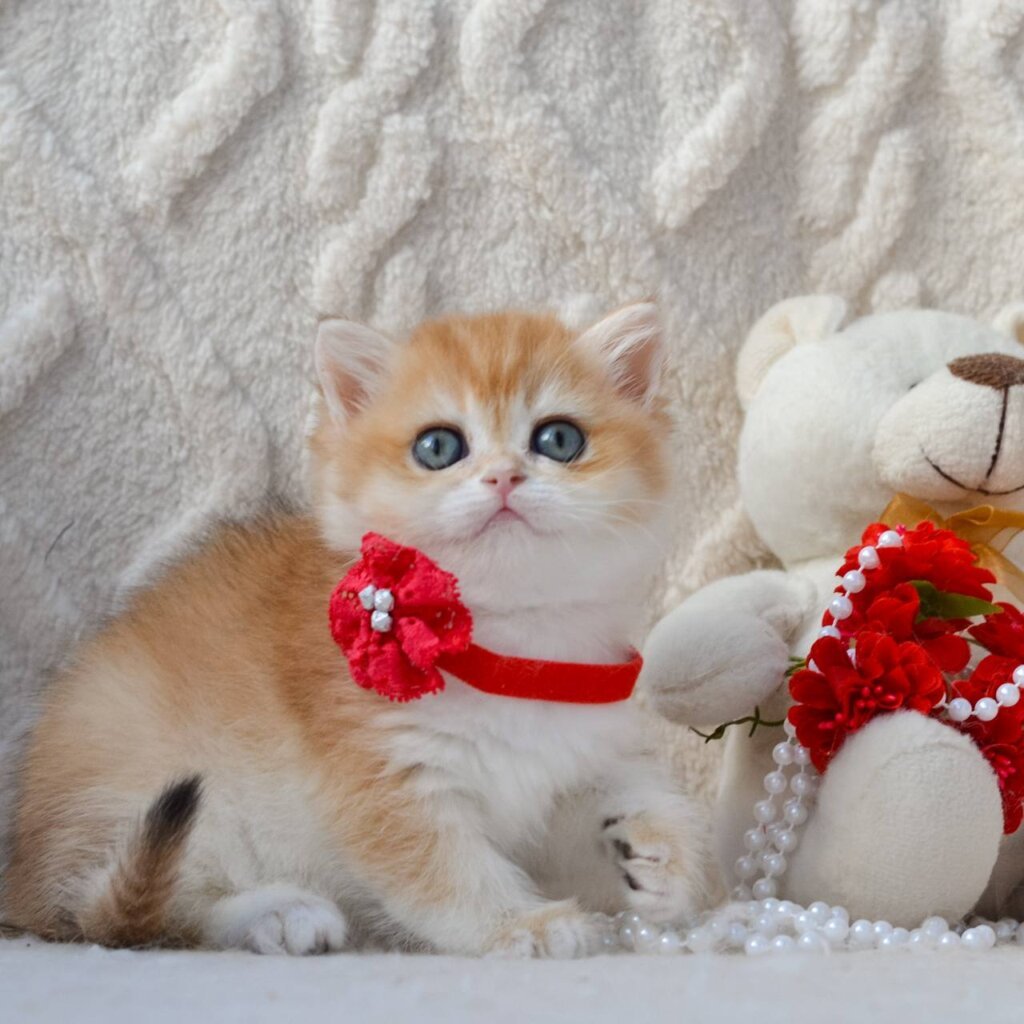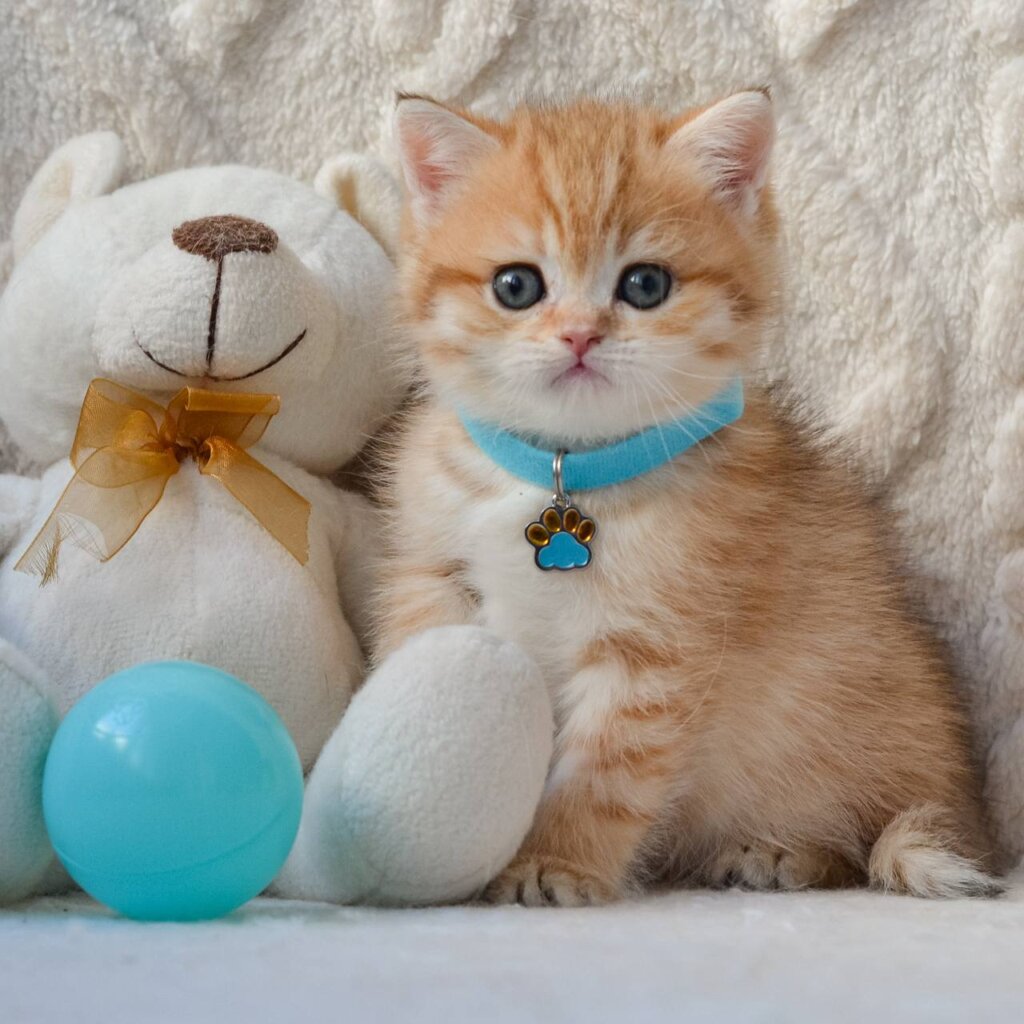

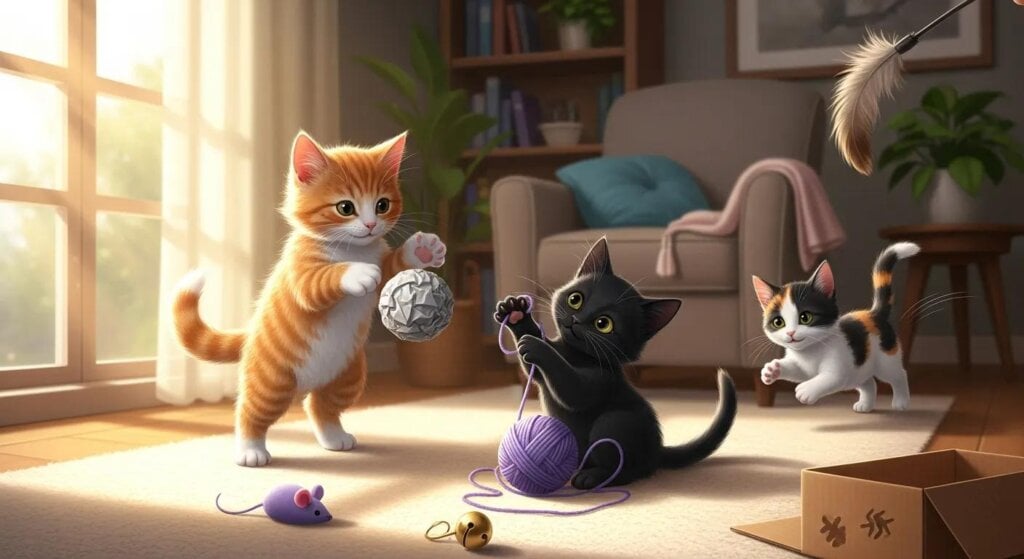
Kittens at Play: Joyful, Safe, and Smart
Play is more than fun—it’s how kittens learn the world. Short bursts of chasing, pouncing, and problem-solving help them build coordination, confidence, and curiosity. Playing with your kitten also deepens the relationship between you two, turning everyday moments into trust-building rituals. This guide walks through why play matters, which toys and games work best, how to keep playtime safe, and simple enrichment ideas for indoor kittens. If you’ve ever wondered how to keep a busy kitten happily engaged, these practical tips and toy suggestions will help both of you thrive.
What Are the Benefits of Playtime for Kittens?
Regular play supports both body and brain. Physically, it improves balance, reflexes, and muscle tone. Mentally, play provides problem-solving practice and keeps curious minds from getting bored. A lively play routine also cuts down on destructive or anxious behaviors by giving kittens healthy outlets for energy.
Playtime is a two-way street: when you join in, your kitten learns to trust and read your cues. Those shared moments build a calm, confident cat and a closer, more affectionate bond with you—one that lasts a lifetime.
How Does Play Support Physical and Mental Development?
Through play, kittens rehearse hunting behaviors—stalking, chasing, pouncing—which strengthens coordination and core muscles. Mentally, toys and games introduce puzzles and choices that sharpen attention and reasoning. Items like puzzle feeders turn mealtimes into brain games, encouraging focus and slow, satisfying problem-solving.
In What Ways Does Play Strengthen the Human-Kitten Bond?
Play creates positive, predictable interactions that teach kittens to rely on you. Active play builds trust: your kitten learns you’re a safe partner in exciting moments. Over time, those playful routines become emotional anchors—your presence becomes associated with fun, safety, and affection.
Which Interactive Kitten Toys Promote Joy and Enrichment?
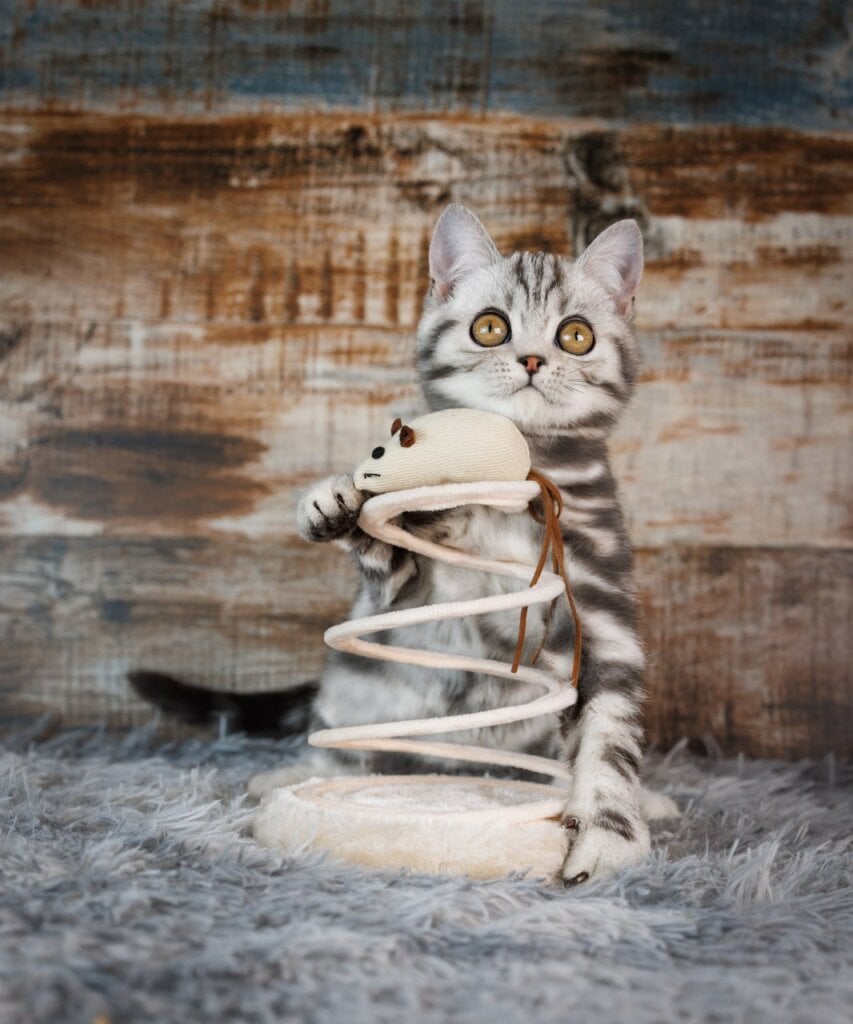
Interactive toys help kittens follow natural instincts while staying mentally engaged. The right mix—moving, small, textured toys, plus puzzle-style challenges—keeps interest high and prevents boredom. Rotating toys and swapping textures helps avoid habituation so play stays exciting.
Research shows toy size, texture, movement, and variety all influence how long cats stay interested in a toy.
Stimulating Cat Play: Toy Features & Habituation
Small, moving toys with interesting textures (for example, faux fur, feathers, or real fur) tend to trigger the most intense play. When a toy stays the same, cats often lose interest over time (habituation); swapping to a toy with different size, texture, or motion restores engagement.
Object play in the adult domestic cat (Felix silvestris catus), 1995
What Are the Best Wand Toys to Stimulate Hunting Instincts?
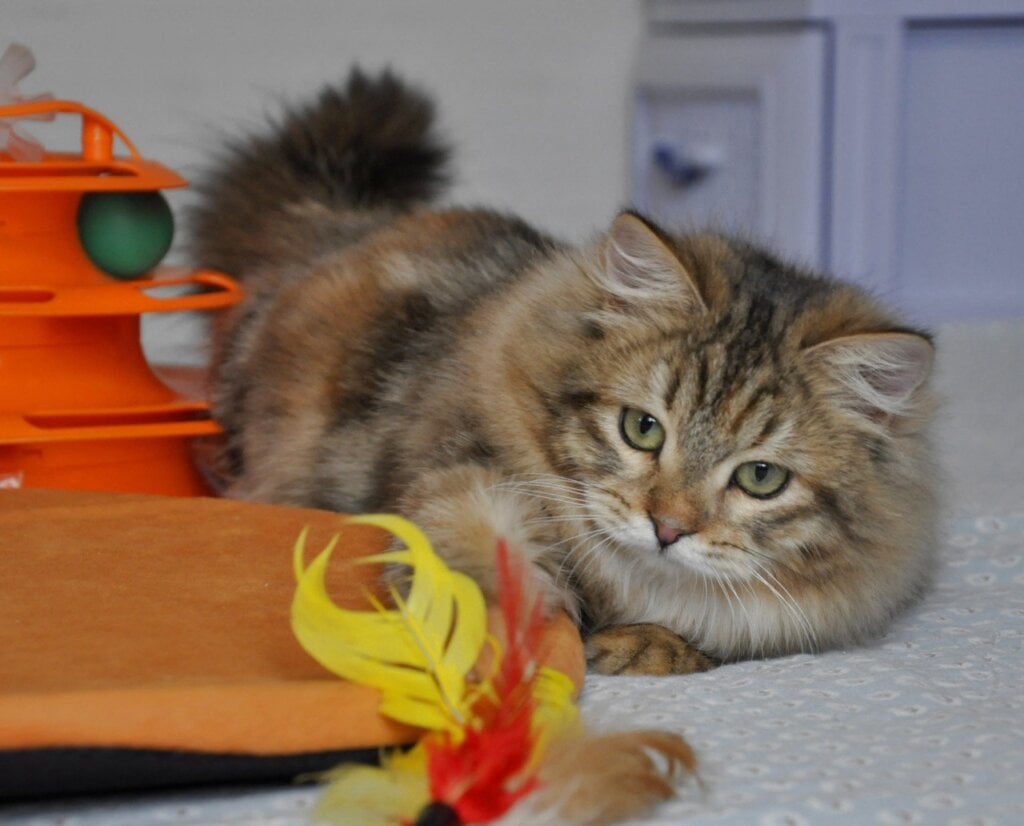
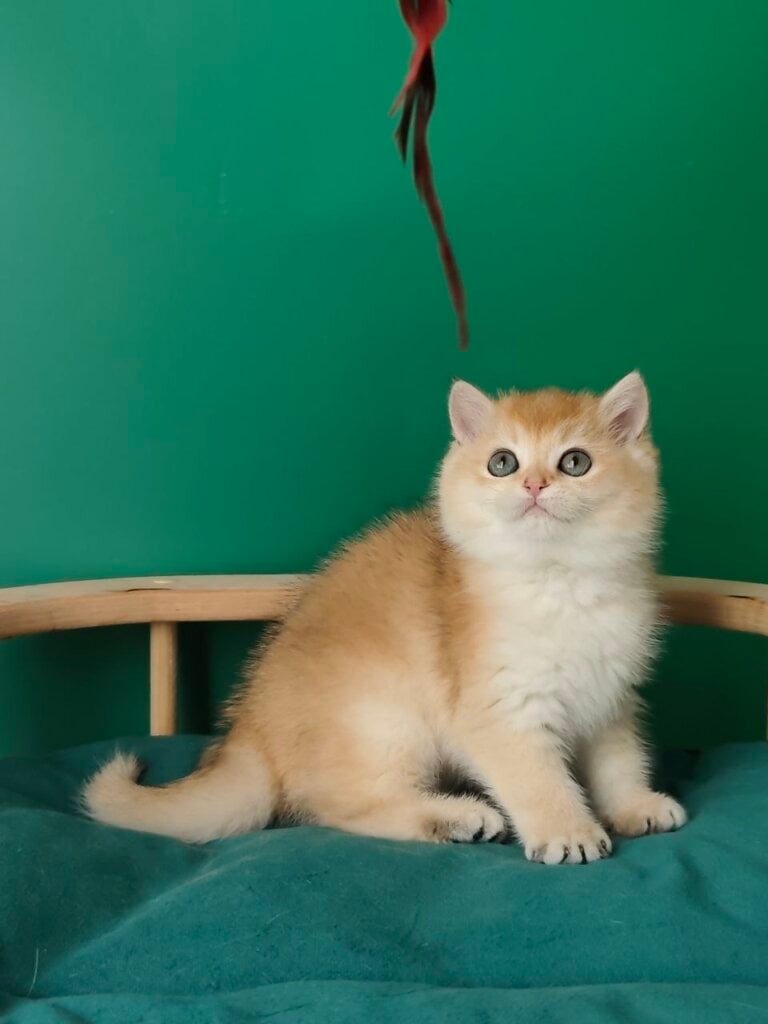
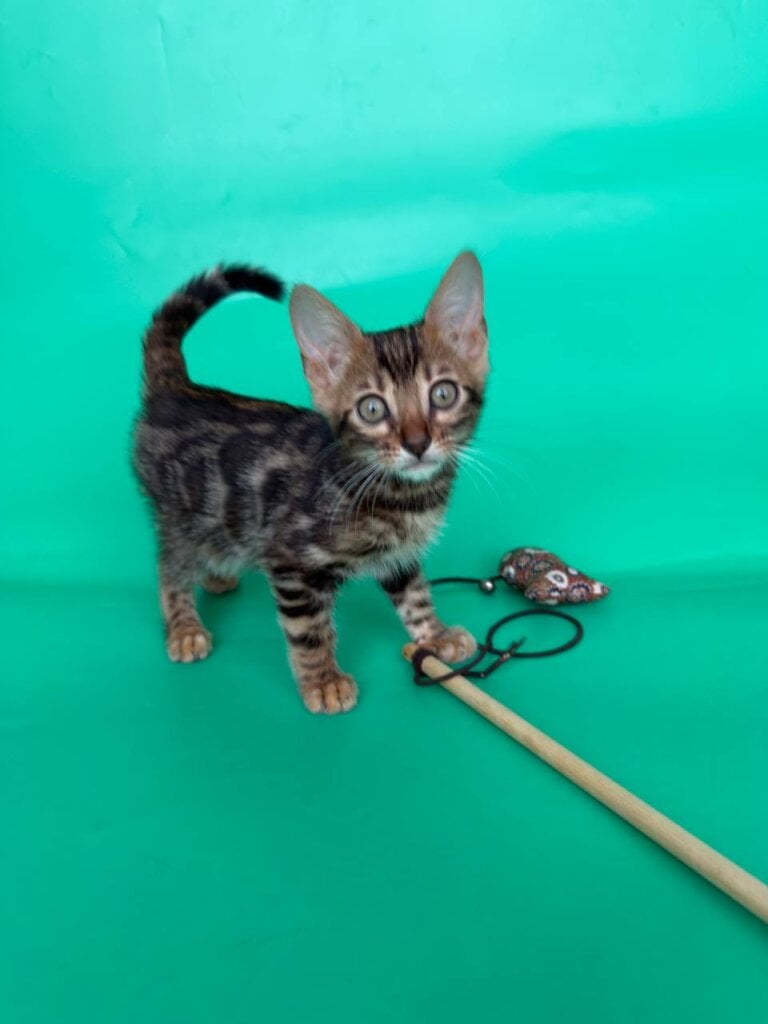
Wand toys mimic prey and invite chasing, jumping, and pouncing—the core moves of a kitten’s natural play. Use short, energetic sessions to let your kitten chase feathers or ribbons while you control the motion and pace. Wand play gives great exercise and is an easy way to bond through shared excitement.
Simple interactive tools like wands, lasers, and dangling toys are consistently effective at promoting natural hunting behaviors and meaningful exercise.
Interactive Toys for Feline Mental & Physical Stimulation
Tools such as wand toys, laser pointers, and moving objects encourage play, hunting practice, and exploration—activities that provide both physical exercise and mental stimulation for cats.
Understanding Your Cat’s Mind: A Journey into Feline Psychology, 2024
How Do Puzzle Feeders Enhance Mental Stimulation?
Puzzle feeders make kittens work for food, turning eating into a cognitive challenge. This slows down fast eaters, encourages natural foraging behavior, and keeps their brains active. Swap different feeders or change the treats to keep the puzzles novel and rewarding.
Food puzzles are an easy, safe way to boost activity and enrichment for indoor cats.
Safe Food Puzzles for Indoor Cat Enrichment
Offering food puzzles is a straightforward method to increase activity for indoor cats. Rotating different puzzles or feeders helps sustain interest and keeps enrichment fresh.
Food and Enrichment: It Can Be a Puzzle
| Toy Type | Description | Benefits |
|---|---|---|
| Wand Toys | Long stick with strings, feathers, or small attachments | Encourages chasing and pouncing; great for interactive exercise |
| Puzzle Feeders | Feeders or toys that release food when solved | Builds problem-solving skills; slows eating and prevents boredom |
| DIY Toys | Safe homemade options like crumpled paper, boxes, or cardboard rolls | Low-cost, creative play that introduces new textures and hiding spots |
How Can You Ensure Safe Ways to Play With Kittens?
Safety should guide every play session. A secure space and the right toys keep play fun and free from harm so kittens can explore without risk.
What Are the Key Safety Practices During Kitten Playtime?
Always supervise active play, especially with strings, small parts, or breakable toys. Toss or hide small items only when supervised, and check toys regularly for loose pieces. Keep hazardous items—like toxic plants, small household objects, and dangling cords—out of reach.
How to Create a Kitten-Proof Play Area at Home?
Make a kitten-friendly zone by tucking away cords, securing fragile items, and blocking access to unsafe rooms with gates. Provide dedicated climbing and scratching spots, like cat trees or wall shelves, and lay down soft surfaces to cushion energetic jumps.
What Are Effective Kitten Enrichment Ideas for Indoor Play?
Indoor kittens benefit from variety: rotate toys, add vertical spaces, and mix active chases with quiet puzzle time. That combination keeps them physically fit and mentally curious.
How Do Vertical Spaces and Cat Trees Benefit Indoor Kittens?
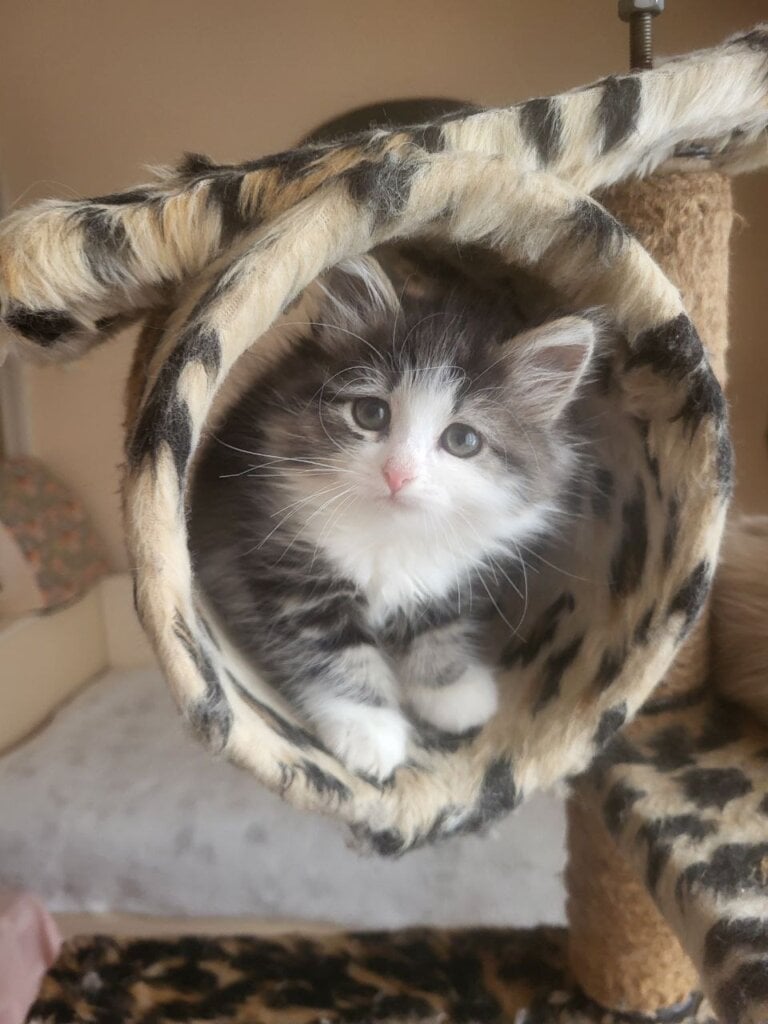
Vertical options let kittens climb, perch, and observe—behaviors that feel safe and satisfying for them. Cat trees and shelves add exercise and help reduce stress by offering high, private vantage points.
What DIY Toys and Sensory Activities Spark Joy?
Simple DIY items—cardboard boxes, paper bags (supervised), ping-pong balls, and taped-down ribbons—offer rich play experiences. Rotate textures and introduce safe scents or new hiding spots to keep exploration fresh and engaging.
How Does Playtime Vary Among Different Kitten Breeds?
Breed tendencies can help you choose the right games. Some kittens stay sprint-ready for hours, while others prefer gentle interaction. Observing your kitten’s preferences will guide the best mix of play.
What Are Maine Coon Play Needs and Energy Levels?
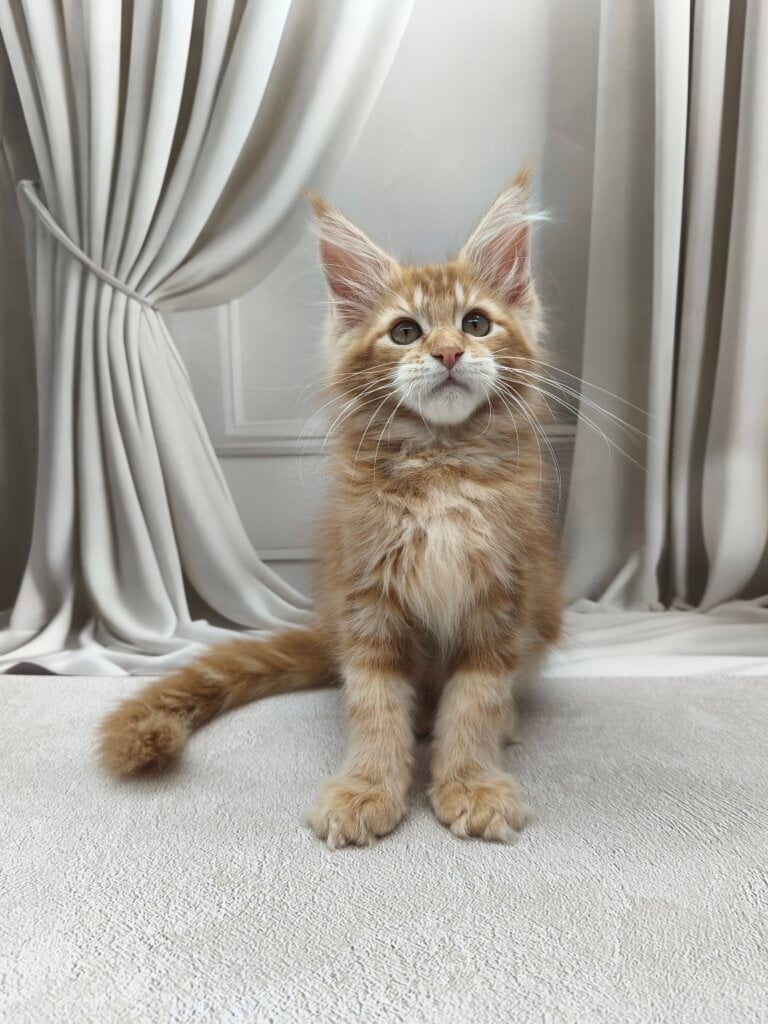
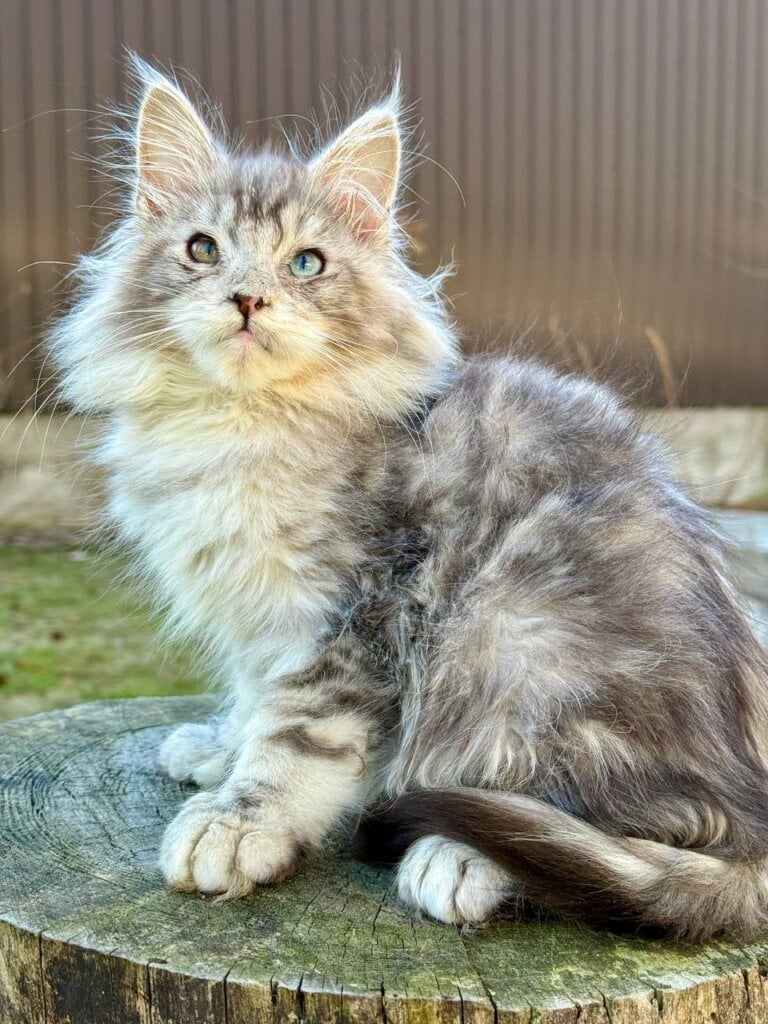
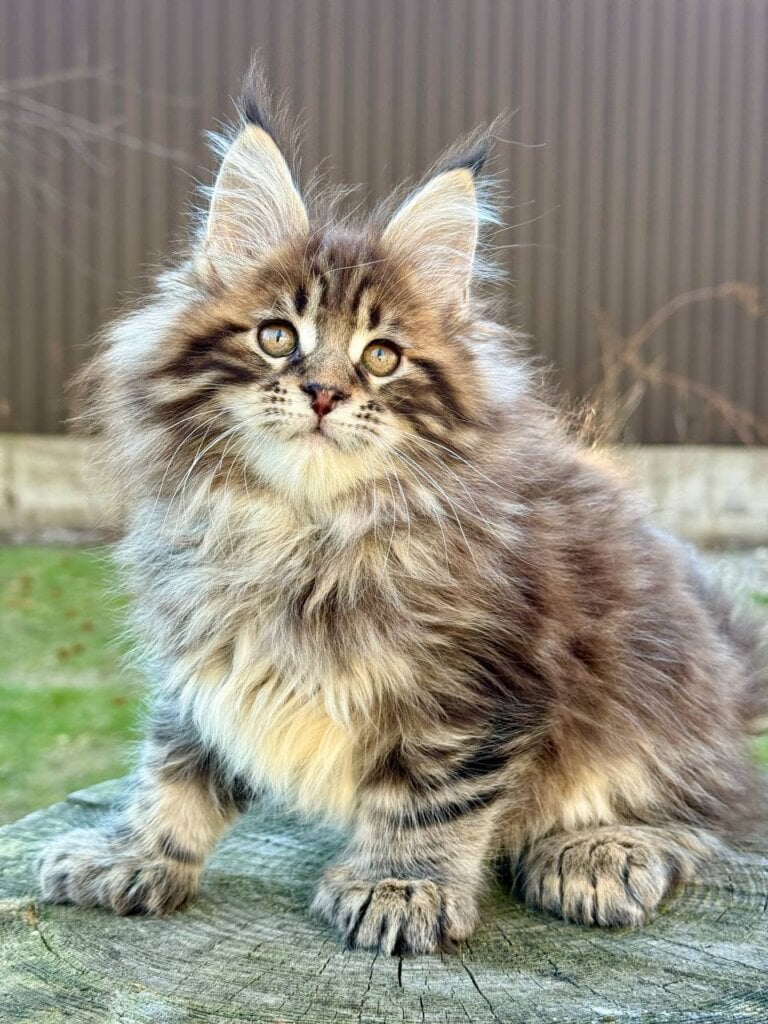
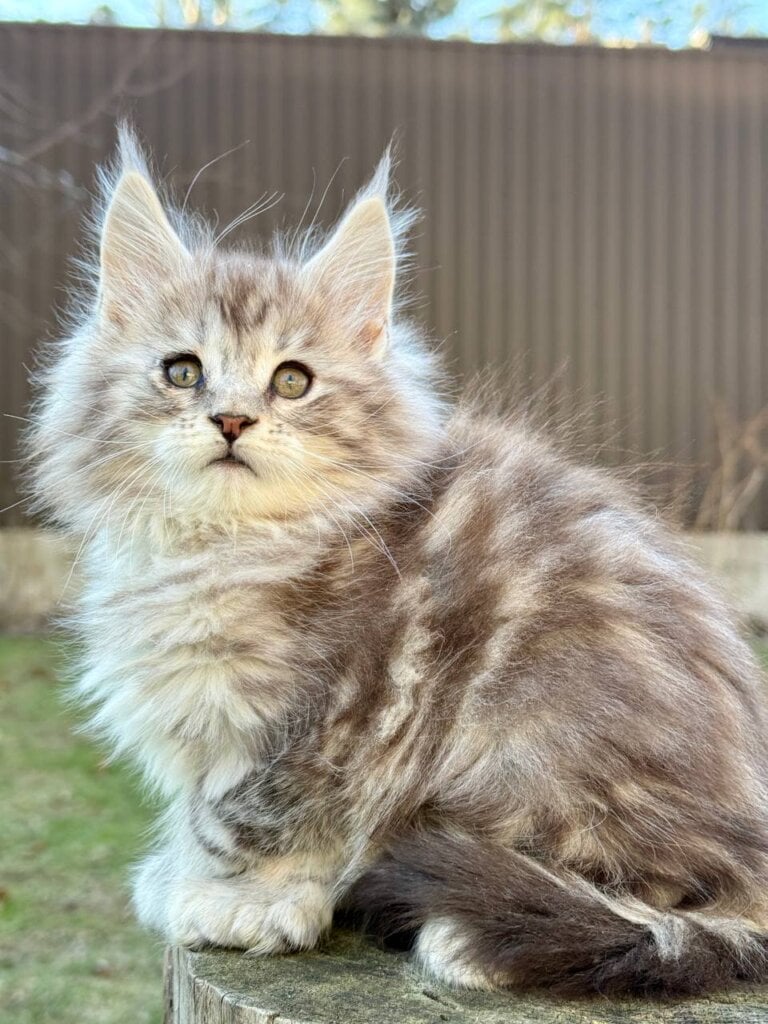
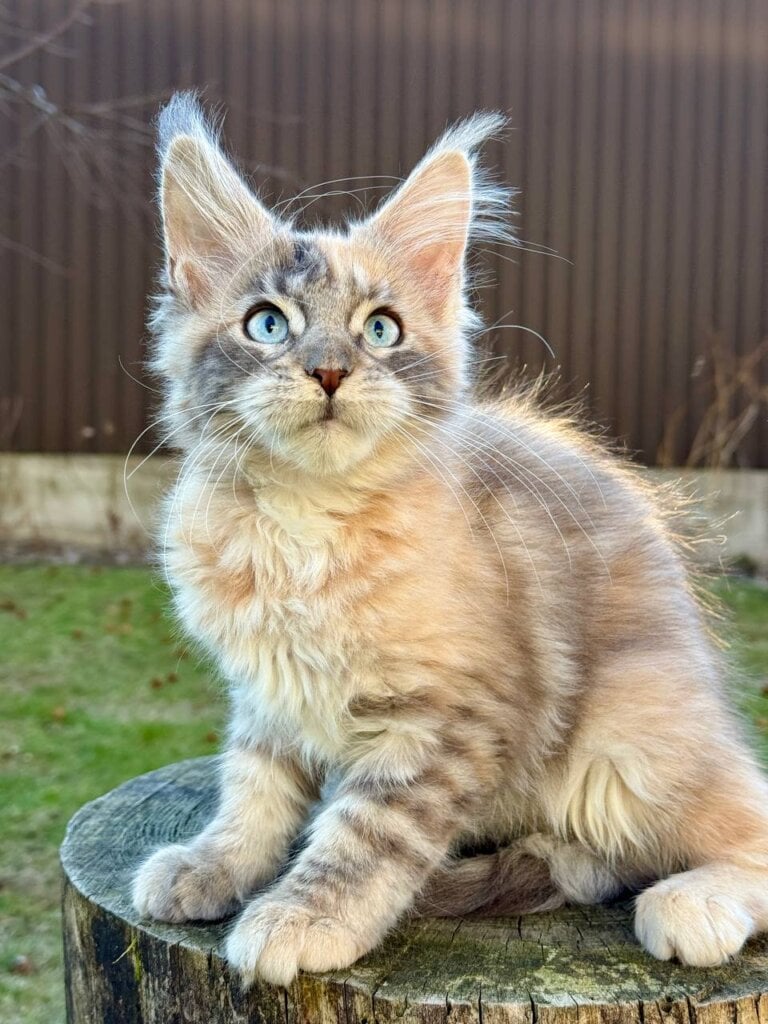
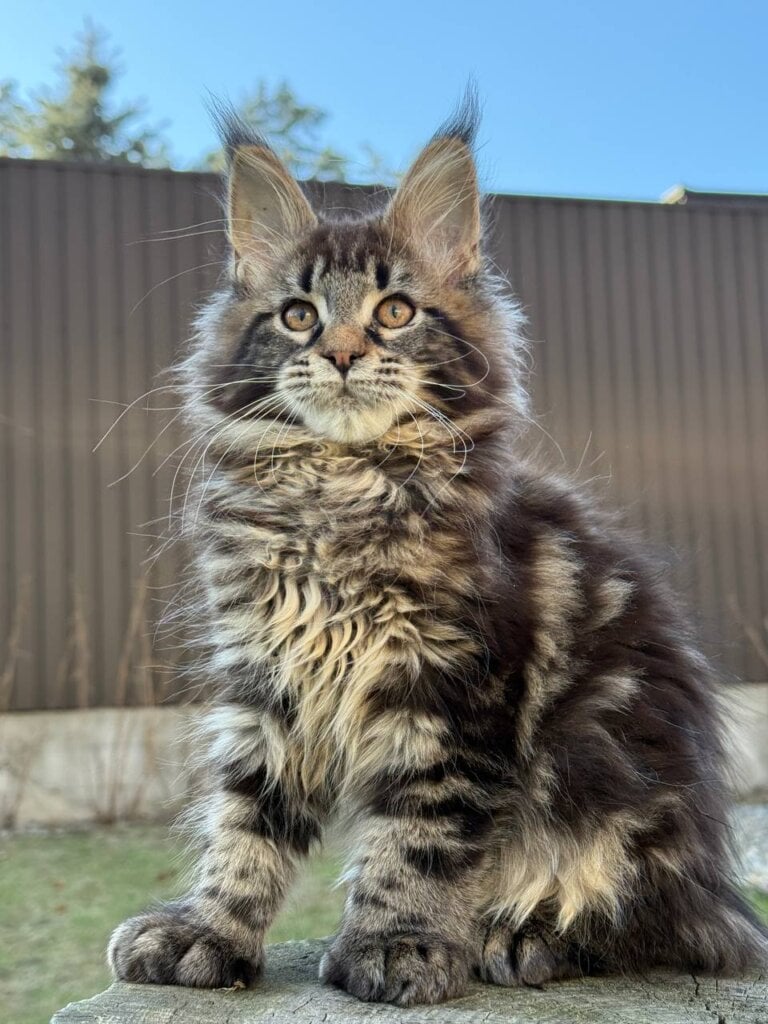
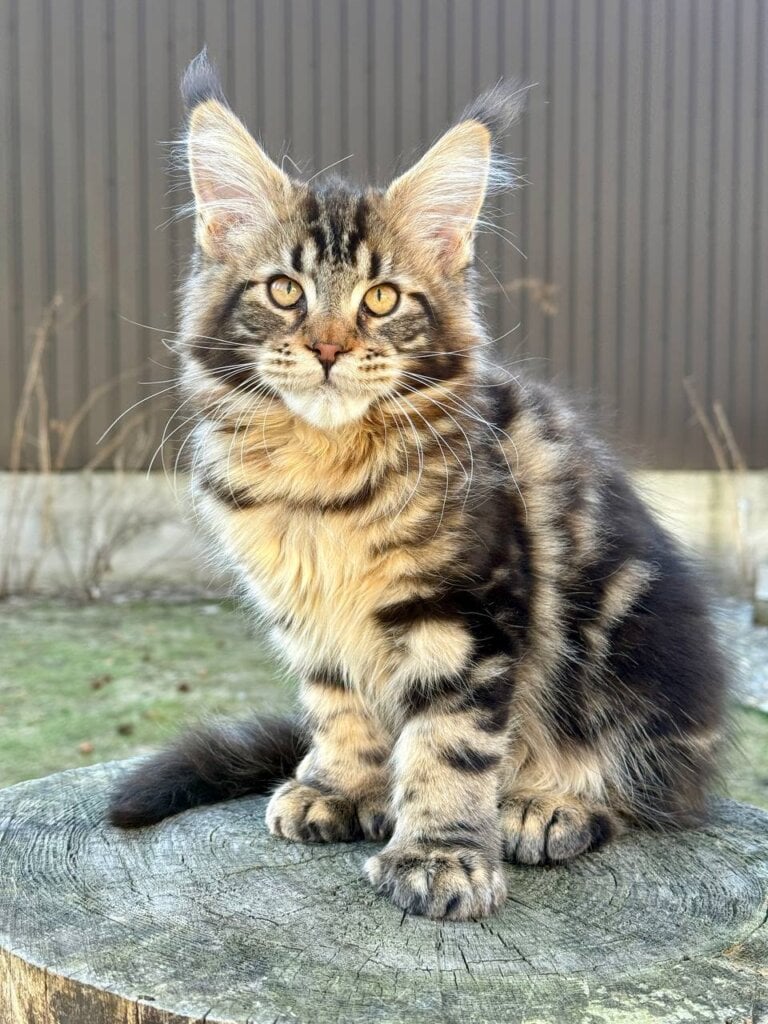
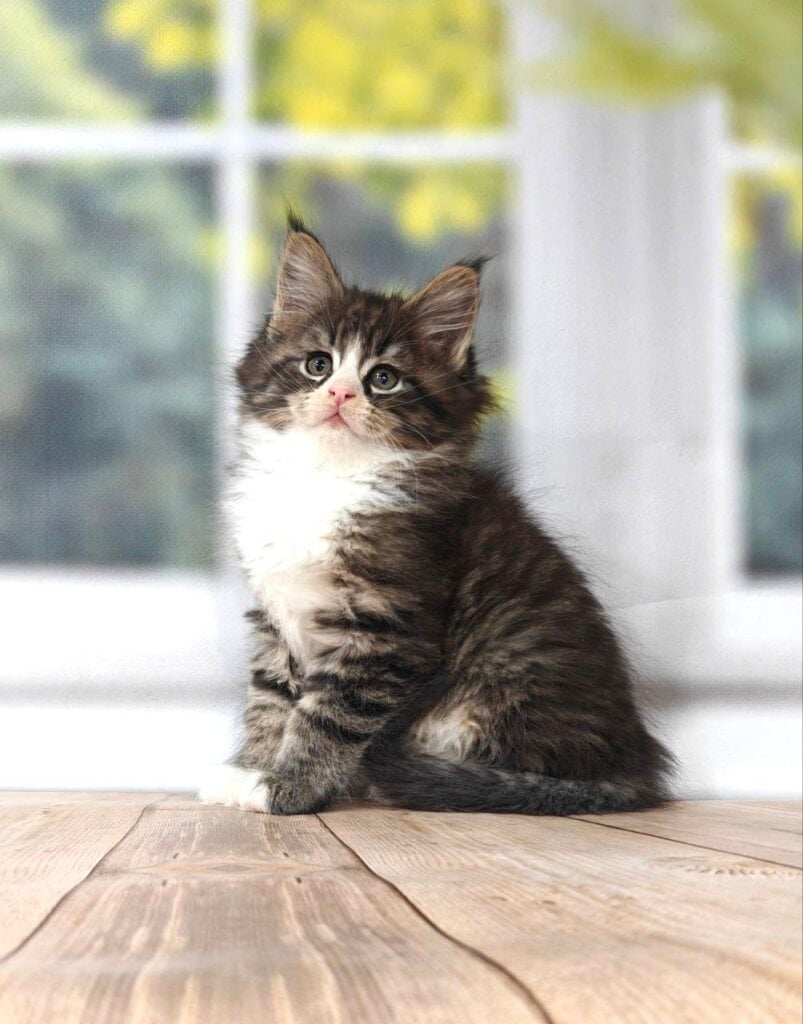
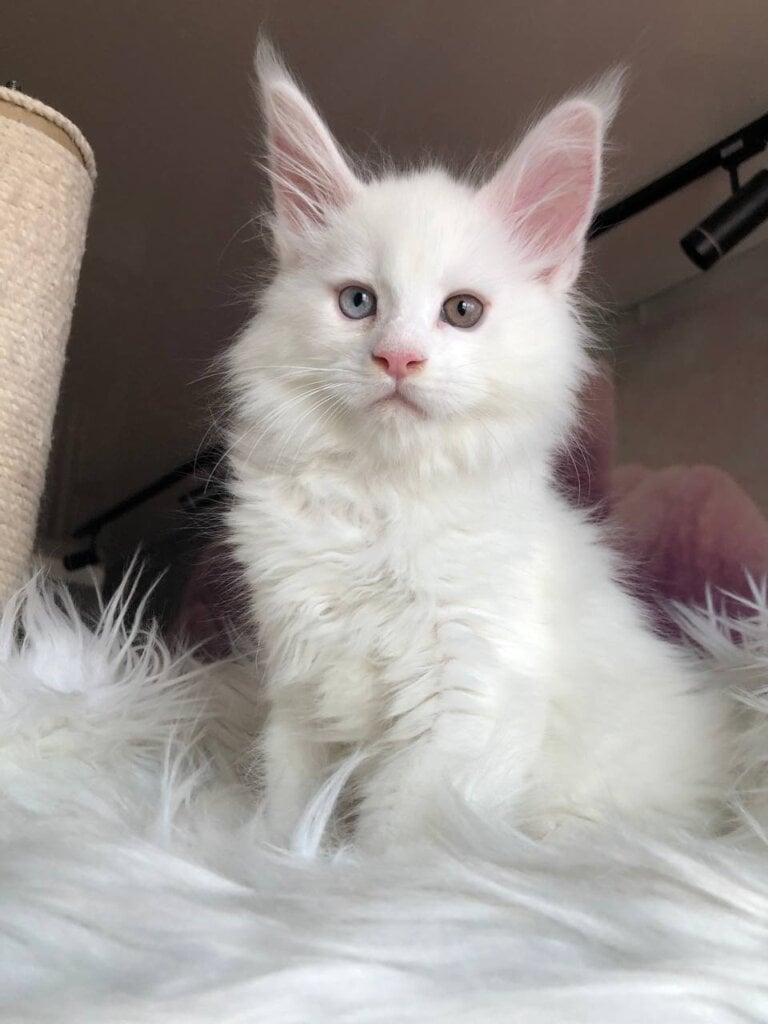
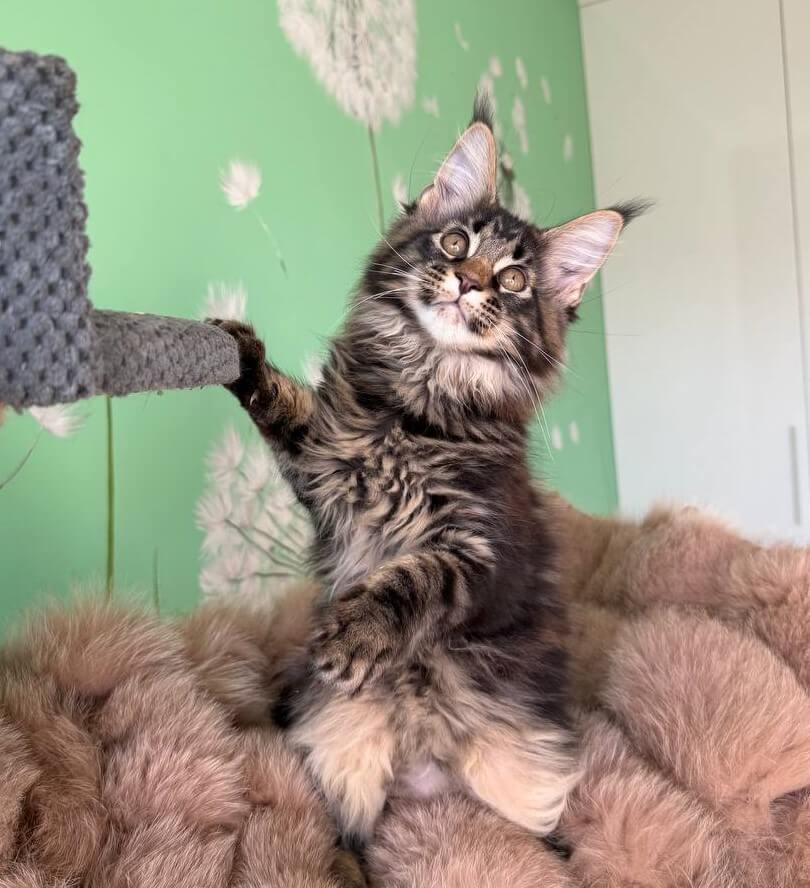
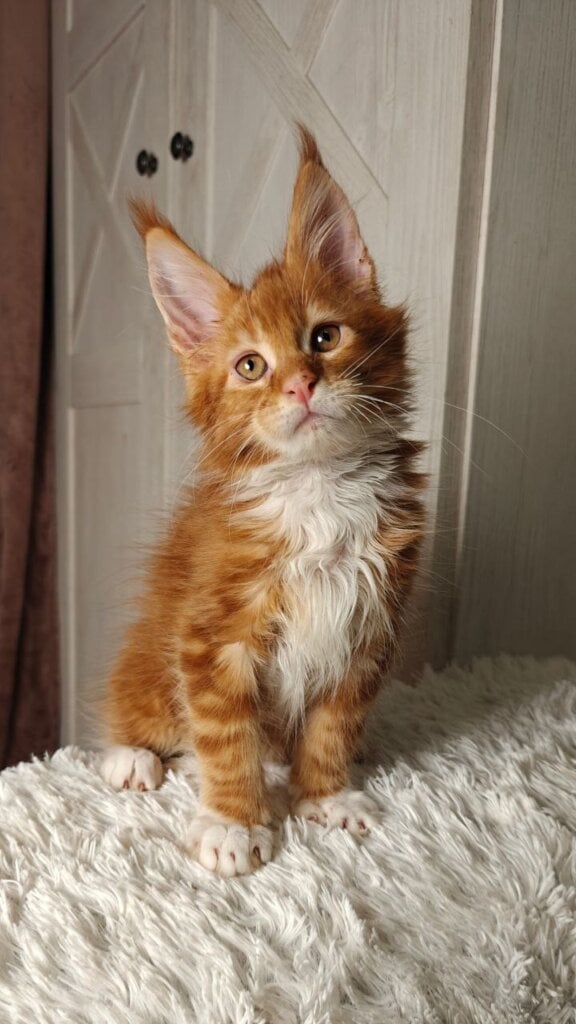
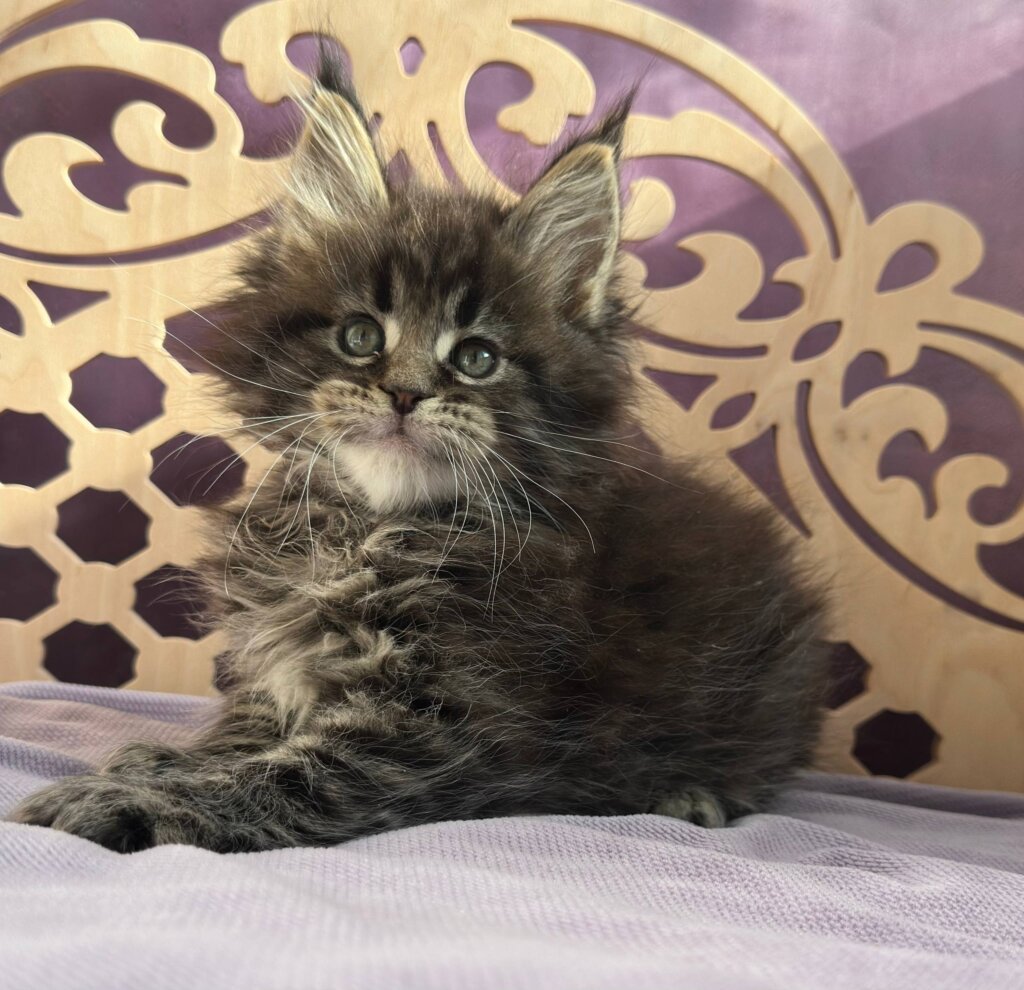
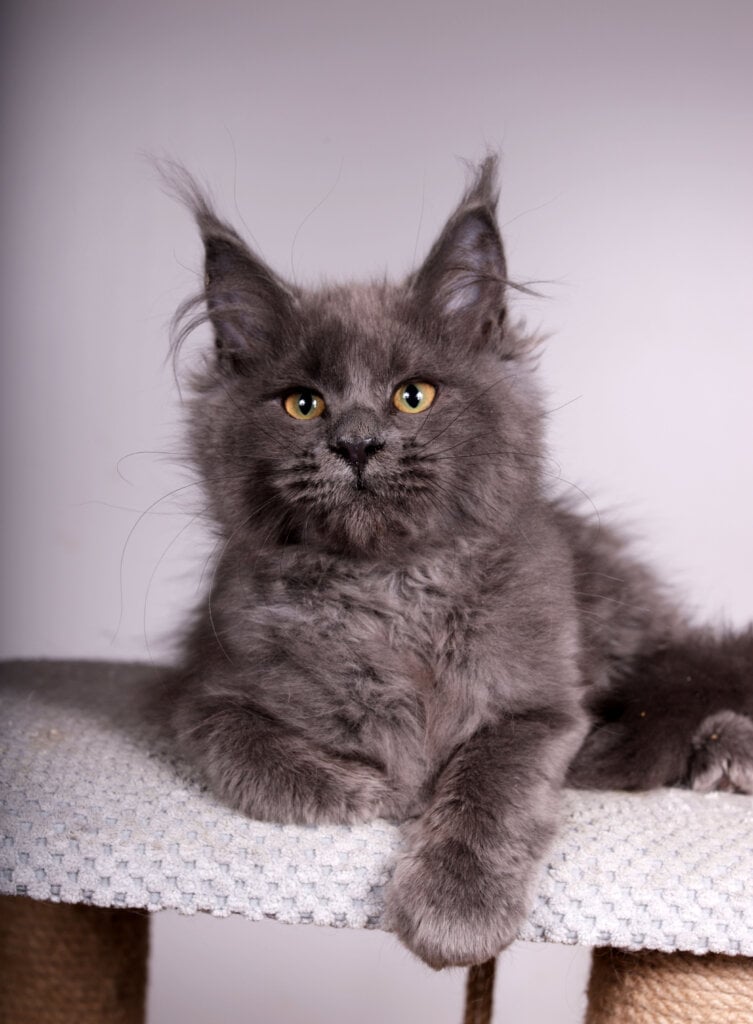
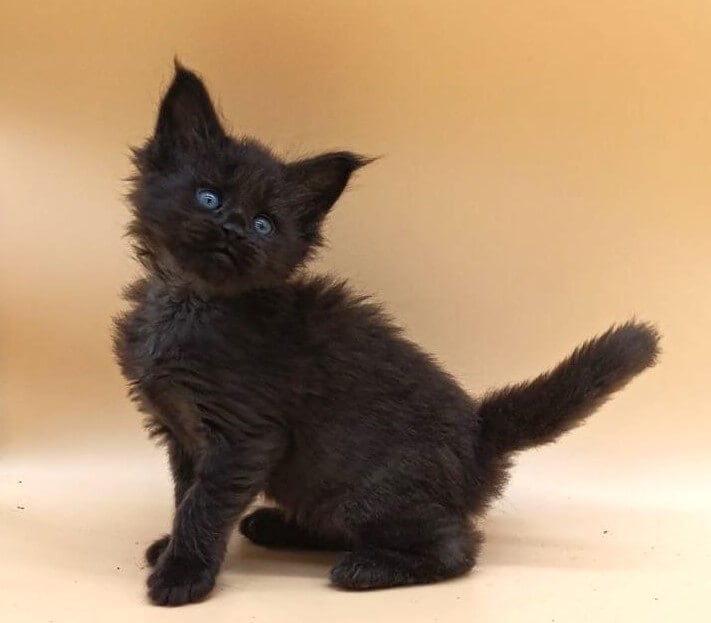
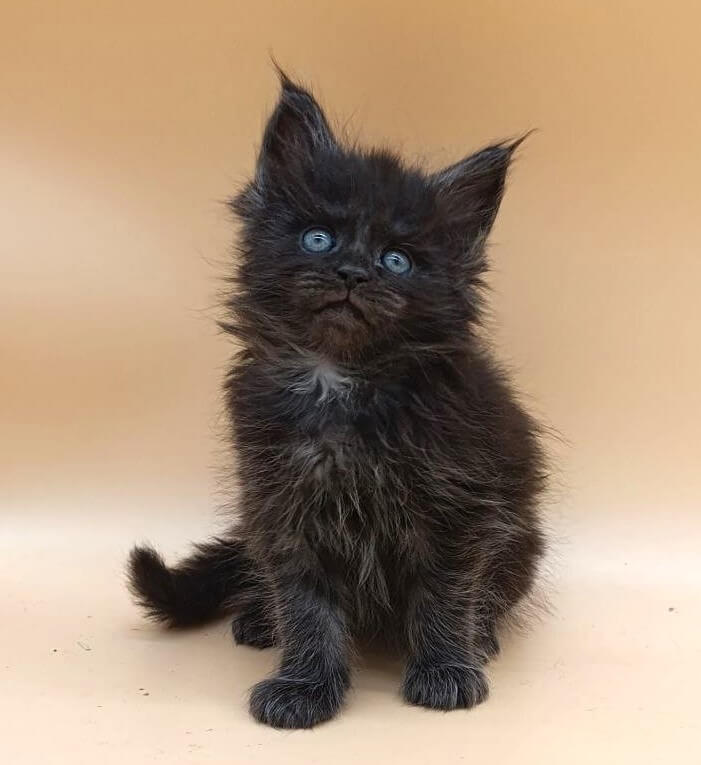
Maine Coon kittens usually stay playful and curious for long stretches. They enjoy interactive toys that challenge their strength and intelligence—think puzzle feeders, climbing routes, and tug-style games.
How Do Devon Rex and Scottish Fold Kittens Prefer to Play?
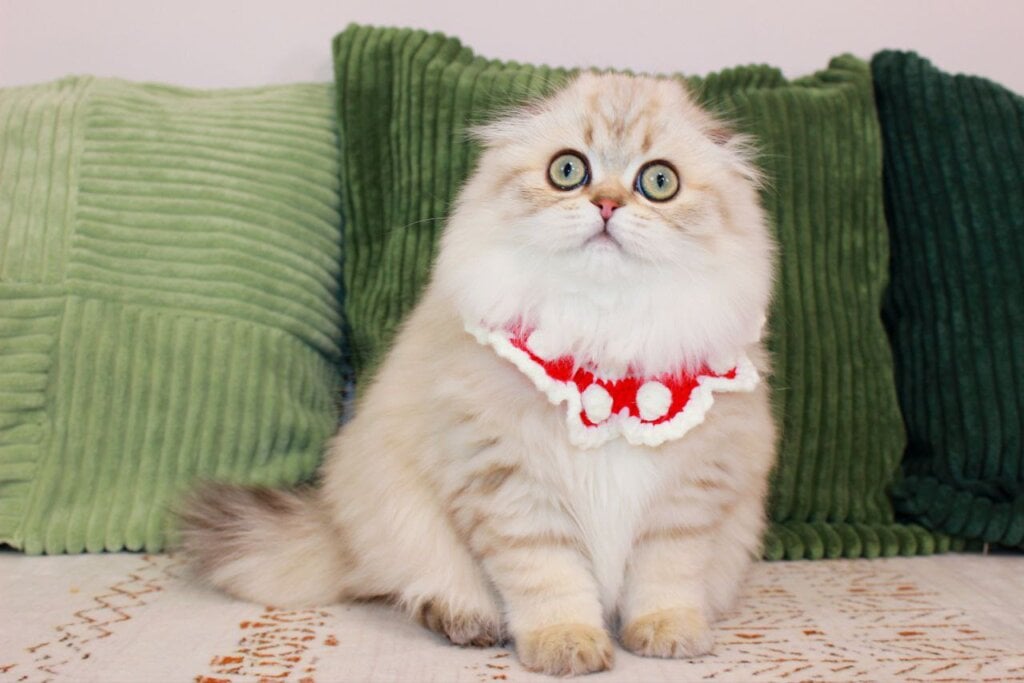
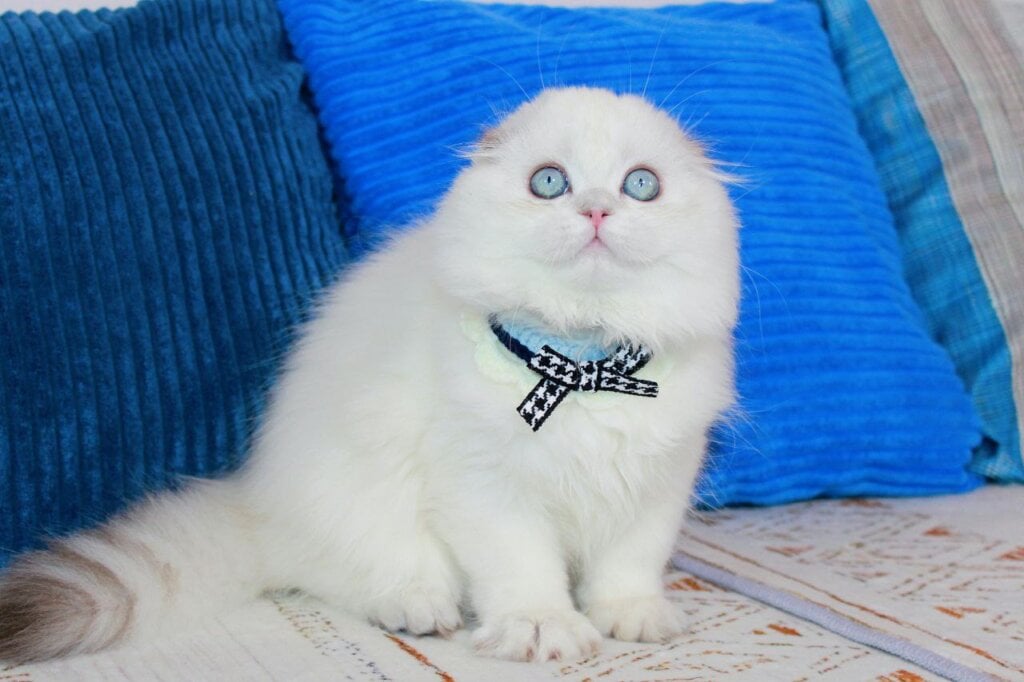
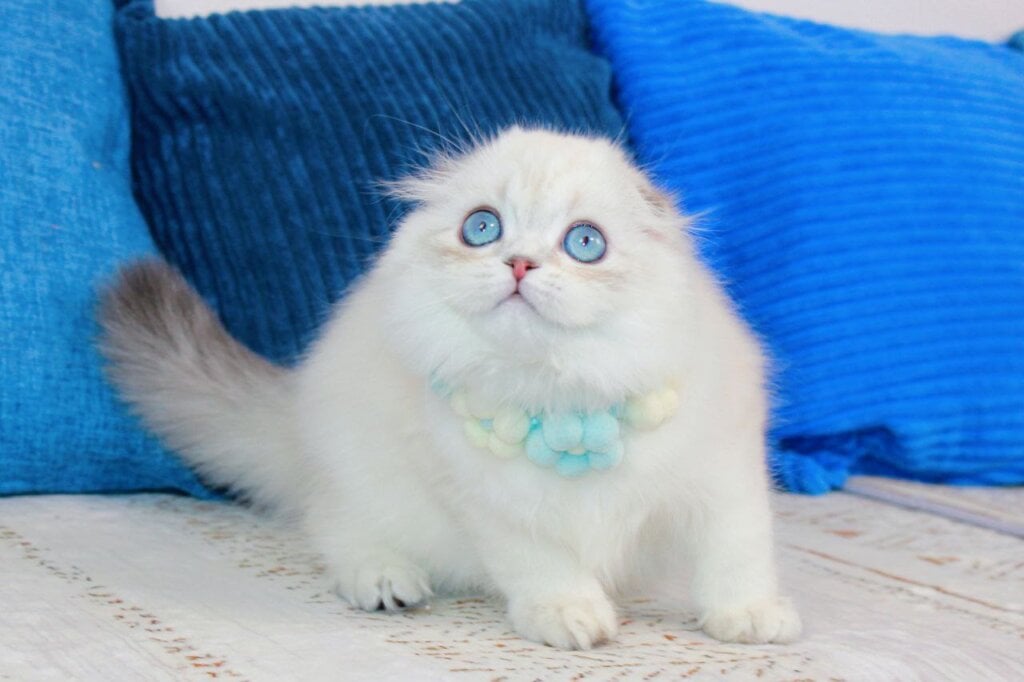
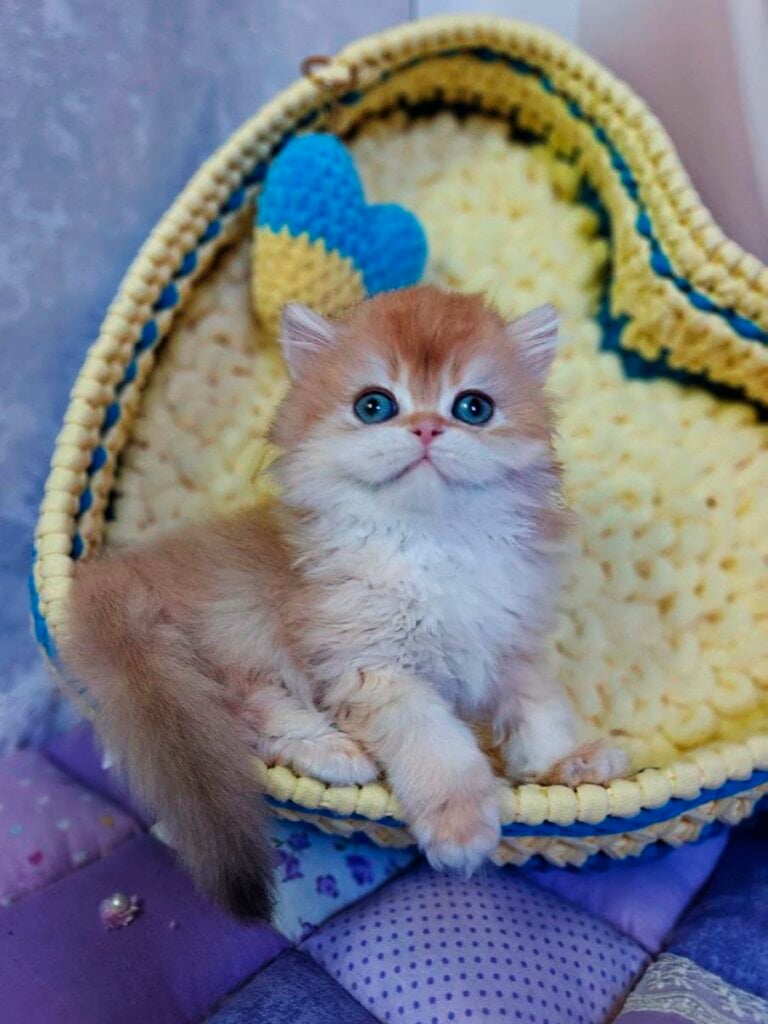
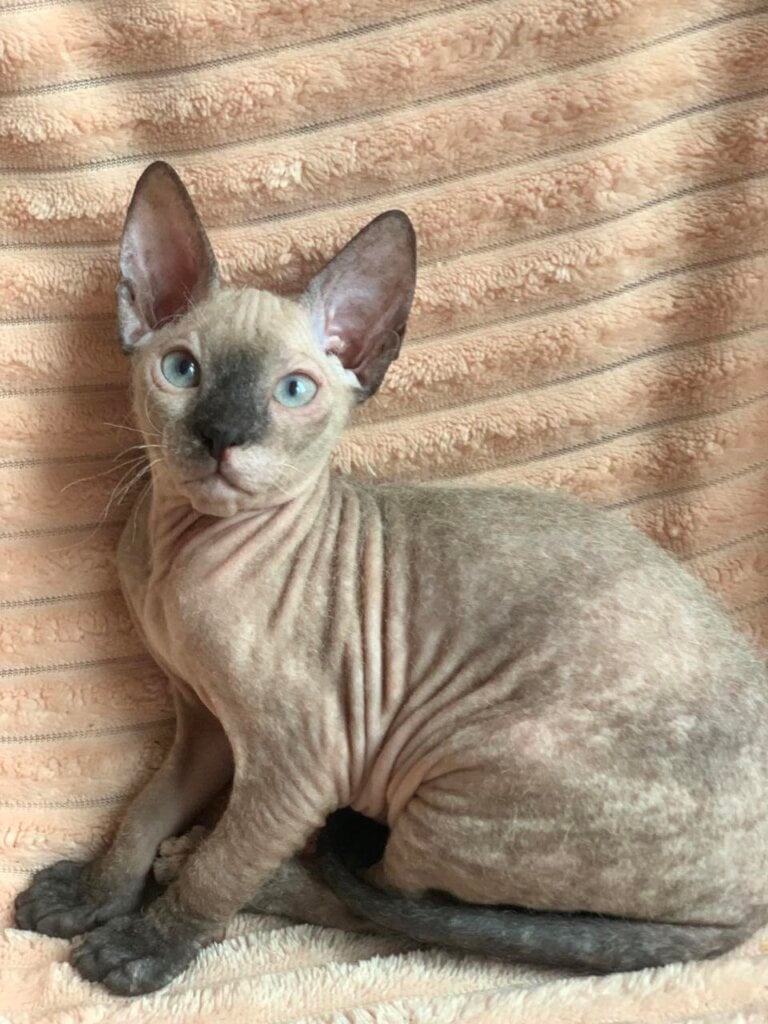
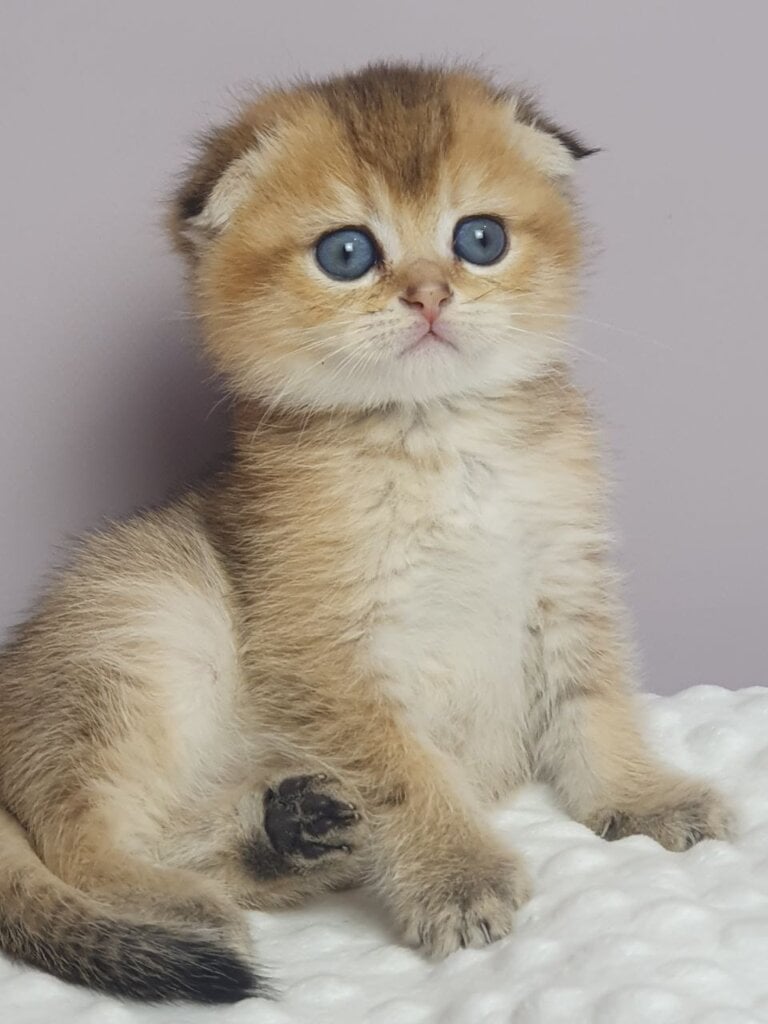
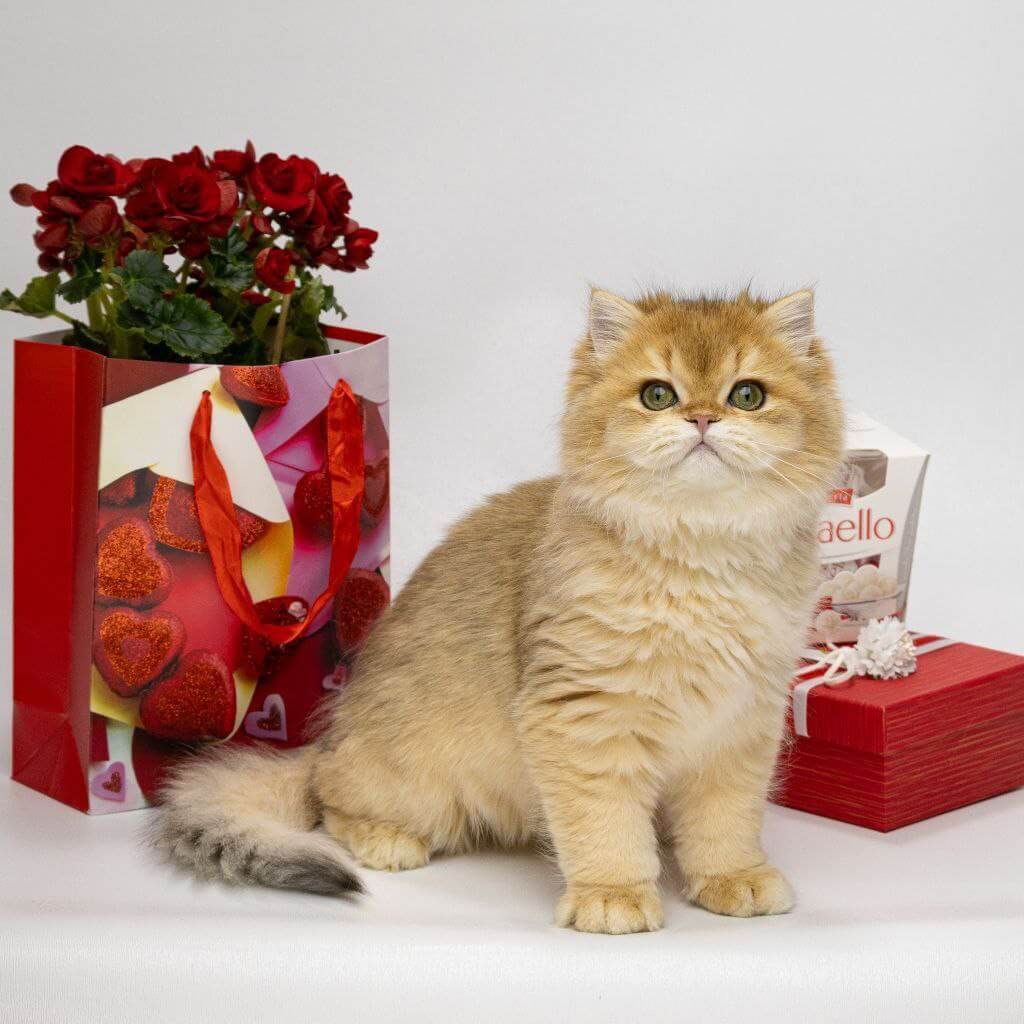
Devon Rex kittens often favor high-energy, acrobatic play and love chasing fast-moving toys. Scottish Folds tend to prefer calmer, cuddle-friendly play and gentle games. Tailor sessions to each kitten’s comfort and energy level.
How Can You Build a Strong Bond Through Play With Your Kitten?
Play is one of the quickest ways to build trust. Regular, positive play sessions teach kittens to read your signals and feel secure in your company.
What Are the Signs of Kitten Play Signals to Understand?
Look for body language: alert ears, playful pounces, light chattering, or a raised tail are invitations to play. Respect signs that a kitten wants to pause—flattened ears, quick retreats, or swatting mean “enough for now.”
How to Structure Play Sessions for Trust and Joy?
Keep sessions short and frequent—three to five minutes several times a day works well for most kittens. Start active play, move into calmer puzzles, and always end on a positive note with a treat or soft petting. Consistency builds trust and makes playtime something both of you look forward to.