
A Brief History of Domestic Cats: Tracing Domestication and Ancient Roots
Cats have charmed people for millennia, moving from independent hunters to treasured household companions. This piece walks through their story: where cats came from, how they adapted to life with humans, and why they mattered to different cultures. Along the way you’ll see how that journey shapes the cats we care for today — and why that history matters for responsible ownership and breeding. We cover the timeline of domestication, influences from ancient societies, the rise of modern breeds, and the ethics behind breeding.
When and Where Were Cats First Domesticated? Exploring the Timeline
Most evidence points to cat domestication beginning roughly 9,000 years ago in the Fertile Crescent — the region that today includes parts of Iraq, Syria, Lebanon, Israel, and Jordan. That period marks a turning point in human–cat relations: as people settled and farmed, wildcats began adapting to life near human communities. Domestication was a slow, mutual process shaped by the new agricultural way of life.
What Does Genetic Evidence Reveal About Early Cat Domestication?
Genetic research has shed important light on cat origins. Studies show that the ancestor of today’s domestic cat, Felis catus, split from the African wildcat, Felis silvestris lybica, around 9,000–10,000 years ago. Those genetic ties confirm that domestication wasn’t a sudden transformation but a gradual shift in behavior and population genetics as some wildcats adapted to human environments.
How Did Agriculture in the Fertile Crescent Influence Domestication?
The rise of farming created ideal conditions for cats and people to benefit one another. Stored grain drew rodents, rodents attracted wildcats, and people quickly noticed the value of these skilled hunters. Cats gained steady food and shelter; humans gained pest control. Over generations, bolder wildcats tolerated human presence and that tolerance set the stage for domestication.
Further research supports the idea that this pragmatic, mutually beneficial relationship helped launch cat domestication in the Fertile Crescent.
Fertile Crescent: Cradle of Cat Domestication
Cat domestication likely began as a practical partnership between wildcats (subspecies ofFelis silvestris) and early farming communities in the Fertile Crescent. As humans shifted from hunting and gathering to farming about 12,000 years ago, bolder wildcats took advantage of rising rodent populations around stored food. People benefited from the cats’ predation on pests. Evidence suggests initial contact betweenFelis silvestris lybicaand farmers played a key role in this process.
The palaeogenetics of cat dispersal in the ancient world, C Ottoni, 2017
Who Is Felis silvestris lybica? The African Wildcat Ancestor
The African wildcat, Felis silvestris lybica, is the principal ancestor of our domestic cats. Knowing its habits and appearance helps explain the behaviors and traits we still see in housecats today.
What Are the Characteristics of Felis silvestris lybica?
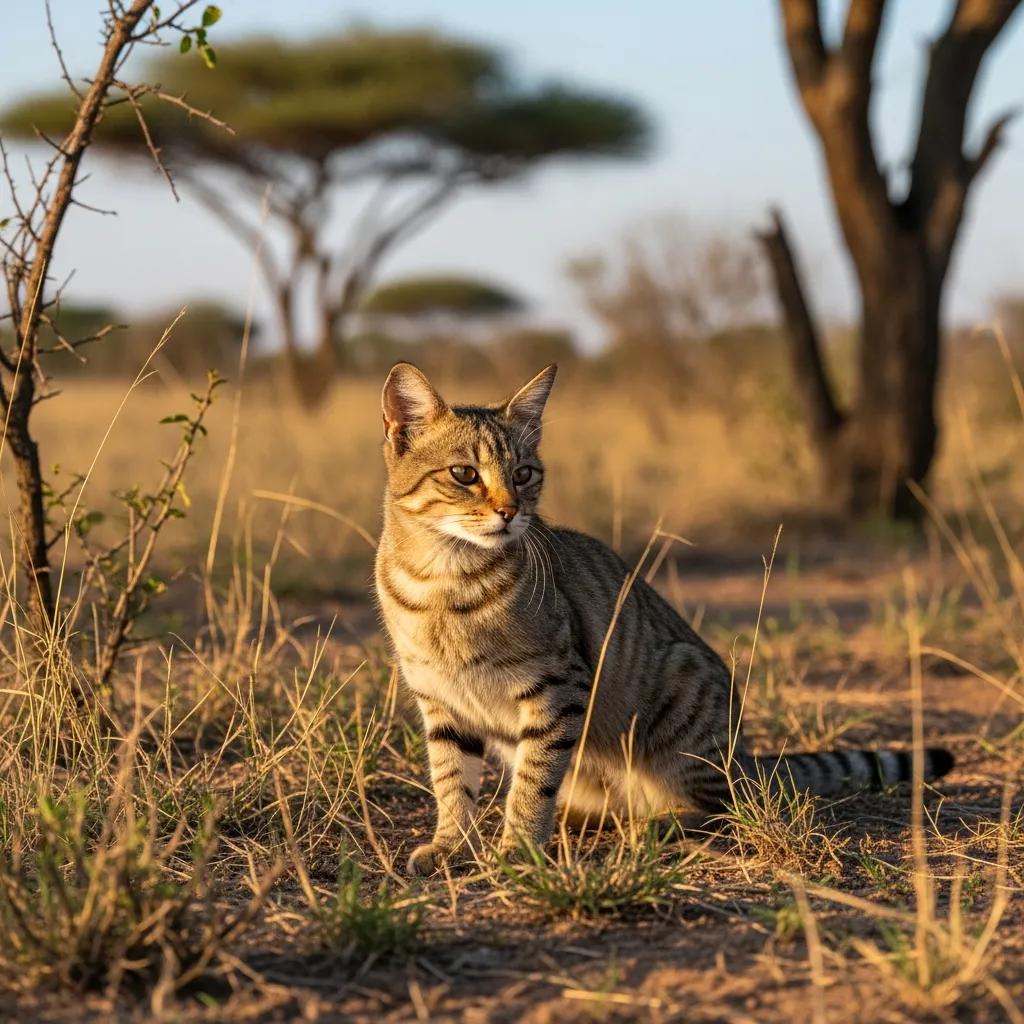
Felis silvestris lybica is lean, long-legged and patterned for camouflage. These cats are generally solitary and territorial, with sharp hunting instincts — traits that carried into domestic lines. Their adaptability and hunting skill made them successful near human settlements and left a clear mark on the genetics and behavior of modern cats.
How Did Felis silvestris lybica Shape Domestic Cat Evolution?
As wildcats spent more time near people and grain stores, those with milder reactions to humans had an advantage. Over generations, traits like reduced fear and tolerance for human presence became more common. That behavioral shift, combined with ongoing gene flow from wild populations, created the genetic diversity we see in domestic cats today.
What Role Did Ancient Egypt Play in Cat History?
How Were Cats Honored in Ancient Egyptian Culture?
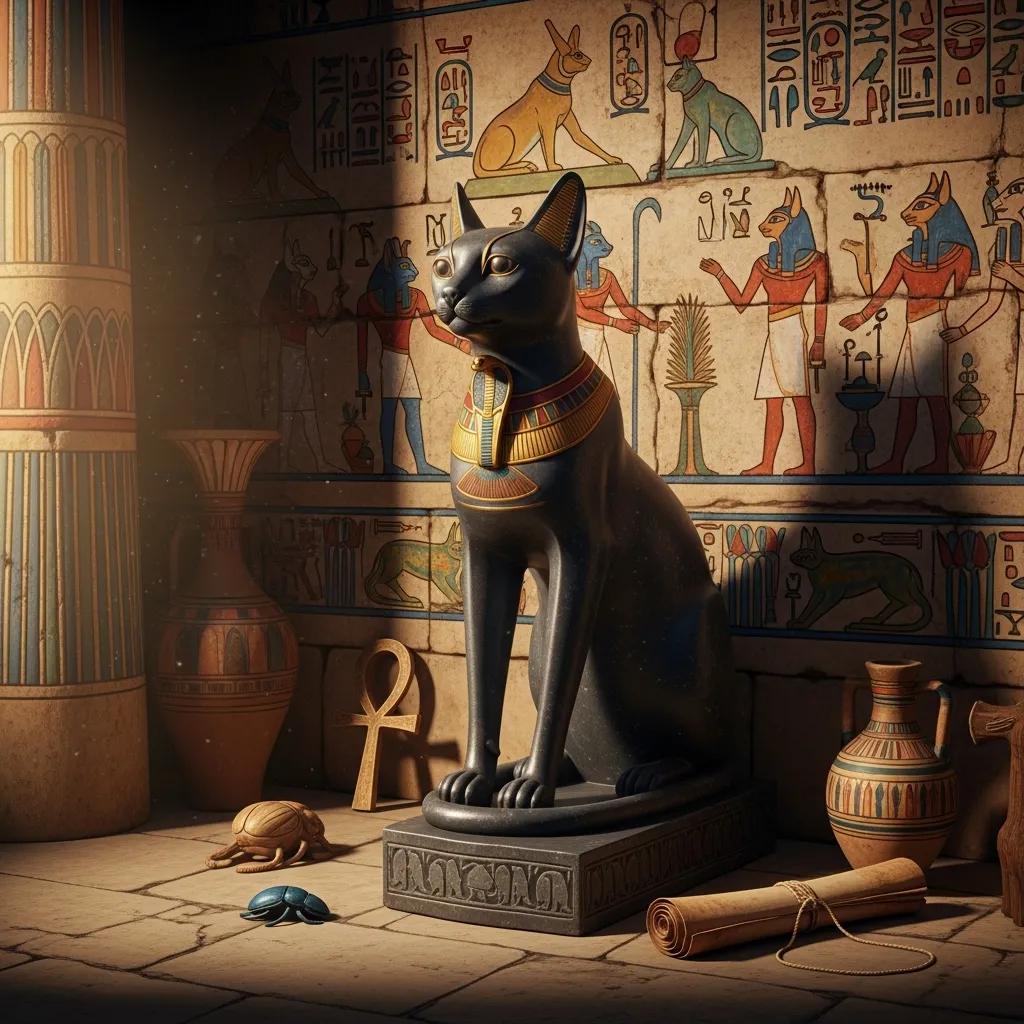
In ancient Egypt, cats were closely linked with the goddess Bastet and associated with home, fertility, and protection. Cats were cherished, often depicted in art and sculpture, and treated with reverence — harming a cat could carry severe penalties. That cultural respect reflects how integral cats were to Egyptian household life and belief.
What Archaeological Evidence Shows Egyptian Cat Reverence?
Archaeology offers strong proof of Egypt’s regard for cats. Cat mummies discovered in tombs show they were sometimes cared for and buried with ceremonies similar to those for people. Statues, paintings and everyday objects featuring cats further demonstrate their important place in Egyptian religion and daily life.
How Did Domestic Cats Spread Around the World? Tracking Migration and Cultural Impact
Which Trade Routes Helped Cats Travel?
Cats moved with people along trade and migration routes — from overland paths like the Silk Road to seafaring routes across the Mediterranean. Sailors and traders often kept cats aboard ships to control rodents, introducing them to new ports and regions. These movements helped shape the worldwide genetic and cultural spread of domestic cats.
Ancient DNA studies add detail to this story, tracing how early domestic cats dispersed from their original regions across the globe.
Ancient DNA Reveals Cat Domestication & Global Dispersal
Ancient DNA from archaeological cat remains shows that both Near Eastern and Egyptian populations ofFelis silvestris lybicacontributed to the domestic cat gene pool at different times. Domestication began in the Near East during the Neolithic and later accelerated during the Classical period, when Egyptian cats spread widely across the Old World. These patterns point to dispersal along human maritime and overland trade routes.
The palaeogenetics of cat dispersal in the ancient world, C Ottoni, 2017
How Did Cats Become Beloved Companions and Effective Mousers?
As cats reached new regions, people prized them for both companionship and pest control. Their independence, curiosity and hunting skill made them effective at protecting food stores and, in many places, welcome household members. Over time, that practical value combined with their personalities to make them cherished pets worldwide.
How Did Selective Breeding Shape Today’s Cat Breeds?
What’s the Story Behind Breeds Like the Maine Coon and British Shorthair?
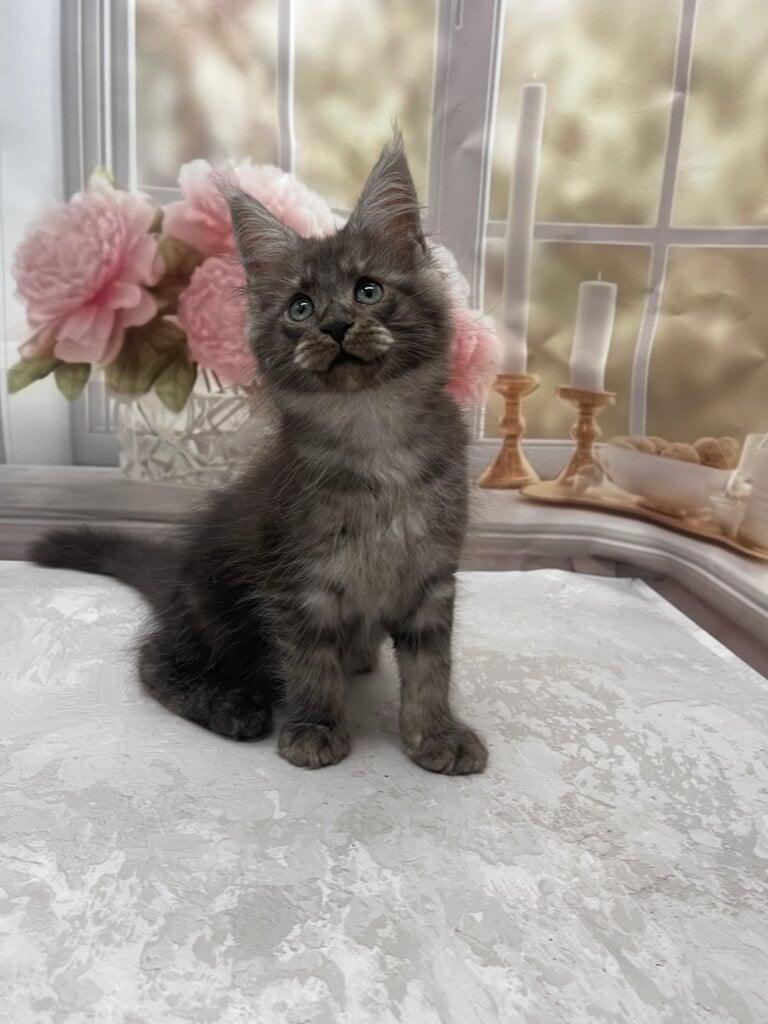
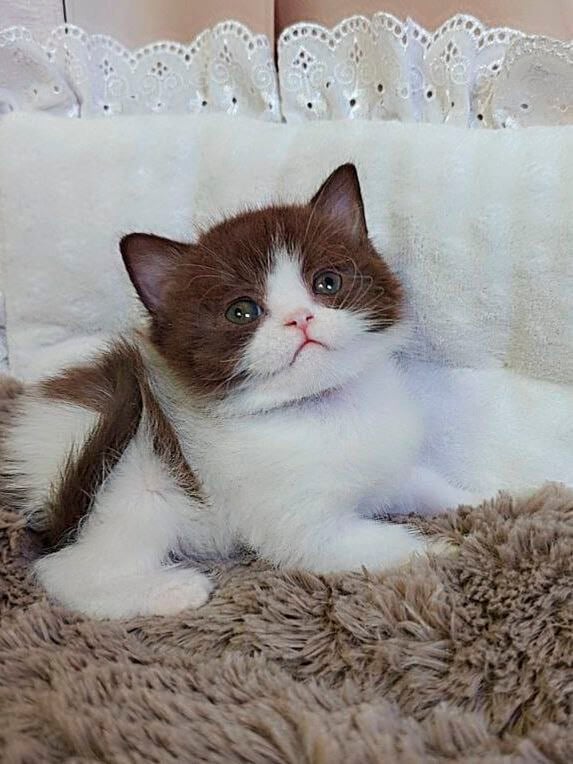
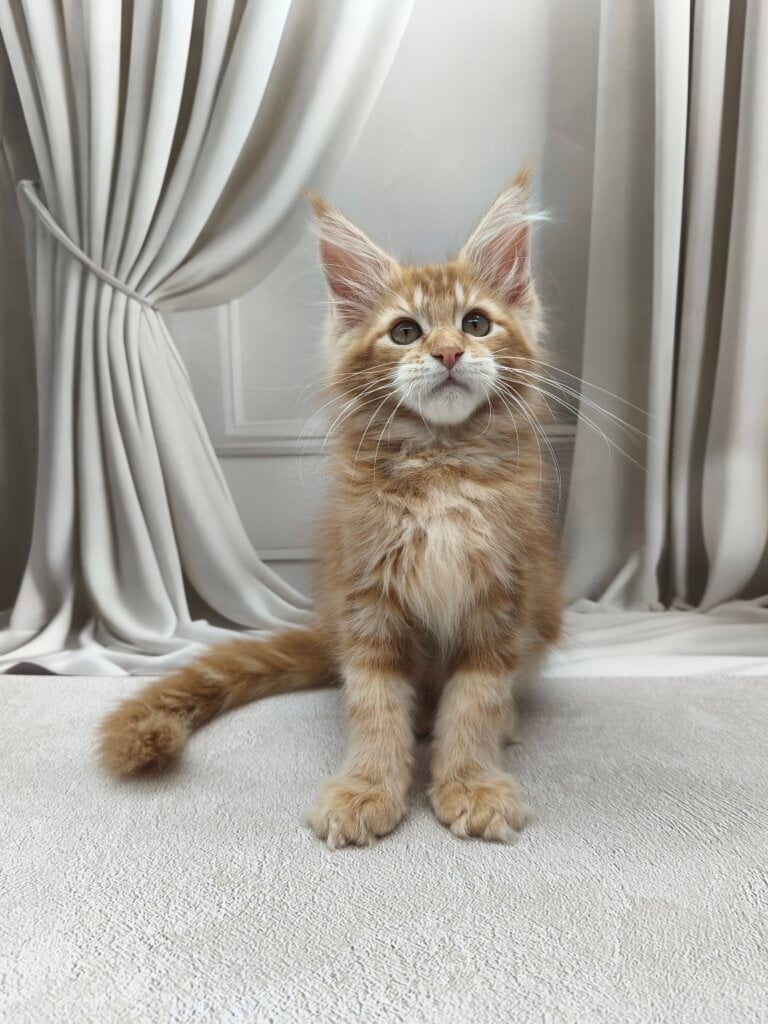
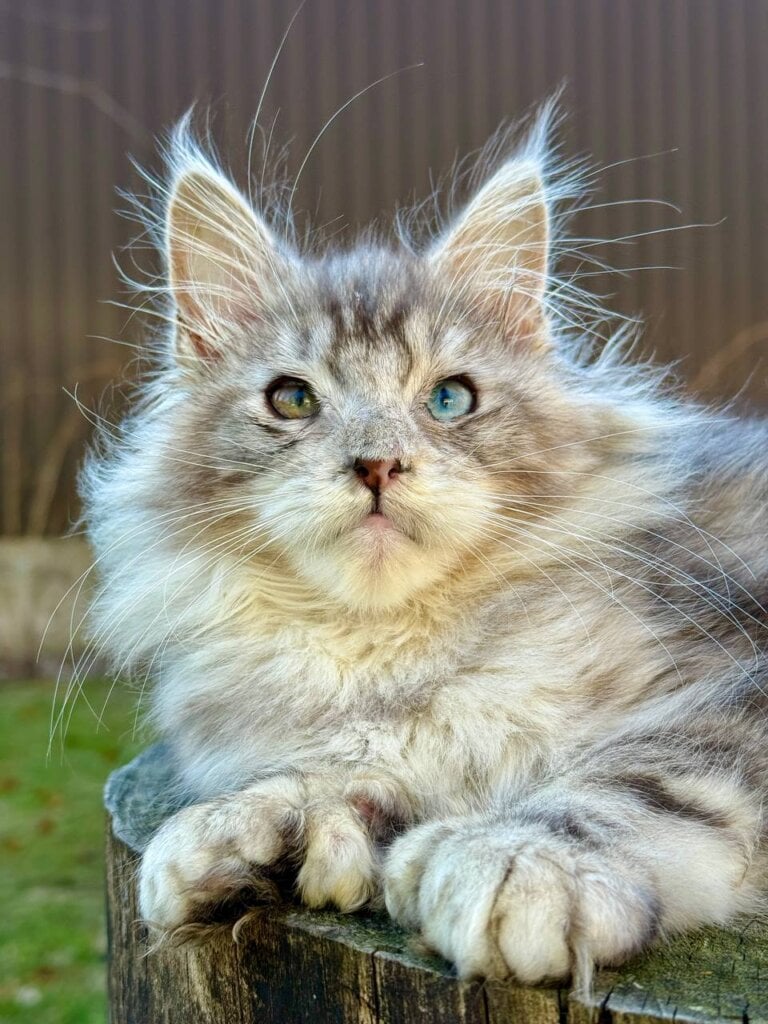
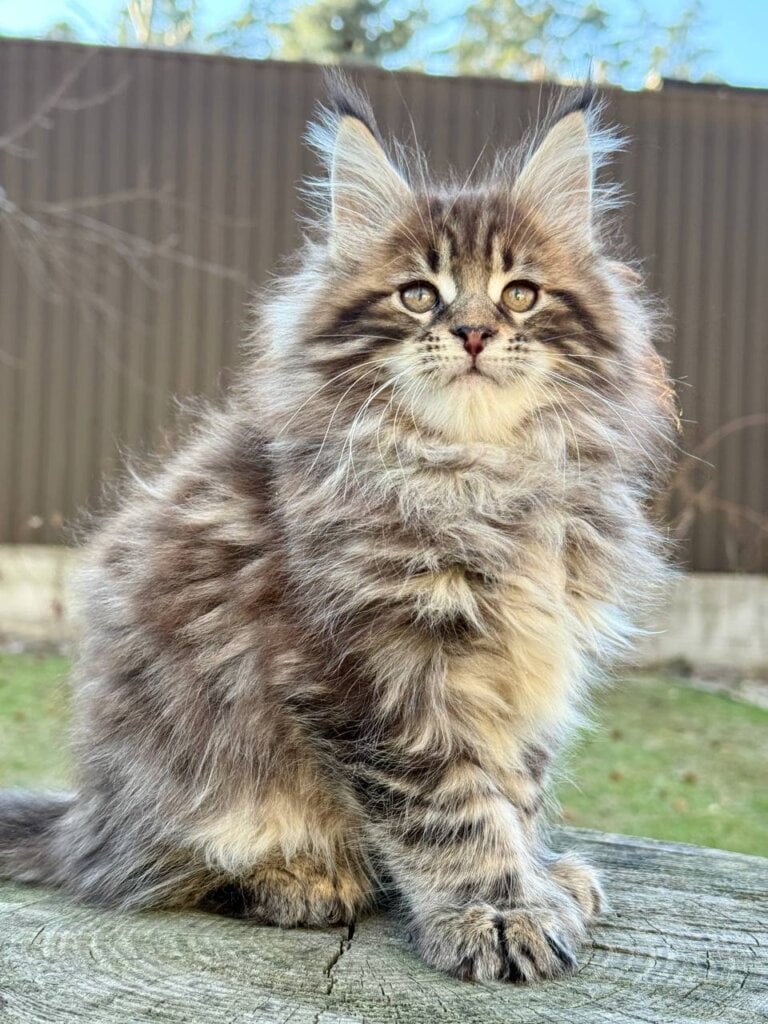
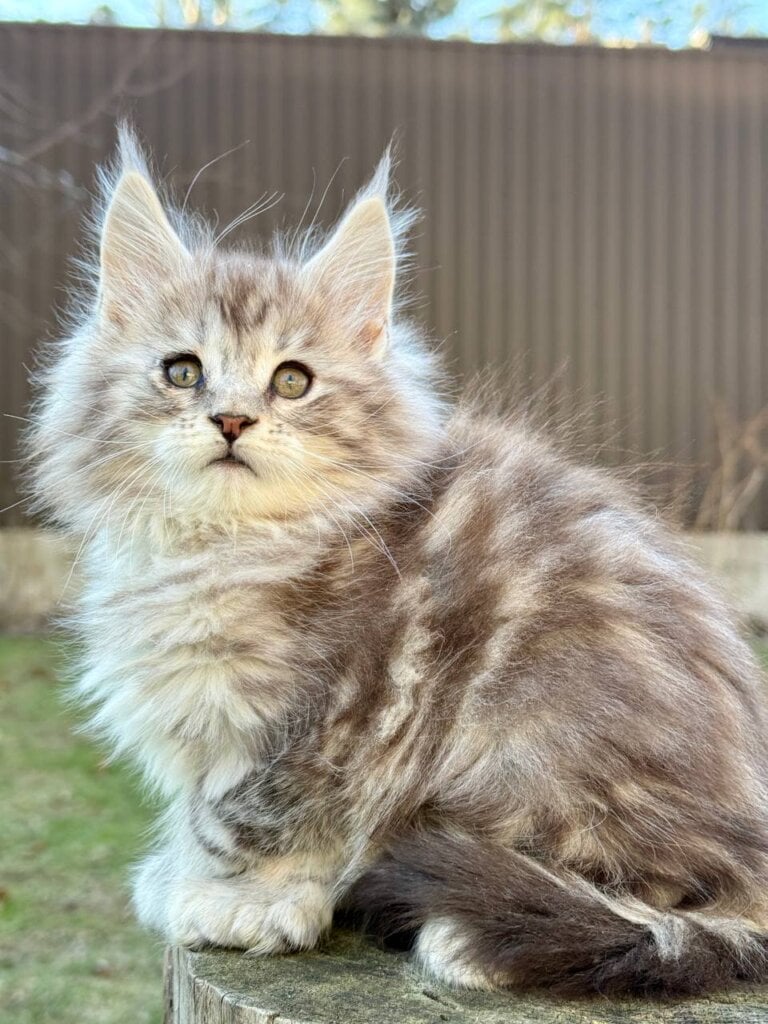
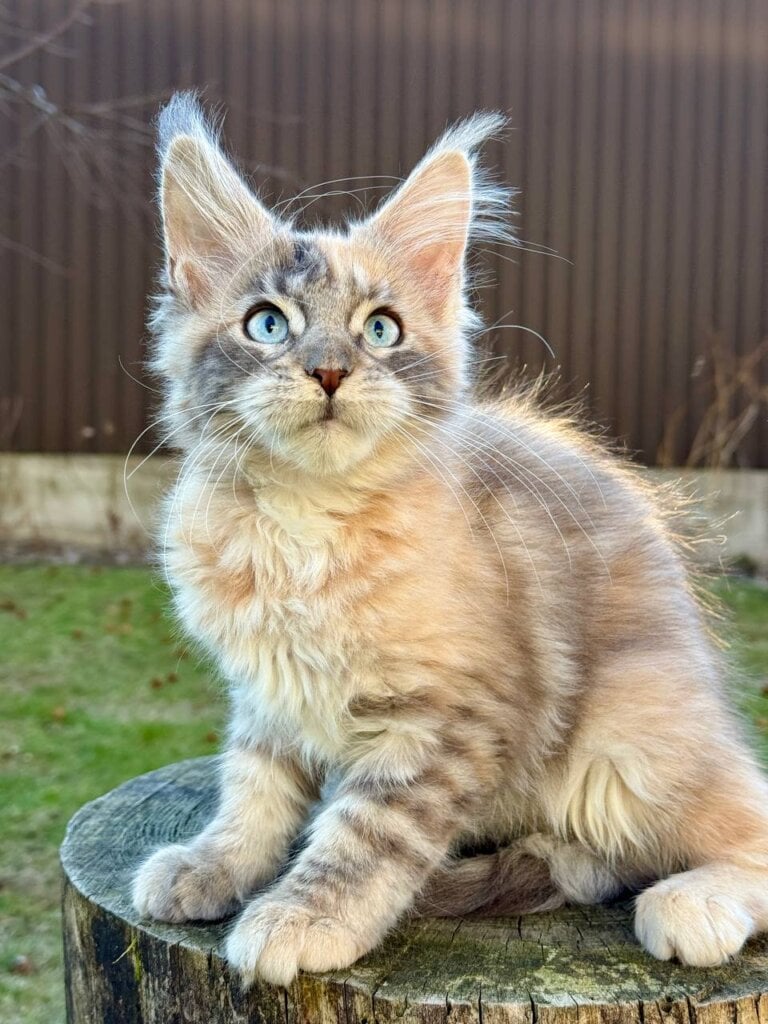
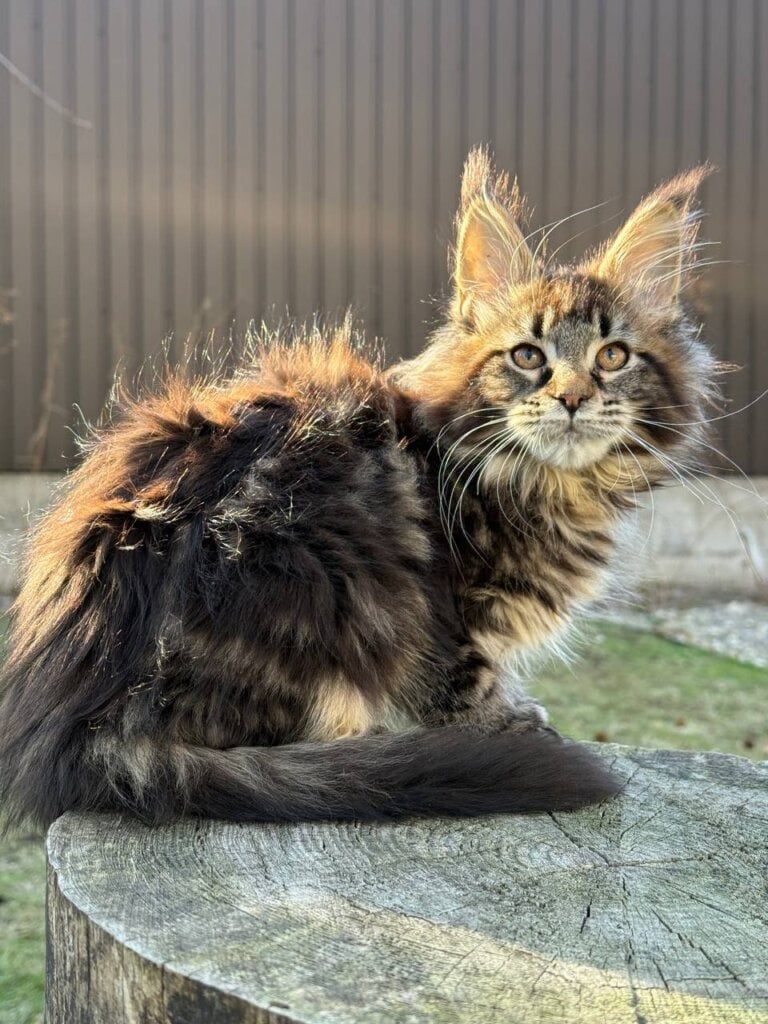
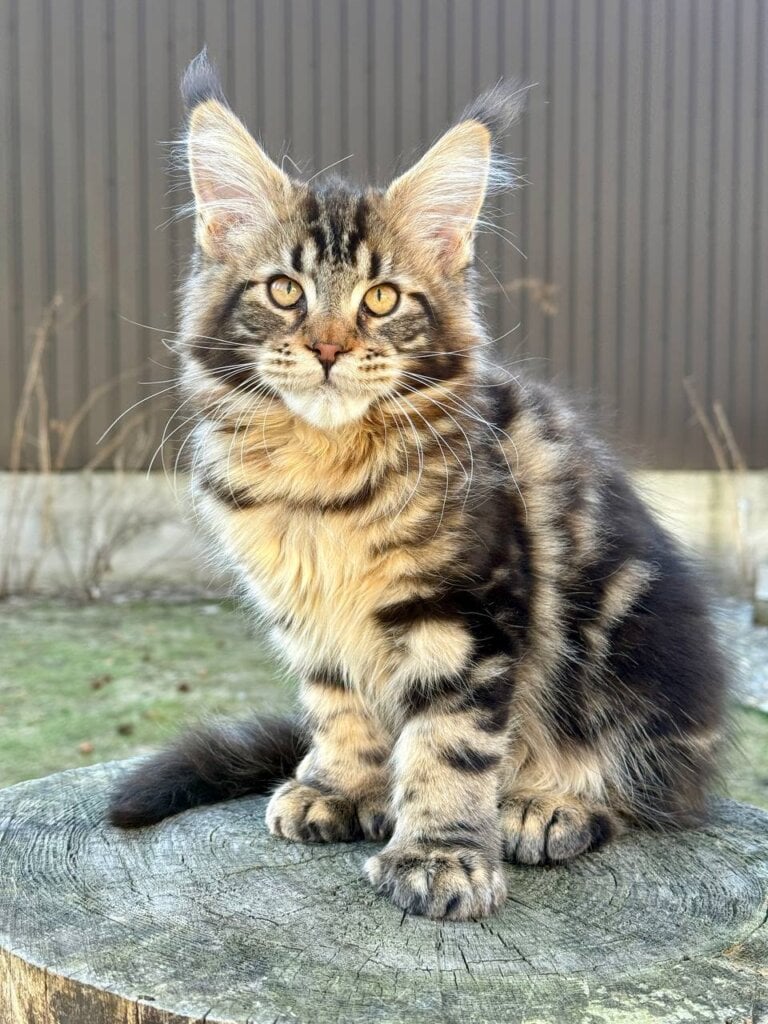
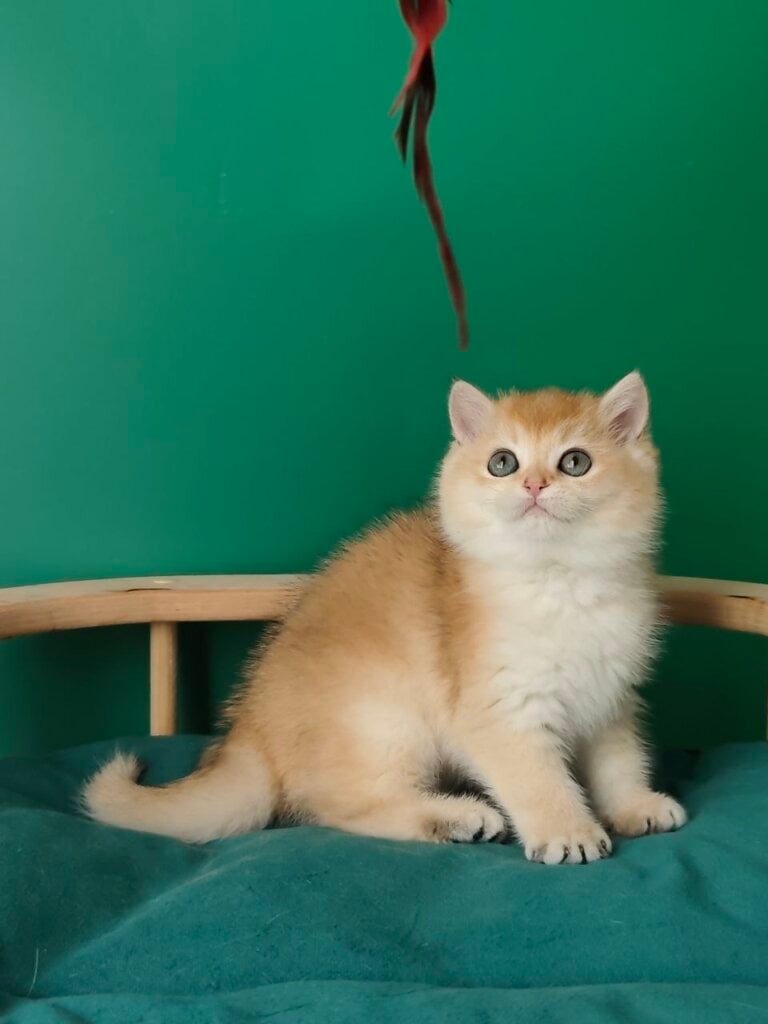
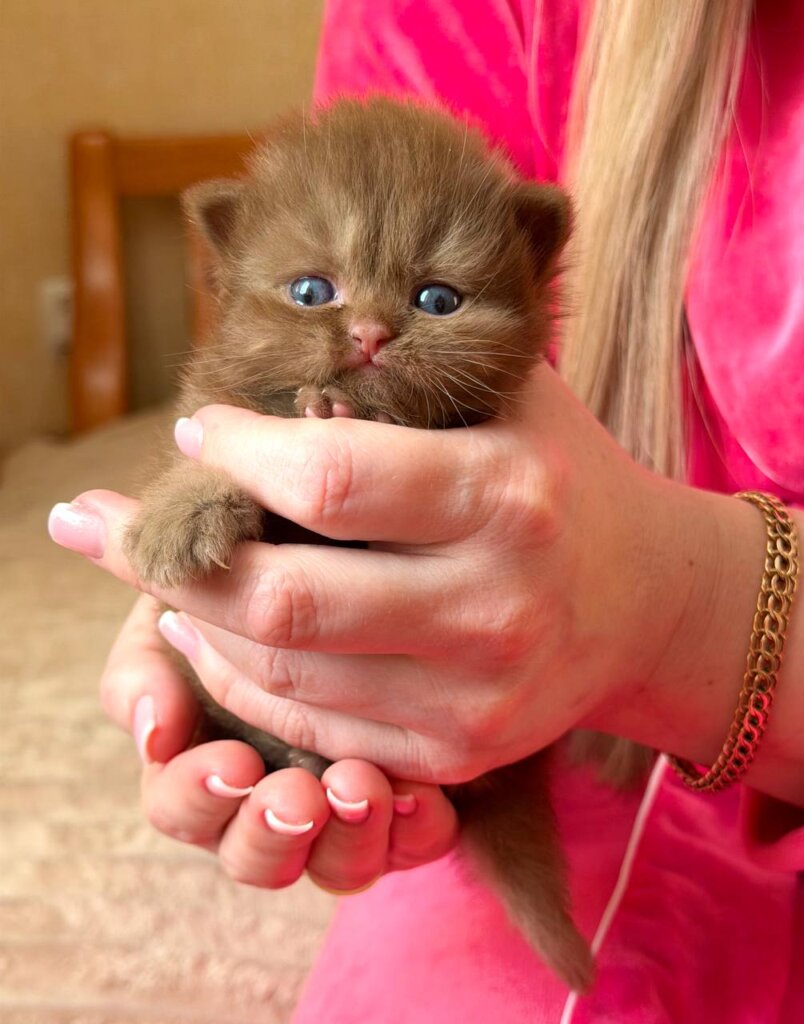
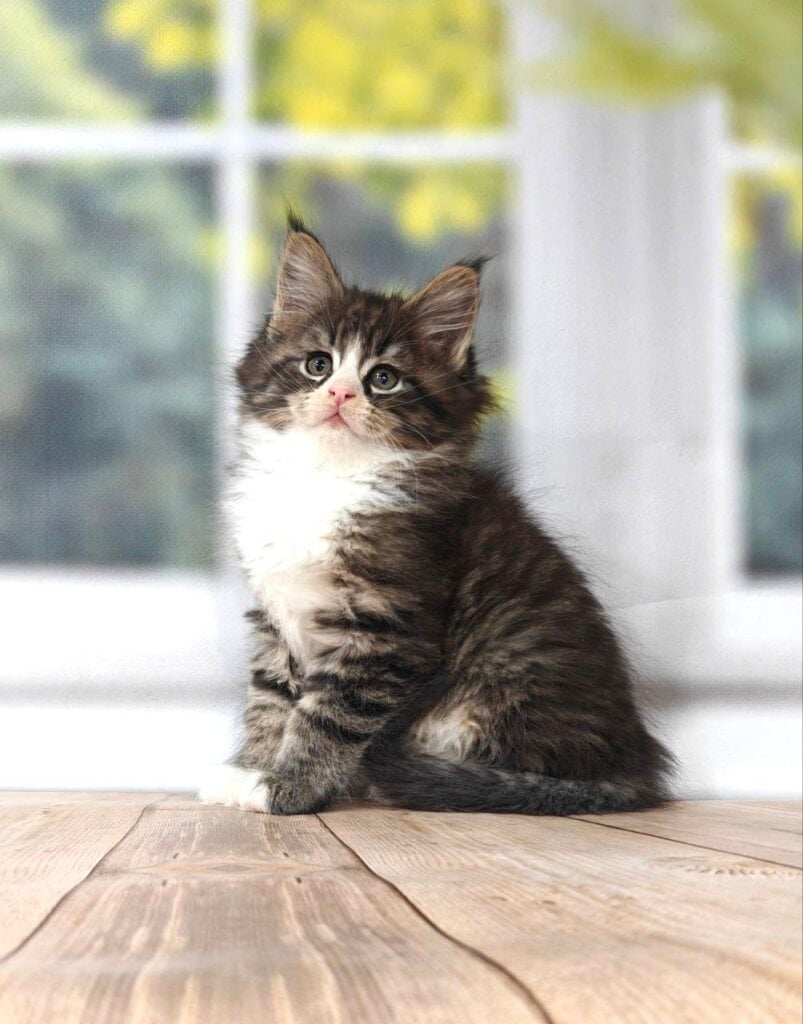
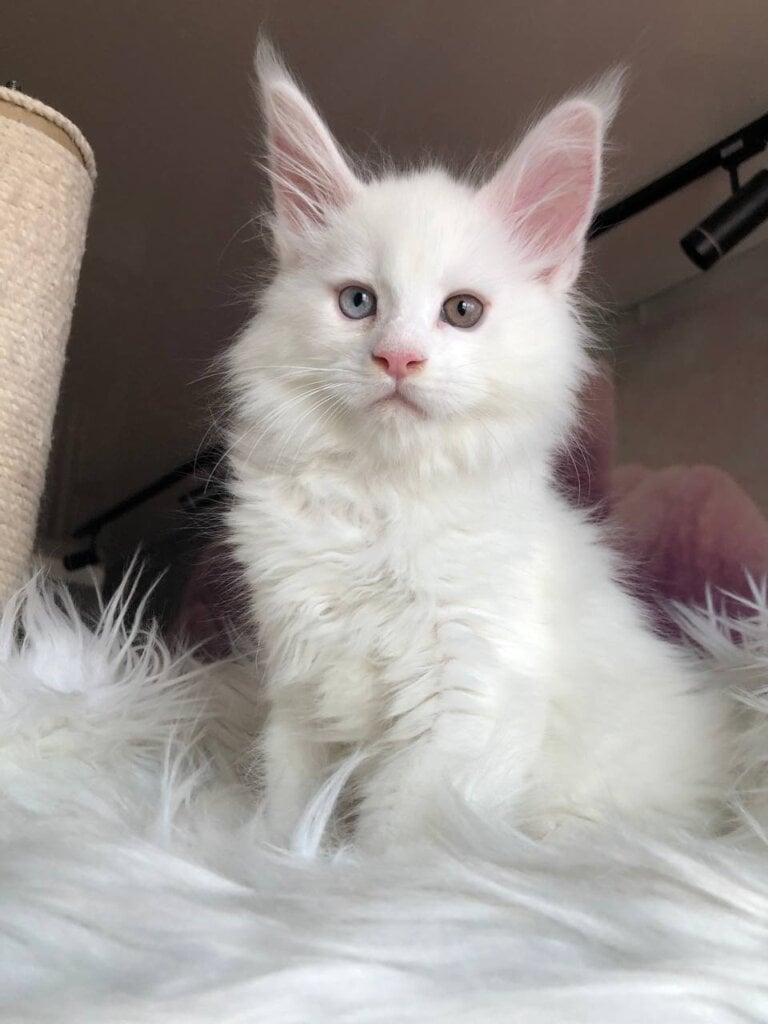
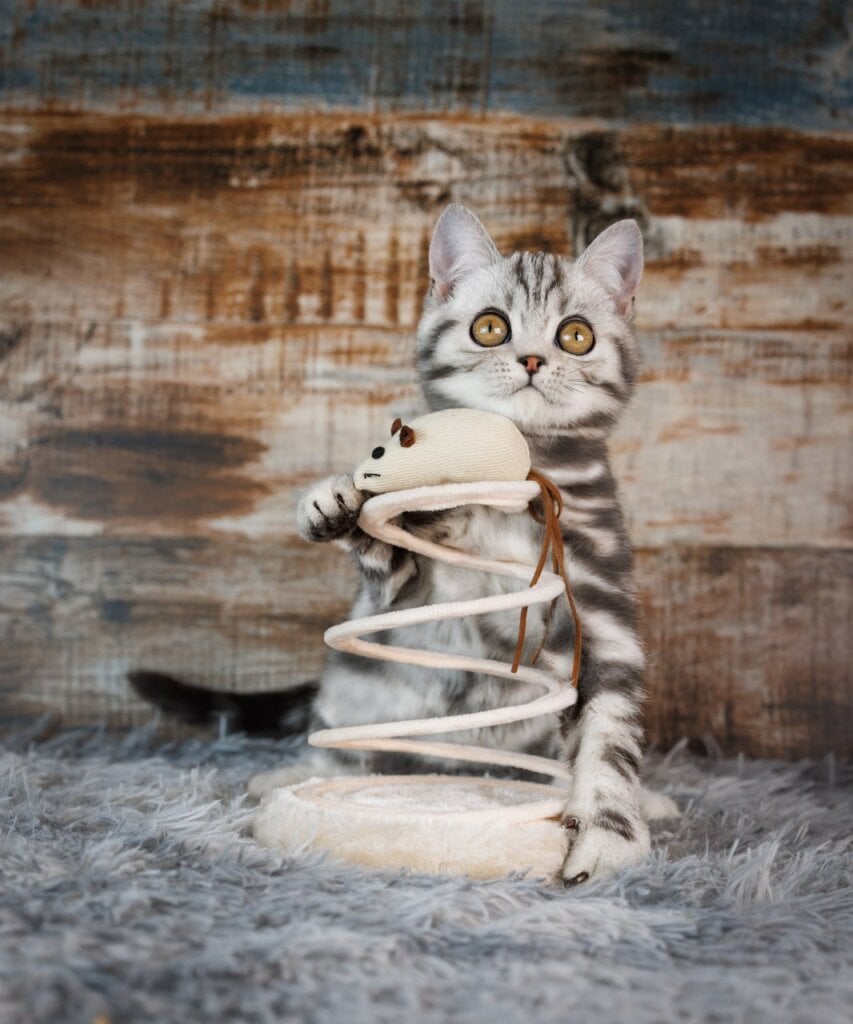
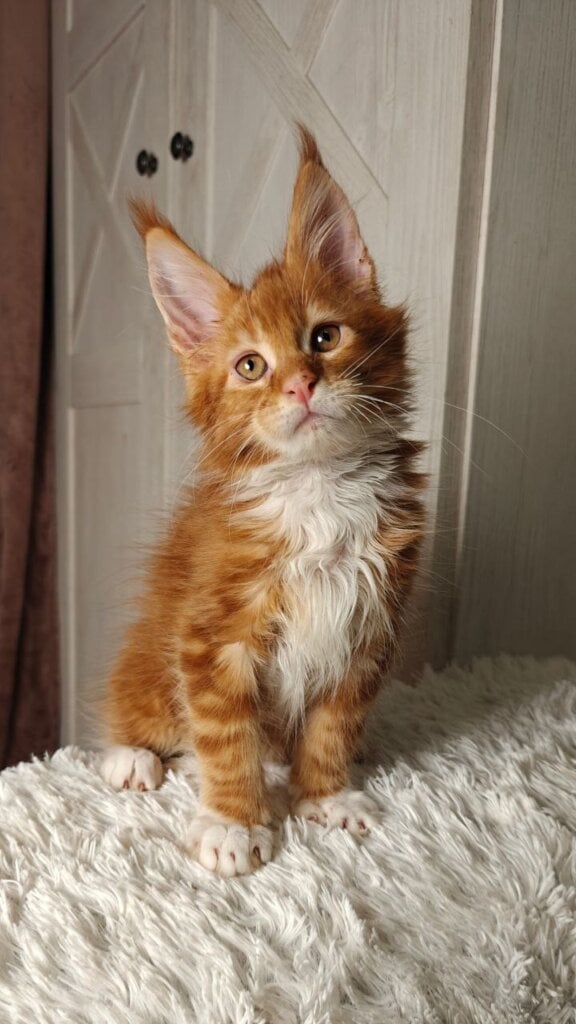
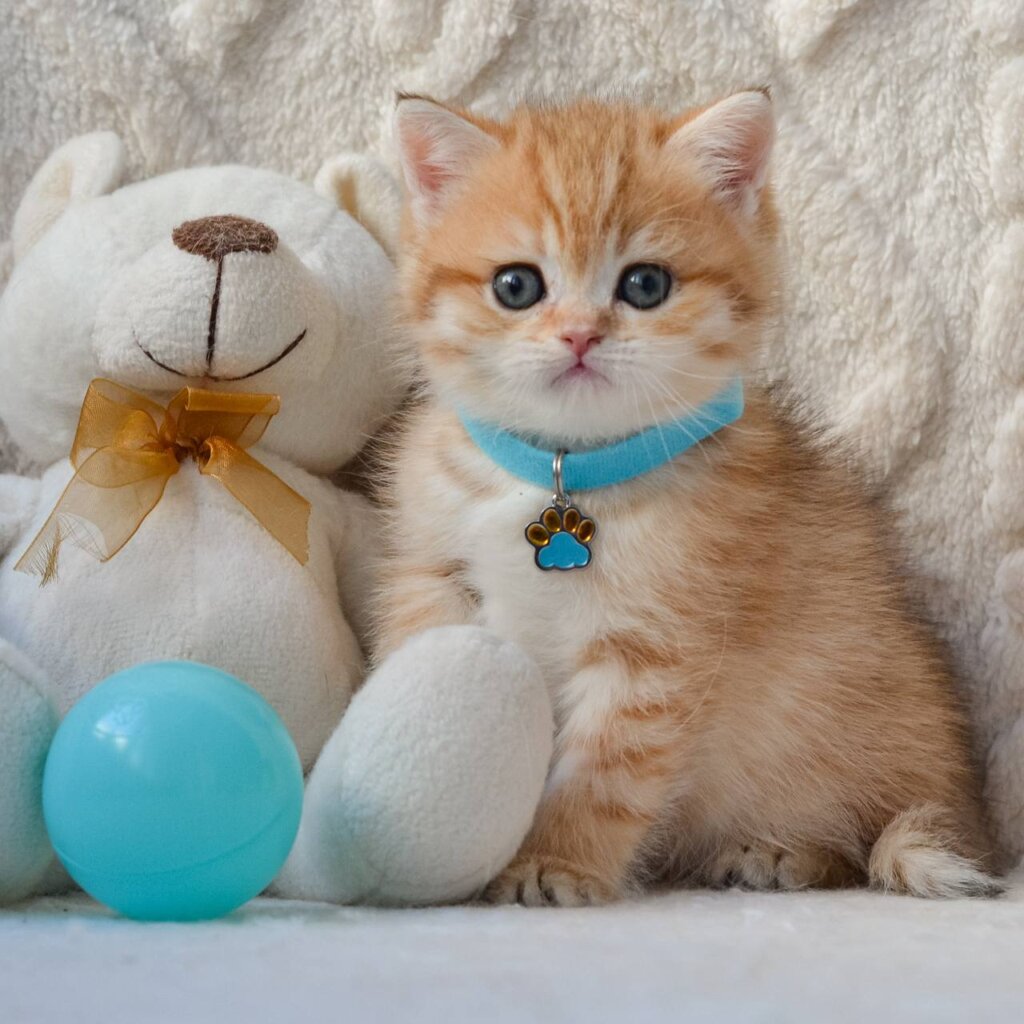
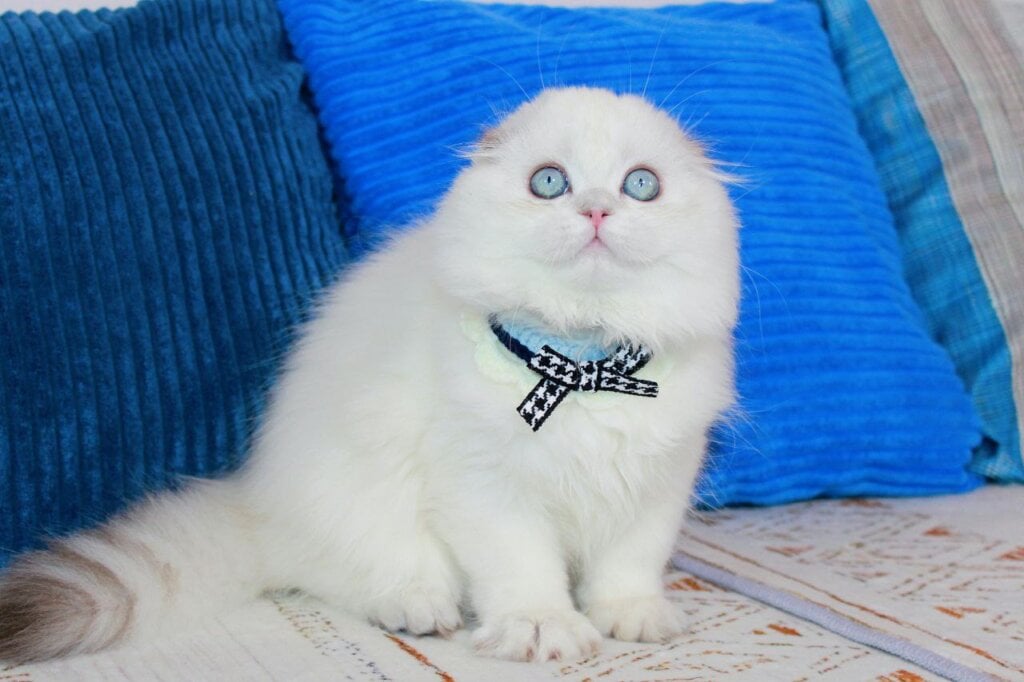
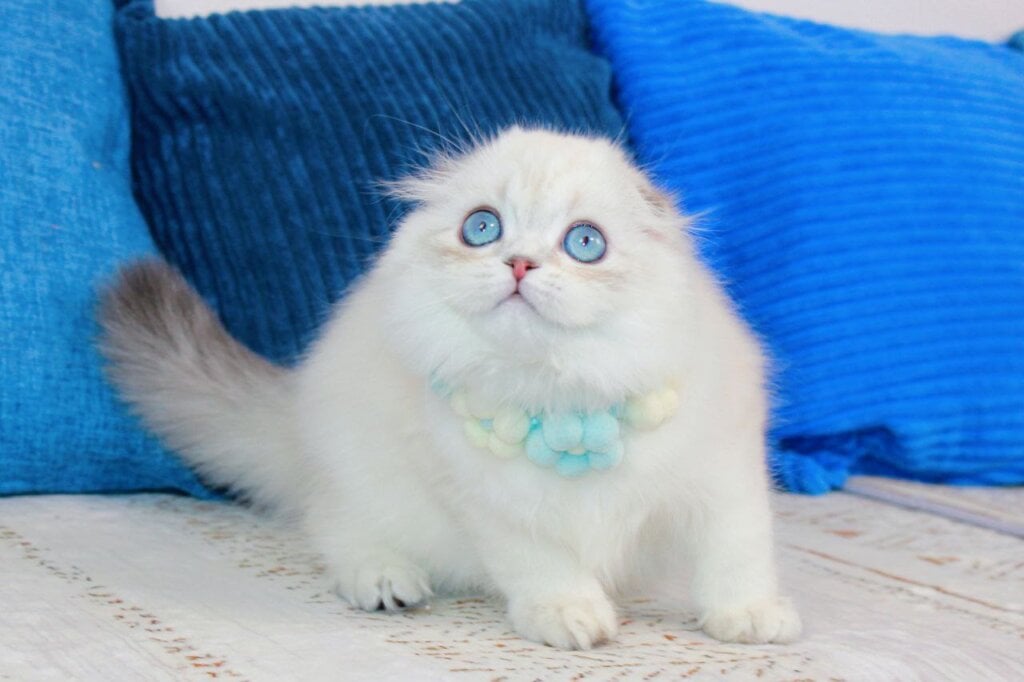
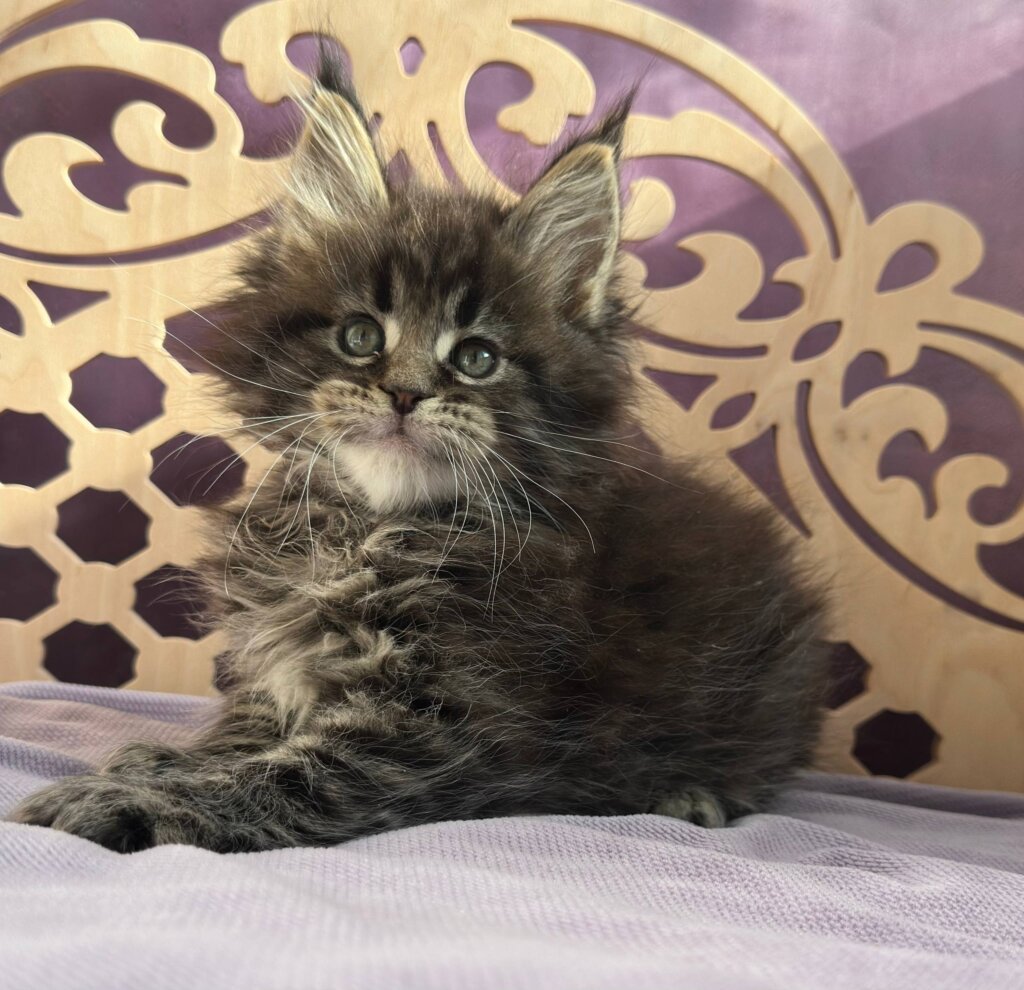
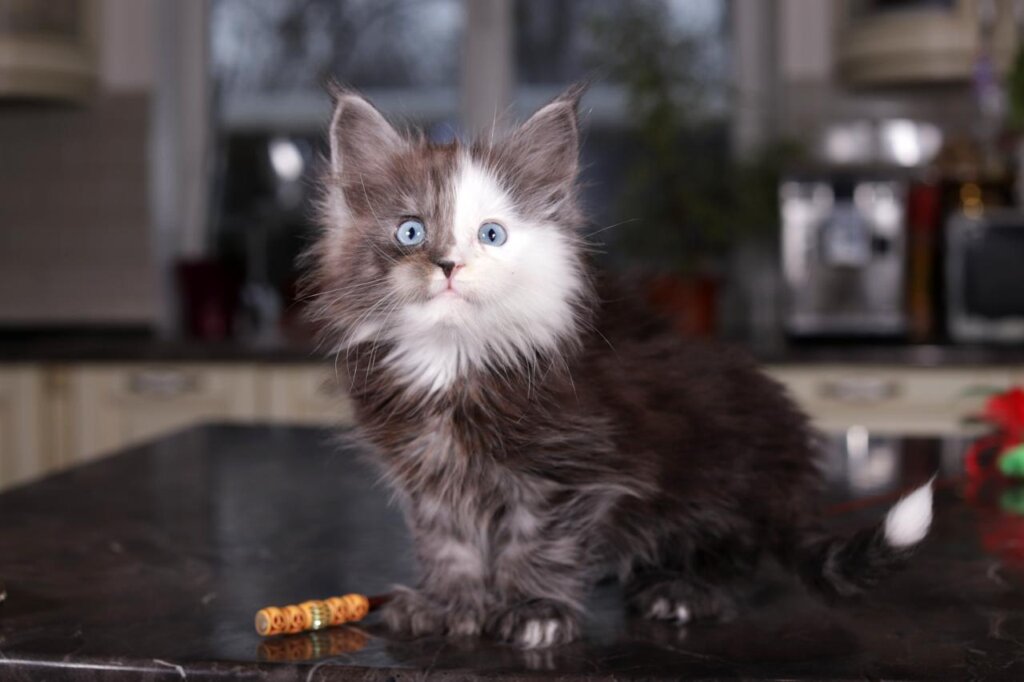
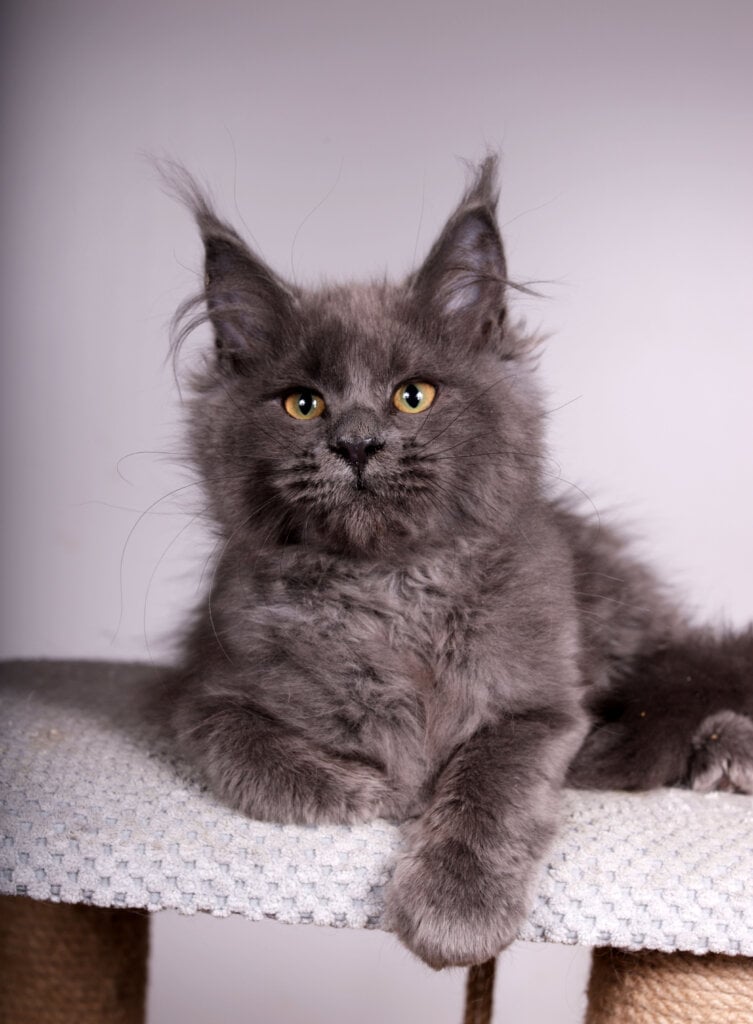
Breeds such as the Maine Coon and British Shorthair have distinct histories and features. The Maine Coon, linked to the United States, is known for its large size and ear tufts; the British Shorthair, with roots in the UK, is noted for a round face and dense coat. Selective breeding emphasized specific looks and temperaments, producing the recognizable breeds cat lovers know today.
How Do WCF Standards Affect Ethical Breeding?
The World Cat Federation (WCF) provides breeding standards that emphasize health and welfare alongside appearance. Responsible breeders who follow these guidelines prioritize genetic health and temperament, working to reduce inherited problems while preserving breed traits. Those standards are important for the long-term well-being of purebred cats.
Why Does Cat History Matter for Responsible Ownership and Breeding?
How Does Historical Knowledge Help with Genetic Health and Ethics?
Understanding cat history gives breeders and owners context for genetic vulnerabilities and breed traits. Knowing a breed’s lineage and common health issues helps make better breeding decisions, supports genetic diversity, and lowers hereditary risk. That historical perspective is a practical tool for protecting future generations of cats.
What Lifelong Care and Support Does MeoWoff Kittens Offer?
At MeoWoff Kittens we’re committed to lifelong support for our families. As a premium breeder of WCF‑registered kittens, we follow responsible practices and share resources to help new owners — from nutrition and early care to long-term health guidance. Our goal is that every kitten thrives in a loving home for life.