
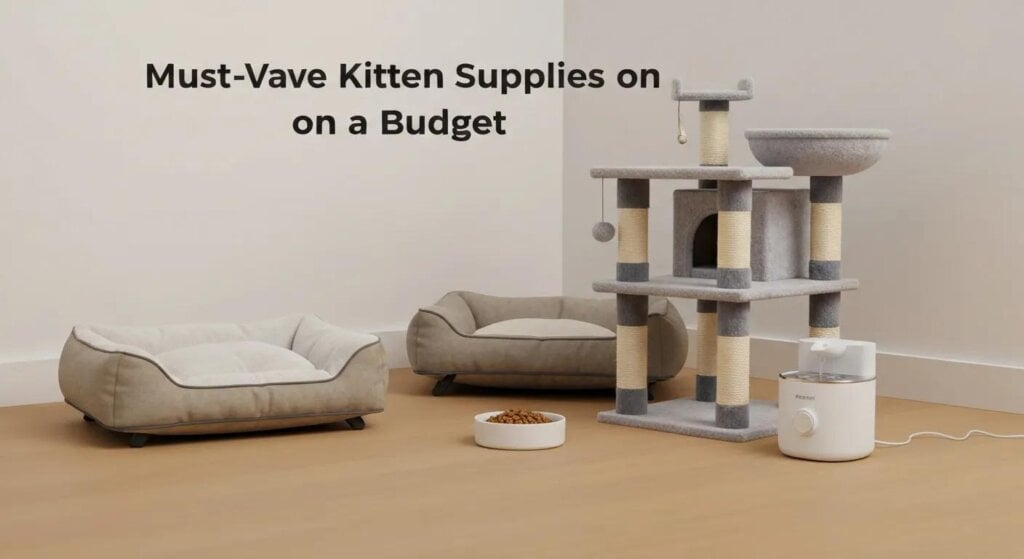
Must-Have Kitten Supplies on a Budget
Bringing a kitten home is exciting, but early costs can surprise new owners — the right affordable kitten supplies protect health and make the transition smoother without breaking the bank. This guide explains which budget kitten supplies matter most, why they matter (nutrition, hygiene, enrichment, comfort), and how to prioritize purchases so you invest in items that influence long-term health and behavior. You’ll learn to balance cheap versus safe options for kitten kibble, litter systems, toys, bedding and grooming essentials, with practical DIY and second-hand strategies that preserve welfare. The article maps out must-have essentials and a buyer-priority table, smart saving tactics like bulk buying and trustworthy generic brands, plus detailed comparisons of wet vs dry food and litter types. Later sections show affordable toy and bed ideas, step-by-step litter training to reduce waste, and a short company spotlight on MeoWoff Kittens’ starter-kit support and ethical breeding practices for new owners seeking a reputable source. Read on for budget-first checklists, three comparison tables, and multiple DIY approaches you can use as soon as your kitten arrives.
What Are the Must-Have Affordable Kitten Supplies for New Owners?
A concise, prioritized starter checklist helps new kitten owners buy items that directly affect health, safety and socialization while delaying non-critical purchases. Essentials include nutritionally appropriate food and feeding bowls, a safe litter box with kitten-appropriate litter, a secure carrier for vet visits, a warm bed or scented blanket, basic grooming tools and a few safe toys for enrichment. These items are chosen because they influence hydration, digestion, hygiene and stress levels — the practical building blocks of early kitten care.
- Kitten food and bowl: Appropriate nutrition supports rapid growth and immune function.
- Litter box and litter: Immediate hygiene and training reduce stress and household mess.
- Carrier: Safe transport to the vet keeps medical costs predictable and manageable.
- Warm bed or scented blanket: Comfort and scent familiarity reduce anxiety during transition.
- Basic grooming kit: Brush and nail trimmers prevent tangles and overgrown claws.
- A few safe toys: Enrichment lowers destructive behavior and aids socialization.
Quick prioritization table explains when to buy now versus later:
| Supply Category | Priority Level | Approx Cost Range | Why It Matters |
|---|---|---|---|
| Food & Bowls | Buy Now | $10–$40 | Supports growth and prevents malnutrition |
| Litter & Box | Buy Now | $10–$50 | Hygiene and training reduce future cleanup costs |
| Carrier | Buy Now | $20–$60 | Safe vet transport prevents emergencies |
| Bed/Blanket | Buy Now | $5–$30 | Reduces stress and aids sleep |
| Grooming Basics | Buy Soon | $5–$25 | Prevents matting and nail issues |
| Extra Toys | Buy Later | $5–$20 | Enrichment, optional after core needs met |
This checklist prioritizes immediate health and hygiene first, then comfort and enrichment next, which naturally leads into the first critical subtopic: choosing budget food that still meets kitten nutritional needs.
Which Budget Kitten Food Options Provide Good Nutrition?
Kitten nutrition focuses on high-quality protein, appropriate fat, and key nutrients like DHA for brain development; affordable options should meet these basic requirements rather than emphasizing marketing claims. Economical kitten kibble (dry kitten food) and budget wet sachets can both deliver necessary protein and calories when you read labels for named meat sources, guaranteed analysis of protein/fat, and presence of DHA or fish oil. Compare per-serving cost and consider sample sachets or small bags first to ensure your kitten tolerates the food; this reduces waste and avoids switching during critical growth stages. Reading labels is crucial: prefer products that list a specific protein (chicken, turkey) early in the ingredients and avoid vague meat-byproduct heavy formulas. Understanding these label basics prepares you to balance cost versus nutrient density in the next section’s food comparison table.
Before the comparison table, note that small-portion feeding and monitoring weight support both health and budget by preventing overfeeding and waste.
| Food Type / Example | Form | Price Range (Small Pack) | Key Nutrients / Best Use |
|---|---|---|---|
| Dry kitten kibble | Dry | $8–$25 | High protein, long shelf-life, low per-meal cost |
| Wet kitten food sachet | Wet | $0.60–$1.50 per pouch | Hydration support and palatability for picky kittens |
| Kitten formula (sample sachet) | Wet/liquid | $5–$15 | For orphaned or supplemental feeding; vet guidance needed |
This EAV comparison shows that dry kibble usually wins for cost efficiency, while wet options offer hydration and variety; choosing a small reliable rotation can lower both vet and food waste costs.
What Are the Best Affordable Litter and Litter Box Solutions?
A kitten-friendly litter system minimizes dust, is low-cost per use, and supports quick training to reduce accidents and future cleanup expenses. Common budget litters include clay clumping litter (cheap but dusty), recycled paper pellets (low dust, more expensive), and pine/wood pellets (natural odor control but variable kitten acceptance). For boxes, an open low-sided pan helps kittens enter and exit easily; repurposed large plastic bins can work temporarily with proper ventilation and smooth edges. Choose a litter with low dust to protect respiratory health and change frequency that keeps trays clean without overusing litter — this balances hygiene and cost. These considerations lead into the planned EAV table comparing litter types for absorbency, dust, price and kitten suitability.
| Litter Type | Absorbency / Dust | Avg Price per Bag | Safety for Kittens (Pros/Cons) |
|---|---|---|---|
| Clay clumping | High absorbency; higher dust | $6–$12 | Cheap and clumping but dusty; watch kitten respiratory sensitivity |
| Recycled paper | Moderate absorbency; low dust | $10–$20 | Low dust and safe if ingested slightly, pricier but gentle |
| Pine pellets | Good odor control; low dust | $8–$18 | Natural scent control; larger pellets may be unfamiliar to kittens |
This comparison highlights that clay litter is lowest cost but may increase dust exposure; choosing a low-dust option can prevent respiratory issues and vet visits, a worthwhile tradeoff for budget-conscious owners.
How Can You Find Cheap but Safe Kitten Toys and Enrichment?
Safe enrichment focuses on interactive play, mental stimulation, and simple materials that avoid choking hazards; inexpensive options can deliver big behavioral benefits. Store-bought inexpensive toys like wand teasers, soft balls, and small plush toys encourage pouncing and chasing, while DIY toys made from rolled paper, cardboard tubes, or feather wands can be free and effective. Always supervise new toys, inspect seams and small parts regularly, and avoid string or elastic unsupervised to reduce ingestion risk. Good rotation strategies prolong toy life and keep kittens engaged, cutting replacement frequency and overall cost. Practical DIY instructions follow in the DIY toys section to help you make safe items at home.
How Can You Save Money on Kitten Supplies Without Sacrificing Quality?
Saving money effectively requires targeted strategies: use coupons and sales for consumables, buy durable multi-use items second-hand, and choose generic formulas that meet nutrient needs rather than premium branding. Coupons, loyalty programs and timed sales reduce upfront costs on recurring items like food and litter, while smart bulk purchases lower per-unit cost when shelf-life and storage allow. Generic or store-brand kitten kibble can offer nutrient parity with name brands if labels show named protein sources and adequate fat and DHA; vet advice helps verify suitability. These tactics let you prioritize spending on high-impact items and defer non-essential purchases until you’ve stabilized your kitten’s routine and health.
Below are practical money-saving tactics you can apply immediately:
- Use newsletters and store loyalty programs: Sign up for coupon codes and repeat-purchase discounts.
- Buy bulk wisely: Purchase large bags of dry food only if storage and kitten dietary stability are certain.
- Choose vetted generic brands: Compare guaranteed analysis rather than packaging claims.
- Shop second-hand for durable items: Look for carriers and non-porous toys that clean well, avoiding bedding or litter items used by other animals.
When combining these strategies, always check expiration dates and packaging integrity to avoid buying compromised consumables, which naturally connects to the next section on where discounts typically appear.
What Are the Top Tips for Finding Discounts, Coupons, and Sales?
Timing and verification are key: seasonal sales, clearance sections, and retailer loyalty windows often discount consumables, but you must verify expiration dates and packaging integrity before purchase. Sign up for newsletters from reputable pet retailers and set price alerts for staple items; many vendors also offer first-time customer discounts that reduce initial startup costs. Use cashback apps and coupon aggregators carefully, and confirm product lot numbers or manufacture dates on clearance items to avoid buying near-expiry food. Combining a one-time discount with a subscription discount can produce steady long-term savings on food and litter, and these practices set the stage for when bulk buying is and isn’t appropriate.
How Does Buying in Bulk or Choosing Generic Brands Help?
Bulk purchases lower per-unit cost, especially for dry kitten kibble and non-perishable litter, but require proper storage in airtight containers to maintain freshness and nutrient integrity. Calculate per-serving price to compare options: divide bag price by estimated meals to see real savings, and avoid bulk only when the kitten’s diet is in flux or there’s limited storage. Generic brands often meet nutritional baselines if labels show named meat sources and adequate protein; vet consultation helps confirm equivalency for individual kittens. This cost analysis leads naturally to what DIY supplies are safe to make at home versus items you should not attempt to DIY.
Which DIY Kitten Supplies Can You Make to Cut Costs?
DIY projects can deliver safe, inexpensive toys and beds but should never replace vet-recommended medical items or formulated food. Simple projects include a feather wand from a dowel and string, crinkled paper balls, and a cardboard scratcher made from corrugated pieces glued edge-to-edge; each project uses household materials and takes under 30 minutes. For bedding, a washable towel or fleece in a secure box provides warmth and scent comfort; ensure no loose threads or choking hazards exist. Avoid DIY food or medicines — nutrition and medical items require professional formulation — and this safety boundary feeds into informed choices when evaluating value food products in the next major section.
What Are the Best Value Kitten Food Products for Budget-Conscious Owners?
Balancing cost and nutrition means comparing wet and dry forms, checking ingredient lists for named proteins and DHA, and scheduling feedings to reduce waste. Dry kitten kibble usually offers the lowest per-meal cost and convenient storage, while wet food provides hydration and may increase acceptance in picky eaters. Value is judged by nutrient density per dollar: high protein percentage and appropriate fat content matter more than brand recognition. Practical feeding schedules and portioning prevent waste and help you monitor growth, which reduces costly vet interventions later and informs your best purchase cadence.
How Do Wet and Dry Kitten Foods Compare in Cost and Nutrition?
Dry food is economical per serving and convenient for free-feeding older kittens, while wet food supplies moisture and often higher palatability for young kittens or finicky eaters. Wet food costs more per meal but can prevent mild dehydration and stimulate appetite in some kittens; dry food preserves well and lowers spoilage loss in single-cat homes. Combining both — a small amount of wet with dry kibble — can balance hydration and cost; this hybrid approach reduces wasted opened pouches and extends variety without overspending. Understanding this tradeoff helps you pick a feeding strategy tailored to your household and budget.
Which Affordable Kitten Food Brands Offer Quality Nutrition?
Rather than naming brands, look for label signals that indicate quality: a named meat source listed first, explicit protein and fat percentages, inclusion of DHA, and absence of vague “meat meal” as sole protein descriptor. Generic or store-brand formulas can be appropriate when they meet these criteria and have positive reviews from veterinarians or experienced breeders. Watch kitten growth and stool quality closely after switching foods; poor weight gain, diarrhea or lack of appetite are reasons to consult a veterinarian. These evaluation steps prepare you to implement an efficient feeding schedule that maximizes food economy.
| Food Category | Attribute (Form, Price Range, Key Nutrients) | Best Use / Notes |
|---|---|---|
| Dry kitten kibble | Form: Dry; Price: $8–$30; Nutrients: High protein, DHA often added | Best for cost-per-meal and multi-cat homes |
| Wet kitten food | Form: Pouches/cans; Price: $0.60–$1.50/pouch; Nutrients: Moisture, palatability | Best for hydration and picky eaters |
| Sample sachets | Form: Small wet samples; Price: $0.50–$2 each; Nutrients: Vary | Useful for testing tolerance before buying larger packs |
This EAV table clarifies per-use tradeoffs and supports choosing the right mix of wet and dry options for budget and health.
How Should You Schedule Feeding to Maximize Budget Efficiency?
Feed kittens multiple small meals per day according to age — generally frequent feedings at younger ages (e.g., four times daily for very young kittens) tapering to two to three meals as they approach six months; portion control avoids overfeeding and waste. Use measured scoops and track the kitten’s weight weekly to ensure growth targets are met without excess food. For households using both wet and dry foods, reserve wet food for measured meals to prevent spoilage and use dry kibble to maintain consistent access where appropriate. Consistent feeding schedules reduce food waste and allow better cost forecasting over time.
What Affordable Litter Types and Boxes Work Best for Kittens?
Choosing the right litter type and box reduces accidents, improves hygiene and lowers overall cost through reduced waste and cleaning frequency. Low-sided pans help kittens learn quickly, while litter mats reduce scatter and extend the time between full litter changes. Consider a secondary budget box during the training period to minimize avoidance due to location. Training tactics, such as placing the kitten in the box after meals, and regular scooping, both keep litter usable longer and cut down recurring expenses. Next, the detailed comparison of litter materials will help you match household and kitten needs with sensible purchasing choices.
How Do Different Litter Types Compare: Clay, Pine, Paper?
Clay clumping litters are inexpensive and widely available but can create dust and possible respiratory irritation in sensitive kittens; recycled paper litters are low-dust and absorbent but cost more per bag; pine pellets offer odor control and low dust but larger particle size may be unfamiliar. Evaluate absorbency, dust production and safety if ingested — kittens sometimes sample litter — when choosing. Dust and scent are important: choose unscented litters for kittens to reduce inhalant sensitivity and to avoid masking the kitten’s scent cues that aid training. These tradeoffs lead into practical DIY box options to lower upfront costs.
What Are Budget-Friendly Litter Box Options and DIY Ideas?
A large, low-sided plastic storage bin converted into a litter box provides an inexpensive temporary solution; cut a smooth entry hole and sand edges to prevent sharpness. Use washable liners or simply rinse and scrub with mild detergent; avoid harsh chemicals that can irritate paws. For long-term use, low-cost pre-made pans are inexpensive and easy to maintain; add a litter mat to capture scatter and reduce required litter replacement frequency. Proper maintenance extends litter life and keeps costs down, which connects directly to effective litter training strategies next.
How Can You Train Your Kitten to Use the Litter Box Effectively?
Introduce the kitten to the box immediately in a quiet, consistent location and use gentle positive reinforcement when the kitten uses it. Scoop daily and fully change litter on a schedule that suits your chosen litter type to prevent aversion; kittens often avoid soiled boxes. If accidents occur, rule out medical causes with a vet and reduce stressors or location changes. Early, consistent training lowers cleaning time and litter usage over weeks, saving money and preventing behavior problems that could lead to further expenses.
How Can You Provide Inexpensive Toys and Enrichment for Your Kitten?
Enrichment reduces destructive behavior and improves socialization; inexpensive options often outperform costly gadgets when play is structured and supervised. Rotate a small set of toys to maintain novelty, use interactive play sessions with wand toys to mimic predatory sequences, and offer safe hideaways like cardboard boxes to supply environmental complexity. Implement simple enrichment schedules — short play bursts several times per day — to expend kitten energy in ways that protect furniture and reduce frustration. These enrichment patterns tie into DIY toy projects and affordable store-bought options which follow.
What DIY Toys Can You Safely Create at Home?
Simple, safe DIY toys include crumpled paper balls, cardboard box mazes, and a feather on a string attached to a dowel for wand play; each is low-cost and engaging. Always secure any attachments, avoid small removable parts, and supervise play with string or elastic to prevent ingestion. Estimate that most DIY projects take 5–20 minutes and cost nearly nothing when using repurposed household materials. Proper supervision and toy inspection extend longevity and ensure safety, preparing owners to choose durable store-bought toys when needed.
Which Affordable Store-Bought Toys Are Best for Kittens?
Look for simple wand toys, small non-toxic plush toys without small parts, and balls designed for cats; these categories provide chase, pounce and comfort play styles respectively. Choose toys with robust stitching and non-toxic dyes, and select sizes appropriate for a kitten’s mouth to minimize choking risk. Rotate toys every few days to maintain interest and reduce replacement frequency; durability and safety often trump novelty. These buying tips lead to the behavioral benefits of a well-structured enrichment program.
How Does Enrichment Improve Kitten Behavior and Well-being?
Enrichment supplies mental stimulation and helps develop appropriate hunting and social behaviors, leading to less biting, scratching and furniture damage over time. Structured play increases confidence and reduces stress, which can lower the incidence of stress-related medical problems and associated vet costs. Measure improvement through decreased destructive incidents and calmer rest periods, and adjust play routines to sustain gains. This connection between enrichment and long-term savings underscores why allocating modest funds to safe toys and routines is budget-smart.
What Are Essential Kitten Comforts You Can Get Without Overspending?
Comfort items like washable bedding, a familiar-scented blanket, and a secure carrier reduce stress and support restful sleep — all achievable at low cost through repurposing and mindful purchasing. Prioritize washability and absence of small detachable parts to avoid ingestion hazards, and place beds in warm, quiet spots to improve sleep and immune resilience. Carrier selection influences vet-trip stress and safety; choose a secure, ventilated option that fits the kitten and cleans easily. These comfort choices reduce anxiety-related behaviors and potential health visits, and next we cover practical ways to source or create these comforts affordably.
How Can You Find or Make Affordable Kitten Beds?
A folded washable fleece or towel in a shallow box provides immediate warmth and scent comfort at almost no cost; secure edges and remove loose threads to prevent chewing hazards. Provide layers for insulation that can be laundered frequently to control fleas and odors, and place bedding where draft and foot traffic are minimal to encourage usage. Repurposed items are economical and effective when chosen with safety in mind, which segues into carrier and grooming recommendations.
What Are Budget Carrier Options for Safe Kitten Transport?
Small hard plastic carriers with secure latches are often inexpensive, durable and easy to disinfect; soft carriers can be lighter and more comfortable for short trips but verify sturdy construction and secure zippers. For temporary transport, a well–ventilated, reinforced box can be used briefly but avoid prolonged travel in makeshift containers. Prep carriers with a familiar-scented blanket to reduce anxiety during vet visits, and this approach reduces both stress and the risk of escape during trips. Carrier choice naturally relates to grooming needs covered next.
Which Grooming Supplies Are Necessary and Cost-Effective?
A soft kitten brush, basic nail clippers, and pet-safe wipes form a minimal grooming kit that prevents matting, helps monitor skin and ear health, and keeps nails managed between trims. Use gentle brushing sessions to socialize the kitten to handling, which reduces future grooming stress and potential costs from matted coats. Budget-friendly grooming reduces the need for professional services unless special coat types or health issues arise, and this practical kit supports overall comfort and health.
How Does MeoWoff Support New Kitten Owners with Starter Kits and Guidance?
MeoWoff Kittens is a breeder that provides practical post-purchase support to help new owners start on the right foot, and their starter kit model demonstrates one way reputable sources can reduce immediate startup costs for adopters. The company emphasizes ethical breeding sourced from registered European catteries and focuses on healthy, well-socialized kittens with champion bloodlines; these practices aim to lower genetic health risks and provide owners with a more predictable initial health profile. MeoWoff operates in the USA with nationwide delivery and offers genetic health guarantees alongside ongoing post-purchase guidance, which can reduce unexpected expenses by connecting owners with trusted care recommendations.
What Is Included in MeoWoff’s Starter Kit for New Kitten Owners?
MeoWoff’s starter kit, described as part of their post-purchase support, typically includes a small sample of the kitten’s familiar food, a toy, and a blanket scented from the kitten’s home environment to ease transition stress. These items are chosen to reduce immediate new–owner spending on trial purchases and to help kittens adapt faster to their new home by preserving familiar scents and flavors. Including a sample of food minimizes waste from early dietary changes, while the scented blanket and toy support comfort and enrichment during the critical first days, which ties into why ethical breeding and socialization matter next.
How Does MeoWoff’s Ethical Breeding and Support Enhance Kitten Care?
Ethical breeding and thorough socialization reduce the prevalence of genetic and behavioral issues that can become costly over time, and genetic health guarantees can limit unexpected vet bills by clarifying known risks before adoption. Socialized kittens adjust faster to new homes, which often decreases behavior-related costs such as damage repair or remedial training. MeoWoff’s ongoing post-purchase support aims to guide owners on cost-effective care choices and to answer early–life questions that prevent missteps, aligning with the article’s emphasis on affordable, health-focused decisions.
Where Can You Find More Affordable Kitten Care Resources from MeoWoff?
For adopters seeking additional guidance, MeoWoff provides resource avenues such as a blog hub, starter–kit information and contact or FAQ pages that outline post-purchase support and delivery logistics for nationwide customers. These company resources are intended to complement independent budgeting strategies described in this guide and to serve owners who prefer a breeder that supports early care and transition. Using reputable breeder resources in tandem with the DIY and budget tactics above helps new owners make informed, cost-effective decisions without sacrificing kitten welfare.
Introducing Your New Kitten Home: A Step-by-Step Guide
Bringing a new kitten home is an exciting and joyful experience, but it’s essential to introduce them properly to ensure their safety, comfort, and long-term well-being. Even the most highly social kitten, like most Devon kittens often are, are still highly sensitive to new environments, and a smooth transition can help them feel secure and confident. Stress is one of the biggest predictors of illness in cats, (Stella et al., 2013) so minimizing stress during the introduction process is crucial for their health and well-being.
How to Introduce a New Kitten to Their Home: A Step-by-Step Guide