
Average Price of Kittens: What You Must Know
Kittens: Costs, Breeds, and Care
Bringing a kitten into your home is an exciting journey with a clear financial side: the average price of kittens depends on breed, lineage, included veterinary care, and regional costs, and planning ahead helps you avoid unwelcome surprises. This guide explains what shapes kitten purchase price, how purebred costs differ from adoption fees, the initial outlays beyond the sale, and realistic annual and lifetime budgets so you can weigh short-term cost versus long-term value. You’ll learn breed-specific price drivers, what responsible breeders typically include with a sale, how ethical breeding affects pricing, and practical ways to finance and insure a new kitten. Along the way, we’ll compare adoption and breeder options, outline essential supplies and veterinary timelines, and offer budgeting and insurance guidance tailored to purebred owners and first-time guardians. Read on for a clear picture of kitten purchase price and ownership expenses so you can choose the path that’s purr-fect for your finances and family goals.
What Is the Average Cost of a Purebred Kitten?
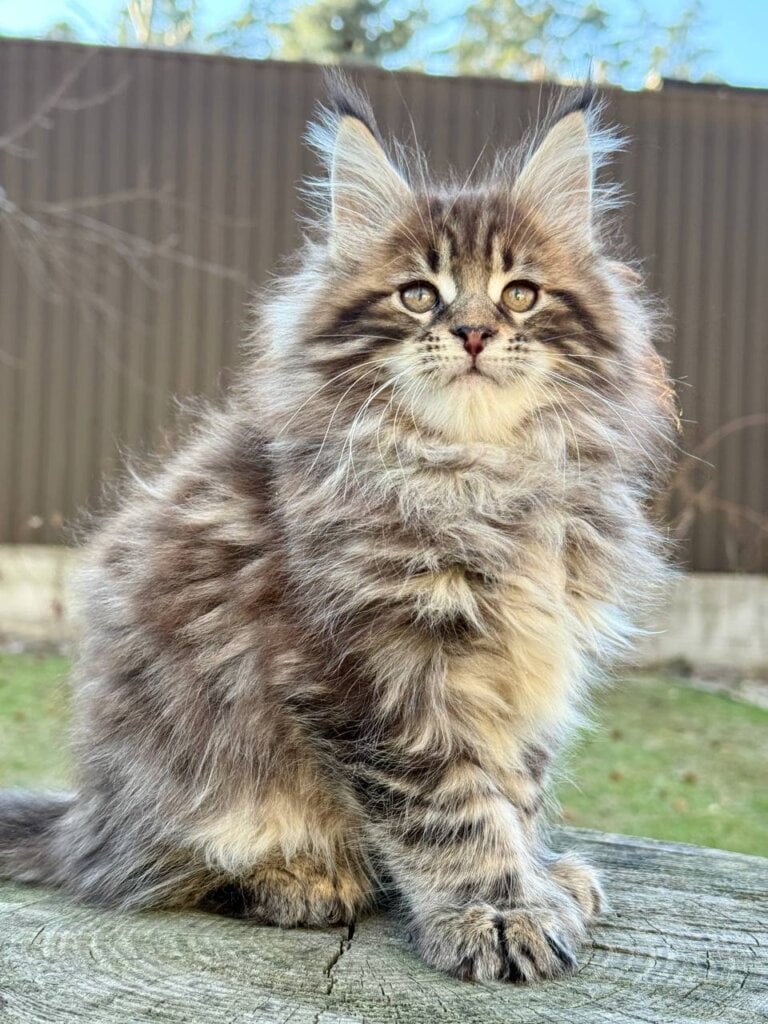
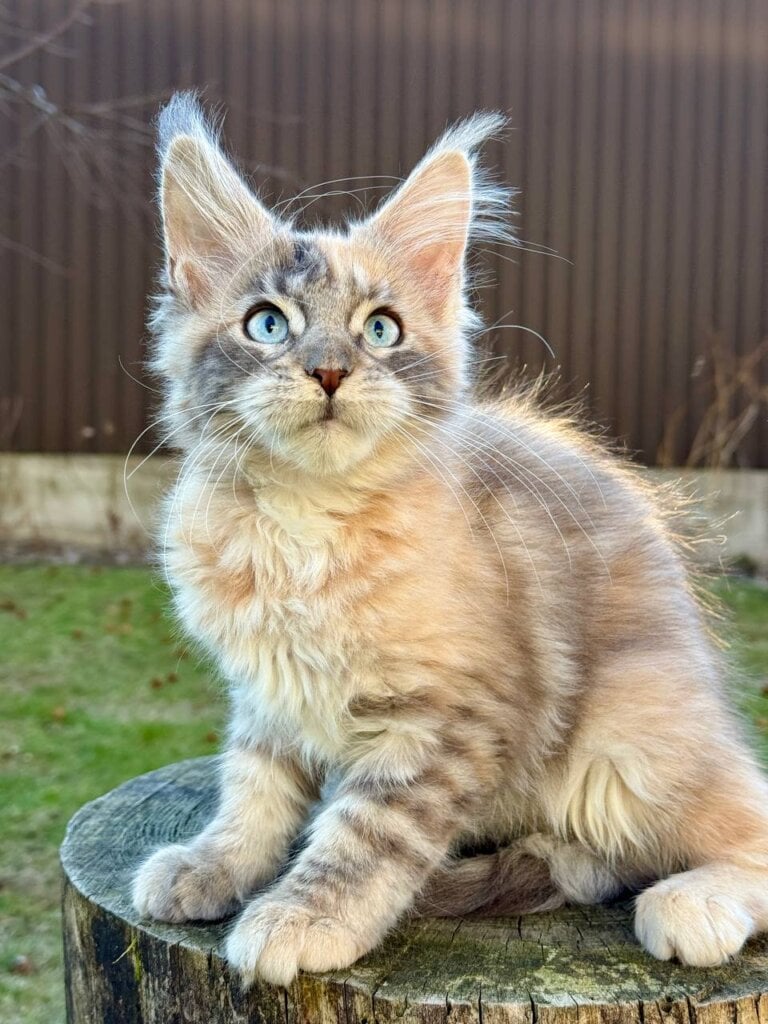
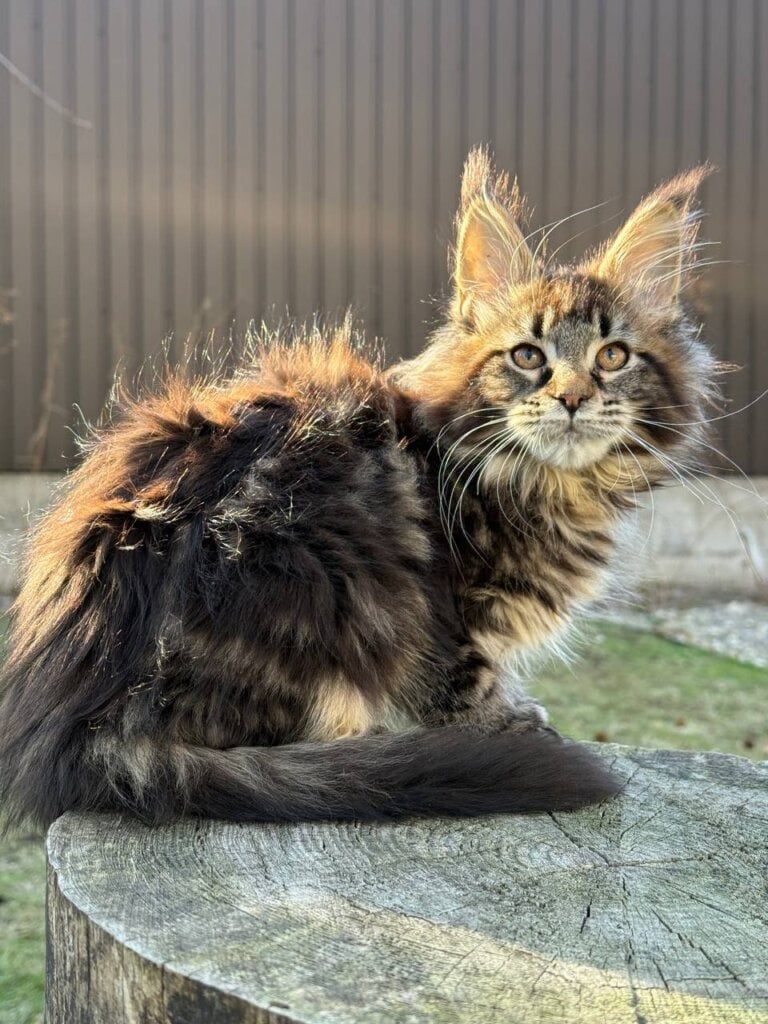
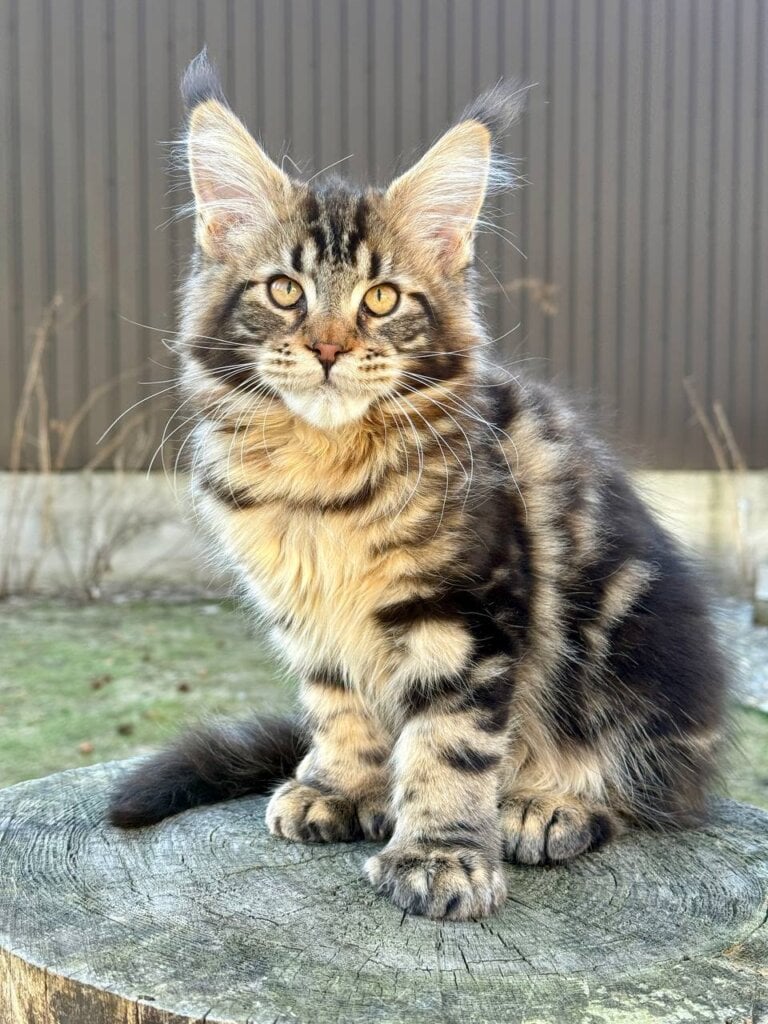
The average cost of a purebred kitten often varies widely, reflecting breed rarity, pedigree status, and the bundle of veterinary and documentation services included by the breeder. Responsible breeders price kittens not only for genetics and lineage but also for pre-sale health screening, vaccinations, microchipping, and socialization work that reduce future risk and expenses. Understanding these cost drivers helps buyers compare raw price tags to real value and long-term ownership costs. The following table summarizes common breeds, typical price ranges, and what a responsible breeder usually includes with a purebred kitten.
Each purebred breed comes with unique market values and breeder inclusions that affect the total cost.
| Breed | Typical Price Range | What’s Included |
|---|---|---|
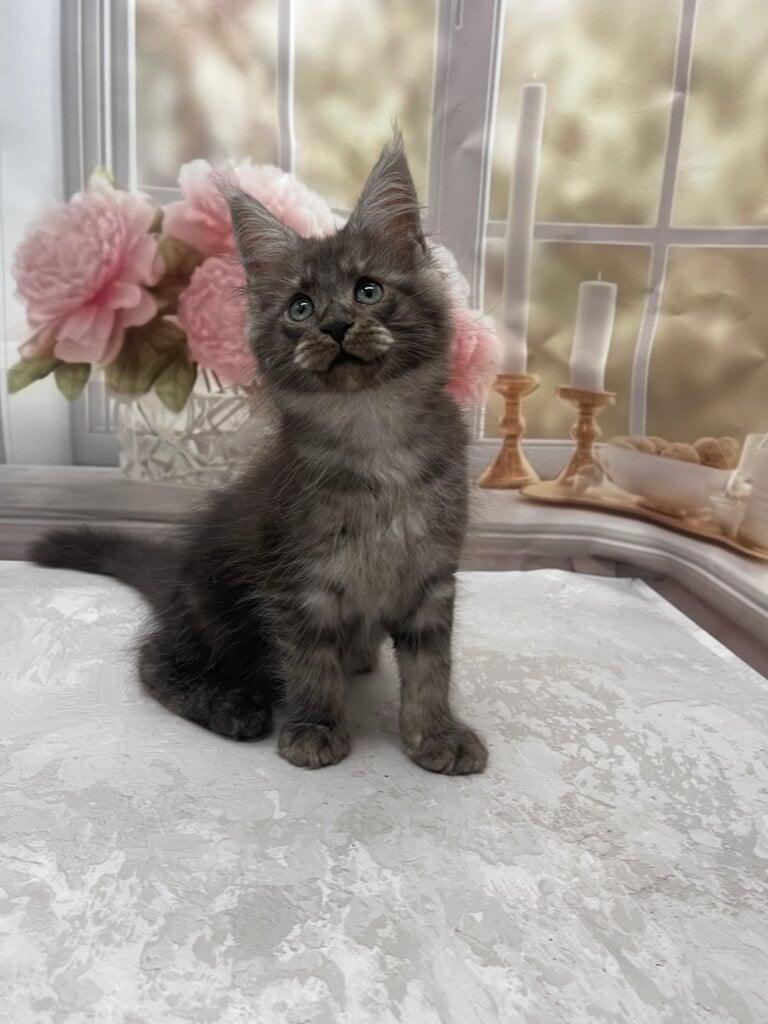
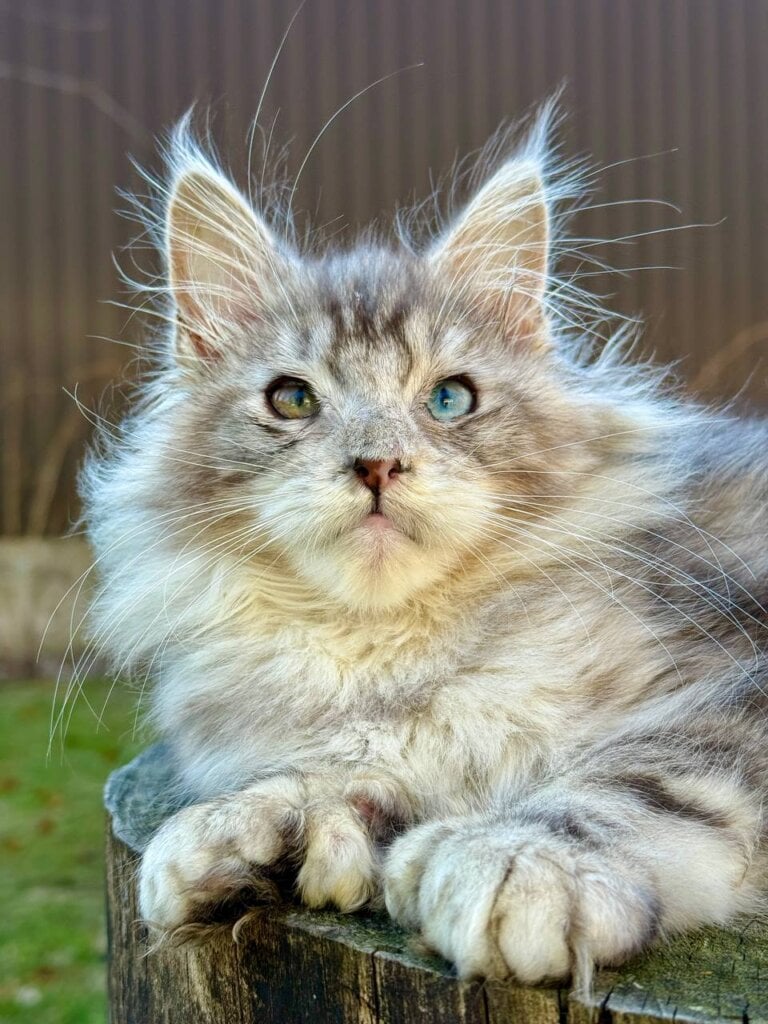
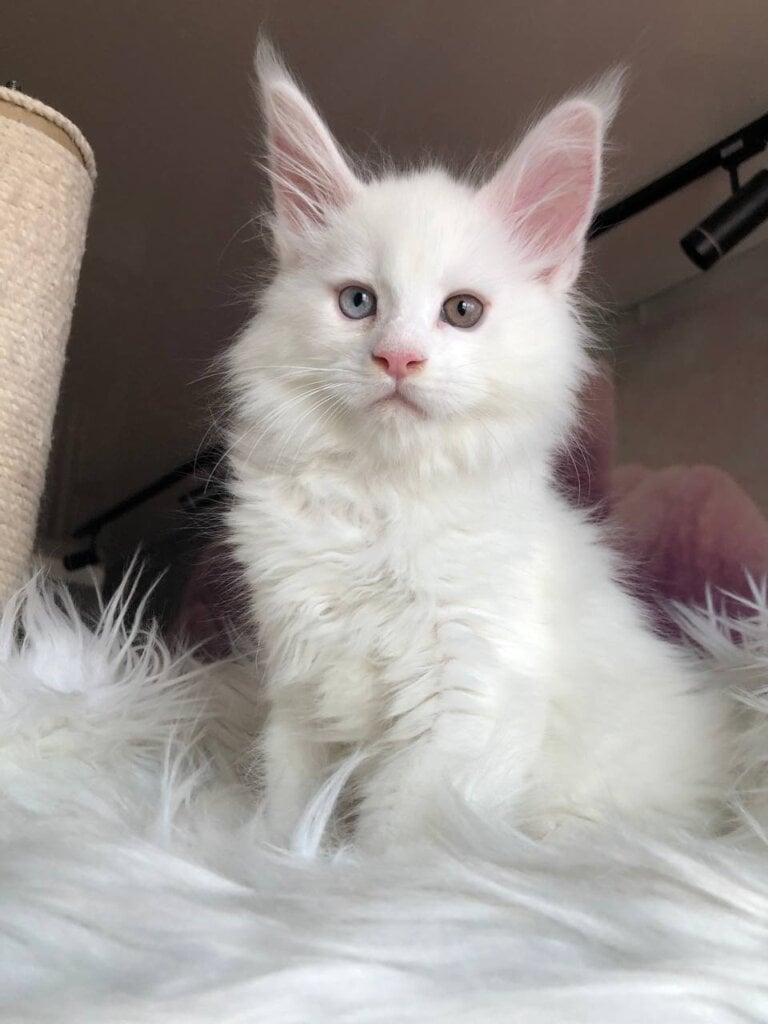
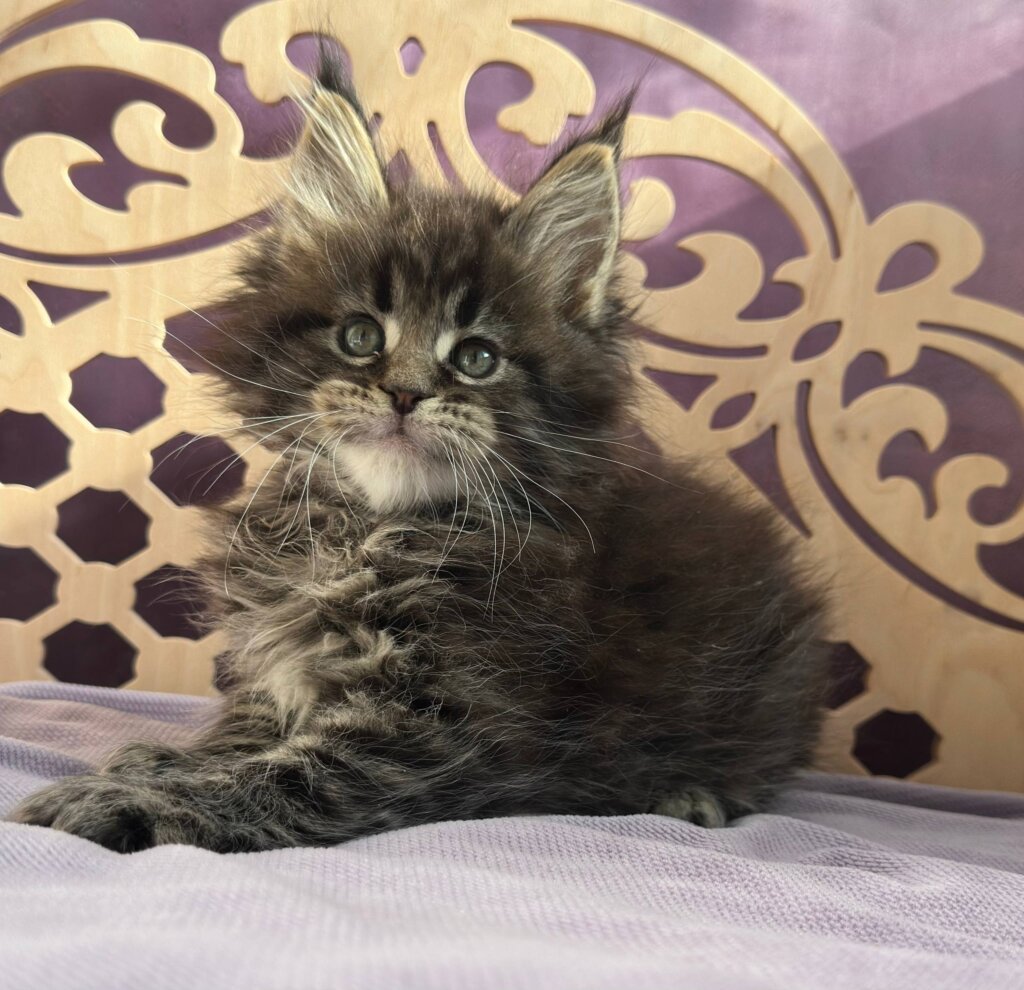
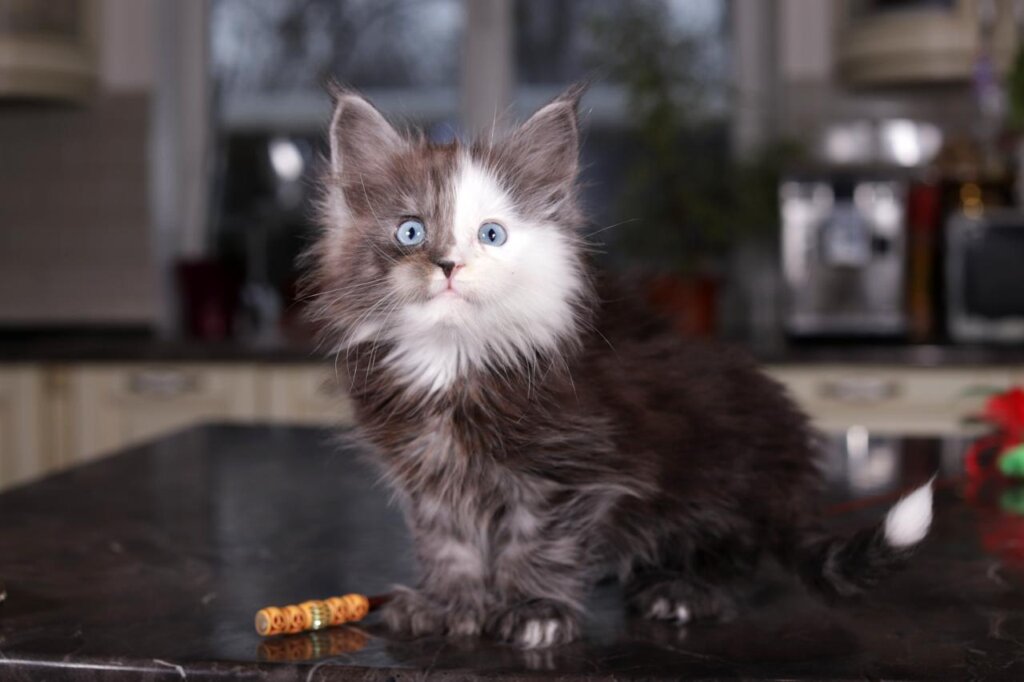
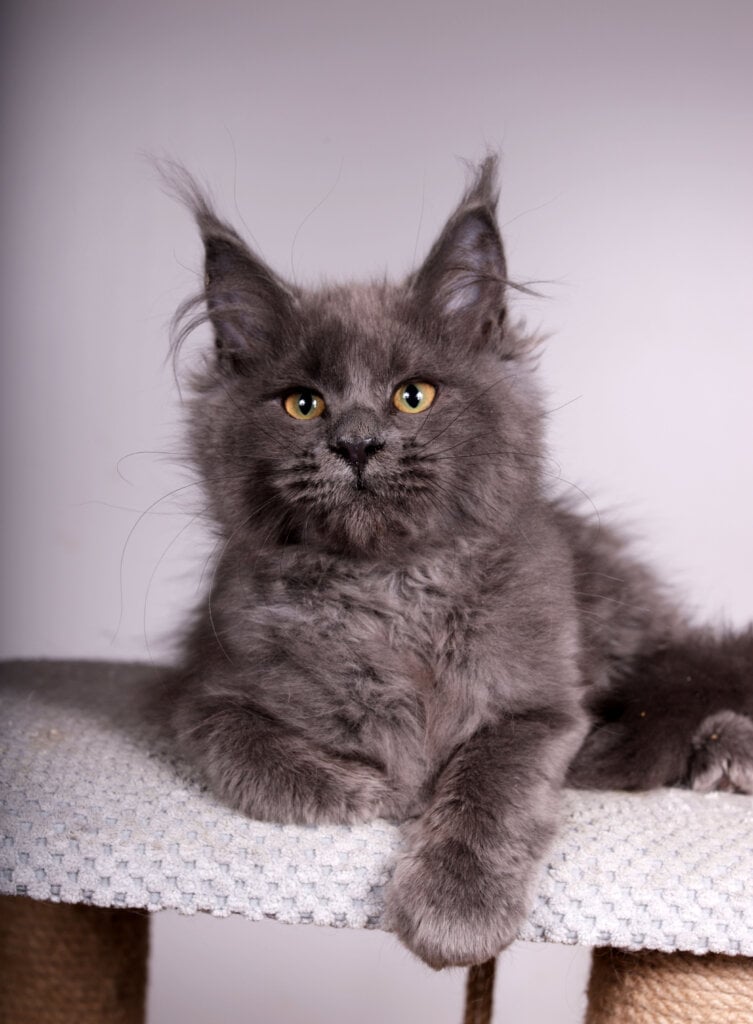
| Maine Coon | $2,000–$4,000 | Initial vaccines, vet check, microchip, pedigree paperwork |
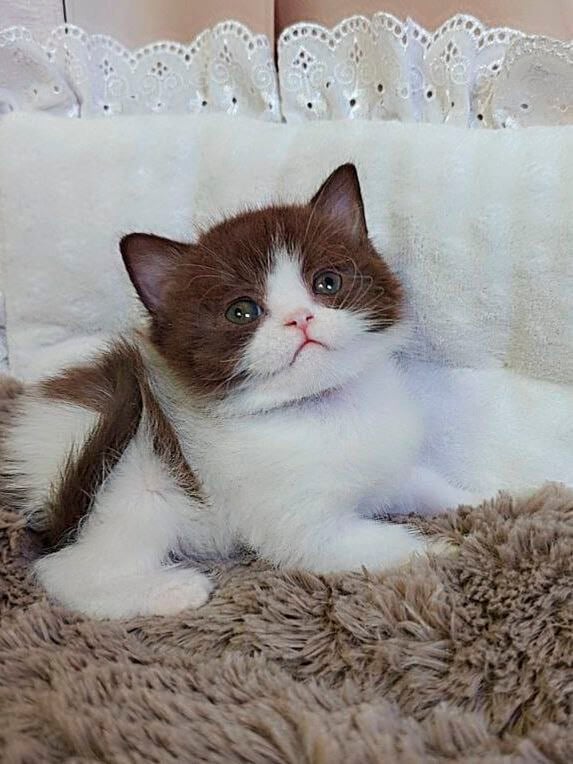
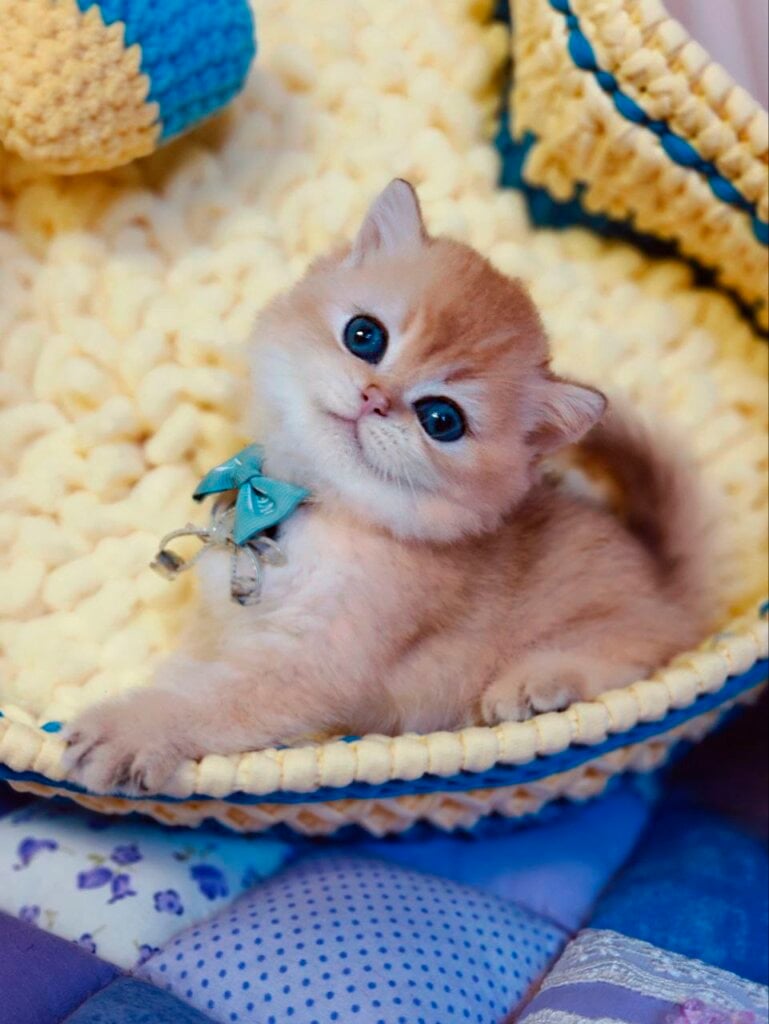
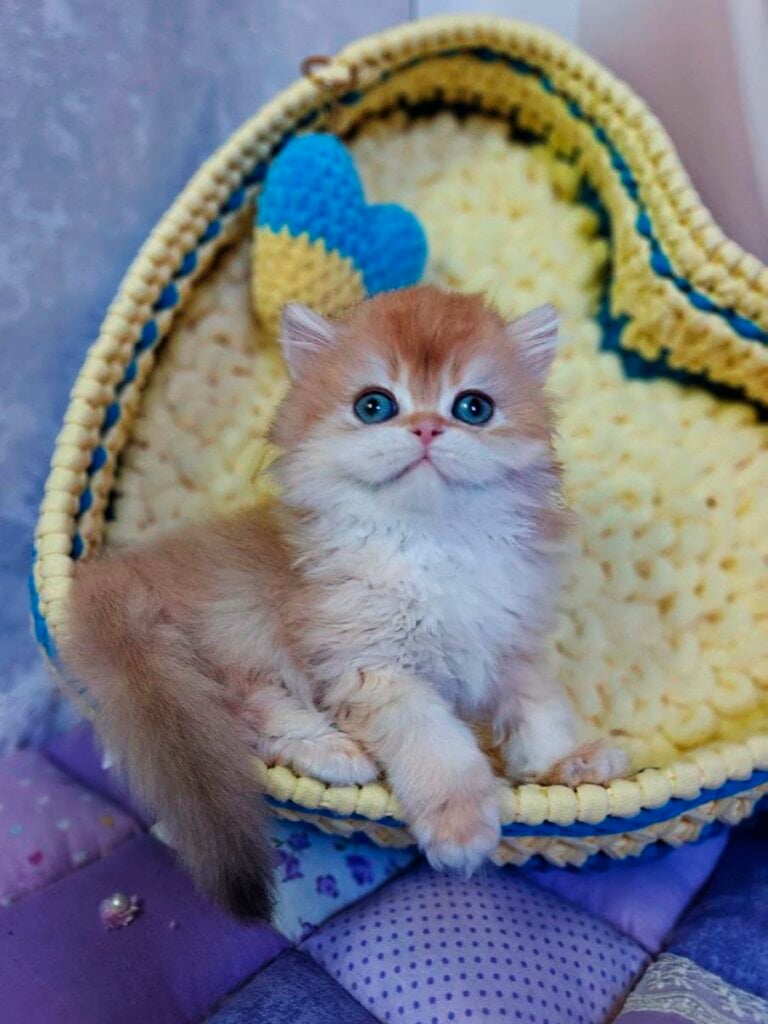
| British Shorthair | $800–$2,500 | Vaccinations, deworming, early socialization, health certificate |
| Ragdoll | $1,200–$2,500 | Vet exam, microchip, starter kit, genetic health guarantee |
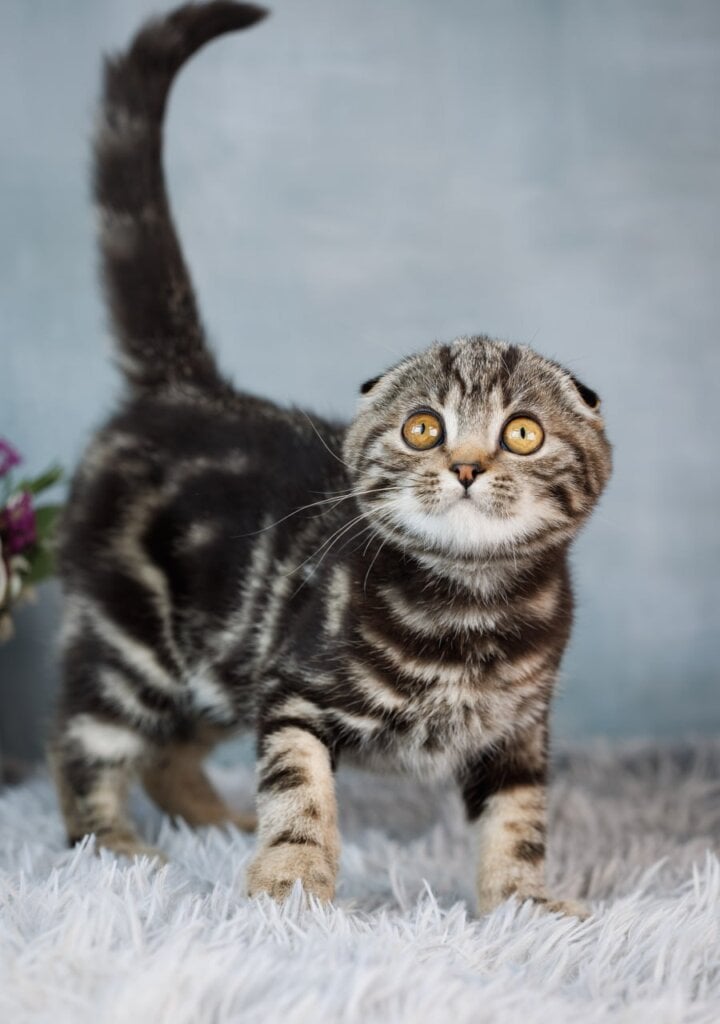
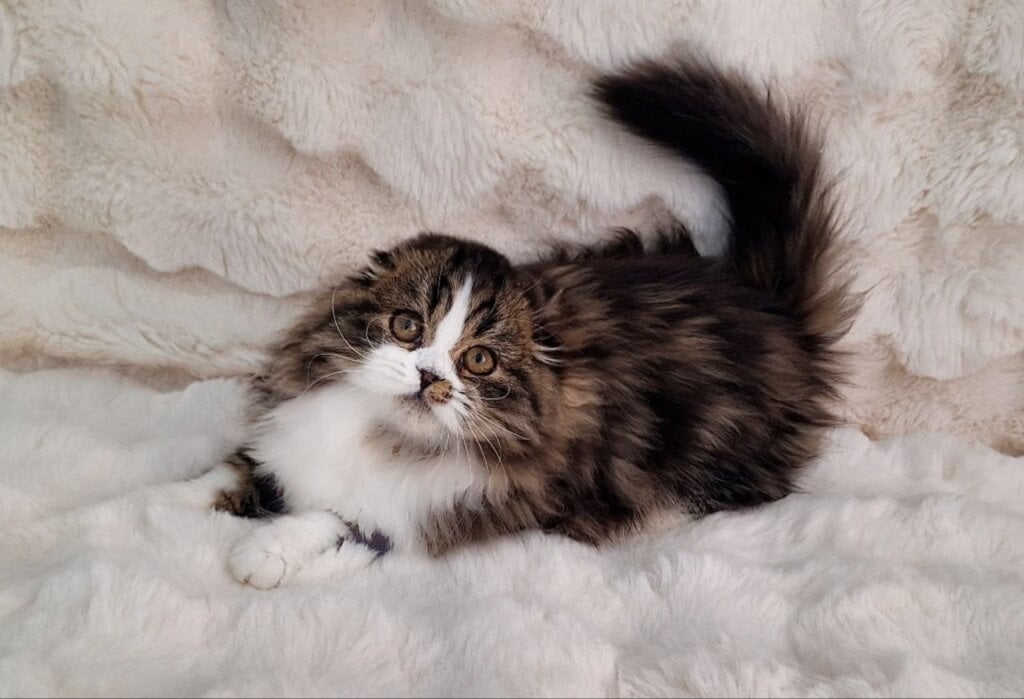
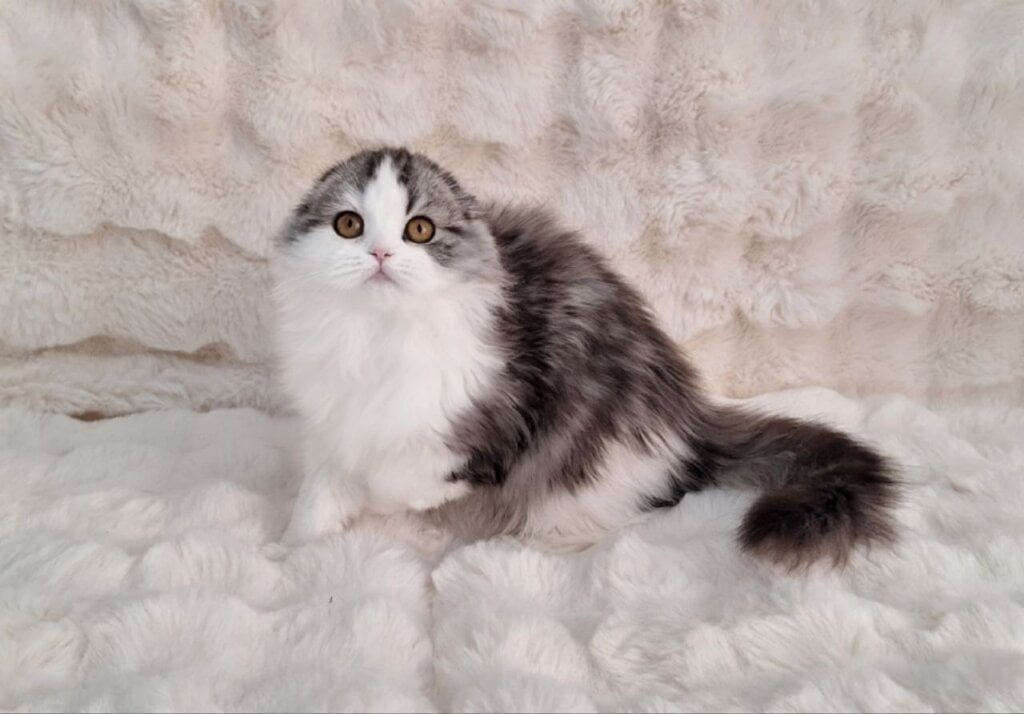
| Scottish Fold / Scottish Straight | $1,200–$3,000 | Health testing, breeder documentation, socialization |
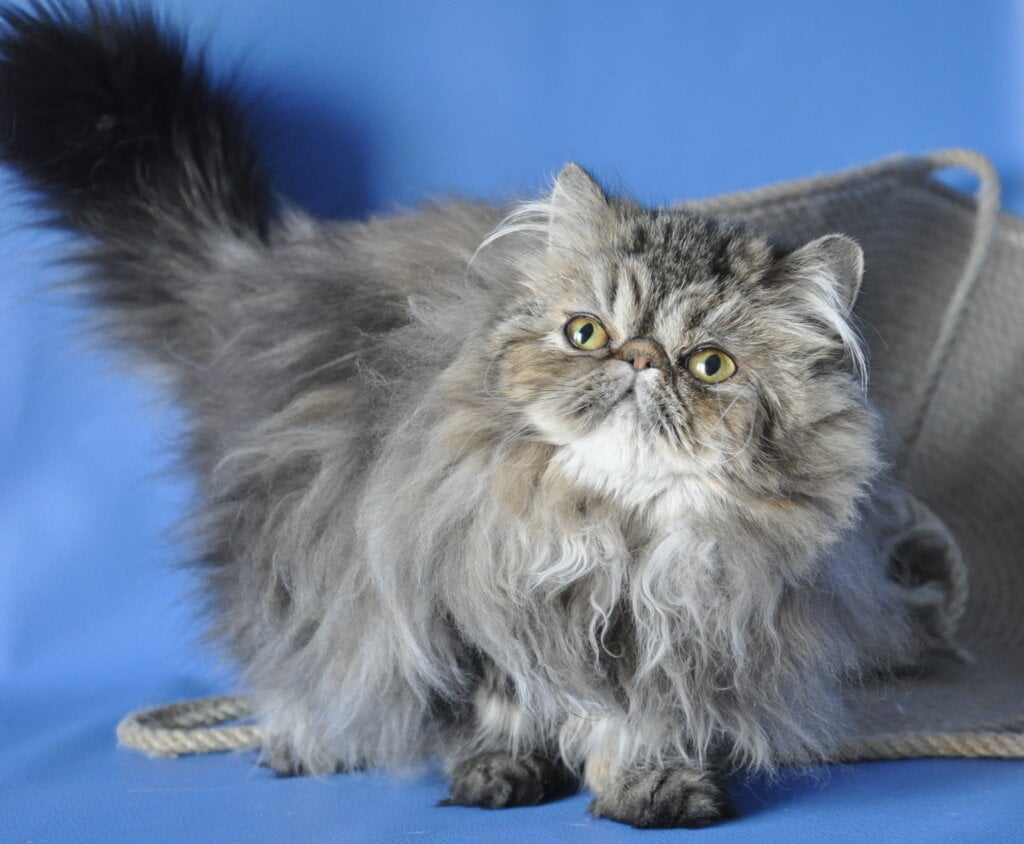
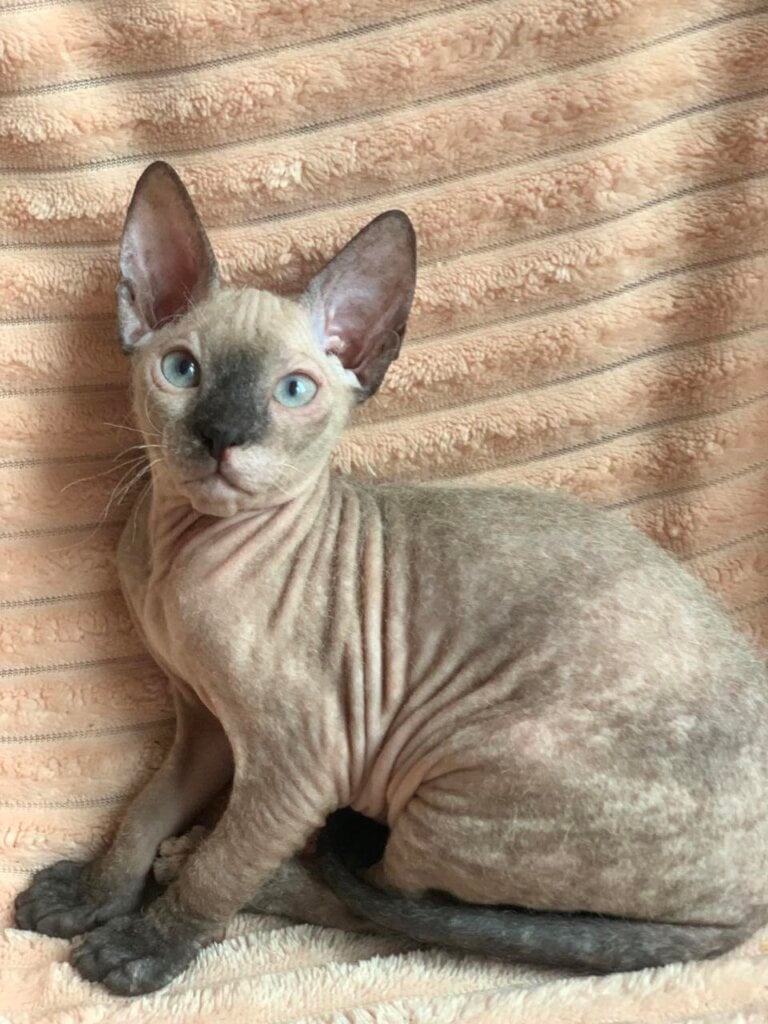
| Persian / Devon Rex / Munchkin / Somali | $800–$3,500 | Variable inclusions; often pedigree and pre-sale vet care |
This comparison shows how higher upfront prices often include services that lower initial vet bills and provide legal and health protections. Next, we’ll explore how breed and lineage further influence those ranges.
How Do Kitten Prices Vary by Breed and Lineage?
Breed and lineage influence the base price because rarity, physical traits, and show or breeding rights create different buyer demand and breeding costs. Rarer or highly sought breeds often require more selective breeding and health testing, increasing expenses that are reflected in the kitten purchase price. Lineage matters: kittens sold with show or breeding rights typically cost more than pet-only placements because breeders invest in health-clearance testing and maintain documentation for pedigrees and champion bloodlines. You can expect lineage premiums when purchasing kittens intended for showing or future breeding, and those premiums often correlate with documented long-term value rather than simple appearance.
What Does the Price Include When Buying from a Responsible Breeder?
A responsible breeder’s price typically bundles veterinary care, paperwork, and practical starter items that reduce immediate out-of-pocket costs after purchase. Typical inclusions are a pre-sale vet exam, core vaccinations, deworming, microchip implantation, a health certificate, initial registration or pedigree documents, and a starter kit with food and basic supplies. These inclusions mean tangible savings versus buying a cheaper kitten without covered care, because initial veterinary visits and legal documentation can add hundreds of dollars to the first-month bill. Understanding exactly which items are included helps buyers convert price into net value when comparing sellers.
How Does MeoWoff Kittens’ Pricing Compare to Other Breeders?
When evaluating price against value, MeoWoff Kittens offers sample breed ranges that mirror responsible-breeder inclusions and emphasize long-term protection for you. MeoWoff specializes in purebred kittens such as Maine Coon, British Shorthair, Scottish Fold, Ragdoll, Devon Rex, Somali, Munchkin, Persian, and Scottish Straight, and partners with WCF-registered European catteries to source documented lines. Prices from MeoWoff typically reflect included services—vaccinations, microchipping, vet checks, early socialization, and a one-year genetic health guarantee—so the stated kitten purchase price covers several initial costs that some other sellers leave to the buyer. Comparing what is bundled with the purchase helps you see the practical difference between headline price and true first-month expense.
How Do Adoption Fees Compare to Breeder Kitten Prices?
Adoption fees are usually lowest in headline cost but often include fewer services than breeder purchases, leading to different short- and long-term trade-offs. Shelters and rescues commonly charge modest fees that often cover basic vaccinations and spay/neuter or a voucher, and adoption supports animal welfare goals; breeders charge more when pedigree, health screening, and genetic guarantees are part of the sale. Understanding the numeric ranges and the typical inclusions for each path helps you decide whether upfront savings or predictability and documentation best match your priorities.
The table below compares typical numeric ranges and standard inclusions so you can quickly see where costs diverge.
- Adoption fees commonly range between $50 and $300 and usually include initial vaccines, basic vet screening, and often spay/neuter services or vouchers.
- Breeder prices for purebreds commonly range from several hundred to several thousand dollars and typically include pedigree paperwork, advanced health testing, and a guarantee.
- Long-term value depends on predictability and breed-specific health expectations rather than the initial sticker price alone.
What Are Typical Adoption Fees and What’s Included?
Adoption fees often have a lower headline cost because shelters subsidize care through donations and organizational funding, and those fees often include some initial veterinary work. Typical adoption packages include a wellness check, at least one vaccination, and sometimes spay/neuter or a voucher for sterilization; microchipping may or may not be included depending on the rescue. Adoption does not usually come with pedigree documentation, breeding rights, or long-term genetic guarantees, which is why adopters seeking breed-specific predictability often turn to breeders instead. This naturally leads us to why some buyers prefer breeders despite higher upfront costs.
Why Choose a Purebred Kitten from a Reputable Breeder Over Adoption?
Many choose reputable breeders because they seek predictable breed traits, documented pedigrees, and comprehensive health screening that adoption may not offer. For people planning to show, breed, or who want specific temperament and size characteristics, a responsibly bred kitten provides documentation and screening that minimize uncertainty. Reputable breeders also commonly provide early socialization and post-purchase guidance that supports long-term placement success. Those priorities explain why breeder prices can be higher while offering clearer long-term value for buyers with those goals.
What Are the Initial Costs Beyond the Kitten Purchase Price?
Beyond the kitten purchase price, new owners will encounter a predictable set of one-time expenses that typically include veterinary procedures, microchipping, and essential supplies necessary for safe and comfortable integration. Anticipating these upfront costs helps you convert a purchase price into a full first-month budget and prevents underestimating the true first-year kitten expenses. The table below lists common upfront expenses, typical cost ranges, and variability notes to make initial budgeting transparent and actionable.
Below is a clear breakdown of common first-time expenses and how they can vary by region and seller inclusions.
| Expense | Typical Upfront Cost | Notes/Variability |
|---|---|---|
| Initial vet exam & vaccines | $75–$200 | Depends on clinic and vaccine series; some breeders include this |
| Spay/Neuter | $150–$400 | Varies by age and geographic area; shelters sometimes include vouchers |
| Microchipping | $25–$75 | Low cost but high recovery value; often included by responsible breeders |
| Carrier & litter box starter kit | $50–$200 | Depends on brand and quality; starter kits may be provided by breeder |
| Registration/pedigree paperwork | $50–$200 | Relevant for purebred kittens and breeding/show prospects |
This layout shows how including items like vaccinations and microchipping in the purchase reduces immediate vet bills. The next subsections examine veterinary timelines, supplies, and the specific value of microchipping and guarantees.
What Veterinary Care Costs Should You Expect?
Initial veterinary care for a kitten typically includes a first wellness exam, a vaccine series, deworming, and scheduling for spay or neuter, and these visits add up during the first months of ownership. Expect multiple early visits for vaccines spaced over weeks, with each visit carrying exam and vaccine fees that vary regionally; spay or neuter is a one-time cost usually scheduled when the kitten reaches appropriate age. Many reputable breeders include some pre-sale vet work, which reduces your immediate bills and shortens the timeline to full preventative care. Knowing which services are included by the breeder and which you will pay for helps you avoid surprise expenses and ensures continuity of care.
Which Essential Supplies Are Needed for a New Kitten?
New kitten supplies create a predictable checklist that supports safe house integration, hygiene, and mental stimulation, and you can budget by prioritizing essentials versus optional upgrades. Essential items include a secure carrier, litter box and litter, age-appropriate food, scratching post, bedding, and basic grooming and feeding tools; some breeders supply a starter kit that covers several of these basics. Purchasing high-quality items for safety and longevity often costs more up-front but can reduce how often you need to replace them and improve welfare. Planning supply purchases before bringing a kitten home helps ensure a smoother first week and reduces stress for both pet and owner.
Basic supplies checklist and approximate cost guidance:
- Carrier: $30–$100.
- Litter box and litter: $20–$60.
- Food (starter and transition): $20–$80.
- Scratching post, bed, toys: $30–$150.
This checklist clarifies where breeders’ starter kits can offer immediate savings and what items you should prioritize after purchase.
How Much Does Microchipping and Genetic Health Guarantee Add to Costs?
Microchipping is a relatively low-cost, high-impact investment that helps recover a lost kitten, while a genetic health guarantee offers financial protection for hereditary conditions over a defined period. Microchip implantation usually costs between $25 and $75, but when included in a purchase it eliminates that immediate cost. Genetic health guarantees—commonly offered by responsible breeders—cover specific hereditary diseases for a stated duration (for example, a one-year genetic health guarantee) and provide recourse or replacement terms that can save you money if covered conditions arise. Evaluating the scope and duration of guarantees is essential because a clear guarantee can outweigh an initially higher purchase price by reducing your future financial risk.
What Are the Annual and Lifetime Costs of Owning a Kitten?
Estimating annual and lifetime costs transforms a one-time purchase price into a long-term financial plan, accounting for consumables, routine care, and the possibility of emergencies. Annual expenses typically include food, litter, routine veterinary visits, parasite prevention, and occasional grooming, and lifetime costs accumulate over a decade or more depending on the cat’s lifespan and health. Planning three budget scenarios—basic care, average care, and premium or high-emergency scenarios—helps you understand variability and set appropriate emergency savings or insurance choices.
A compact table below outlines common annual cost categories and typical ranges to help you form an annual budget.
| Expense Category | Annual Cost Range | Long-term Considerations |
|---|---|---|
| Food & treats | $150–$800 | Specialty diets increase cost; dental diets add long-term benefits |
| Litter & consumables | $100–$500 | Frequency and litter quality affect expense |
| Routine vet & preventatives | $150–$600 | Annual exams, vaccinations, flea/heartworm prevention |
| Insurance or emergency fund | $120–$480 (premiums) | Insurance premiums vary by plan; emergency funds are alternative |
These figures let you compare expected recurring costs to potential insurance spending and emergency savings needs.
How Much Should You Budget for Food, Litter, and Routine Vet Visits?
Annual budgets for consumables and routine care depend on brand choices, regional pricing, and whether special diets or preventative treatments are necessary. Low-to-mid budgets assume standard commercial food and mainstream preventative care, while premium budgets account for prescription diets and frequent grooming or specialty services. Routine veterinary care usually includes an annual exam and preventative medications, and you should budget for periodic dental work or additional diagnostics as pets age. Planning a conservative annual budget and adjusting based on your cat’s specific needs will help reduce financial strain.
What Are Common Unexpected Costs and How Can Pet Insurance Help?
Unexpected costs—accidents, sudden illnesses, or hereditary conditions—can exceed thousands of dollars, and pet insurance or a dedicated emergency fund reduces your out-of-pocket risk. Typical emergency scenarios include trauma, infections requiring hospitalization, or chronic conditions needing ongoing treatment; insurance can reimburse a portion of these costs depending on plan type and coverage limits. Monthly insurance premiums commonly fall in a moderate range that varies with coverage level and the cat’s breed and age, and for many owners the predictable monthly expense offers valuable financial protection against large, unexpected bills. Considering breed-specific health risks helps you determine whether insurance is a good investment for a given kitten.
How Does Breed Affect Long-Term Health and Care Expenses?
Breed-specific predispositions affect lifetime care costs because certain purebreds face known hereditary conditions that may require monitoring or treatment across years. For example, some large breeds and certain pedigrees have predispositions to cardiac or orthopedic issues; breeders who test for these conditions reduce the likelihood of early-onset disease in offspring. Investing in a kitten from a breeder that performs health screening combined with a genetic health guarantee can lower your chance of surprising long-term costs. You should research breed-related health profiles and factor likely screening or preventive care into your lifetime budget.
Why Is Ethical Breeding Important and How Does It Affect Kitten Prices?
Ethical breeding prioritizes health testing, humane housing, early socialization, and responsible placement policies, and these practices raise upfront costs while reducing long-term health risks and rehoming rates. When breeders follow established standards—such as those associated with recognized registries and partnerships—they invest in genetic testing, controlled mating decisions, and socialization protocols that increase operational cost but improve kitten quality. Buyers paying more for ethically-bred kittens gain clearer health histories, legal documentation, and often post-purchase support that can reduce future expenses and improve welfare. The next subsections explain specific advantages of working with registered catteries, early socialization, and champion bloodlines.
What Are the Benefits of Buying from WCF-Registered European Catteries?
Purchasing kittens sourced from WCF-registered European catteries offers benefits through standardized health checks, documented pedigrees, and accountability to recognized breeding standards. WCF registration shows adherence to international practices for record-keeping and breeder conduct, which helps you access verifiable lineage and health testing records. Those documented practices reduce the risk of undisclosed hereditary conditions and offer a clearer chain of accountability should issues arise. For owners who value transparency and long-term predictability, WCF-aligned sourcing is a meaningful differentiator in the market.
How Does Early Socialization and Health Guarantee Impact Kitten Quality?
Early socialization and formal health guarantees both improve the likelihood of a successful, long-term placement by addressing behavioral and medical risk factors before sale. Kittens handled gently and exposed to household stimuli during critical developmental windows tend to be more adaptable, sociable, and easier to train, which reduces the chance of future behavioral rehoming. Complementary genetic health guarantees provide financial recourse for qualifying hereditary conditions, giving you a measured way to manage medical risk. Combined, these practices increase the probability of a healthy, well-adjusted companion and justify higher initial prices through reduced downstream costs and rehoming incidents.
What Do Champion Bloodlines Mean for Price and Kitten Quality?
Champion bloodlines offer measurable value because they indicate a history of show success, careful selection, and detailed pedigree documentation that benefits buyers seeking breeding or show prospects. Kittens from champion lines often come with premiums that reflect the breeder’s investment in health testing, selective pairing, and maintenance of lineage. For family-pet buyers, champion status may be less relevant than health testing and temperament, while breeders and competitive owners will view the price premium as an investment in future breeding or show potential. Understanding the trade-offs between pet-only placements and champion-line offerings helps align your purchase choice with your goals.
How Can You Finance Your Kitten Purchase and Manage Costs?
Financing and careful budgeting strategies let you spread upfront costs while preparing for predictable recurring expenses, and combining financing with insurance or emergency savings reduces the risk of unmanageable bills. Options include paying in full, reserving a kitten with a deposit, or using installment plans where available; thoughtful budgeting prioritizes immediate veterinary needs and an emergency fund. The following sections explain available payment approaches, the role of insurance, and practical budgeting tips to help new owners create a sustainable financial plan.
What Flexible Payment Options Does MeoWoff Kittens Offer?
MeoWoff Kittens offers flexible payment and installment options to help you reserve and purchase a purebred kitten without paying the entire purchase price at once, and these options make budgeting more manageable. Typical options include a refundable reservation deposit to hold a chosen kitten, phased installment schedules that spread remaining payments prior to pickup or delivery, and multiple payment methods to suit buyer preference. We advise prospective buyers to review reservation terms and installment schedules carefully to understand timelines and refund conditions. Flexible payments can make responsibly-bred kittens accessible while preserving the protections that come with documented health guarantees.
Is Pet Insurance Worth It for New Kitten Owners?
Yes—pet insurance is often worthwhile for owners of purebred kittens or those who want protection against high-cost emergencies or hereditary conditions, though the value depends on breed risk and personal finances. Insurance offers predictable monthly premiums in exchange for coverage against accidents, illnesses, or specified hereditary issues, with typical premium ranges spanning modest monthly amounts depending on coverage level. For many owners the predictable monthly expense offers valuable financial protection against large, unexpected bills. Considering breed-specific health risks helps you determine whether insurance is a good investment for a given kitten.
What Budgeting Tips Help New Kitten Owners Prepare Financially?
Practical budgeting reduces stress and ensures care continuity by combining a defined emergency fund, realistic monthly cost estimates, and use of any breeder-included services to minimize upfront bills. Start by estimating monthly recurring costs (food, litter, preventative meds) and set aside a small emergency buffer equivalent to several hundred dollars, then escalate savings as needed for breed-specific risks. Consider leveraging breeder inclusions to defer initial vet expenses, and compare insurance plans against an emergency fund to determine the most cost-effective risk management strategy. A steady savings habit and clear, documented budget prevent surprises and preserve the human-animal bond when unpredictable events occur.
Budgeting checklist for new kitten owners:
- Create an emergency fund equivalent to one to three months of expected pet expenses.
- Estimate monthly recurring costs and automate a small transfer to a pet savings account.
- Compare insurance quotes versus projected emergency savings to choose the best risk strategy.
These steps help you convert variable expectations into a reliable financial plan that supports long-term care.
Where Can You Find MeoWoff Kittens and How Does Location Affect Costs?
MeoWoff Kittens has a showroom in Wood Dale, IL and offers nationwide delivery services, and those logistical choices influence total cost through pickup savings or delivery fees, and by intersecting with regional veterinary and supply pricing. Visiting a local showroom allows you to inspect conditions, meet kittens, and review paperwork in person, while delivery offers convenience for long-distance buyers at an added cost. Regional differences—urban clinics and supply stores often charge more than suburban or rural providers—also affect ongoing ownership expenses. The following subsections explain showroom benefits, delivery logistics, and a broad comparison of Chicago and New York cost differentials.
What Are the Benefits of Visiting the Wood Dale Showroom?
Visiting the MeoWoff showroom in Wood Dale, IL allows you to observe kitten behavior firsthand, confirm health documentation, and ask direct questions about lineage and care practices before committing to a purchase. In-person visits enable you to assess socialization, cleanliness, and the transparency of records such as vaccination history and pedigree paperwork, which supports informed decision-making. Meeting staff or seeing the kitten in a showroom environment often reduces uncertainty and can eliminate delivery fees if the buyer arranges local pickup. For many owners, this hands-on inspection is the final step in aligning your purchase price with perceived value.
How Does Nationwide Delivery Work and What Are the Costs?
Nationwide delivery for kittens typically involves coordination of travel logistics, a certified vet check prior to transport, appropriate travel crates, and carrier arrangements that together determine final delivery fees; you should request specific quotes for exact pricing. Delivery costs vary by distance, method (air vs. ground), and included services such as in-transit veterinary oversight and temperature-controlled crates; these variables explain why delivery is priced separately from the kitten purchase. You should obtain a written delivery plan and invoice that details included checks and contingency procedures, ensuring both animal welfare and transactional transparency. Requesting an itemized delivery quote clarifies the trade-off between convenience and additional expense.
How Do Chicago and New York Veterinary and Supply Costs Compare?
Urban centers like New York often have higher vet and supply prices than many Chicago suburbs due to overhead and local market rates, which can increase your routine care and consumable costs for owners in dense metropolitan areas. Typical differences include higher exam fees, elevated spay/neuter charges, and premium pricing for specialty diets or grooming services in larger cities, while suburban clinics often offer more moderate rates for comparable services. When budgeting, factor regional differentials into your annual estimates and contact local clinics for precise quotes to refine your plan. Researching nearby veterinary options before purchase helps align your ongoing costs with your financial expectations and ensures continuity of care.
Local cost comparison tips:
- Call several local clinics for exact pricing on routine services.
- Compare supply store prices and consider subscription or bulk purchases for recurring items.
- Factor delivery or travel costs into the total acquisition budget if not picking up locally.
These comparisons help you translate headline kitten prices into accurate regional ownership forecasts.
MeoWoff Contact and Practical Notes
MeoWoff Kittens sells kittens online and operates a showroom at 126 E Irving Park Rd, Wood Dale, IL; they offer nationwide delivery, a one-year genetic health guarantee, included vaccinations/deworming/microchipping and vet checks, early socialization, post-purchase support, flexible payment options, and a transparent return/rehoming policy. For buyers comparing upfront price to packaged value, MeoWoff’s bundled services and WCF partnerships illustrate how ethical sourcing and included veterinary care change the effective first-month cost and reduce uncertainty for new owners. This factual context highlights how packaged inclusions can make a higher headline price more cost-effective when judged against first-year kitten expenses.
Quick reminder of buyer actions:
- Compare what each seller includes before focusing on base price.
- Request written documentation of vaccinations, microchip number, pedigree, and guarantee terms.
- Build an initial budget that accounts for supplies, routine care, and a modest emergency fund.
These steps help you close the loop between choosing a kitten and ensuring long-term financial preparedness.