
Household Poisons That Threaten Cats — Prevention & Emergency Guide
Cats are naturally curious and often explore places we don’t expect. That curiosity can put them in contact with everyday items that are harmful — or even deadly. This guide walks you through the most common household poisons for cats, how to prevent exposure, and what to do in an emergency. Learn what makes cats more vulnerable, how to spot warning signs, and simple steps to keep your kitten or adult cat safe at home.
Why Are Cats Especially Vulnerable to Household Poisons?
Cats are more at risk from certain toxins because of their biology and behavior. Knowing these differences helps you prioritize safety in your home.
How Does Feline Physiology Increase Poisoning Risks?
Cats process many chemicals differently than dogs or people. They lack some liver enzymes — for example, enzymes in the UDP‑glucuronosyltransferase family — that help break down drugs and other compounds. That means substances that are harmless to humans in small doses can build up and cause serious harm in cats. Their smaller body size and distinct kidney function also mean lower doses can have bigger effects.
Scientific studies explain these metabolic differences and why certain medications are cleared more slowly in cats.
Why Cats Metabolize Drugs Differently — Key Points from Pharmacokinetic Research
Studies show cats clear some drugs—like acetaminophen, propofol, carprofen, and aspirin—much more slowly than dogs or humans. Many of those drugs rely on conjugation pathways that depend on UDP‑glucuronosyltransferase enzymes (UGTs). Cats are missing major UGT forms such as UGT1A6 and UGT1A9, which helps explain their increased sensitivity to these compounds and the greater risk of toxic buildup.
Feline drug metabolism and disposition: pharmacokinetic evidence for species differences and molecular mechanisms, MH Court, 2013
What Role Does Grooming Behavior Play in Toxin Exposure?
Grooming keeps cats clean but also raises exposure risk. If a cat’s fur picks up residues from cleaning products, pesticides, or toxic plants, they can ingest those toxins while licking themselves. Keep hazardous materials sealed and off the floor, and wipe or bathe any cat that has contact with suspicious substances under veterinary guidance.
What Common Household Poisons Threaten Cats' Health?
Many everyday items are dangerous to cats. Spotting them and keeping them out of reach is the first line of defense.
Which Human Medications Are Dangerous to Cats?
Several human medicines are toxic to cats, including:
- Acetaminophen: Can cause methemoglobinemia and serious liver injury.
- Ibuprofen: May cause stomach ulcers and kidney damage.
- Antidepressants: Can trigger severe neurological signs and may be life‑threatening.
If your cat ingests any human medication, contact your veterinarian or a pet poison helpline immediately — even small amounts can be dangerous.
What Cleaning Products Should Be Avoided or Used Safely?
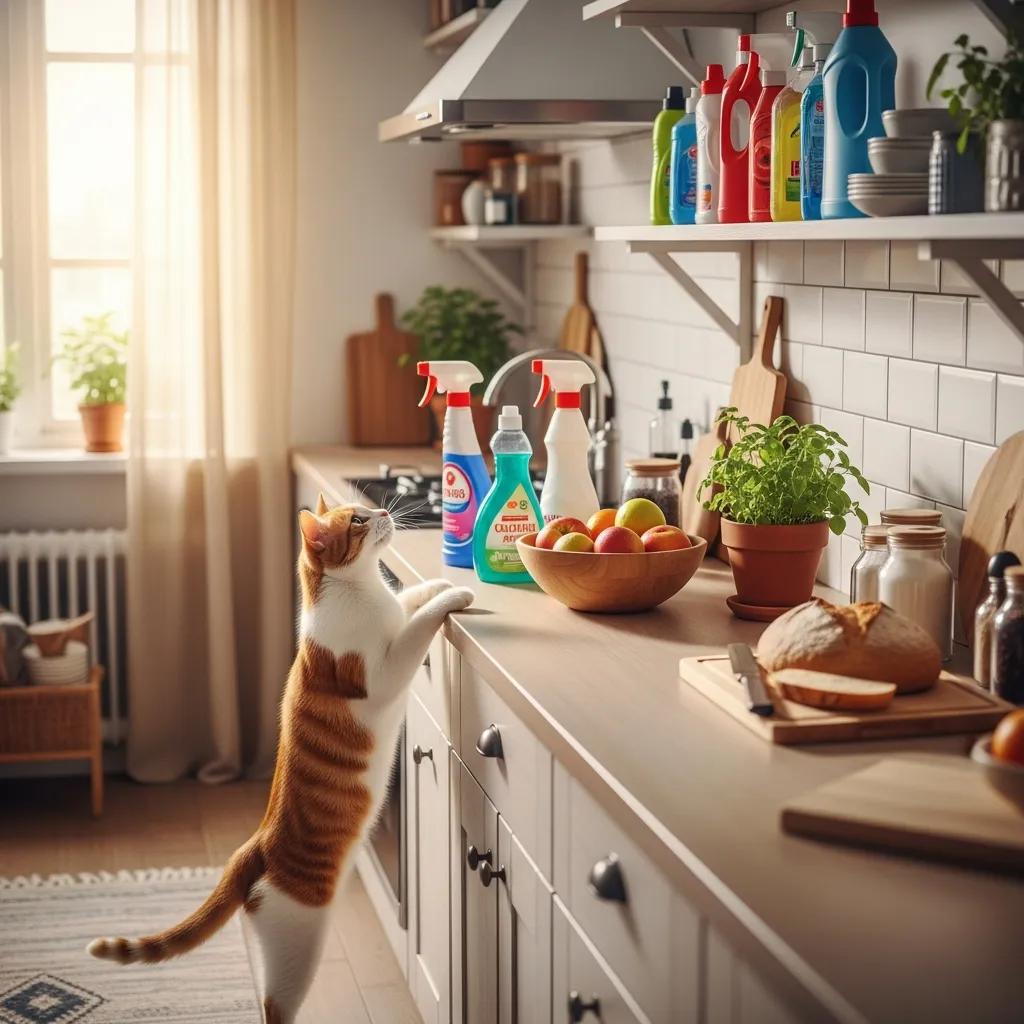
Some cleaners are hazardous to cats. Avoid or use extreme caution with:
- Bleach: Can irritate skin and lungs; concentrated fumes are dangerous.
- Ammonia: Can cause severe respiratory distress if inhaled in quantity.
- Phenolic disinfectants: Found in some household disinfectants and degreasers; toxic if absorbed or ingested.
Choose pet‑safe cleaners when possible, keep rooms ventilated, and prevent cats from accessing freshly cleaned surfaces until they’re dry.
Which Plants and Foods Are Toxic to Cats?
Many common plants and human foods are unsafe for cats. Knowing which ones to avoid reduces accidental poisoning.
What Are the Most Poisonous Plants for Cats?
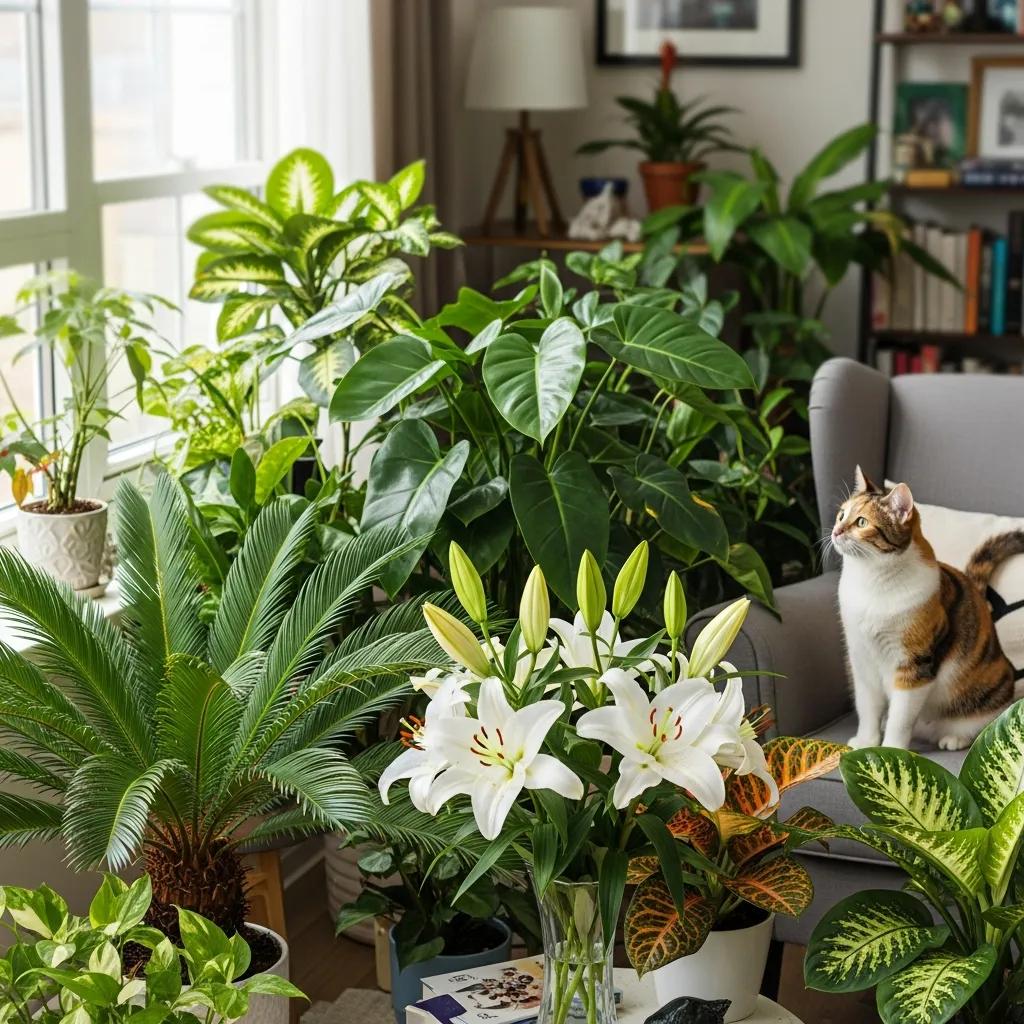
Plants known to be highly toxic to cats include:
- Lilies (Lilium species): Even small exposures can cause acute kidney failure.
- Sago palm: Ingestion can lead to severe liver damage and GI upset.
- Azaleas and rhododendrons: Can cause vomiting, diarrhea, drooling, and dangerous heart effects.
If you keep plants, verify they’re cat‑safe or place them well out of reach.
Which Human Foods Should Never Be Fed to Cats?
Certain foods are dangerous and should be avoided:
- Chocolate: Contains theobromine and caffeine, both toxic to cats.
- Onions and garlic: Can damage red blood cells and cause anemia.
- Grapes and raisins: Though cat toxicity is less clearly documented than in dogs, avoid them because of possible kidney risk.
Always check with your veterinarian before offering new foods or treats.
How Can You Recognize Symptoms of Cat Poisoning?
Early recognition makes treatment quicker and more effective. Watch for changes in behavior and physical signs.
What Are the Early Signs of Poisoning in Cats?
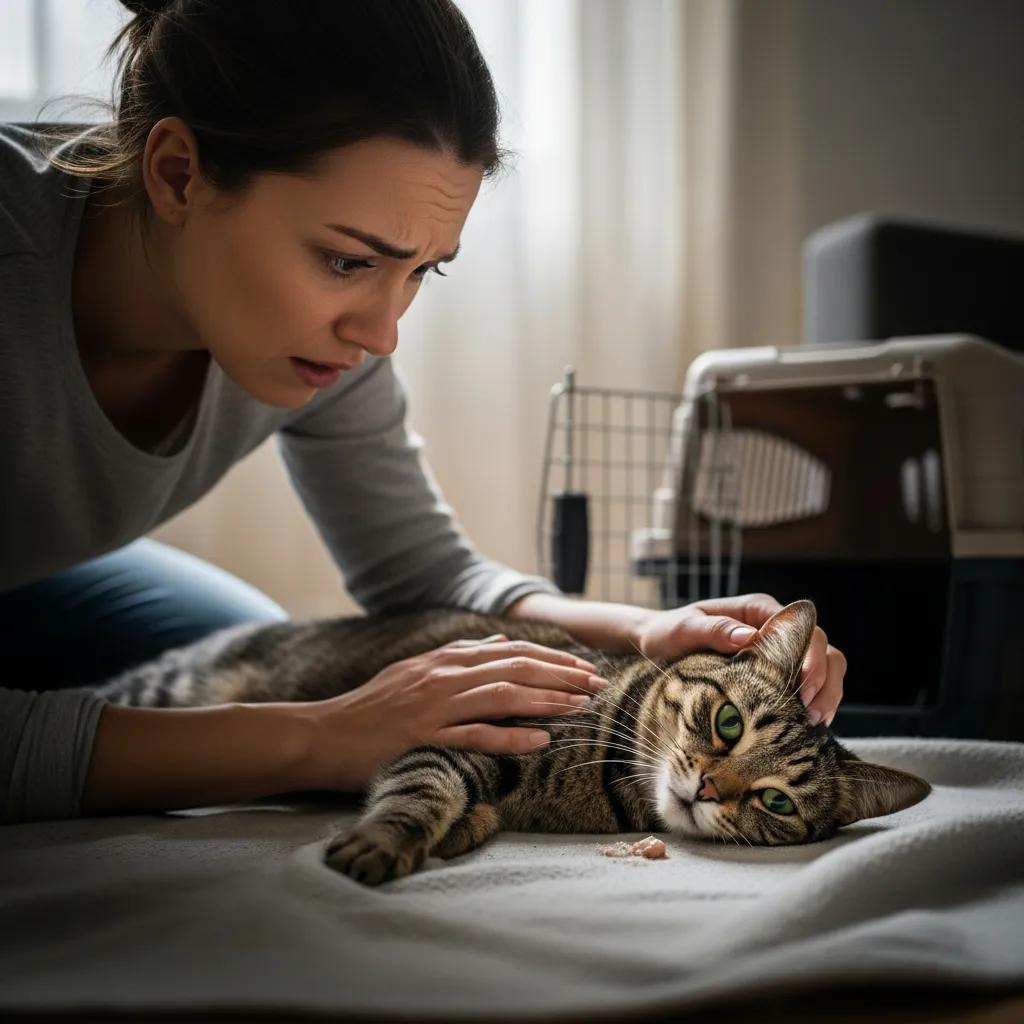
Typical early signs include:
- Vomiting: A common reaction after ingestion of toxins.
- Diarrhea: Indicates gastrointestinal irritation or damage.
- Lethargy: Unusual tiredness or lack of interest in usual activities.
Any of these signs after suspected exposure warrants prompt veterinary advice.
Which Severe Symptoms Require Immediate Veterinary Attention?
Seek emergency care right away for serious signs such as:
- Seizures: Suggests major neurologic involvement.
- Difficulty breathing: Respiratory distress is an immediate danger.
- Unconsciousness: A life‑threatening emergency that needs immediate intervention.
Rapid response can be lifesaving.
What Emergency Steps Should You Take if Your Cat Is Poisoned?
Knowing what to do in the first minutes after exposure improves outcomes.
How to Safely Respond to a Suspected Poisoning Incident?
If you suspect your cat has been poisoned:
- Stay calm. Clear thinking helps you act quickly and safely.
- Identify the substance. Collect containers, labels, or take photos if you can safely do so.
- Call your veterinarian or a pet poison hotline. Give exact details — what, how much, and when — so they can advise the best next steps.
Do not delay: early, accurate information helps professionals choose the right treatment.
Why Should You Avoid Inducing Vomiting Without Professional Advice?
Inducing vomiting can be dangerous for certain toxins (for example, caustics, petroleum products, or sharp objects) and for animals that are seizuring or unresponsive. Always get veterinary guidance before attempting to make your cat vomit — there are safer, context‑specific treatments for many poisons.
How Can You Proactively Create a Safe Environment for Your Kitten?
Prevention is the simplest way to avoid poisoning. Kitten‑proofing reduces risk and gives you peace of mind.
What Is a Kitten-Proofing Checklist for Poison Prevention?
Use this checklist to make your home safer:
- Secure cleaning products: Lock or store them in high cabinets out of reach.
- Remove or isolate toxic plants: Know which plants are unsafe and keep them away from curious paws.
- Keep medications out of reach: Store all pills and supplements in closed, elevated cabinets.
Review these steps regularly, especially when you bring a new kitten into the home.
Which Pet-Safe Cleaning and Pest Control Products Are Recommended?
When possible, choose pet‑friendly options such as:
- Vinegar and water: A gentle, effective cleaner for many surfaces.
- Boric acid: Useful for certain pest problems when applied carefully and kept inaccessible to pets.
- Essential oils — with caution: Some oils (e.g., lavender) may deter pests, but many essential oils are toxic to cats. Always consult your vet before using them around pets.
Balancing effectiveness and pet safety helps keep your home clean without creating hidden hazards.
| Toxic Substance | Effects | Symptoms |
|---|---|---|
| Acetaminophen | Methemoglobinemia, liver damage | Vomiting, lethargy, breathing difficulty |
| Ibuprofen | Kidney injury, gastrointestinal ulcers | Diarrhea, abdominal pain, vomiting |
| Lilies | Acute kidney failure | Vomiting, increased thirst, lethargy |
This table summarizes the effects and warning signs tied to a few common household poisons so you can act quickly if exposure occurs.
| Cleaning Product | Safety Level | Recommendations |
|---|---|---|
| Bleach | Toxic | Avoid use around pets; ensure good ventilation and prevent contact |
| Vinegar | Safe | Use as a natural cleaner for many surfaces |
| Phenolic Compounds | Toxic | Choose pet-safe alternatives when possible |
Understanding common household risks and taking straightforward precautions makes your home much safer for cats. Regularly refresh your safety routine and know the signs of poisoning so you can protect your feline companions.