
Nail Kitten Training — Simple, Gentle, Effective
Bringing home a kitten is equal parts joy and a little chaos — and training helps turn that energy into good habits. This guide walks you through what you need and how to teach your kitten politely: litter basics, socializing tips, positive reinforcement, common behavior fixes, and how to kitten-proof your space. Follow these simple steps and you’ll build a calm, confident companion and a stronger bond along the way.
What Are the Essential Supplies for Successful Kitten Training?
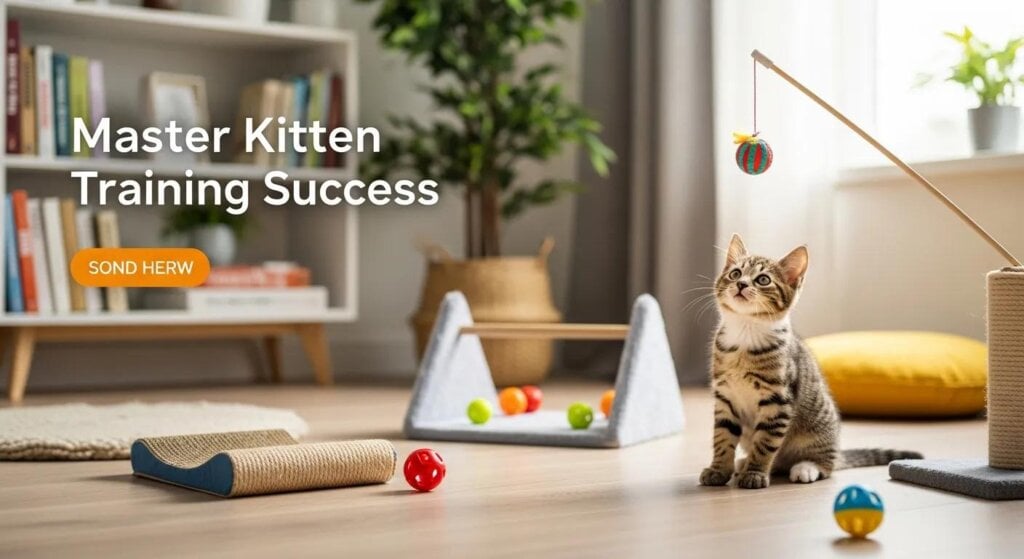
Good training starts with the right gear. The essentials include a reliable litter box, a sturdy scratching post, toys that spark play, and a few training tools. Each item supports healthy behaviors and makes learning easier for your kitten.
- Litter Box: Keep it clean and easy to climb into so your kitten learns where to go without stress.
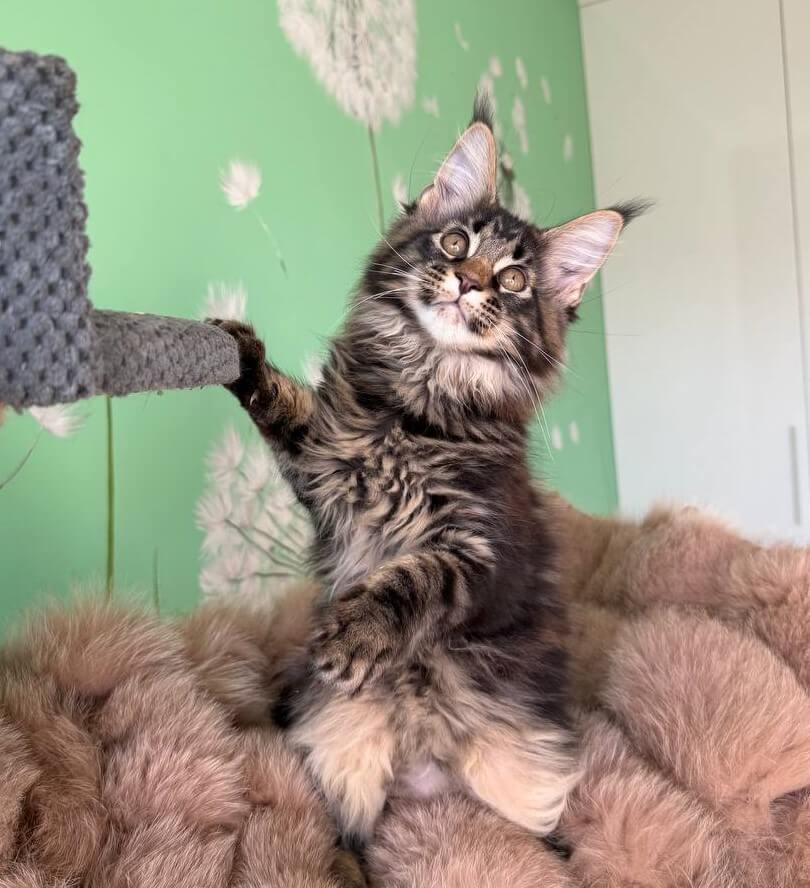
- Scratching Post: Offer satisfying surfaces so your kitten scratches safely instead of your furniture.
- Interactive Toys: Toys that move or hide treats help build hunting skills and keep your kitten mentally sharp.
| Item | Purpose | Benefits |
|---|---|---|
| Litter Box | Toilet training | Shows where to eliminate and keeps messes contained |
| Scratching Post | Redirects scratching | Protects furniture and keeps claws healthy |
| Interactive Toys | Encourages play | Burns energy and reduces boredom |
Choosing quality items saves time and frustration. Small investments in the right supplies make training faster and more pleasant for both of you.
Which Training Tools Help with Litter Box and Behavior Training?
Some tools make litter training and behavior work a lot easier. Low-sided boxes let kittens climb in and out without trouble. A fine, unscented litter is usually less intimidating. For stress or marking issues, synthetic feline pheromone sprays can create a calm, familiar scent that encourages the right behavior.
For teaching behaviors, clickers are a simple, reliable aid. Click to mark the exact moment your kitten does something right, then follow with a small treat. That clear signal speeds learning and is especially handy for teaching commands and tricks.
How Do Interactive Toys and Scratching Posts Support Positive Training?
Interactive toys channel natural hunting instincts into play, giving kittens a safe outlet for energy and curiosity. That lowers the chance of destructive behavior. Scratching posts satisfy the need to scratch and help maintain claw health while keeping your furniture intact.
Use these tools consistently and they’ll reinforce good habits without stress — play and structure are training in disguise.
How Can You Effectively Litter Train Your Kitten?
Litter training is often the first skill your kitten learns. The key is a calm setup, clear routine, and patient repetition so the right behavior becomes habit.
What Are the Best Practices for Introducing a Kitten to the Litter Box?
After meals and naps, gently place your kitten in the litter box — those are the most likely times they’ll need to go. Pick a quiet, easy-to-access spot and an unscented, soft litter so your kitten isn’t put off. Keep the box clean: kittens are much more likely to use a tidy tray.
How to Handle Common Litter Box Challenges and Accidents?
Accidents happen, and scolding only makes things worse. Clean soiled areas thoroughly to remove odors, and check whether the box is the right size, in the right spot, and cleaned often enough. If problems keep coming up, try a different litter or move the box to a calmer location. Patience and consistency are your best tools.
What Are the Best Strategies for Socializing a New Kitten?
Socializing shapes a kitten’s confidence. Gentle, regular exposure to people, pets, and new experiences helps kittens grow into relaxed, friendly adult cats.
How to Introduce Your Kitten to People and Other Pets Safely?
Take introductions slow. Let your kitten come forward on their own timetable, supervise all meetings, and reward calm interactions with treats or a favorite toy. Short, positive encounters build trust faster than overwhelming your kitten with too much at once.
Why Is Early and Consistent Socialization Important for Kitten Confidence?
Early social experiences reduce fear and set the tone for adult behavior. Kittens exposed to varied, gentle handling and stimulation during their critical socialization window (between 2 and 7 weeks of age) tend to be less anxious and better adjusted later on.
Research shows that experiences during a kitten’s sensitive socialisation period have lasting effects on behavior and welfare.
Kitten Socialization: Critical Period & Effective Practices
Many companion kittens entering shelters are fostered by volunteer community members during the sensitive period for socialisation (~2 to 9 weeks of age) when early experiences are critical to behavioural development. Using a mixed-method survey, we explored current fostering practices relevant to kitten behavioural development and welfare. Foster caretaker participants (n = 487) described their fostering practices and reported providing kittens with a majority of recommended socialisation experiences, such as handling and exposure to various toys and exploratory items.
Understanding kitten fostering and socialisation practices using mixed methods, C Graham, 2024
How Does Positive Reinforcement Enhance Kitten Training Success?
Positive reinforcement works because it teaches kittens what you want them to do — not just what to avoid. Rewards build a clear, friendly link between behavior and outcome, and they make training fun for both of you.
What Are Effective Reward-Based Techniques for Teaching Desired Behaviors?
Use small treats, warm praise, and short play sessions as rewards. When your kitten uses the litter box or follows a cue, reward immediately so the connection is obvious. Consistent, timely rewards speed learning and encourage repeat behavior.
How to Use Clicker Training and Treats to Encourage Good Habits?
Clicker training marks the exact moment your kitten does something right, then a treat seals the lesson. Short, focused sessions — a few minutes each day — work best. This method clarifies what’s rewarded and makes teaching tricks and commands straightforward.
If you want a step-by-step approach, there are helpful guides that walk you through clicker training from the very first session.
Clicker Training for Cats: Benefits & Getting Started
In this chapter, we’ll walk through everything you need to know about clicker training your cat, including how clicker training works, its benefits, and what you need to get started.
How to Clicker Train Your Cat: A Step-by-Step Guide to Teaching New Skills and Fun Tricks in 15 Minutes a Day, 2025
How Do You Address Common Kitten Behavior Issues During Training?
Behavior hiccups are normal. With the right redirection and consistency, most problems can be managed without stress.
What Are Gentle Ways to Stop Biting and Scratching?
If your kitten nips or claws during play, swap your hand for a toy so they learn play is for toys — not people. Say “no” calmly if needed, then immediately offer the toy. Over time, they’ll learn proper play etiquette.
How to Redirect Playful Aggression and Encourage Safe Play?
Provide plenty of interactive toys to let your kitten stalk, chase, and pounce safely. Wand toys and laser pointers keep your hands out of the action while satisfying hunting instincts. Finish play sessions with a treat or a calm pet to reinforce good behavior.
How Can You Prepare and Kitten-Proof Your Home for Training Success?
A safe, predictable space helps kittens explore and learn without risk. Kitten-proofing is as much about removing temptations as it is about offering safe alternatives.
What Are the Key Safety Measures to Protect Your Kitten and Home?
Keep toxic plants, chemicals, and small objects well out of reach. Block off risky areas with baby gates when needed, and secure loose cords so curious kittens can’t chew them. A safer home means more confident exploring and fewer accidents.
Which Household Hazards Should You Remove or Secure Before Training?
Before your kitten arrives, tuck away cleaning supplies, medications, and anything small enough to swallow. Think ahead about loose strings, open windows, and accessible trash — removing hazards prevents accidents and keeps training on track.