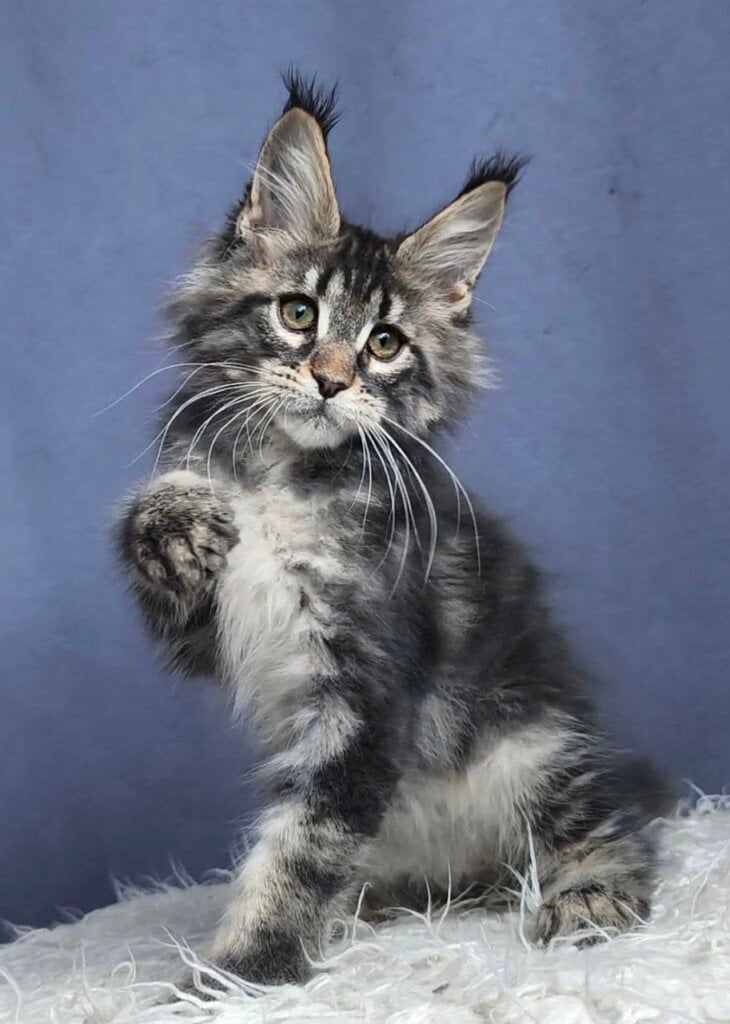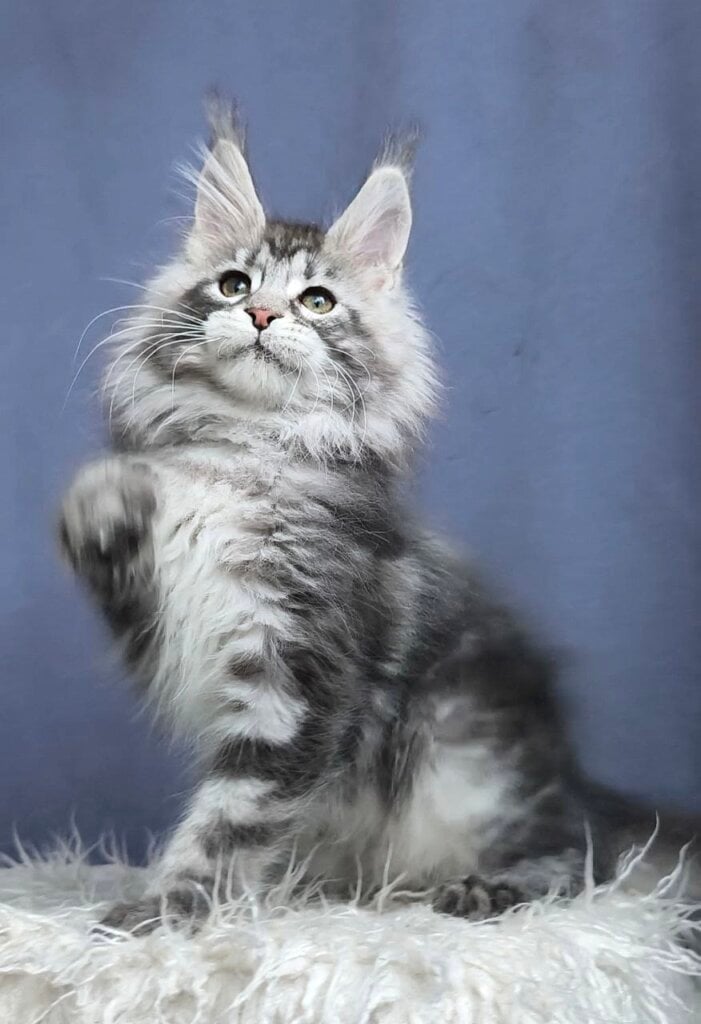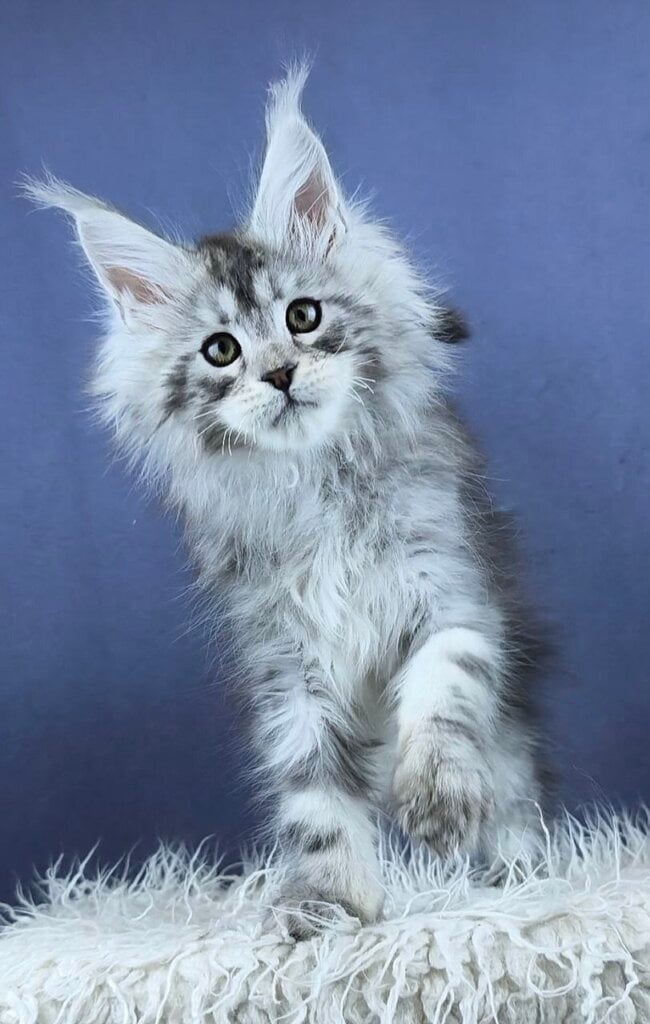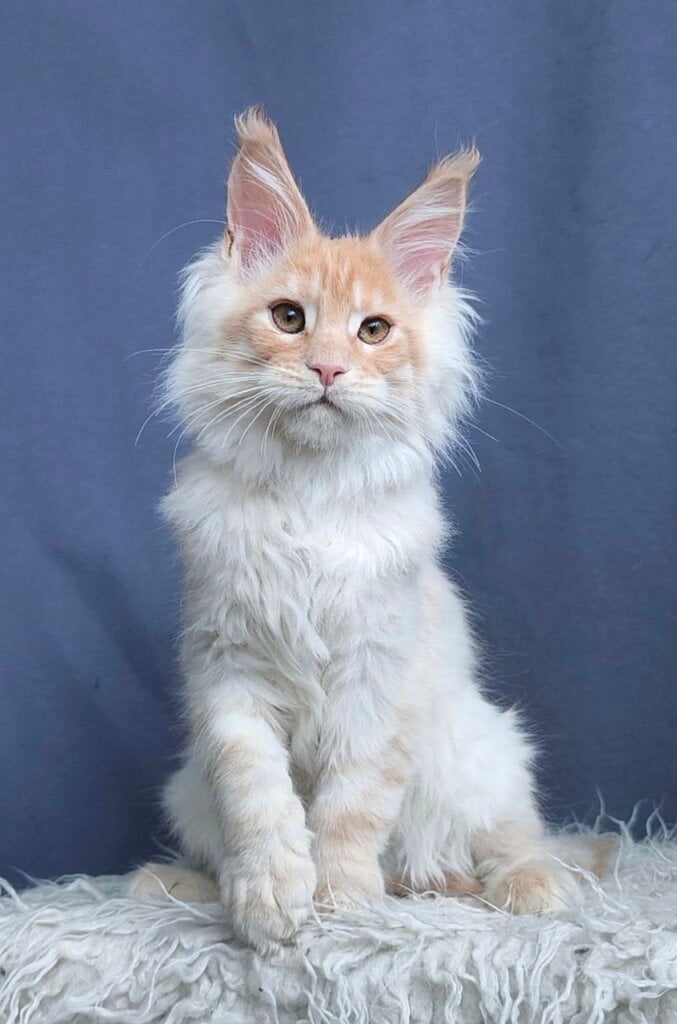

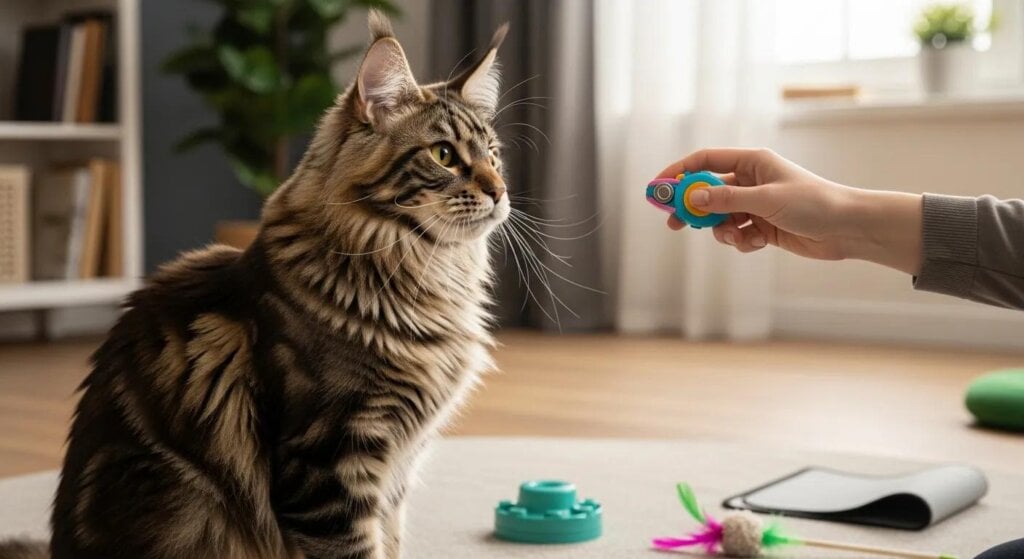
Master Maine Coon Training Tips
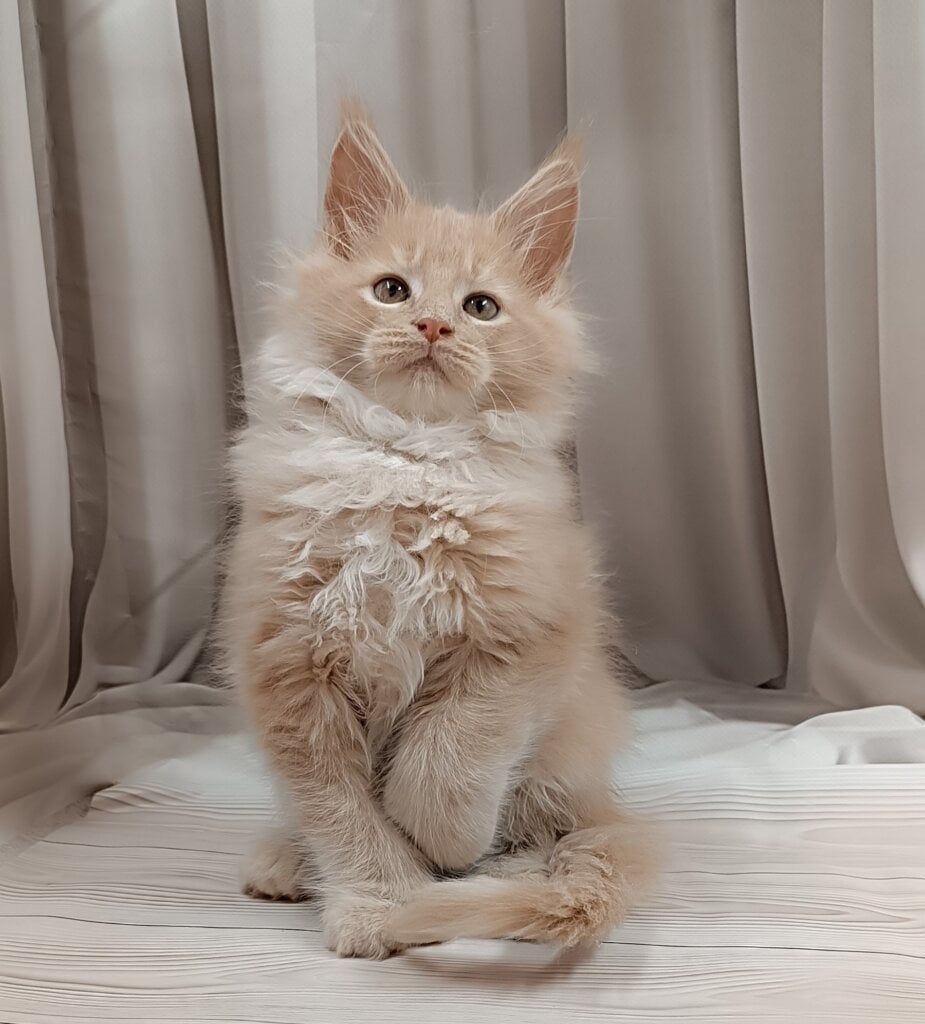
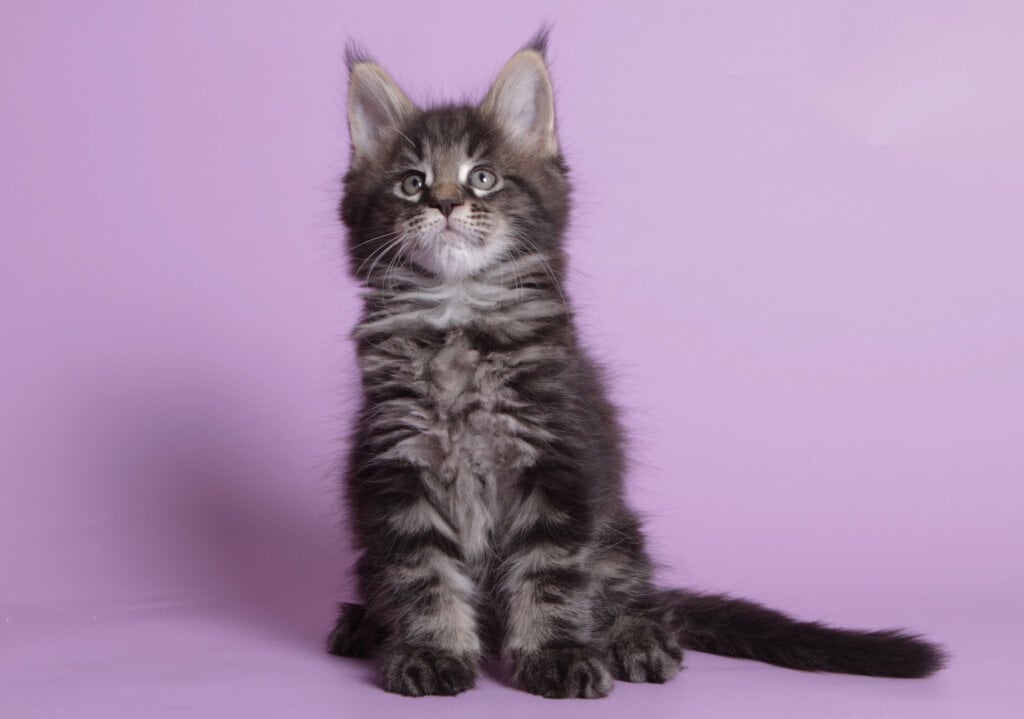
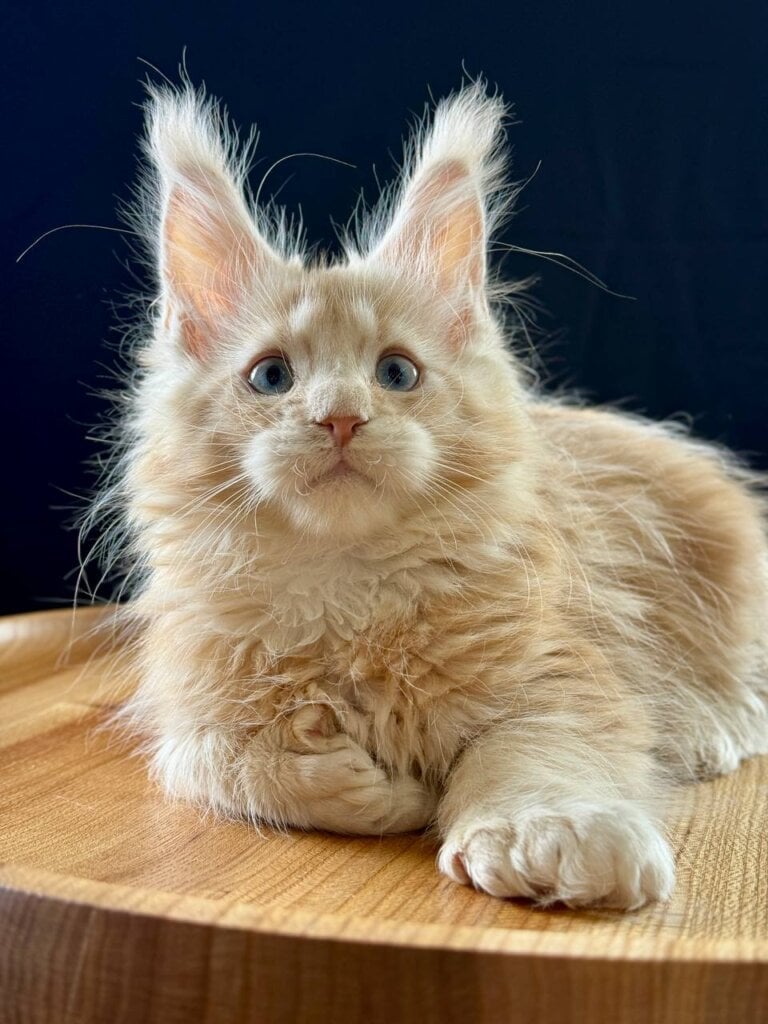
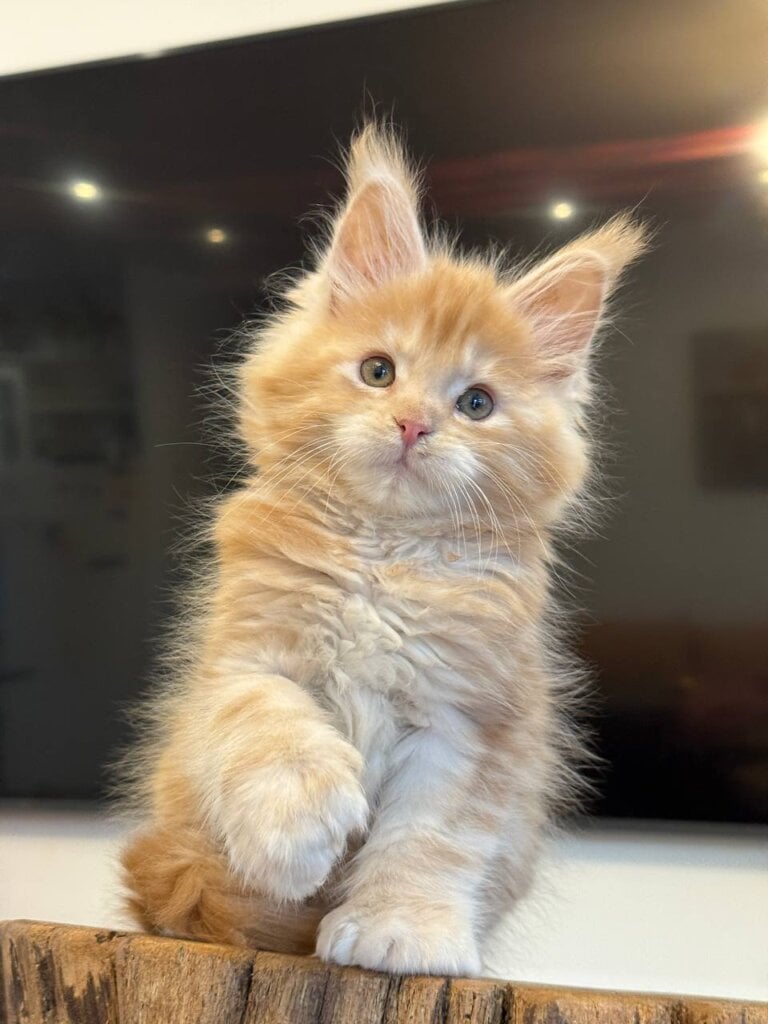
Training a Maine Coon kitten is rewarding — they are typically intelligent and social. Understanding their behavior makes training more effective. This article offers practical guidance on socialization and obedience. New owners often struggle to bond and establish good habits; the right strategies help you create a calm, positive home that encourages good behavior. We cover socialization stages, positive reinforcement, solutions for common issues, and how champion bloodlines can influence temperament.
Further studies examine Maine Coon-specific behavior and communication patterns.
Understanding Maine Coon Cat Behavior & Communication
Examines cat–human communication and cat behaviour across three common household management situations, including a sample of ten Maine Coons.
Evaluation of Maine Coon cat behavior during three different management situations, S Mattiello, 2020
How do you start training a Maine Coon kitten effectively?
Begin by learning your kitten’s needs. Early training lays the foundation for adult behavior. Introduce simple cues — name, recall and short signals — in brief, positive sessions. Cats usually respond better to their name and concise cues than to dog-style commands. Socialisation helps kittens feel comfortable with people, places and other pets.
What are the key socialization stages for Maine Coon kittens?
Socialisation occurs in sensitive windows. From about 2 to 7 weeks kittens are most open to new experiences; gentle handling and varied sights and sounds help. From 7 to 14 weeks they need interaction with people and other animals. Play and positive exposure build confidence and reduce fear.
Research further emphasizes the importance of early socialization for a kitten’s behavioral development.
Kitten Socialization Practices & Behavioral Development
Reports that many shelter kittens are fostered during the sensitive socialisation period (~2 to 9 weeks). A mixed-method survey of 487 foster caretakers found most provided recommended socialisation experiences—handling, toys and exploratory items—and described adaptations for fearful kittens and barriers to proper socialisation.
Understanding kitten fostering and socialisation practices using mixed methods, C Graham, 2024
How does positive reinforcement improve Maine Coon training success?
Positive reinforcement rewards desired behavior with treats, praise or play. Rewarding a specific action helps kittens learn to repeat it. This accelerates learning and strengthens your bond, making training more enjoyable for both of you.
The effectiveness of positive reinforcement in feline training is well-documented in various studies.
Positive Reinforcement Training Methods for Cats
Summarises three positive reinforcement approaches and how they may affect learning.
Comparison of positive reinforcement training in cats: A pilot study, RB Stratton, 2017
What are the best techniques for correcting common Maine Coon kitten behaviors?
Correcting behavioral issues requires patience and consistency. Common problems include furniture scratching and litter training lapses.
How to address scratching and litter training issues?
Provide sturdy scratching posts and reward their use. If your kitten scratches furniture, calmly redirect them to the post and reward them when they use it. For litter training, keep the box clean, accessible and in a quiet spot. Place the kitten in the box after meals and after waking to reinforce the routine.
What are effective cat obedience tips for Maine Coons?
Keep sessions short and consistent. Teach name response and recall using treats and play. Stay calm and positive — that helps your kitten stay engaged and learn faster.
How does champion bloodline influence Maine Coon temperament and training?
Champion bloodlines can shape temperament and trainability. Selective breeding often favors confidence, sociability and intelligence, which may make training easier.
What temperament traits are typical in champion bloodline Maine Coons?
Champion-line kittens often show friendliness, curiosity and a playful nature. Those traits make them more adaptable to training. Tailoring methods to each kitten’s personality improves results.
How to tailor training methods to champion lineage kittens?
Recognise their traits and use engaging, interactive exercises to keep smart kittens stimulated. Adding play into training sustains interest and improves success.
What essential care supports successful Maine Coon behavior training?
Good care underpins effective training. Health and nutrition directly affect a kitten’s readiness to learn.
How does health and nutrition impact kitten training outcomes?
A balanced diet supports physical growth and cognitive development. Provide high-quality proteins, essential fatty acids and vitamins to support growth and brain function. Healthy kittens have more energy and focus for training.
What is the recommended kitten pick-up process and early care?
When bringing a new Maine Coon kitten home, set up a safe, calm space. The pick-up process should be gentle so the kitten can acclimate slowly. Offer a quiet area with bedding, food and water. Early care — regular vet check-ups and vaccinations — is vital for a healthy start.
Socialisation, positive reinforcement and attention to bloodline traits all contribute to raising a well-behaved Maine Coon. Consistent care and training help you build a loving, obedient companion.
If you’re looking for a Maine Coon, you might want to check out Maine Coons for sale.
| Aspect | Importance | Impact on Training |
|---|---|---|
| Health | Essential for development | Affects energy and focus |
| Nutrition | Supports cognitive function | Enhances learning ability |
| Early Care | Establishes comfort | Reduces stress and anxiety |
This table shows how care aspects influence training outcomes and highlights the need for a holistic approach to raising Maine Coon kittens.