
Questions to Ask When Buying Kittens
Essential Questions to Ask When Buying Kittens: A Complete Guide for Responsible Buyers
Bringing a kitten into your home is exciting, but asking the right questions beforehand prevents common problems and ensures a healthy, well-adjusted companion. This guide teaches what to ask breeders and sellers, how to evaluate health and temperament, which contract terms protect you, and how to prepare your home for a smooth transition. Asking targeted questions reduces the risk of hereditary disease, undisclosed medical history, and poor early socialization by revealing documentation, screening, and daily care practices. The following sections walk through breeder evaluation, kitten health and welfare, temperament and socialization checks, post-purchase support, red flags to avoid, breed-specific question checklists, and home-preparation essentials. Along the way you’ll find checklists, comparison tables, and short lists optimized for quick answers on “questions to ask before buying a kitten” and “red flags when buying a kitten.” For buyers seeking a real-world example of best practices, MeoWoff Kittens is cited sparingly as an illustration of responsible breeder attributes such as WCF-registered sourcing, comprehensive health checks, a one-year genetic health guarantee, and post-purchase support.
What Should You Ask to Evaluate a Responsible Kitten Breeder?
Evaluating a breeder means checking credentials, cattery conditions, paperwork and guarantees to verify ethical breeding and healthy kittens. A responsible breeder documents registration or membership with recognized organizations, performs health screenings, and provides transparent records; these practices reduce genetic disease risk and improve long-term welfare. Requesting proof of parent health clearances, vaccination records, and a written contract clarifies responsibility and remedies if problems arise. Below are top practical questions to start screening breeders and an EAV-style table to compare breeder attributes, what to request, and red-flag responses.
The top six questions to ask a breeder are:
- Are the parents registered with a recognized organization and can you show registration numbers?
- What health screenings have been done on the parents and what documentation can you provide?
- May I see the kittens with their mother and view the cattery or virtual tour?
- What vaccines, deworming, and veterinary checks has the kitten received and when?
- Is there a written contract, genetic health guarantee, and a return/rehoming policy?
- Can you provide recent buyer references and a veterinary reference?
These core questions lead into verifying specifics such as registration documents and contract terms, which are covered in the table below before guidance on interpreting answers.
| Breeder Credentials | What to Request | Example of a Red Flag |
|---|---|---|
| Registration & Memberships | Registration numbers, membership proof (WCF or similar) | No registration shown or vague registration claims |
| Health Screenings | Copies of parental genetic tests and recent vet checks | No test documents or evasive answers about tests |
| Transparency & Access | In-person or virtual tour, photos of living conditions | Refusal to allow visits or show parents |
| Contracts & Guarantees | Written sales contract, clear genetic health guarantee | No contract or only verbal promises |
| References & Reviews | Contact details for recent buyers and vet reference | No references or inconsistent reviews |
This comparison clarifies which attributes indicate a reputable breeder and which responses should trigger further investigation. Use these items to build a short verification checklist before committing to a purchase.

How Do You Verify a Breeder's Reputation and Experience?
Verifying reputation means confirming verifiable credentials and triangulating those claims with independent sources and references. Ask for registration numbers from recognized federations, a veterinary reference who has examined the cattery, and contact information for recent buyers; cross-check online reviews for patterns rather than single comments. A strong sign of experience is transparent, consistent documentation and willingness to answer technical health questions about genetics and pedigrees. If references corroborate vaccination and screening claims and the breeder welcomes a visit, that strengthens confidence and reduces the chance of hidden problems.
What Are the Key Questions About Cattery Conditions and Transparency?
Cattery conditions affect early socialization and disease exposure, so ask to see where kittens live and play, either in person or via a recent virtual tour or photos. Request details on daily routines, enrichment, litter training methods, and sanitation practices; clean, enriched environments with frequent human handling foster better temperament. Transparency includes clear answers about housing (indoor vs. mixed), separation of litters, and quarantine practices for sick animals. If the breeder hesitates to show living spaces or provide recent images, treat that as a serious concern and probe further.
Which Health Guarantees and Contracts Should You Expect?
Expect a written contract that outlines the genetic health guarantee, the duration and scope of coverage, and the breeder’s return or rehoming policy; these terms define remedies if hereditary disease appears. A common best-practice example is a one-year genetic health guarantee covering hereditary conditions and a clause requiring the breeder be contacted first if rehoming is necessary. Ask what steps are required to validate a claim (vet diagnosis, timeline) and whether refunds or replacements are offered under specific conditions. Vague or absent contractual terms are a major red flag and reduce legal recourse if issues arise.
How Can References and Reviews Help You Choose a Reputable Breeder?
References and reviews let you validate the breeder’s claims about temperament, health outcomes, and follow-up support by hearing from real owners and vets. Ask past buyers about the kitten’s initial health, how accurate breeder descriptions were, and whether the breeder provided support during the transition. Contact the breeder’s veterinarian to confirm routine care and any past concerns, and look for patterns across multiple reviews rather than relying on a single praise or complaint. Consistent praise for transparency and aftercare indicates reliability; repeated reports of unexpected medical issues or secretive practices should prompt caution.
What Are the Most Important Questions About Kitten Health and Welfare?
Understanding health and welfare requires inspecting physical signs, vaccination and parasite histories, genetic screening, and appropriate rehoming age. Healthy kittens show clear eyes, clean ears, normal breathing, appropriate weight gain, and lively play; these signs are immediate indicators of well-being. Request vaccination records specifying vaccines and dates, deworming logs, and any genetic testing performed on parents or kittens; this documentation informs early veterinary care and risk management. The EAV table below summarizes core health items, recommended standards, and documentation you should expect to receive.
| Health Item | Recommended Standard / Age | What to Expect / Documentation |
|---|---|---|
| Vaccinations | FVRCP series started by 6-8 weeks; Rabies per local law | Record listing vaccine name, date, lot number, and next due date |
| Deworming & Parasite Control | Deworming every 2-3 weeks until appropriate age; flea/tick prevention as advised | Vet or breeder records showing deworming dates and products used |
| Genetic Screening | Breed-relevant screenings on parents (e.g., HCM testing for specific breeds) | Copies of parental genetic test reports or certificates |
| Veterinary Exam | Pre-adoption vet check and health certificate | Signed vet exam note with findings and any treatment |
| Microchipping & ID | Microchip recommended before transfer | Microchip number and registration information |
How Can You Identify the Signs of a Healthy Kitten?
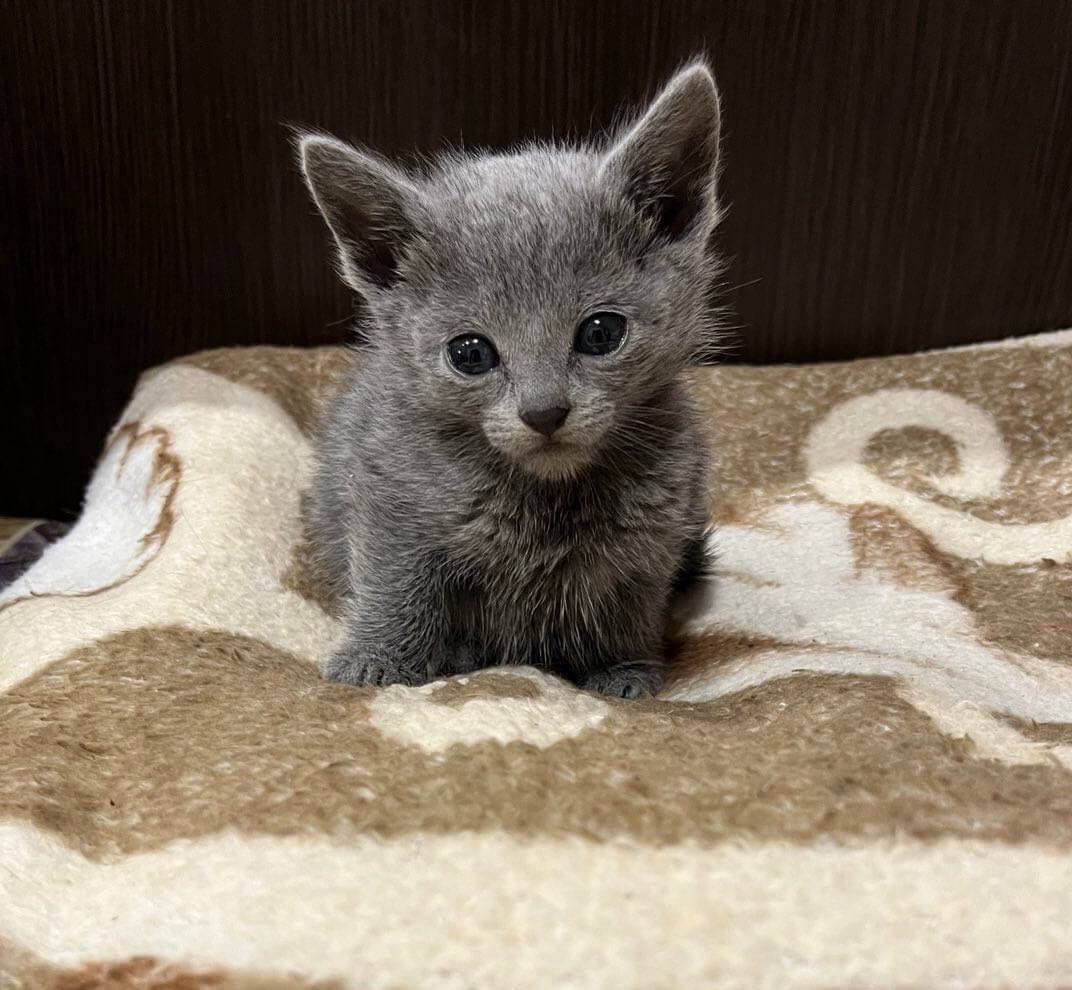
A healthy kitten demonstrates both physical and behavioral markers: bright, clear eyes; clean ears; a shiny coat; steady weight gain; and active, curious play. Behaviorally, alertness, sociability, and normal responses to handling indicate good welfare and early socialization. Check for normal breathing, no nasal or ocular discharge, and clean anal and genital areas as visible signs of parasite-free status. If any of these indicators are lacking, request a veterinary assessment before purchase and consider it a reason to delay or decline the adoption.
What Vaccinations and Parasite Controls Should the Kitten Have?
Standard preventive care usually includes the FVRCP vaccine series beginning around six to eight weeks, subsequent boosters at recommended intervals, and rabies vaccination according to local regulations. Deworming protocols typically begin in early weeks and continue at scheduled intervals; records should list dates and products used. Ask the breeder for vaccine names, dates, and the administering veterinarian’s contact; this ensures continuity with your new vet and avoids unnecessary repeat dosing. Proper parasite control and documented vaccines reduce infectious risk and support a healthy start in the new home.
Why Is Genetic Health Screening Important and What Tests Are Needed?
Genetic screening reduces hereditary disease risk by identifying carriers or affected parents and allowing breeders to avoid at-risk pairings. For purebred kittens, tests vary by breed—examples include cardiomyopathy screens or breed-specific DNA tests—and reports should be available for both parents. Understanding whether a parent is “clear,” “carrier,” or “affected” informs long-term care expectations and breeding ethics. If a breeder cannot provide parental test results for breeds with known issues, treat that absence as a potential red flag.
What Is the Ideal Age for Rehoming a Kitten?
The recommended rehoming window balances weaning, social learning, and medical readiness—typically not before eight to twelve weeks of age. Remaining with the mother and littermates through this period supports bite inhibition, social skills, and basic behavioral development. Medical milestones such as initial vaccinations, deworming, and early vet checks are usually complete or underway by this age, enabling a smoother transition. If a breeder pressures for an earlier pickup, ask why and seek veterinary or welfare advice before proceeding.
How Do You Assess Kitten Temperament and Socialization Before Buying?
Temperament and socialization predict how a kitten will adapt to family life and require questions about handling, exposure, and observed behaviors. Assessing temperament involves asking the breeder targeted questions and observing the kitten’s reactions to gentle handling, novel toys, and human voices. Early socialization practices like regular human contact, exposure to household sounds, and supervised interactions with other animals create resilient adult cats. The following H3s provide specific question phrasing, explain socialization stages, and show why seeing parents and littermates matters for behavioral prediction.
What Questions Reveal a Kitten's Personality Traits?
Ask the breeder about the kitten’s typical daily behavior, play style, reaction to strangers, and response to handling; these specific queries reveal energy level and sociability. Request recent behavior notes and, if possible, a short video showing the kitten playing, being held, and interacting with littermates; focus on confidence versus fear responses. Inquire whether the kitten seeks human attention or prefers independent exploration, which helps match energy levels to household expectations. Concrete answers and observational evidence let you anticipate whether a kitten fits well with children, other pets, or apartment living.
How Is Early Socialization Conducted and Why Does It Matter?
Early socialization uses staged exposure to handling, varied sounds, and controlled interactions with people and other animals to build confidence and reduce future fear-based behaviors. Breeders should describe specific practices: regular gentle handling, play routines, and brief introductions to household noises such as vacuums or doorbells. Well-documented socialization promotes friendly adult temperament and simplifies training, litter habits, and vet visits. Ask the breeder for examples of socialization exercises they use and the age windows when these exposures occurred.
Kitten Fostering and Socialization Practices for Behavioral Development
Many companion kittens entering shelters are fostered by volunteer community members during the sensitive period for socialisation (~2 to 9 weeks of age) when early experiences are critical to behavioural development. Using a mixed-method survey, we explored current fostering practices relevant to kitten behavioural development and welfare. Foster caretaker participants (n = 487) described their fostering practices and reported providing kittens with a majority of recommended socialisation experiences, such as handling and exposure to various toys and exploratory items. In open-ended text responses, foster caretakers described how they adapted socialisation practices for fearful kittens and the supports and challenges they perceived to impact their ability to properly socialise kittens. Some non-recommended techniques (e.g. flooding) were reported for socialising fearful kittens, with a decreased odds of reporting non-recommended techniques for participants with a higher level
Understanding kitten fostering and socialisation practices using mixed methods, C Graham, 2024
Why Should You Ask About the Kitten's Interaction with Parents and Littermates?
Interactions with parents and littermates teach essential social skills like bite inhibition, body language, and play rules that carry into adulthood. Observing how a kitten plays and communicates with siblings helps gauge impulse control, aggression tendencies, and cooperative behaviors. Parental temperament also signals likely temperament traits and potential hereditary behavioral patterns. If a breeder cannot show parents or describes isolated rearing, probe further because social deficits often emerge later as behavioral challenges.
What Post-Purchase Support and Care Should You Expect from a Breeder?
Adequate post-purchase support includes starter kit items, clear transition advice, ongoing access for questions, and a return or rehoming policy to protect the kitten’s welfare. A supportive breeder supplies vaccination and vet records, diet information, a sample of the kitten’s current food, and guidance on the first-week plan; these items reduce stress and promote continuity of care. Good breeders also offer follow-up communication and will assist with rehoming if circumstances change rather than abandoning responsibility. Below is a recommended starter kit checklist and a short table comparing support elements buyers should expect.
A typical starter kit and support checklist includes the following essentials:
- A copy of vaccination and deworming records and any genetic test reports.
- A small sample of the kitten’s current food and a recommended feeding schedule.
- A transitional blanket or toy with the scent of the mother and littermates.
- Written transition tips including first-week introductions and vet timing.
This starter kit helps stabilize the kitten during the critical early days and gives your veterinarian the records needed for continuity of care.
| Support Element | What Should Be Provided | Buyer Benefit |
|---|---|---|
| Starter Kit | Food sample, bedding, health records | Easier diet transition and reduced stress |
| Transition Guidance | Feeding schedule, litter training tips, first-week plan | Faster settling and fewer behavioral issues |
| Ongoing Contact | Post-adoption check-ins and availability for questions | Early problem-solving and fewer emergencies |
| Return/Rehoming Policy | Clear terms for returns and rehoming assistance | Long-term welfare safety net |
What Should Be Included in a Kitten Starter Kit and Transition Advice?
A starter kit should contain a small bag of the kitten’s current food, a transitional blanket or toy carrying familiar scents, vaccination records, and a written feeding and litter training plan. Provide a first-week schedule recommending quiet time, safe-space setup, and gradual introduction to household members and pets. Include contact details for the breeder’s preferred veterinarian and explicit instructions on when to schedule the first post-adoption vet visit. This practical support shortens adjustment time and gives your vet the documentation needed to continue preventive care.
How Does Ongoing Support and Return Policies Protect You and Your Kitten?
Ongoing breeder support means accessible advice, check-ins after adoption, and clear rehoming steps if problems arise; these safeguards protect both owner and animal. A written return or rehoming policy that requires the breeder to be contacted first ensures kittens are not surrendered to uncertain situations and that medical or behavioral concerns are addressed responsibly. Knowing the breeder remains available reduces the financial and emotional risk associated with unexpected health issues. If a breeder refuses any ongoing responsibility, reconsider the adoption.
Why Is Veterinary Follow-Up Important After Adoption?
A first veterinary visit within 48–72 hours after adoption confirms the kitten’s health status, updates vaccines if needed, verifies deworming, and establishes microchipping and spay/neuter plans. Bring vaccination records, genetic test reports, and any breeder notes so your vet can build a continuous care plan tailored to breed-specific needs. Early vet follow-up detects issues that may not be apparent to the untrained eye and allows prompt intervention. Regular check-ins set the foundation for preventive care and long-term health tracking.
What Are the Red Flags to Watch Out for When Buying a Kitten?
Red flags signal unethical breeding or hidden health and socialization problems; knowing them helps you avoid scams and welfare issues. Key warning signs include lack of paperwork, pressure sales tactics, refusal to show parents or the cattery, and inconsistent or evasive answers about health testing. Health and socialization red flags include lethargy, discharge, extreme fear, or aggressive behavior, any of which warrant a veterinary evaluation. Below is a focused list of red flags and a short guide to contract issues to avoid.
Common breeder and acquisition red flags:
- No written contract or health guarantee offered.
- Refusal to show parents or allow a visit.
- Pressure to buy immediately or payment methods that bypass standard protections.
- Missing or inconsistent vaccination and deworming records.
These red flags should trigger caution, further questioning, or walking away.
Which Warning Signs Indicate an Unethical or Irresponsible Breeder?
Unethical breeders often withhold paperwork, avoid in-person visits, use high-pressure sales tactics, or refuse to provide references and veterinary contacts. If a seller demands immediate payment without a contract or requests secrecy, treat this as a red flag. Ethical breeders welcome scrutiny, provide documentation willingly, and prioritize the kitten’s long-term welfare over a quick sale. Always insist on a written agreement and verifiable references before finalizing a transaction.
How Can You Spot Health or Socialization Problems in a Kitten?
Look for physical warning signs like nasal or eye discharge, poor grooming, thin body condition, labored breathing, or persistent diarrhea; these often indicate illness or parasite burdens. Behaviorally, excessive fear, lack of curiosity, or severe aggression can suggest poor socialization or neurological/health issues. Ask for a veterinary evaluation if you notice any of these signs, and never accept a kitten without clear health documentation. Early detection prevents long-term suffering and costly vet care.
What Contract or Guarantee Issues Should Raise Concerns?
Vague guarantees, no specified timeframe for genetic coverage, or absence of a return/rehoming policy are contract red flags. A robust contract clearly states what conditions are covered under a genetic health guarantee, required steps for claims, and the breeder’s obligations if problems arise. Avoid agreements lacking written timelines, specific remedies, or clauses that absolve the breeder from responsibility. If necessary, request contract revisions or seek legal advice before signing.
How Should You Tailor Your Questions Based on Specific Kitten Breeds?
Breed-specific questions focus on known health risks, temperament tendencies, grooming needs, and expected adult size or energy level. Different breeds require targeted genetic tests and management plans; asking the right questions uncovers risk factors and informs lifelong care. Below is an EAV-style breed comparison using commonly sold purebreds to map breed concerns and tests to request. MeoWoff Kittens’ breed list is used as an illustrative example of how to map breed-specific queries without endorsing a vendor beyond its documented practices.
| Breed | Key Health / Temperament Concern | Tests / Questions to Ask |
|---|---|---|
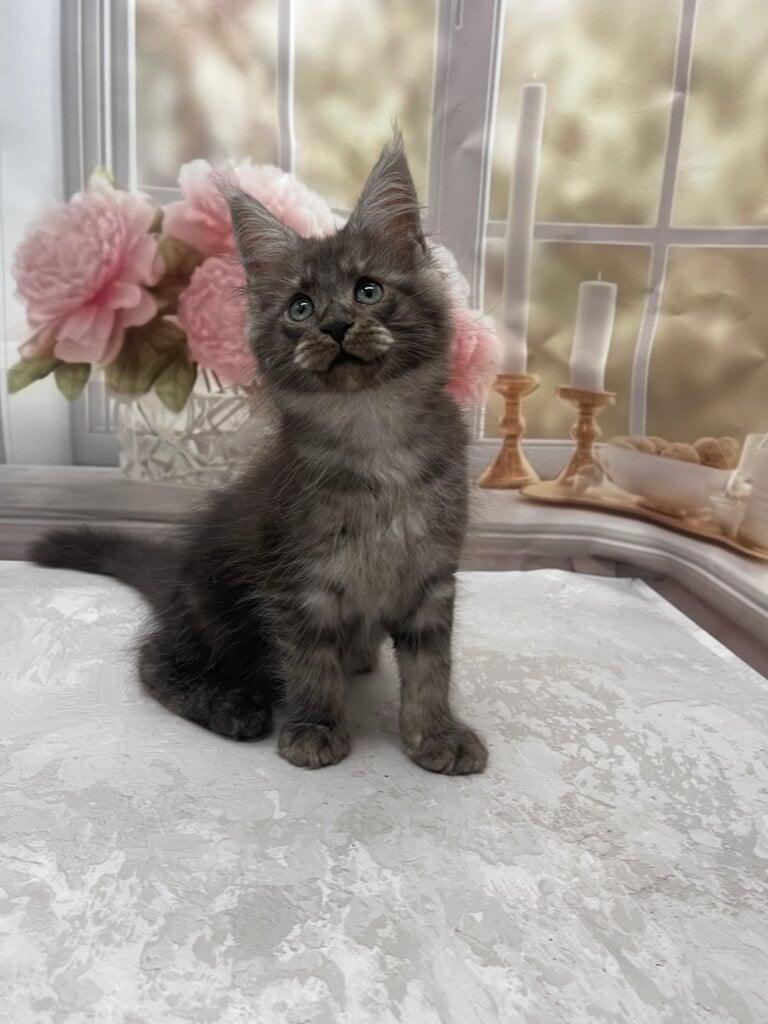
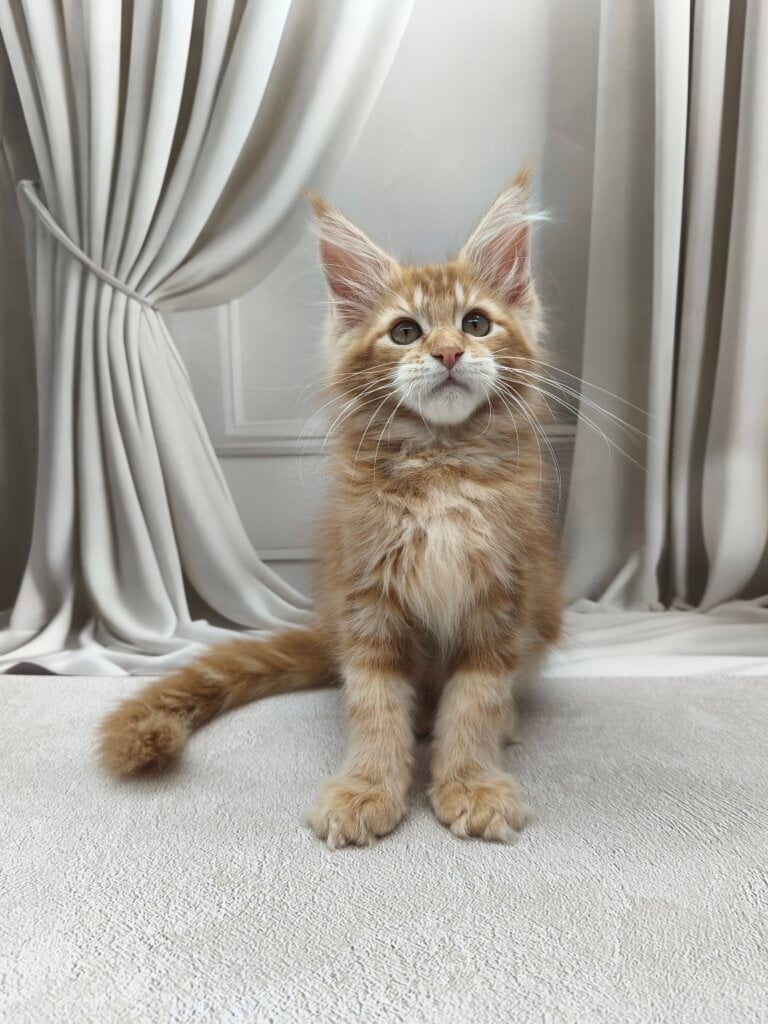
| Maine Coon | Hypertrophic cardiomyopathy (HCM), large adult size | Ask about parental HCM screening and expected adult weight/grooming needs |
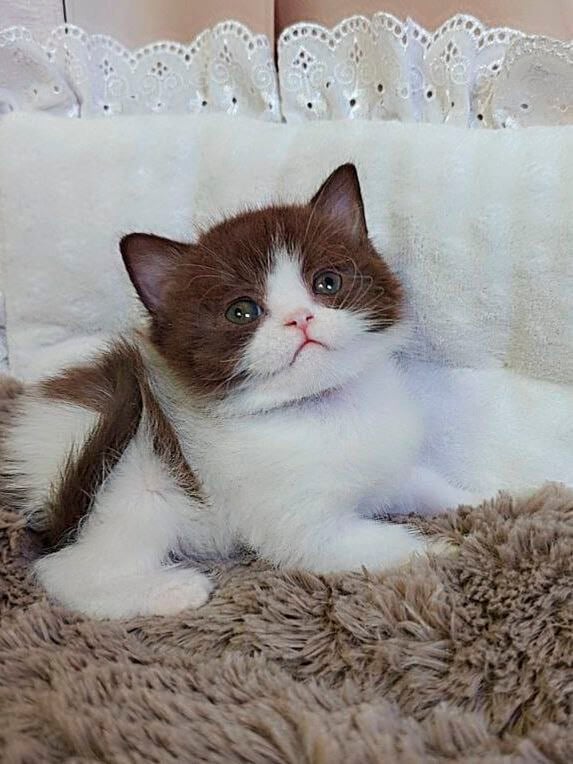
| British Shorthair | Tendency to weight gain, dental and maintenance needs | Ask about weight-management recommendations and dental check history |
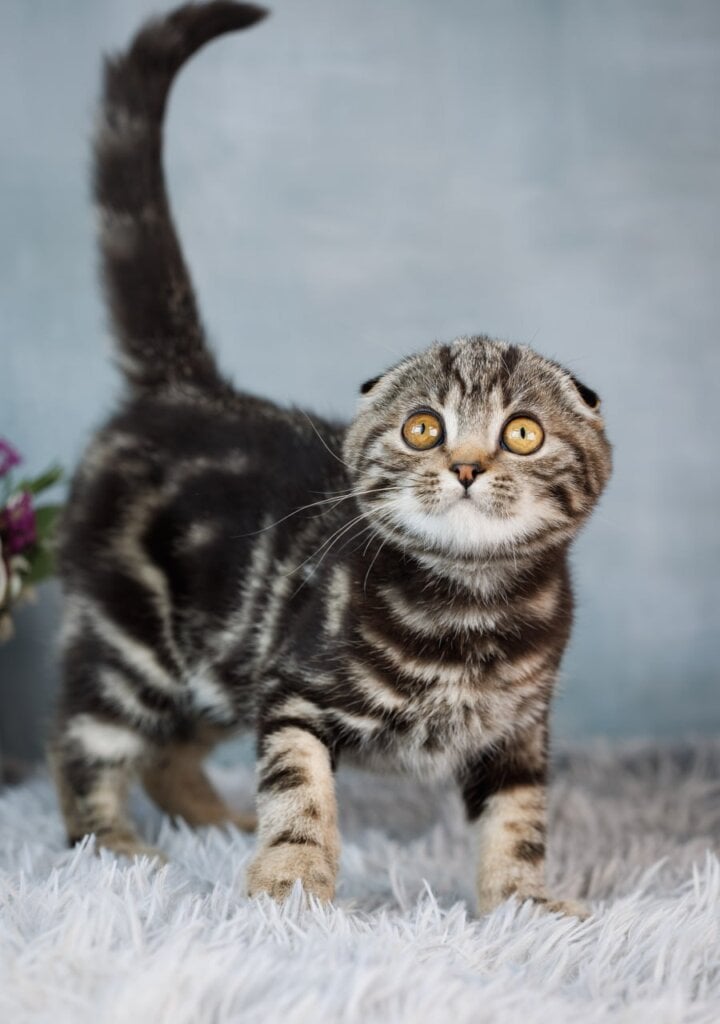
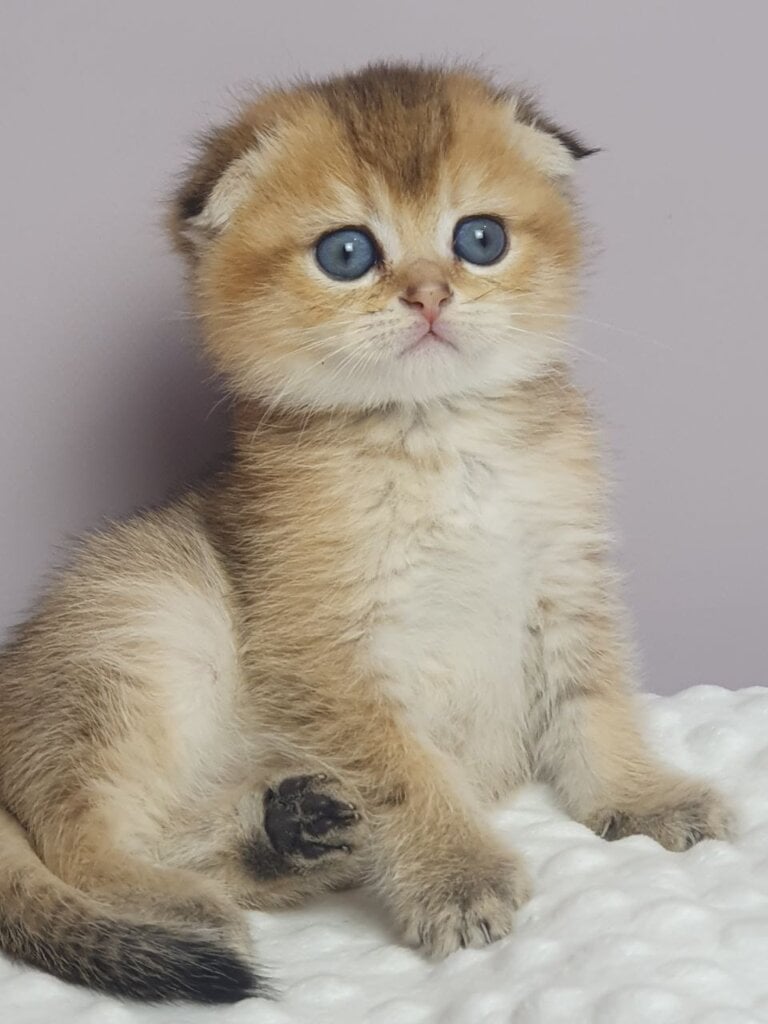
| Scottish Fold | Osteochondrodysplasia risk related to ear-fold genetics | Ask about parental fold genetics, orthopedic screening, and ethical breeding choices |
| Ragdoll | HCM risk and high sociability | Ask about parental HCM testing and extent of early handling/socialization |
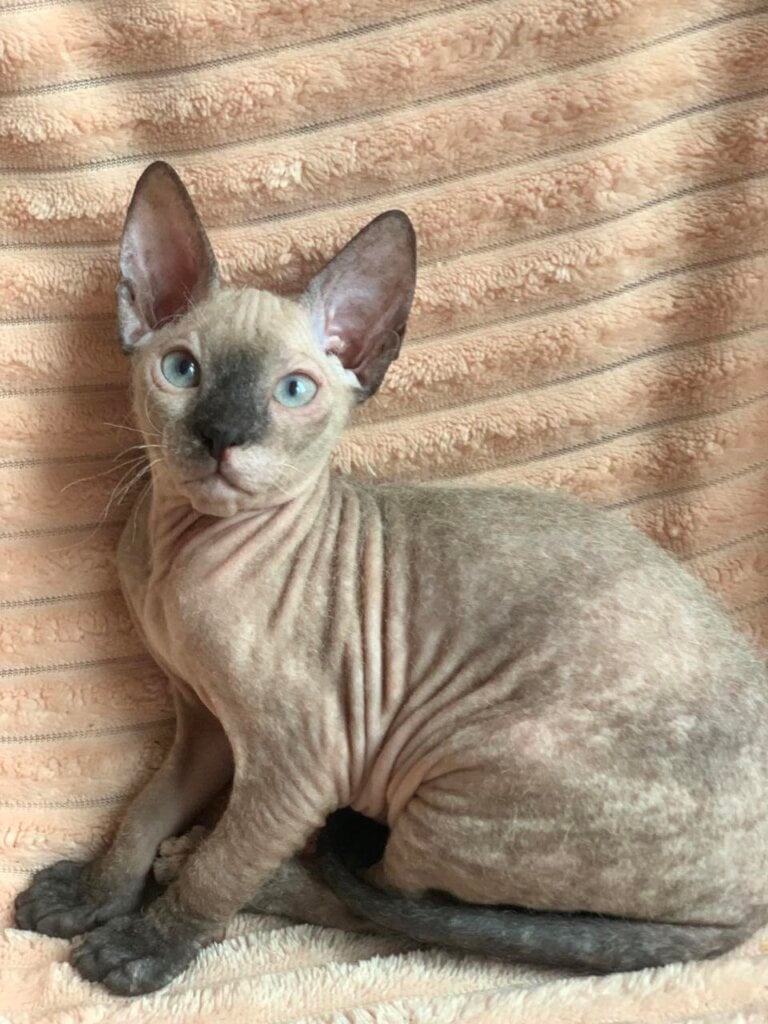
| Devon Rex | High energy, unique coat and potential allergy considerations | Ask about activity level, coat care, and feedback from owners with allergies |
What Questions Are Essential When Buying a Maine Coon Kitten?
For Maine Coon kittens, inquire about parental HCM screening, expected adult size and joint-care plans, and recommended grooming routines for a long, dense coat. Request copies of cardiac screening results for parents and ask about diet and exercise guidance to manage large-breed growth. Knowing typical adult measurements and grooming frequency prepares you for long-term maintenance and vet care. If screening is absent, consider alternative breeders.
What Should You Ask About British Shorthair Temperament and Care?
British Shorthairs are typically calm and adaptable, so ask the breeder how the kitten responds to handling and whether breeders monitor weight and dental health. Request guidance on portion control and activity enrichment to prevent obesity, and ask about any breed-specific dental records. Confirm that early handling included gentle restraint and brushing to build tolerance for routine care. Temperament notes combined with care advice help set realistic expectations.
Which Health Concerns Are Unique to Scottish Fold Kittens?
Scottish Folds carry a genetic risk for osteochondrodysplasia affecting cartilage and bone, so ask about parental ear-fold genetics and any orthopedic screening. Ethical breeders avoid breeding two folded-ear cats together or provide clear genetic counseling and documentation; request full transparency on breeding decisions. Ask how the breeder monitors growing kittens for gait or mobility issues and what long-term care plans they recommend. If a breeder minimizes these concerns, seek another source.
What Are Key Temperament and Grooming Questions for Ragdoll Kittens?
Ragdolls are known for docile, people-oriented temperaments; ask about the extent of early handling, exposure to family activities, and response to being carried. Request parental temperament notes and examples of socialization work that encouraged cuddling and calm behavior. For grooming, ask about coat-maintenance needs and typical shedding patterns and whether the breeder provides sample grooming routines. These questions help align expectations for a calm, affectionate companion.
How Do Devon Rex Kittens Differ in Energy and Allergy Considerations?
Devon Rex kittens are energetic and playful with a distinctive coat that may be low-shedding but not hypoallergenic; ask breeders for owner feedback regarding allergy sensitivity. Inquire about activity levels, enrichment routines used in the cattery, and whether the kitten has been exposed to varied play stimuli. Ask how the breeder advises managing high energy through interactive toys and environmental enrichment. Practical answers help determine whether Devon Rex suits your household and allergy profile.
How Can You Prepare Your Home and Family for a New Kitten?
Preparing your home means gathering supplies, homeproofing spaces, and planning feeding and litter training to ensure a confident start. A safe first room, appropriate supplies, and a gradual introduction schedule reduce stress and speed adaptation. Below is a prioritized supplies checklist and guidance on home setup before bringing your kitten home.
Essential supplies checklist:
- A secure carrier and a comfortable bed or enclosed hide for the first room.
- Food and water bowls, kitten-formulated food, and a small sample of the breeder’s current food.
- At least one litter box plus litter and scoop; low-sided for kittens to enter easily.
- Safe toys, scratching post, grooming brush, and a transitional blanket with familiar scents.
What Essential Supplies Do You Need Before Bringing a Kitten Home?
Prioritize a carrier for transport, a comfortable bed or hiding spot to reduce stress, kitten-appropriate food and water bowls, and a litter box for immediate toilet needs. Include safe toys for enrichment and a scratching post to redirect natural behavior; grooming tools and a soft brush help acclimate the kitten to handling. A small sample of the breeder’s food and a transitional blanket carrying the mother’s scent ease dietary and emotional transitions. Having these items ready prevents avoidable stress on arrival.
How Do You Create a Safe and Comfortable Environment for Your Kitten?
Create a contained “first room” with quiet, low-traffic space where the kitten can explore safely and gradually meet family and other pets. Remove hazards like accessible cords, toxic plants, small ingestible items, and unsecured windows; provide vertical and horizontal enrichment options such as perches and hiding spots. Schedule short supervised introductions to family members and other animals using gradual desensitization methods. This controlled setup builds confidence and reduces the chance of escape or injury.
What Feeding and Litter Training Questions Should You Ask?
Ask the breeder about the kitten’s current diet, feeding frequency, and recommended transition timeline to your food to avoid digestive upsets. Request a feeding schedule for the first week and guidance on portion sizes and treats, and clarify the litter type used during training to maintain consistency. For litter training issues, ask the breeder about common troubleshooting steps and when to consult your veterinarian. Clear feeding and toileting plans reduce stress and accelerate house-training success.