
Feline Kidney Disease — Spot the Signs, Understand the Tests, and Help Your Cat
Kidney disease in cats is common and often develops slowly. This guide walks you through the symptoms to watch for, how veterinarians diagnose and stage the disease, and the practical treatment and prevention steps that can help your cat live better for longer. We cover early warning signs, diagnostic tests, management strategies, and special concerns like Polycystic Kidney Disease (PKD) so you can act confidently for your cat’s health.
Common Symptoms of Feline Kidney Disease
Kidney disease can show up in different ways and at different stages. Early recognition and veterinary evaluation make a real difference in outcomes.
Early Warning Signs of Kidney Trouble
Early signs can be subtle but meaningful. Keep an eye out for:
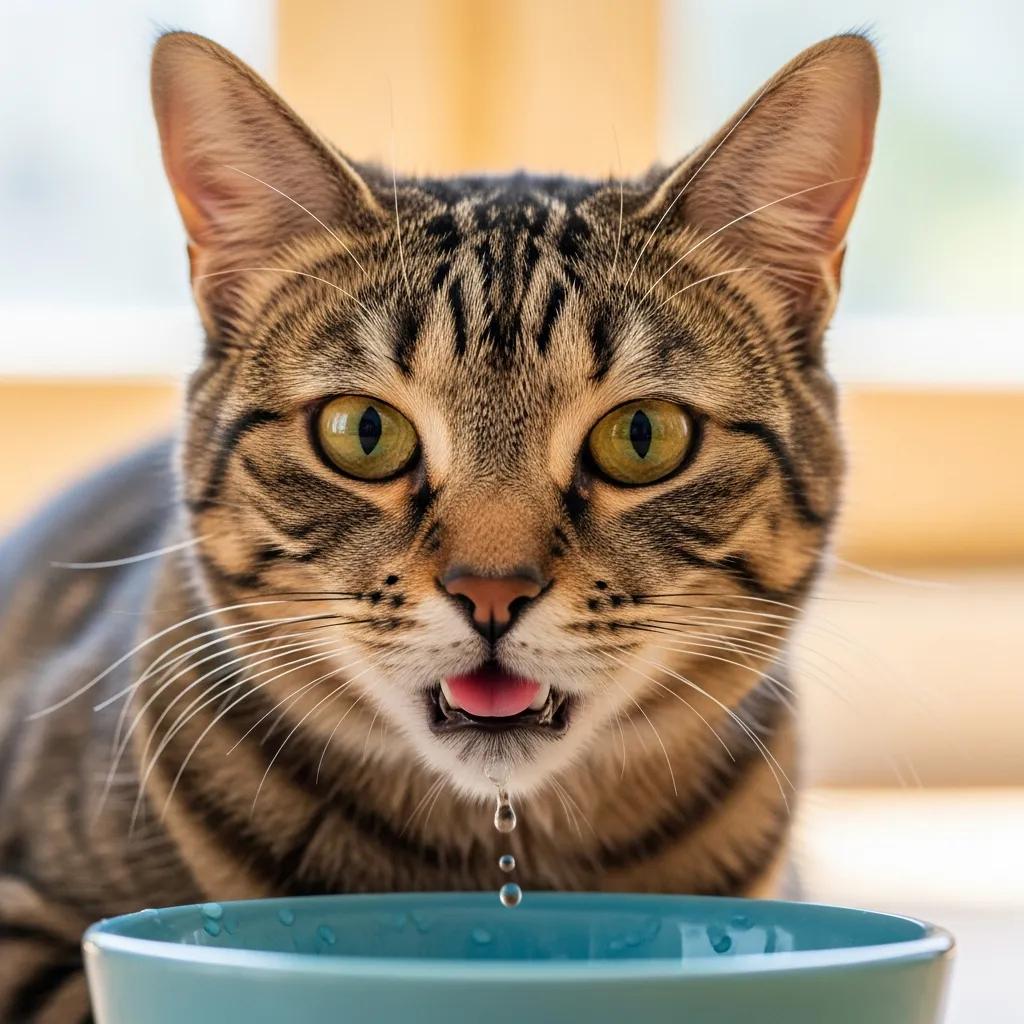
- Increased Thirst: Your cat drinks more than usual (polydipsia).
- Frequent Urination: More trips to the litter box (polyuria) or changes in urine volume.
- Weight Loss: Unexplained loss of body weight despite routine care.
- Changes in Appetite: Less interest in food or skipping meals.
Noticing these signs early lets your veterinarian begin testing and, if needed, start management sooner.
Advanced Signs of Kidney Failure
When kidney disease progresses, symptoms become more obvious and serious. Watch for:
- Lethargy: Low energy, sleeping more, or reduced play.
- Vomiting: Repeated vomiting as toxins accumulate in the blood.
- Bad Breath: Breath with an ammonia-like smell, often linked to uremia.
- Dehydration: Dry gums, sunken eyes, or poor skin elasticity.
These signs indicate the need for prompt veterinary attention and more intensive care.
How Is Feline Kidney Disease Diagnosed and Staged?
Diagnosis combines a physical exam with targeted tests to measure kidney function and look for underlying causes.
Tests Veterinarians Use to Check Kidney Function
Common diagnostic steps include:
- Blood Tests: Measurements such as creatinine, SDMA, and blood urea nitrogen (BUN) assess how well the kidneys are filtering.
- Urinalysis: Examining urine for concentration, protein, and other abnormalities that indicate kidney damage.
- Imaging: Ultrasound or X-rays to view kidney size, shape, and structural changes.
Together these tests help your vet confirm kidney disease and judge how advanced it is.
Research shows SDMA often rises before creatinine, making it a valuable early marker of reduced kidney function.
SDMA — An Early Biomarker for Feline Kidney Disease
Kidney disease is common in companion animals and has traditionally been monitored with serum creatinine (sCr), blood urea nitrogen, and urinalysis. Symmetric dimethylarginine (SDMA) is a newer biomarker that reflects glomerular filtration rate and typically increases earlier than sCr in both acute and chronic kidney disease.
Comparative performance of IDEXX SDMA Test and the DLD SDMA ELISA for the measurement of SDMA in canine and feline serum, 2018
How IRIS Staging Guides Care
The International Renal Interest Society (IRIS) stages chronic kidney disease into four categories, mainly using serum creatinine along with clinical signs and blood pressure to guide treatment and monitoring.
- Stage 1: Kidney damage may be present but serum creatinine is normal or near-normal; subtle signs or other markers may appear.
- Stage 2: Mild azotemia with mild clinical signs.
- Stage 3: Moderate azotemia with more noticeable symptoms.
- Stage 4: Severe azotemia — advanced kidney failure that usually requires intensive management.
IRIS staging helps your veterinarian choose the right treatments and monitoring schedule for your cat’s needs.
Treatment and Long‑Term Management for Chronic Kidney Disease
Managing chronic kidney disease involves several coordinated steps: nutritional changes, medications or supplements as needed, fluid support, and regular veterinary follow-up.
Dietary Strategies That Help
Diet is a cornerstone of care. Key approaches include:
- Moderate-Protein Diets: Provide sufficient protein for health while avoiding excess that stresses the kidneys.
- Phosphorus Control: Lowering dietary phosphorus has been shown to slow disease progression.
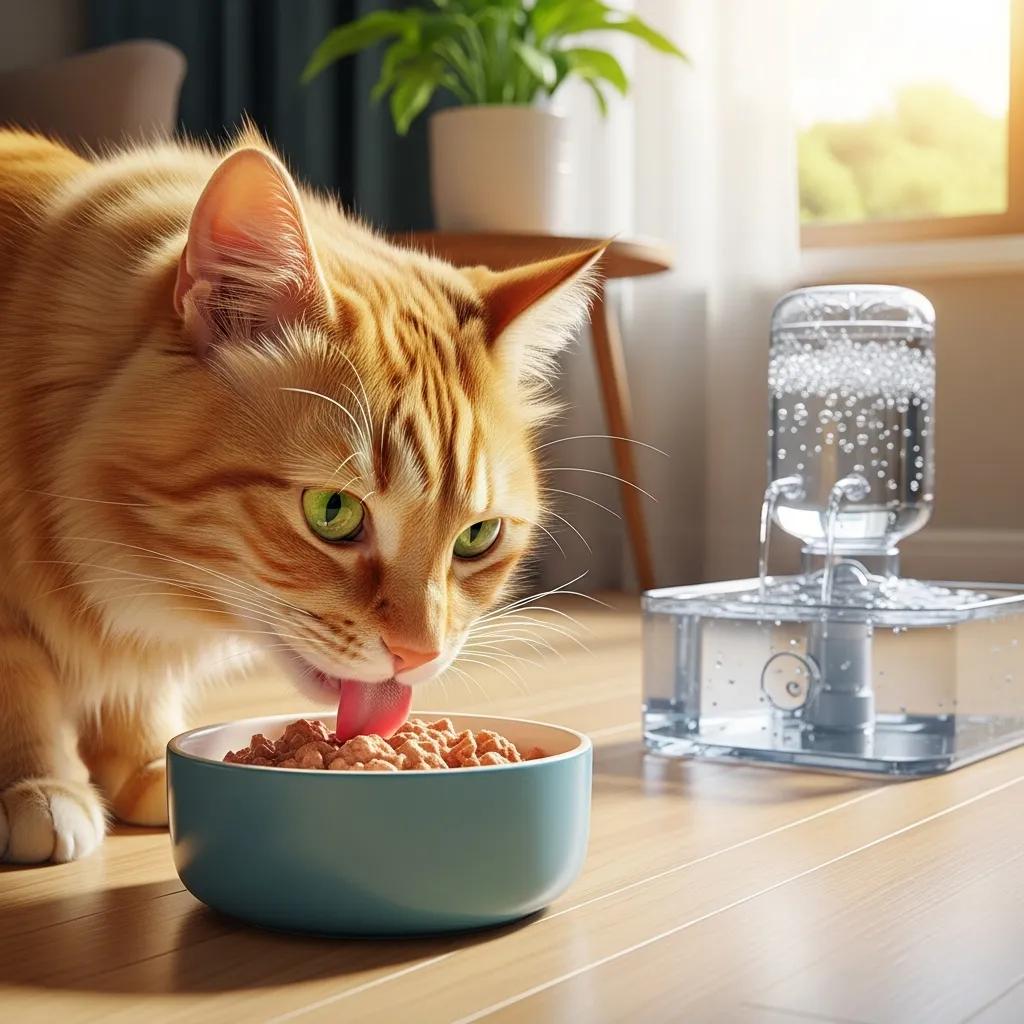
- Hydration: Encouraging fluid intake through wet food, frequent fresh water, or pet fountains supports kidney function.
Thoughtful dietary changes can improve appetite, energy, and overall quality of life for affected cats.
Current evidence highlights dietary phosphorus reduction as an effective way to slow progression in cats with IRIS stage 2 or higher.
Dietary Phosphorus Management for Feline CKD: Slowing Disease Progression
Reviews of dietary phosphorus in healthy and renal cats describe how reducing phosphorus in diets for cats with IRIS stage 2 or higher chronic kidney disease has been associated with slower disease progression and improved survival.
Dietary phosphorus and renal disease in cats: where are we?, 2024
Medications and Therapies Used in CKD Care
Several treatments address symptoms and complications of CKD:
- Fluid Therapy: Subcutaneous or intravenous fluids to correct dehydration and support kidney function.
- Phosphate Binders: Medications that reduce phosphate absorption and help control blood phosphorus.
- Antihypertensives: Drugs to manage high blood pressure, which commonly accompanies kidney disease.
- Anti-nausea Medications: Treatments that reduce vomiting and improve appetite.
Frequent veterinary checkups let your team monitor kidney function and adjust therapies as needed.
Preventing and Monitoring Kidney Health Over Time
Early care and routine monitoring are the best defenses against progressive kidney disease.
Preventative Steps from Kittenhood
Simple habits can help preserve kidney health:
- Balanced Nutrition: Feed high-quality food appropriate for your cat’s life stage.
- Regular Vet Check-ups: Routine exams and screenings help detect problems early.
- Hydration: Encourage water intake with wet food or a water fountain to keep your cat well hydrated.
These practices support long-term kidney health when started early and maintained consistently.
How Responsible Breeding Lowers Genetic Risk
Good breeding practices reduce the chance of passing on hereditary kidney diseases like PKD. Important steps include:
- Genetic Screening: Testing breeding cats for known mutations helps prevent transmission.
- Choosing Healthy Breeding Stock: Selecting cats without a history of kidney disease in their lines.
Prioritizing genetic health improves outcomes for future litters and the breed as a whole.
Polycystic Kidney Disease (PKD) and Breed Risks
Polycystic Kidney Disease (PKD) is an inherited condition that causes fluid-filled cysts to form in the kidneys and is more common in certain breeds.
Breeds More Likely to Have PKD
Breeds with higher PKD risk include:
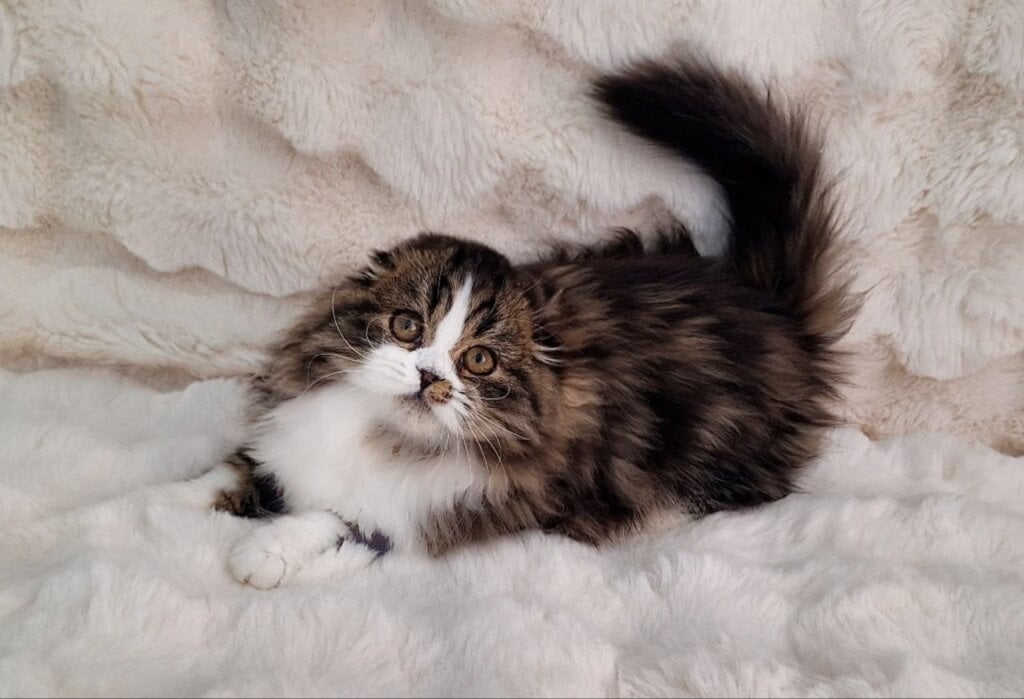
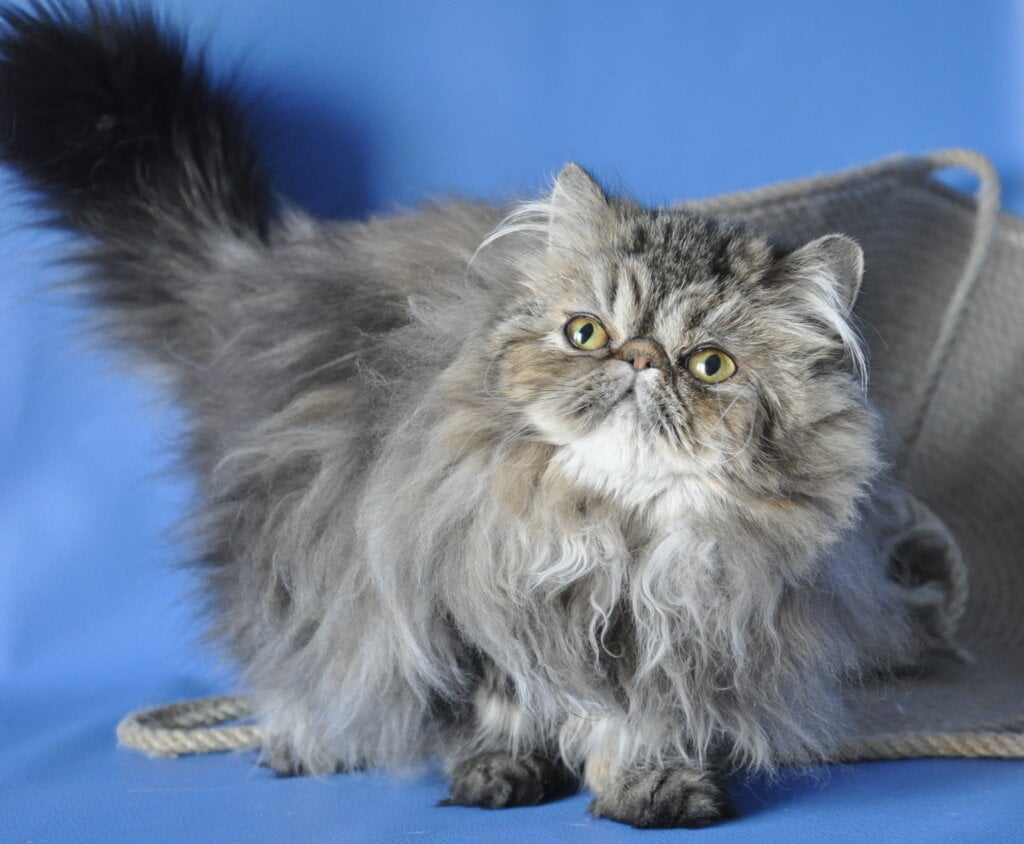
- Persian Cats: Persians and related types are the most commonly affected.
- Himalayan Cats: Genetically similar to Persians and similarly at risk.
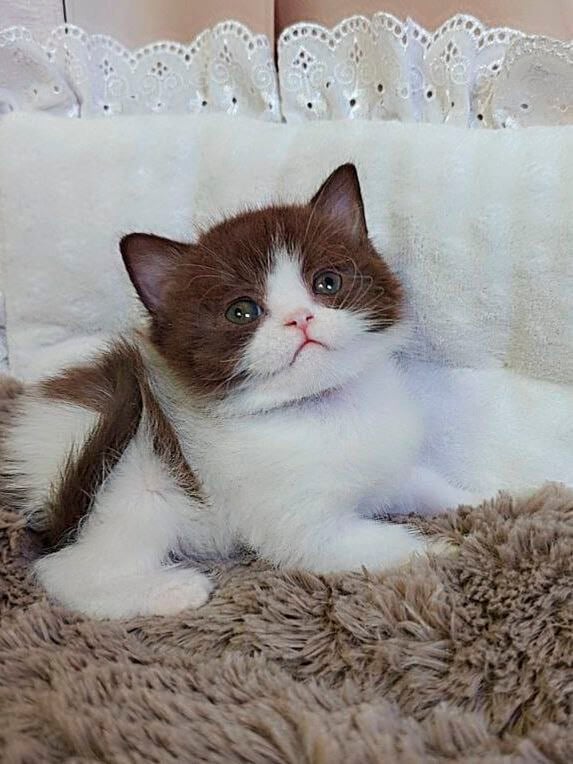
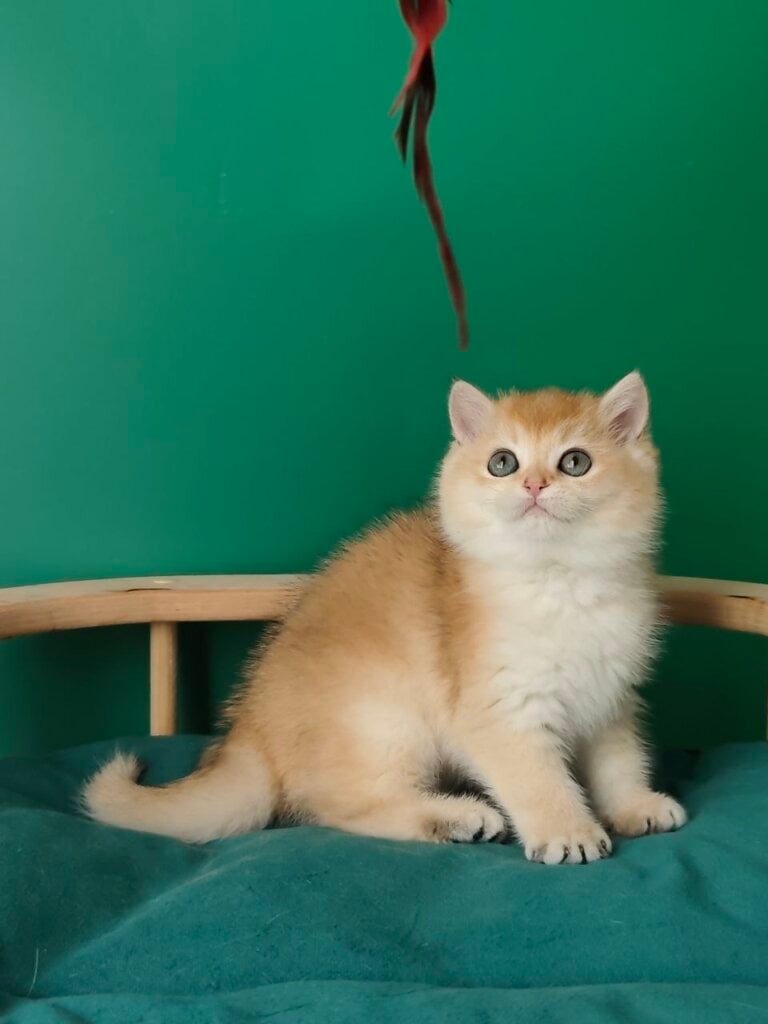
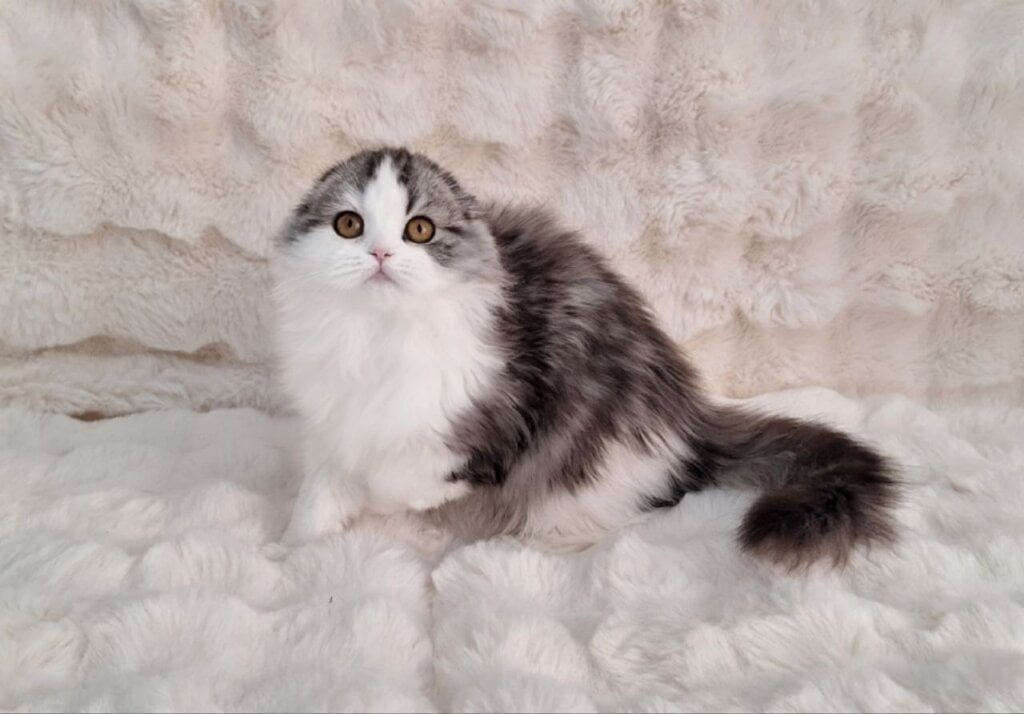
- British Shorthairs: Less commonly affected than Persians but still susceptible.
Knowing breed predispositions helps owners and breeders plan appropriate screening and care.
Genetic studies have identified the specific mutation that causes PKD in predisposed breeds, enabling reliable testing.
Feline PKD — The PKD1 Gene Mutation and Genetic Testing
Autosomal-dominant polycystic kidney disease (ADPKD) is the most common inherited kidney disease in cats, especially in Persian and related breeds. A point mutation (C→A transversion) in exon 29 of the PKD1 gene causes ADPKD and provides a clear target for genetic diagnosis.
Genetic testing for feline polycystic kidney disease., RA Grahn, 2004
How Our Genetic Health Guarantee Helps Address PKD
MeoWoff Kittens provides a genetic health guarantee that covers serious inherited conditions, including PKD where relevant by breed. This guarantee is designed to give buyers added peace of mind when bringing a kitten home.
Emerging Treatments and Advances in Care
Research into feline kidney disease continues to expand treatment options and improve our understanding of the condition.
AIM Injections and Regenerative Medicine — What to Know
Therapies like AIM (Apoptosis Inhibitor of Macrophage) injections and regenerative medicine are being explored as potential options. Their goals are to:
- Stimulate Kidney Repair: Encourage cellular repair and renewal to support kidney function.
- Reduce Inflammation: Target inflammatory processes that worsen kidney damage.
These approaches are promising but remain investigational and are not yet standard practice.
Why Early Detection Matters
Finding kidney disease early improves the chances of slowing its progress and keeping your cat comfortable. Regular veterinary screening and monitoring allow for:
- Timely Intervention: Treat issues before they become advanced.
- Customized Treatment Plans: Tailor care to your cat’s stage and needs.
Early, consistent care is one of the most effective ways to protect your cat’s quality of life.
| Treatment Option | Description | Benefits |
|---|---|---|
| Dietary Management | Low to moderate protein and controlled-phosphorus diets | Helps slow disease progression and supports nutrition |
| Fluid Therapy | Subcutaneous or intravenous fluids to restore hydration | Maintains hydration and supports kidney function |
| Medications | Phosphate binders, blood pressure medications, anti-nausea drugs | Manages symptoms and complications |
This summary highlights key options used together to manage chronic kidney disease in cats.
Feline kidney disease is complex, but with awareness, early detection, and coordinated care you can make a meaningful difference for your cat. Work closely with your veterinarian, follow recommended monitoring, and consider responsible breeding and genetic screening when applicable to reduce future risk.