
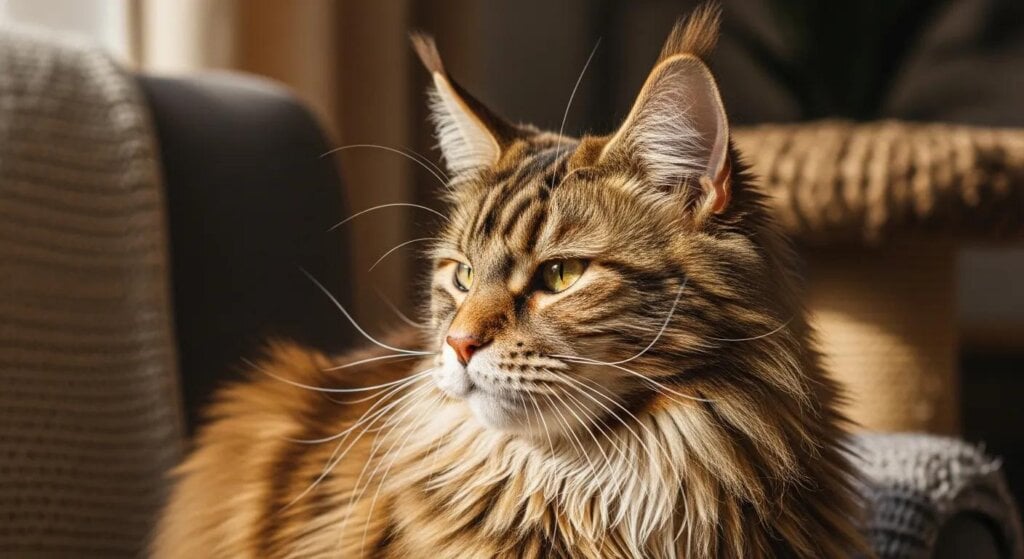
Spotting Illness in Maine Coons
Maine Coons are well-known for their friendly nature and striking looks, but they can still develop health problems. Knowing how to spot signs of illness helps protect their welfare. This article outlines common symptoms, the conditions they often face, and genetic health risks. It also covers when to contact a veterinarian and how to prepare for a visit. Staying informed lets you act early to keep your Maine Coon healthy and content.
What Are the Common Signs of Illness in Maine Coon Cats?
Spotting early signs—such as lethargy, appetite changes or shifts in behaviour—allows for quicker treatment. Noticing these signals early can improve your cat’s chances of recovery.
How to Identify Early Symptoms Like Lethargy and Appetite Loss
Lethargy is often one of the first indicators that something is wrong. If your cat is less active or uninterested in play, watch closely for other signs. A clear drop in appetite is another red flag; if your cat eats or drinks noticeably less, monitor them and seek advice if it continues.
Recognizing Behavioral Changes and Physical Signs of Sickness
Changes in behaviour can signal pain or illness. Withdrawal or increased aggression may indicate discomfort. Physical signs—vomiting, diarrhoea or unusual grooming—should not be ignored, as they often require veterinary assessment.
For example, a case study described severe gastrointestinal problems in a Maine Coon, highlighting the need to recognise persistent symptoms.
Maine Coon IBD & Trichomonosis: Symptoms & Diagnosis
A 2-year-old, 4.2 kg, spayed female, Maine coon cat was referred to the veterinary hospital for evaluation of hyporexia, slow growth, and chronic, intermittent, mucoid, bloody, voluminous, and fetid diarrhoea. The diarrhoea had been observed since the cat was acquired from a cattery at 4 months of age; with acute worsening in the 5 d before presentation. Abdominal palpation revealed moderate pain. Ultrasonographic examination showed thickening of the jejunal wall and ileal loops, increased echogenicity of the jejunal mucosa, and enlargement of the jejunal and ileocolic lymph nodes.
Simultaneous occurrence of inflammatory bowel disease and trichomonosis in a Maine coon cat, 2022
Which Common Diseases Affect Maine Coon Cats and Their Symptoms?
Maine Coons can develop several health problems. Common conditions include hypertrophic cardiomyopathy (HCM), hip dysplasia and respiratory infections—each presents with distinct signs owners should watch for.
What Are the Symptoms of Hypertrophic Cardiomyopathy in Maine Coons?
Hypertrophic cardiomyopathy (HCM) affects the heart muscle and is often genetic. Signs include difficulty breathing, lethargy and sudden collapse; some cats may show heart murmurs or fainting. If you notice these symptoms, seek veterinary care immediately, as HCM can be life-threatening.
How to Spot Respiratory Infections and Other Frequent Illnesses
Respiratory infections commonly cause coughing, sneezing, nasal discharge and sometimes fever. They may be caused by various pathogens and often require medical treatment. Also watch for dental disease, obesity and hip dysplasia, which can affect your cat’s overall health and mobility.
How Can Genetic Health Risks Impact Maine Coon Cat Illness?
Understanding genetic risks matters for Maine Coon owners. Certain markers increase the likelihood of specific conditions, so being aware of lineage and health history helps with prevention and care.
What Genetic Markers Should Owners Be Aware Of?
Maine Coons can carry genetic markers linked to conditions such as hypertrophic cardiomyopathy (HCM) and spinal muscular atrophy (SMA). Knowing these markers supports breeding and health decisions. Regular veterinary check-ups and genetic testing provide useful insight into your cat’s risk profile.
How Does Genetic Screening Help in Early Illness Detection?
Genetic screening can identify potential health risks before signs appear. Early knowledge lets you monitor more closely, adjust diet or care, and apply preventive strategies to support a healthier life for your cat.
When Should You Consult a Veterinarian for Your Maine Coon Cat?
Knowing when to see a veterinarian helps protect your Maine Coon’s health. Some signs need urgent attention, while others are suitable for a scheduled appointment.
Which Symptoms Require Immediate Veterinary Attention?
If your Maine Coon shows severe signs—difficulty breathing, persistent vomiting, sudden collapse or severe pain—contact a veterinarian right away. These symptoms can indicate serious conditions that need prompt intervention.
How to Prepare for a Vet Visit and What to Expect
Prepare by bringing medical history, a list of symptoms and any questions. Expect a thorough examination and likely diagnostic tests to identify the underlying cause of your cat’s problems.
Looking to bring a Maine Coon into your home? You can find a “Maine Coon for sale” at reputable breeders.
If you’re ready to welcome a Maine Coon into your family, consider the “pick up” process to ensure a smooth transition for your new feline friend.