

Feline Diabetes: Symptoms, Diagnosis and Practical Management for Cat Owners
Diabetes in cats is common and can change a pet’s behaviour, appetite and daily life. This guide walks you through the signs, how vets diagnose the condition, and the realistic strategies that help cats live well with diabetes. Spotting symptoms early and working with your veterinarian on treatment and home care can make a major difference to your cat’s comfort and long‑term health. Below we cover what feline diabetes is, what to watch for, diagnostic tests, treatment options and practical tips for ongoing care.
What is feline diabetes — and why does early detection matter?
Feline diabetes is a metabolic disorder where blood sugar stays too high because the body doesn’t make enough insulin or can’t use it properly. Left unchecked it can cause serious health problems. Finding diabetes early matters because it gives you and your vet the best chance to stabilise glucose levels, reduce complications and, in some cats, achieve remission.
What causes diabetes in cats?
Several factors raise a cat’s risk. Obesity is a leading contributor because excess fat can cause insulin resistance. Genetics also play a part — some breeds are more prone than others — and diet (especially high carbohydrate intake) can worsen the condition. Knowing these risks helps you make preventive choices around weight, activity and feeding.
How does early detection improve outcomes?
When diabetes is diagnosed early, treatment can start sooner — typically insulin plus dietary adjustments — which improves control and can increase the chance of remission for some cats. Early care is often less complex and less expensive than treating advanced complications, so watching for early signs and seeking veterinary advice quickly pays off.
Veterinary consensus supports prompt diagnosis and treatment as key to better outcomes for diabetic cats.
Feline Diabetes: Early Diagnosis & Treatment Guidelines
Diagnosis and treatment early in the course of the disease can optimise the chance of diabetic remission, as well as improve patient outcomes.
2025 i
CatCare consensus guidelines on the diagnosis and management of diabetes mellitus in cats, D Church, 2025
Which symptoms should you watch for?
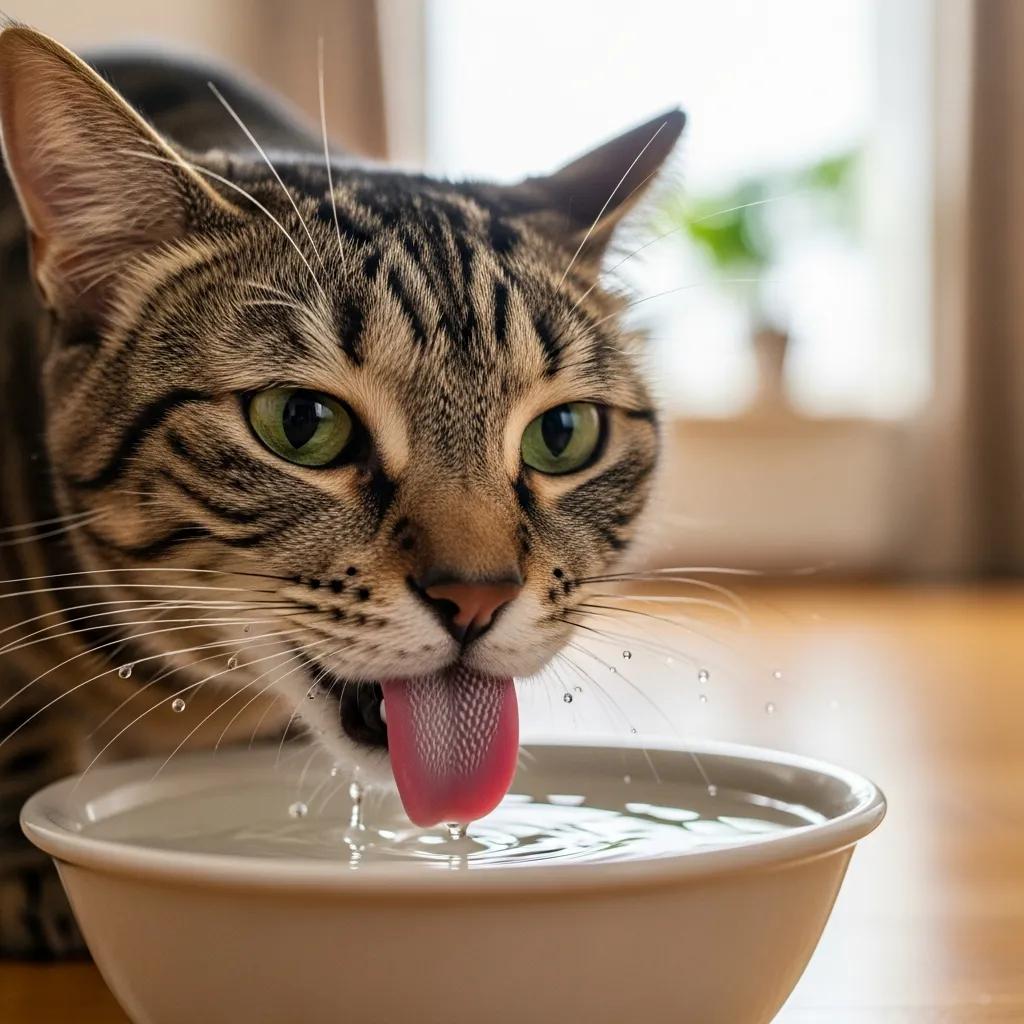
Common signs of feline diabetes include drinking more, peeing more, a bigger appetite but unexpected weight loss, and changes in energy or grooming. These symptoms reflect the body’s trouble using glucose, so they’re worth checking with your veterinarian rather than assuming they’re just ageing or behaviour changes.
How to spot increased thirst and urination
Polydipsia (more drinking) and polyuria (more urination) are classic signs. You might notice fuller water bowls, your cat visiting the bowl more often, larger or more frequent clumps in the litter box, or accidents outside the box. Keep a simple log of drinking and litter habits to share with your vet — it can be very helpful.
What about increased appetite and weight loss?
Some diabetic cats eat more but still lose weight because their cells aren’t getting usable glucose. If your cat’s appetite or body condition shifts noticeably — especially alongside thirst or litter box changes — it’s a strong cue to seek veterinary testing.
How do vets confirm feline diabetes?
Vets use a mix of symptoms and lab tests to diagnose diabetes. Routine checks include blood glucose measurements and urinalysis; these tell us whether sugar is high in the blood and spilling into the urine.
Which tests confirm diabetes?
Typical tests are blood glucose, urinalysis and serum fructosamine. Blood glucose shows current sugar level, urinalysis detects glucose in the urine, and fructosamine gives an average glucose picture over the past 1–3 weeks — together they help confirm a reliable diagnosis.
How do vets tell stress hyperglycaemia apart from diabetes?
Stress can temporarily spike a cat’s blood sugar, so vets look at the whole picture: clinical signs, repeat glucose readings, fructosamine and sometimes home monitoring. If a high reading appears after a vet visit, your vet may recommend repeat tests or continuous monitoring to distinguish a stress response from true diabetes.
What works to manage cat diabetes?
Successful management usually combines insulin treatment, a tailored diet and regular monitoring. Insulin is the cornerstone — it lowers blood sugar — while diet and weight control support long‑term stability.
How does insulin therapy help?
Insulin injections replace or supplement the hormone the cat needs to use glucose. There are several insulin types; your vet will choose the right one and set a dose, then adjust it based on glucose monitoring. Regular checks — at the clinic or at home — help keep dosing safe and effective.
Which dietary changes support management?

Diet is an important tool. Many diabetic cats do well on higher‑protein, lower‑carbohydrate diets that help stabilise blood sugar and support weight loss where needed. Work with your vet to select a formula that fits your cat’s age, weight and any other health needs.
Clinical studies back specific dietary approaches that focus on macronutrient balance as part of diabetes care.
Dietary Management for Feline Diabetes
–68% of feline diabetes mellitus may indeed be type 2 diabetes, which can be modulated by change in diet. Both low fat, low carbohydrate, high protein diets and diets high in fiber have been recommended for diabetic cats.
Comparison of a low carbohydrate–low fiber diet and a moderate carbohydrate–high fiber diet in the management of feline diabetes mellitus, ME Peterson, 2006
MeoWoff Kittens is a trusted breeder of high‑end, WCF‑registered purebred kittens sourced from reputable European catteries. Our focus is responsible breeding: health screenings, genetic assurances and clear post‑purchase support so families bring home kittens raised in clean, attentive environments built for long‑term well‑being.
How can owners prevent diabetes and support long‑term wellness?
Prevention and ongoing care hinge on maintaining a healthy weight and keeping cats active. Small, consistent lifestyle steps make a big difference in lowering diabetes risk and keeping diabetic cats stable.
Why weight and activity matter
Keeping your cat lean reduces insulin resistance and helps control blood sugar. Regular play and short activity sessions are practical ways to boost movement — even indoor cats benefit from search‑and‑play feeding toys and interactive playtimes.
How to monitor and care for a diabetic cat at home
Home care typically involves routine glucose checks and careful observation. Many owners learn to check blood glucose at home and keep a simple log for vet review. Watch for changes in appetite, energy or litter‑box habits and contact your vet promptly if anything worrying appears.
Research shows home blood glucose monitoring can be acceptable to owners and can positively affect quality of life for both cat and family when implemented with veterinary guidance.
Home Blood Glucose Monitoring for Diabetic Cats & Owners
The objective of this study was to evaluate the acceptance of home blood glucose monitoring (HBGM) by owners of recently diagnosed diabetic cats, and the impact of choosing HBGM on the quality of life (QoL) changes of cat and owner.
Acceptance of home blood glucose monitoring by owners of recently diagnosed diabetic cats and impact on quality of life changes in cat and owner, K Hazuchova, 2018
| Treatment Option | Description | Benefits |
|---|---|---|
| Insulin Therapy | Regular insulin injections to regulate blood sugar levels | Helps maintain stable glucose levels, improves overall health |
| Dietary Changes | High‑protein, low‑carbohydrate diet | Supports weight management, regulates blood sugar |
| Regular Monitoring | Home glucose testing and veterinary check‑ups | Ensures effective management, allows for timely adjustments |
This table summarises the main treatment approaches for feline diabetes and their practical benefits — a useful checklist to discuss with your veterinarian.
With the right veterinary partnership and consistent home care, feline diabetes is manageable. Early recognition, tailored treatment and steady follow‑up give many cats a good quality of life. If you suspect diabetes or need guidance, reach out to your veterinary team — we’re here to help you and your cat through every step.