
Professional Cat Grooming: When Your Purebred Needs Expert Care
Grooming plays a big role in keeping purebred cats healthy and comfortable. Because pedigree cats often have specific coat types and sensitive skin, they can need more hands-on care than mixed breeds. This guide helps you spot when professional grooming is wise, explains the benefits, and shows how to prepare your kitten. Notice the signs early, get the right help, and your cat will stay happier and healthier. We cover natural grooming, common warning signals, the perks of regular professional care, and tips for a smooth first groom.
Knowing the specific health and husbandry needs of purebreds is essential to keeping them well and comfortable.
Purebred Cat Welfare: Breed-Specific Health & Care
Past discussions about purebred cat welfare have often focused on breed-linked disease risks, extreme physical traits, and behaviour. Those points matter, but overly negative messages can be poorly supported and push owners and breeders away—reducing real welfare gains. Focusing only on individual breeds also misses the broader issue: breeding and husbandry choices that harm welfare should be avoided across all cats (Felis catus). A full view of purebred welfare must include care practices, breeding decisions, emerging experimental breeds, and why people choose certain cats. This review used a framework based on the UK’s five welfare needs and existing feline quality-of-life tools to reassess the literature and shift the conversation toward practical welfare improvements. A framework to refocus the conversation around the welfare of UK purebred cats, R Foreman-Worsley, 2025
Natural Grooming: What Cats Do—and Where They Need Help
Cats are tidy animals and spend a lot of time grooming themselves. Their tongues have tiny hook-like papillae that pull out loose fur, dirt, and some parasites. Still, self-grooming has limits—especially for purebreds with long or dense coats or sensitive skin. Knowing those limits helps you decide when to step in or call a pro.
How Cats Groom Themselves — and When It’s Not Enough
Self-grooming keeps fur clean, spreads natural oils, and helps cats feel comfortable. But when fur tangles or mats, their tongue can’t fix the problem. Heavy matting traps moisture and debris, can pull on the skin, and may lead to irritation or infection. That’s a clear sign a professional groomer should help.
What Affects a Cat’s Grooming Needs?
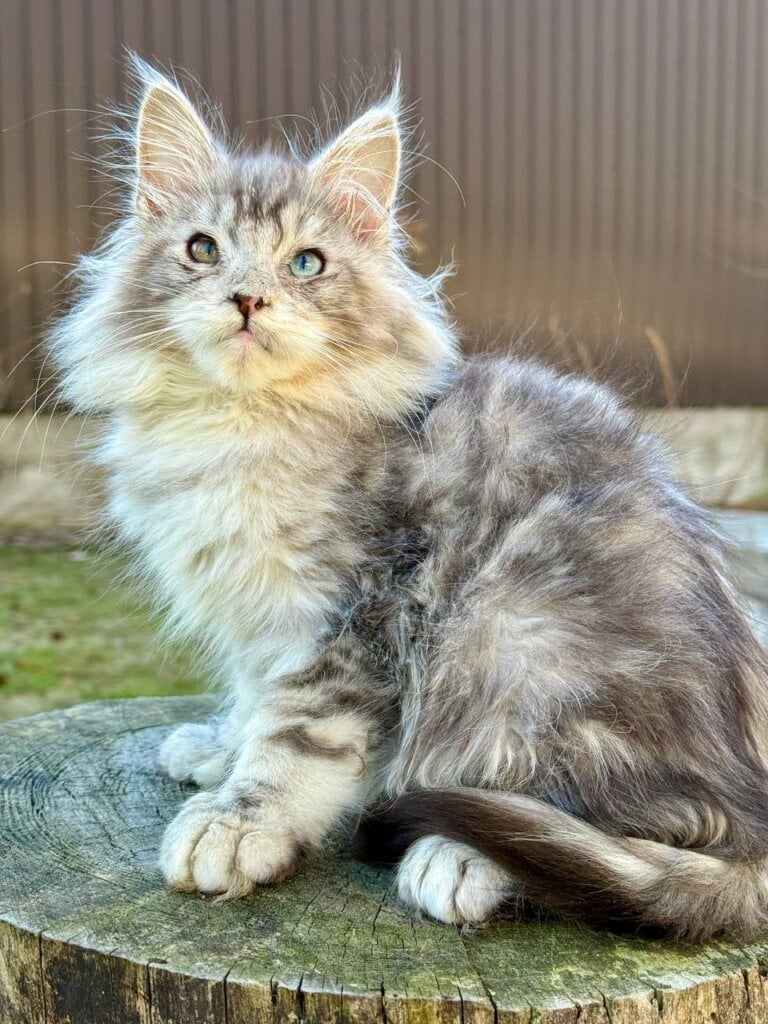
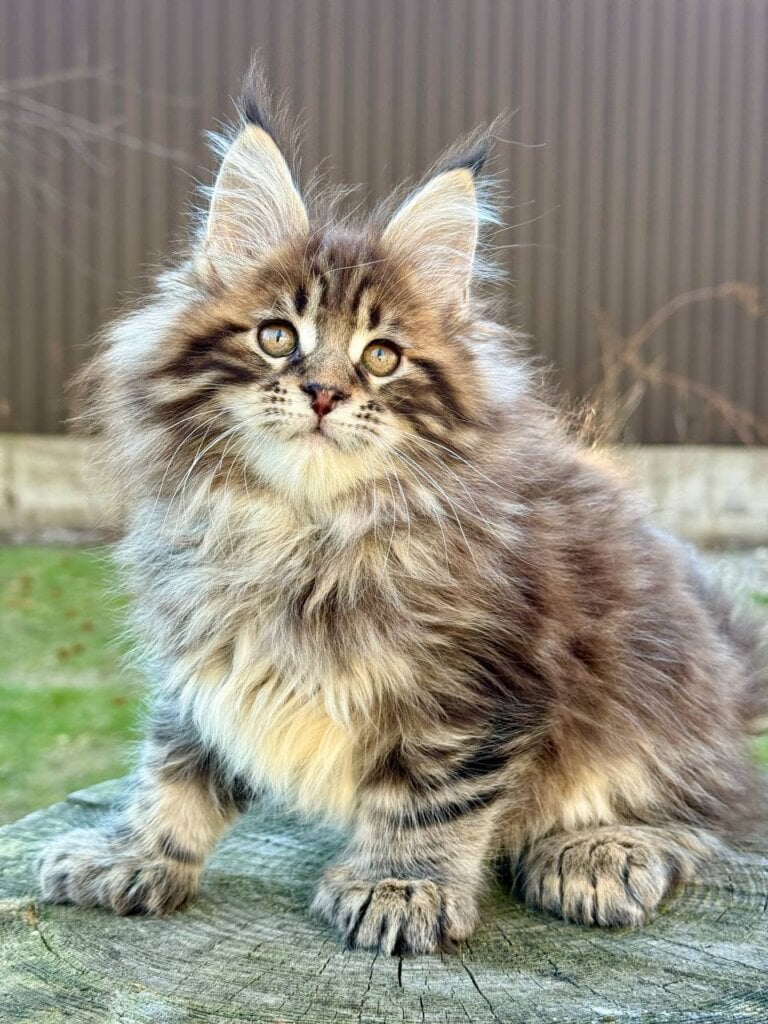
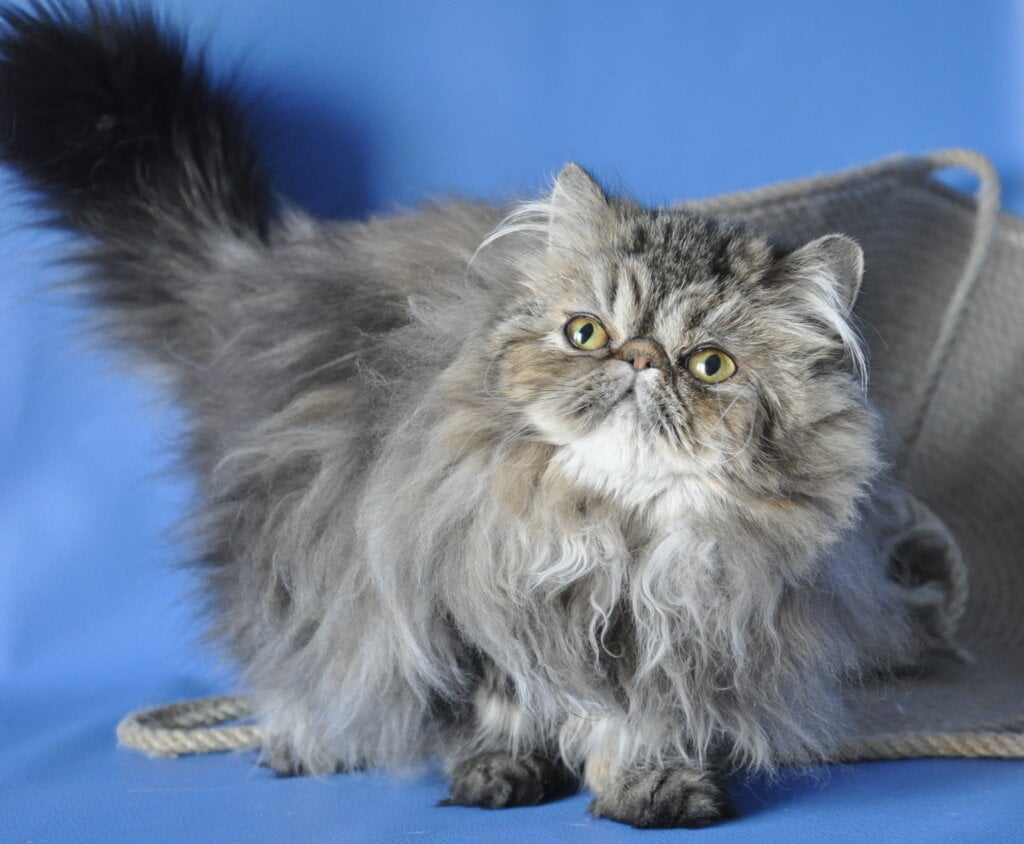
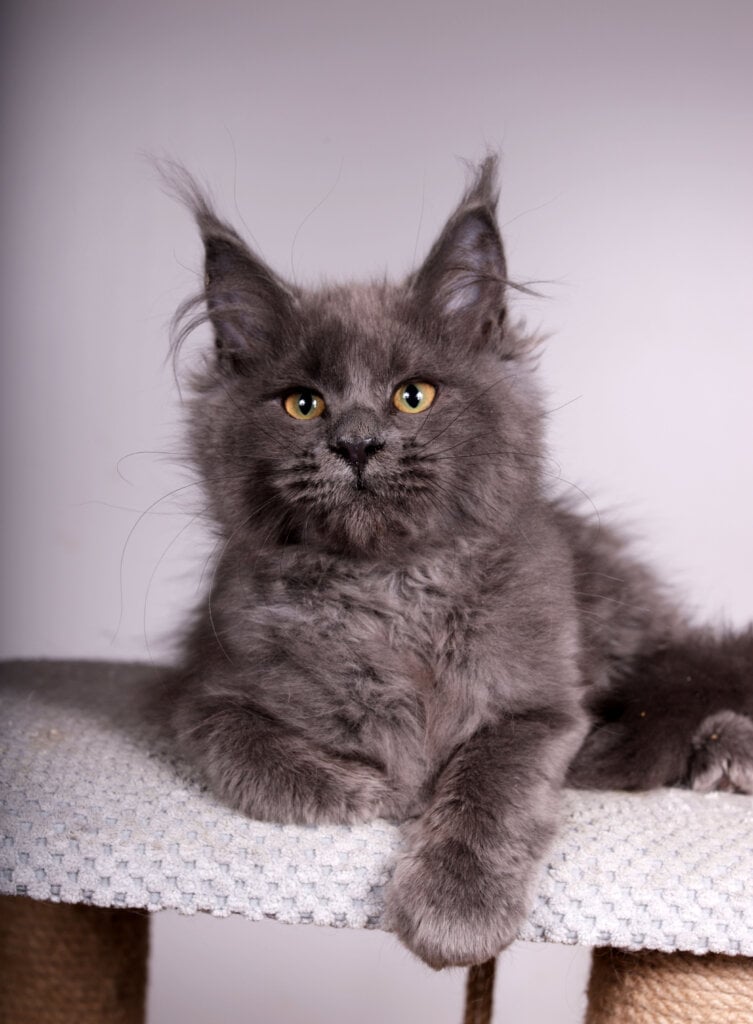
Breed, age and health all shape grooming needs. Long-haired breeds like Persians and Maine Coons usually need more frequent attention to stop tangles. Older cats or those with arthritis, obesity or mobility issues may struggle to reach parts of their bodies. Spotting these factors early makes it easier to plan the right grooming routine.
Key Signs Your Purebred Needs Professional Grooming
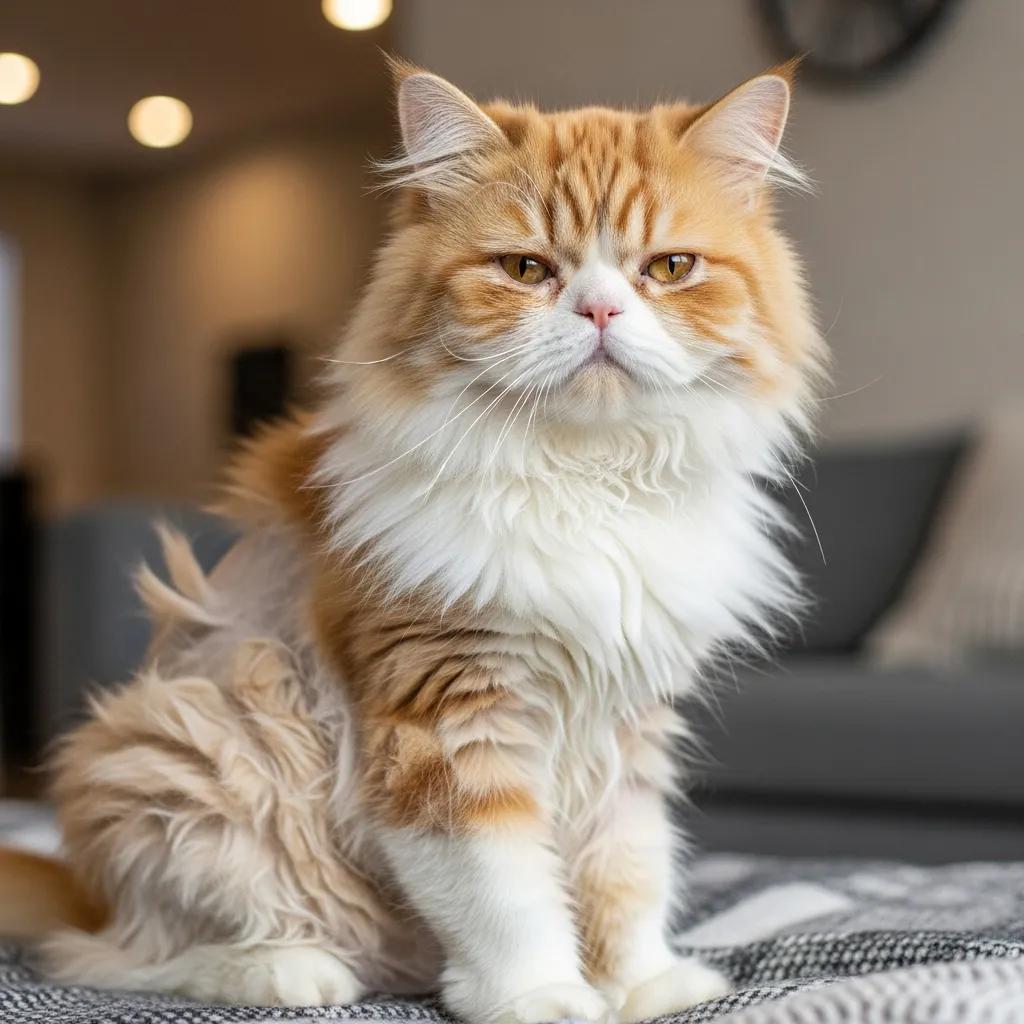
Knowing the warning signs helps you act before small problems become painful or medical. Common indicators include severe matting, visible skin or coat issues, and behaviour changes like increased hiding or excessive licking.
Why Matting and Tangling Mean It’s Time for Help
Mats pull on the skin, trap dirt and moisture, and can hide wounds or infections. If your cat’s coat looks clumpy or they avoid being touched, don’t wait—professional grooming can safely remove mats and prevent further skin damage.
Skin and Coat Warning Signs
Look for flaky skin, oily or foul-smelling fur, bald patches, or persistent scratching. These can point to skin infections, allergies, parasites, or poor grooming. Trained groomers can clean and treat the coat area safely and flag anything that needs veterinary attention.
Benefits of Professional Grooming for Pedigreed Cats
Professional grooming supports a cat’s comfort, skin health and coat condition. Regular sessions reduce mats, remove excess hair and make it easier to spot early health issues—so problems can be treated sooner.
How Professional Grooming Supports Health and Hygiene
Groomers remove dirt, parasites and dead hair that self-grooming misses. They also check skin for lumps, redness or wounds that might need a vet. That extra set of trained eyes helps keep your cat clean and healthy between veterinary visits.
Grooming for Coat Care and Early Health Checks
Routine grooming prevents matting, reduces shedding around the house, and keeps the coat glossy. Because groomers inspect the skin closely, they often catch infections, allergies or lumps early—so you can get timely veterinary care if needed.
How Often to Book a Professional Groom
Grooming frequency depends on breed, coat type and your cat’s individual needs. Use breed guidelines as a starting point and adjust for your cat’s lifestyle, health and coat condition.
Recommended Frequency by Breed
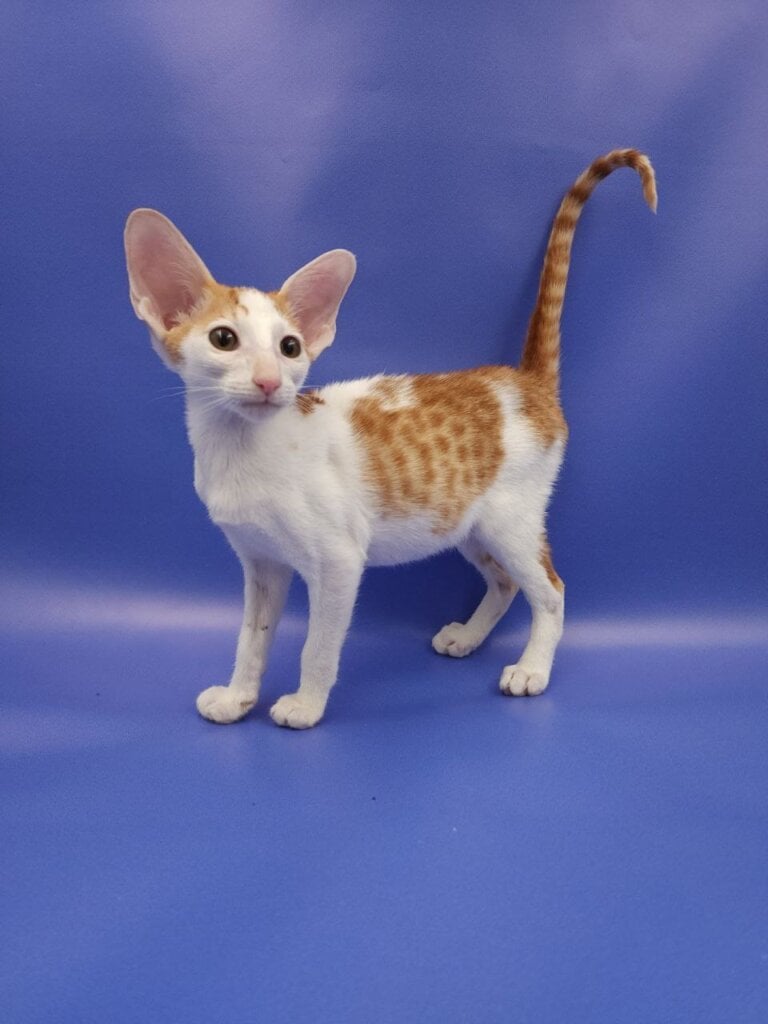
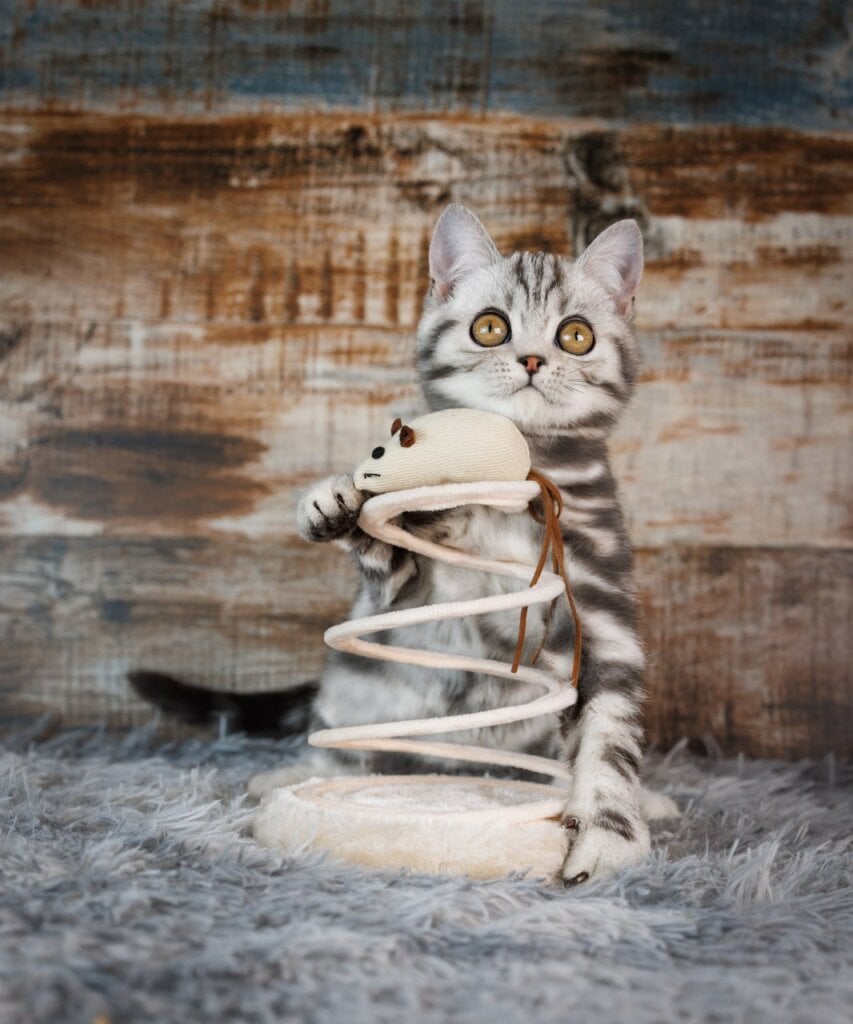
Long-haired breeds (for example, Persians) often benefit from a professional groom every 4–6 weeks. Medium-coated cats generally do well every 6–8 weeks. Short-haired breeds usually need less frequent professional attention—often every 8–12 weeks or as needed.
What Else Affects How Often You Groom
Age, weight, health and outdoor time matter. Active outdoor cats collect more debris and may need more frequent care. Older or less mobile cats may benefit from extra grooming support. Tailor the schedule to your cat’s needs and adjust as you go.
Choosing a Fear-Free, Reputable Cat Groomer
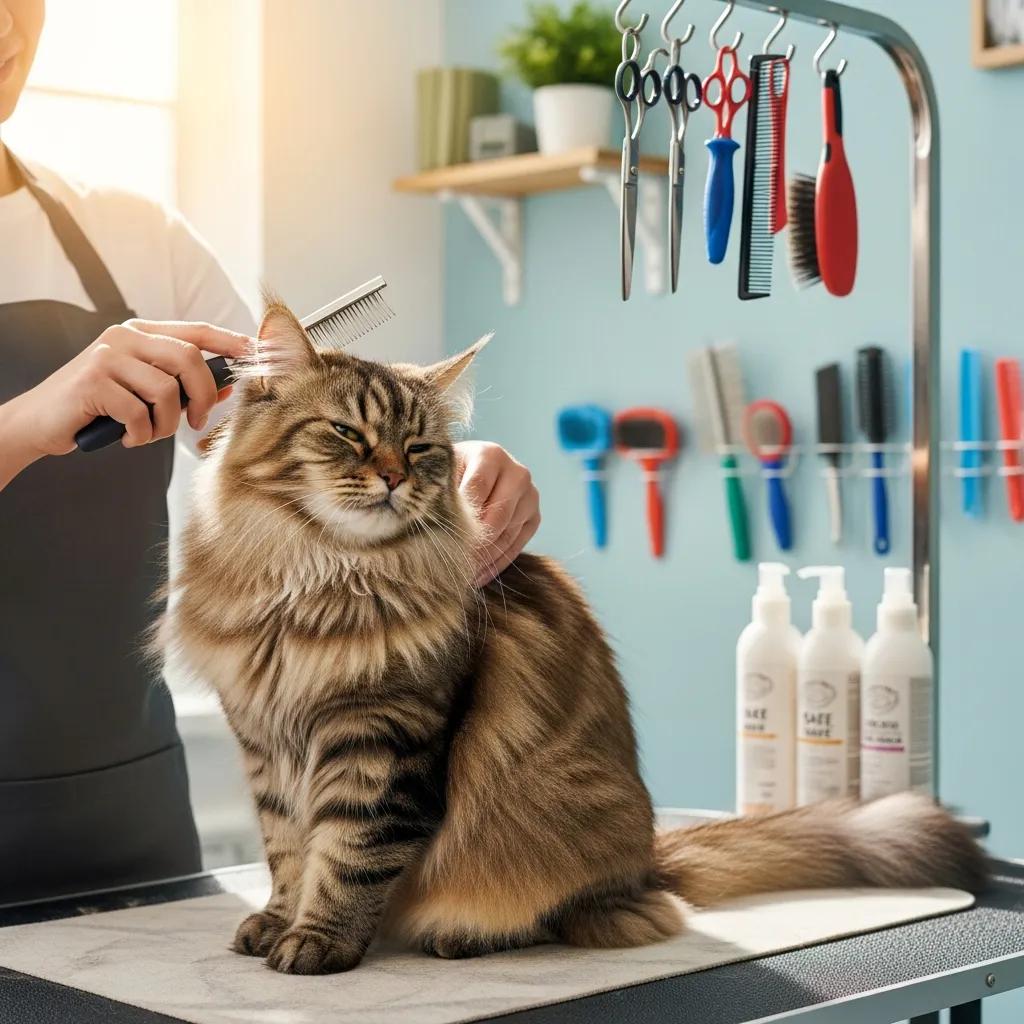
Pick a groomer who understands cat behaviour and uses gentle, fear-free methods. The right groomer will prioritize safety, calm handling and a clean, sanitary workspace.
What to Look For in Certifications and Experience
Look for groomers with cat-specific training or certifications, clear experience with purebred coats, and good references. Trained professionals know how to work with nervous cats and how to spot signs that need veterinary attention.
Why Safety, Cleanliness and Fear-Free Methods Matter
Good groomers follow strict hygiene to prevent infection and use techniques that reduce stress. Fear-free handling keeps grooming safe and more comfortable for your cat—and makes future visits easier.
Preparing Your MeoWoff Kitten for Their First Groom
Start early to make grooming a positive routine. Gentle, regular handling and brief, pleasant exposures to grooming tools will help your kitten feel secure at the salon.
Early Socialization: Simple Steps
Handle paws, ears and the tail gently from a young age. Introduce brushes, combs and a quiet clippers sound at home in short sessions, paired with treats and praise. Small, consistent steps build confidence and reduce stress at the first professional groom.
How MeoWoff Helps Kittens Be Groom-Ready
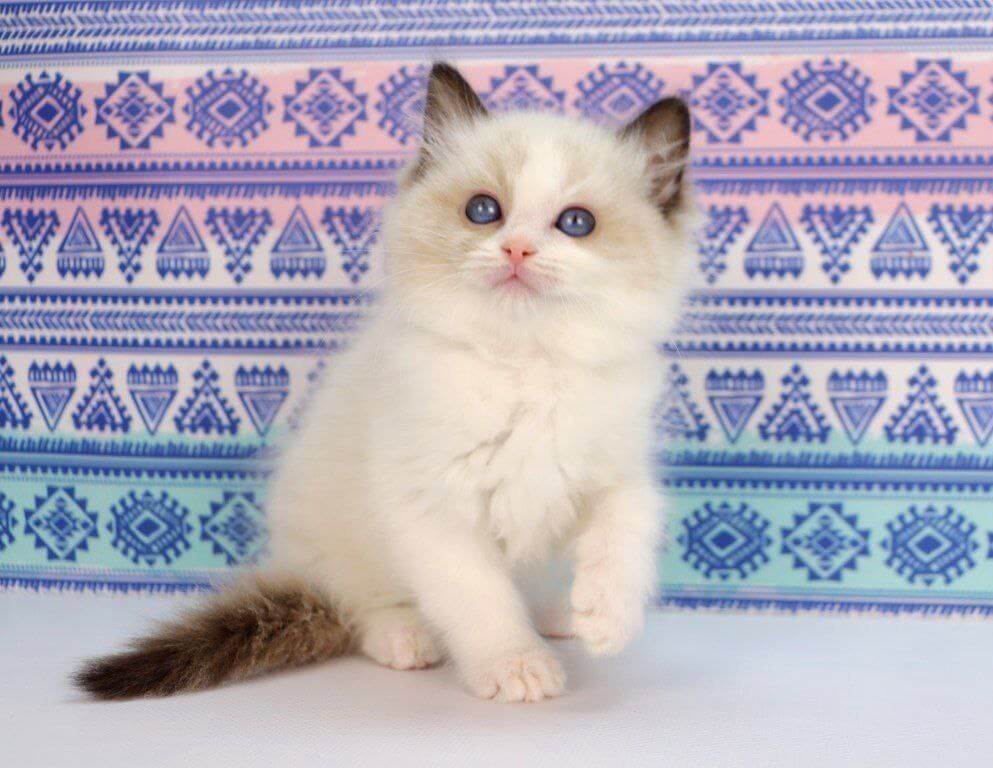
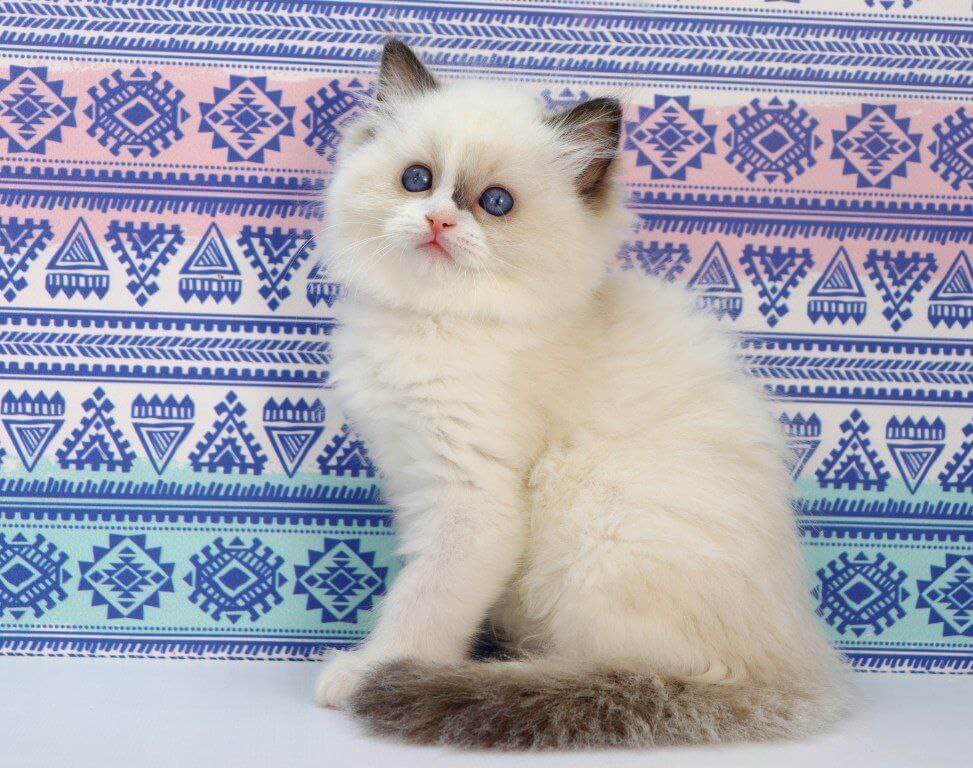
At MeoWoff, we focus on early socialization and calm handling so kittens arrive at their first groom relaxed and used to gentle touch. Our caregivers teach kittens to enjoy being brushed and handled, so the transition to professional grooming feels natural and low-stress for both kitten and owner.
| Grooming Level | Coat Type | Recommended Interval |
|---|---|---|
| High | Long-haired | Every 4-6 weeks |
| Medium | Medium-haired | Every 6-8 weeks |
| Low | Short-haired | Every 8-12 weeks |